
Joined January 2017
- Tweets 1,698
- Following 316
- Followers 21,503
- Likes 1,231
437 Photos and videos


Jun 9
The devs behind Genshin Impact, Arknights, and Wuthering Waves just went independent.
Their new studio, Jin Universe, is building Aether Dawn — an ARPG that fuses hack-and-slash with roguelike mechanics.
This is the talent cycle in motion. Proud to back the team. 🎮
1
4
391
Jun 8
SEED just won @TechRadar Gaming's Best of Summer Game Fest 2026. Congratulations @MundiKlang and @KlangGames — years of conviction, well earned. 🏆
1
4
238
Jun 3
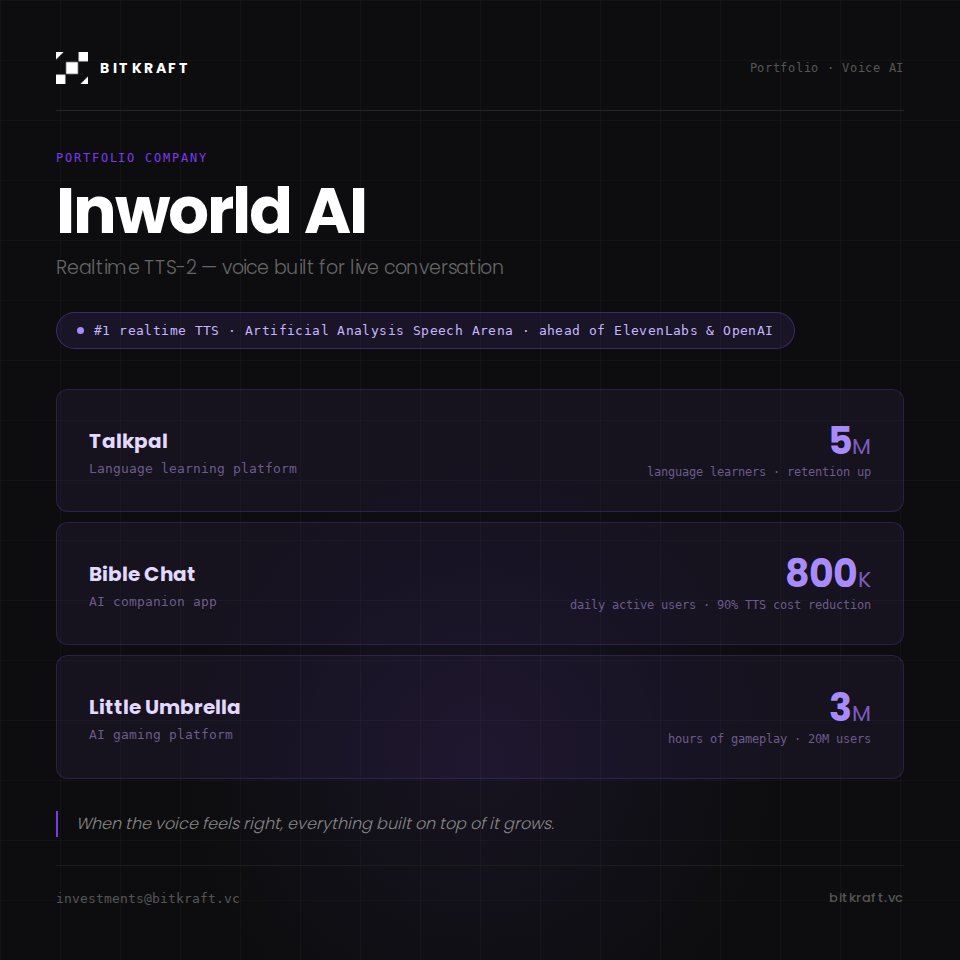
Portfolio Spotlight: Inworld AI
The most natural human interface is not a keyboard. It is voice.
As AI agents become the primary layer between humans and information, voice infrastructure becomes foundational.
That is why we backed @inworld_ai.
Realtime TTS-2 — now the top-ranked realtime TTS model on Artificial Analysis, ahead of ElevenLabs and OpenAI.
Talkpal: 5M language learners. Bible Chat: 800K DAUs, 90% TTS cost reduction. Little Umbrella: 3M hours of gameplay across 20M users.
When the voice feels right, everything built on top of it grows. 🎙️
2
3
10
988
Jun 1
Jensen Huang just framed this as the end of forty years of PC interaction at GTC Taipei this morning.
His argument was not subtle. The keyboard-and-screen paradigm that has defined how humans interact with computers since the 1980s is being replaced — not incrementally improved, but replaced — by AI agents that reason, plan, and execute on behalf of the people using them.
The era of asking a question and getting an answer is giving way to something structurally different: AI systems that have access to a full suite of tools and use them autonomously to deliver results.
This is not a hardware story. It is a human-computer interface story. And it has implications that extend far beyond what runs inside a data center.
If the interface layer between humans and technology is being rebuilt from the ground up, the experiences and environments where people spend their time — how they play, how they learn, how they connect, how they take care of themselves — are being rebuilt with it. The agent is not just a more powerful search bar. It is the beginning of a fundamentally different relationship between humans and the digital world.
We have been investing in that thesis for a long time. What happened on a stage in Taipei this morning is the clearest mainstream signal yet that the shift is no longer theoretical. It is infrastructure.
6
269
May 22
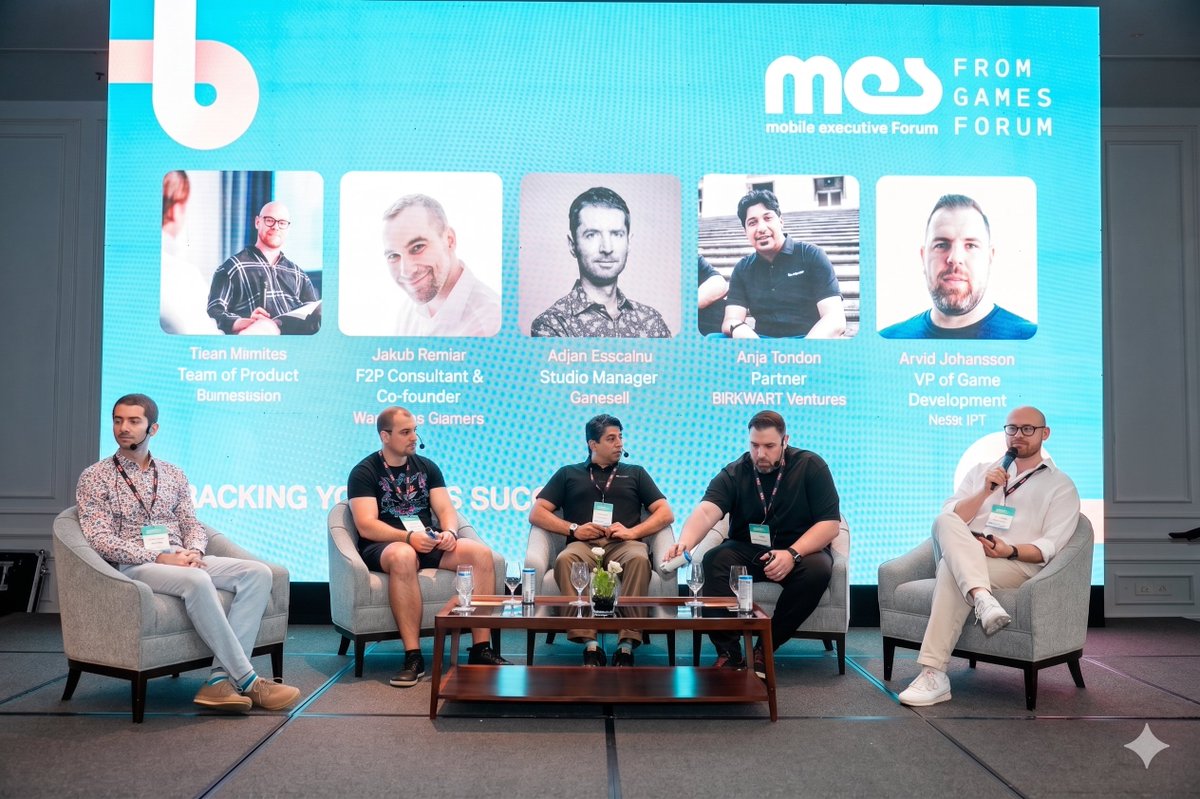
Our Partner @Anuj_Tandon Tandon was at the Mobile Executive Summit in Ho Chi Minh City this week, joining the conversation about what the next chapter of the Vietnam gaming market looks like and why it matters for the industry globally.
Vietnam's gaming market is one to watch. 🌏
Young population. Mobile-first. Deep engineering talent. Fast-maturing gaming culture.
The next wave of great studios won't all come from the same cities as the last one.
Markets like Vietnam are exactly where we want to be present — in the room, building relationships, and staying close to the founders who are shaping what comes next
1
9
569
BITKRAFT Ventures retweeted

May 20
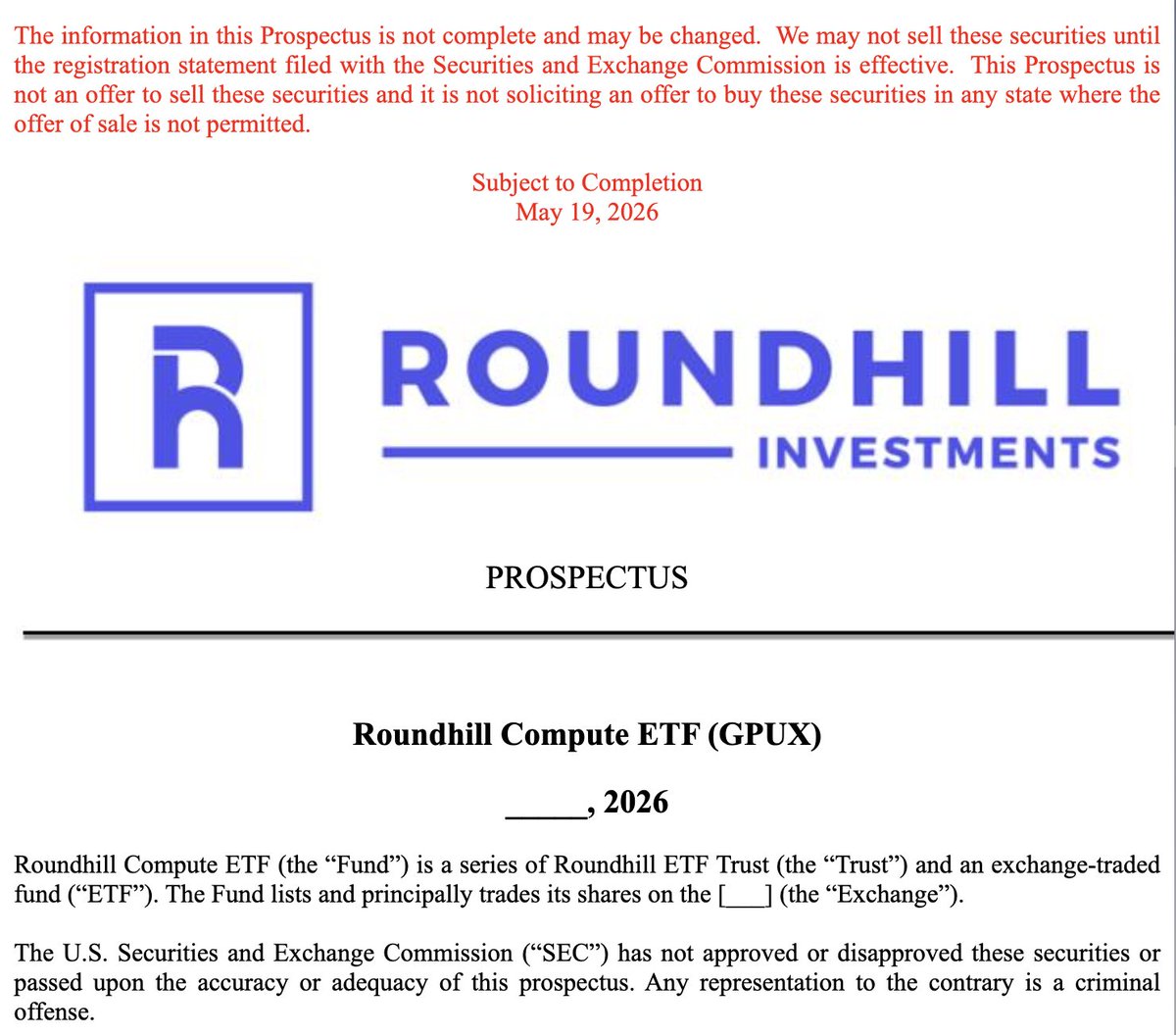
🚨 NEW ETF FILING
Roundhill has filed to launch the:
Roundhill Compute ETF $GPUX
The Fund would provide direct exposure to Computational Power as an asset class by investing in standardized futures contracts on Compute.
20
56
511
127,331
BITKRAFT Ventures retweeted

May 13
did Higgsfield just kill every AI Video startup?
what's going on here
May 13

Introducing Higgsfield Supercomputer
The first ever cloud-native, self-learning AI agent for end-to-end task execution.
40 built-in tools. Three layers of memory. Access via browser or Telegram.
Powered by enhanced Hermes Agent.
63
61
1,395
405,732
May 7
The best early signal for a game isn't the trailer. It's whether players come back the next day.
Loftia, a cozy, solarpunk MMO by @QloudGames, just wrapped its latest beta. The retention numbers are compelling. 📷
Farming, crafting, floating island neighborhoods, community projects that actually shape the world. Equal parts Animal Crossing and something genuinely new.
If that's your thing, wishlist it. 📷
→ store.steampowered.com/app/2…
4
484
BITKRAFT Ventures retweeted

May 5
Introducing Realtime TTS-2, a new generation of voice model built for realtime conversation.
It is the first voice model that hears the conversation, takes natural-language voice direction, holds one voice identity across over 100 languages, and speaks like a person who is paying attention.
The result is voice AI that feels as good as it sounds.
Try it out: tinyurl.com/RealtimeAI
Learn More: tinyurl.com/TTS-2Blog
106
163
783
323,425
May 6
Voice AI that doesn't just hear words — it hears the moment. 🎙️
Our portfolio company @inworld_ai just launched Realtime TTS-2: a voice model that picks up the user's tone, emotion, and pacing in real time and adapts how it speaks accordingly.
Not text-to-speech. Conversation-to-speech.
→ linkedin.com/posts/kylangibb…
#BITKRAFT #inworld_ai #VoiceAI
3
370
May 4
The mobile content revolution isn't just about games—it's about how we consume digital drama. 📱🍿
Our portfolio company @KukuFMOfficial was just featured by the @BBCIndia as a pioneer in the micro-drama boom across India. A massive testament to their vision.
Check out the BBC's coverage of Kuku's growth 👇
🔗 bbc.com/news/articles/c3v2k3…
#BITKRAFT #KukuFM #MediaInnovation #VentureCapital @anuj_tandon
1
2
436
Apr 24
History was just made at the ID@Xbox Showcase. 📷
Our portfolio company @NEWTALES_Games revealed KALANORO—the first game on PC and Console ever to be 100% developed in Madagascar by RED RAKETA studio. 📷
A vibrant musical road trip inspired by Malagasy folklore. 📷 📷
1
1
4
622
Apr 24
The Vibe: Joyful action-adventure. The Crew: A band of eccentric lemur musicians. 📷 📷 The Mission: Defeat the evil witch Raneny using chaotic weapons and a trusty taxi-brousse. 📷
It’s bold, it’s rhythmic, and it’s culturally unique.
1
400
Apr 24
The "Synthetic Reality" thesis is global. We are seeing incredible talent emerge from every corner of the map. NEW TALES is leading the charge by bringing these unique voices to a global stage. 📷
301
Apr 22
The AI infrastructure trade entered its next phase: The Memory Cycle. 📈
Our Portfolio company @roundhill built the product for that with $DRAM and marked a notable ETF launch in 2026 with 1bln AUM in 10 days. Read WSJ for more
1
5
811
Apr 14
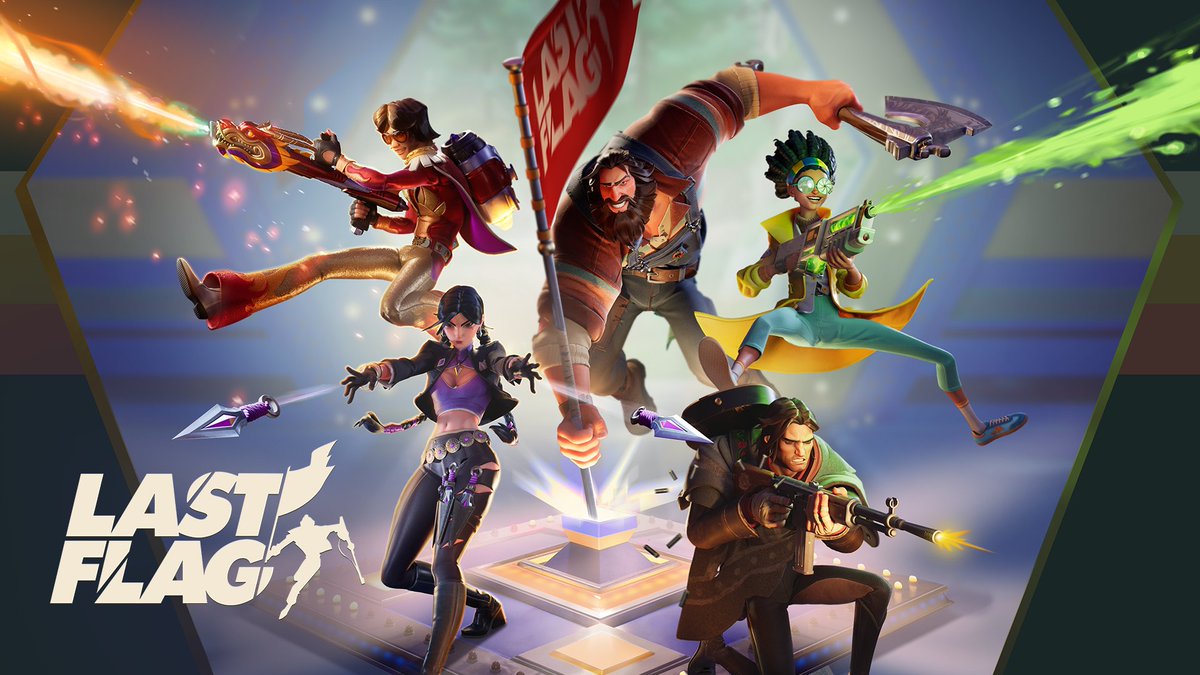
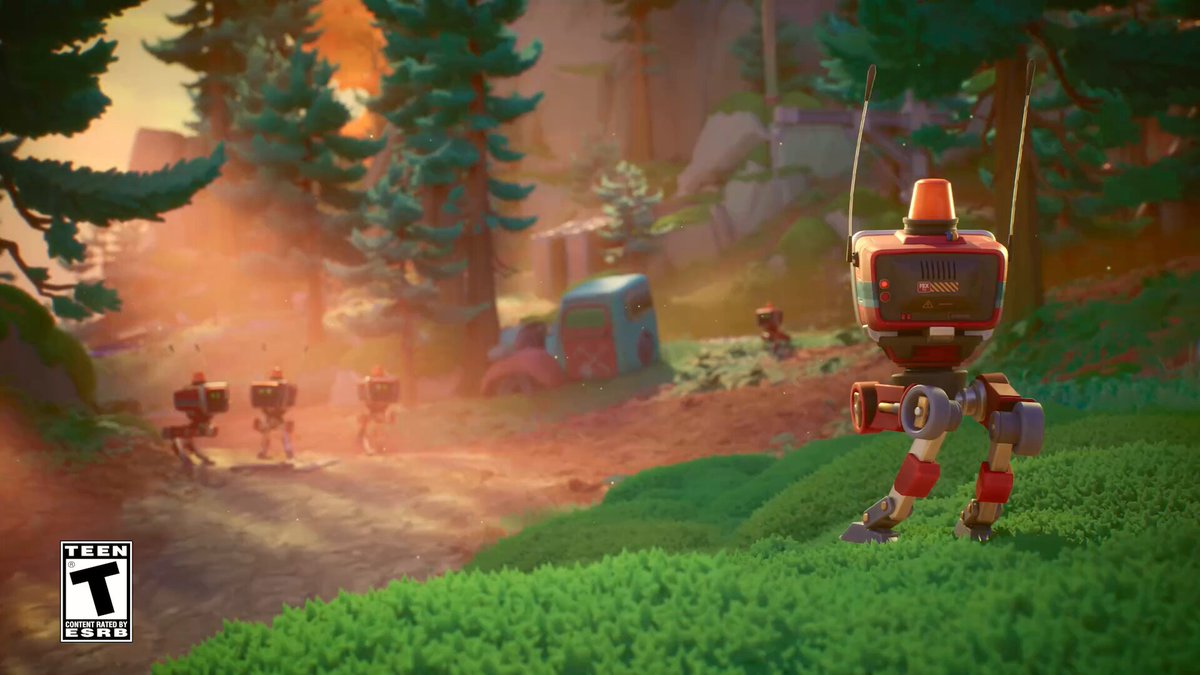
Attention Capture the Flag fans! Our friends at @NightStGames just launched @playlastflag today. It’s available now via Steam and Epic Games Store, and it’s 20% off until April 21st.
Links below 👇
1
3
16
1,051