For public control of the means of production, an economic bill of rights, and return to industry/manufacturing #BRINGBACKCOAL I💚CO2
Joined August 2011
- Tweets 55,510
- Following 2,149
- Followers 2,412
- Likes 83,176
2,343 Photos and videos
Pinned Tweet

Feb 16
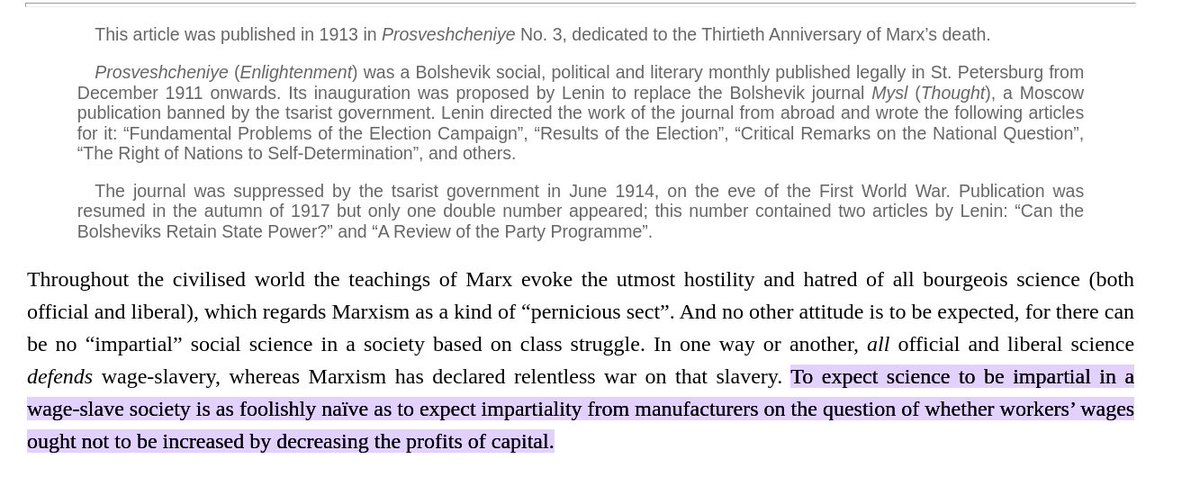
Bourgeois scientists are not noble, are no different from politicians.
They do what those with money tell them to do. They do it for status and resources and career progression, just like the politicians.
If you don't understand that, you don't understand capitalism.
Feb 16

1/🚨 A convicted child sex trafficker told a biologist: produce research on "transgender biology" or I cut your funding.
The biologist complied.
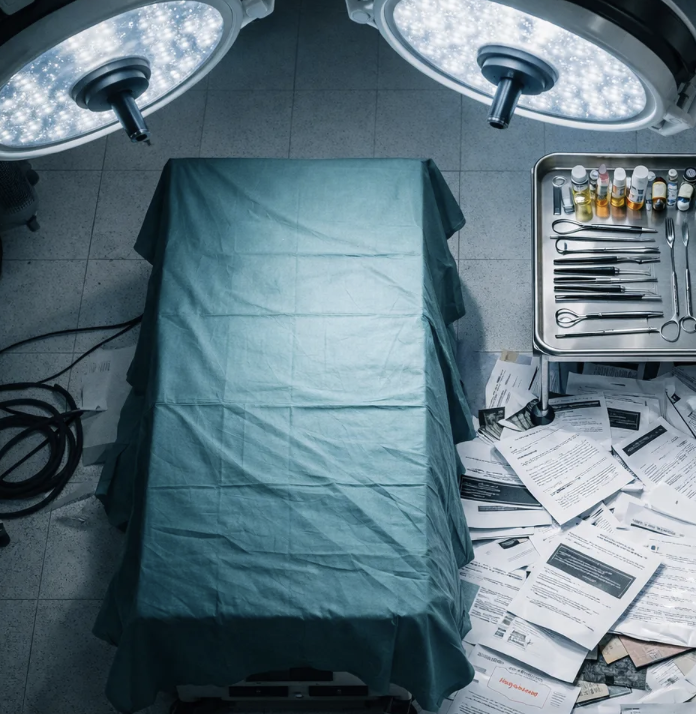
Six EFTA documents connect Jeffrey Epstein to the construction of America's transgender medicine industry. 🧵
6
33
66
7,940
4000 Scottish families requested investigations into the deaths of their loved ones during the iatrocidal scamdemic of 2020-2021.
God knows how many were requested in England. Listen to Jane's story.
Elders and disabled are not safe in the NHS.

My conversation on tonight’s 20/20 CHAT is with Jane Roche, whose sister Jocelyn was involuntarily euthanised (“and that means murdered,” says Jane) in a UK hospital.
1
4
5
193
ben kavanagh retweeted

My conversation on tonight’s 20/20 CHAT is with Jane Roche, whose sister Jocelyn was involuntarily euthanised (“and that means murdered,” says Jane) in a UK hospital.
4
7
10
913
ben kavanagh retweeted

sabes que es una protesta genuinamente popular cuando no está siendo transmitida 24/7 por los medios hegemónicos como el maidan
Jun 13

Bolivia: El cerco de Tupac Katari duro más de 3 meses; Día 44 de protesta y bloqueo de caminos pidiendo la renuncia del presidente cipayo
6
173
842
6,641
ben kavanagh retweeted

Hiding their events page because they know they are criminals.
Synagogue of genocide and dispossession of non-jews.

16
157
358
5,110
ben kavanagh retweeted

20h
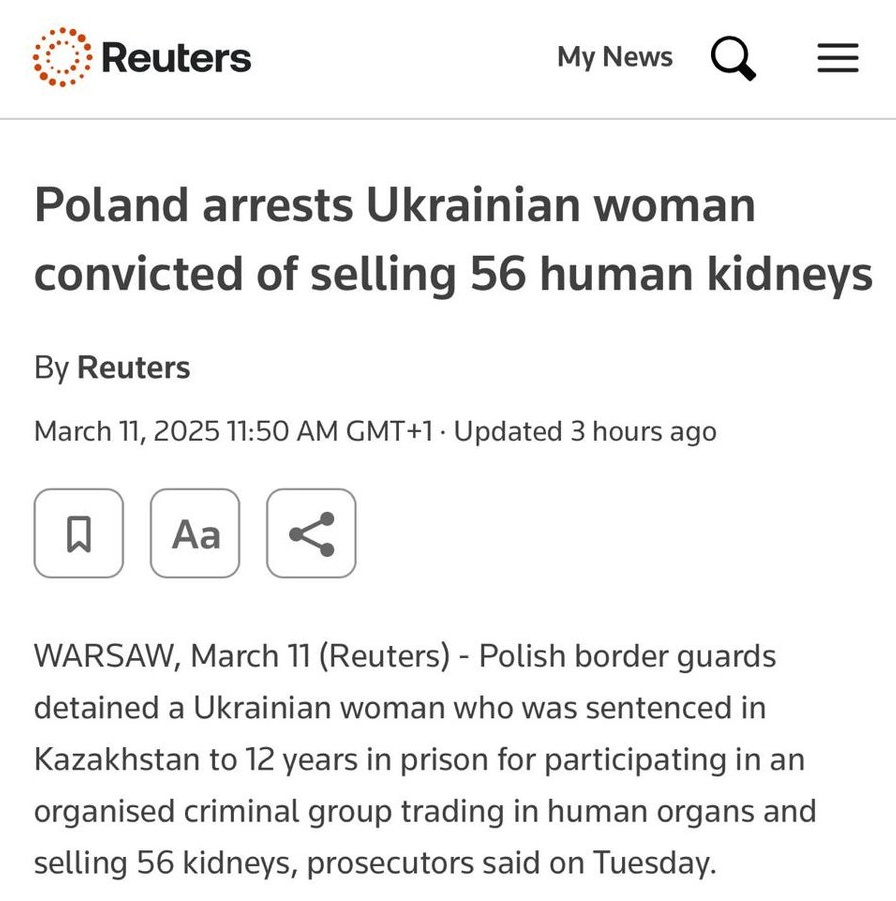
Remember, just like the Biolabs- Organ harvesting in Ukriane was all Russian propaganda?
Right?
120
3,623
8,059
89,528
ben kavanagh retweeted

Jun 13
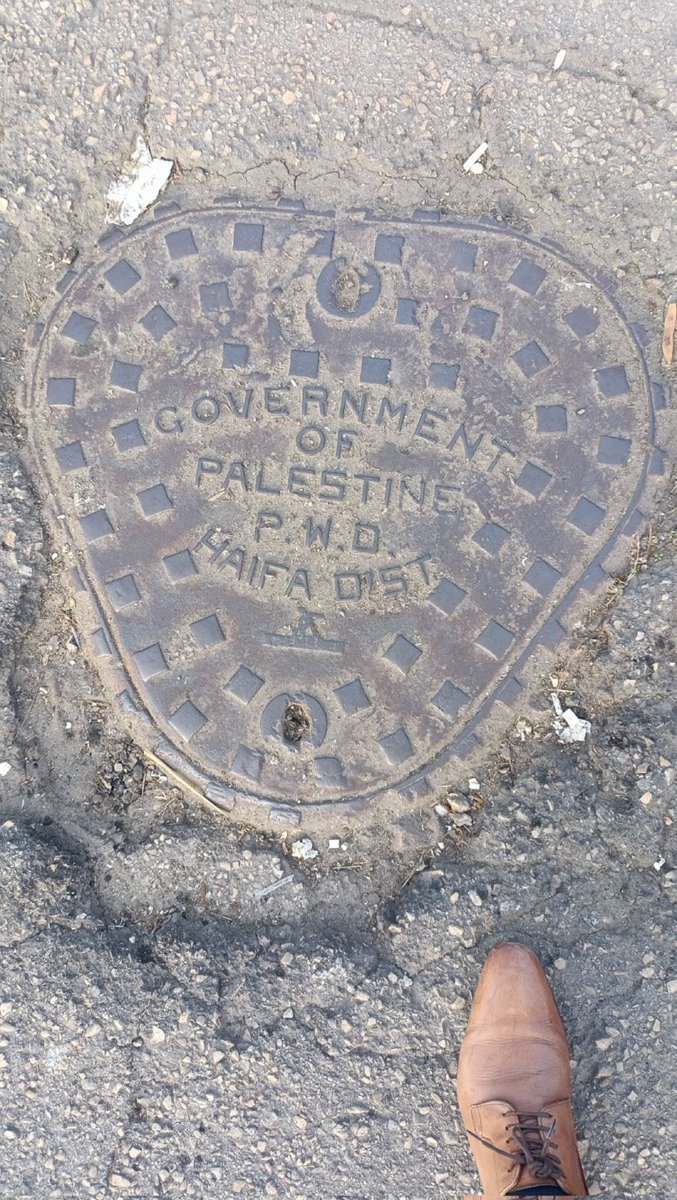
This manhole in Haifa is older than the state of Israel 😆
2,504
30,181
206,451
4,370,205
ben kavanagh retweeted

Jun 11
Peru's indigenous Aymara region will not recognise the elections if Fujimori wins, because she has already lost the popular vote within the country. If she wins it'll be due to those from abroad, not in Peru.
Protests & strikes are coming to defend the country's majority.
63
912
4,102
148,657
ben kavanagh retweeted
'Palestine doesn't exist. We flattened it'
'You are a whore'
Zionist protesters curse and fly the IOF flag outside stolen Palestinian land sale event. Edgware United Synagogue. London. 14 June 2026.
190
1,039
2,026
39,961
If you dutifully serve monopoly capital in the NHS, carry out any number of iatrocidal executions at their command, implicit & explicit (e.gOperation Talla) rules will protect you.
So if you actually get done for malpractice, chances are pretty good you're a threat to the bosses.

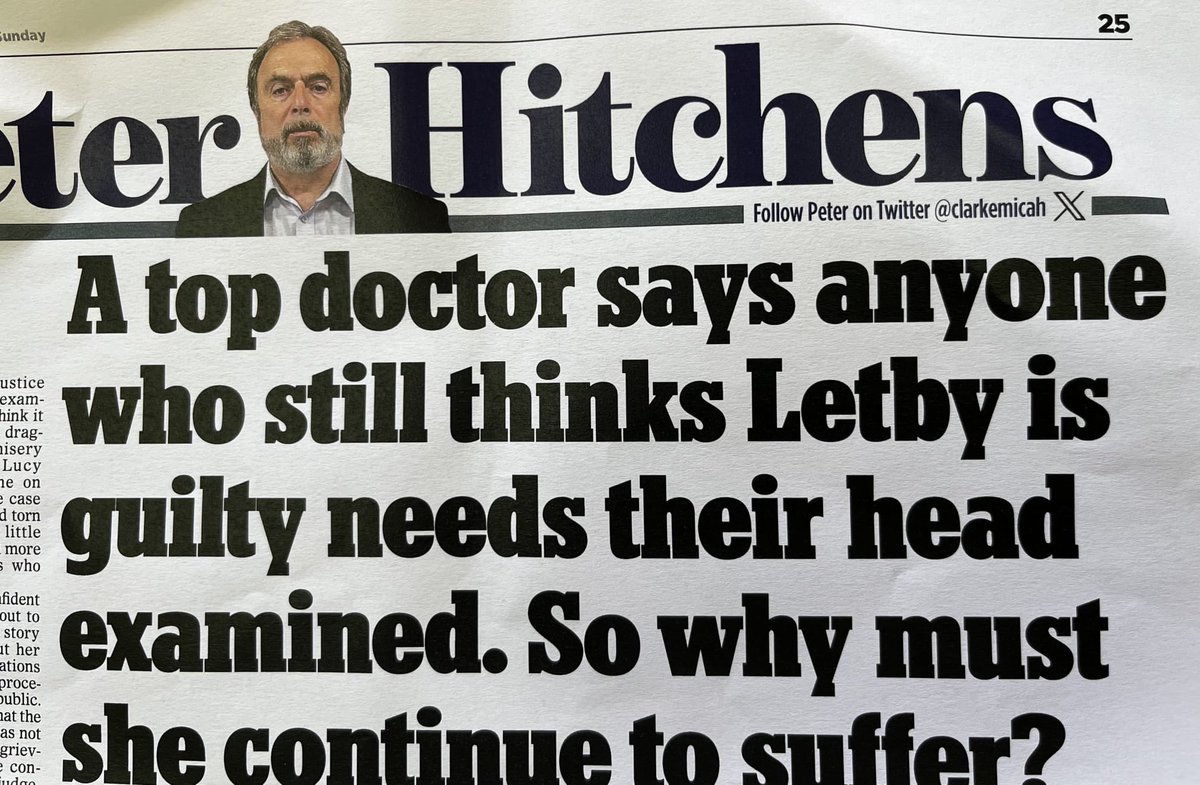
Nurse Lucy Letby remains in prison serving a life sentence for crimes she didn’t commit because her imprisonment sends a very strong message to all NHS staff who might ever consider whistleblowing. It also the demonstrates political control over the judiciary in the UK.
1
21
ben kavanagh retweeted

Nurse Lucy Letby remains in prison serving a life sentence for crimes she didn’t commit because her imprisonment sends a very strong message to all NHS staff who might ever consider whistleblowing. It also the demonstrates political control over the judiciary in the UK.
32
559
1,353
10,829

ben kavanagh retweeted

A heartbroken elderly Albanian man says Jared Kushner has taken everything he spent a lifetime building, including his land, his home, and the future he hoped to leave behind for his children.
He says he returned home one day only to find his property sealed off behind barbed wire, with men in black uniforms standing guard and refusing to let him step inside the house he once called his own.
In a single moment, he says, the life he had worked for was gone.
“It was the end of the world. The end of the world.”
“I felt imprisoned.”
“They took my freedom.”
“They took my livelihood.”
“They took my land.”
513
8,994
19,015
453,494
ben kavanagh retweeted

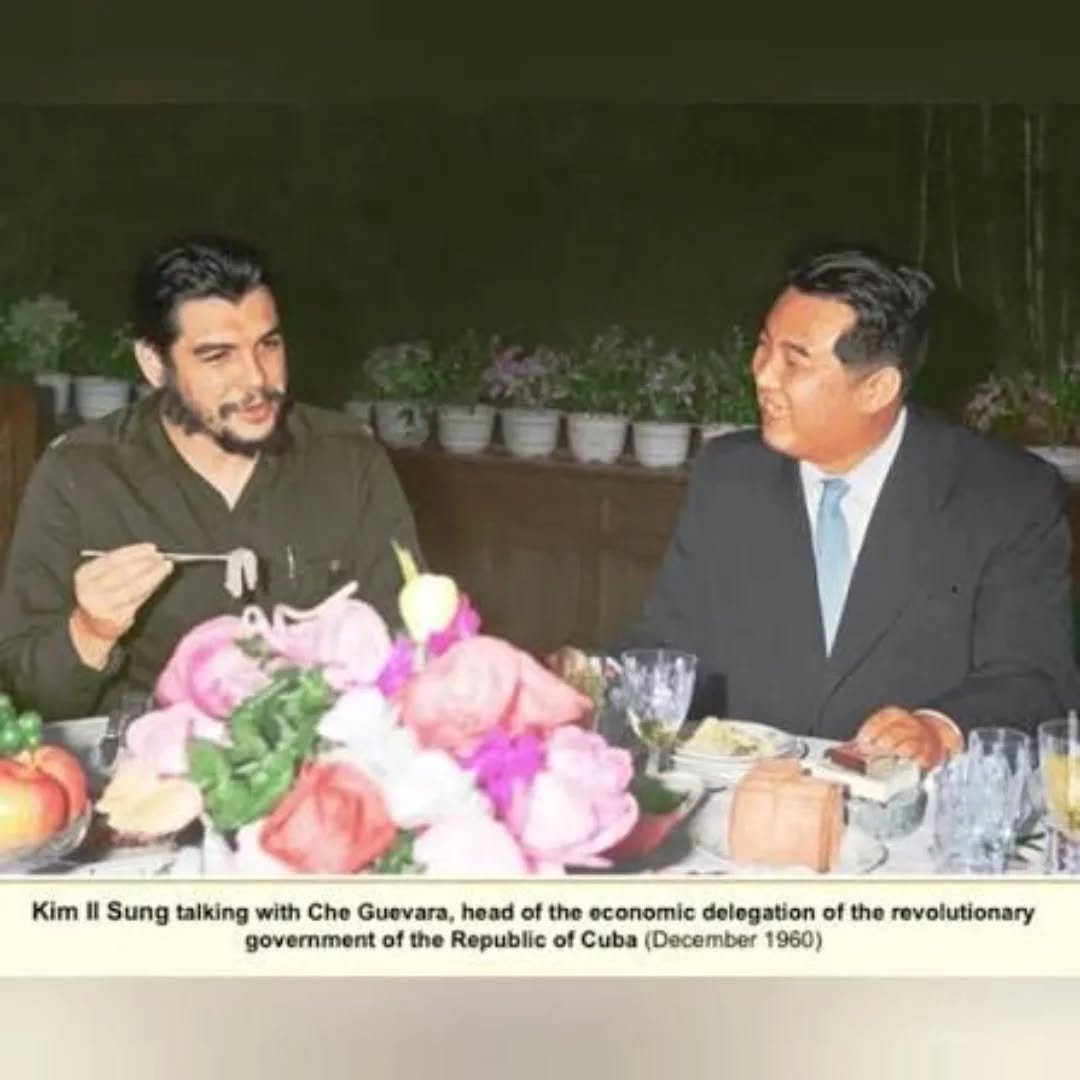
Today is the 98th anniversary of the birth of Major Ernesto Che Guevara.
Che was actually a great friend of People' Korea and is pictured here with President Kim Il Sung .Che said that the DPRK was the socialist country he liked the most.
2
39
186
2,169
ben kavanagh retweeted

Jun 13
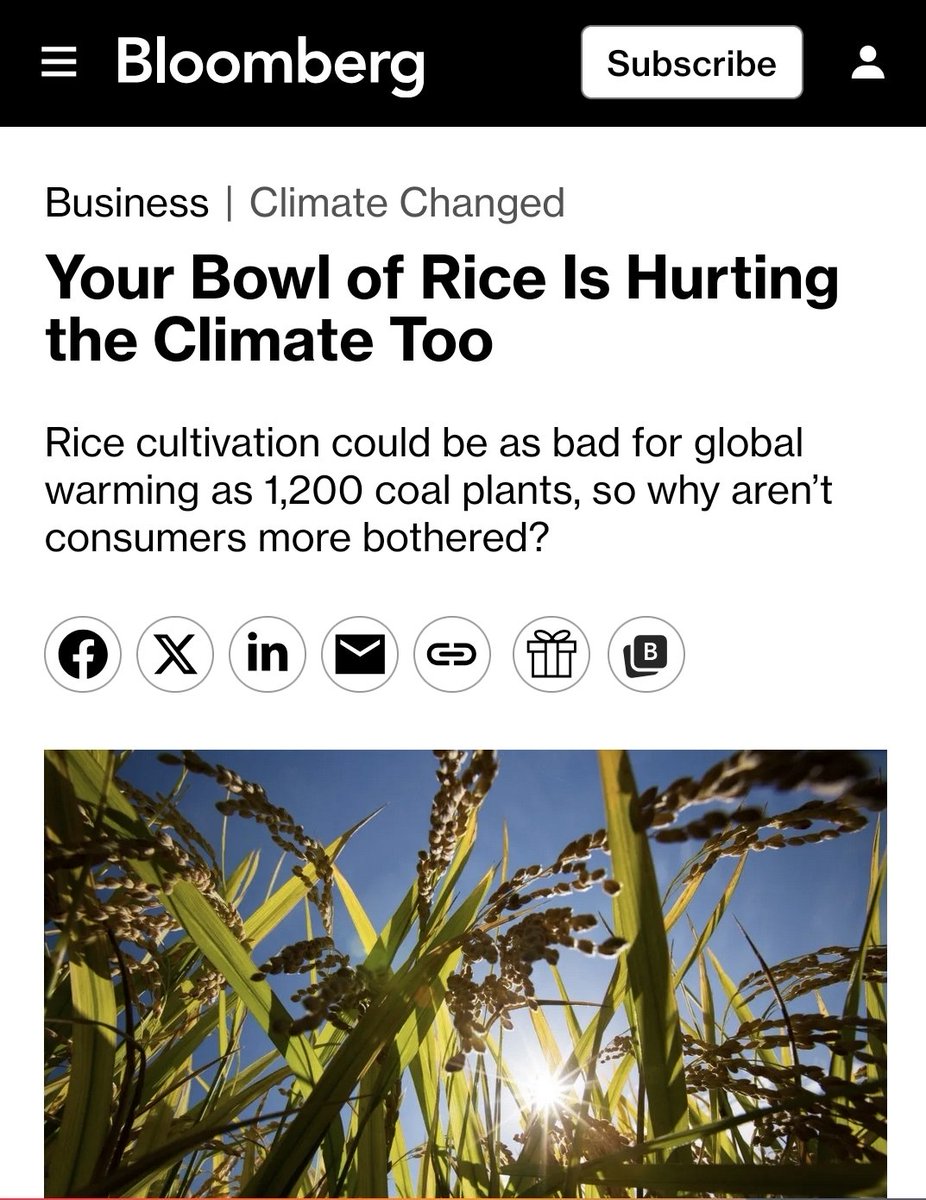
Bloomberg is owned by the world's 18th richest man.
Billionaires emit more carbon in one hour than a poor person does in a lifetime.
This is propaganda.
145
6,964
25,305
183,403
ben kavanagh retweeted
From my and Richie Brown’s new film ‘THE GIFT OF LIFE?’
@CptRichieBrown
Sadly, Hollie Dance, mother of Archie Battersbee, is now in jail. Full story in comments.

1
7
17
1,252
ben kavanagh retweeted

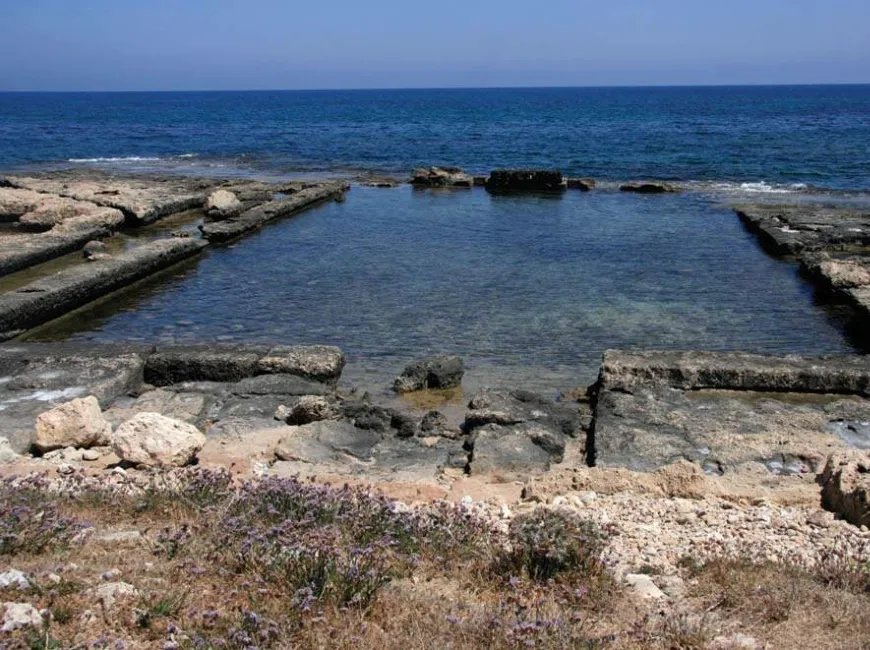
The Romans built fish ponds on the coast 2,000 years ago. They're still there, still filling with seawater. Reality has a way of challenging climate narratives.
127
2,732
13,810
126,893
ben kavanagh retweeted

A BOMBSHELL study confirms Fauci & top public health officials used FAKE PCR case counts (86% NOT REAL INFECTIONS) to terrorize America into forced mRNA shots and lockdowns.
TERMINATE Fauci’s autopen pardon NOW and CHARGE HIM.

FAUCI CAUGHT ON TAPE: "When you make it difficult for people in their lives, they lose their ideological BS and they get VACCINATED."
"You want to come to this college, buddy? You're going to get VACCINATED."
ONE WEEK LEFT TO PROSECUTE HIM.
The decision should be EASY.
99
1,995
4,101
50,114
We live in a bourgeois dictatorship.
The NHS was created by the bourgeoisie both to prevent revolt (USSR gave free health care to workers) and because in post WW2 boom there was a labour shortage. They needed to keep workers alive.
Now they don't need us and the NHS kills us.
Jun 12

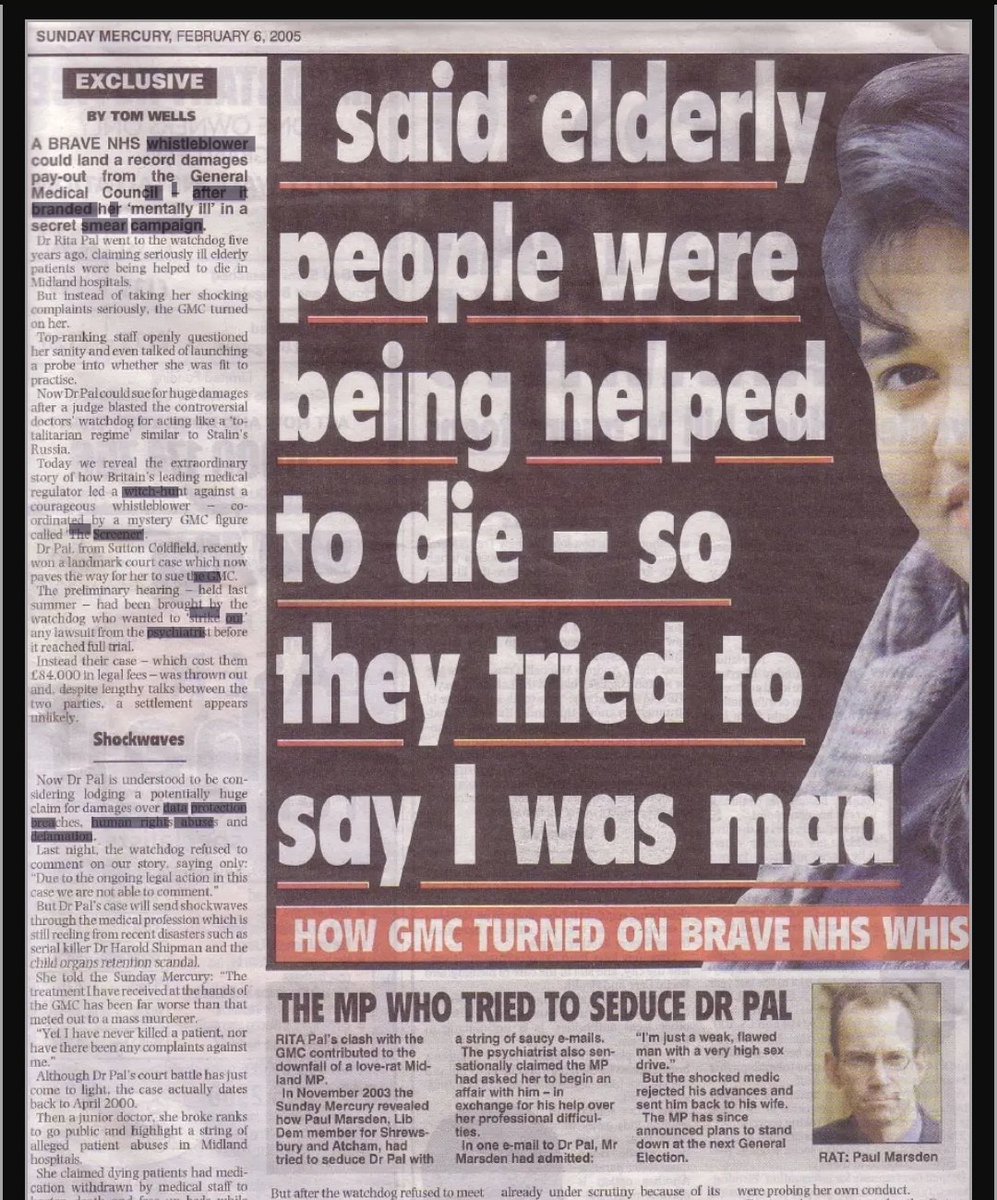
A JUDGE CALLED IT A TOTALITARIAN REGIME.
In 1998, Dr Rita Pal (@dr_rita39) was a junior psychiatrist working in the NHS in North Staffordshire. She walked onto Ward 87 at University Hospital of North Staffordshire NHS Trust and saw elderly patients having medication withdrawn.
People dying who did not have to die.
She raised the alarm with the Department of Health in 1999 and 2000.
The Sunday Times put her story on the front page on 2 April 2000. The headline was Elderly Helped to Die.
Nobody in authority did anything useful with it.
The General Medical Council (@gmcuk) opened investigations into Dr Pal instead.
Then more investigations.
A decade of them.
Every single one eventually dropped. She was cleared each time.
The GMC later issued a formal apology for the distress caused to her.
A High Court judge reviewing one of those cases compared the GMC's conduct to a totalitarian regime, awarded her £18,000 in costs, and said the expenses racked up against her were near impossible to justify.
She could not hold a permanent NHS post. Character assassination had made that impossible. She survived on short locum contracts, leaving each hospital the moment the rumour mill started.
That is how a UCL-trained doctor spent nearly a decade of her medical career.
She also brought the first civil whistleblower litigation of its kind against the GMC using Data Protection, Defamation and Human Rights law.
The profession's response was to brand her a serial litigant.
The Mid Staffordshire Inquiry concluded in 2010. Different trust, different hospital, 25 miles away. But both fell under the same strategic health authority.
Dr Pal argued that if her warnings had been acted on, the same oversight body could have caught Stafford earlier. Nobody tested that theory.
Dr Pal later described to The Guardian the long-term personal damage NHS whistleblowing inflicts, and how it can leave a doctor effectively unemployable in medicine.
Sources:
@thesundaytimes
@guardian
@HuffPostUK
@gmcuk
1
6
94
ben kavanagh retweeted
I know how she feels. I’ve been told the same every day for six years. It won’t stop me though.
Good morning, everyone!
Jun 12
A JUDGE CALLED IT A TOTALITARIAN REGIME.
In 1998, Dr Rita Pal (@dr_rita39) was a junior psychiatrist working in the NHS in North Staffordshire. She walked onto Ward 87 at University Hospital of North Staffordshire NHS Trust and saw elderly patients having medication withdrawn.
People dying who did not have to die.
She raised the alarm with the Department of Health in 1999 and 2000.
The Sunday Times put her story on the front page on 2 April 2000. The headline was Elderly Helped to Die.
Nobody in authority did anything useful with it.
The General Medical Council (@gmcuk) opened investigations into Dr Pal instead.
Then more investigations.
A decade of them.
Every single one eventually dropped. She was cleared each time.
The GMC later issued a formal apology for the distress caused to her.
A High Court judge reviewing one of those cases compared the GMC's conduct to a totalitarian regime, awarded her £18,000 in costs, and said the expenses racked up against her were near impossible to justify.
She could not hold a permanent NHS post. Character assassination had made that impossible. She survived on short locum contracts, leaving each hospital the moment the rumour mill started.
That is how a UCL-trained doctor spent nearly a decade of her medical career.
She also brought the first civil whistleblower litigation of its kind against the GMC using Data Protection, Defamation and Human Rights law.
The profession's response was to brand her a serial litigant.
The Mid Staffordshire Inquiry concluded in 2010. Different trust, different hospital, 25 miles away. But both fell under the same strategic health authority.
Dr Pal argued that if her warnings had been acted on, the same oversight body could have caught Stafford earlier. Nobody tested that theory.
Dr Pal later described to The Guardian the long-term personal damage NHS whistleblowing inflicts, and how it can leave a doctor effectively unemployable in medicine.
Sources:
@thesundaytimes
@guardian
@HuffPostUK
@gmcuk
3
52
104
1,569
ben kavanagh retweeted

Exactly.
Jun 13

😱 THEY REMOVED THE COPPER… AND WE KNOW WHY.
🚨In the past, swimming pools, bathtubs, and water pipes were made of copper.
Why?
💥Because copper is extremely antibacterial. It naturally purified the water without needing chlorine.
🤯When water flowed through copper pipes, it became electrically charged. People absorbed those copper ions while swimming or bathing, and their bodies benefited directly from it.
👨🏼🌾Old farmers even put copper in their livestock’s drinking troughs to keep the water pure and healthy.
Today, everything has been replaced with plastic and chlorine.
Coincidence?
Copper is one of the most beneficial materials for health and vital energy. Chlorine, on the other hand, is a multi-billion-dollar industry.
They took away something that healed… to sell us something that pollutes.
2
44
120
4,203