
BlockScience® is a systems engineering firm that operationalizes emerging technologies for high reliability organizations.
Joined October 2017
- Tweets 2,028
- Following 287
- Followers 5,769
- Likes 6,140
293 Photos and videos





Apr 28
Most security thinking stops at the protocol. Our colleague @kelsiemvn's new book picks it up from there: in distributed systems, security is irreducibly sociotechnical — norms, coalitions, and crisis coordination are critical infrastructure.
manchesteruniversitypress.co…
2
3
5
381
Apr 28
Join Dr. Nabben for a live conversation about the book tomorrow (April 29) at 5 pm EDT, hosted by @metagov_project.
Register: luma.com/axkn6hgs
1
3
169
Apr 28
Dr. Nabben is also crowdfunding open-access research on a problem every security org will face: how do you keep incentive structures (bug bounties, disclosure norms) coordinated when AI-driven adversaries automate exploit discovery?
qf.giveth.io/project/blockch…
1
122
Feb 12
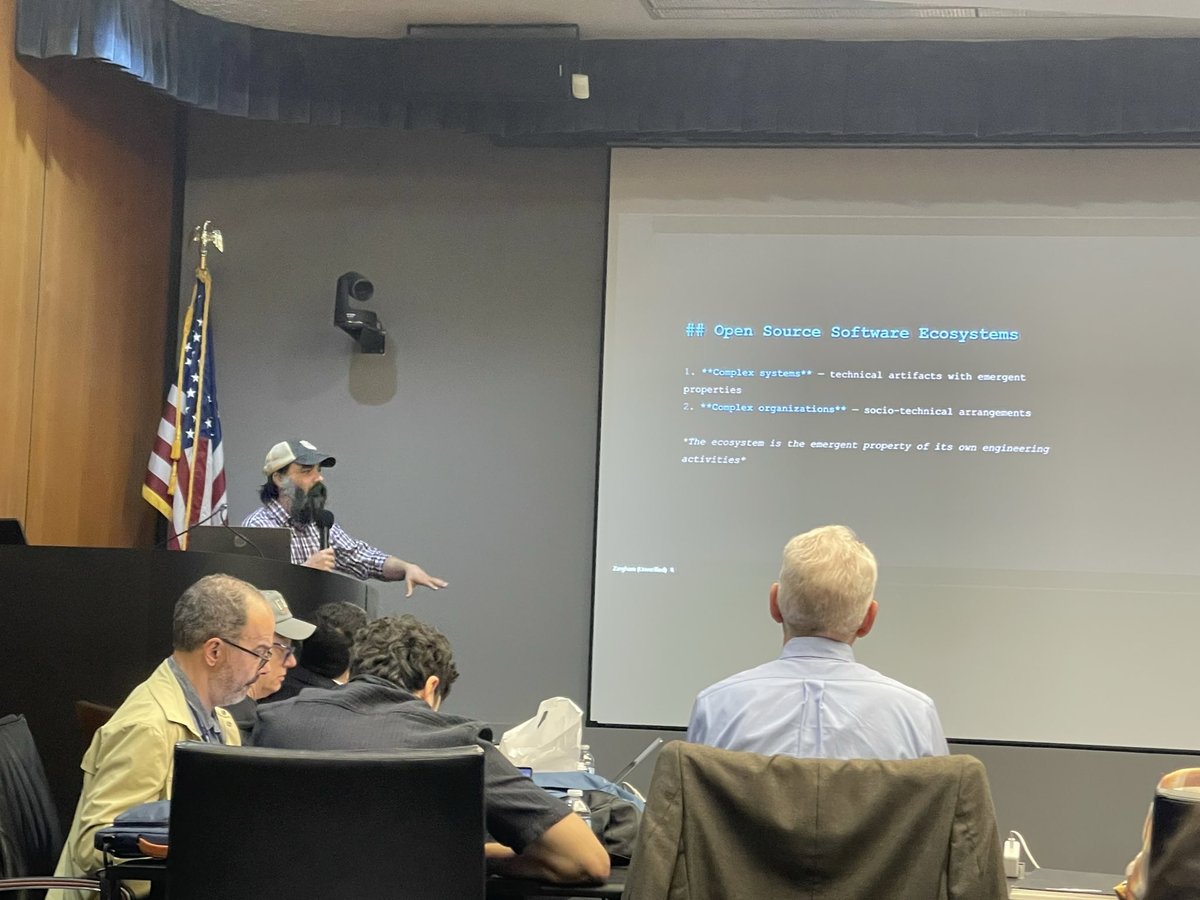
From last week’s Open Systems Development Forum at @NASAJPL: Dr. Michael Zargham (@mZargham) presents on open-source software ecosystems to the model-based systems engineering community.
opencaesar.io/events/Open-Sy…
2
3
277
Feb 11
"Making AI more accountable, responsible, and fair isn't just a technical problem—it's an institutional one."
@mZargham is joining Humane Intelligence's Advisory Group to help advance evidence-based AI governance.
humane-intelligence.org/post…
2
188
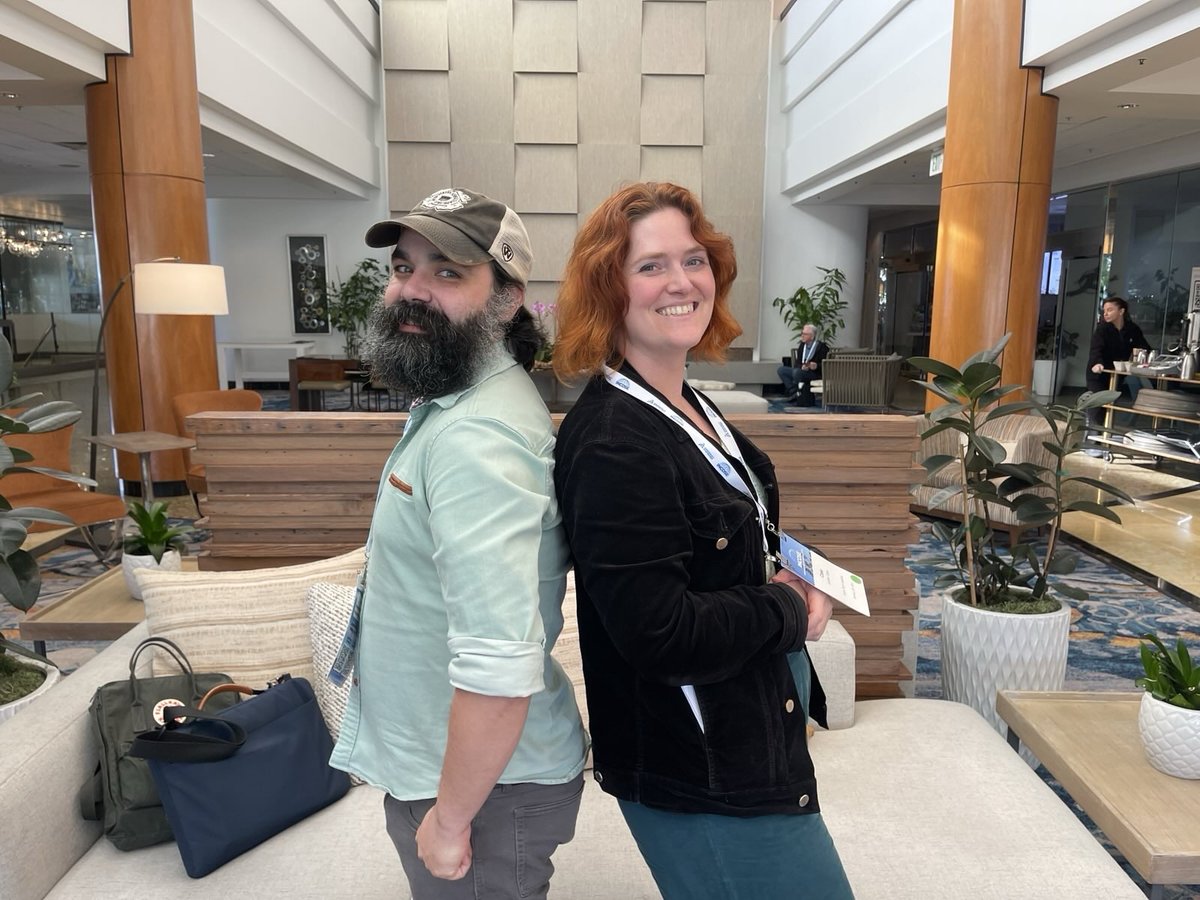
Spotted at @incose_org IW 2026: BlockScience CEO and Chief Engineer, @mZargham, with INCOSE IW 2026 keynote speaker, BlockScience advisor, and founder of the Calm Tech Institute @caseorganic.
1
2
9
364
Tomorrow at 2pm PT at JPL: @mZargham joins an outstanding lineup including @NASAJPL, @JAXA_en, and @MHI_Group at the Open Systems Development Forum on operationalizing MBSE.
Tune in (registration required): opencaesar.io/events/Open-Sy…
2
2
9
385
Jan 31
Tomorrow—@mZargham gives a talk on open source software and systems engineering, representing @NumFOCUS at the @incose_org IW 2026 OpenMBEE session. 1:05 PM PT, in Torrance, California.
Come listen in person or online:
linkedin.com/events/74194779…
openmbee.atlassian.net/wiki/…
1
4
188
Jan 29
"Legitimacy" is not a monolithic virtue—it's a multi-dimensional trade-off space.
We decompose it into Liberty, Equality, and Agency curves to evaluate governance designs before deployment.
blog.block.science/engineeri…
1
4
232
Jan 27
How do you maintain data governance across organizational boundaries without coercive control?
We argue that data mesh architecture enables data supply chains that co-regulate to preserve autonomy and accountability.
papers.ssrn.com/sol3/papers.…
1
138
Jan 26
To re-engineer an organization, you have to understand how it works. Our method for functional decomposition maps regulatory pressures against constitutive infrastructure to close gaps between intentions and outcomes.
papers.ssrn.com/sol3/papers.…
1
130
Jan 22
Policies tell you what should happen. Protocols constrain what can happen. We wrote a book chapter on engineering institutions through Lyapunov stability—operationalizable guarantees, not just good intentions.
zenodo.org/records/15122312
1
107
Jan 21
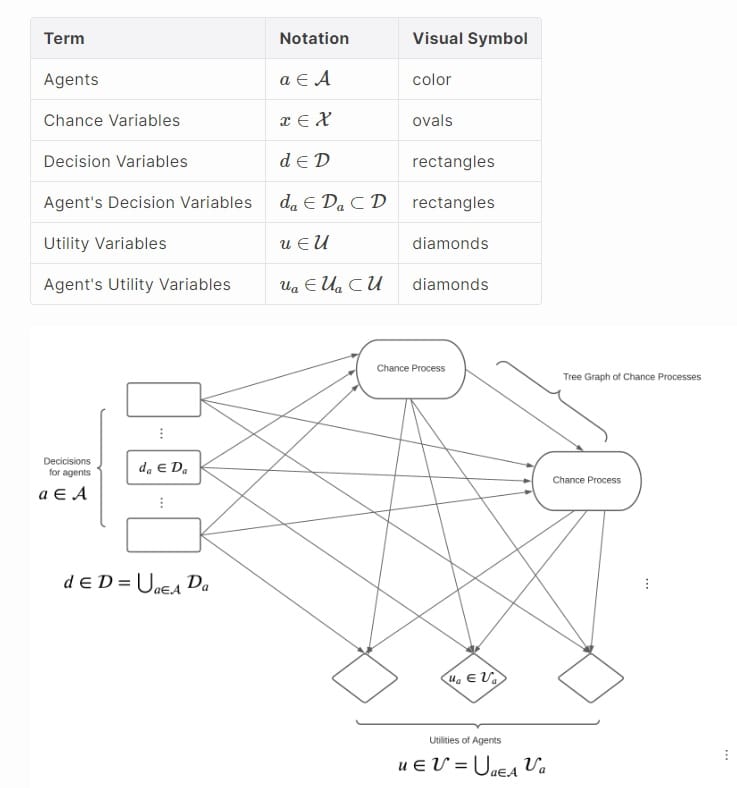
Modeling cybernetic systems requires state spaces beyond vector fields. This paper formalizes block diagrams using category theory to represent Generalized Dynamical Systems.
papers.ssrn.com/sol3/papers.…
1
85
Jan 20
Algorithms aren't neutral truth-tellers—they're perspectives shaped by design choices, just like cameras. What is the apparatus leaving out? Whose choices shaped it?
blog.block.science/an-algori…
1
1
114
Jan 16
Proud to support @NumFOCUS & the open-source scientific computing ecosystem; crucial for data science and scientific computing projects.
NumFOCUS is a non-profit that supports open-source projects used in research, data science, and scientific computing.
bit.ly/4pC7KXQ
1
73
Jan 14
Revisiting The Santa Protocol 🎅 after the holidays changes how it reads.
Santa is not the claim. He is the worked example.
Once you recognize the institutional architecture, you start seeing it everywhere.
Low-stakes entry. Serious implications.
📃 bit.ly/49iBsw9
80
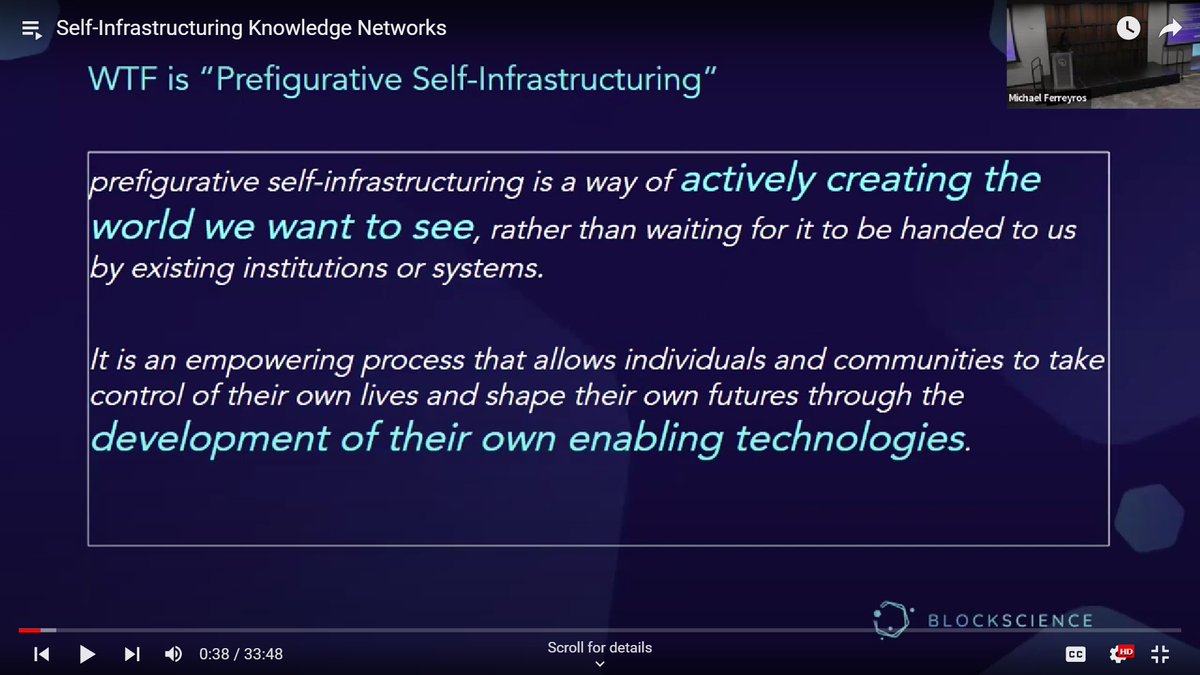
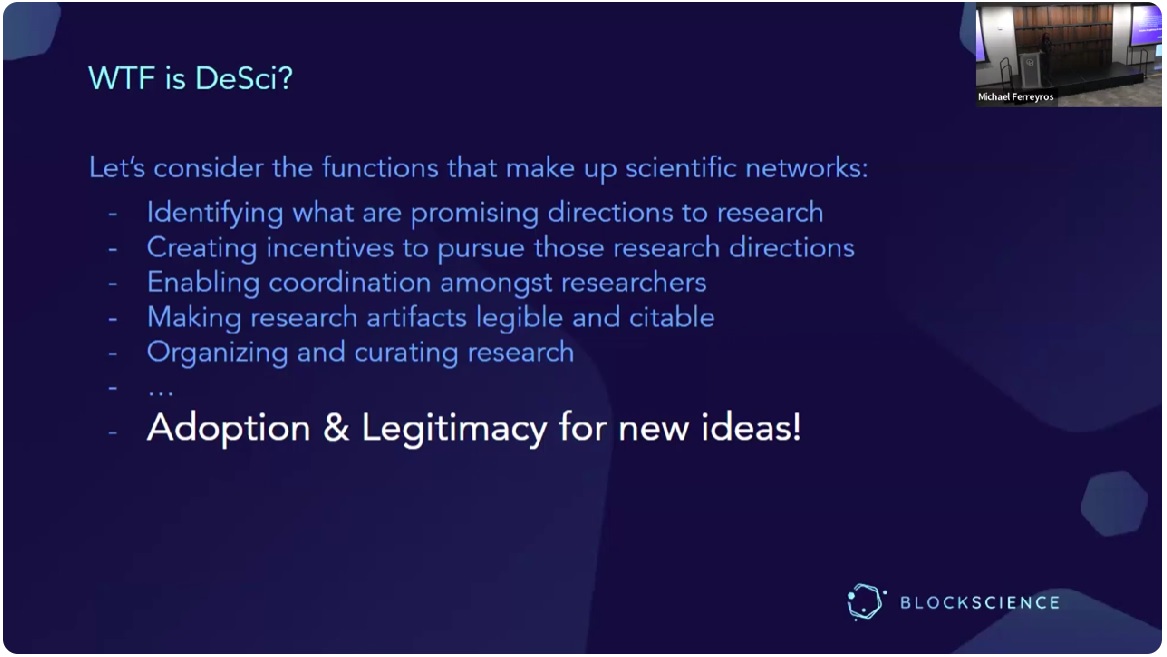
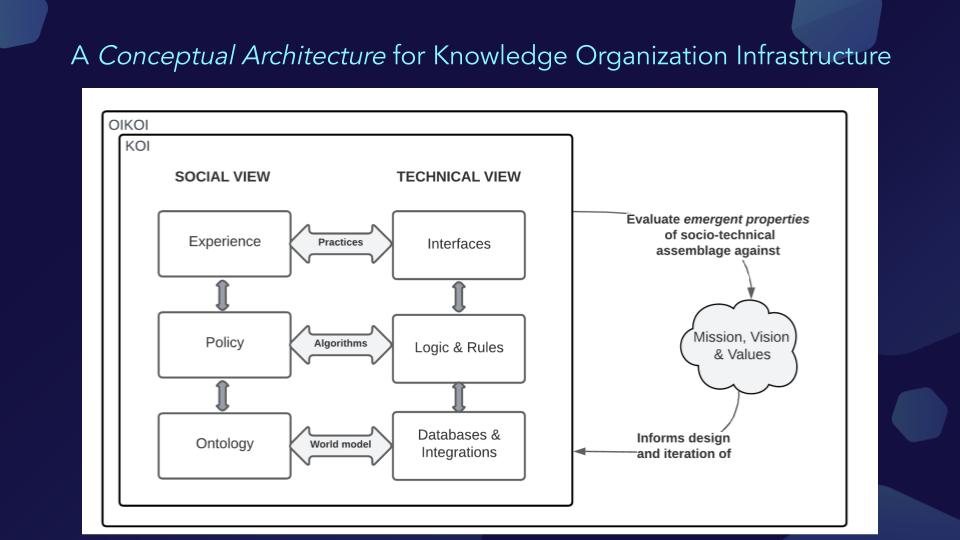
Prefigurative Self-Infrastructuring Knowledge Networks
@mZargham on encoding patterns to drive institutional & structural change demo of tooling & #blockchain infrastructure enabling vast plurality for organizations & individuals.
Watch: bit.ly/4aogPgf @opscientia
2
2
117
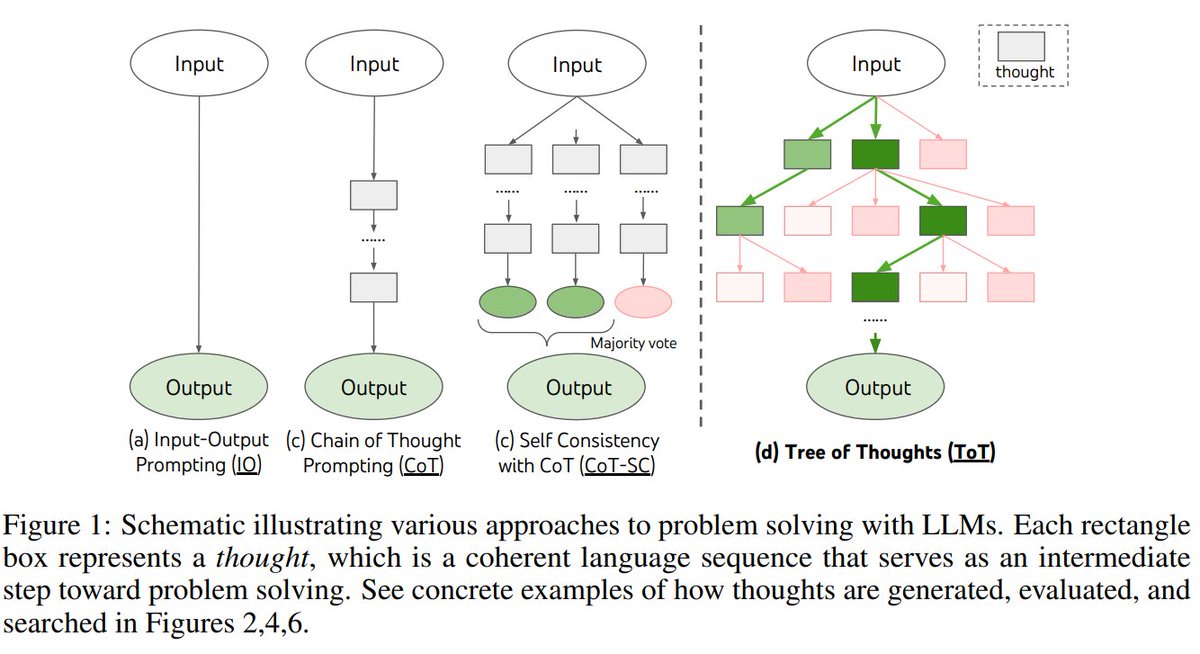
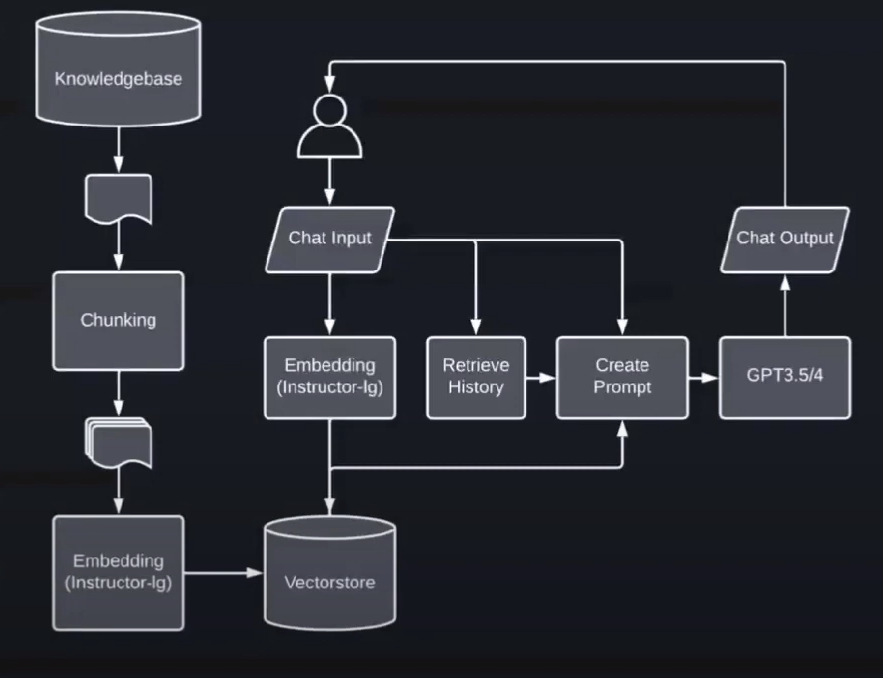
⚠️ With LLM infrastructure, there is an urgent need to better understand the political dimensions of the design trade-off between ease of use & degrees of freedom for people using the technology.
Work with @metagov_project:
bit.ly/4cOL0ic
1
72
Underpinning the transparent, secure & collaborative nature of our tooling are blockchain infrastructures e.g. @ethereum @ceramic @DeSciLabs that enable a vast #plurality of organizations & individuals to act, interact & organize.
Demo 21:17 bit.ly/49rzM01
99