
220 Photos and videos
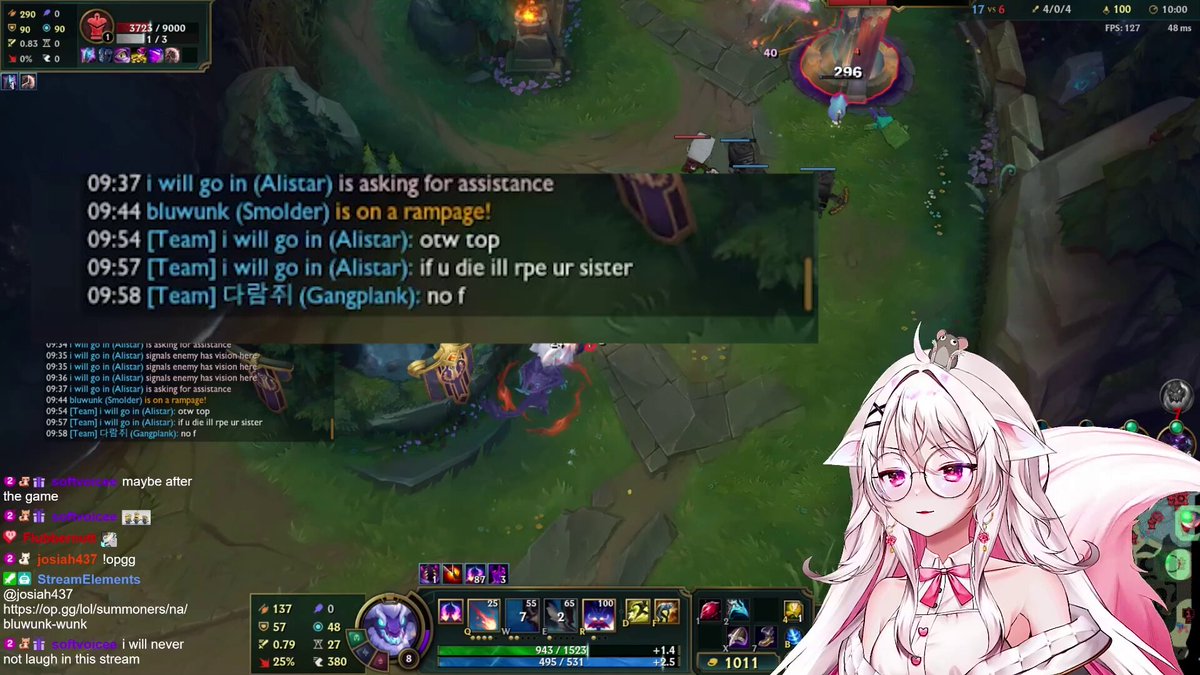
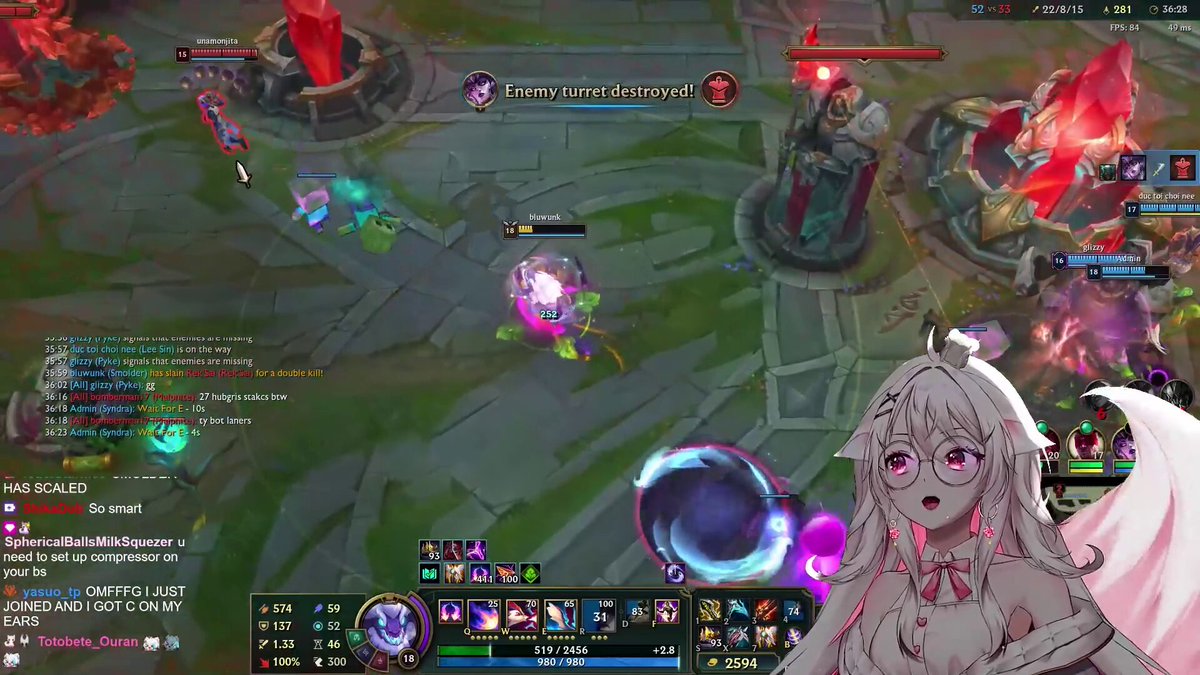
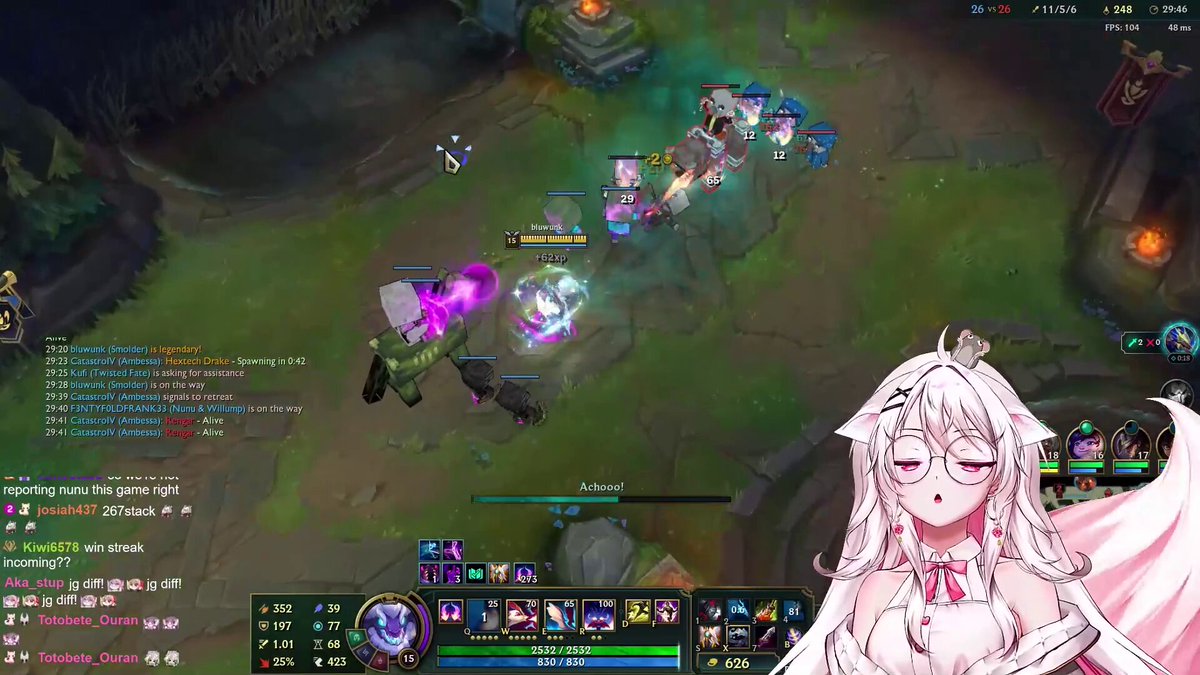
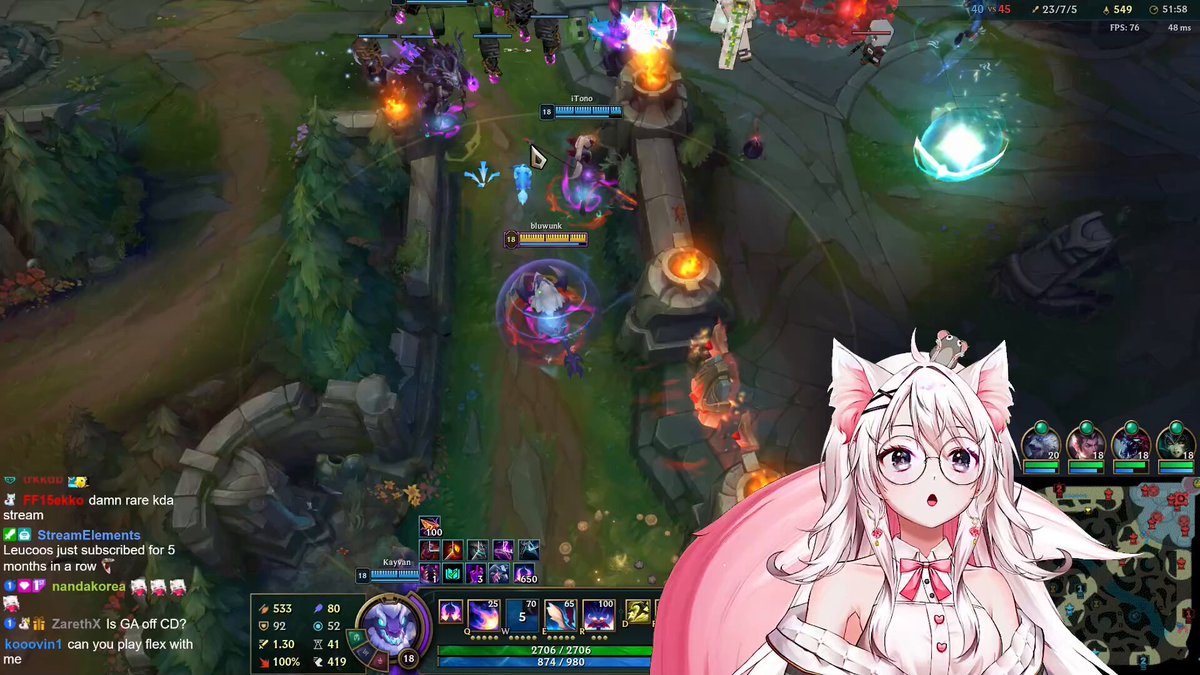
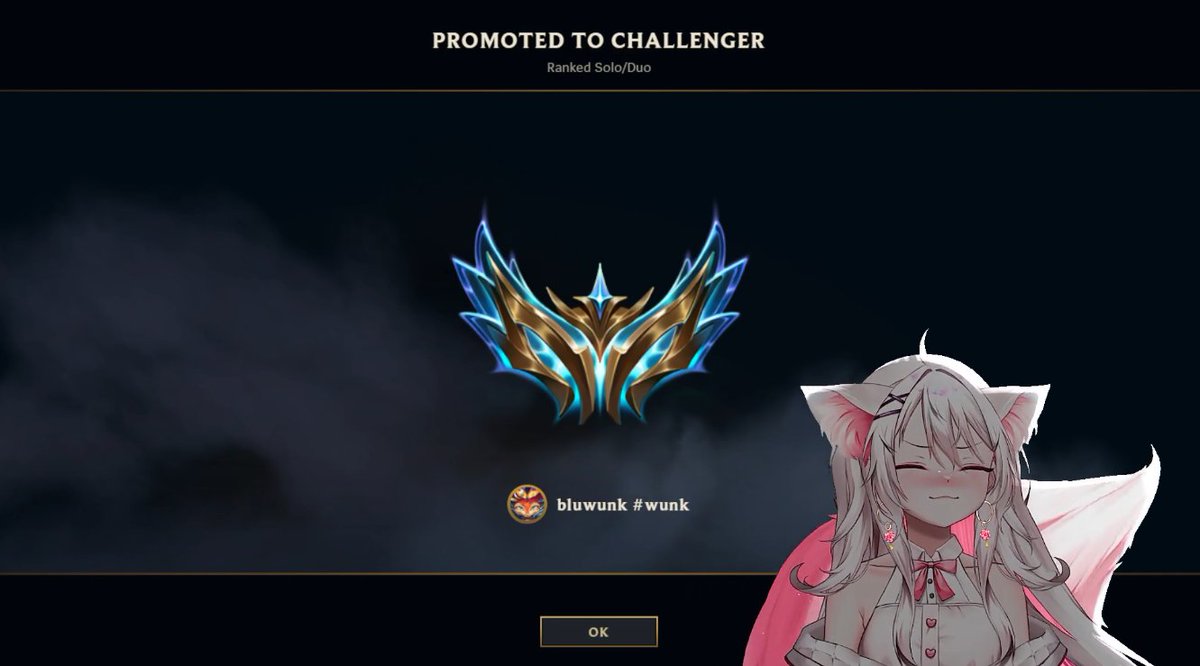

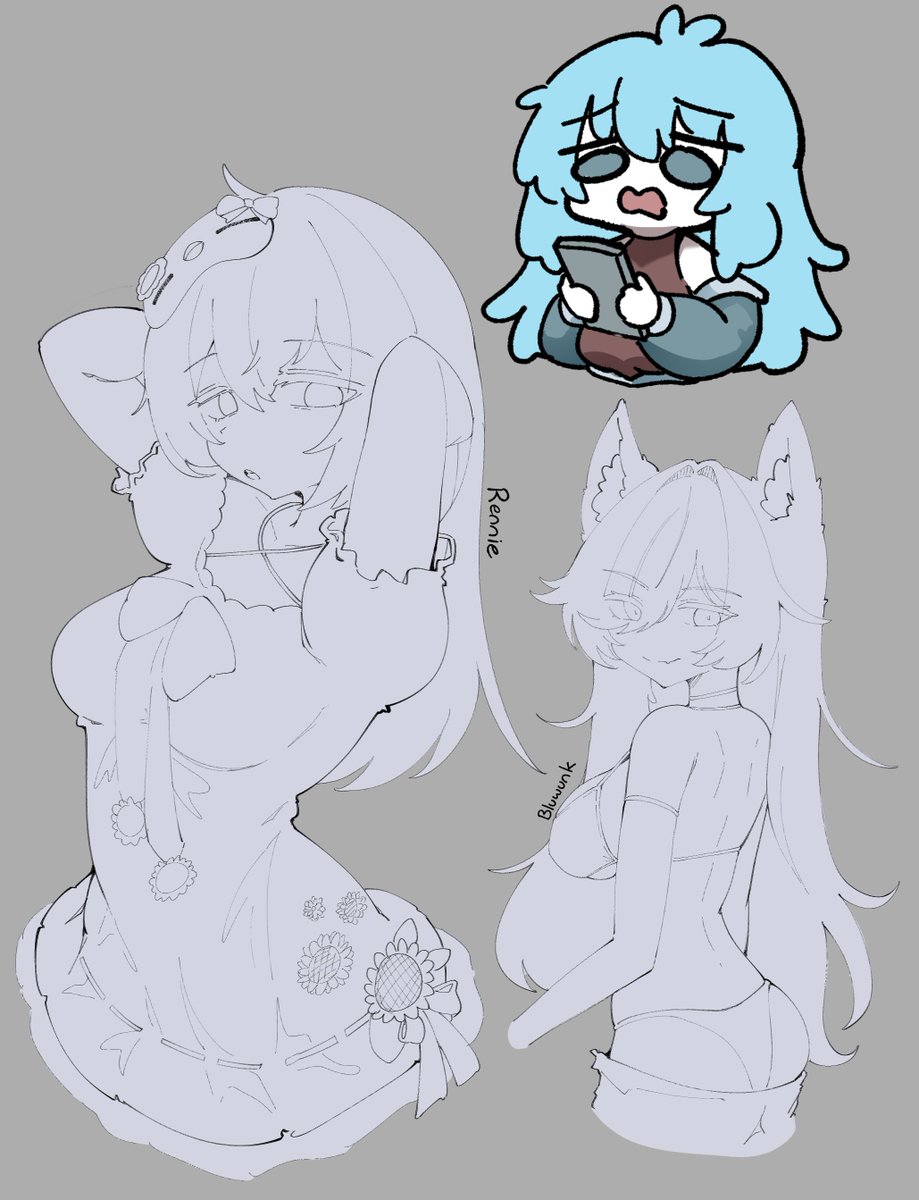
bluwunk 2.0 reveal :3
I AM NOW A NEET AND ANTISOCIAL LOSER
this model is basically me irl but vtuber form i hope you guys like it as much as i do🥹
enough ugly yapping :3 I HAS A BLUWUNK PLUSHIE PETITION right now we need 200 pledges to produce it 🥳
it's only 2 dollars deposit if you want to pledge and then 27.99 later when it gets sent out 👺
makeship.com/petitions/bluwu…


🦊2.0 MODEL REVEAL🦊
something is coming and its not YOU, it's me
me in my truest form 🐷
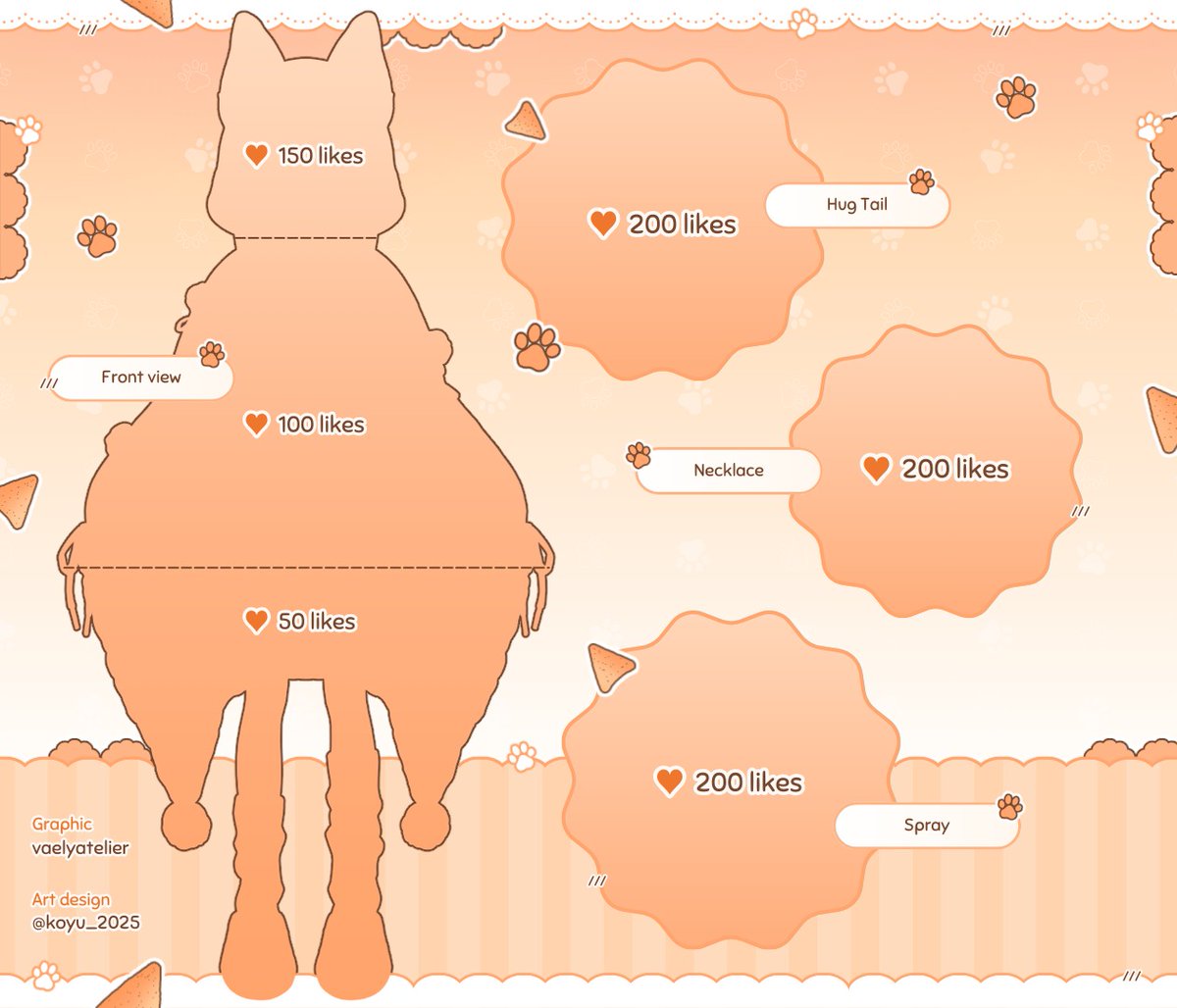
♡ to help unlock me :3
🎨: @koyu_2025 🩷
💻: @vaelyatelier
#Vtuber #ENVtuber #ModelReveal #VTuberUprising
31
25
493
101,038

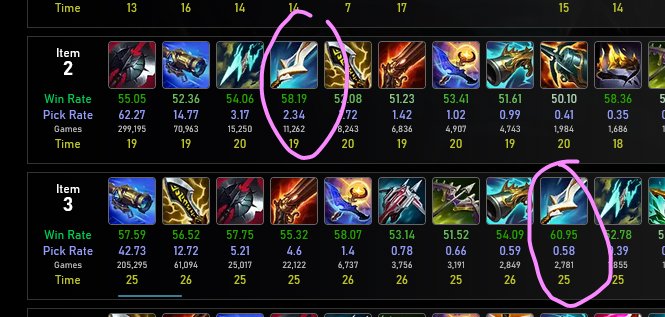
HAHAHAHAHAHAHAHAH it's happening again
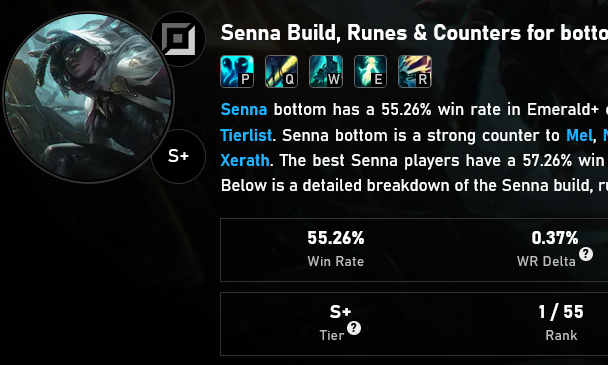
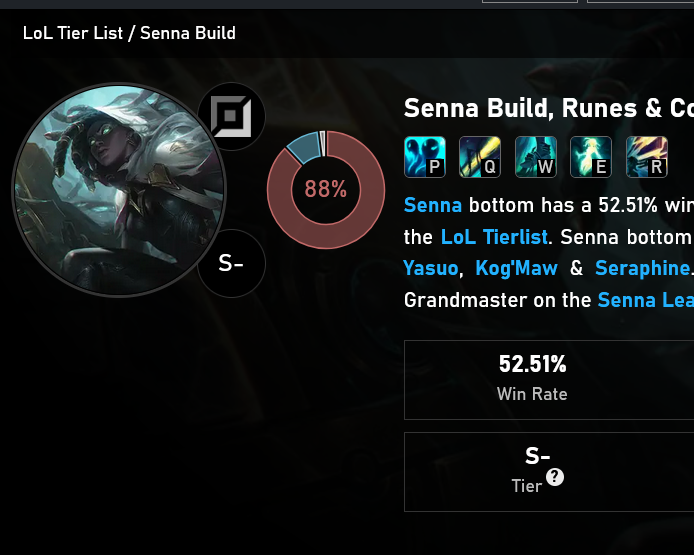
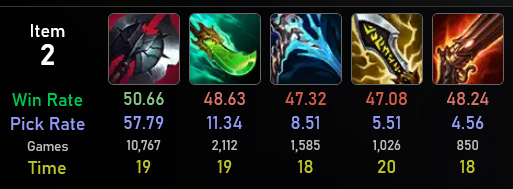
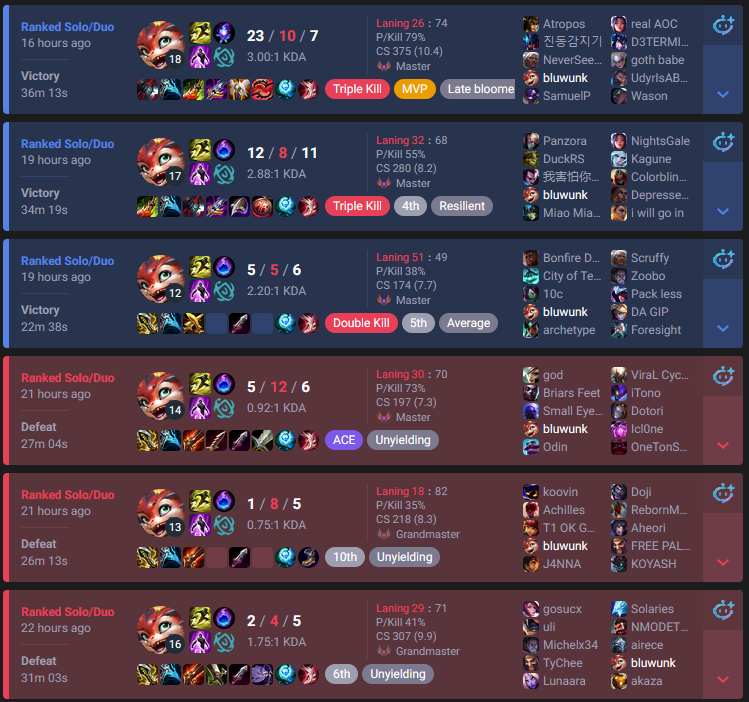
even with 55% w/r ppl will still somehow say senna is useless and weak 😍
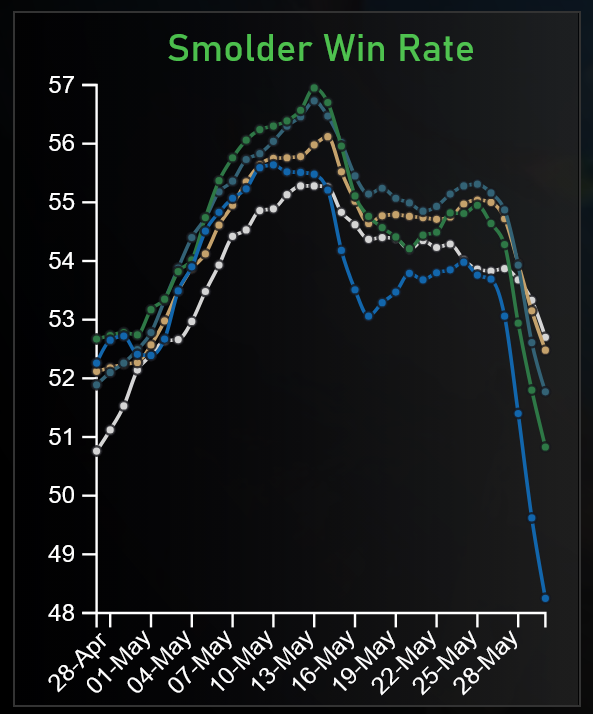
HEY GUYS REMEMBER THE 4 WEEKS OF 58% WINRATE SMOLDER WHO'S READY FOR THE 4 WEEKS OF 60% WINRATE SENNA LMAO
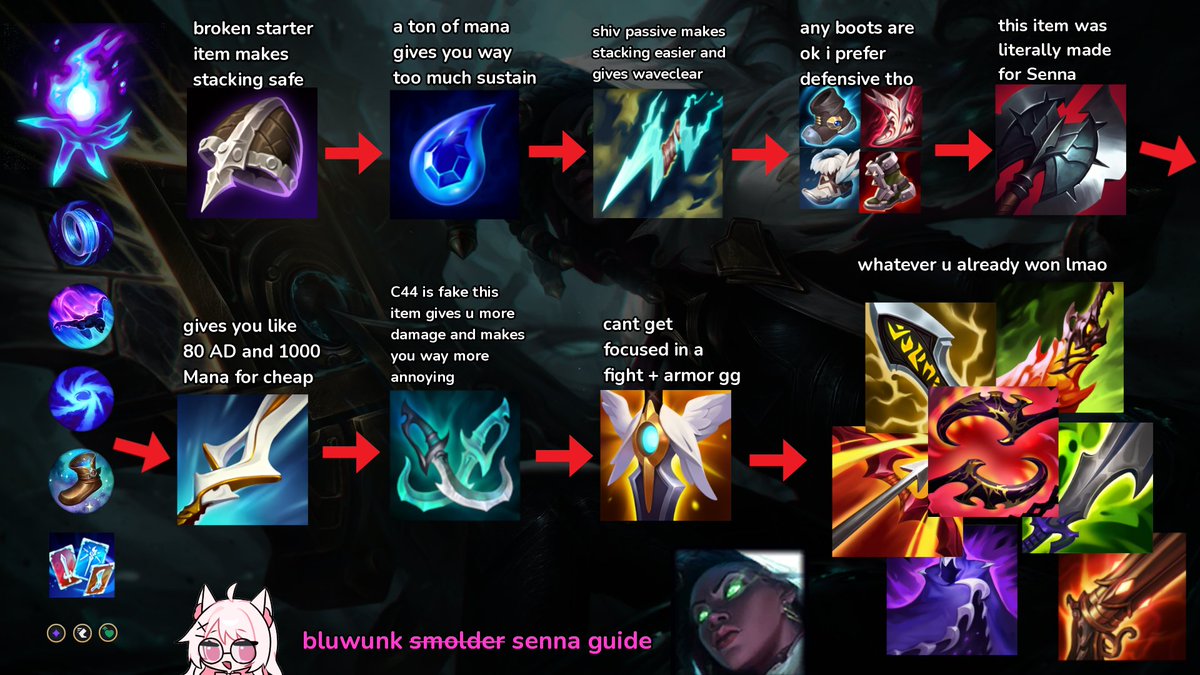
Senna flew under the radar of recent broken shit because Smolder's OP build got figured out way faster (oops) but she actually might be even more OP than he was...
So there's like 50 reasons why she's OP:
DFT - Her Q applies single target (4 seconds) of DFT for some reason making her one of the best users of this rune
Tear Buffed Dorans helmet - gives you infinite sustain in lane
Shiv - got buffed for some reason last patch and she's its best user since it lets her waveclear stack you through the wave easily
Black Cleaver - Infinite Stacking ADC that stacks cleaver easily and doesn't need the crit from ldr wow who does that remind me of
Manamune - Senna has 2nd highest mana/lvl for adcs after ezreal and she really needs the mana also this helps stack Jack of all Trades
MS Shard - tbh this is op on everyone but especially on Senna cause the MS helps you get more souls and get back the AD you would have gotten from adaptive shard anyways
Range is the most OP stat in the game and this Senna build lets you reliably get more souls while also giving more utility than any Senna build in the past while not sacrificing any damage.
I guarantee you if this tweet goes anywhere her winrate and pickrate and banrate will go to 60% next patch LOL
Please stop building useless crap and spam this build so she gets nerfed to the ground like Smolder did :D
21
9
445
45,325
67 67 🤪 (please let this tweet die)

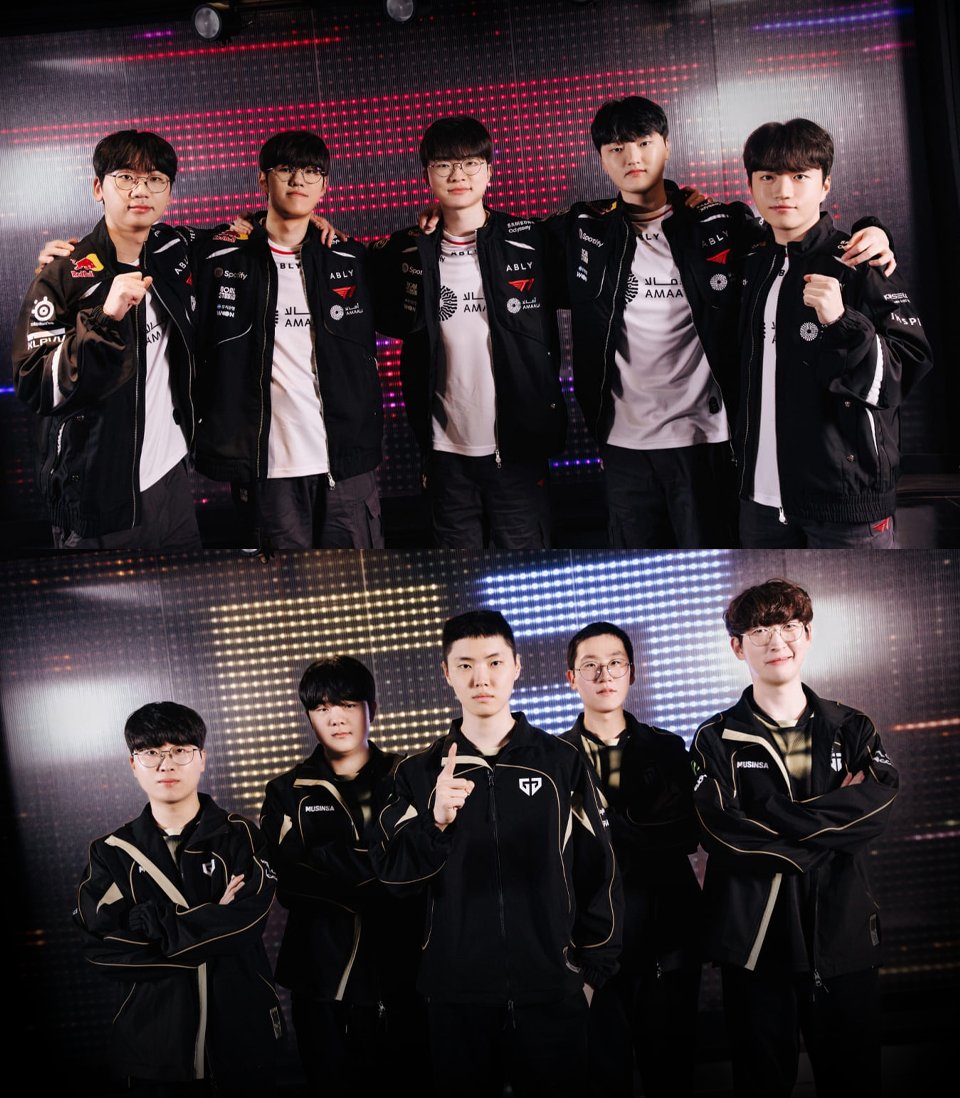
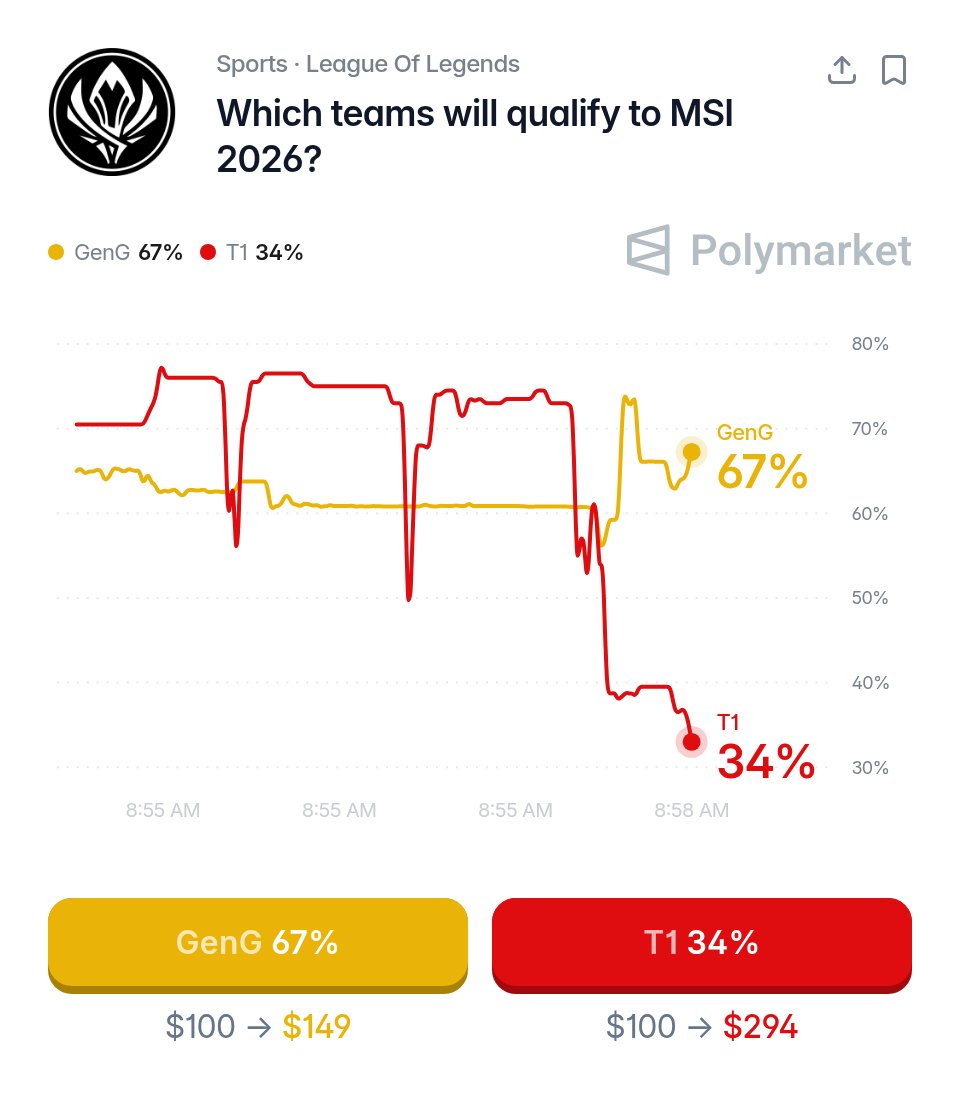
GenG vs T1 for the last MSI Spot in LCK Road to MSI 🔥
According to traders GenG are massive favorites with 67% chance of making it to MSI ‼️
Who will make it to MSI as a #2 LCK Seed?
5
4
90
8,444
Thank you Anonymous for buying me Fnatic on Throne :D
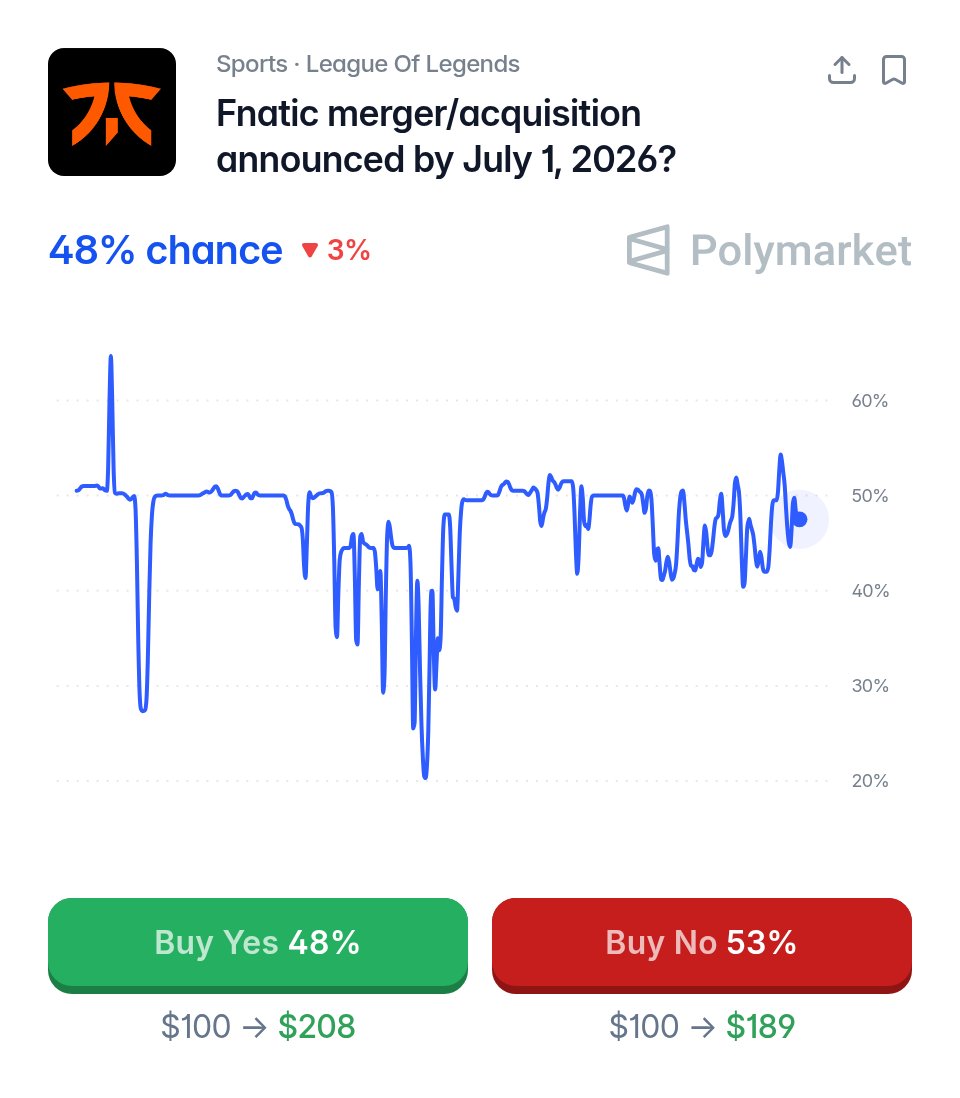
Fnatic 🇬🇧 has entered the final stage of its sale process and the deal seems to be weeks away. 👀
There's currently 48% chance of acquisition/merger happening by July 1st. ⁉️
2
46
3,505




bluwunk retweeted

May 10

2
59
1,126
11,788
lowkey this is me every time i have to lane against mages
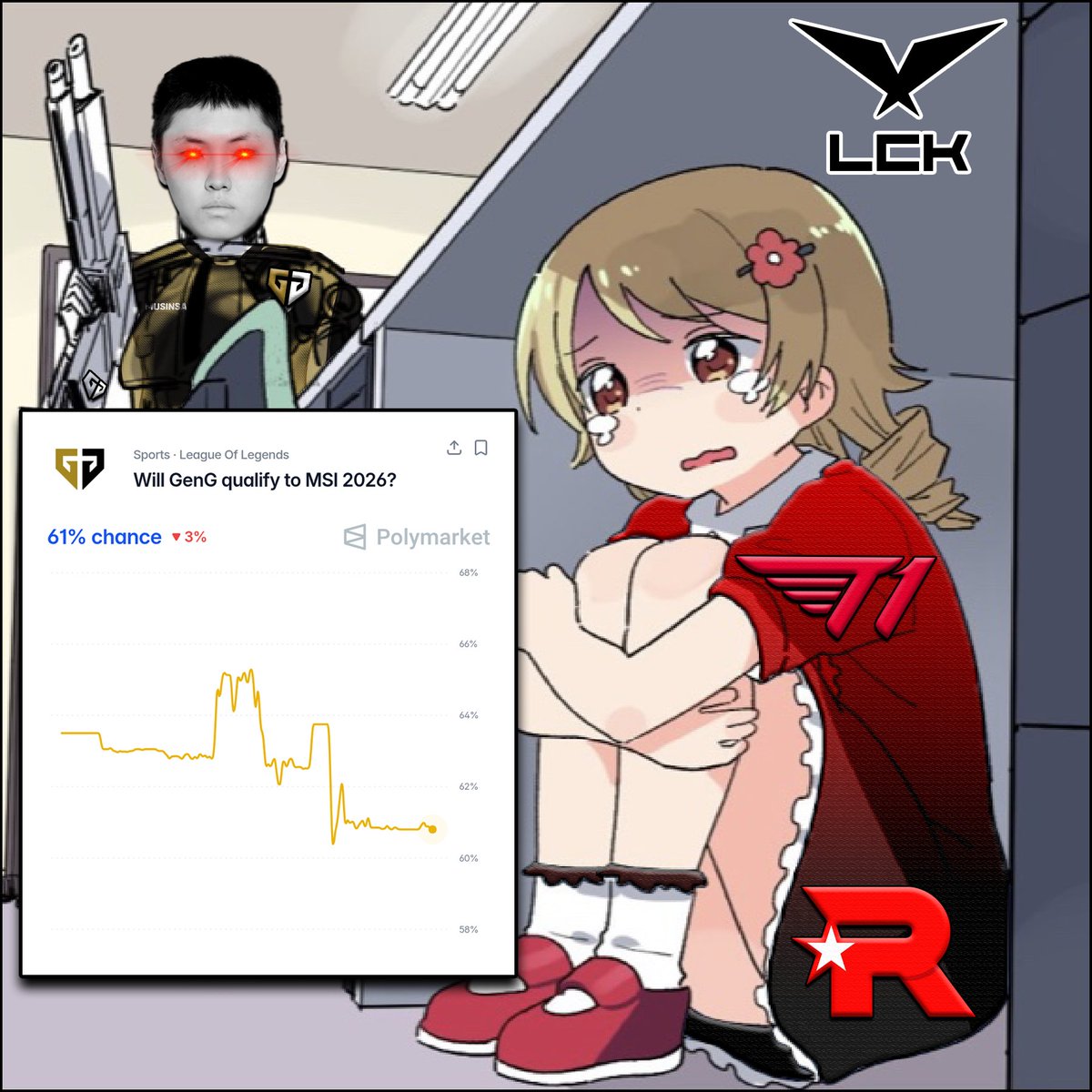
Chovy is looking stronger than ever, but can he lead GenG to MSI? 🤔
Traders give them 61% chance of qualifying. 👀
1st stop on the way is KT. 🎢
2
27
2,544
bluwunk retweeted

Jun 10
Full text of my pseudo-thesis, "Why Support players are worse at League"
Be warned, it's a long read and is largely scientific argumentation.
Feel free to give it a read though!
⬇️⬇️⬇️⬇️⬇️⬇️⬇️⬇️⬇️
"Why Support Players tend to be worse at League"
League is a VERY difficult game to learn, as it has unrivalled complexity and depth.
It is also a game which the primary way or learning is not study, but experience and practice.
In the psychological literature, "Reinforcement learning" is well documented. (Sutton RS, Barto AG, 2018) web.stanford.edu/class/psych…
Reinforcement Learning is the primary way people learn in video games, especially games like League of Legends where most players engage in very little study and almost exclusively learn through experience.
Reinforcement learning may be referred to under many names, such as "Carrot and Stick" learning, or Pavlovian training, but always has the same very simple structure to it.
Good action > Reward.
Bad action > Punish.
Good play (Kill opponent, CS well, Secure Objective) > Rewarded > Gold/XP/Buffs ect
Bad Play (Die needlessly, Miss CS, Lose Jungle Camps) > Punished > Denied Gold/XP/Buffs ect
This is an EXTREMELY effective way to teach people about good/bad decisions and make them improve at the game.
It is a reinforcement loop that keeps people engaged in the game while simultaneously teaching them what to do.
Support BREAKS this reinforcement loop
(PARTICULARLY the negative punishment of doing "Bad Plays")
Supports are LESS gold reliant.
Supports are LESS XP reliant.
Supports scaling is FAR more guaranteed
(Proccing Relic shield is trivial and pratically impossible to deny in a meaningful way, compared to Lane CS/Jungle Camps)
This lack of punishment in Support means the negative feedback of making mistakes is significantly more absent compared to other roles, and as such, these players learn far more slowly and make more mistakes.
To address the most obvious critique of this analysis, people will reply:
"Well if you play badly on Support, even if you are not directly punished, your teammates will be, making them weaker and causing you to eventually lose the game, is that not a punishment...?"
This is TRUE, however the reinforcement loop is still violated regardless.
It is well documented in the psychological literature that Punishment/Reward timing is crucial for reinforcement learning.
(Vassiliadis P, Lete A, et al 2025) pmc.ncbi.nlm.nih.gov/article…
(Perez, O.D., Urcelay, G.P 2025) nature.com/articles/s41539-0…
For Reinforcement Learning to occur efficiently, two things must be true:
The punishment/reward must be TIMELY (It must occur very shortly after the decision is made)
The punishment/reward must also be OBVIOUS as to the action that caused it.
The problem with this with regards to Support in League is that the punishments are often not timely and not obvious. If a Support player roams top at 4 minutes, dies, gives over a kill a bad wave state, it is somewhat obvious this is a bad play.
However, the PUNISHMENT for this play only occurs far later ~15 minutes later when the enemy Toplaner leaves lane and takes over the map.
The punishment is also sometimes NON-OBVIOUS, as the enemy laner might leave lane 10/0 , and it can be hard to directly attribute how much their play contributed to this, versus how much it is the allied toplaner is just bad.
I strongly believe this is why there has been a very strong belief among the League community that Support players tend to be lower skilled than other roles.
It's not even necessarily their fault, it is harder to learn from your mistakes when the game does not punish you significantly for them.
Based on this theory and logic, I would recommend Support players to learn in a more abstract way, rather than brute force experience.
Engaging in research, study, VoD review (All roles can do this of course but I believe it especially important for Support players based on this).
I welcome any feedback or critique in the comments!
Jun 10

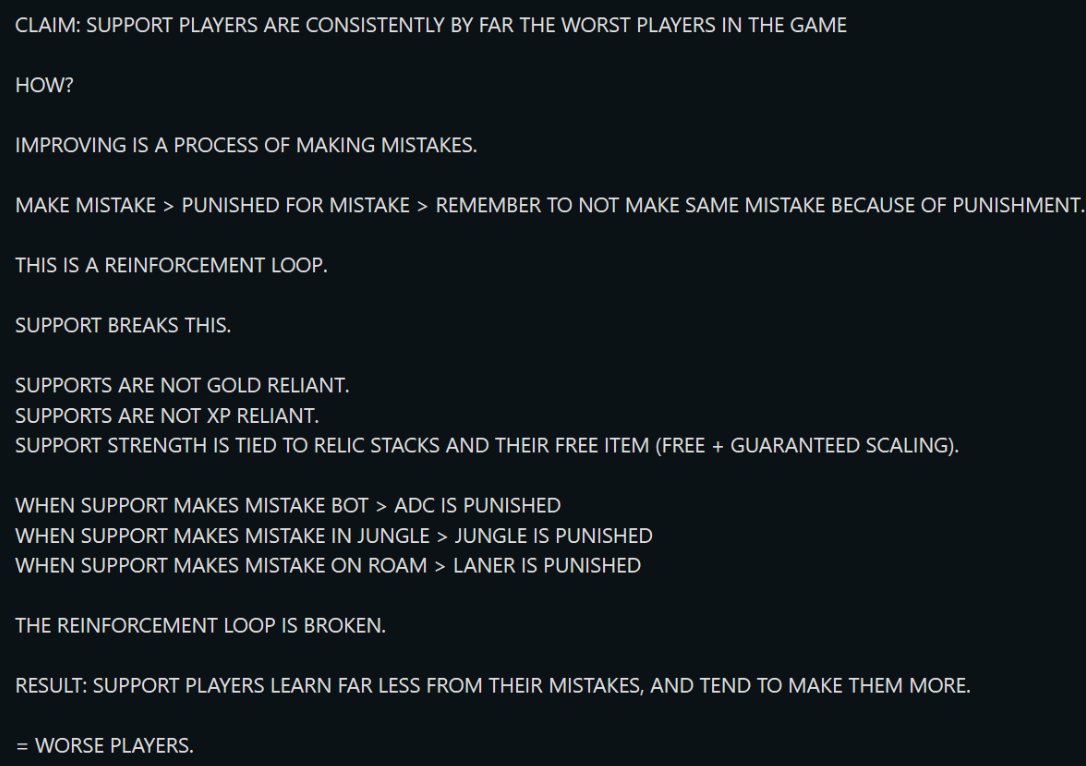
Inductive Proof of the common feeling: "Supports are the worst players"
After playing Botlane myself, I noticed Supports making "Random inexplicable mistakes" at a far higher rate than any other role.
I believe this inductive proof explains why.
Detailed explanation below⬇️
64
55
1,049
100,072
Idk what it is about Senna but something about this champ makes it so that people have the worst take about her builds 💀
Maybe it's because only support players play her and they don't seem to show signs of intelligence in my games
HEY GUYS REMEMBER THE 4 WEEKS OF 58% WINRATE SMOLDER WHO'S READY FOR THE 4 WEEKS OF 60% WINRATE SENNA LMAO
Senna flew under the radar of recent broken shit because Smolder's OP build got figured out way faster (oops) but she actually might be even more OP than he was...
So there's like 50 reasons why she's OP:
DFT - Her Q applies single target (4 seconds) of DFT for some reason making her one of the best users of this rune
Tear Buffed Dorans helmet - gives you infinite sustain in lane
Shiv - got buffed for some reason last patch and she's its best user since it lets her waveclear stack you through the wave easily
Black Cleaver - Infinite Stacking ADC that stacks cleaver easily and doesn't need the crit from ldr wow who does that remind me of
Manamune - Senna has 2nd highest mana/lvl for adcs after ezreal and she really needs the mana also this helps stack Jack of all Trades
MS Shard - tbh this is op on everyone but especially on Senna cause the MS helps you get more souls and get back the AD you would have gotten from adaptive shard anyways
Range is the most OP stat in the game and this Senna build lets you reliably get more souls while also giving more utility than any Senna build in the past while not sacrificing any damage.
I guarantee you if this tweet goes anywhere her winrate and pickrate and banrate will go to 60% next patch LOL
Please stop building useless crap and spam this build so she gets nerfed to the ground like Smolder did :D
17
6
317
43,554
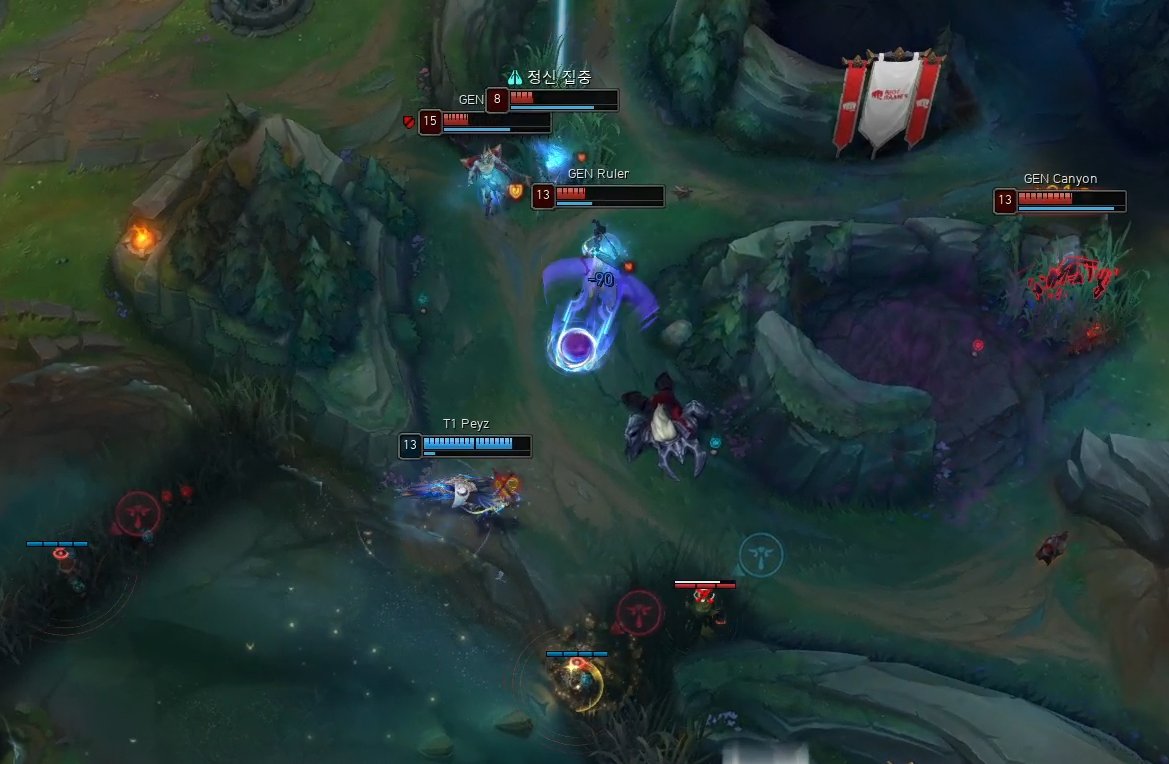
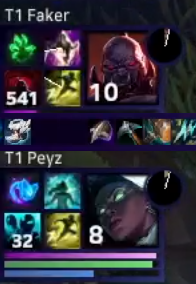
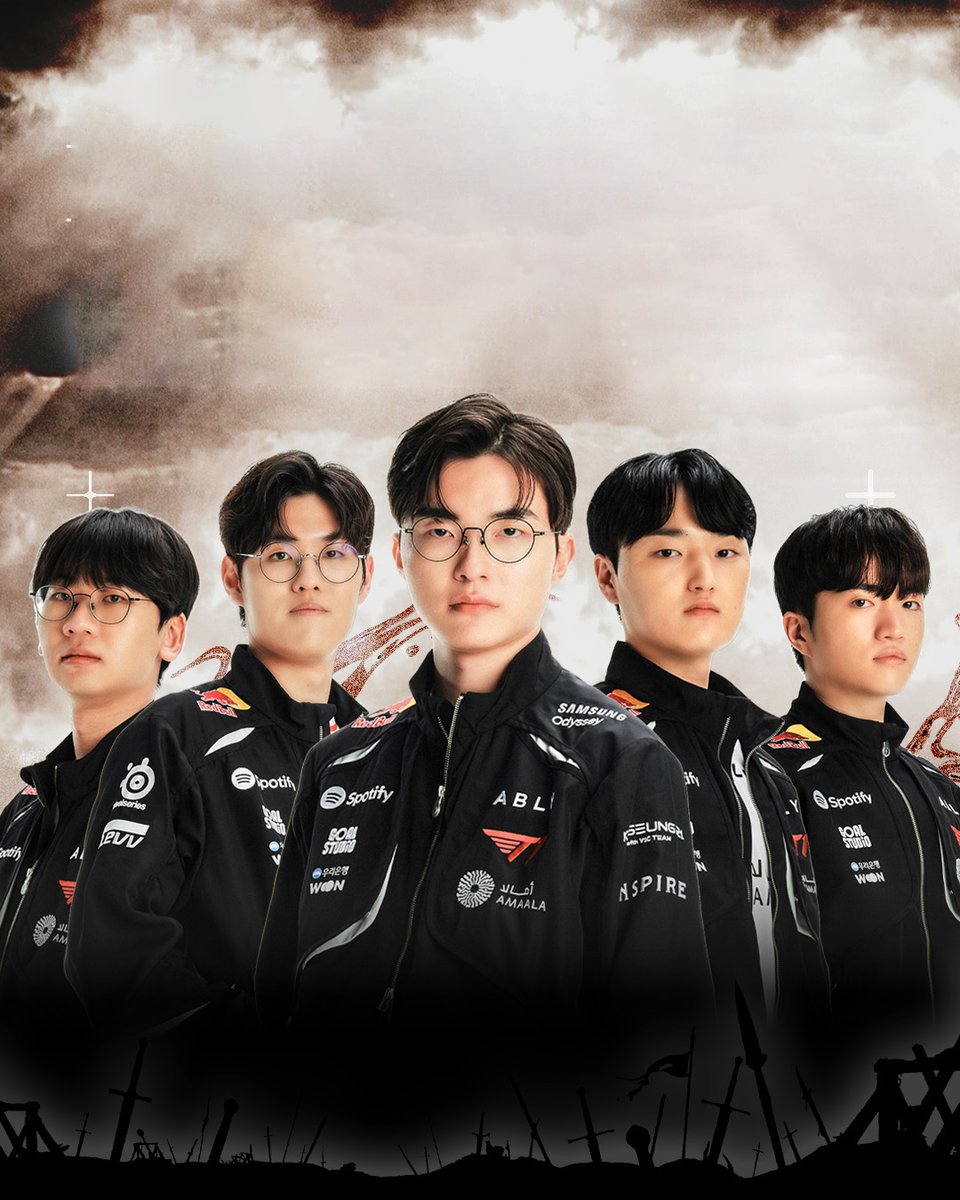
why did they get photoshopped onto a desolate battlefield we're just playing a video game guys 😭
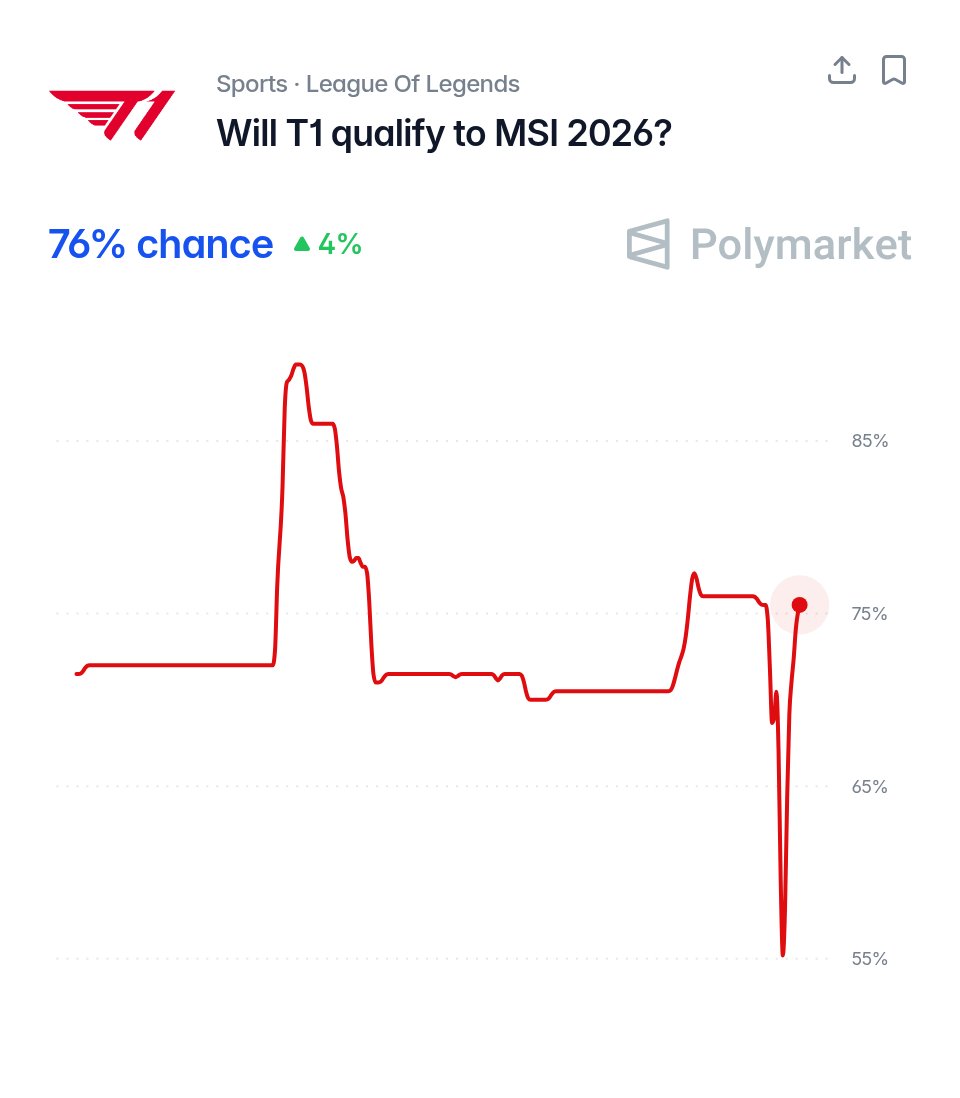
With T1-HLE series coming up, MSI spot is on the line
Can T1 qualify straight away as a 1st seed? 🥳
Traders give them 76% chance of making it to MSI. 👀
4
1
83
10,415
HEY GUYS REMEMBER THE 4 WEEKS OF 58% WINRATE SMOLDER WHO'S READY FOR THE 4 WEEKS OF 60% WINRATE SENNA LMAO
Senna flew under the radar of recent broken shit because Smolder's OP build got figured out way faster (oops) but she actually might be even more OP than he was...
So there's like 50 reasons why she's OP:
DFT - Her Q applies single target (4 seconds) of DFT for some reason making her one of the best users of this rune
Tear Buffed Dorans helmet - gives you infinite sustain in lane
Shiv - got buffed for some reason last patch and she's its best user since it lets her waveclear stack you through the wave easily
Black Cleaver - Infinite Stacking ADC that stacks cleaver easily and doesn't need the crit from ldr wow who does that remind me of
Manamune - Senna has 2nd highest mana/lvl for adcs after ezreal and she really needs the mana also this helps stack Jack of all Trades
MS Shard - tbh this is op on everyone but especially on Senna cause the MS helps you get more souls and get back the AD you would have gotten from adaptive shard anyways
Range is the most OP stat in the game and this Senna build lets you reliably get more souls while also giving more utility than any Senna build in the past while not sacrificing any damage.
I guarantee you if this tweet goes anywhere her winrate and pickrate and banrate will go to 60% next patch LOL
Please stop building useless crap and spam this build so she gets nerfed to the ground like Smolder did :D
74
140
4,508
415,621