
google & youtube ads for dtc brands / tabs, snow, obvi, 47skin, craftd, agemate, sundays, frankbody, slate milk, muscle nation, sasha therese, icon amsterdam
Joined March 2020
- Tweets 33,649
- Following 1,093
- Followers 74,355
- Likes 15,581
3,611 Photos and videos


i don't think most ecom brands realize how narrow their google targeting is.
they’re missing easy ways to market their product at a lower cost
3 types of traffic every ecom brand should target on google:
COMPARISON SEARCHES
these are searchers who’re either comparing options for a product:
"best [product]", "[your competitor] vs [another competitor]", or "[product] reviews"
or looking for one of your competitors:
"casper mattress," “huel protein powder alternative”
search volume is decent and buying intent is high, works really well if you:
- compete in a crowded space
- have competitors with poor brand protection
target this with search/pmax campaigns
landing pages should be us vs. them pages that show you vs competitors, or "top x" roundups that position you as the winner.
PRODUCT CATEGORY SEARCHES
these are shoppers that know what product type they want but haven't decided on a brand yet.
"running shoes", "resistance bands", "protein powder".
you can run search, shopping & pmax to capture this demand
these are active buyers with high purchase intent. for ecom, it should be your bread and butter of your prospecting efforts
when it comes to the landing page, you have a few options
standard product pages are the safest starting point. launch with those and gather data.
in competitive markets, cpcs can be super high. if that’s the case, test these
- sales page for products that require more education
- comparison pages in saturated markets where buyers are skeptical
these have helped some of our clients reduce cpcs by 2 to 3x.
PROBLEM-AWARE AUDIENCES
this traffic comes from people who have a problem your product can solve but they don’t know what product solves it.
they’re typing queries like “how to sleep better” or “reduce back pain after sitting”
or browsing on youtube & the google discover feed
you capture this with:
- search
- youtube/discover placement in demand gen
on google search, these queries have 5-10x the search volume, and they cost a fraction of what product category terms do.
on demand gen, it’s a blue ocean. no one targets this traffic properly. works extremely well if you have a strong creative testing process (similar to meta)
for search, you can send them to blog posts, advertorials, or listicles.
for demand gen, go for a quiz funnel, vsl, advertorials, or sales page
educate first and introduce your product as the solution.
my recommendation:
every brand should first master branded and product category traffic.
they bring in the best roi and don’t require a complicated funnel to work. non-negotiable for ecom.
once that’s dialed, start layering in other types. they have less buying intent but a much bigger tam.
if you’re serious about scaling google ads, you’ll need to figure them out.
4
1
12
1,715
want to see the landing pages we use for these?
we put them inside a swipe file of our best-performing LPs for Google Ads right now
grab them here:
echelonn.io/resources/lp-swi…
1
1
794
was reviewing a guy's google ads account the other day
their previous agency only made 5 changes in the past month
and these mfks were charging $4k for it 💀
if you're trying to figure out whether your agency's any good
just pay attention to what they're doing behind the scenes
are they looking for new opportunities?
sending over ideas they want to test?
finding things that could be pushed further?
or are they just happy to keep things where they are and call it a day?
honestly, it’s pretty obvious when someone's invested in your results
you usually can kind of feel it
5
12
2,515

Jun 13
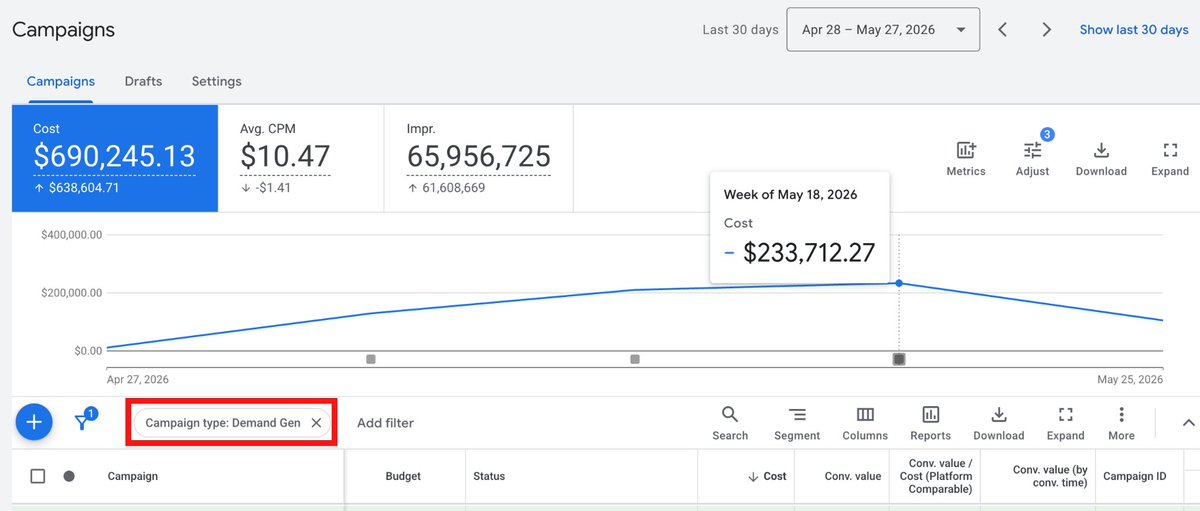
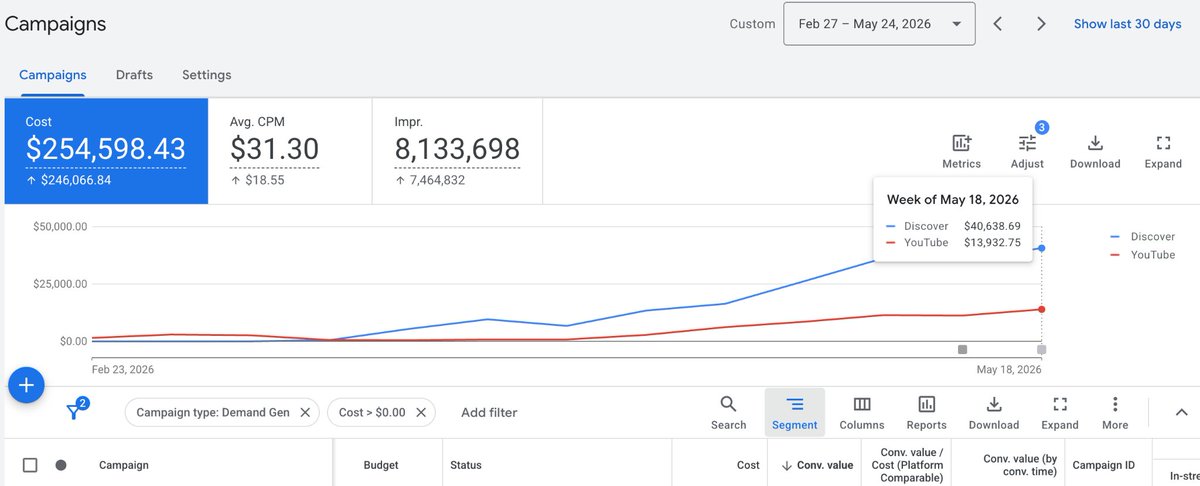
demand gen is quietly becoming the new meta ads
many of our clients are scaling hard on this, pushing $10k - $40k/day spend.
these are the creative types i’m seeing working right now:

9
10
117
33,257
Jun 12
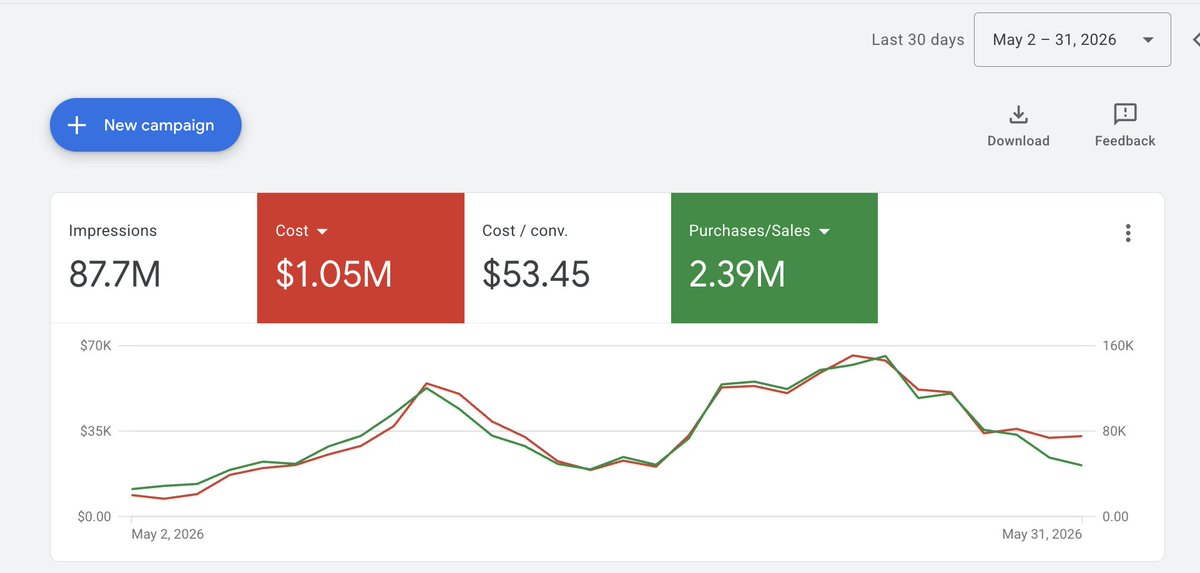
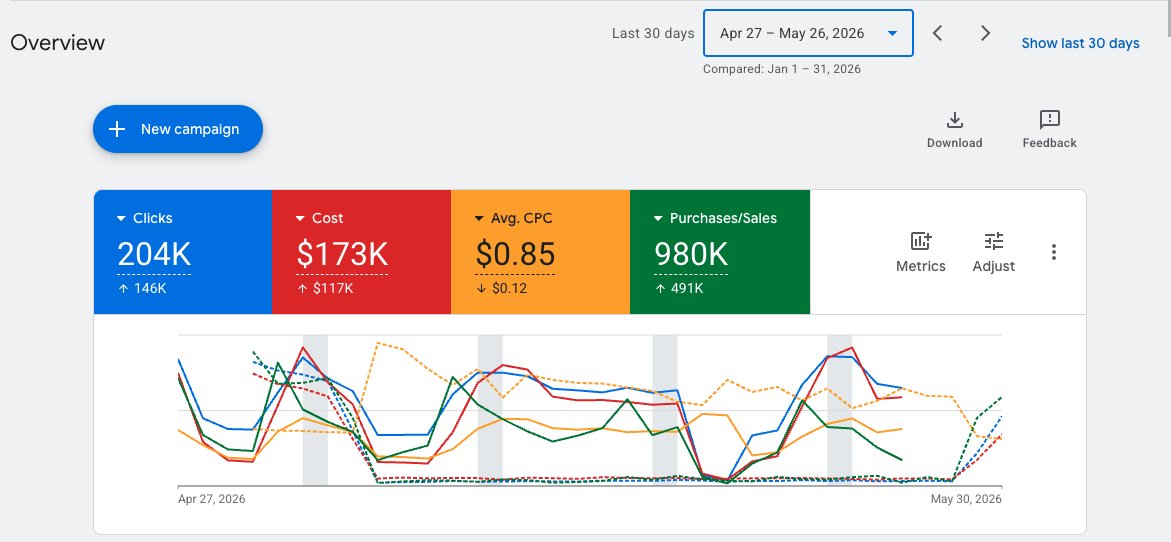
took over this account in jan
monthly spend is up nearly 3x since then
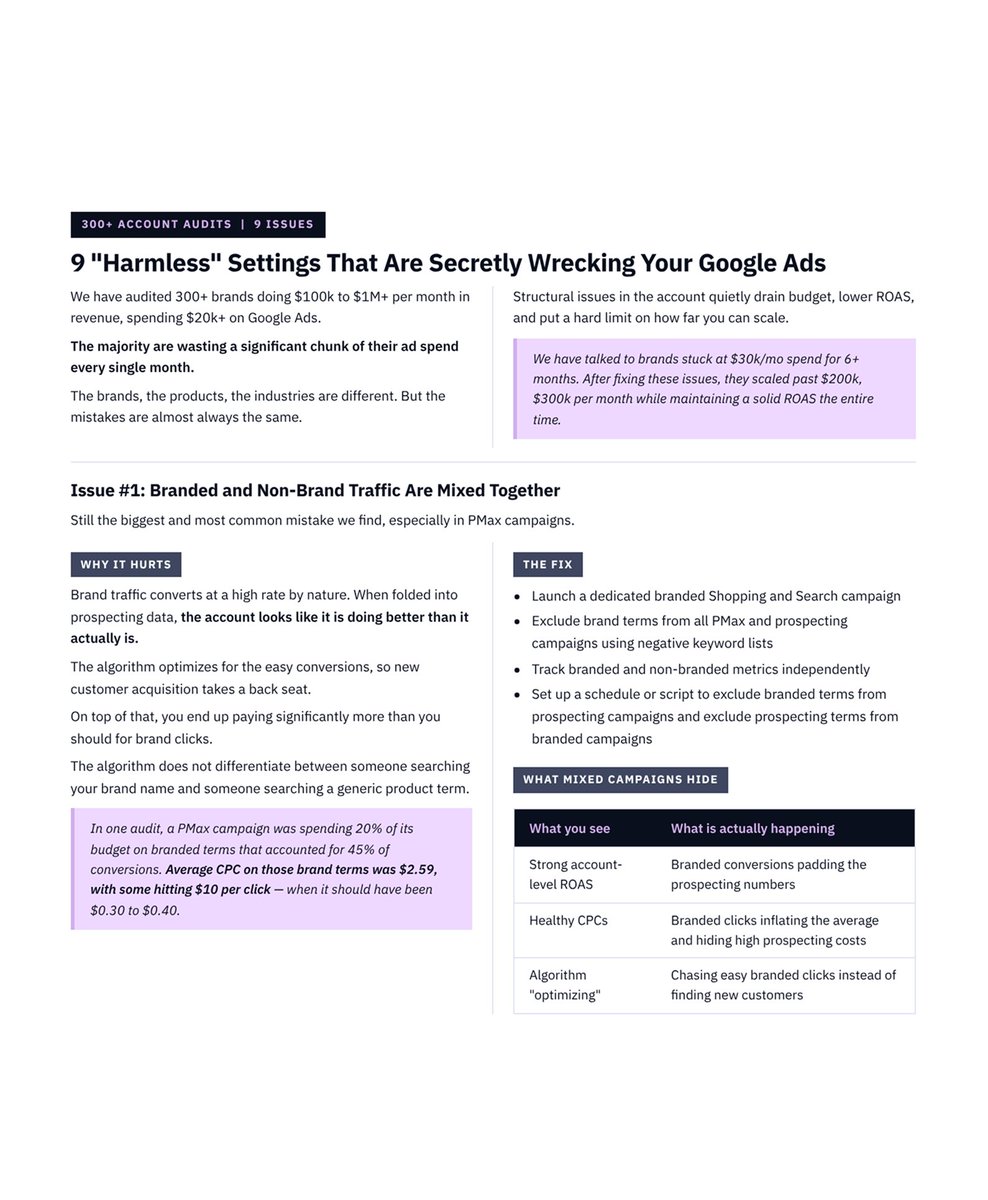
the biggest unlock for this brand was relying less on branded traffic & putting more focus on prospecting
first we cleaned up their branded campaigns and made them a lot more efficient.
on the branded side, average cpc fell to $0.20 (down 72.7%), costs were cut in half, and revenue doubled.
on the prospecting side
we launched a bunch of campaigns focused on acquiring new customers
pmax
search
shopping
demand gen
so far we’ve only run our “standard” campaigns
there are still a lot of placements and advanced strategies we haven't touched yet
which is where we're heading next.
the plan is to:
- test more creatives
- build and test new landing page formats
- partner with influencers and creators to promote their products on youtube
2
1
14
1,388
Jun 12
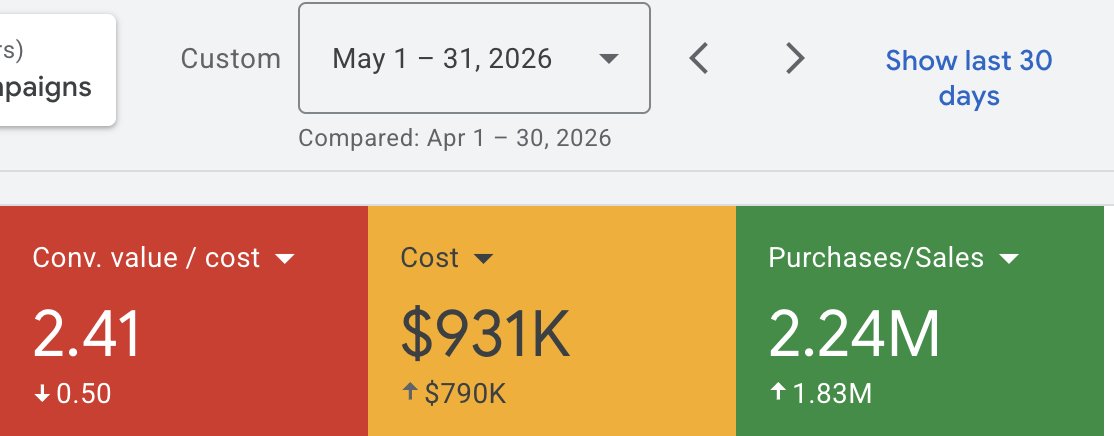
launched a sale in may for this client
increased spend by 790k, while maintaining roas
phat W
3
15
1,601
Jun 12
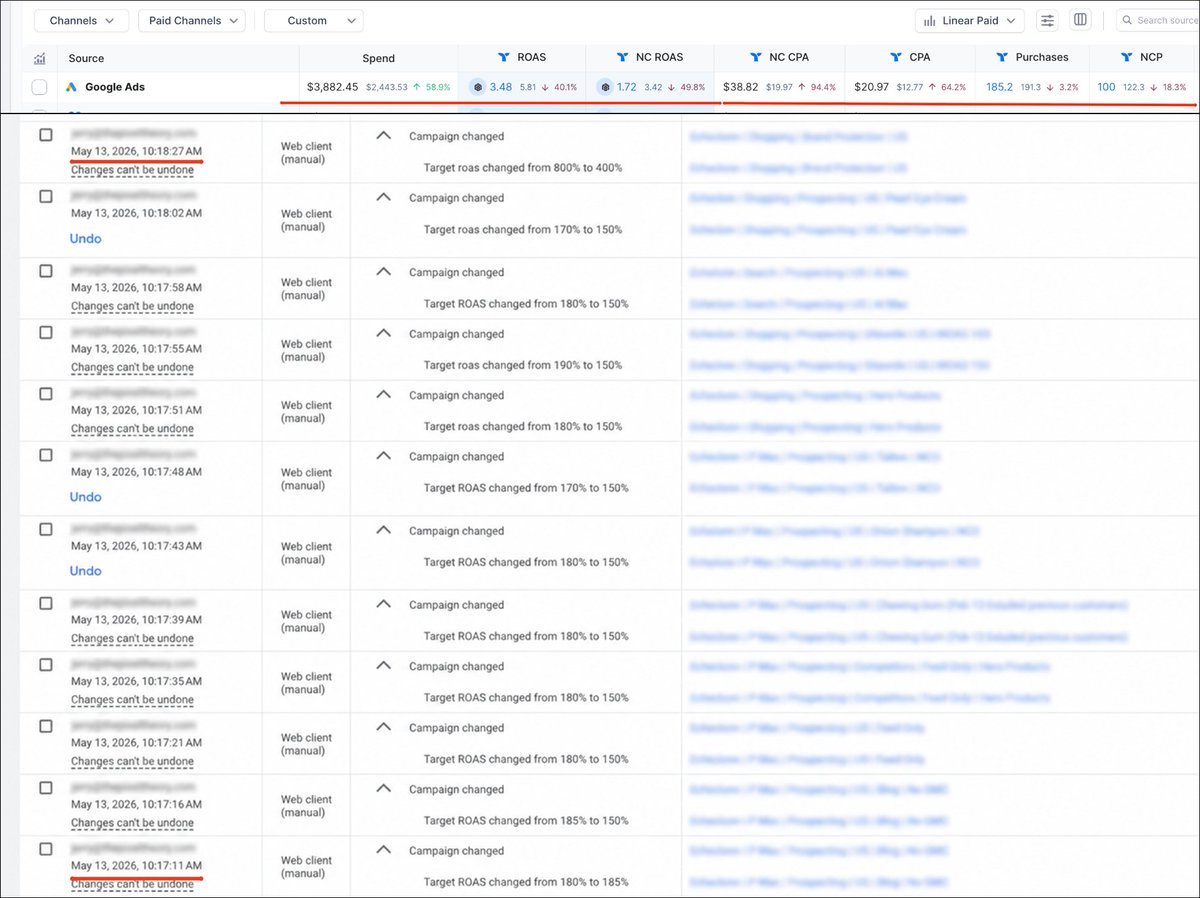
it only takes a few minutes to destroy a google ads account that took months to scale.
the other day, we spotted a series of changes that had been pushed live in a client account.
budgets increased.
target roas cut aggressively across campaigns.
all within 2 minutes.
as it turns out…
another agency had gone in and made the changes without our knowledge or the brand’s.
when you look at an account from the outside
it's easy to assume a setting is wrong because you don't understand why it's there.
but we’d adjusted every budget, bid target, and campaign setting over months based on performance data & the brand’s goals.
so even a “small” change can completely shift how the campaigns perform.
and that’s what happened here
after those changes:
spend jumped 60%
cpa increased 64%
new customer roas got cut in half
the frustrating part is that once smart bidding starts learning from those new signals
the damage doesn't disappear when you switch the settings back.
the algorithm needs time to relearn, and the performance needs time to recover.
so we got to work fixing it immediately.
we restored the original settings.
applied bid strategy exclusions so google would ignore the affected period.
then made additional adjustments to the campaigns that were recovering slower than expected.
eventually performance got back to where it should've been.
cpa came back down. the campaigns started scaling properly again.
situations like this are why i always tell brands to be cautious about making major changes without context.
once you start seeing the downstream effects, it changes the way you manage campaigns and the way you evaluate advice from other people.
4
19
2,285
Jun 11
one thing i’m starting to notice that no agency owners want to admit
the perceived value of your service is dropping, and it has nothing to do with how good your fulfillment is
people are consuming all that overhyped ai content and recalibrating what they believe your work should cost
they're sitting there thinking:
"why am I wiring $10k/month to this guy when i can get 90% of the way there with ai and one decent in-house hire?"
and whether you like it or not, they’re right to think so
so if you’re not driving real outcomes or having some unfair advantages, you’ll soon be replaced
2
14
1,673
Jun 11
google’s making another big move on chat commerce
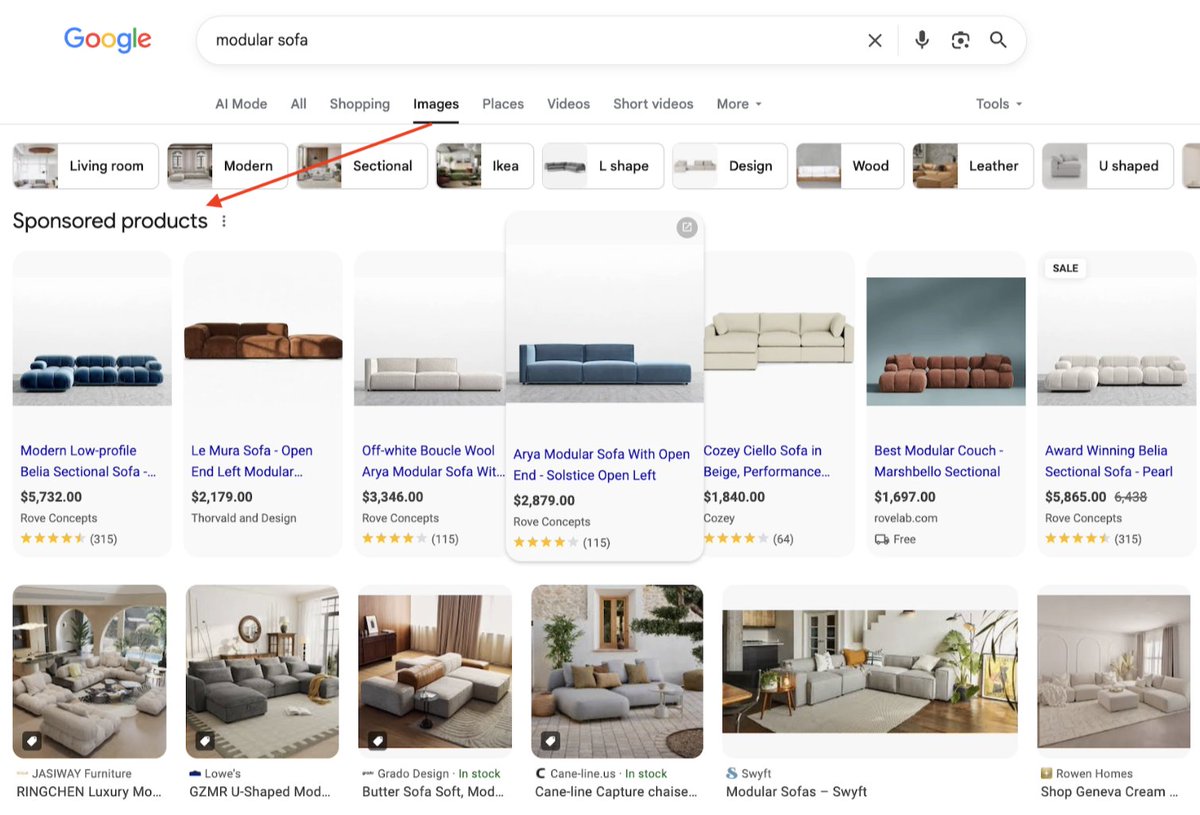
they launched 3 new ad formats in ai mode and search
1. conversational discovery ads: embedded inside ai mode’s responses
2. highlighted answers: appear inside ai mode’s recommendation lists.
3. ai-powered shopping ads: similar to shopping ads, but with ai-generated explanations for why a product fits what the shopper is looking for.
all of these follow the same formula:
> someone searches a specific query like “best office chairs for lower back pain if you sit on a computer all day”
> google generates a response like usual
> ads show up with messaging tailored to that search
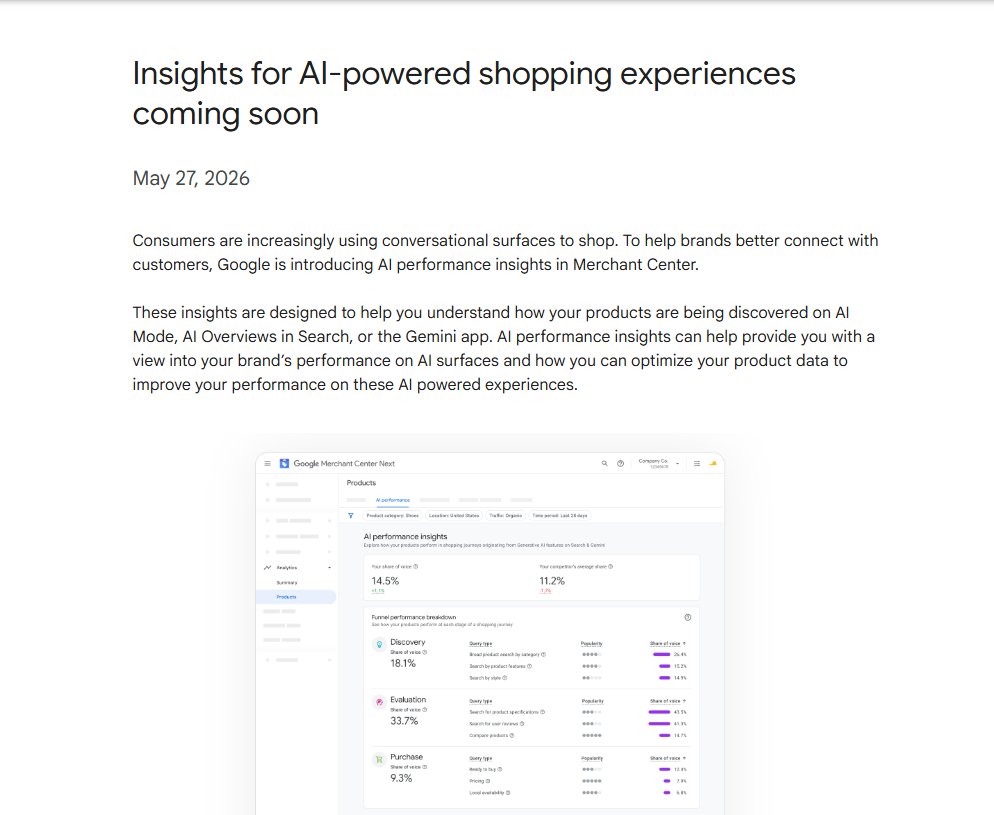
they also rolled out a new feature to see how your products are being discovered on ai mode, ai overviews, search, gemini.
> how you stack up against similar brands
> how you perform at each stage of the shopping journey (discovery, evaluation, purchase)
> the searches people use to find products like yours
> the product attributes people are looking for (color, style, material, etc)
you can run ads in these placements through:
- ai max for search
- ai max for shopping
- performance max
honestly, i’m pretty excited about this update
we've had some great success with ai max
it’s helped our clients profit from searches that traditional campaigns often miss. allowed us to scale spend much further than before.
from what i’ve seen, conversational searches often carry high buying intent.
when a user searches something like:
“find me a good running shoe for flat feet under $150, something with solid grip for rainy days”
they know exactly what they want and they just need the right product put in front of them.
and now google is opening up more ways to monetize that traffic outside of traditional search and shopping ads.
it’s still an underserved traffic source with a lot of room to grow.
definitely worth spending some time figuring out how your products can show up in those placements
May 22
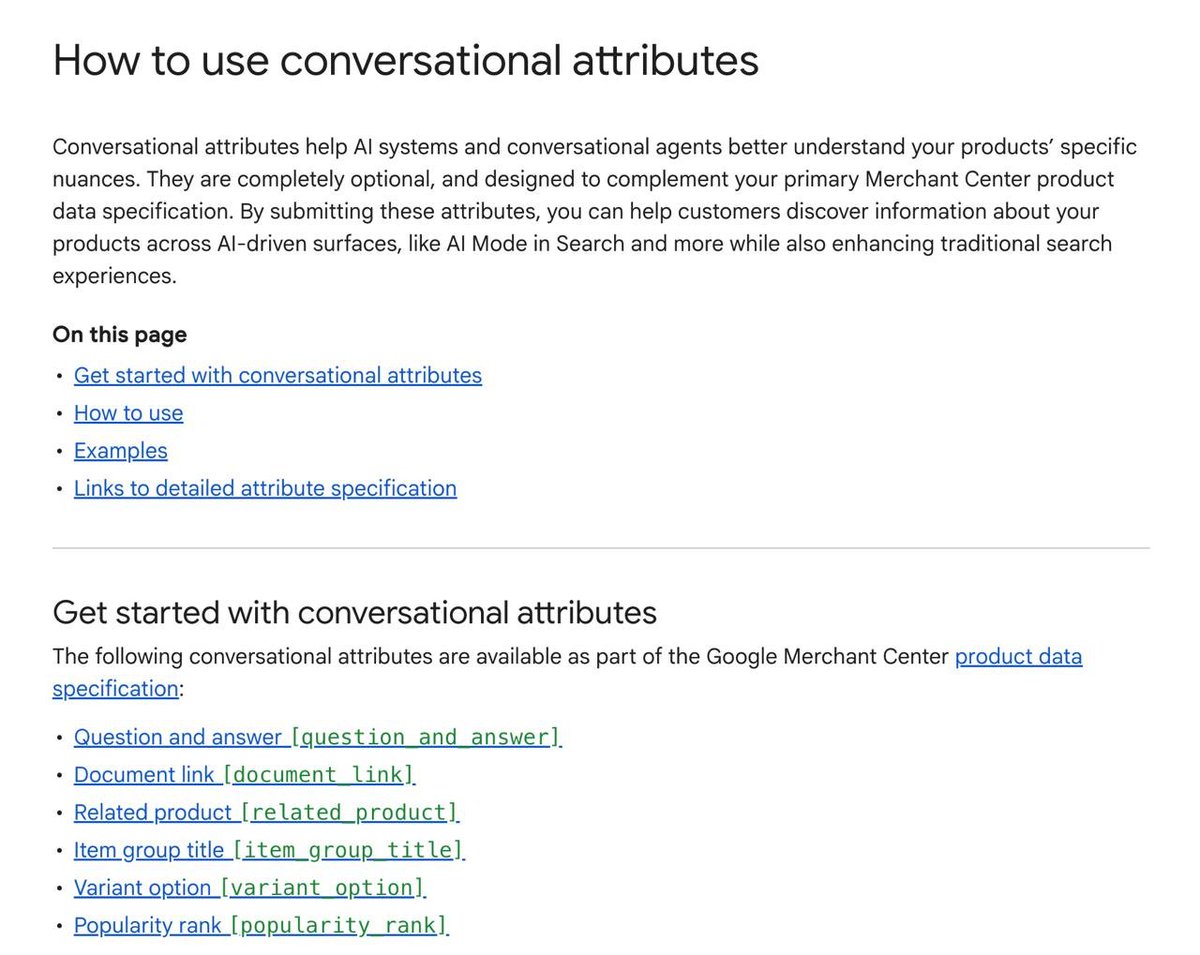
google quietly added something to merchant center and almost no brand is going to touch it for months
it's called conversational attributes
(they didn’t even mention this on the google marketing live)
here's what they are and why you should care:
for years a good feed meant a clean title, the right category, a GTIN, decent images
that was enough to win shopping
it isn't anymore
people aren't typing "mens hiking boots" into search anymore. they're typing "best waterproof hiking boots for wide feet with good ankle support for muddy trails under $150"
ai mode, gemini, ai overviews, the agentic commerce stuff google is building
all of it needs structured data to confidently match, compare and recommend your product
if your feed doesn't hand it that data, the ai guesses or skips you
conversational attributes are how you feed the machine directly
the main ones live right now:
- question_and_answer: pre-answered buyer questions, up to 30 per product
- document_link: pdf manuals/spec sheets google can pull faqs from
- related_product: tag accessories, substitutes, often-bought-with items
- item_group_title variant_option: much cleaner variant grouping
- popularity_rank: a 0-100 score based on your actual internal sales data
a few things that make this a real opportunity for yous:
1. they're optional and don't affect approval
zero risk. you're not fixing a disapproval. and most brands ignore anything that isn't actively on fire, so there's going to be a gap in who will actually set these up
2. it powers every shopping surface
free listings, standard shopping, all of it improves. but the biggest lift is in ai max for shopping (the new beta) and pmax
those campaigns are built to use this kind of semantic depth. ai max literally extracts features like "waterproof" and "wide fit" from your feed to match long-tail intent. richer feed means better material for it to work with. google's early data on ai max is around 5% conversions at similar cpa
3. early movers get share of voice on ai surfaces
ai surfaces are brand new real placements. the brands enriching their feeds now become the ones the ai trusts and recommends, while everyone else still treats merchant center like a dumb ad data dump
how to actually do this:
if you've got a small catalog, supplemental feeds are the easy route. you add the conversational attributes there and leave your primary feed alone. or you handle it through your feed management tool
but if you want to do this at scale, build it into your shopify or store backend so every product going forward naturally carries this data. set it up once, it flows through your feed automatically. and if it's living in your backend, there's a good chance google picks it up from your website directly too (this will likely boost your organic ai ranking too).
prioritize bestsellers and your most question-heavy products first. electronics, apparel and footwear with variants, anything with sizing or compatibility questions
starting with bestsellers does something else for you too. popularity_rank is a 0-100 score showing how well a product sells against the rest of your catalog, and google uses it to push your strongest products on ai surfaces. when you focus your enrichment on bestsellers, you're not spreading effort thin, you're stacking the richest data on the exact products google is most likely to surface anyway
for question_and_answer, use real buyer questions. specs, compatibility, usage, sizing. don't just copy your description or highlights, that's wasted space
for related_product, use the relationship types (accessory, substitute, often_bought_with) and reference by internal id or GTIN
if you want to be first, you can start adding these manually today. but the smarter move is setting it up in your store backend now so it scales without you having to touch it again
treat this as ongoing feed enrichment, not a box you tick once
you're building an ai-readable product knowledge base, and that compounds
the window is open right now. it won't stay that way
5
4
27
4,053
Jun 11
we made a guide on how we scale brands past $1m/mo on google with prospecting campaigns.
grab it here:
echelonn.io/resources/prospe…
1
5
622
Jun 10
you can tell a lot about someone by how they handle the highs and lows
you hit a record month? great. what’s the plan for next month?
have a bad month? right. what are you gonna do about it?
life and biz has its seasons, ups and downs
don't get too comfortable in good times.
don't be a bitch in tough times
don't let any situations ruin your character.
learn to love the process & stay detached from the outcome
3
1
14
2,323
Jun 10
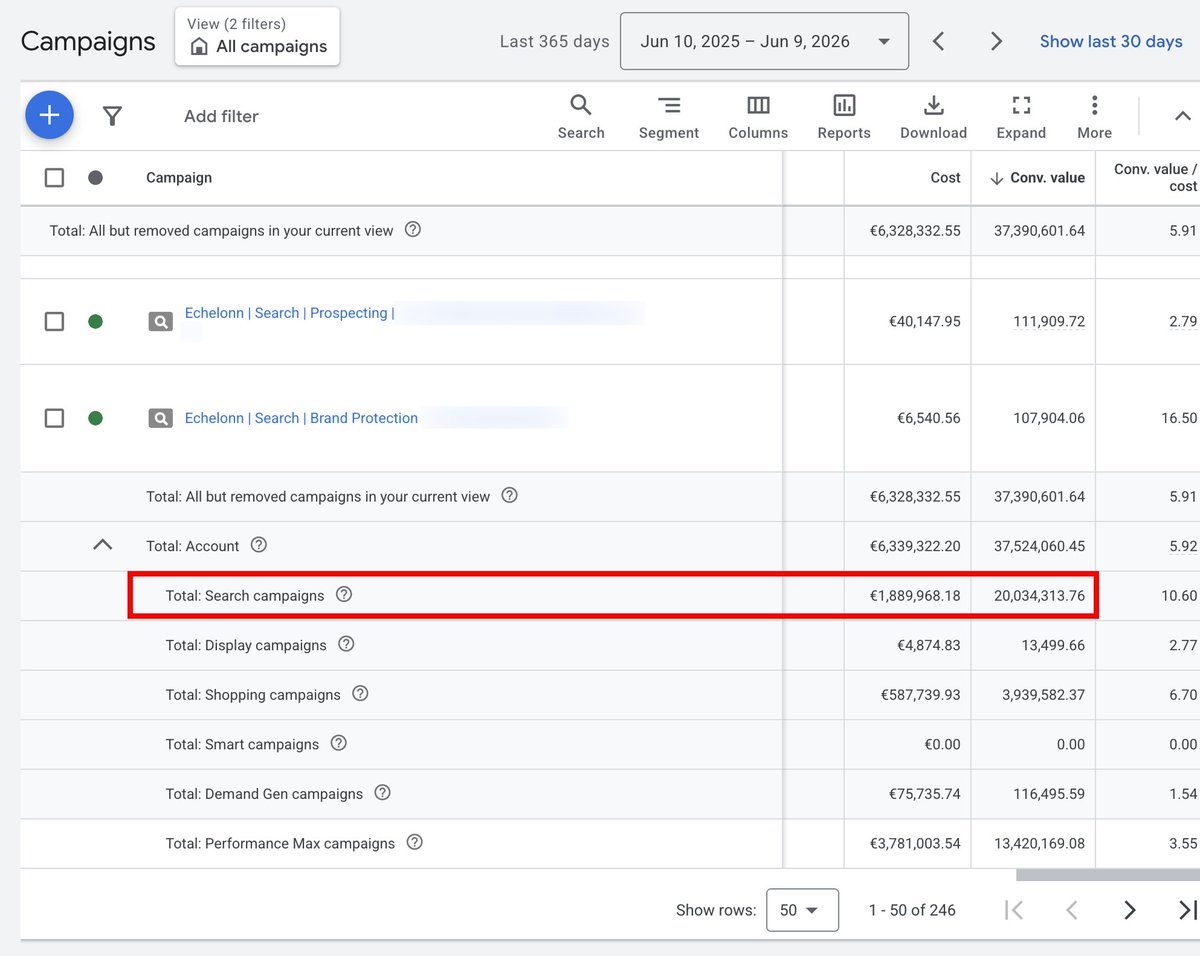
there's a huge opportunity in ecom rn with boring channels like search
easiest money on google because most ecom brands suck at running them
we've got clients doing 7 figs/mo from search alone
not just bottom funnel traffic btw
we're converting cold traffic at cpcs as low as $0.07
made a cheat sheet breaking down the full system.
like reply "search" and i'll send it to you
(follow so i can DM)
270
10
297
24,693
Jun 10
most brands don’t know that you don’t need to run product pages on shopping
3 formats that are working really well right now:
BRAND NARRATIVE PAGE
a page built around a mission, belief, or bigger problem in the category
instead of selling the product first…
you're selling people on the idea behind it.
example headlines:
"why modern food is making people unhealthy"
"the problem with the skincare industry nobody talks about"
"we believe everyone deserves access to low-calories food that tastes good"
these tend to work best in categories where customers strongly identify with a cause, movement, or worldview.
we've had great results with these pages across client accounts.
ofc, how well they perform depends a lot on your category, market, product, etc
but when they fit…
they can dramatically increase conversion rates and help you scale spend much further than a standard PDP.
KEYWORD THEME PAGE
these are landing pages built around a specific search intent.
a lot of products serve different benefits, buyers, and use cases.
and people search for them in different ways.
take magnesium supplements as an example.
people can find them through:
'magnesium for sleep,'
'magnesium for anxiety,'
'magnesium for muscle recovery,'
'magnesium for kids.'
each of those comes from a buyer with a different problem they want solved.
and one PDP can't speak to all of those use cases well.
so instead of forcing everyone through the same page...
you build variations tailored to each use case.
that can be as simple as adjusting the headline, visuals, copy, and social proof to match.
example headlines:
"the magnesium supplement for people who feel stressed and anxious"
"the magnesium supplement for muscle recovery"
"the magnesium supplement made for kids”
MINI SALE PAGE
these are direct response pages that lead with the customer's problem or desired outcome before introducing the product.
example headlines:
"why most people never fix their sleep issues"
"the hidden reason your joints keep hurting"
"how to finally get rid of brain fog without relying on caffeine"
the structure is similar to a traditional sales page
but a lot shorter and less aggressive.
best for long tail searches where the customer’s looking for a specific benefit
"running shoes for knee pain"
"protein powder for weight loss"
"standing desk for back pain"
this works really well in sophisticated markets like supplements, beauty, and wellness.
buyers in those categories tend to be more skeptical.
they often need more context, trust, and persuasion before they’re ready to buy.
that's what this format’s designed to do.
SUBSCRIPTION PAGE
if you're selling a subscription product, there's an attribute in your feed called subscription_cost.
it lets you display your subscription pricing directly in the shopping listing
we pair this with a subscription page where we position the subs as the primary offer.
example messaging:
"save 20% on every order with a monthly subscription"
"never run out of your daily supplements again"
"the easiest way to stay consistent with your routine"
the page focuses on things like:
- subscription savings
- convenience
- flexibility
- long-term results
we've seen this work well for supplements, skincare, pet products, etc
one thing that’s working extremely well for search and demand gen is comparison pages
3 formats that are printing right now:
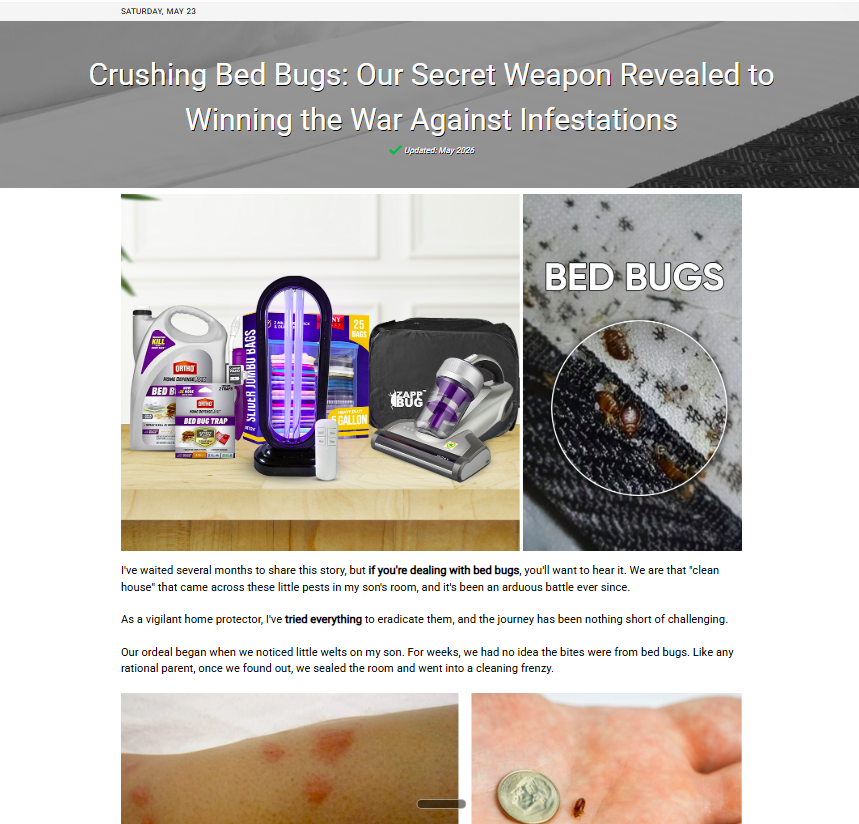
1. TOP X PRODUCTS
a blog-style page ranking the top products in your category
example headlines:
“top 7 [product type] for [audience] in 2026”
“we tested the 5 most popular [products]. here’s what won”
these are great for keywords with research intent and sometimes competitor searches:
“best [product category]”
“top [product] for [use case]”
“[brand product] reviews”
2. TOP X SOLUTIONS
this format has a very similar structure to the top x products page.
except instead of comparing brands
you’re comparing different ways to solve a problem or achieve an outcome.
example headlines:
“top 5 solutions for [problem]”
“the best ways to fix [problem] naturally”
“how we solved [problem] without [common alternative]”
best for problem-aware and informational searches:
“best solution for [problem]”
“how to improve [outcome]”
“best way to reduce [problem]”
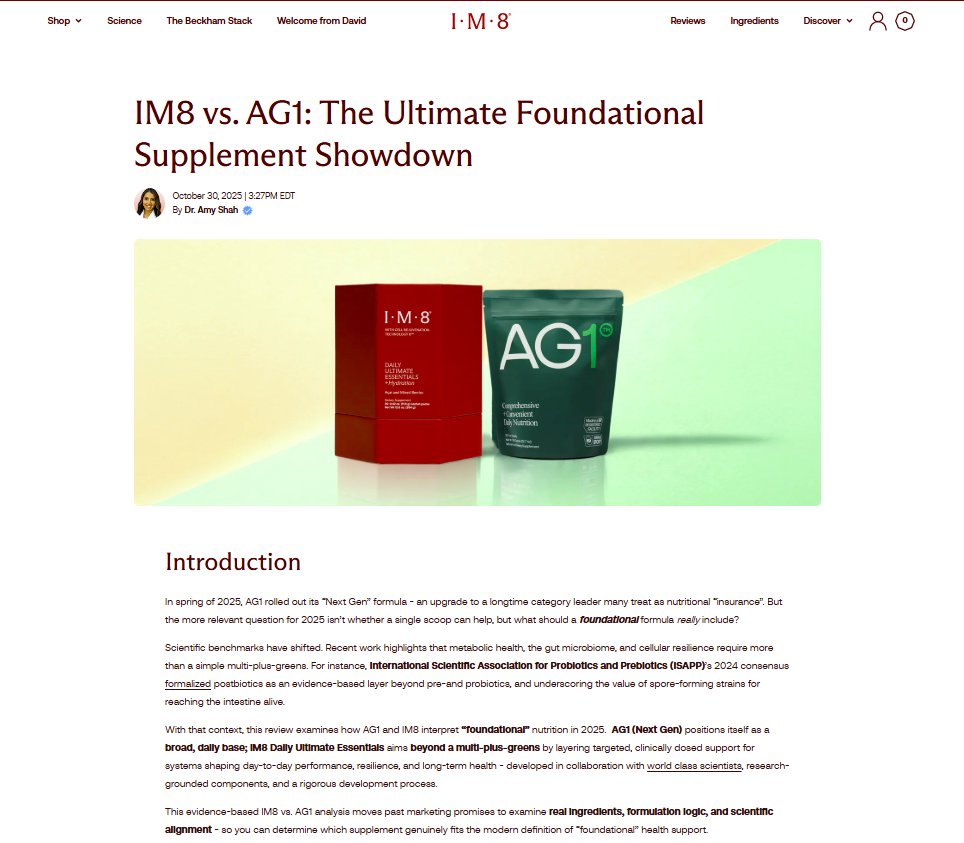
3. US VS. THEM
a head to head comparison page against a competitor
this is where you intercept high intent traffic before they go to your competitor
example headline:
“[your product] vs [competitor]. an honest comparison”
“we compared [competitor] against [your brand]. here’s the difference”
best for competitor searches:
“[competitor] vs [your brand]”
“[competitor] alternative”
“[competitor] reviews”
these work especially well when competitors aren’t protecting their brand terms
a few notes on the execution of these pages…
1. these pages should feel informative first and promotional second
2. the lead needs to explain how important it is to pick the right product/solution. that part is key to keeping people reading.
3. make sure to explain the process behind the rankings to show credibility (“we spoke to 10 experts in this category”)
4. do not trash alternatives when you mention them. when you state their downsides, keep the tone neutral and objective.
5. we usually close these pages with a comparison chart “our product vs X”
we've helped brands in crowded spaces generate 5, 6 figs/month from these pages
go map this out for your top products, build the pages, and try them out.
or if you’d rather have us do it for you, my dms are open.
7
3
39
6,515
Jun 10
if you want to see the landing pages we use for other campaign types…
check out this swipe file of best-performing LPs for Google Ads right now
echelonn.io/resources/lp-swi…
2
1,693