
University of Iowa sociology criminology PhD 🟡⚫️ | NSF GRFP fellow | ASC Ruth Peterson fellow | ASA MFP | race, cjus systems, & health | she/her
Joined December 2011
- Tweets 2,853
- Following 682
- Followers 640
- Likes 37,268
168 Photos and videos





Pinned Tweet

12 Jun 2025
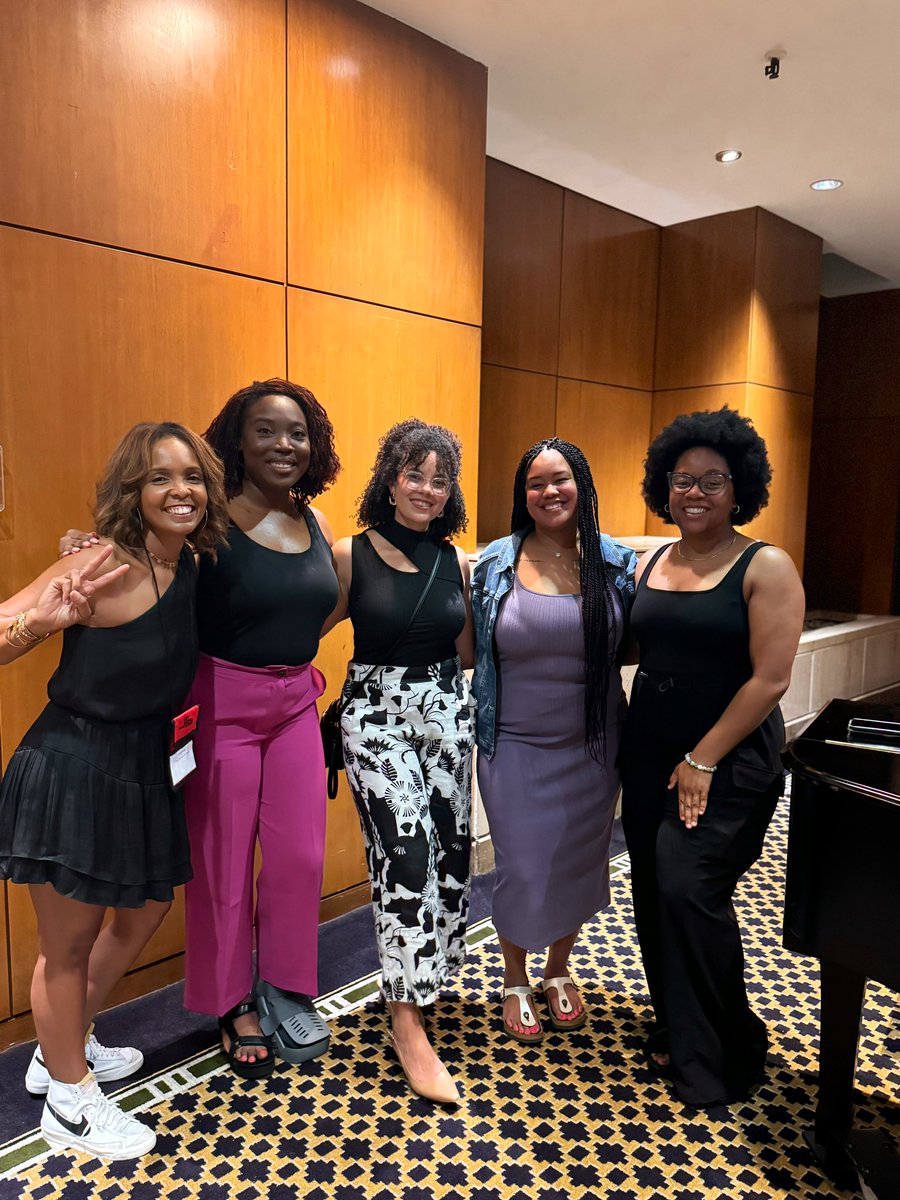
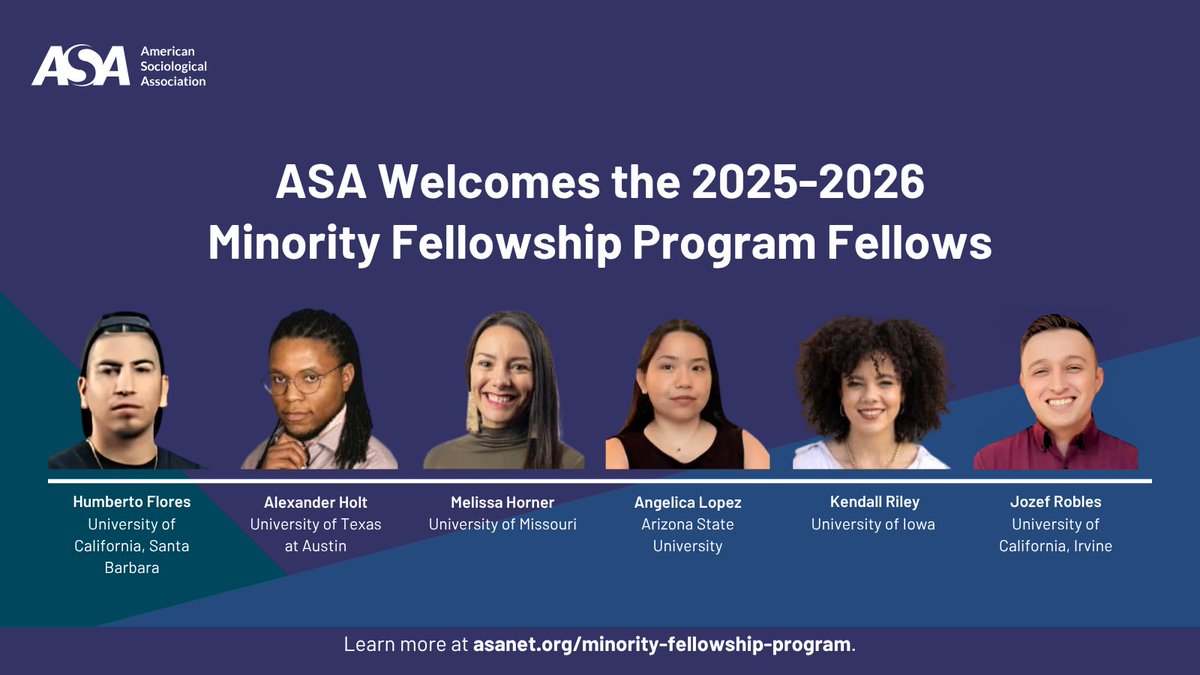
So incredibly grateful to have the opportunity to join the MFP network alongside these scholars! 🎉🎉🎉
12 Jun 2025

ASA is pleased to announce Cohort 52 of the Minority Fellowship Program. These talented PhD candidates were chosen from a highly competitive pool of applicants to receive financial support and professional development opportunities as they write their dissertations. bit.ly/ASAMFP52
3
1
24
1,317
7 Sep 2025
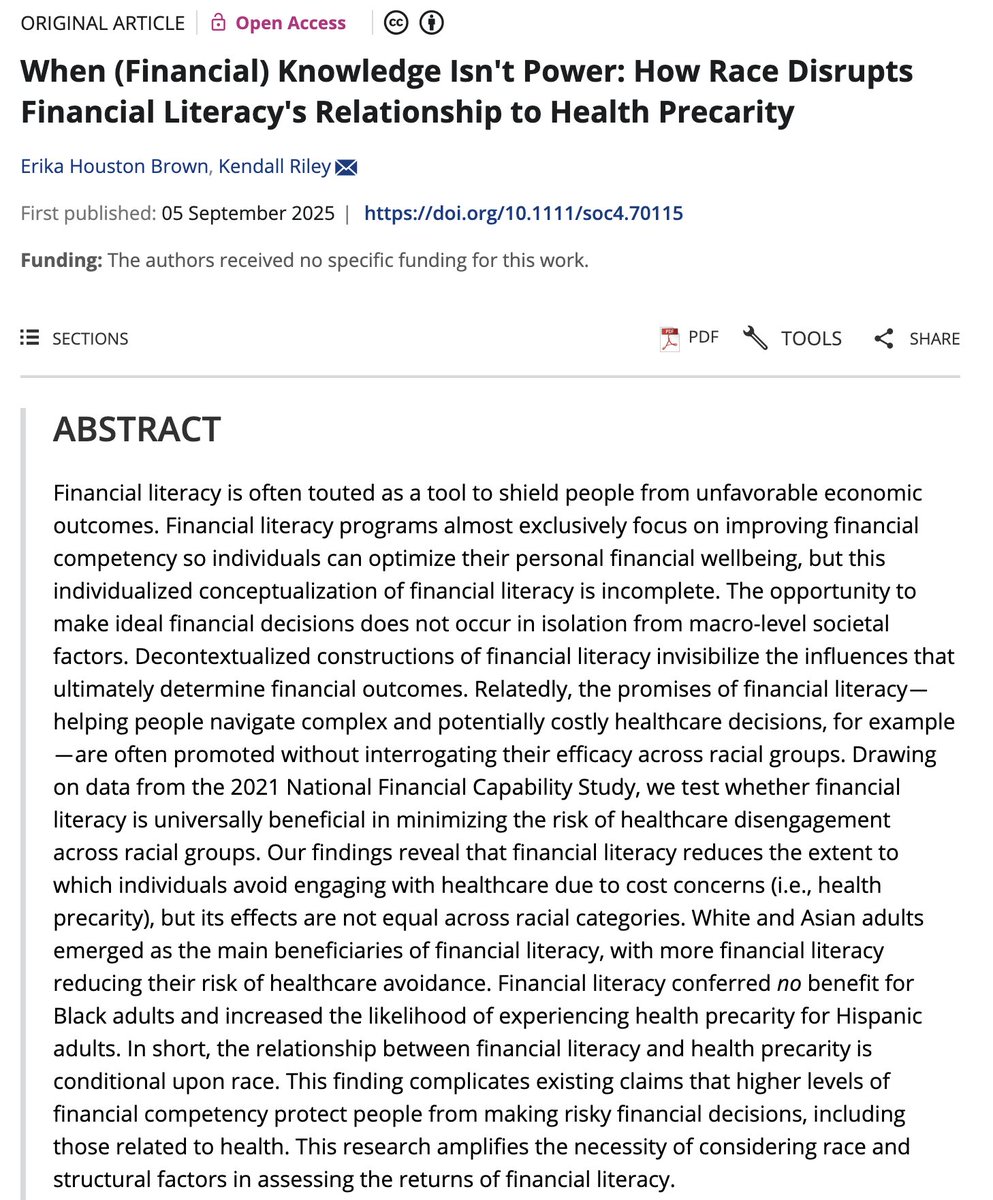
So happy this work is finally published! We challenge the idea that financial competency is beneficial for all racial and ethnic groups. In this paper we look at healthcare disengagement due to cost concerns (eg not filling prescriptions due to cost concerns
7 Sep 2025

It's official! 🎉📷I am thrilled to announce the publication of my first academic article! In it, my co-author, @booknerd2016, & I look at how race disrupts the relationship between financial literacy & health precarity. Check it out on Sociology Compass:
dx.doi.org/10.1111/soc4.7011…
3
2
10
776
7 Sep 2025
We find that financial literacy wasnt universally protective. It was associated with reduced healthcare disengagement (ie health precarity) for white adults but was unrelated to Black adults health precarity. For Hispanic adults, it was associated with increased health precarity
1
1
72
7 Sep 2025
@brownerika & I challenge financial literacy’s claim of universality. Our paper also aims to advance a contextualized definition of financial literacy that recognizes the institutional and structural barriers that constrain financial decision making for racialized minority groups
1
69
14 Nov 2024
I feel so lucky to have been selected alongside both of these amazing scholars!!
4
23
1,499
4 Oct 2024
Exciting things happening over here at UIowa 👏🏼
1
394
Dr. Kendall Riley 💫 retweeted

1 Oct 2024
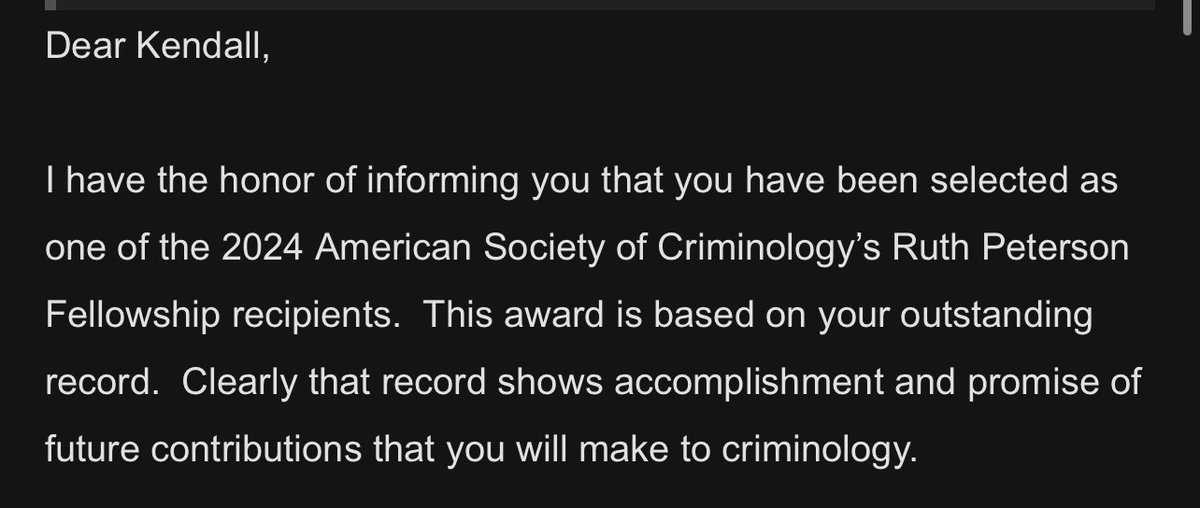
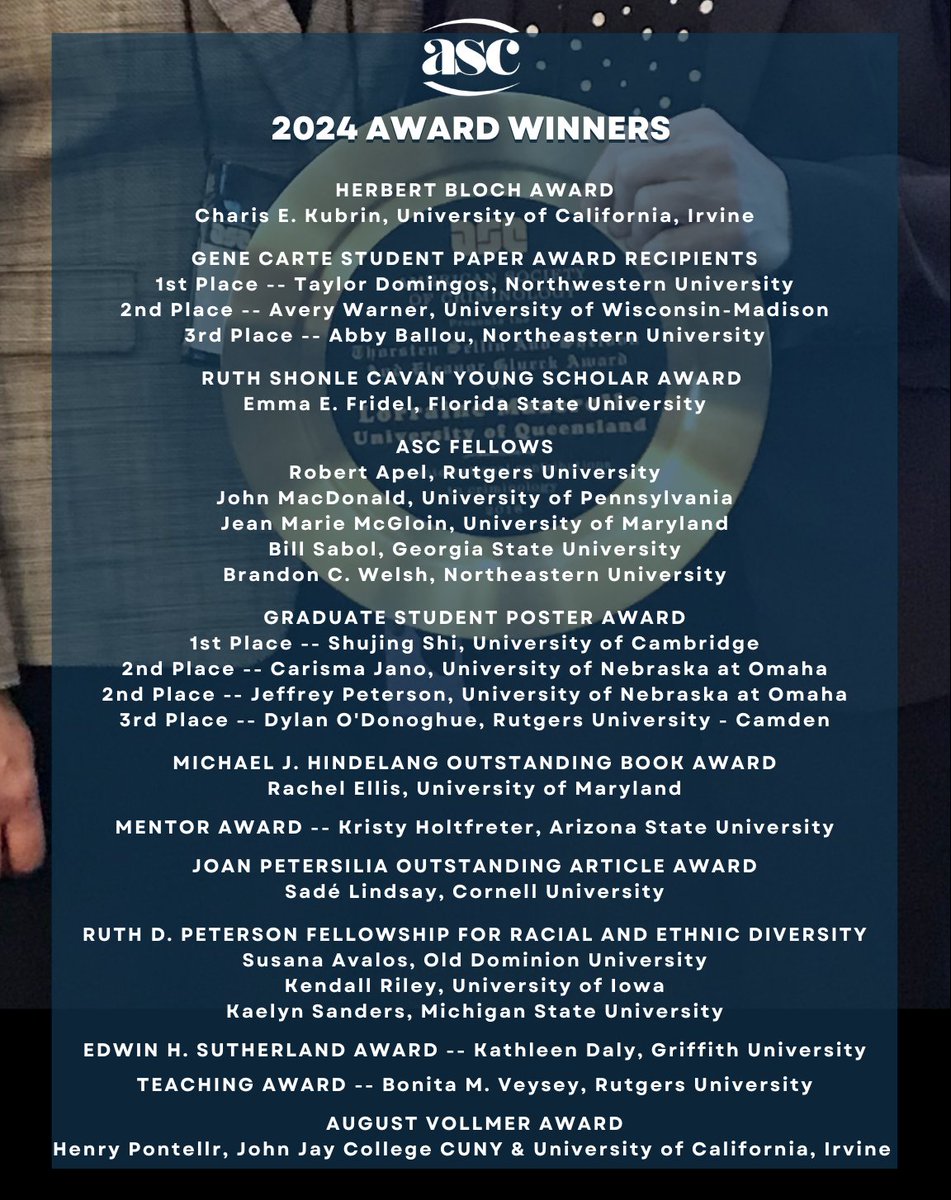
Congrats to the ASC 2024 Award Recipients. Check out their photos and bios on our website asc41.org/about-asc/awards/(Page is updated as they are submitted)
6
31
5,633
Dr. Kendall Riley 💫 retweeted

16 Aug 2024
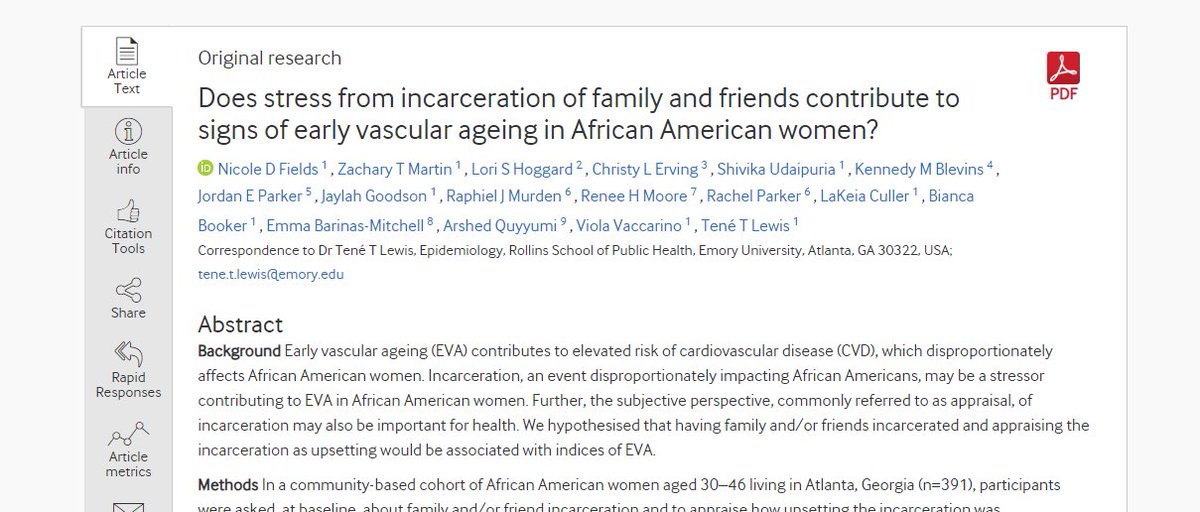
🚨NEW PUBLICATION ALERT! 🚨
Our paper published in @JECH_BMJ examined how collateral consequences of incarceration has negative consequences on African American women’s cardiovascular health @ZacMartinPhD @ChristyLErving @tenelewis2
2
5
7
3,255
14 Aug 2024
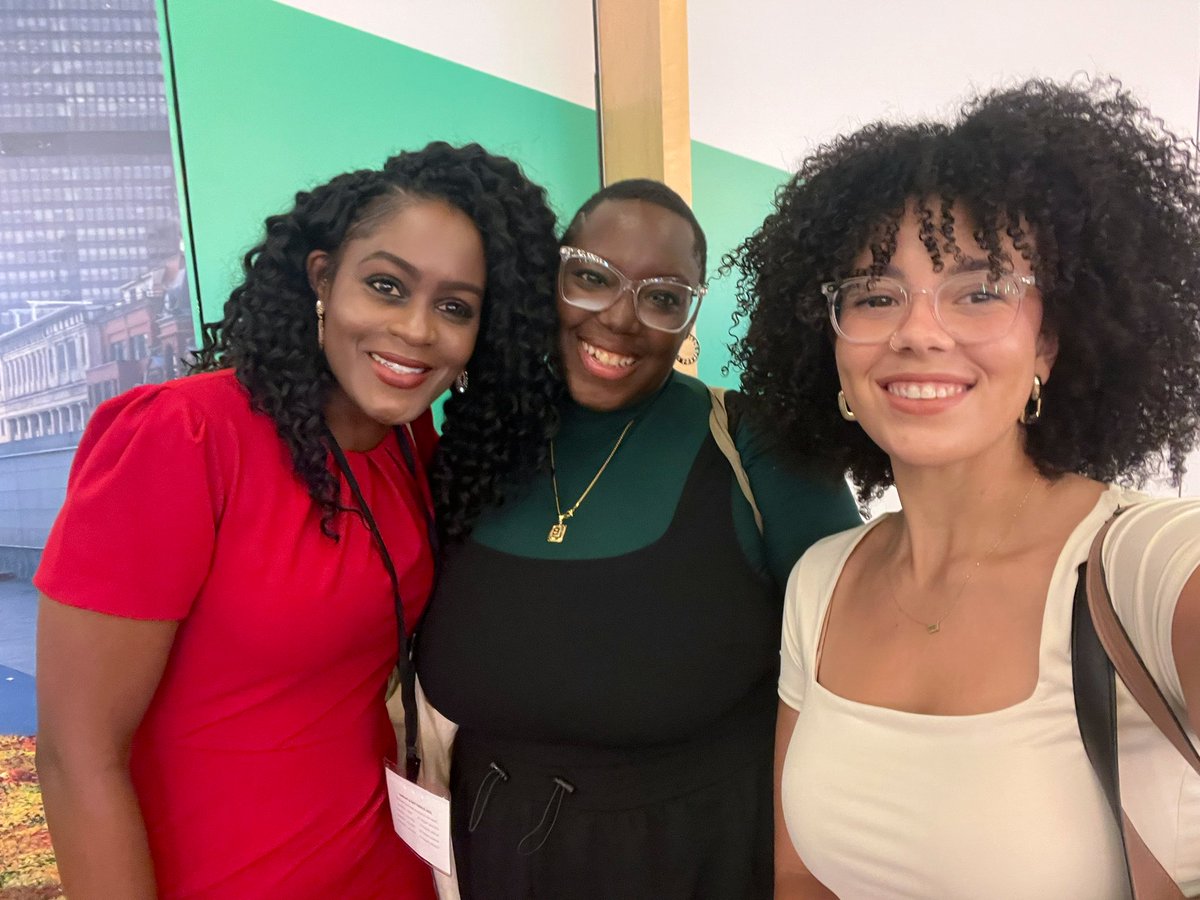
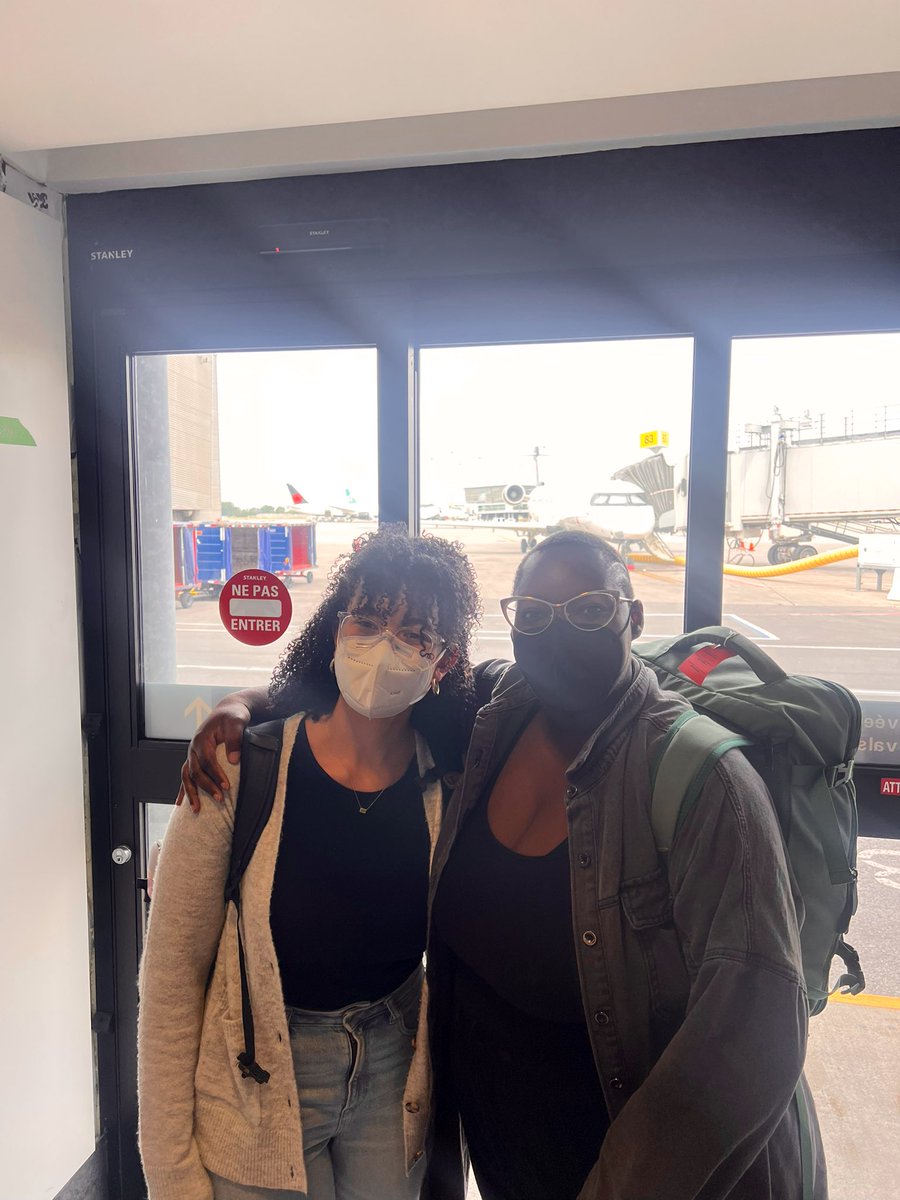
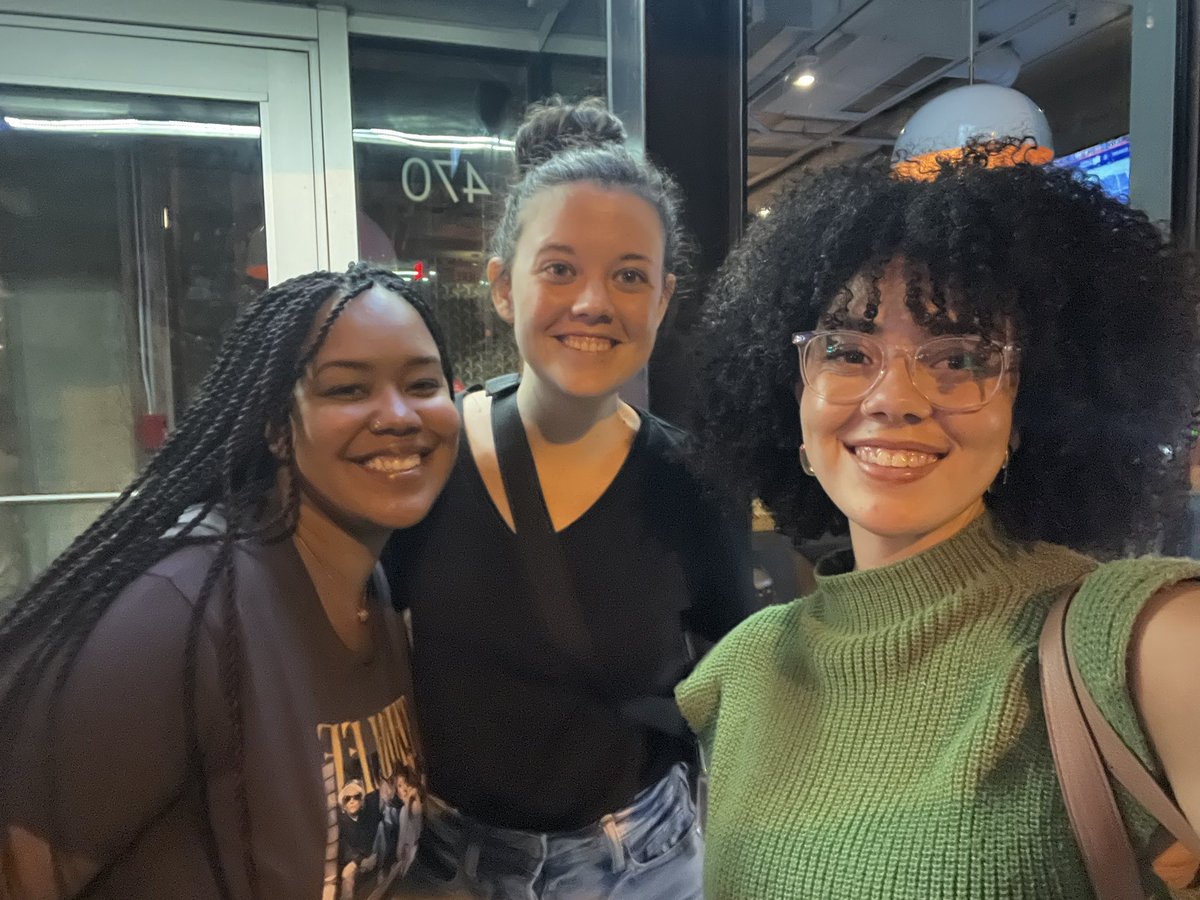
Montreal!!! You were a dream✨
It was amazing to be in such close proximity with so many of my research idols, mentors, and getting to meet my internet soc friends IRL
#ASA2024 #ABS2024 @BlkSchlr_BMiles @KierraNToney @demae_mae @leshhenderson @brownerika @A_Thrill and others!
1
32
2,225
14 Aug 2024
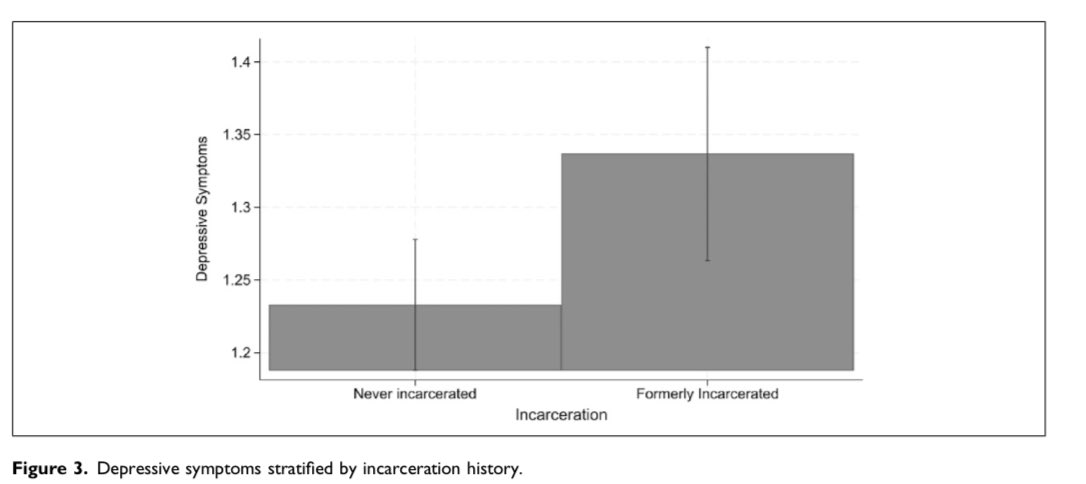
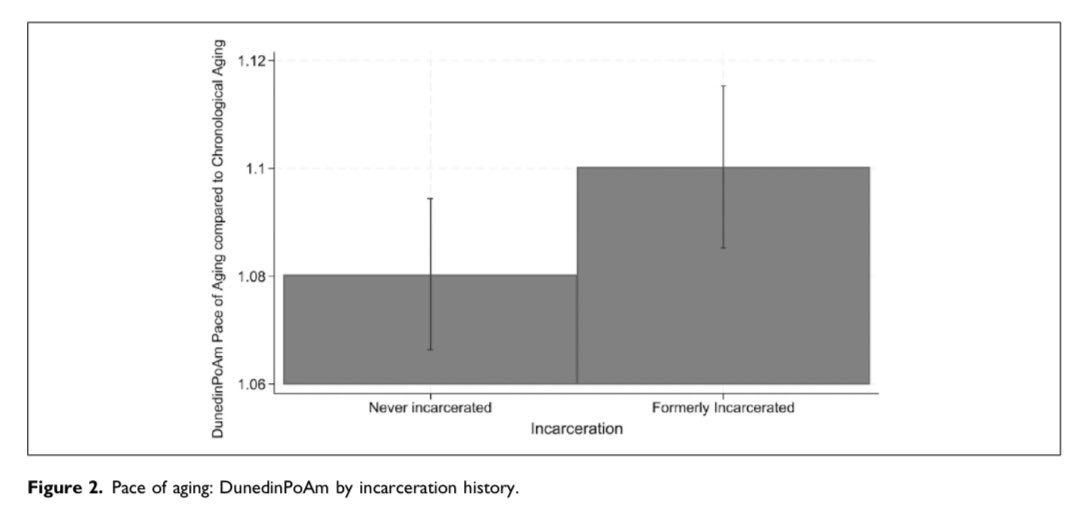
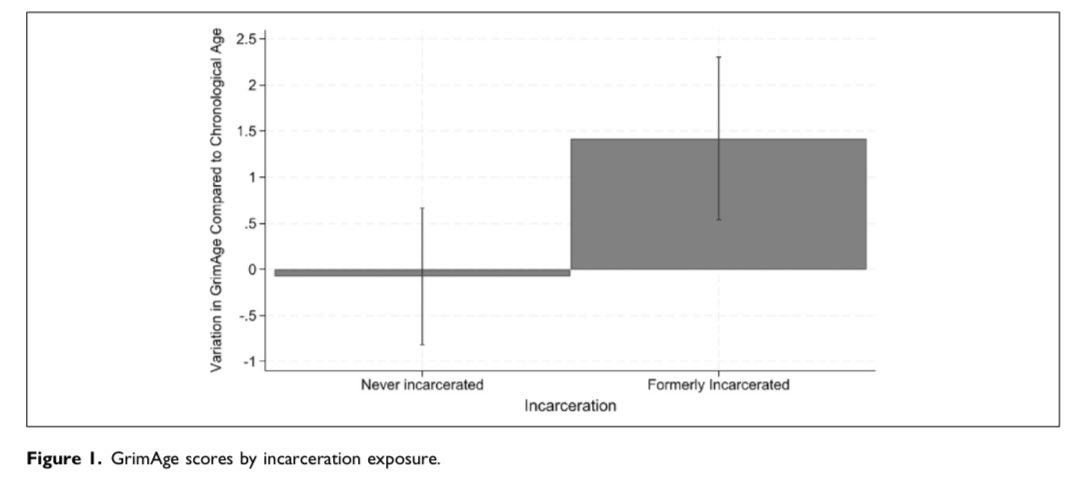
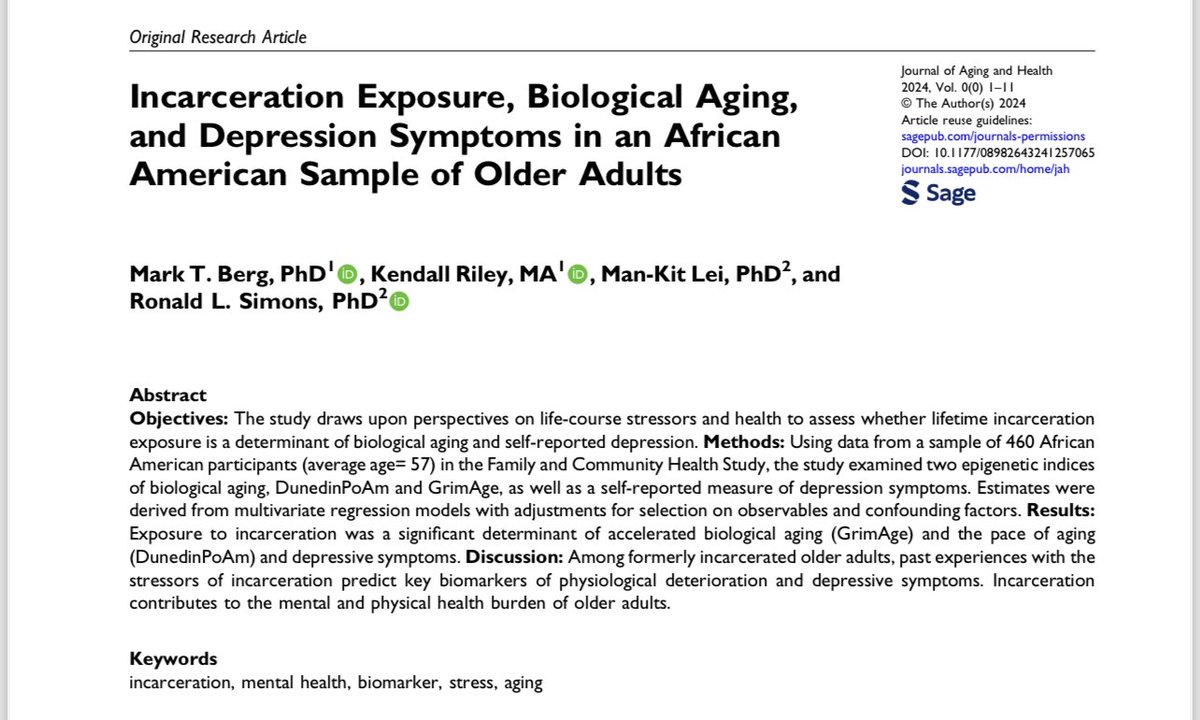
🚨🔊 new pub alert in the Journal of Aging and Health
My coauthors and I examined how incarceration influences biological aging and depressive symptoms of older Black adults. We find that incarceration exposure continues undermine health well into the life course
#SocAF
8
41
130
11,662
14 Aug 2024
Altogether, this project adds to the mountain of work that finds incarceration continues to harm people long after the fact. And more, older Black adults who were at a heightened risk of inc as young adults during the prison boom continue to bear this burden decades later
1
4
188
14 Aug 2024
If you can’t access the paper but would like to read it, please message or email me!
#phdchat #AcademicTwitter #SocTwitter #CrimTwitter
2
1
219
1 Aug 2024
Yesss🥳 cannot wait to connect in person too finally!
5
462