Computational lab of Personalized medicine. Neuroimaging and more @AGH_Krakow and @NeurotechX-KRK
Joined June 2021
- Tweets 622
- Following 1,675
- Followers 791
- Likes 892
108 Photos and videos


Brain&More lab @AGH_Krakow retweeted

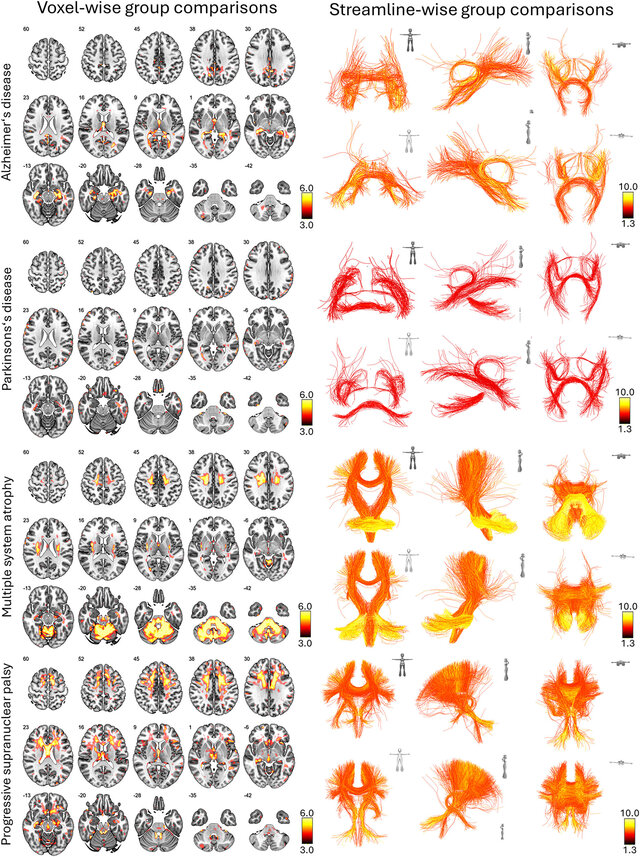
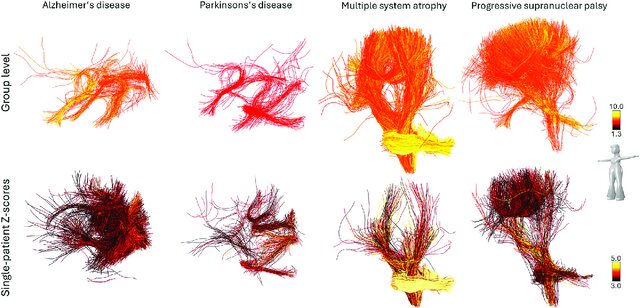
#brain stuff: The degenerome—a novel streamline-wise approach for white matter integrity in #neurodegeneration
Article: nature.com/articles/s41531-0…
Code: bitbucket.org/reisert/global…
#Alzheimer #Parkinson
7
13
552
Brain&More lab @AGH_Krakow retweeted

Jun 11
Our new paper is out this week in @NatureNeuro! We built a BCI that works with the brain's natural geometry — and we found that people could learn to play a video game with their brains in <1 hr of training. This efficiency is groundbreaking & here's why: nature.com/articles/s41593-0…
2
51
231
17,992
Brain&More lab @AGH_Krakow retweeted
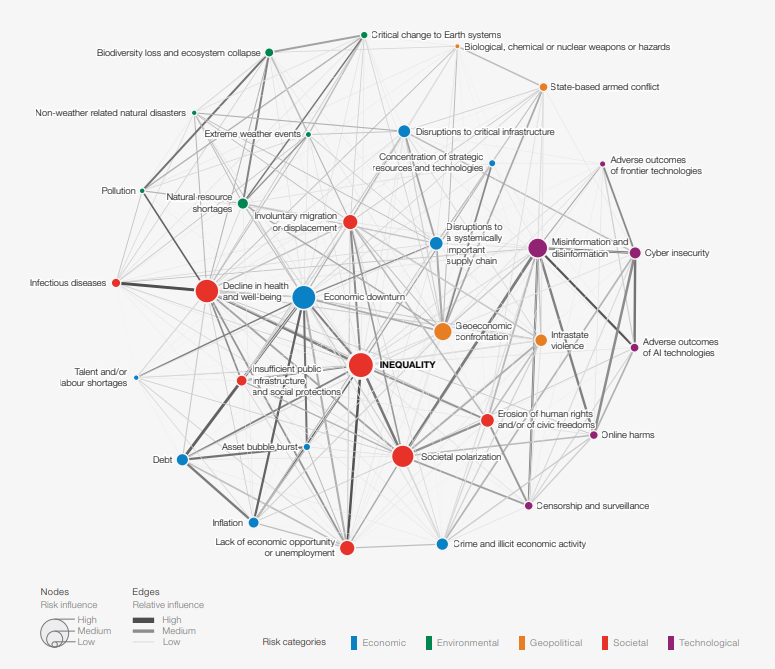
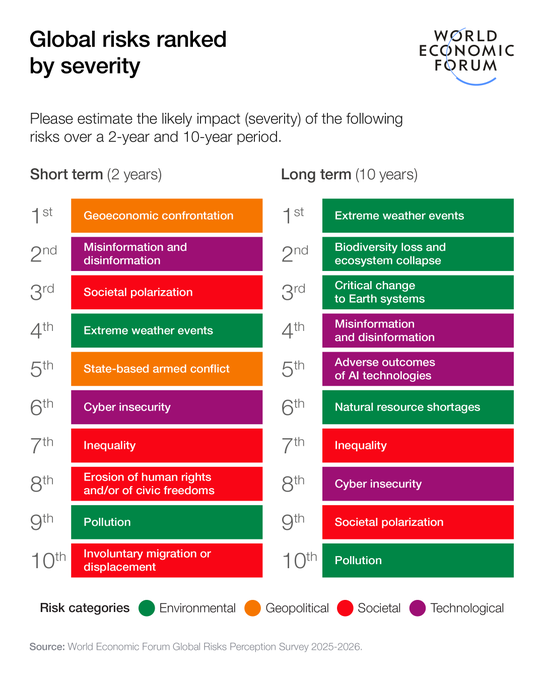
I just studiet the Global Risks Report 2026. From #geoeconomic tensions and #inequality to #AI-driven disruption, the report outlines the risks shaping the next decade, and why rebuilding cooperation is more important than ever. Full report: weforum.org/publications/glo… #risks #wef26
1
5
5
200
Brain&More lab @AGH_Krakow retweeted
Seen illumetry?
Exploring intuitive interaction with volumetric data using an Illumetry 3D display and a tracked plastic frame acting as an anatomical slicing plane.
It looks like something that can be done also simply on a ipad but still
#medtech #unity3d #medicalinnovation #ux
1
2
19
1,718
Brain&More lab @AGH_Krakow retweeted
I am excited to announce the #MICCAI2026 MIRASOL Workshop!
Building #ML for #medicalimaging in low-resource settings 🌍
MRI, CT, EEG & more focused on real impact in LMICs.
🗓 Oct 4-8 2026
📍 Abu Dhabi (possible change)
mirasol.rise-miccai.org/#
Make AI work for everyone #AIforGood

4
6
1,335
Brain&More lab @AGH_Krakow retweeted

😐😐😐😐
23
237
1,033
101,464
Brain&More lab @AGH_Krakow retweeted

Mar 25
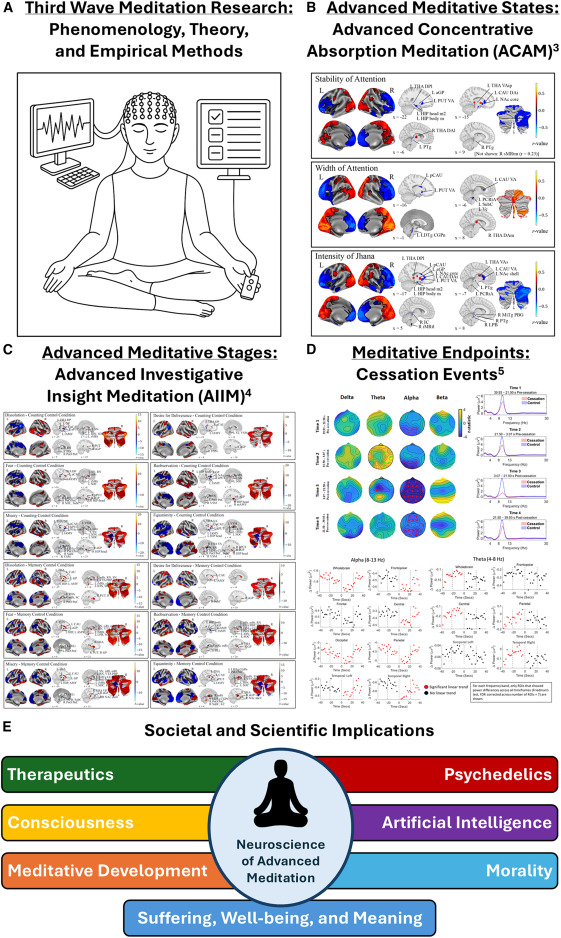
Online now: The neuroscience of advanced meditation: The promise of third wave meditation research dlvr.it/TRj1LQ
1
53
185
11,059
Brain&More lab @AGH_Krakow retweeted
The team of @JeanRemiKing at Meta just released TRIBE v2 (Trimodal #Brain Encoder), a foundation model trained to predict how the human brain responds to almost any sight or sound, like a #Digitaltwin of neural activity : go.meta.me/tribe2
2
9
33
3,961
Brain&More lab @AGH_Krakow retweeted
Another neuro tool you never asked for. A #brain #Tractography visualizer in #Threejs animated by #mediapipe. The tractography is not real, those are just drawn lines.
Demo and source code: alessandrocrimi.com/ar/brain…
9
30
2,866
Brain&More lab @AGH_Krakow retweeted
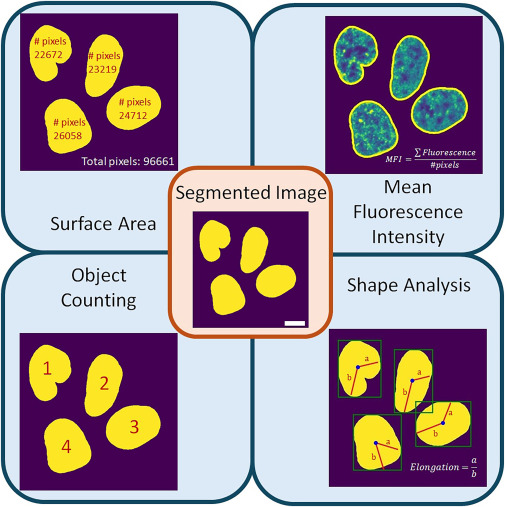
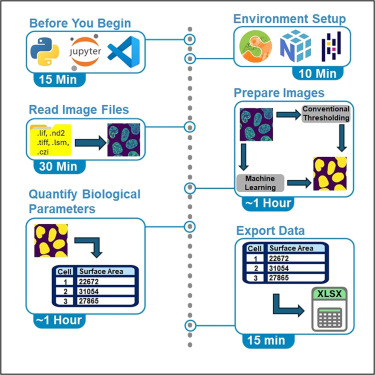
Check our yet another "Protocol for automated analysis of biological images using #Python code" sciencedirect.com/science/ar…
-Steps for the analysis of confocal images through Python
-Guidance on the usage of machine learning for #cellsegmentation
-Troubleshooting of common issues
5
15
1,487

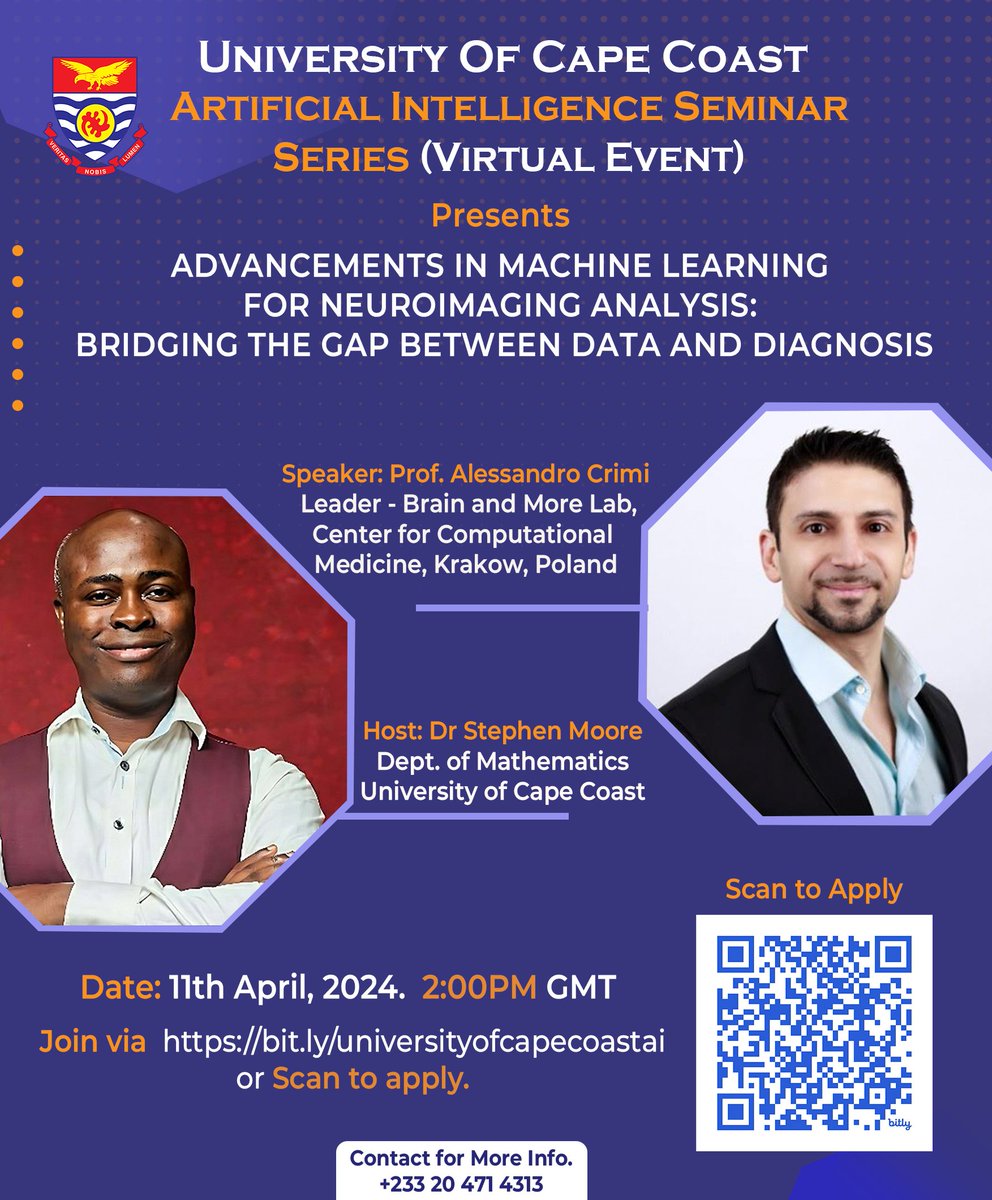
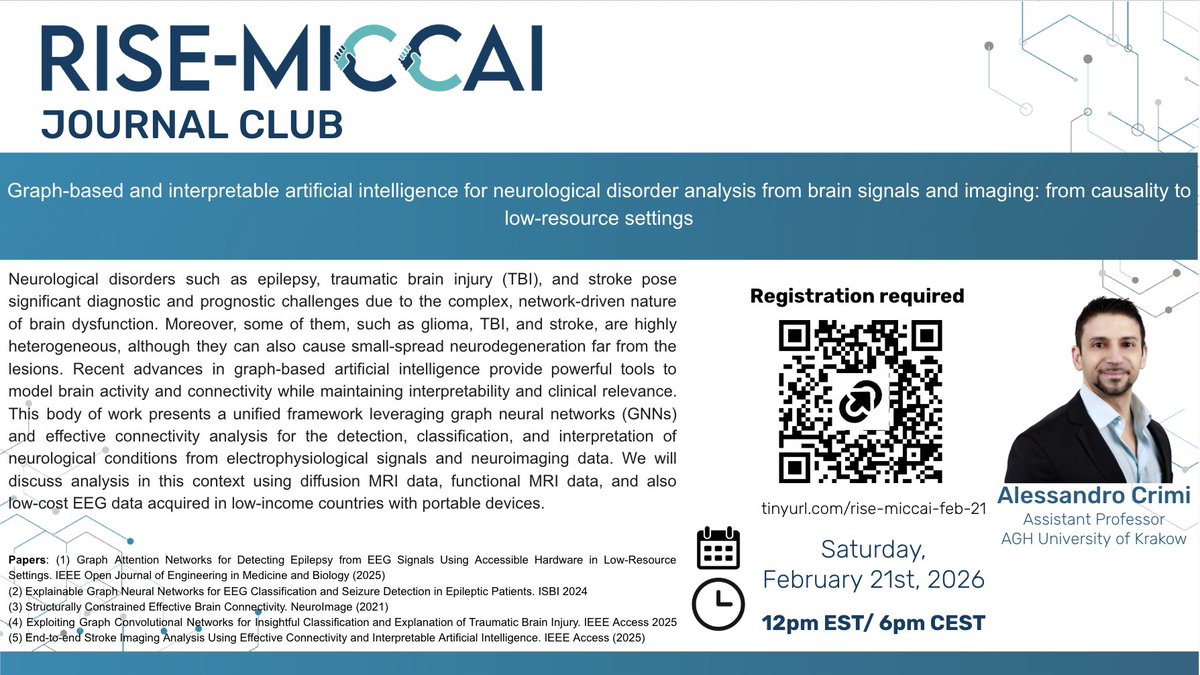
We are involved in RISE #MICCAI for mentoring students, and as part of our engagement @Dr_Alex_Crimi will give a talk @RMiccai about Graph attention networks and in low resource settings. Find details here:
Feb 10

📣 Journal Club Alert!
Join us in our next session led by Alessandro Crimi (AGH University of Krakow)
📅 Saturday 21st, 2026
⏰ 18:00 CEST
🔗 tinyurl.com/rise-miccai-feb-…
1
3
581
Brain&More lab @AGH_Krakow retweeted

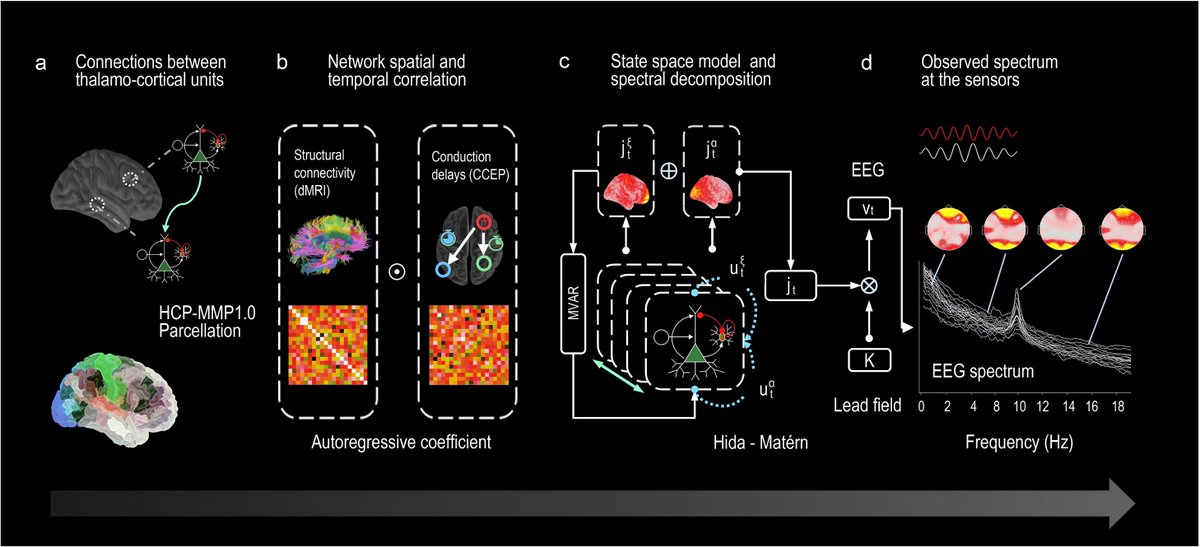
Inspired by @Pascual_Marqui’s ξ–α framework, ξ–αNET replaces two-step pipelines with a single generative model: ξ and α emerge as network-generated Hida–Matérn processes constrained by structural connectivity (dMRI) and conduction delays (CCEP). @sosa_valdes @cneuro_cuba
1
2
6
407
Brain&More lab @AGH_Krakow retweeted
🧠Our New preprint:
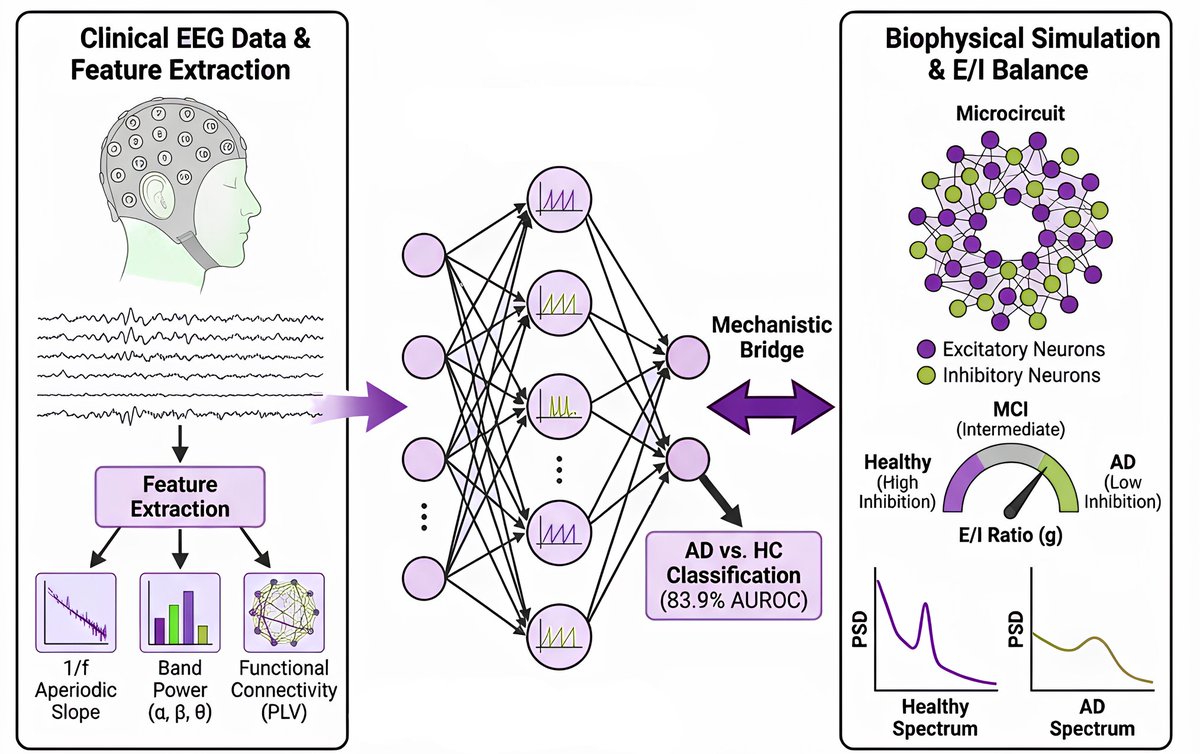
We propose a “neuro-bridge” framework linking #spiking neural networks with biophysical brain simulations for Alzheimer’s detection from #EEG.
📉 1/f slope as key biomarker (E/I balance)
🔁 ML predictions ↔ circuit mechanisms #NeuroAI
arxiv.org/abs/2602.07010
5
24
56
3,715
Brain&More lab @AGH_Krakow retweeted

Feb 9
WORLD MODELS are all the rage, as the AI community tries to pivot from the perceived shortcomings of large language models to AIs that use internal “world” models of the environment in which they act.
Such AIs, instead of predicting the next token, will predict the next set of states of the environment agent, conditioned on some action that the agent may or may not take. World modeling AIs promise much—but this is not a new concept by any means.
Psychologists, cognitive scientists and now computational neuroscientists have known for a while (the history goes back 150 years) that our brains must be modeling the world and using these models to hypothesize the external causes of sensory inputs. These hypotheses are our perceptions.
In my first post in a series exploring world models for the WHERE MACHINES THINK Substack, I discuss the neuroscientific rationale, and put the current interest in historical context. wheremachinesthink.substack.…
21
112
681
57,643
Brain&More lab @AGH_Krakow retweeted
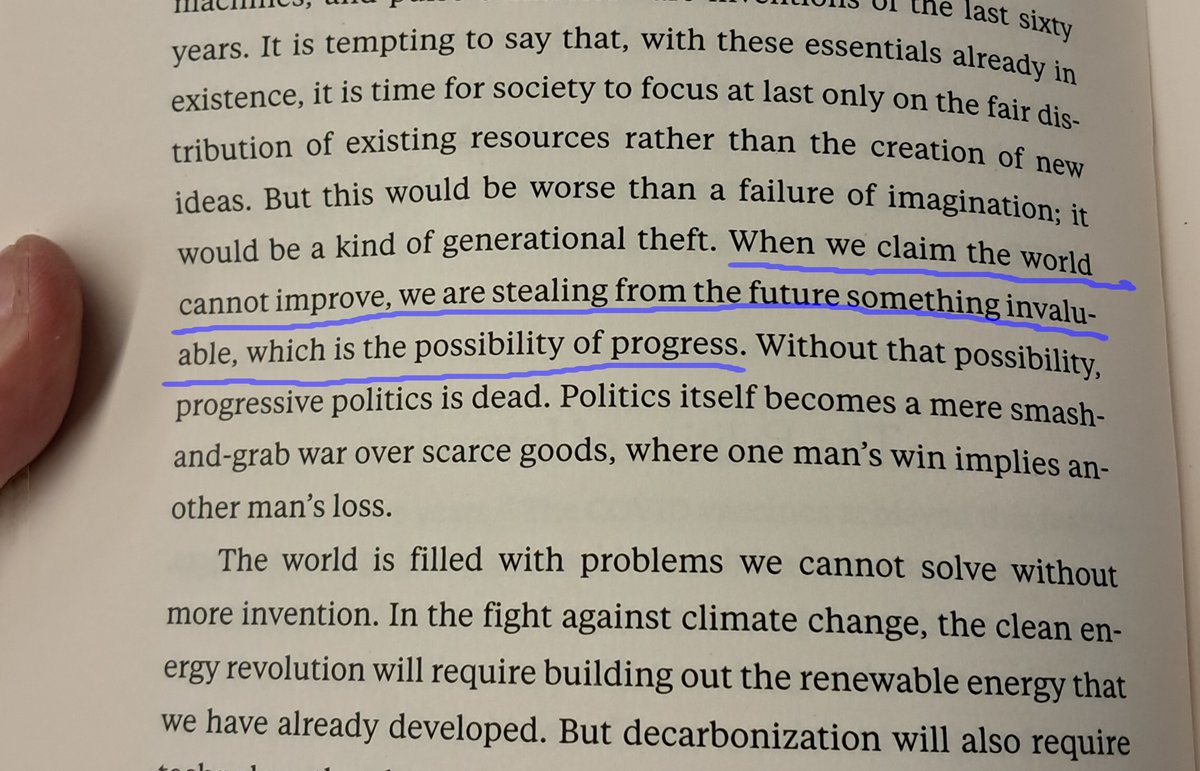
"...When we claim the world cannot improve, we are stealing from the future something invaluable, which is the possibility of progress..."
2
8
582
Brain&More lab @AGH_Krakow retweeted

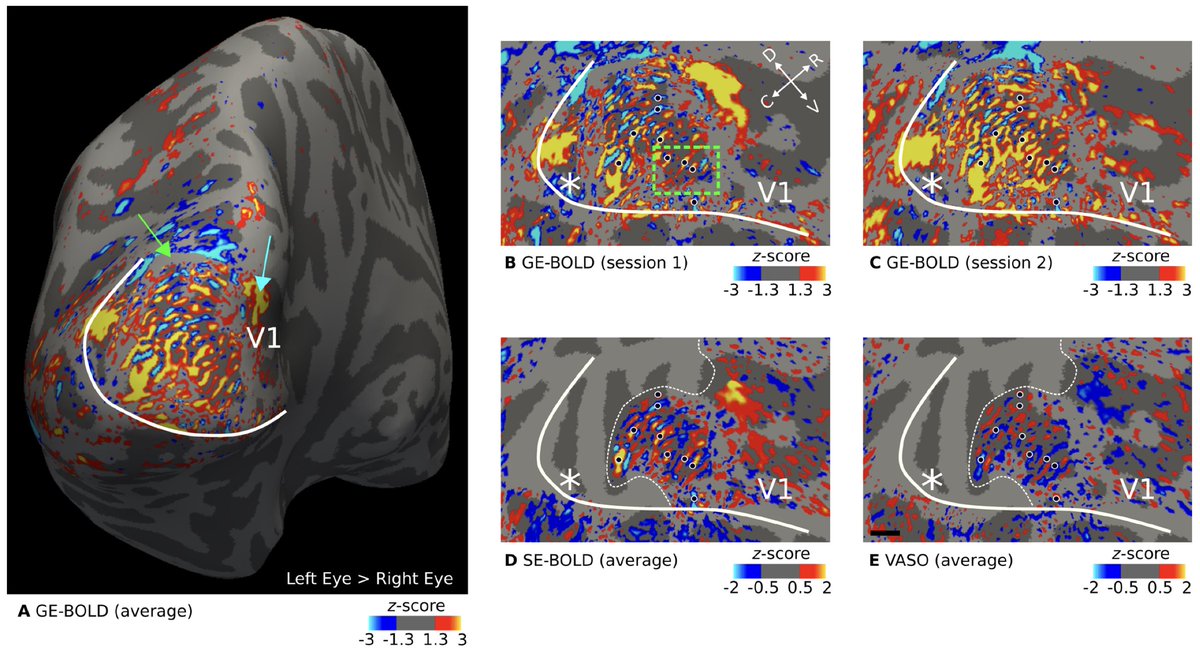
New paper in Imaging Neuroscience by Daniel Haenelt, Robert Trampel, et al:
Decoding of columnar-level organization across cortical depth using BOLD- and CBV-fMRI at 7 T
doi.org/10.1162/IMAG.a.1124
3
17
1,328
Brain&More lab @AGH_Krakow retweeted
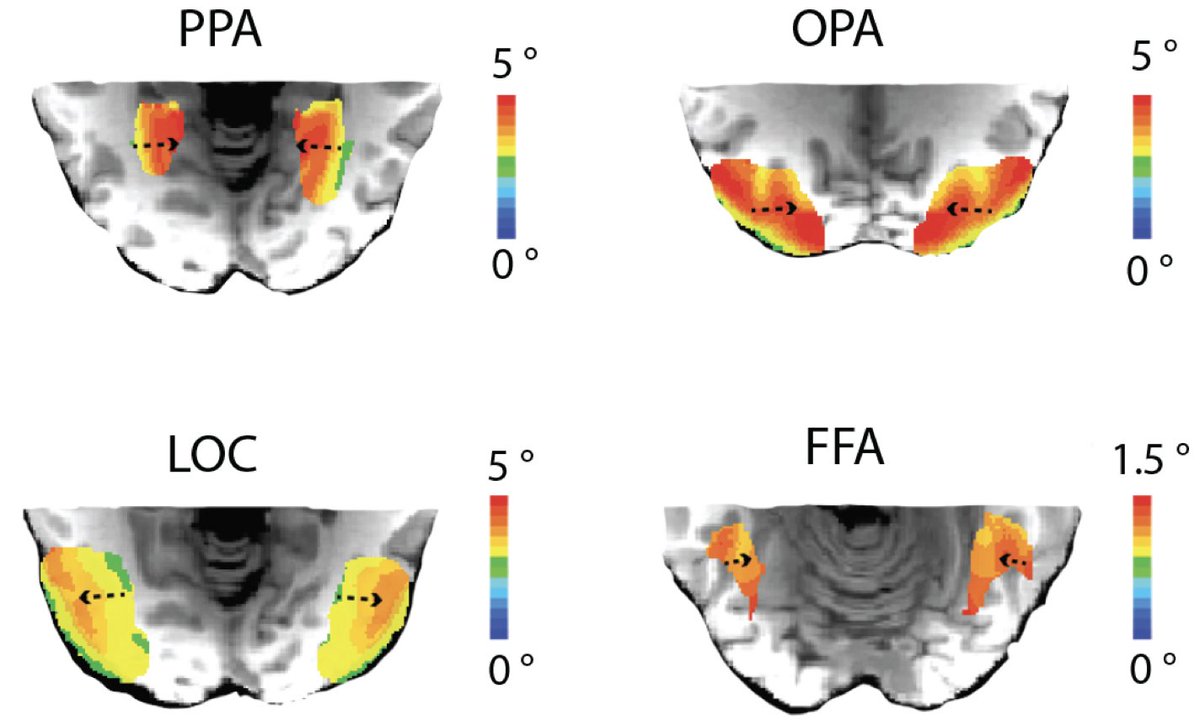
New paper in Imaging Neuroscience by Charlotte A. Leferink, Claudia Damiano, and Dirk B. Walther:
Population receptive field size does not correspond to spatial frequency processing in scene-selective cortex
doi.org/10.1162/IMAG.a.1111
3
6
888
Brain&More lab @AGH_Krakow retweeted

Jan 15
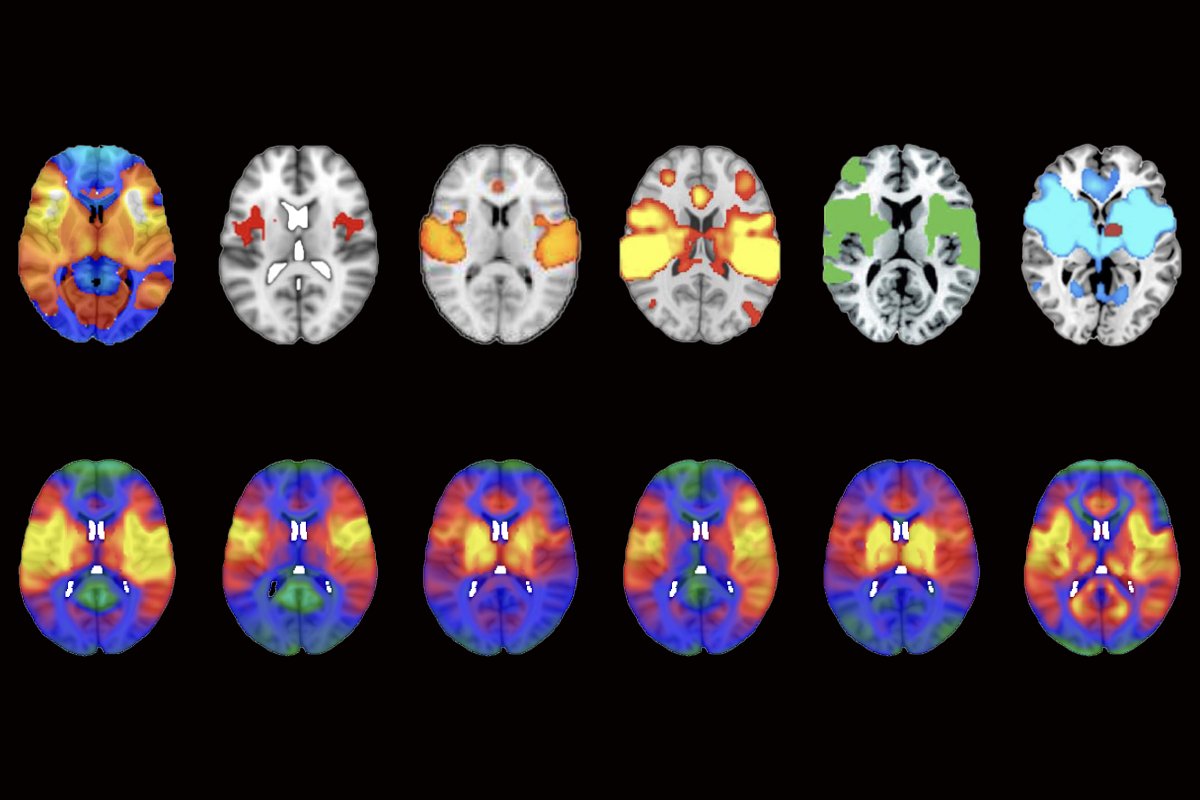
Is lesion network mapping fatally flawed?
New Nat. Neurosci article suggests high spatial correlation amongst lesion network maps invalidates the method.
nature.com/articles/s41593-0…
Methodological flaw may upend network mapping tool thetransmitter.org/brain-ima…
9
20
69
6,435
Brain&More lab @AGH_Krakow retweeted
Here is a whole-#brain #MRI protocol that resolves the venous network at 0.35 millimeters in under 7 minutes. Actually this will be very useful for diseases like #Alzheimer where neurodegeneration, atrophy and veins are involved science.org/doi/10.1126/scia…
6
19
1,509
Brain&More lab @AGH_Krakow retweeted

Jan 12
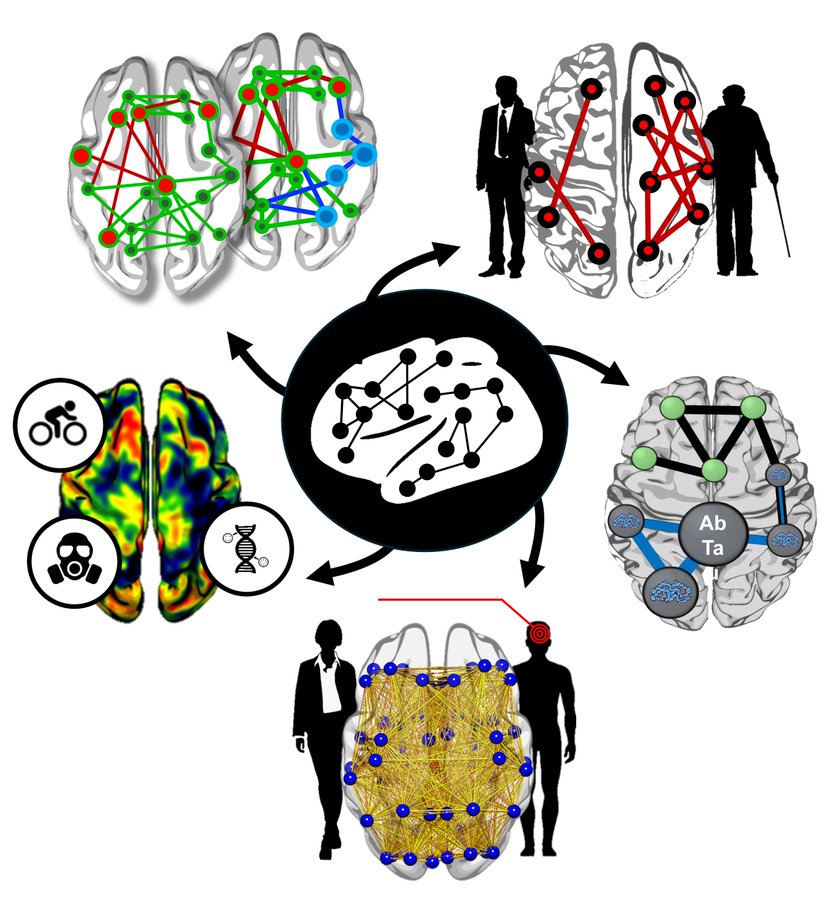
Although new AD therapies reduce amyloid plaques, they have not led to major clinical improvements. Pini et al. suggest that changes in brain connectivity may offer a more sensitive and biologically meaningful marker of disease modification. tinyurl.com/32975se3
2
16
58
5,303