
Official journal of @IntSocNeuropath. Original research, reviews, and symposia on pathogenesis of neurological disease. #OpenAccess #neuroscience #neuropath 🧠
- Tweets 763
- Following 1,372
- Followers 2,081
- Likes 286
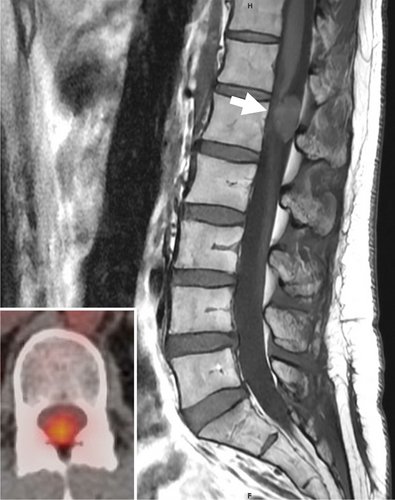
ALT Sagittal T1-weighted post-contrast MRI scan of the spine showed a solid, intradural, extramedullary mass at the L1 level (white arrow). Inset: Axial PET-CT demonstrated increased tracer uptake in the spinal canal.
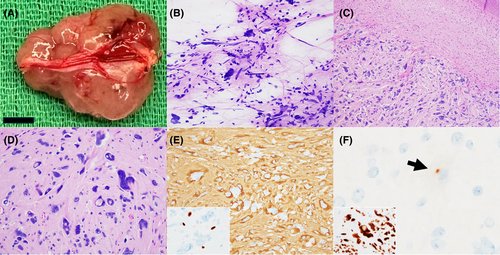
ALT Gross examination revealed a circumscribed, lobular mass with attached segment of filum terminale (A, scale bar: 5 mm). Smear preparation revealed markedly pleomorphic nuclei and fibrillary cellular processes (B). Histologic evaluation revealed a circumscribed glial neoplasm composed of cells arranged in lobules and vague fascicles (C). Tumor cells were markedly pleomorphic with enlarged nuclei, hyperchromatic chromatin, and nuclear pseudoinclusions (D). By immunohistochemistry, the tumor cells were diffusely positive for GFAP (E), while Olig2 labeled only occasional interspersed cells (E, inset). EMA highlighted rare perinuclear dot-like positivity (F) and tumor cells were strongly positive for HOXB13 (F, inset).

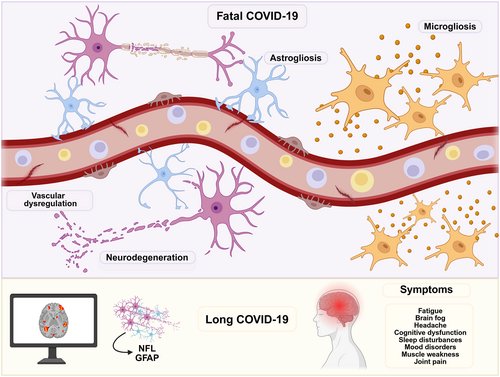
ALT Severe COVID-19 is associated with vascular dysregulation and chronic neuroinflammation, leading to axonal injury and neurodegeneration. In long COVID or PASC, persistent alterations in neuroimaging and biofluid biomarkers reflect ongoing neuronal damage and neuroinflammation, contributing to long-term neurological symptoms including fatigue, cognitive dysfunction, and mood disorders.
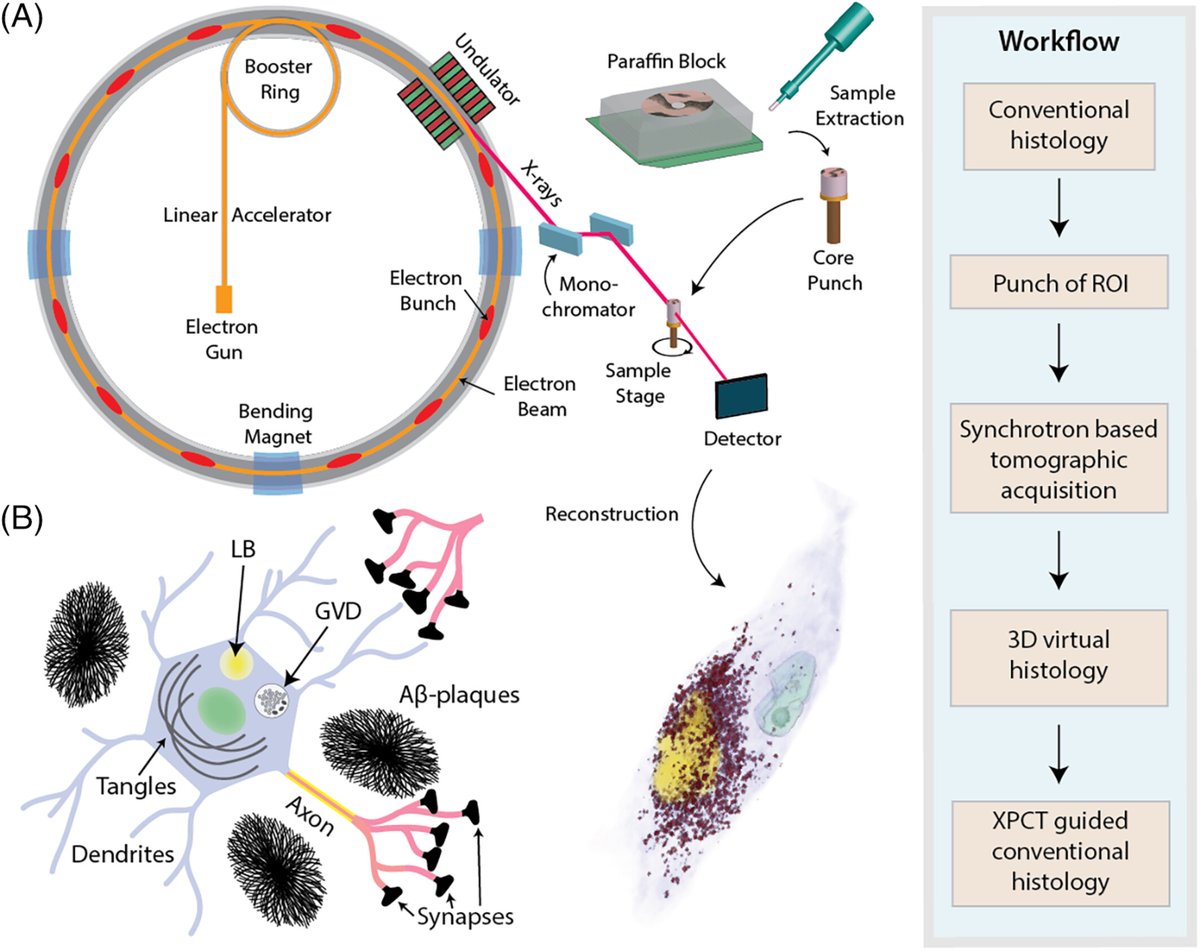
ALT X-ray phase-contrast tomography enabled three-dimensional, label-free visualization and quantification of protein aggregates in neurodegenerative diseases with isotropic submicrometer resolution. The study revealed distinct electron density patterns in Lewy bodies, Hirano bodies, granulovacuolar degeneration, and amyloid plaques, highlighting their subcellular structure and spatial organization.
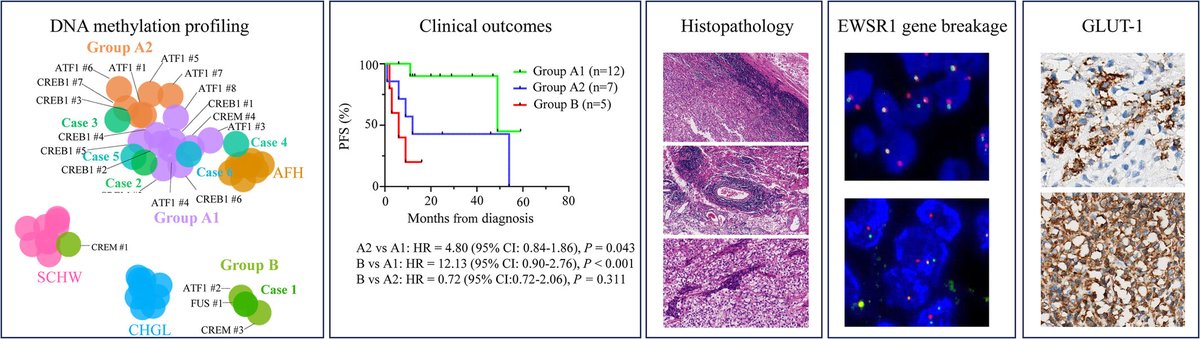
ALT Six new cases of intracranial mesenchymal tumors with FET::CREB fusion, alongside 20 previously reported cases underwent DNA methylation profiling uncovered a novel epigenetic subgroup distinguished by inferior PFS and unique clinicopathological, molecular, and epigenetic hallmarks. GLUT-1 could serve as a potential diagnostic indicator in IMTs with FET::CREB fusion.
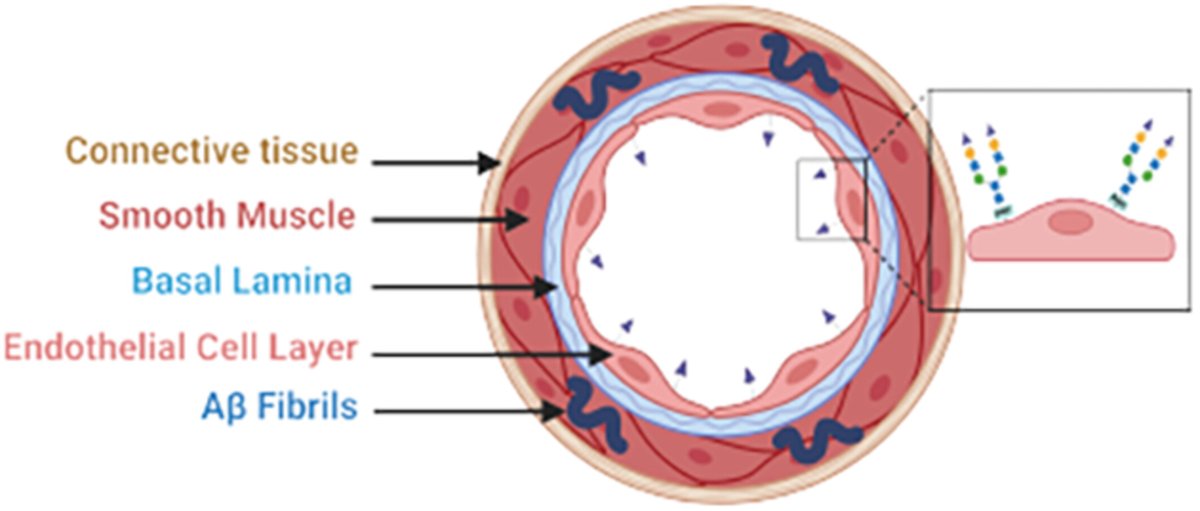
ALT This study is the first to localize and evaluate sialylation modifications in the context of Alzheimer's Disease and Cerebral Amyloid Angiopathy, revealing a unique disease-specific increase in intravascular sialylation.
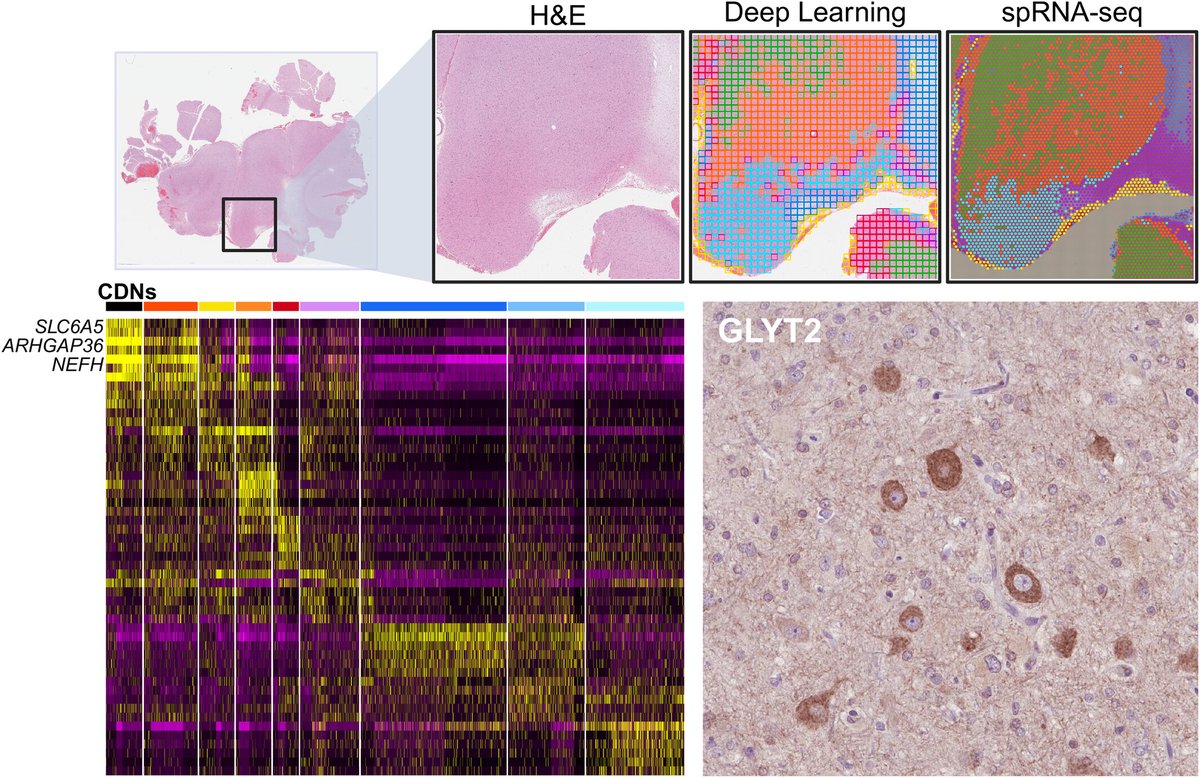
ALT Deep learning tissue mapping can guide region of interest selection for spatial transcriptomic analyses. Using this method, a transcriptional catalogue of focal cortical dysplasia type IIb was generated, revealing enrichment for markers of inhibitory glycinergic signaling in cytomegalic dysmorphic neurons.
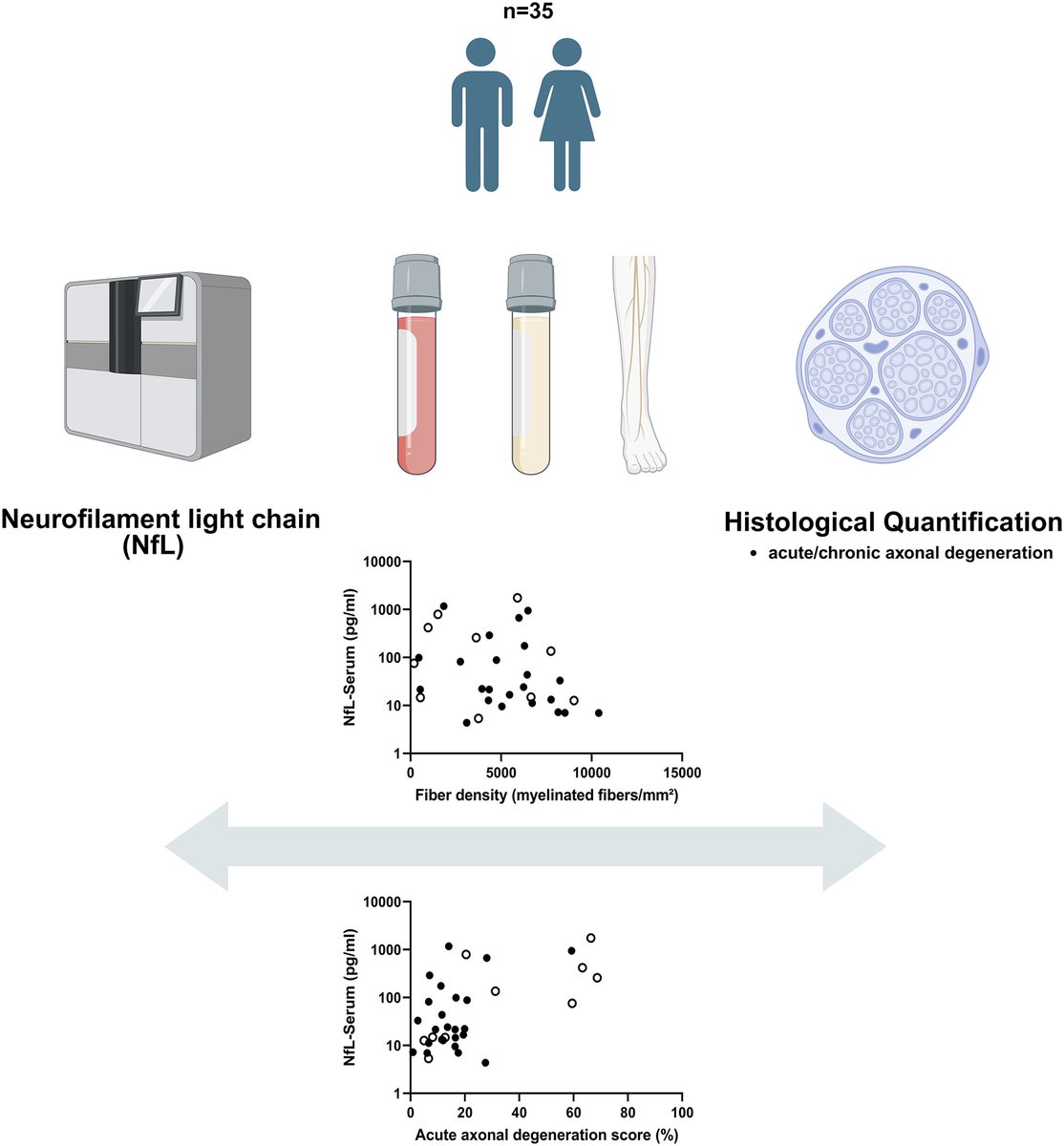
ALT To assess neurofilament light chain (NfL) as a biomarker of peripheral nerve damage, we correlated serumNfL concentrations with histopathological parameters from matched sural nerve biopsies. SerumNfL levels correlated with markers of acute axonal degeneration, but not with parameters reflecting chronic axonal loss.
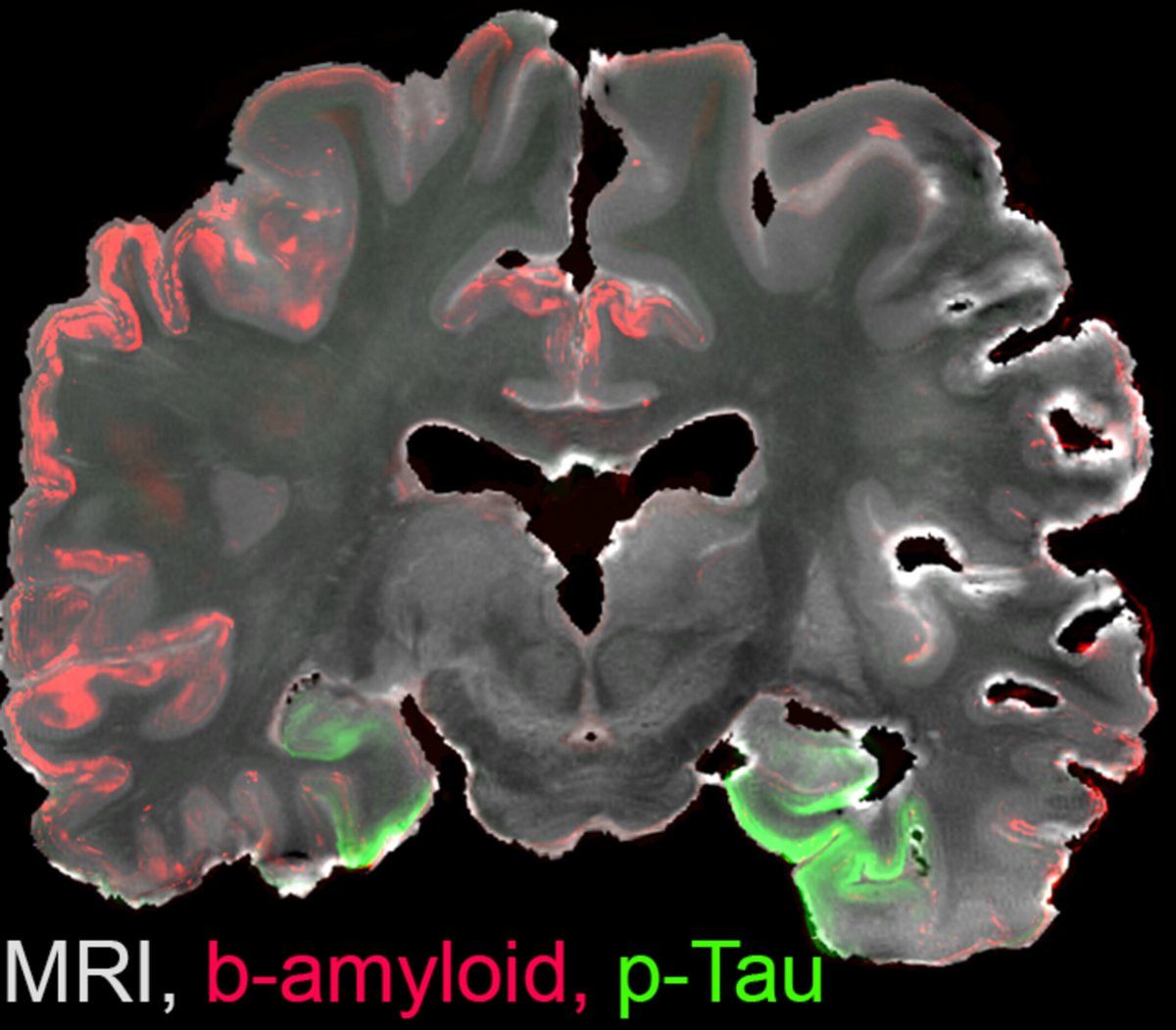
ALT Post mortem MRI was combined with neuropathological assessments at 600 μm intervals throughout the brain. Through this approach, a three dimensional account of an entire human brain with an intermediate Alzheimer's disease neuropathologic change was created. Data were reconstructed, coaligned, and combined in a downloadable resource that allows detailed correlations between neuroimaging data and microscopy observations.
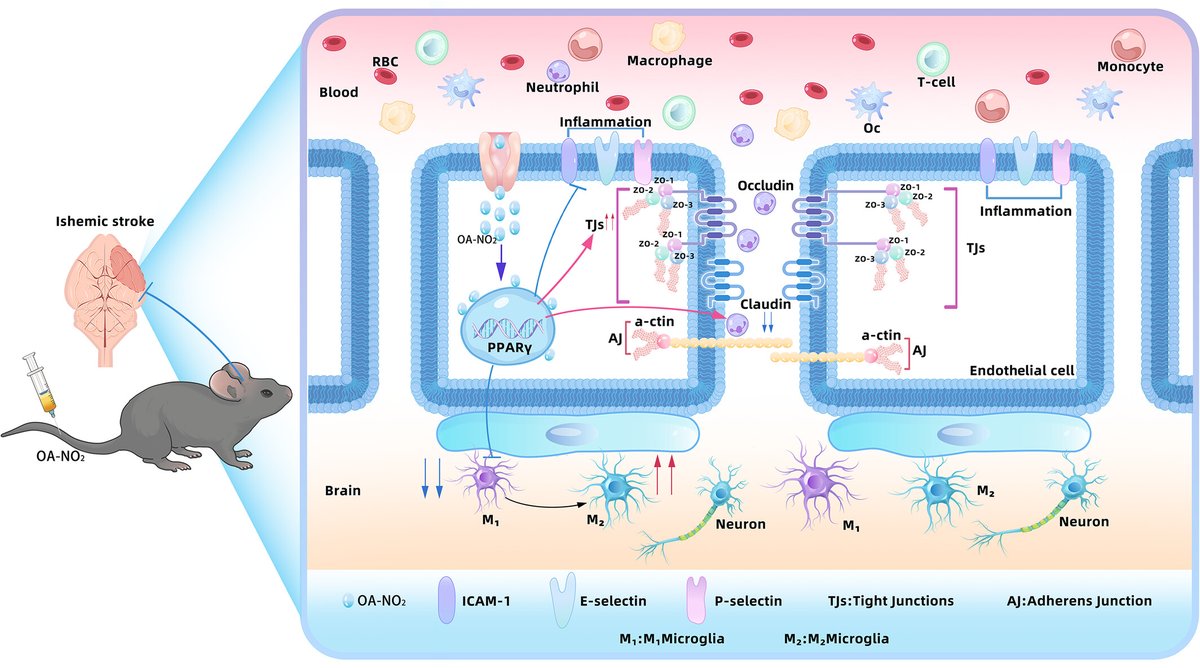
ALT OA-NO2 activation of endothelial PPARγ signaling pathway alleviates ischemic brain injury. Endothelial OA-NO2-PPARγ signaling pathways preserve BBB integrity, reduce peripheral inflammatory cell infiltration, and improve functional outcomes after ischemic stroke.
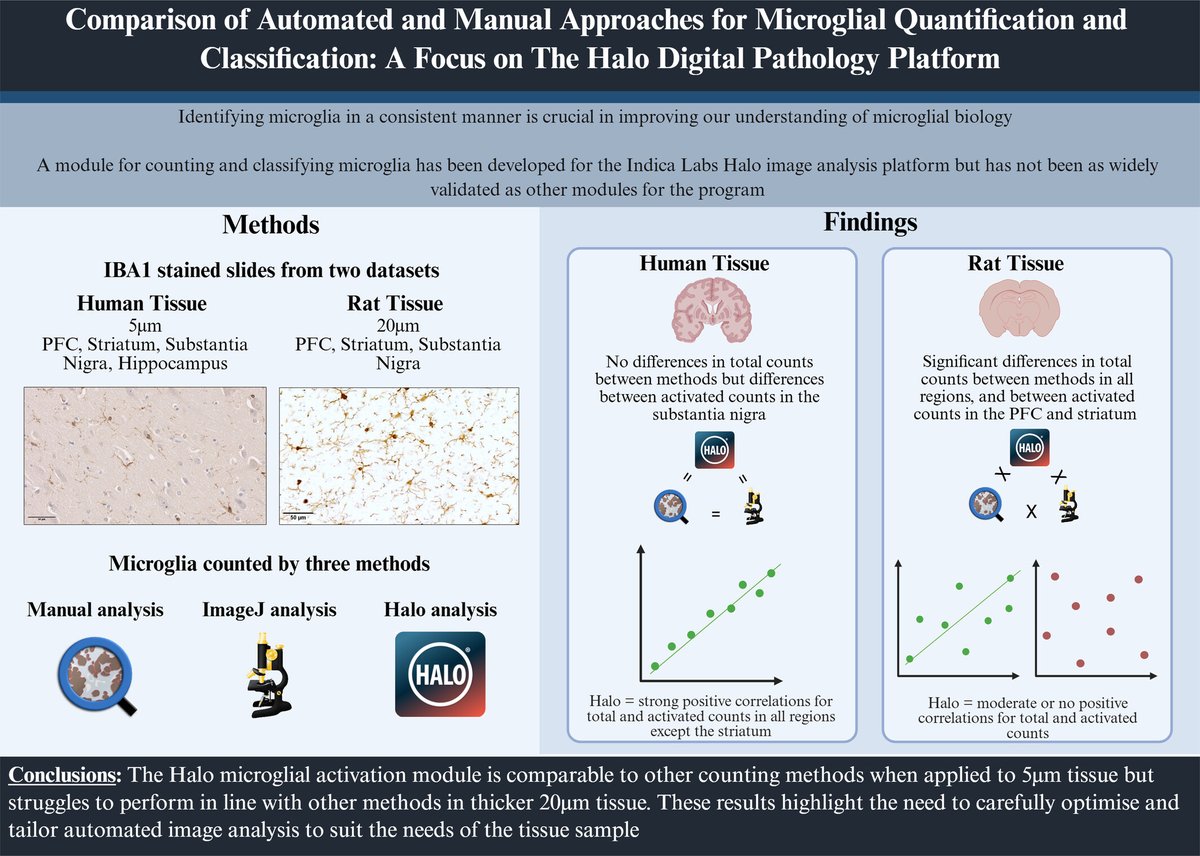
ALT The Halo microglial activation module has not been formally validated in the literature. Comparison of this module with established methods revealed varied performance dependent on tissue thickness, highlighting the need for care to be taken when optimising image analysis parameters.
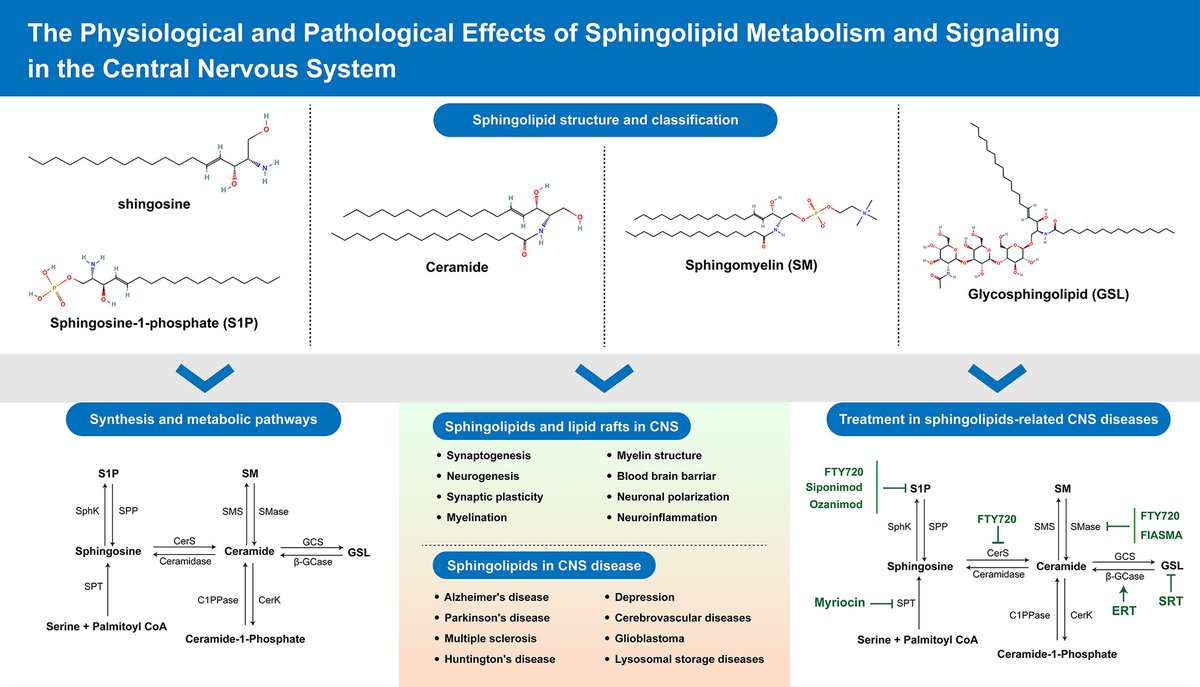
ALT Sphingolipids are vital components of cell membranes. Metabolic disruptions of sphingolipids, including ceramide and sphingosine-1-phosphate, are linked to neurological disorders. This article summarizes the classification, structure, and metabolic processes of sphingolipids, and the physiological and pathological effects of sphingolipid metabolism and signaling in the central nervous system.
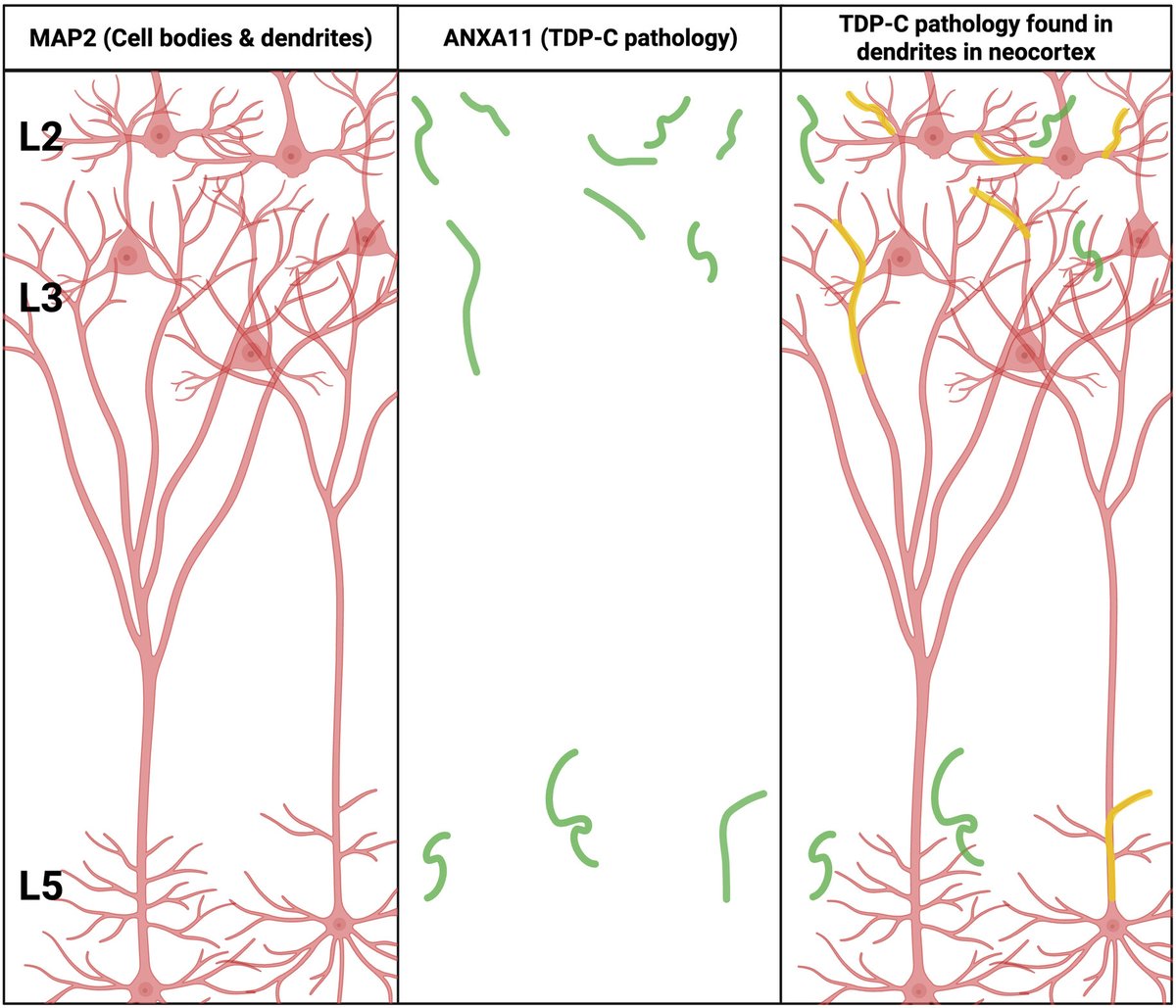
ALT The type C variant of FTLD-TDP (TDP-C) is defined by long dystrophic neurites that are immunopositive for both phosphorylated TDP and annexin A11 (ANXA11). Kawles et al. are the first paper to systematically show that these neurites are likely of dendritic origin.
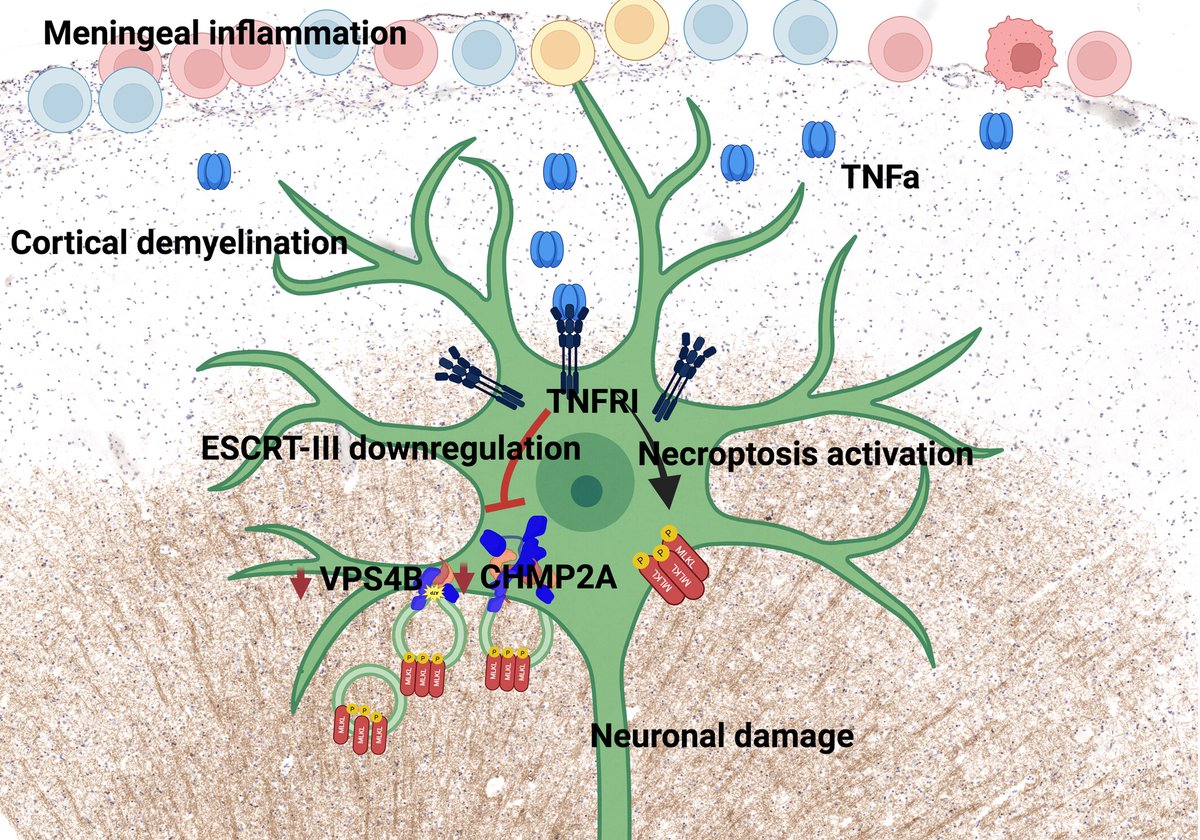
ALT This study shows that components of the ESCRT-III membrane repair machinery, VPS4B and CHMP2A, are dysregulated in progressive MS and are associated with higher neurodegeneration and inflammation. This might lead to improper function of the complex to inhibit the final stages of necroptosis activation and thus impede neuronal cell death.
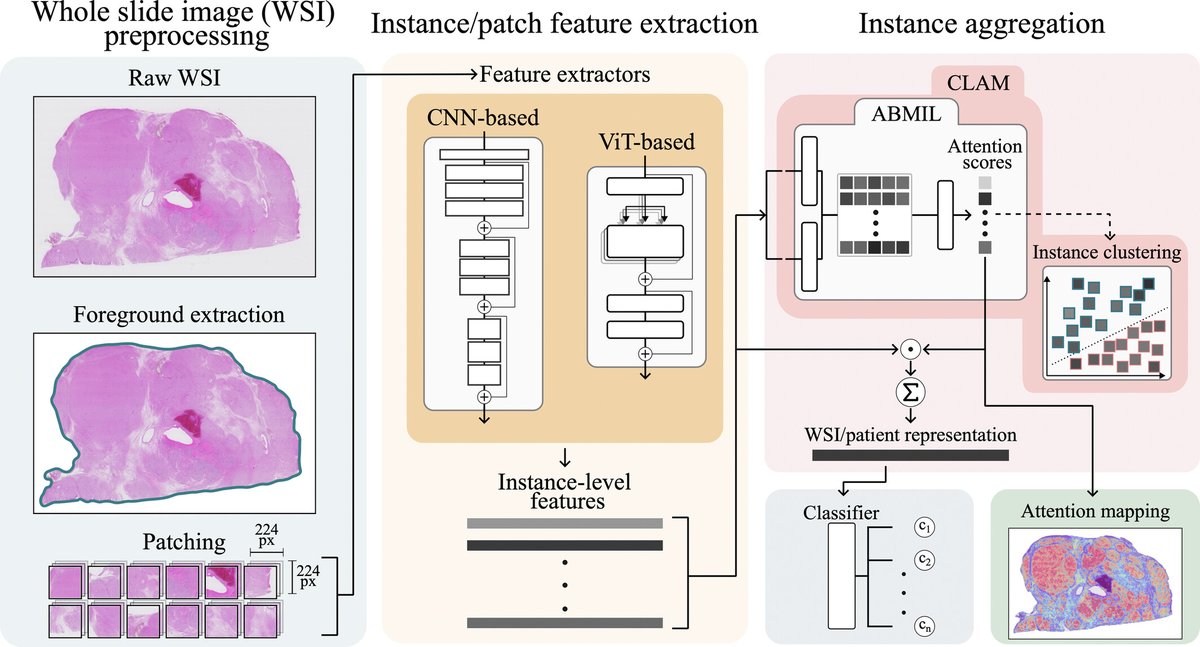
ALT Deep learning-based feature extractors pretrained on histopathology images can classify pediatric brain tumors when applied to a multi-center Swedish dataset.
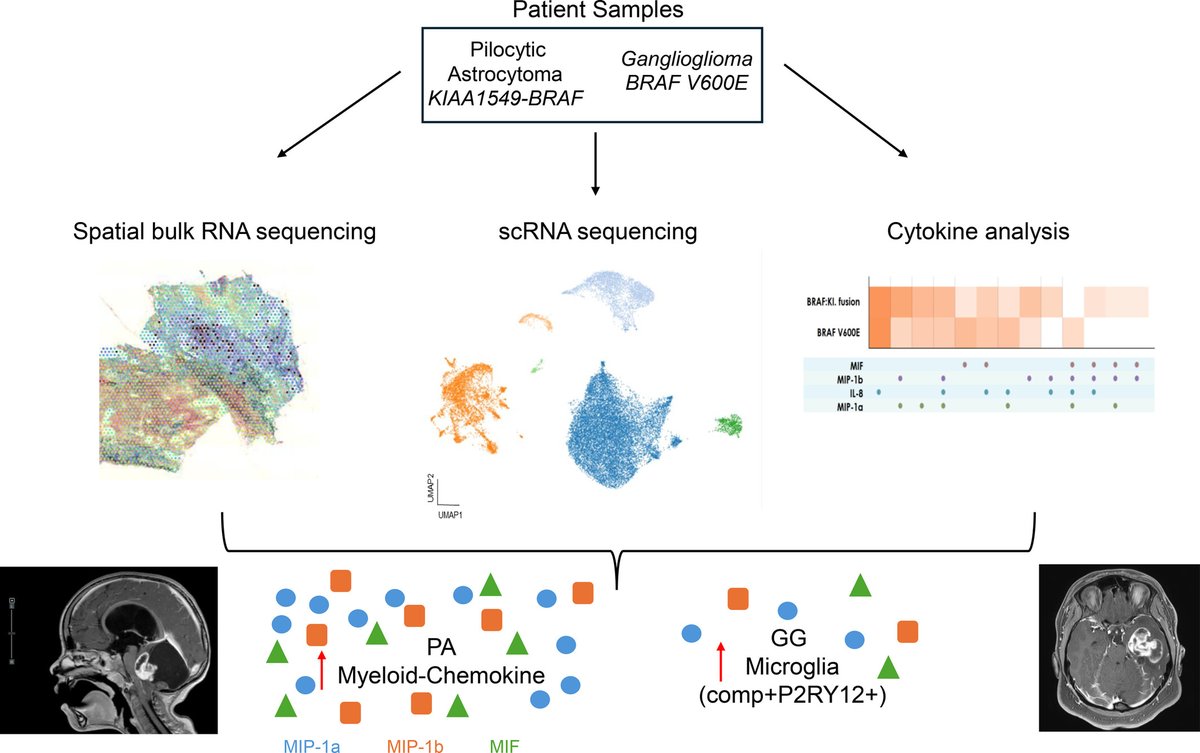
ALT A multi pronged analysis approach revealed distinct neoplastic populations in PA and GG. Non-neoplastic populations in PA showed higher levels of immune mobilizing chemokines in PA compared to GG.
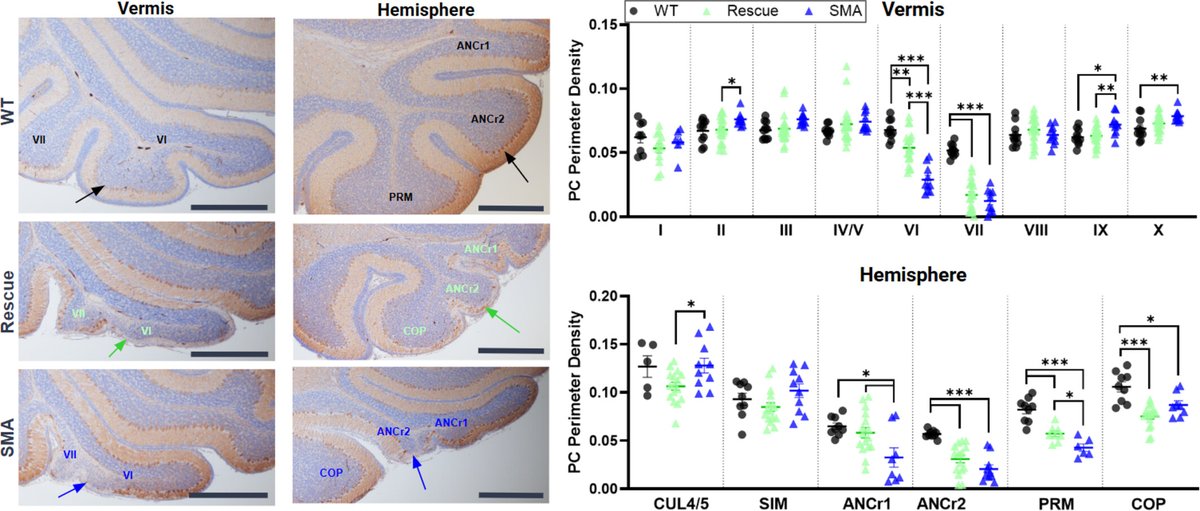
ALT Purkinje cell (PC) degeneration is localized to posterior lobules in the cerebellum, and rescue of survival motor neuron protein expression levels in motor neurons does not ameliorate this effect. Representative images of sagittal cerebellar sections stained with anti-calbindin in the vermis and hemisphere at P12 for wild type, ChATCre rescue (Rescue), and spinal muscular atrophy (SMA) cerebella are shown on the left. Lobules are labeled; ANCr, ansiform crus; COP, copula pyramidis. Arrows point to equivalent loci across genotypes where neurodegeneration is most prominent. PC perimeter density was calculated by dividing the PCs by the PC layer length. Scale bar = 0.5 mm.
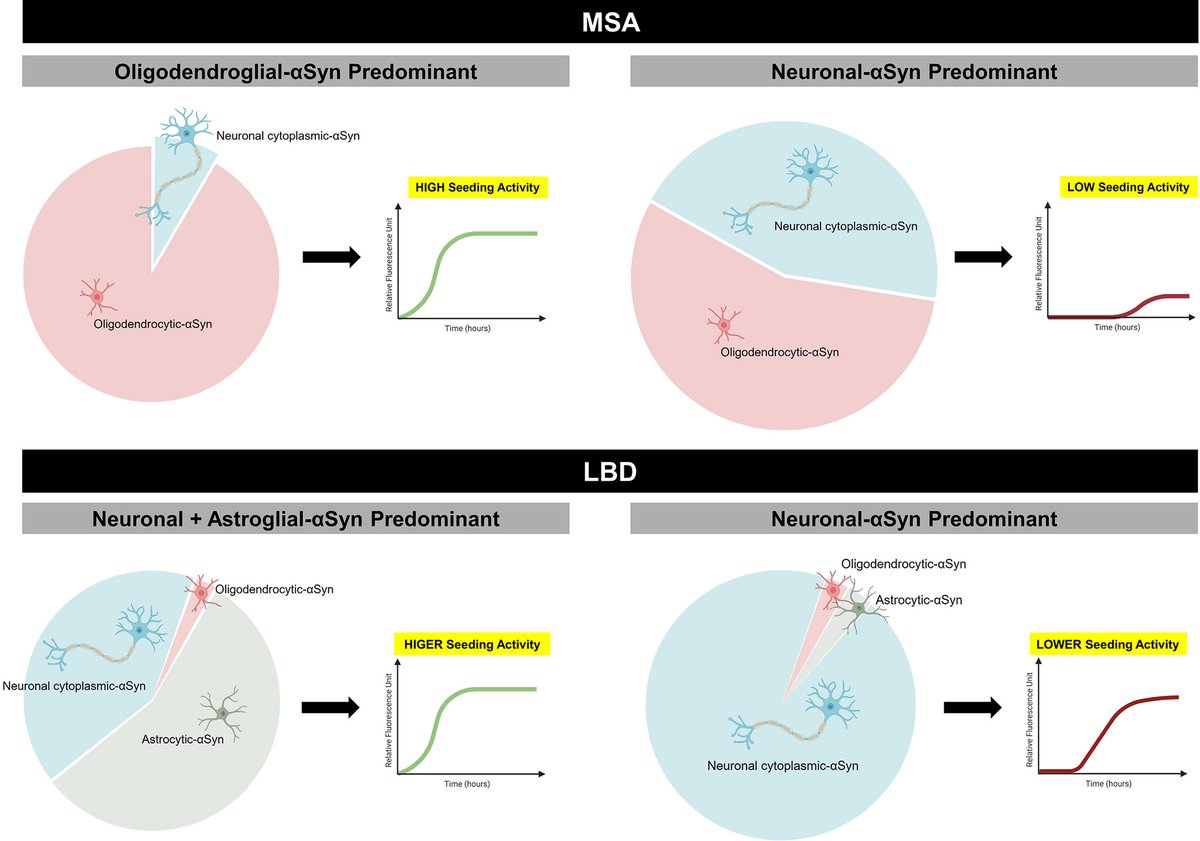
ALT This study investigated whether brain regions with distinct predominance of α-synuclein (αSyn) cytopathologies show different αSyn seeding patterns in multiple system atrophy (MSA) and Lewy body disease (LBD), using an interdisciplinary approach. High seeding activity is observed in regions with oligodendrocytic-predominant αSyn pathology in MSA. In regions with combined neuronal cytoplasmic- and astrocytic-αSyn pathology, the increased involvement of astrocytes shows higher seeding activity in LBD. Lower seeding activity is observed in regions with predominant neuronal cytoplasmic-αSyn in LBD.