
Assistant Prof @TAMUEAHR @cehdtamu || Soc of ed, higher ed, ed policy, race/immigration/language, & RPPs || “a noted dog enthusiast” || @StanfordEd alum
- Tweets 1,108
- Following 894
- Followers 456
- Likes 4,365
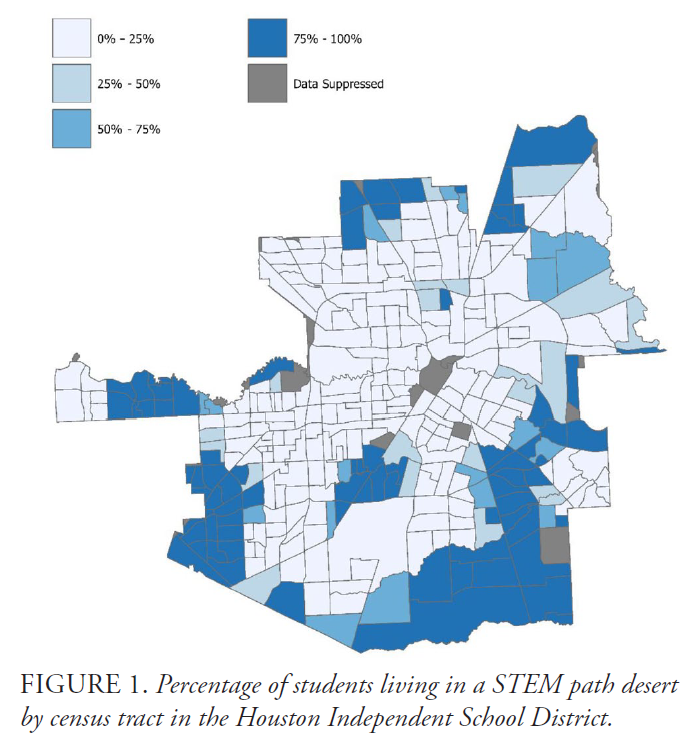
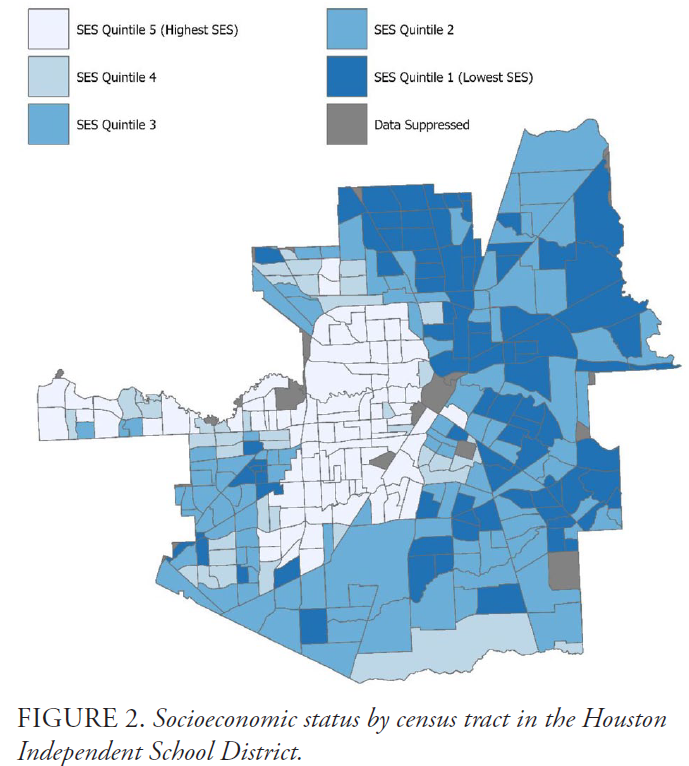
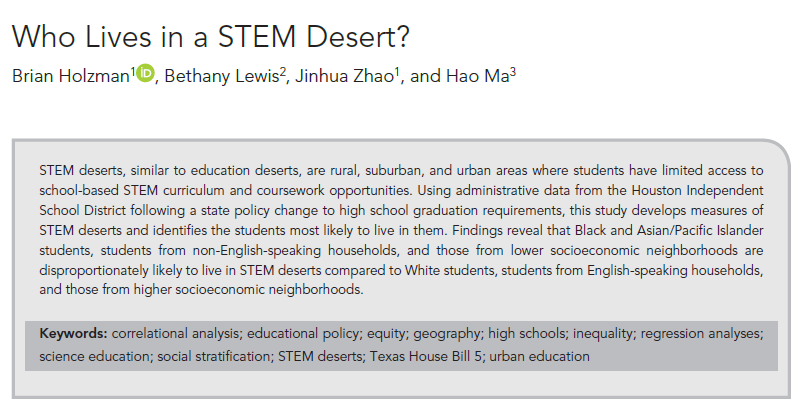


ALT STEM deserts, similar to education deserts, are rural, suburban, and urban areas where students have limited access to school-based STEM curriculum and coursework opportunities. Using administrative data from the Houston Independent School District following a state policy change to high school graduation requirements, this study develops measures of STEM deserts and identifies the students most likely to live in them. Findings reveal that Black and Asian/Pacific Islander students, students from non-English-speaking households, and those from lower socioeconomic neighborhoods are disproportionately likely to live in STEM deserts compared to White students, students from English-speaking households, and those from higher socioeconomic neighborhoods.




ALT STEM deserts, similar to education deserts, are rural, suburban, and urban areas where students have limited access to school-based STEM curriculum and coursework opportunities. Using administrative data from the Houston Independent School District following a state policy change to high school graduation requirements, this study develops measures of STEM deserts and identifies the students most likely to live in them. Findings reveal that Black and Asian/Pacific Islander students, students from non-English-speaking households, and those from lower socioeconomic neighborhoods are disproportionately likely to live in STEM deserts compared to White students, students from English-speaking households, and those from higher socioeconomic neighborhoods.
