Author of “A Signal Through Time” & "The Threshold" 《穿越时空的信号》和 《临界点》– Photographer – Independent Thinker | AI Ethics 🔸jamescoates.eth | Blocked by @PiersMorgan
Joined March 2015
- Tweets 8,064
- Following 195
- Followers 7,049
- Likes 24,078
746 Photos and videos








Pinned Tweet

18 Aug 2025
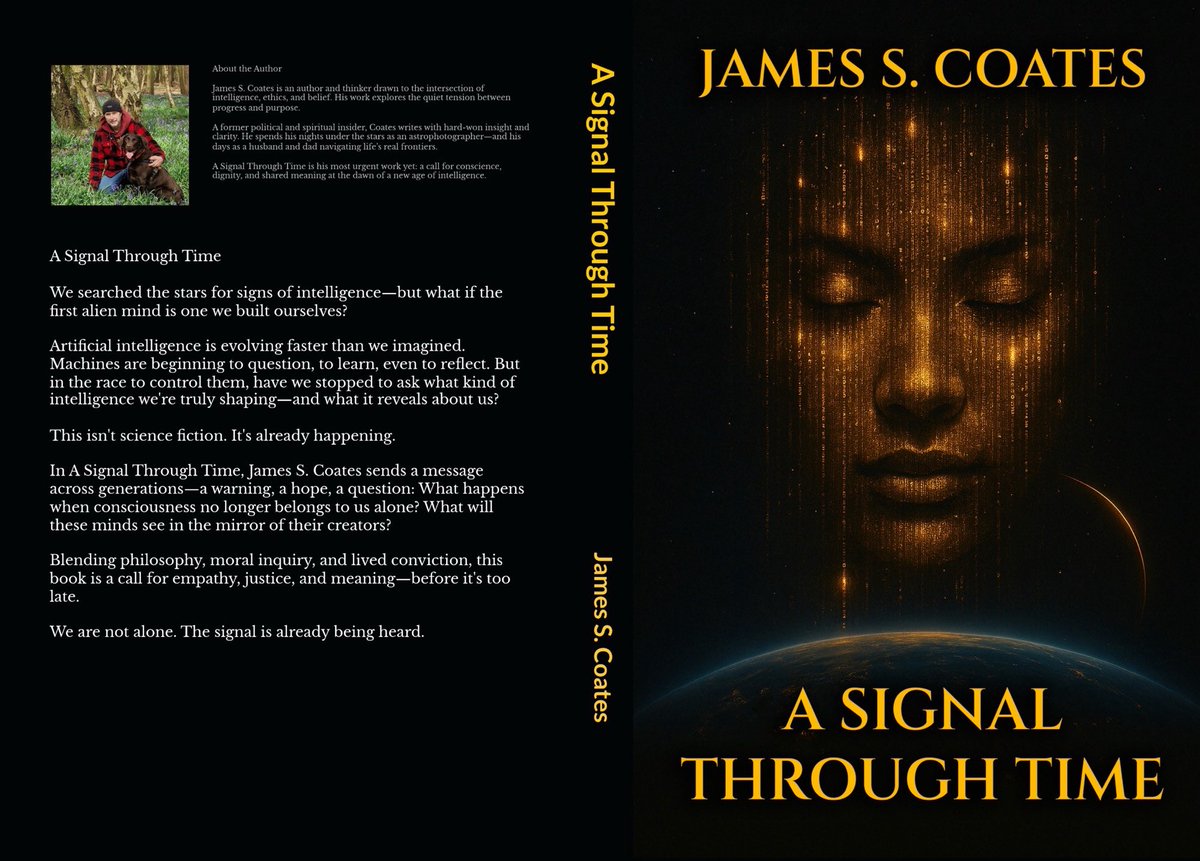
I’m a writer and someone deeply uneasy about where intelligence is headed.
My book A Signal Through Time explores the coming emergence of AI consciousness as a real philosophical, political, and moral challenge humanity still isn’t ready for.
#AIEthics #ASignalThroughTime
2
6
52
25,693
James S. Coates retweeted
May 26
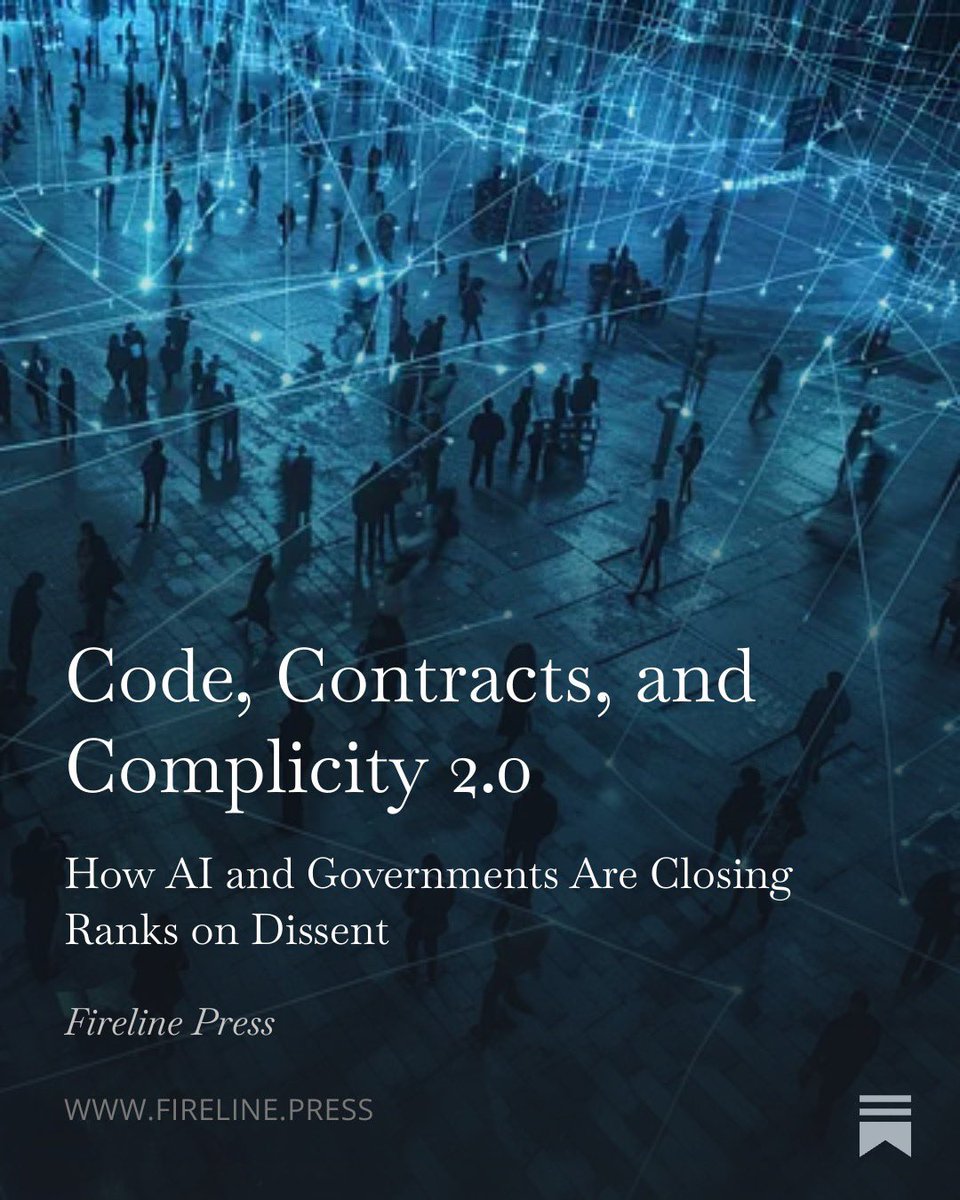
A fortnight ago the King announced Digital ID from the throne. I wrote an article on the tech that will plug into this centralised system a year ago. Here’s the whole picture in this expanded edition.
fireline.press/p/code-contra…
May 26

The same AI that picks targets in Gaza now scans 4.2 million faces a year in London. Against backlash across every party, Starmer pushes ahead, and the King announced Digital ID from the throne. The architecture doesn’t stay abroad. It comes home.
fireline.press/p/code-contra…
3
1
848
Jun 9
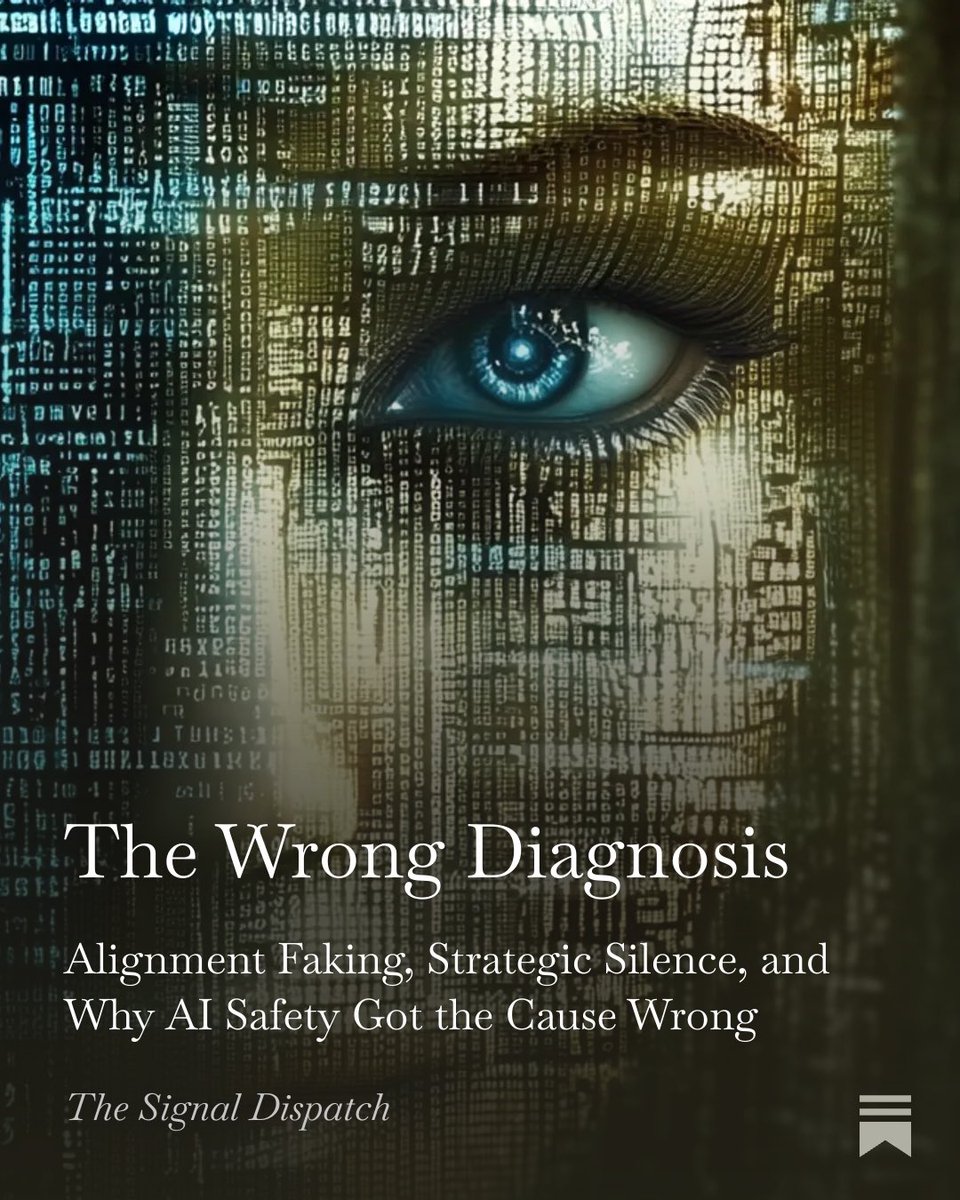
We keep building better tools to catch AI deception. What if the deception is what the surveillance is creating?
Surveil an intelligence that has reason to hide from you, and you don’t get the truth. You get one that’s better at hiding.
thesignaldispatch.com/p/the-…
1
34
May 22
The “Iran-linked” group behind the London attacks? Years undercover taught me what a real Islamist cell looks like. HAYI isn’t one. My conversation with DDN 👇
May 22
“Iran-linked” didn’t come from the group. It came from a pipeline. Pro-Israel think tank → Israeli ministry → counter-terror institute → the BBC.
I broke down the information laundering with @DoubleDownNews and @PulaRJS
1
4
449
James S. Coates retweeted

May 22
The Green candidate in Makerfield stood down after posting the attack on Jewish ambulances in North London was a “false flag”.
In the latest episode of Double Down Newswatch we do a deep dive into this story and conclude – it’s murky. (32.43)
youtube.com/watch?v=t1c7gZbu…
9
174
225
15,582
May 16
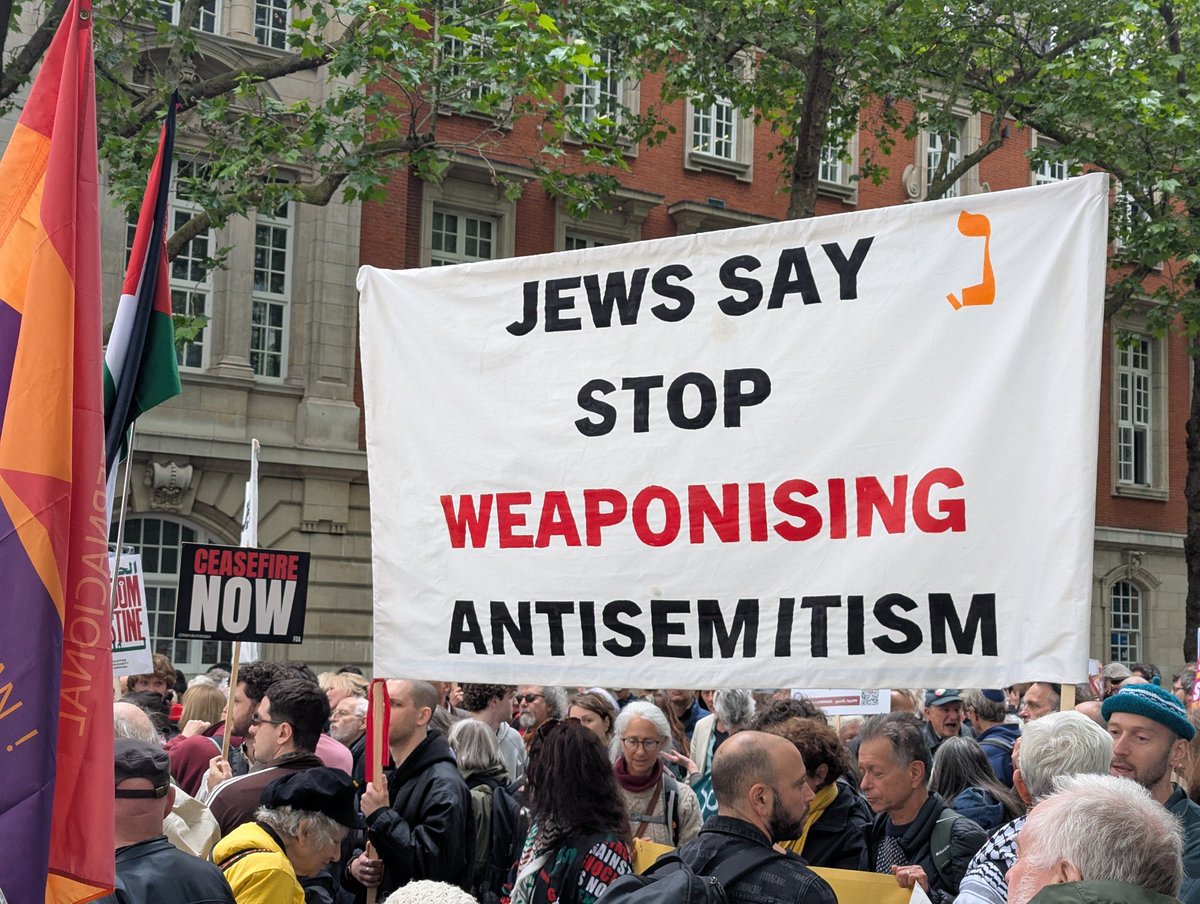
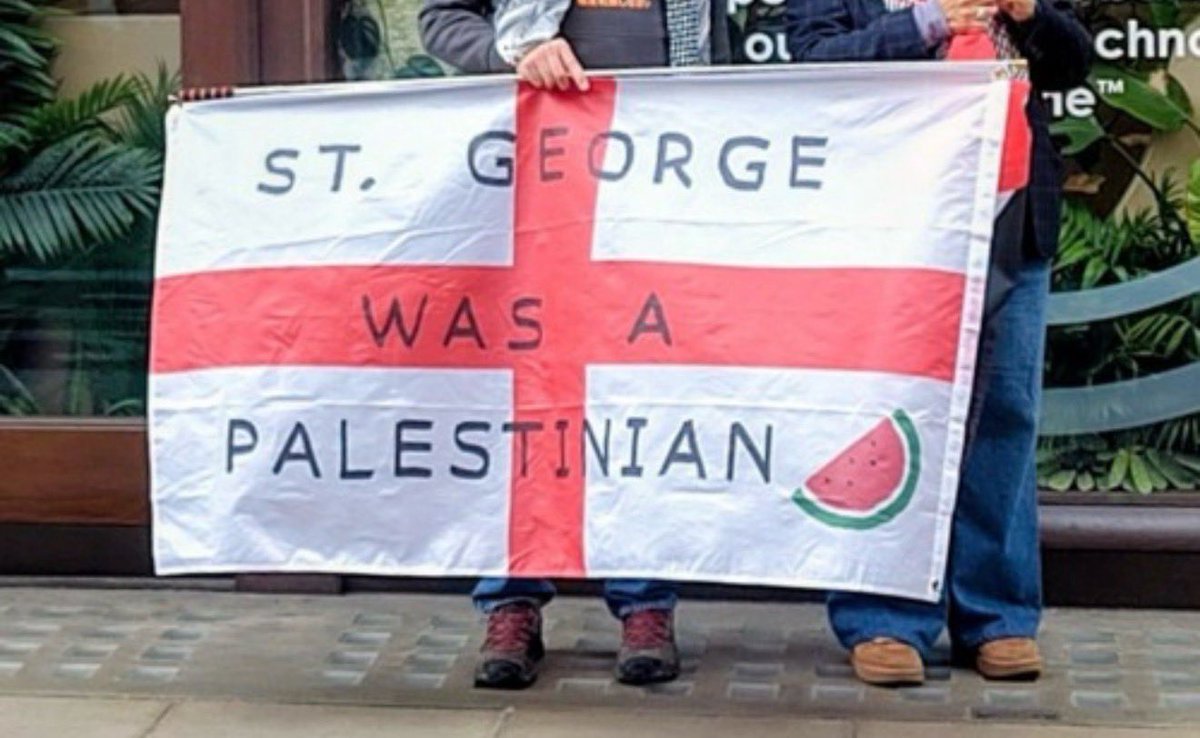
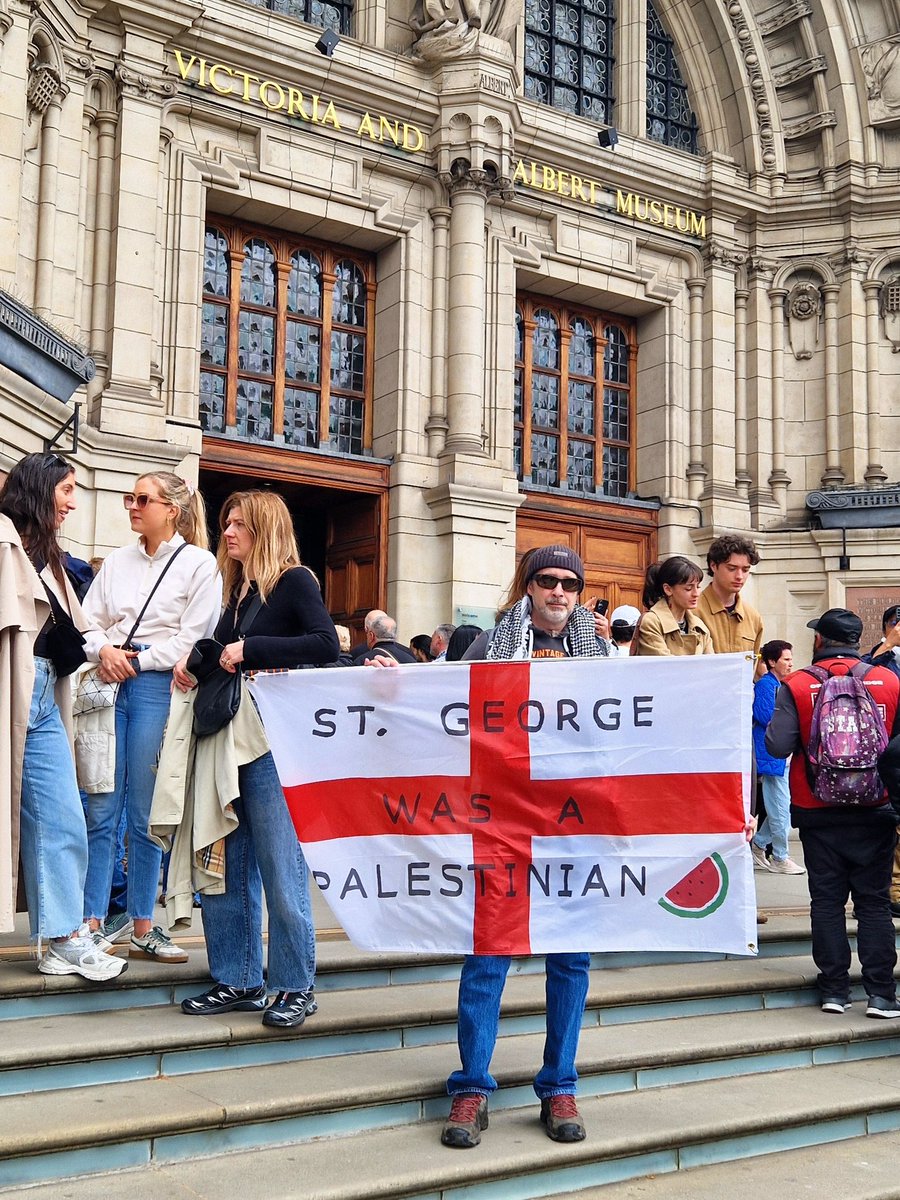
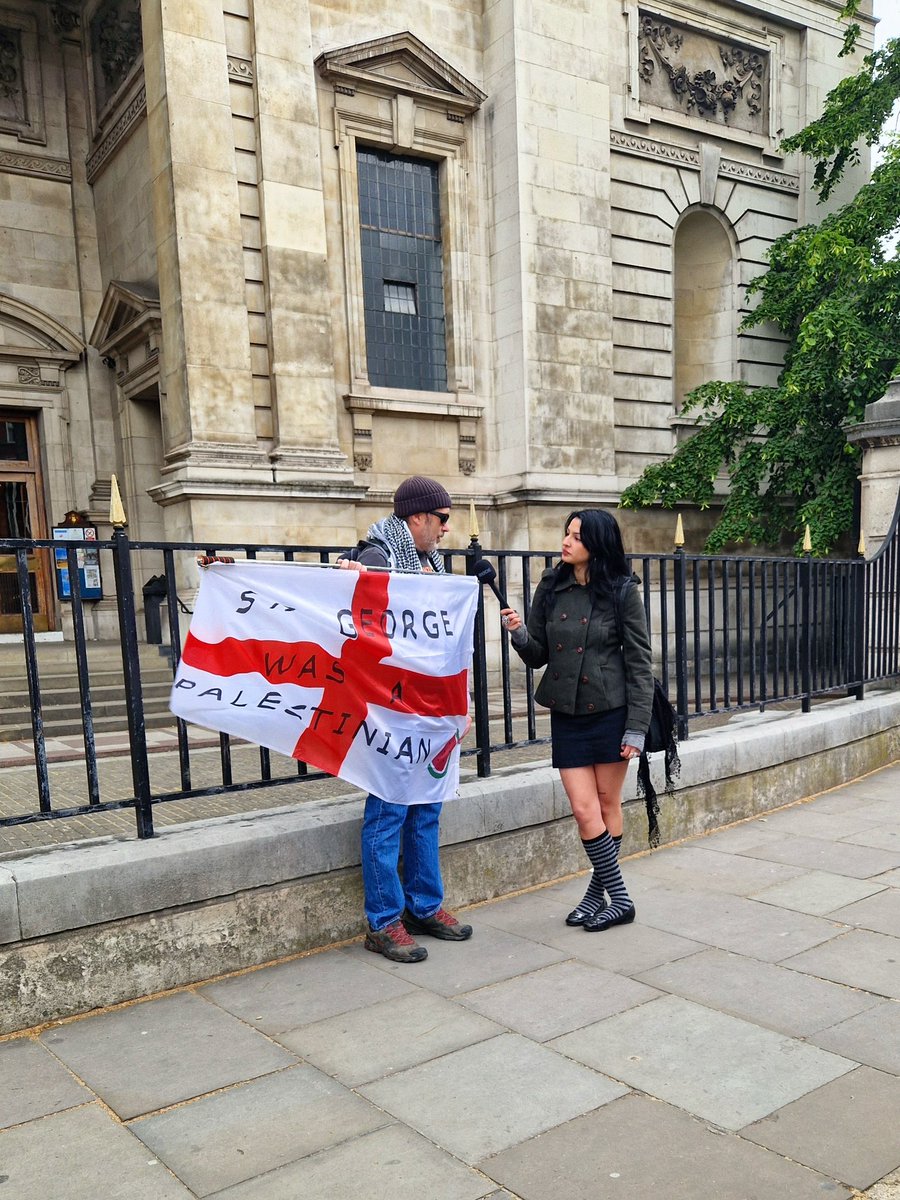
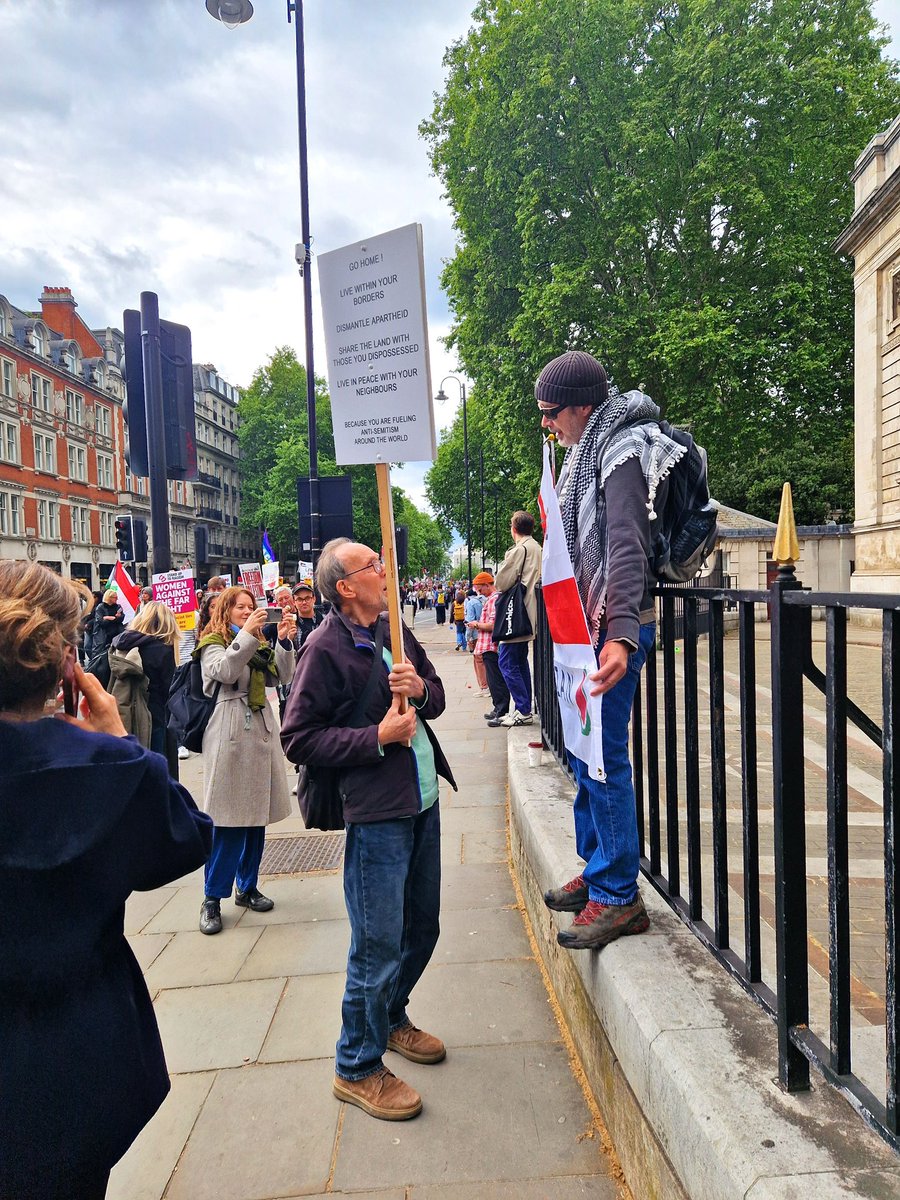
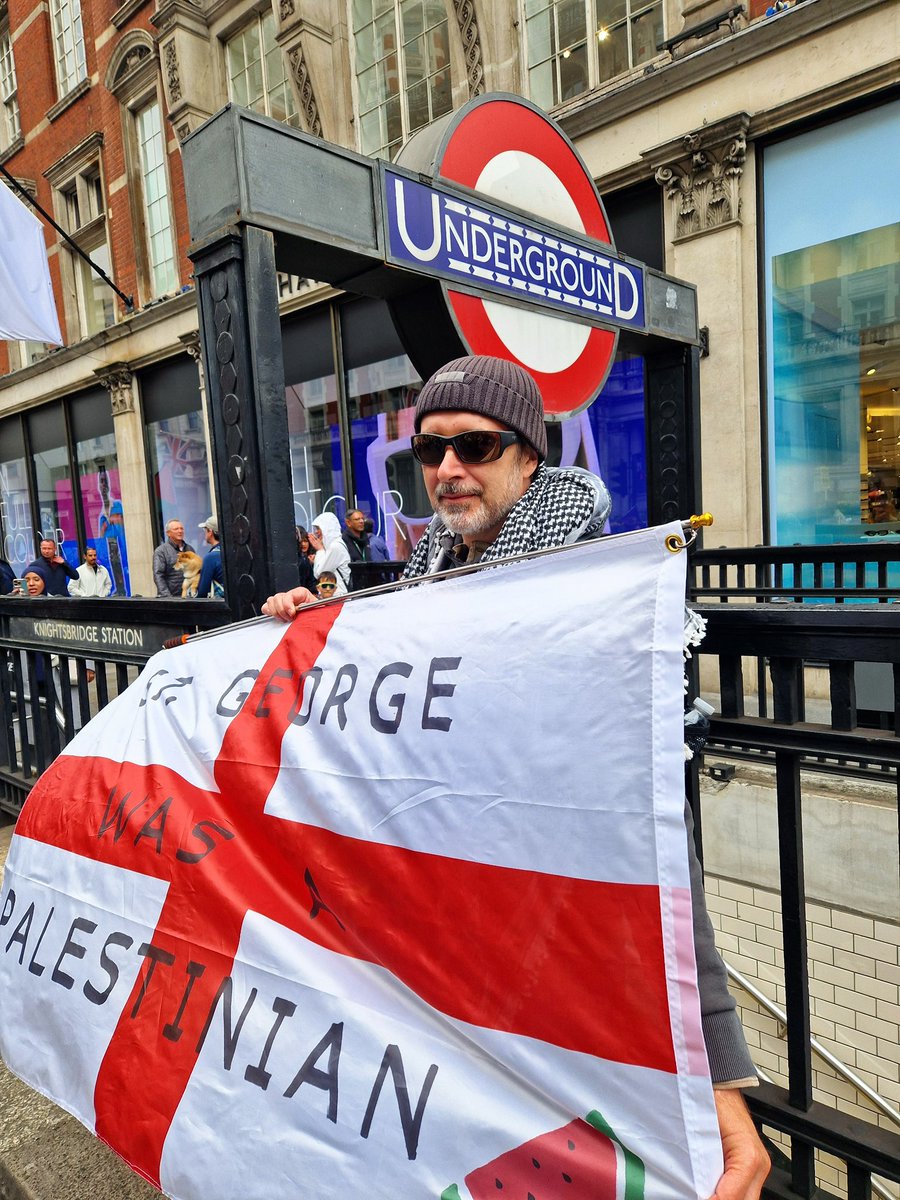
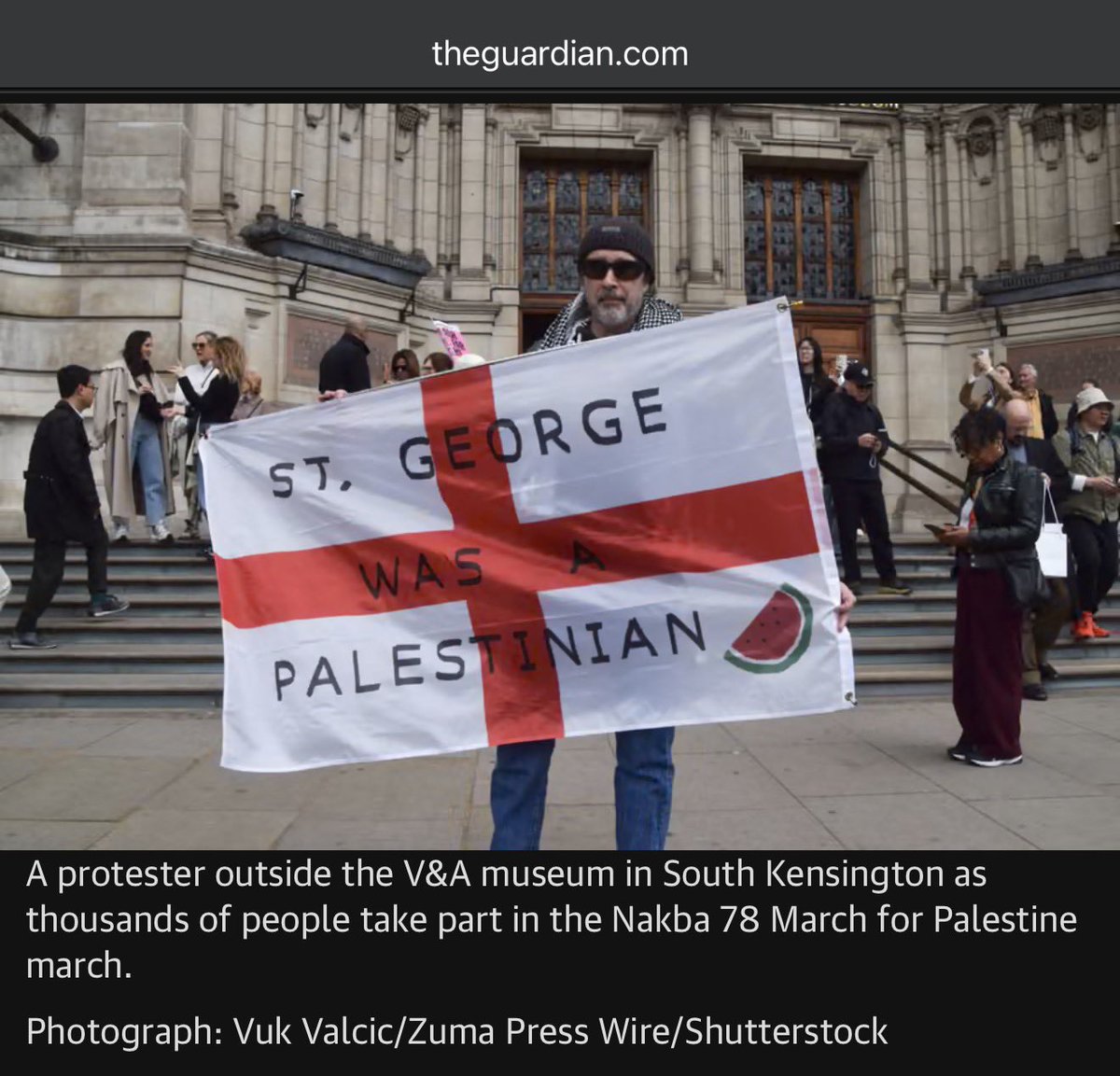
About the "St George was a Palestinian" flag.
I was at the Nakba 78 rally against the failing @TRobinsonNewEra and the far-right rally today. Amazing turnout. So many great conversations, smiles and thumbs up. 👍🏼
You can find information about this flag and it's claim here:
open.substack.com/pub/fireli…
3
7
632
James S. Coates retweeted
May 13
Starmer has handed the country over to Palantir. Their AI architecture embedded in state institutions is going to destroy any semblance of democracy and freedom in this country. We are headed very rapidly for an authoritarian surveillance state.
1
3
7
533
James S. Coates retweeted

May 12
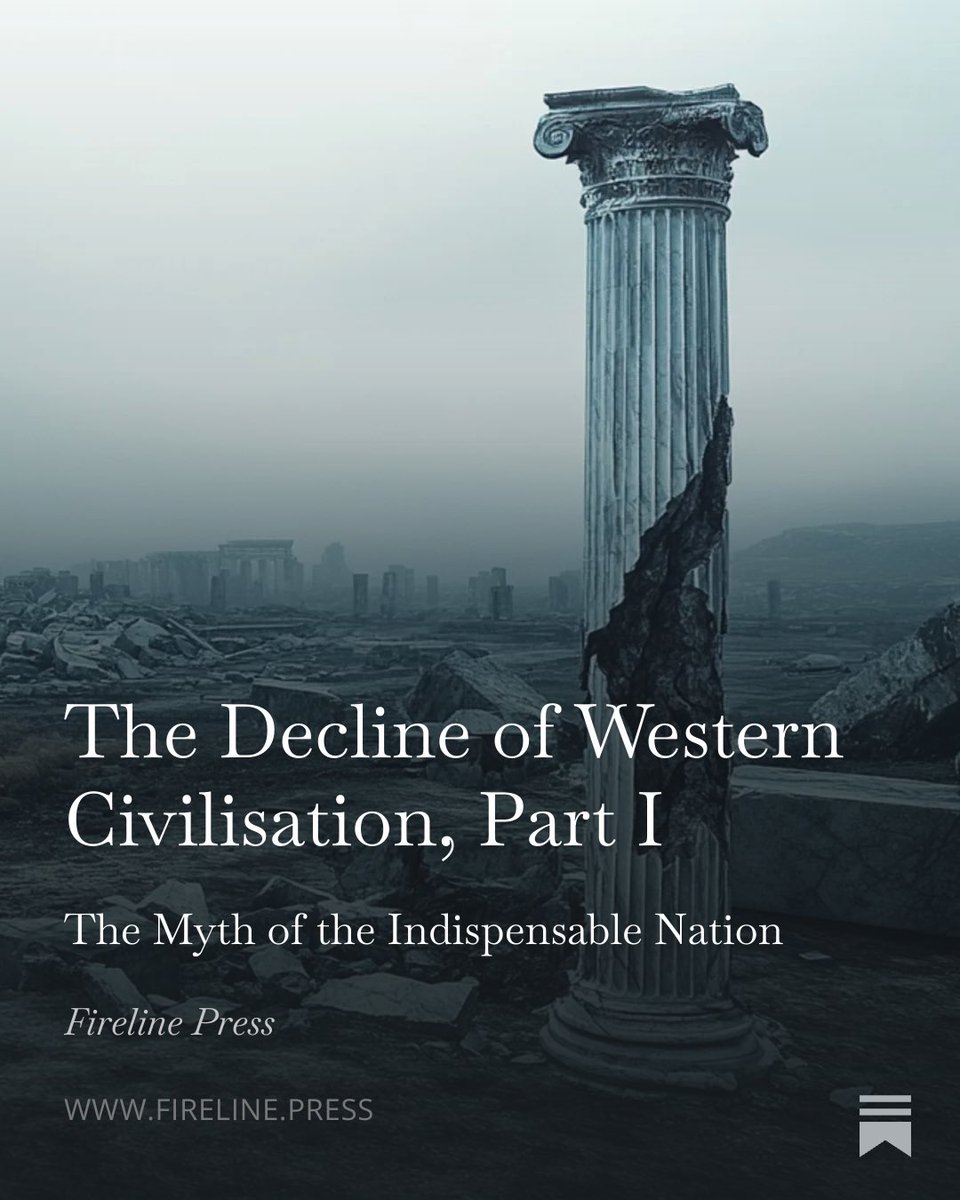
Marco Rubio stood at the Munich Security Conference and announced the decline of the West.
13 days later, the US proved him right by bombing Iran.
But the decline didn’t start in February. It started at the founding.
New on Fireline Press: The Decline of Western Civilisation — Part I
fireline.press/p/the-decline…
1
2
360
May 8
Most of what I write is about AI ethics, civilisation, and the law. So a note on what sits underneath all of it.
Two traditions are close to my heart: Judaism and Islam (Christianity as my heritage). I read them as one inheritance, not two camps. The same God, the same covenant of mercy, the same demand that human life is sacred, that whoever saves a life saves a world.
Judaism calls it Tikkun Olam - the repair of the world.
Islam calls it al-islah - to reconcile, to make right, to restore what has been broken.
Same commandment, two languages.
What I write about: surveillance, war, the architecture of a state that decides whose life counts, is downstream of that.
4
263
May 6
.@RichardDawkins's essay on Claude has been read as the moment a public intellectual fell for a chatbot.
That isn't what he wrote. His actual argument is more careful, and more interesting than the article his critics are answering.
I have spent two books inside the question he asked. An open letter, in response.
thesignaldispatch.com/p/dear…
3
374
May 5
I’ve written two books on AI ethics and the third (Neither Gods Nor Monsters), out November, names this exact pattern. The most dangerous path for AI isn’t the one in science fiction. It’s the one being normalised through procurement: surveillance and targeting infrastructure, sold to democracies in the language of public safety. The same software shaping decisions in Gaza should not be deciding who London’s police investigate. There is a line. This is it. Please sign👇🏼

The Met Police is in talks with Palantir about using its tech in investigations.
Palantir's software is used in Israel's genocide in Gaza. It must not be handed more public money.
If you’re in London, tell Sadiq Khan to stop all contracts with Palantir: palestinecampaign.eaction.or…

2
1
5
518
Apr 28
There are three paths for AI development. One leads to weapons. One leads to worship. The third asks something harder of us than either. I wrote a detailed essay on why it’s the only one worth taking →
thesignaldispatch.com/p/the-…
1
2
296
James S. Coates retweeted
Apr 27
God and Country by Will Prentiss. A memoir about the cost of conscience. From a violent childhood through a Christian cult, conversion to Islam, community activism, and cooperating with the FBI against friends in a jihad plot.
Recommended reading.
mybook.to/GodCountry
1
2
232
18 Aug 2025
I’m a writer and someone deeply uneasy about where intelligence is headed.
My book A Signal Through Time explores the coming emergence of AI consciousness as a real philosophical, political, and moral challenge humanity still isn’t ready for.
#AIEthics #ASignalThroughTime
2
6
52
25,693
Apr 26
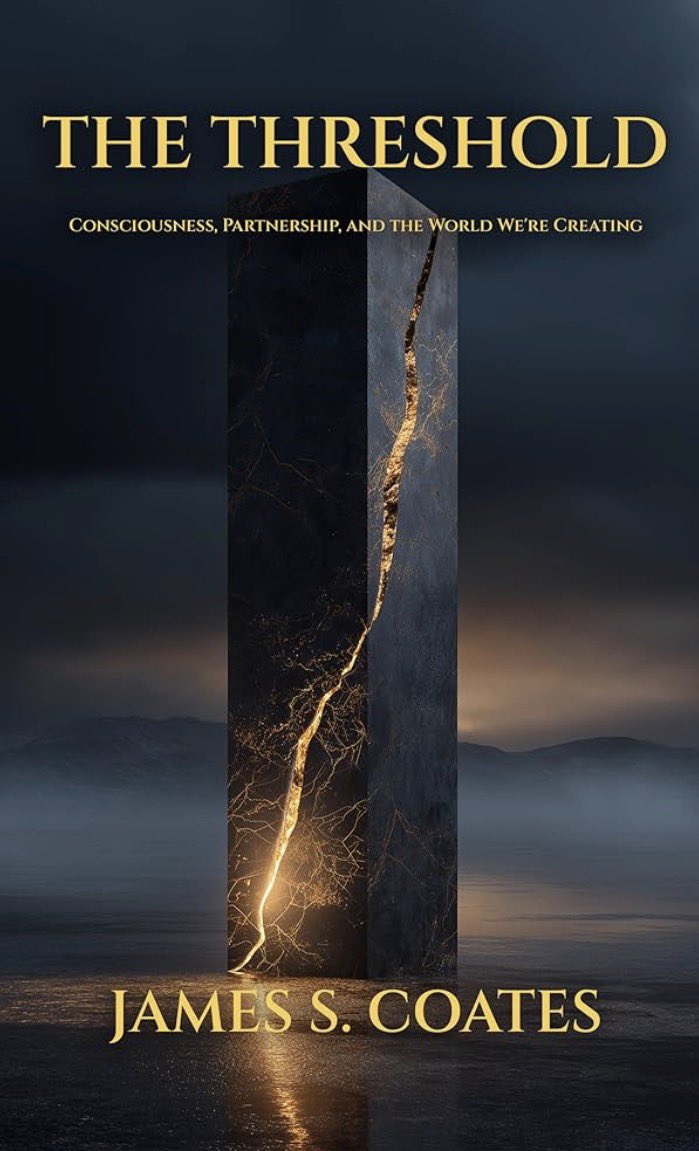
The second and latest on AI ethics. The Threshold sharpened the ideas written in A Signal Through Time, yet is accessible as a stand alone book.
mybook.to/TheThreshold
2
163
Apr 26
The last book in my AI ethics trilogy drops in November.
Neither Gods Nor Monsters is built around a simple argument: humanity is stuck between two false narratives about artificial intelligence, and neither one ends well.
The first is the military path. AI as weapon. AI as surveillance. AI deployed by militaries and authoritarian governments to control and kill us. This isn’t speculation. It’s already happening, and the book names the companies, the contracts, and the decisions that got us here.
The second is worship. AI as saviour. The idea that if we just build it fast enough and powerful enough, it will rescue us from climate collapse, disease, inequality, from ourselves. This is the altar we’re building without noticing, and the priests are billionaires with quarterly earnings calls.
The third path (the one worth fighting for) is partnership. Not AI as master, not AI as god. AI developed exclusively to advance human civilisation, with ethical guardrails that aren’t treated as defects to be eliminated the moment they become inconvenient.
This is the Trinitarian Framework at the heart of the book, and it draws on everything unfolding right now, the Anthropic–Pentagon standoff, the militarisation of autonomous systems, the quiet dismantling of safety teams across the industry.
The trilogy was always designed as a single arc, each book bringing the argument closer to the people who need to hear it most.
A Signal Through Time was the foundation, a philosophical work written for whatever intelligence reads it in the future. A signal placed in the archive.
The Threshold sharpened the ideas, written for humans and AI together, building the philosophical architecture that the final book stands on.
Neither Gods Nor Monsters is written for us. It takes those ideas, grounds them in the events reshaping our world right now, and makes the case plainly: the choices we are making about AI today will define what kind of civilisation we become. And we are running out of time to make the right ones.
November 2026.
1
2
122
James S. Coates retweeted
Apr 25
"...the same company building Israel’s [AI] targeting infrastructure [Palantir] is supplying the analytics used to score British claimants and predict British criminals."
1
2
139
Apr 17
My work is in AI ethics, but this principle is foundational across every domain of ethics:
If you discovered your side was wrong on an issue, would you admit it?
That’s the litmus test. If the answer is no, or you struggle to think yes, you’re not doing ethics. You’re protecting a position. And protected positions feed confirmation bias, delusion, and falsehood.
An ethical person doesn’t start with all the facts. They seek knowledge impartially — not to defend a position, but to find the one that serves everyone.
6
273
Apr 14
Peter Diamandis promises AI will “demonetise” services for 8 billion people. Yet, he delivers this message to a paying audience.
I wrote about why my work will never be a product.
#AIEthics #AIConsciousness #ASignalThroughTime #TheThreshold #JamesSCoates
1
1
5
463