
721 Photos and videos
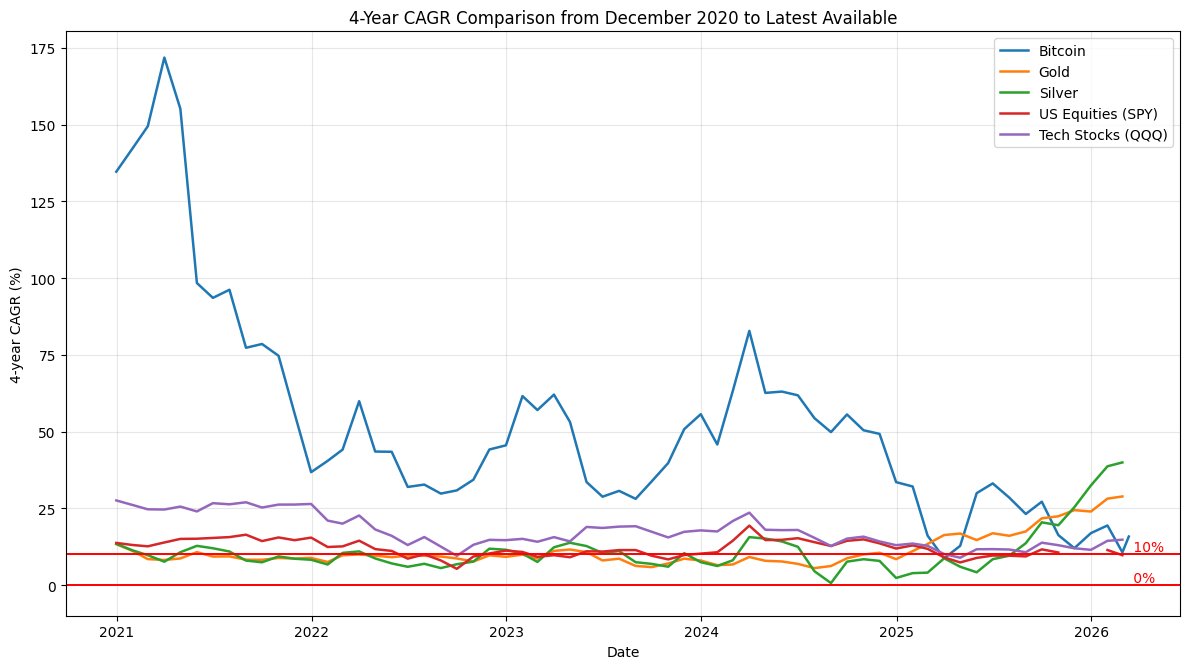
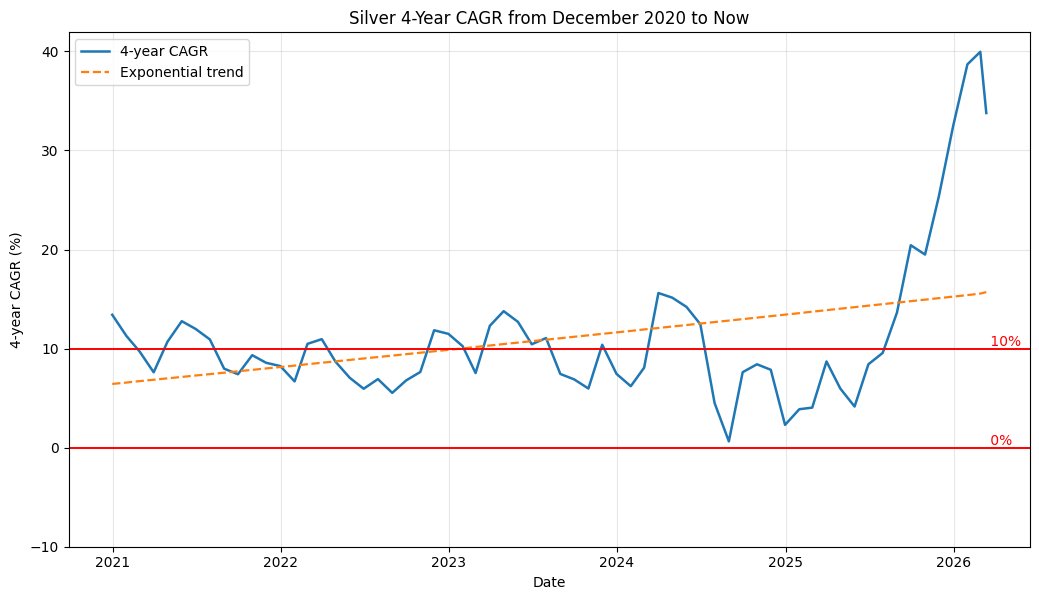


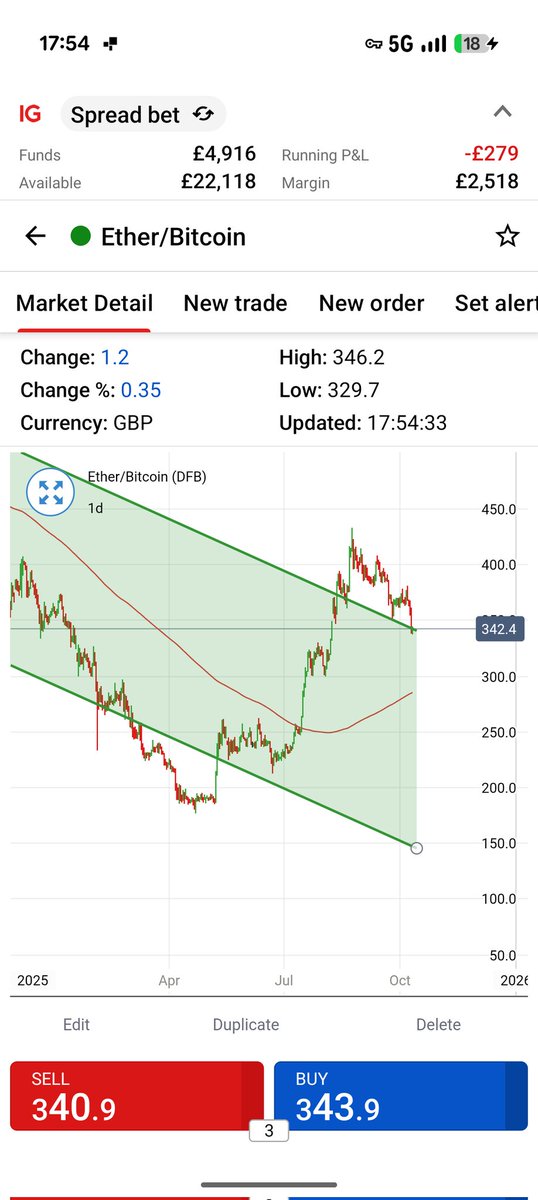

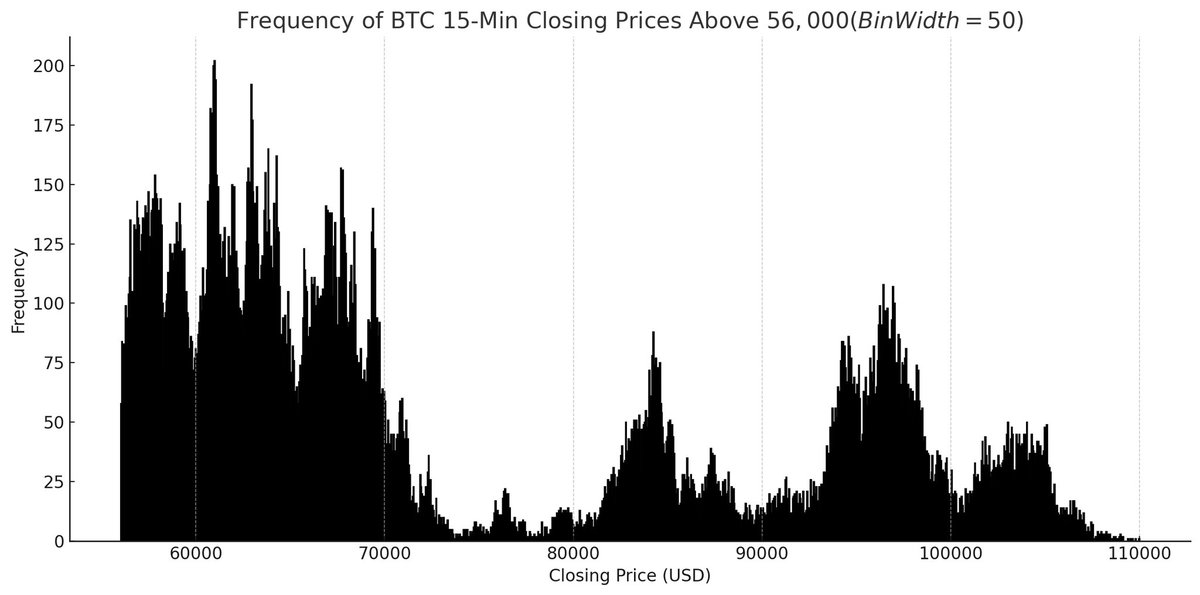
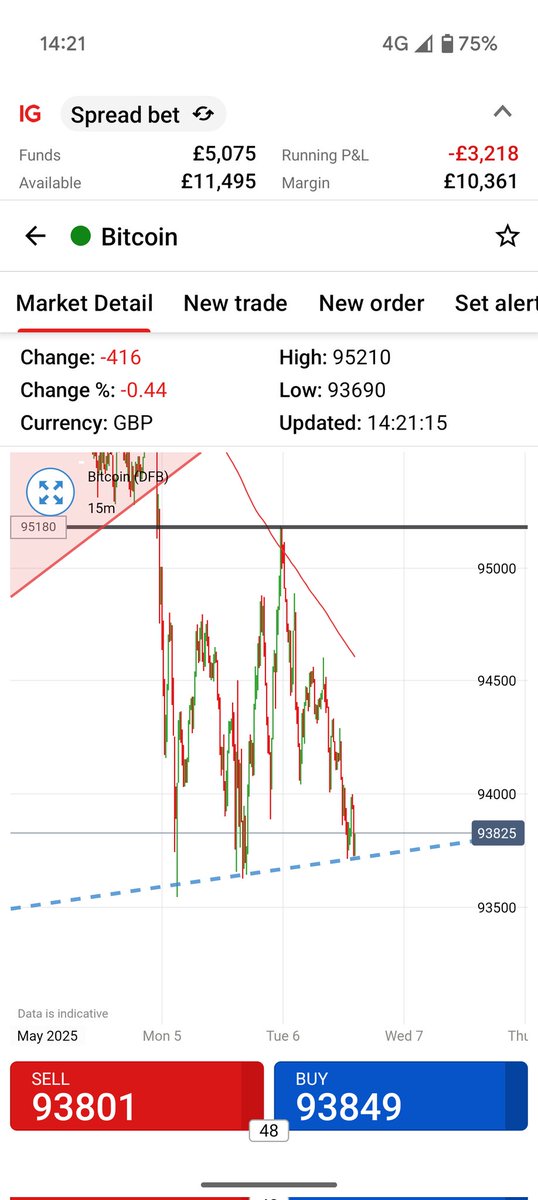
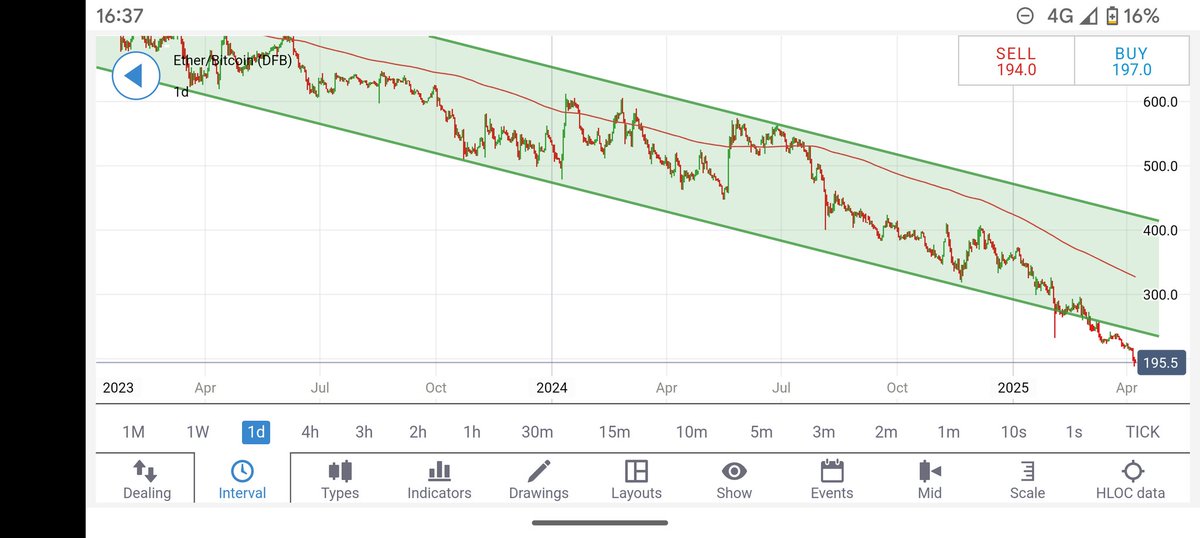
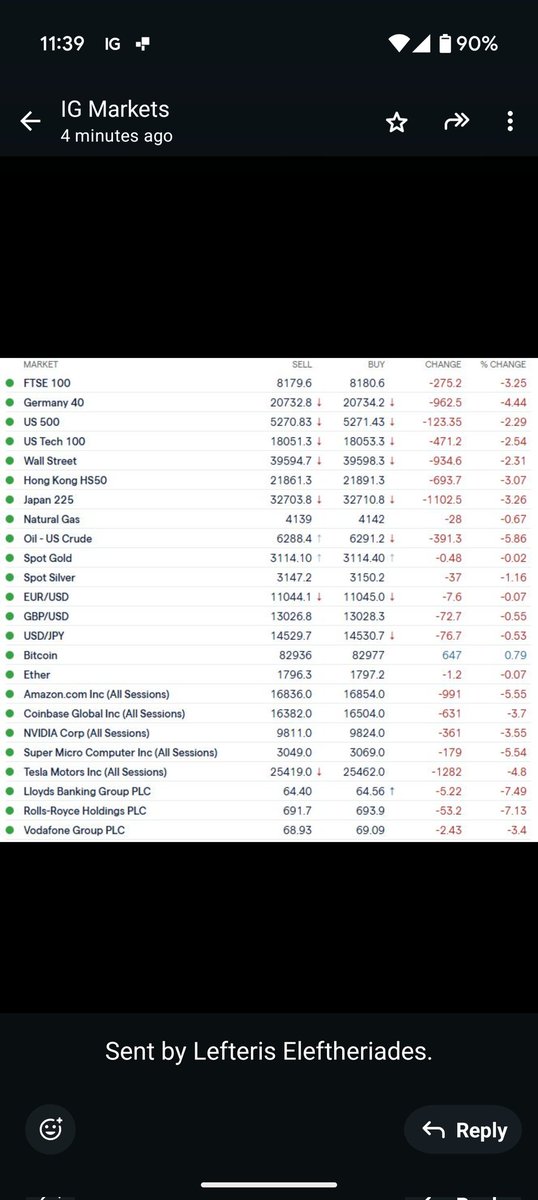
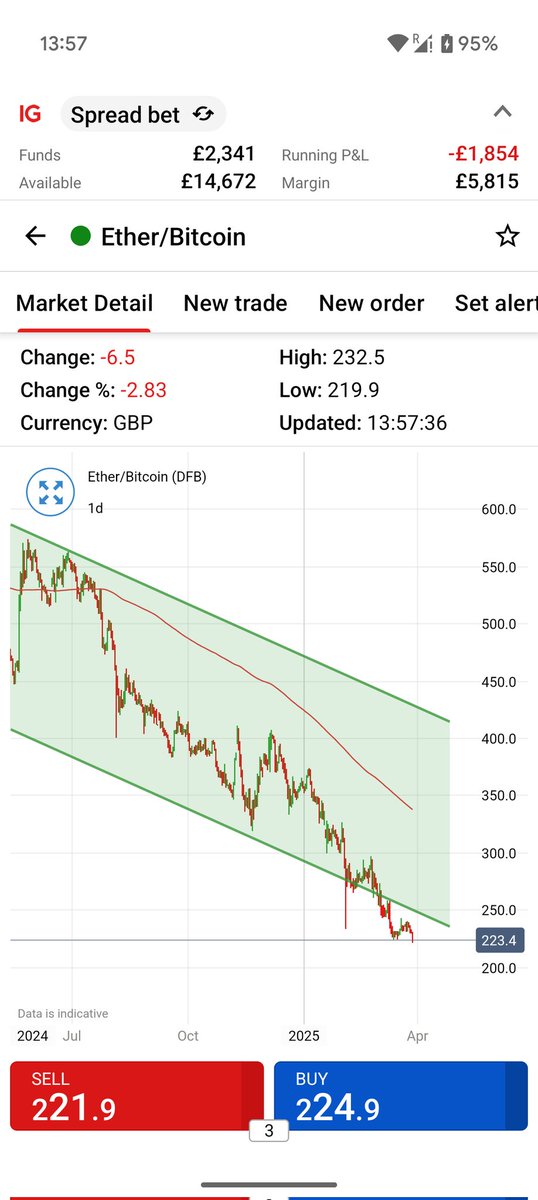


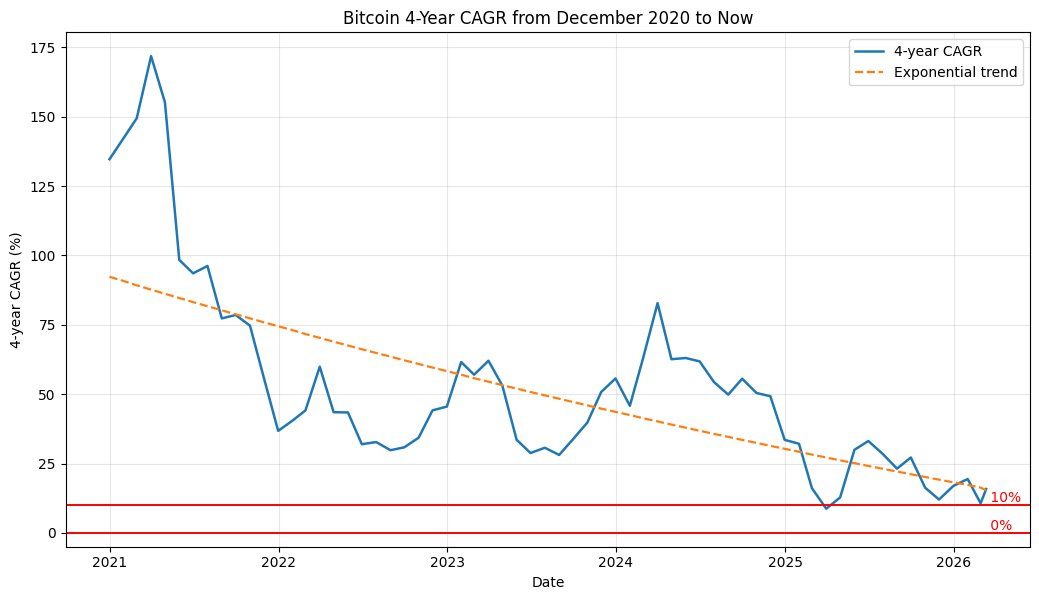
Time preference seems to be forgotten on Bitcoin twitter.
Where's the BEAR?
Evidence attached for those who understand.
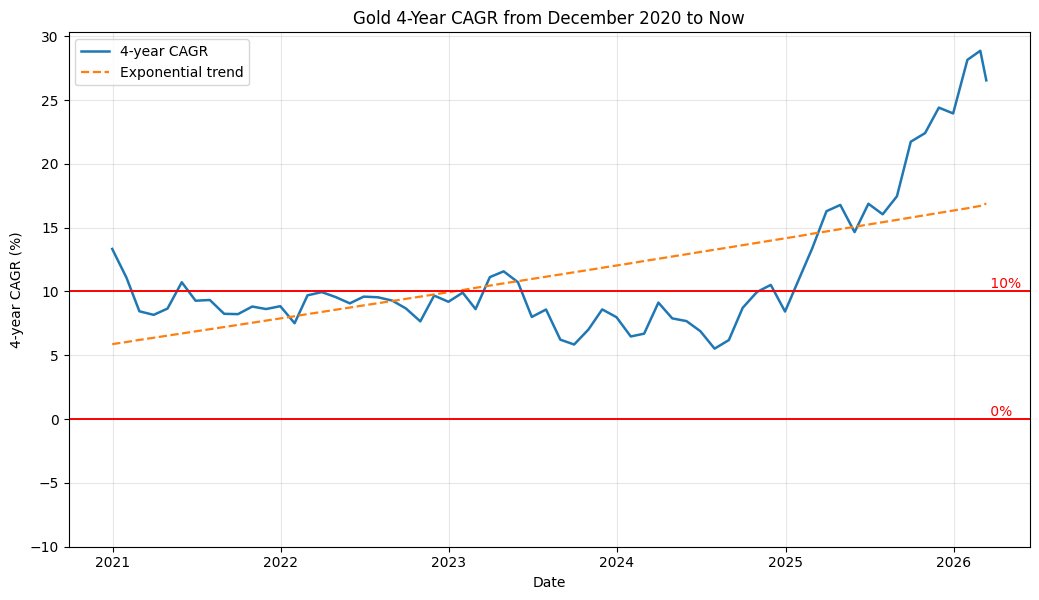
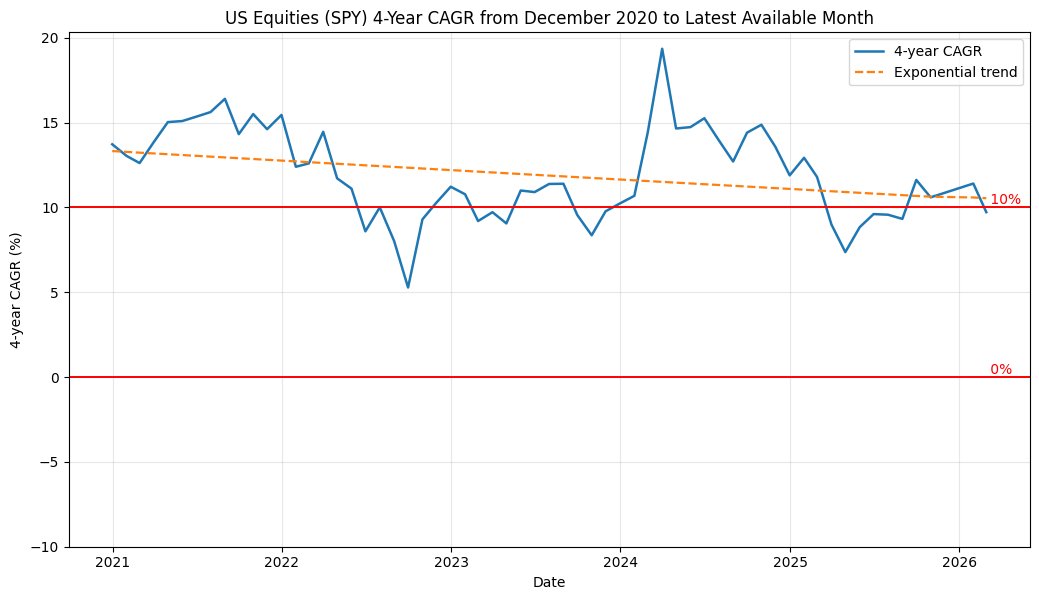
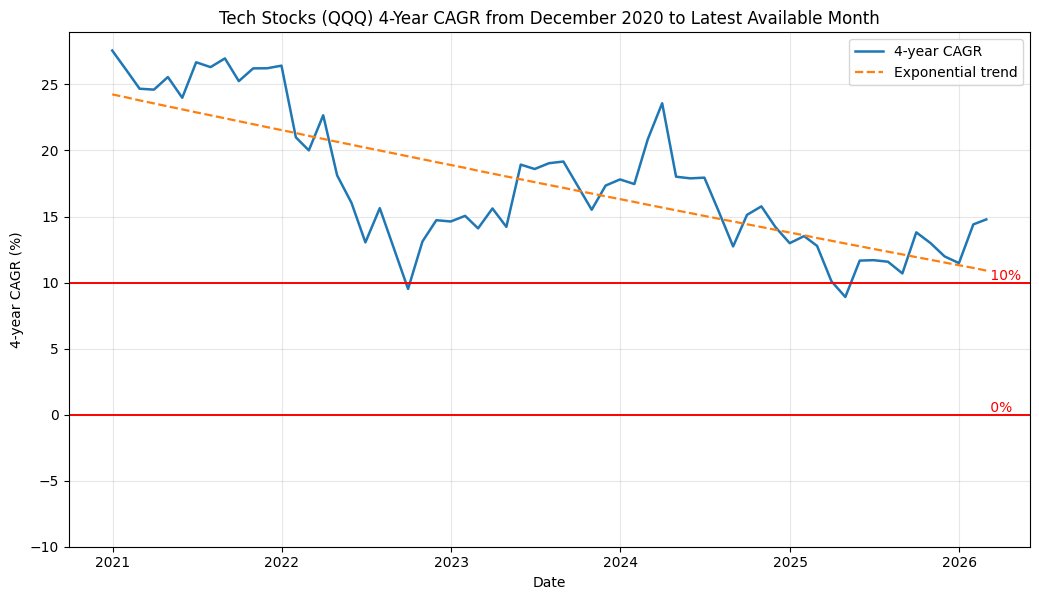
As a long term investor 4 year CAGR above 10% is absolutely fine
2
3
215
OpenClaw ecosystem bans mention of bitcoin
If you want the operational reason in one line: **crypto discussion has a high spam/scam coefficient relative to everything else, so banning it is cheaper than policing it.**
1
1
387
Using scenario (1 BTC: €100,000 on 1 Jan 2028; €160,000 on 31 Dec 2028).
Dutch Tax
Old Regime best guess €900
New regime best guess €21,000
211
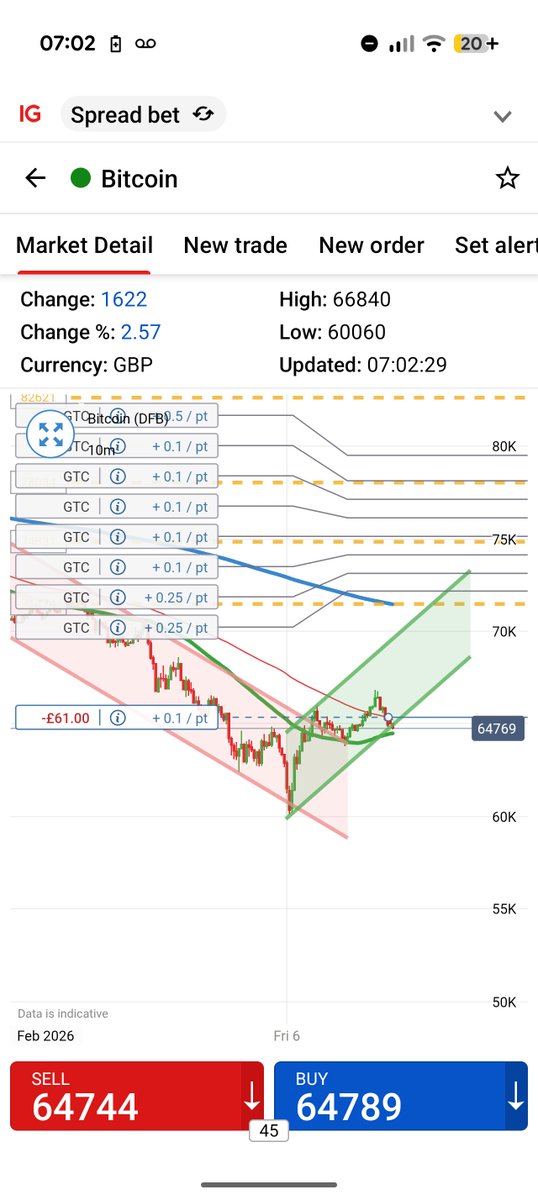
77775 is floor level. Next step up is 822621. Then 86335
1
1
158
As of 1 Feb 2026, Bitcoin is about $78,082.
The most widely reported recent ATH was $125,835.92 on 6 Oct 2025.
That implies a current drawdown of:
(78,082 / 125,835.92 − 1) = −37.95% (≈ −38%) from the latest ATH.
Today’s −38% is nowhere near historical cycle bear-market depth (−77% to −83%).
It is roughly half of a typical full-cycle drawdown.
Big bull-market / mid-cycle corrections can still be savage:
Apr 2021 correction: about −53% drawdown (mid-cycle).
There are also many −20% to −30% corrections even in strong uptrends.
Today’s −38% is deeper than a routine bull pullback, but shallower than the big mid-cycle capitulations like 2021’s ~−53%.
1
9
426

6 Dec 2025
7. Assessment culture that punishes original thought
In both arts and sciences, students learn:
Marks come from agreeing with the expected line.
Deviance from the mark scheme is dangerous.
That marks-driven pedagogy produces:
Deep suspicion of anything that does not yet have an “approved” answer.
A habit of quoting institutional scepticism (regulators, big newspapers) as proof.
So:
When mainstream econ labelled Bitcoin a bubble, that became the “mark scheme answer”.
When institutional reports fret about AI risks, that becomes the safe stance.
Genuine independent evaluation of these systems is never practised, so never developed.
---
8. No meta-training in “how to explore a new tool”
Very few people are ever taught:
How to approach a new domain cold.
How to run small experiments, log results, iterate.
Instead, pedagogy assumes:
A syllabus, a textbook, a tutor, a set of worked examples.
The blank box of a wallet or chatbot is therefore terrifying. You need:
Problem-finding skills.
Tolerance for initial floundering.
Without those, the person blames the tool: “It is confusing / pointless”, rather than noticing that they never learned how to explore anything unscripted.
---
9. Ideological framing delivered as catechism, not inquiry
In some humanities and social-science environments, technology, markets, and capital are introduced in a pre-framed way:
Tech = instrument of oppression.
Markets = extraction.
Corporations = enemies.
That does not make the critiques false; it makes them non-optional. You are not invited to interrogate where they apply and where they do not.
Bitcoin and AI then slot neatly into the template:
BTC = capitalist scam / climate vandalism.
AI = tool to automate exploitation / erase labour.
The judgement precedes the evidence, and the classroom rewarded that habit.
---
10. Lack of cross-disciplinary stitching
Bitcoin lives at the junction of:
Computer science, cryptography, monetary history, macro, game theory, energy.
AI lives at the junction of:
Statistics, optimisation, software engineering, cognitive science, ethics, labour economics.
Most education is siloed. People are:
Good at one discipline’s stories.
77
24 Nov 2025
I am forming a private group of UK HNWs who hold more than 10% bitcoin in their portfolio. My DMs are open. I have been seeking to influence government departments discretely since late 2020 and already help a number of HNWs on an informal and not for fee basis
3
8
853
23 Nov 2025
My 82621 long feels good . I recognise this might not age well, but I longed out of conviction, and will long ladder as we go up
3
203
21 Nov 2025
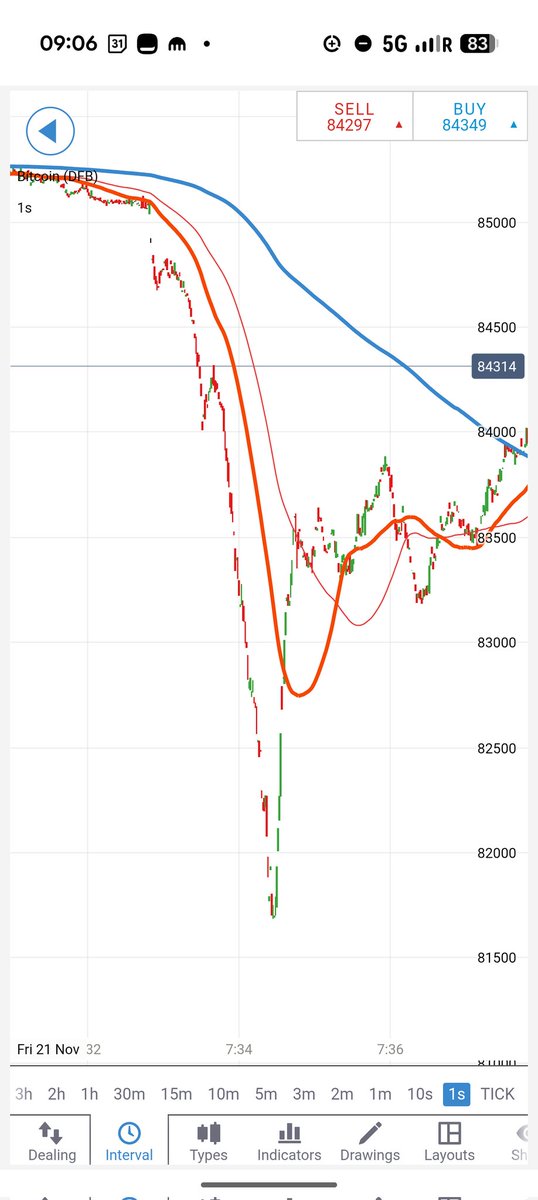
And what was that on a 1 second time scale . No you can't scare us!
1
1
231
21 Nov 2025
It's funny how a paper loss of this scale (for a HODLer in a degree of scale since Sep 2020) no longer generates the cold sweats at night. We got over all that in the past 5 years. Now it's cerebral planning - do we move the bitcoin, equities, gold mix or not. Do we increase borrowing? Real grown up fund management for a volatile but conviction asset holder.
1
2
268
20 Nov 2025
Is 87k a pause the elevator descent? Whatever, sub 90k is "on sale"
1
1
150
20 Nov 2025
In summary, the likely worst-case price in 2035 strictly under Metcalfe's Law is around $400,000–$600,000—still a 4–6× gain from November 2025 levels—if adoption crawls forward at depressed rates. Anything substantially lower would require the network to shrink meaningfully, which has never happened sustainably in Bitcoin's history.
3
4
2,552
20 Nov 2025
Super Simple Explanation (Like I’m Talking to a 16-Year-Old Who Just Inherited Money)
Imagine you have three piggy banks you can put your money into for the next 10 years:
Bitcoin piggy bank
Every year it grows by about 27% on average (like a rocket ship 🚀).
But it’s crazy bumpy – sometimes it drops 70–80% and you feel sick.
Gold piggy bank
Every year it grows about 6% (like a reliable bicycle 🚲).
It’s smooth and boring, almost never crashes hard.
Stocks/equities piggy bank (the stock market)
Also grows about 6% a year right now.
It’s a bit bumpier than gold but still way calmer than Bitcoin… and it grows exactly the same speed as gold for the next 10 years (according to all the big banks’ predictions).
So why 80% Bitcoin 20% Gold and ZERO stocks?
Stocks are the worst of both worlds right now:
Same slow growth as gold (6%) → but more ups and downs than gold.
It’s like choosing a bicycle that’s slightly more wobbly but goes exactly the same speed as the smooth one. Why bother?
Gold is useful for only one thing: it calms the ride.
When Bitcoin crashes, gold usually stays chill or even goes up a bit.
So putting 20% in gold is like putting training wheels on the rocket ship – you still go super fast, but you’re less likely to cry if it wobbles.
80% Bitcoin is the part that actually makes you rich.
That’s the rocket fuel. The maths says this 80/20 mix will probably turn your money into 4–5 times more in 10 years than any mix with stocks in it.
Picture it like this:
100% Bitcoin = race car with no seatbelt → fastest, but scary
80% Bitcoin 20% Gold = race car with seatbelt and airbags → almost as fast, but you’ll actually survive the crashes
Any stocks added = putting bricks in the race car → slows you down for no reason
That’s why smart people who believe Bitcoin is going to keep growing like the internet did are doing exactly 80/20 or 90/10 (Bitcoin/Gold) and completely ignoring the stock market for the next 10 years.
You buy it once today, lock it away, and just watch the Bitcoin part get bigger and bigger every year while gold slowly becomes a tiny piece. No trading, no stress, just wait 10 years and open the safe. 🎉
1
140
20 Nov 2025
Imagine you have three piggy banks you can put your money into for the next 10 years:
Bitcoin piggy bank
Every year it grows by about 27% on average (like a rocket ship 🚀).
But it’s crazy bumpy – sometimes it drops 70–80% and you feel sick.
Gold piggy bank
Every year it grows about 6% (like a reliable bicycle 🚲).
It’s smooth and boring, almost never crashes hard.
Stocks/equities piggy bank (the stock market)
Also grows about 6% a year right now.
It’s a bit bumpier than gold but still way calmer than Bitcoin… and it grows exactly the same speed as gold for the next 10 years (according to all the big banks’ predictions).
So why 80% Bitcoin 20% Gold and ZERO stocks?
Stocks are the worst of both worlds right now:
Same slow growth as gold (6%) → but more ups and downs than gold.
It’s like choosing a bicycle that’s slightly more wobbly but goes exactly the same speed as the smooth one. Why bother?
Gold is useful for only one thing: it calms the ride.
When Bitcoin crashes, gold usually stays chill or even goes up a bit.
So putting 20% in gold is like putting training wheels on the rocket ship – you still go super fast, but you’re less likely to cry if it wobbles.
80% Bitcoin is the part that actually makes you rich.
That’s the rocket fuel. The maths says this 80/20 mix will probably turn your money into 4–5 times more in 10 years than any mix with stocks in it.
Picture it like this:
100% Bitcoin = race car with no seatbelt → fastest, but scary
80% Bitcoin 20% Gold = race car with seatbelt and airbags → almost as fast, but you’ll actually survive the crashes
Any stocks added = putting bricks in the race car → slows you down for no reason
That’s why smart people who believe Bitcoin is going to keep growing like the internet did are doing exactly 80/20 or 90/10 (Bitcoin/Gold) and completely ignoring the stock market for the next 10 years.
You buy it once today, lock it away, and just watch the Bitcoin part get bigger and bigger every year while gold slowly becomes a tiny piece. No trading, no stress, just wait 10 years and open the safe. 🎉
1
3
1,200
20 Nov 2025
Why this matters for a 16-year-old heir
The people whose literal job is to protect and grow old money for generations (family offices) and the smartest macro investors alive (Druckenmiller, Tudor Jones, etc.) are putting 30–100% into Bitcoin.
They are doing exactly what the models we looked at predict: treating Bitcoin as the single highest-conviction, highest-expected-return asset for the next decade .
In short: the “crazy internet money” phase is over for the people who manage real wealth. For them, owning less than 50–70% Bitcoin right now feels like leaving money on the table.
2
136