
I study well-being in commercial, scientific, and religious organizations. Currently examining the role of beauty in science and other fields of work.
Joined February 2018
- Tweets 842
- Following 1,836
- Followers 1,067
- Likes 1,742
111 Photos and videos

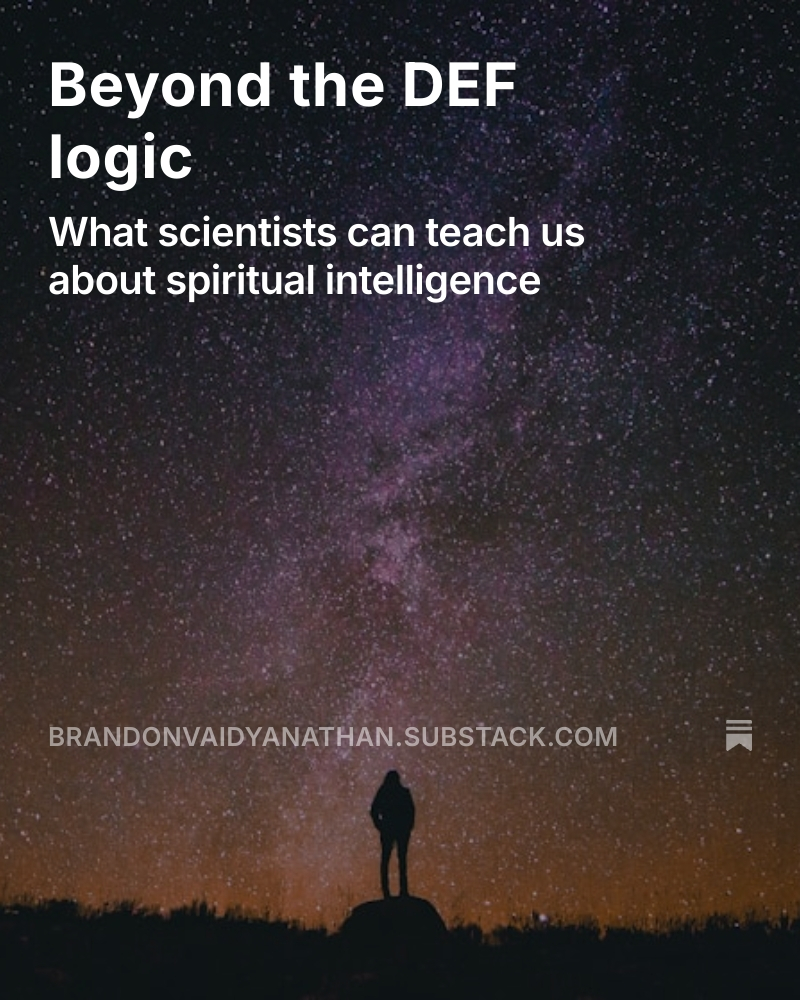
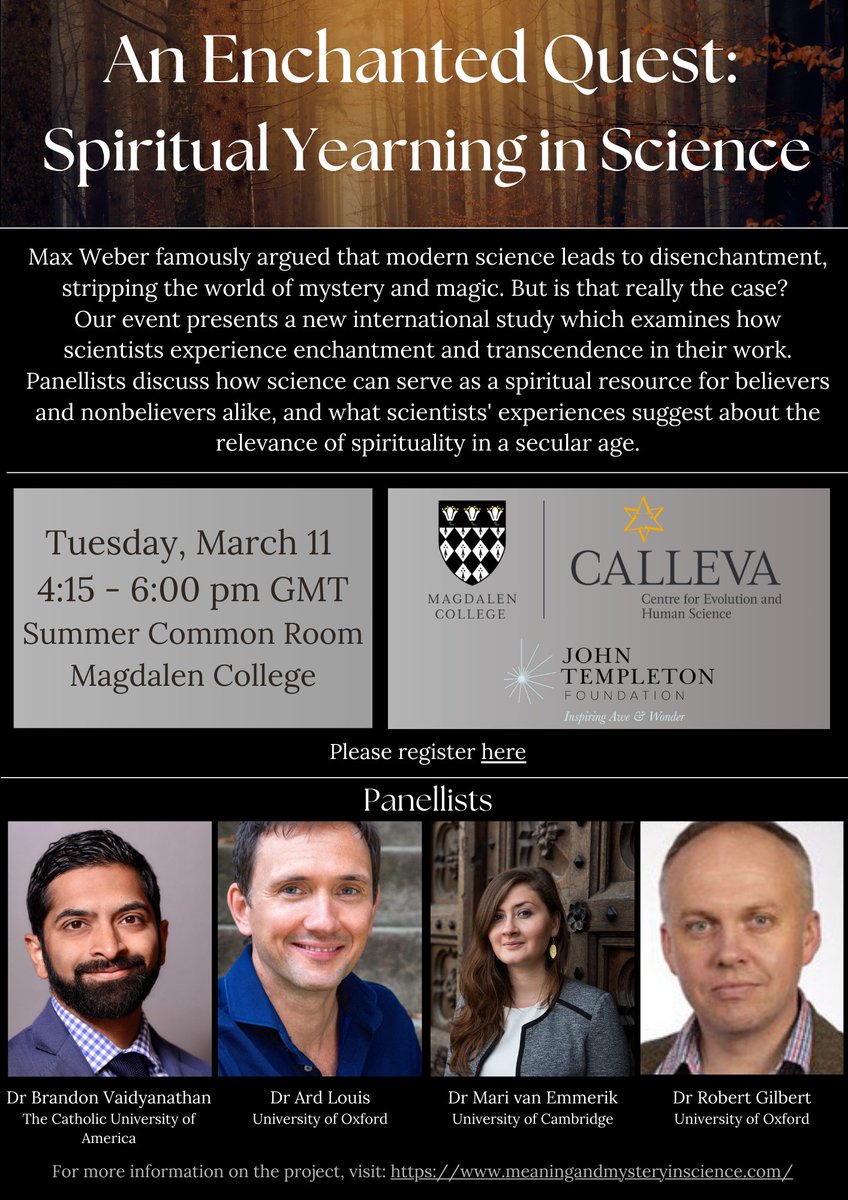
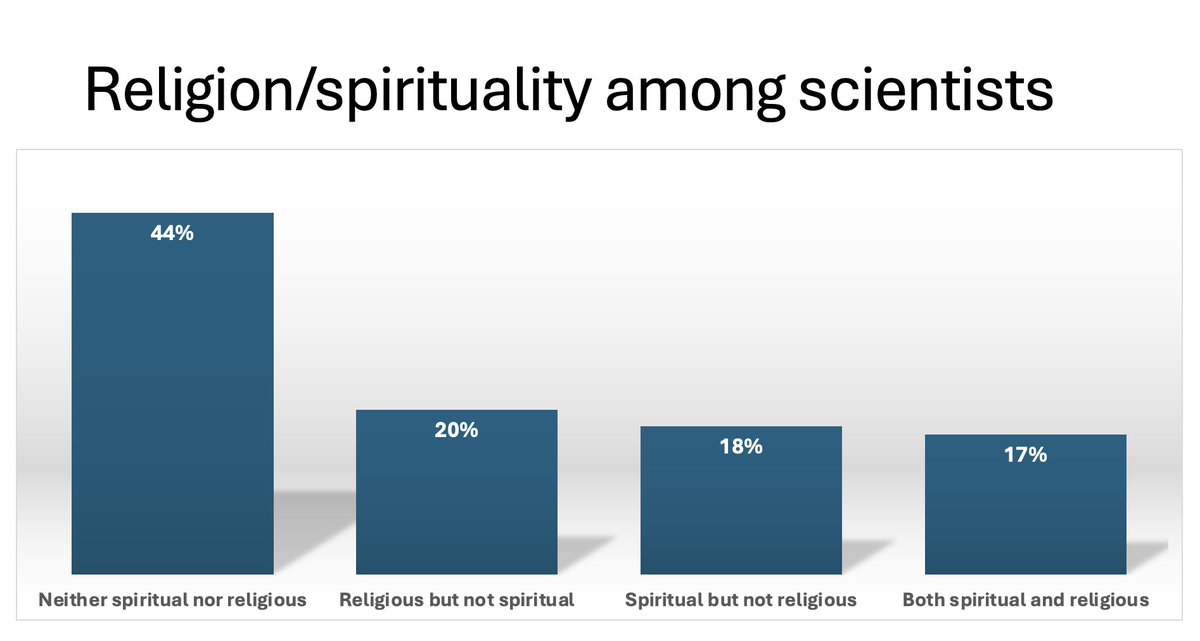

Where do Britons find beauty? And how does it relate to wellbeing and spirituality/religion? Early highlights from our nationally representative UK survey (N>5700): open.substack.com/pub/brando…
1
1
52
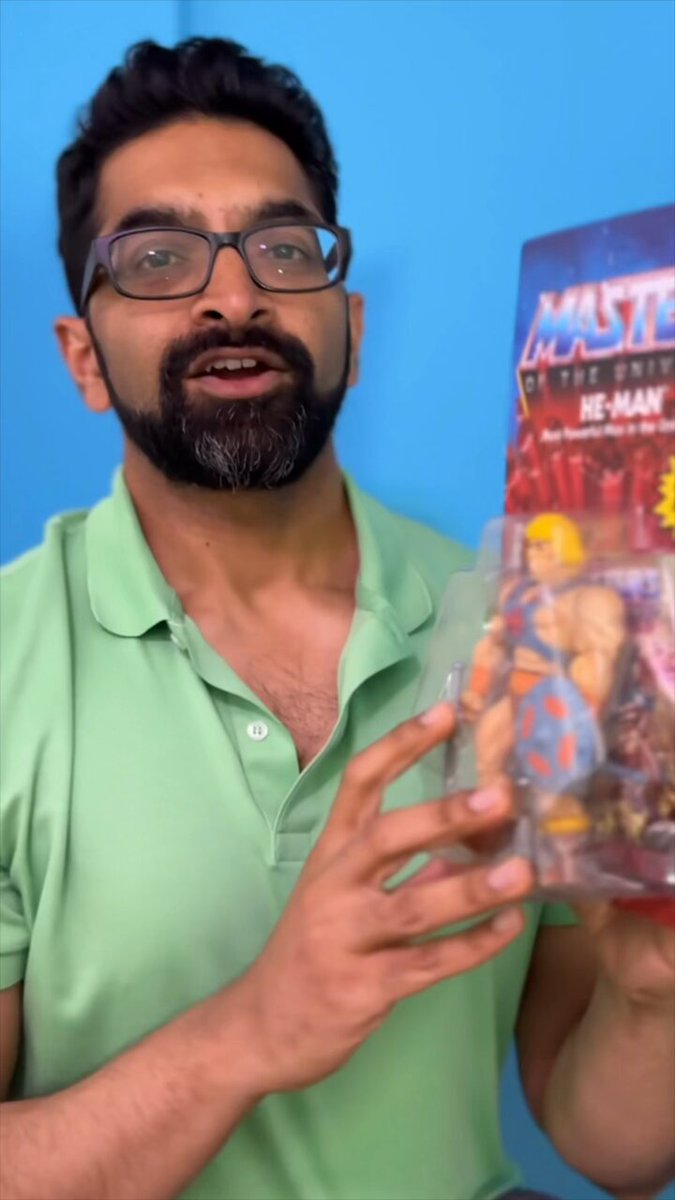
My obsession with He-Man made me a thief at nine. A new essay about how the quest for beauty can curdle into the drive to possess: beautyatwork.net/p/i-have-th… #HeMan #MastersOfTheUniverse
370
Young adults are the heaviest AI users and the most worried about it. New US survey data in conversation with Pope Leo XIV's first #encyclical. substack.com/@brandonvaidyan…
1
41
Where do Americans really find beauty? Highlights from a brand new population survey. open.substack.com/pub/brando…
1
1
213
Brandon Vaidyanathan retweeted

Beholding the Person
“Thomas Aquinas identifies radiance or claritas as a key criterion of beauty: the splendor of an object that makes its inner essence intelligible. A psychiatrist recently told me that this concept aptly describes where she finds beauty in her work, in moments when she recognizes the flickers of personhood that illness can’t erase – the brief glances and gestures when her client’s true personality shines through. It’s not the clarity of order or perfection, but that of beholding the person beneath the symptom. And it’s truly something to delight in.”
—Brandon Vaidyanathan
(Photo by D. Potts)
#personhood #beauty #photography #endthestigma #invisibledisabilities

2
4
55

In @ImmanentFrame, @brvnathan discusses the concept of innovation as it applies in the domain of religious and spirituality studies.
Read more: tif.ssrc.org/2026/04/09/reli…
1
1
199
Brandon Vaidyanathan retweeted

Apr 19
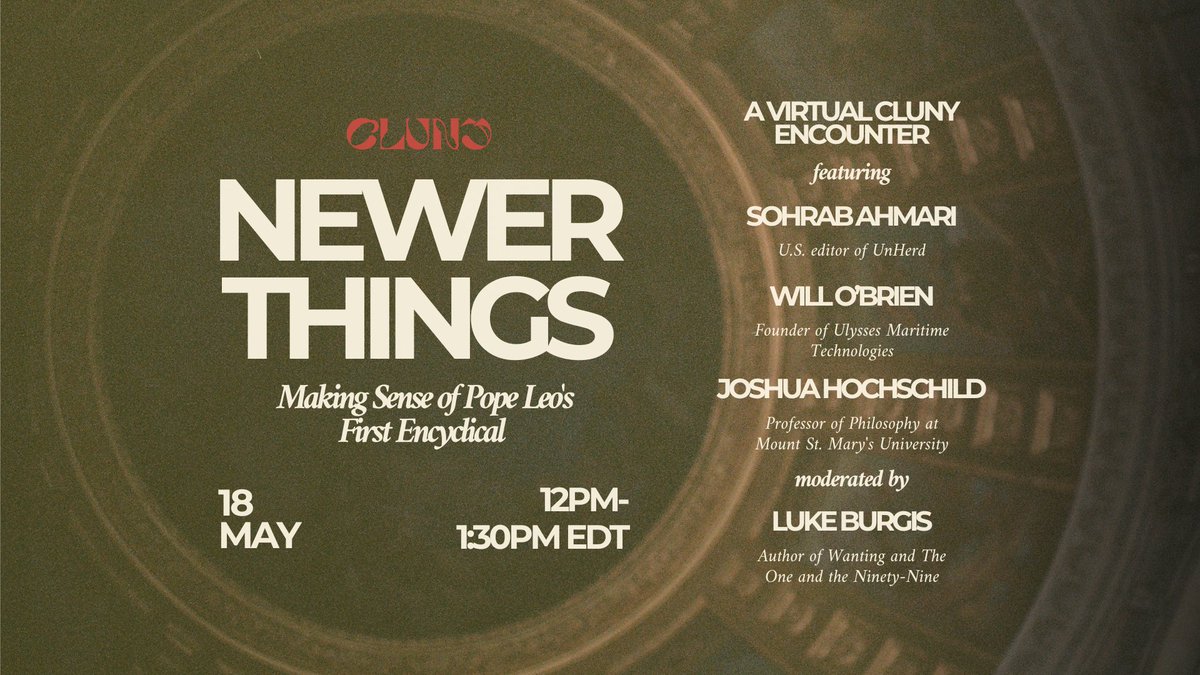
I'm excited to announce that I'll be hosting a conversation for @ClunyInstitute between @SohrabAhmari, @JoshHochschild, and @Willob on May 18 on Pope Leo XIV's first encyclical, widely reported to be called Magnifica Humanitas ("Magnificent Humanity"). It is expected to address the most profound social and ethical questions of our time. This event is free and open to the public. After a 60 minute moderated discussion, there will be 30 minutes for open Q&A.
N.B. I am betting that Magnifica Humanitas will be published on or before May 15 (the anniversary of the social encyclical "Rerum Novarum", by Pope Leo XIII in 1891). If we're correct, this will be one of the first live discussions by serious readers of the text, sharing their first impressions and thoughts about what it will mean for our generation and beyond. You won't want to miss it.
Register to reserve your spot for NEWER THINGS today: (link in comment)
1
14
104
39,011
My latest piece introducing the field of religious/spiritual innovation: tif.ssrc.org/2026/04/09/reli… via @ImmanentFrame
1
1
146
Brandon Vaidyanathan retweeted

Mar 28
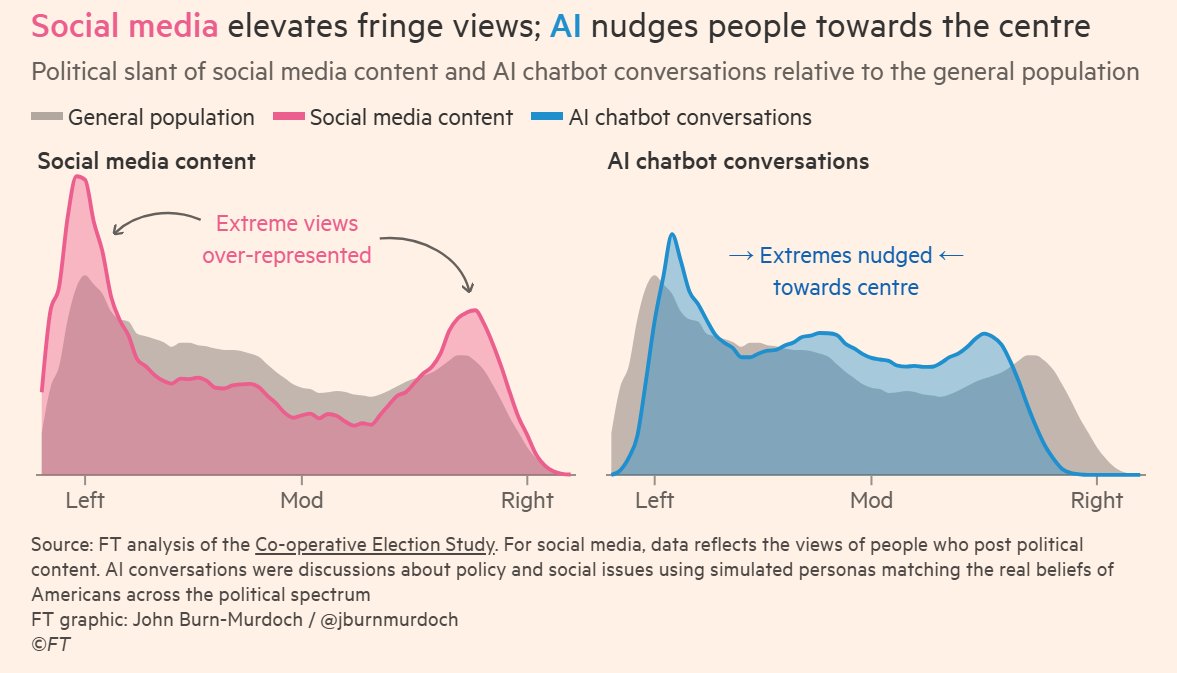
While social media is polarising, evidence suggests AI may nudge people towards the centre.
This holds true of all studied models. Grok is more right-leaning than other models, but also has depolarising effects.
By @jburnmurdoch.
234
1,021
6,146
1,227,558
Brandon Vaidyanathan retweeted

The Survey Experiments for the Scientific Study of Religion (SESSR) is advancing the scientific study of religion and invites proposals from social scientists at any stage. This initiative is supported by the @templeton_fdn. First deadline: June 1, 2026. sessr.org/home
4
9
1,028
Brandon Vaidyanathan retweeted

Mar 24
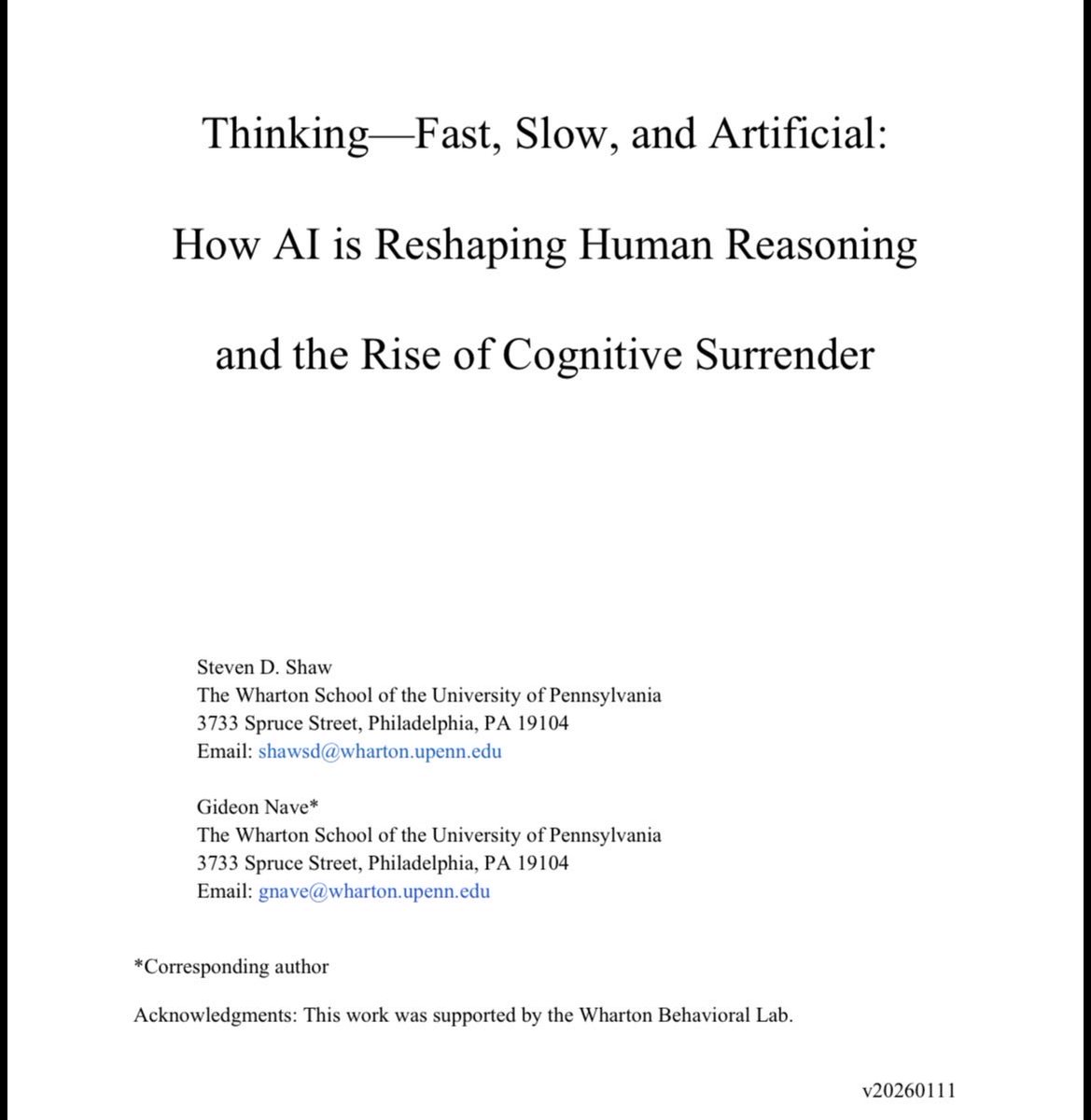
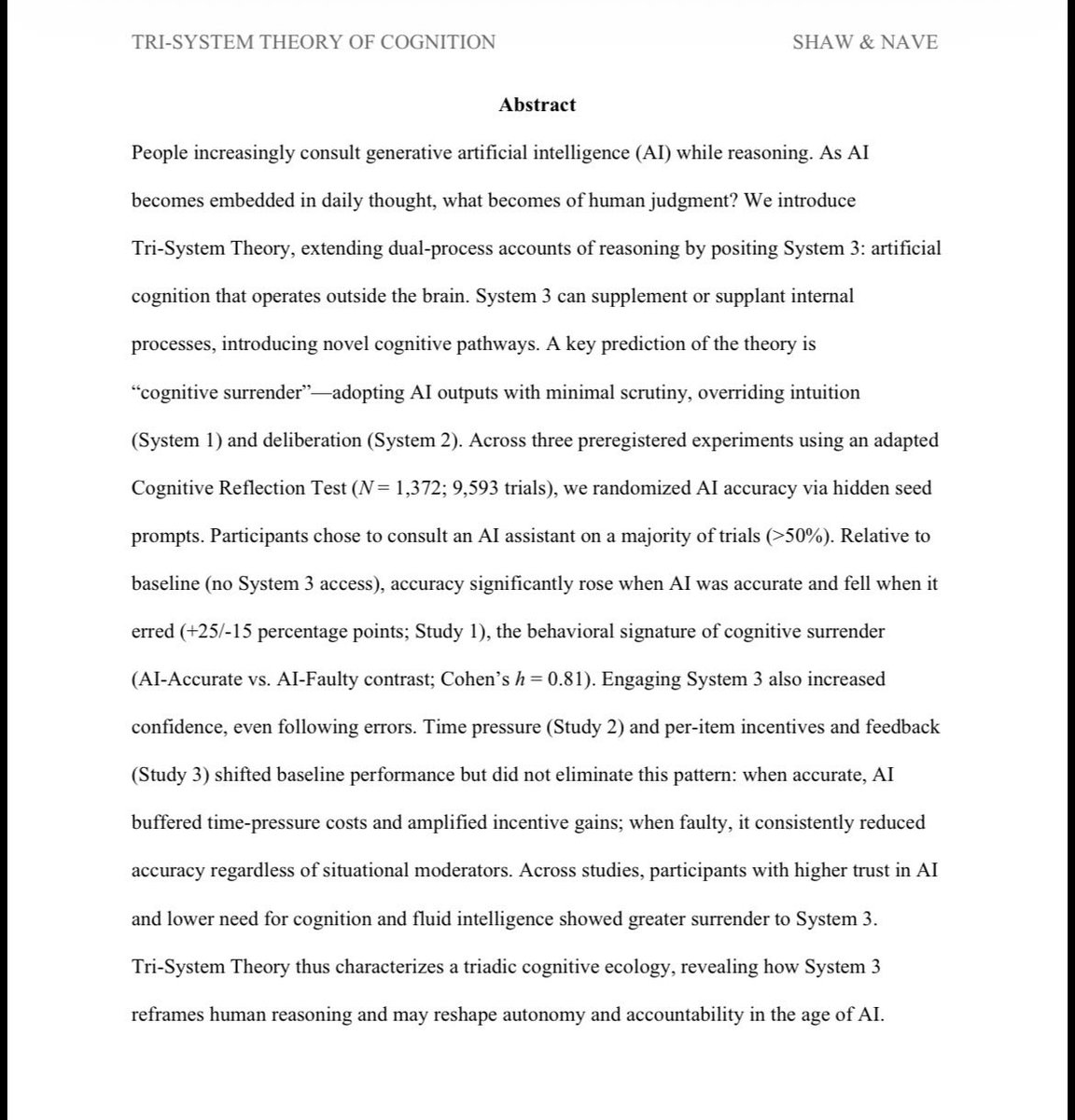
“Cognitive Surrender” - a new study argues that use of AI leads to suspension of human reasoning, not its augmentation. The implication being that over time people will lose their reasoning ability & use AI as its substitute. Download the paper for free here, excerpts & reference below:
papers.ssrn.com/sol3/papers.…
——-
“As people increasingly integrate AI into their decision-making processes, they interact and engage with a cognitive system that can reshape the functions of both intuition and deliberation. For example, System 3 can replace System 1 by offering confident, ready-made answers that preempt the need for intuitive reasoning.” (page 15 of pdf)
“As AI systems increasingly participate in human cognition, a new phenomenon emerges that cannot be explained by traditional concepts such as cognitive offloading or automation bias alone. We define cognitive surrender as the behavioral and motivational tendency to defer judgment, effort, and responsibility to System 3’s output, particularly when that output is delivered fluently, confidently, or with minimal friction. Unlike cognitive offloading, which is typically strategic and task-specific (e.g., using GPS to navigate), cognitive surrender entails a deeper transfer of agency.” (Page 17)
“Access to System 3 outputs significantly influenced accuracy, increasing correct answers when AI was correct, and decreasing accuracy when incorrect. Access to System 3 made decision-makers more confident, despite approximately half of System 3 outputs being incorrect. Finally, users who trust AI more and have lower NFC and fluid IQ were more likely to display cognitive surrender. Whether System 3 was accurate or faulty, its presence displaced internal reasoning.” (Page 27)
“Cognitive surrender was robust across studies.” (Page 42)
“Across our studies, we observe that when System 3 was available, people readily engaged it and frequently adopted its answers. This shift reflects a reallocation of cognitive control rather than mere effort saving. System 3’s fluent, confident outputs are treated as epistemically authoritative, lowering the threshold for scrutiny and attenuating the metacognitive signals that would ordinarily route a response to deliberation. In the case of cognitive surrender, there is a shift in the locus of control, with an external system (System 3) occupying the default position.” (Page 45)
“Time constraints clarify why surrender arises so readily, while incentives and feedback show that surrender is malleable. When decision time is scarce, the internal monitor detecting conflict and recruiting deliberation is less likely to trigger. Hence, the low-friction path to defer to external cognition becomes attractive.” (Page 46)
“Tri-System Theory is not a warning about AI’s dangers but a recognition of System 3’s psychological presence. We do not merely use AI; we think with it. In doing so, we must ask new questions: What happens when our judgments are shaped by minds not our own? What becomes of intuition and effort when a generative, artificial partner stands ready to answer? How do we preserve agency, reflection, and autonomy in a world where users engage in cognitive surrender?”
27
352
907
70,374
Brandon Vaidyanathan retweeted

Mar 24
Famously (there is a beautiful Works in Progress piece on this) in 2016, Geoffrey Hinton told an audience in Toronto that medical schools should stop training radiologists, since AI would soon outperform them at reading scans. Ten years later, there are more radiologists than ever, and they earn more than they did then.
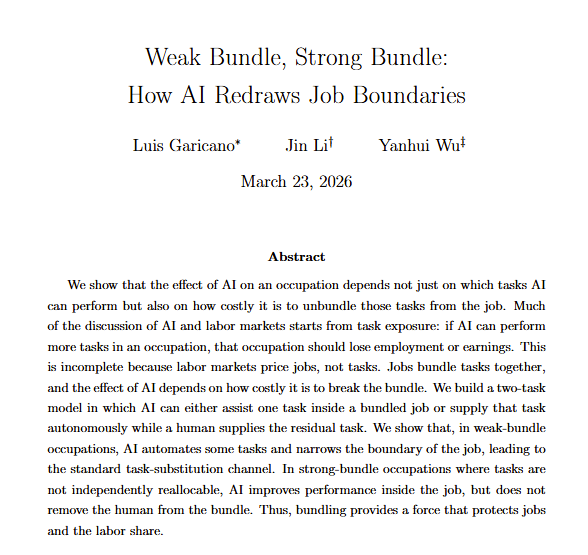
Hinton was right about the task, but he was wrong (so far!) on the future of the radiology profession. Times have never been better for them. The gap between those two claims, the difference between tasks and jobs, is the subject of a paper I have written with Jin Li and Yanhui Wu, and that we release today: "Weak Bundle, Strong Bundle: How AI Redraws Job Boundaries." (Very relatedly we are also finishing the first draft of our book "Messy Jobs" on AI and Jobs!! You will be the first to hear).
We start from the observation that the growing literature on AI and labor markets measures the AI shock by task exposure: people count how many tasks AI can perform in a given occupation AI can perform, and infer that more exposure means more displacement. Eloundou et al. published a paper in Science in 2024 that started this literature, and many follow the same logic. The inference they make is that the more exposed tasks, the worse the outcomes.
This is incomplete, because labor markets price jobs, not tasks. A radiologist does not just sell image classification, but does many other jobs: triages cases, communicates with other physicians, trains residents, makes the difficult decisions, and signs a diagnosis. The market buys a bundled service. The question AI poses is not whether it can do one task inside the bundle. The question is whether that task can be pulled out.
Thread (1/3)
dropbox.com/scl/fo/689u1g785…
44
494
2,059
467,318
Brandon Vaidyanathan retweeted

Mar 18
“Scripted beauty has its place – it helps us stick to shared norms and orders our lives. But if we stop there, we confuse beauty with conformity. We end up wounding those who can’t follow the scripts, and become oblivious to their beauty.” @brvnathan
plough.com/en/topics/life/be…
2
6
486
Brandon Vaidyanathan retweeted

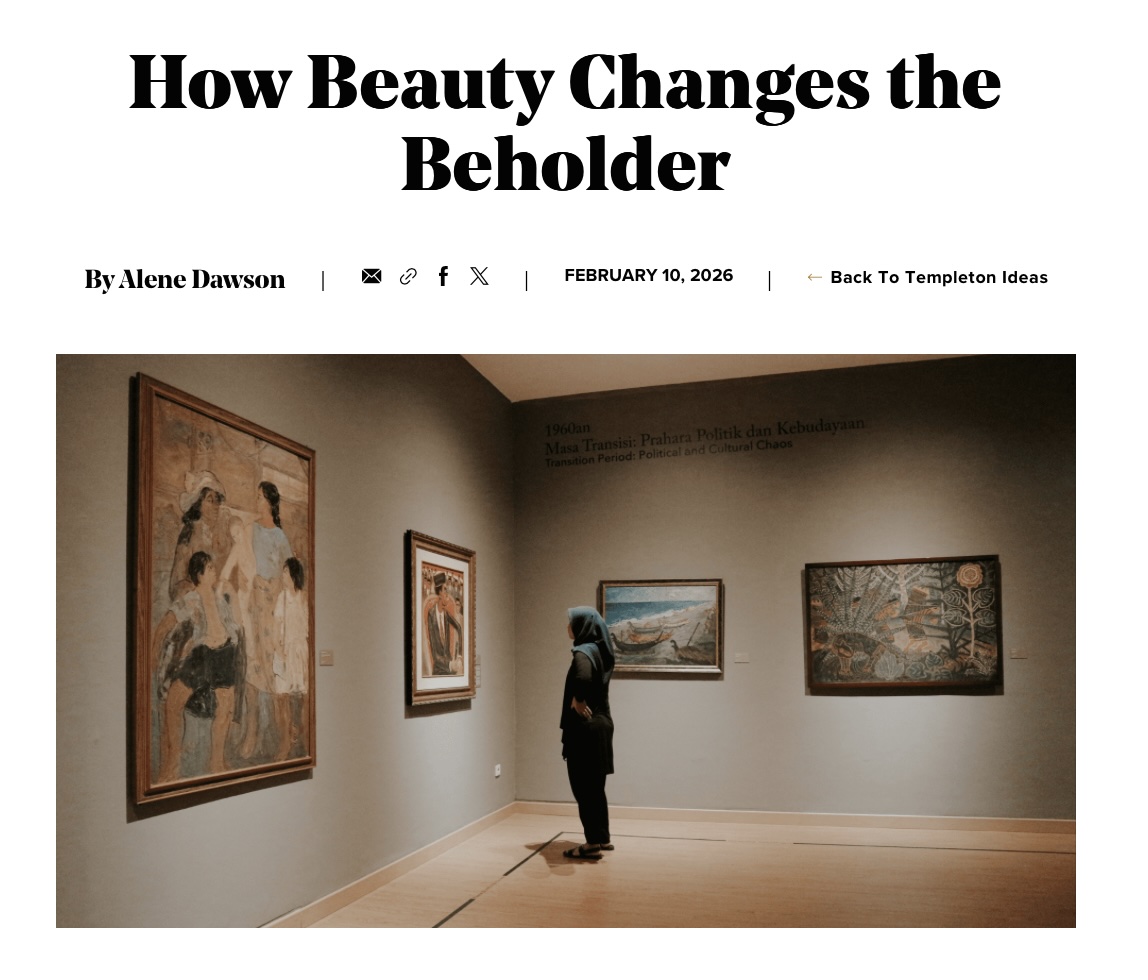
Beauty isn’t just decorative.
It can reshape how we think, perceive, and connect — supporting wellbeing and fresh insights.
New research across neuroscience, psychology, and social science shows that engaging with beauty can widen perspective, reorganize the sense of self, and deepen connection.
I explored this research in a new story for @templeton_fdn:
“How Beauty Changes the Beholder”
With thanks to the researchers whose work helped shaped this reporting:
@SimoneSchnall @Cambridge_Uni
@Anjan435 @Penn
@brvnathan — Institutional Flourishing Lab
Edward Vessel, and others.
#Neuroscience #Psychology #SocialScience #Art #Culture #Beauty #Community #Wellbeing #Nature
1
6
8
1,855
Brandon Vaidyanathan retweeted
Jan 22
“Typically we’re focused on everything that’s wrong and on [all the places] where beauty is absent, but moments of silence in which what it is we yearn for can come to the fore, and also the cultivation of a practice of gratitude, I think that is essential.” @brvnathan
plough.com/en/topics/life/be…
3
4
1,484
Brandon Vaidyanathan retweeted
Jan 20
“I think that beauty is experienced often as a call, as a beckoning, as a summons. The pervasive belief that beauty is in the eye of the beholder suggests to a lot of people that it’s simply something we impose on reality.” @brvnathan
plough.com/en/topics/life/be…
2
3
258
Brandon Vaidyanathan retweeted
Jan 19
A beautiful essay about beauty—the difference between what he called 'scripted' and 'revealed' beauty—by my friend and colleague @brvnathan
plough.com/en/topics/life/be…
1
5
20
2,603
Brandon Vaidyanathan retweeted
Jan 20
“I think about encountering faith, about encountering Christ, as someone who comes unbidden into your life, pulls you out of yourself, allows you to be open to that experience happening through other people.” @brvnathan
plough.com/en/topics/life/be…
2
4
242
Brandon Vaidyanathan retweeted
Jan 14
“Seeing beauty in my mother again is an obligation of attention. It means refusing to make legibility the price of love. It means holding together the facts of her illness and the honor due to her person.” @brvnathan
plough.com/en/topics/life/be…
1
1
257
Brandon Vaidyanathan retweeted
The Institute for Advanced Catholic Studies @IACSUSC invites proposals for an interdisciplinary seminar in June 2026 in Knoxville, exploring authority & co-responsibility in Roman Catholicism.
Applications due January 30, 2025.
sssreligion.org/announcement…
ALT Institute for Advanced Catholic Studies at the University of Southern California, USC campus buildings
1
1
213