
Joined May 2008
- Tweets 28,422
- Following 13,540
- Followers 14,525
- Likes 113,878
318 Photos and videos














Bill Swavely retweeted

It’s simple. How you can help UFO whistleblowers? Just read and then share this article with family and friends.
You can do that. Right now.
🛸🥋🪖🐺⏰
SHARE : dailymail.com/sciencetech/ar…
74
186
601
27,670
Bill Swavely retweeted

Jun 12
USA. A Mexican restaurant. We had not yet ordered anything, and the food was already arriving.
Chips. Salsa. Unrequested. Free.
I stopped the waiter. "We have not earned these."
"They just come with the table, man."
They come with the TABLE. In my land, hospitality is a debt. Every gift creates an obligation, weighed carefully, returned in the proper season with interest of feeling. Here, the gift arrives before you have even proven you can pay for dinner.
This is not an appetizer. This is a declaration: we trust you. Eat.
I ate with the gravity the moment deserved. And then — I must report this calmly — the basket emptied, and a new one appeared.
"Did we…?"
"Refill," the waiter said. "It's bottomless."
Bottomless. They have wells of salsa. The supply lines of this nation are beyond anything my ancestors imagined.
My friend warned me. "Don't fill up on chips, dude."
Too late. I had accepted three baskets. Honor demanded each one be finished — an unfinished gift is an insult. By the time my actual food arrived, I was a ruined man.
I was not hungry. I was not comfortable. I had been defeated by a courtesy.
Generosity that arrives before the request cannot be repaid. It can only be survived.
I know the rule now. I have made my peace with the basket. One basket. Two at the most.
Who am I deceiving. There is no number of baskets I would refuse. The trust of a nation is in that salsa, and I intend to honor all of it.

1,893
16,133
146,489
16,114,267
Bill Swavely retweeted

Jun 12
In order to win the Stanley Cup… the Vegas Golden Knights will have to beat the Carolina Hurricanes in back-to-back games.
The Carolina Hurricanes have not lost back-to-back games since January 13th.
22
99
2,110
56,107
Bill Swavely retweeted

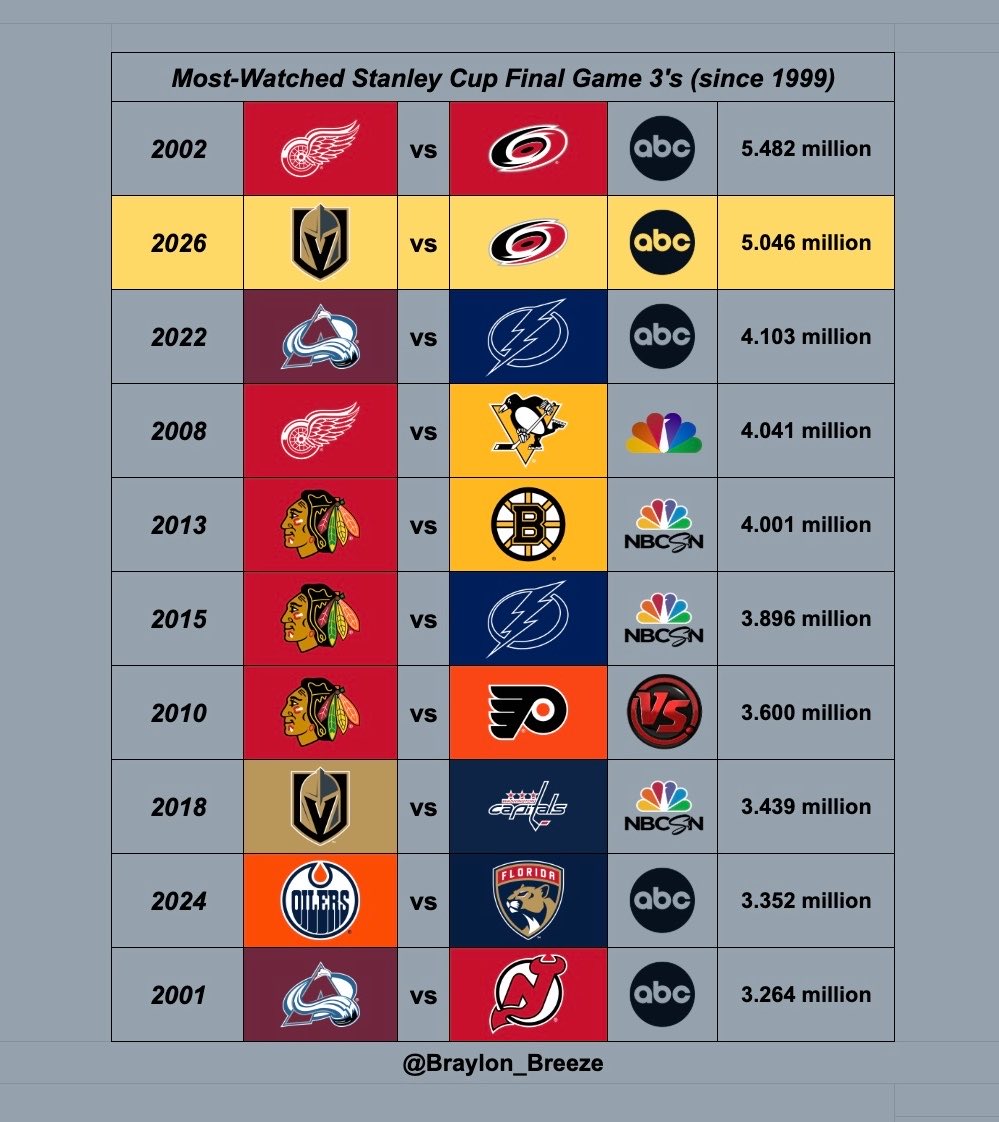
Most-Watched Stanley Cup Final Game 3’s in the United States (since 1999):
50
150
2,446
187,508
Bill Swavely retweeted

Jun 11
🚨: You’re 400 million times closer in size to the observable universe than to the Planck length.
Let that sink in.
183
1,269
7,306
764,998
Bill Swavely retweeted

Jun 10
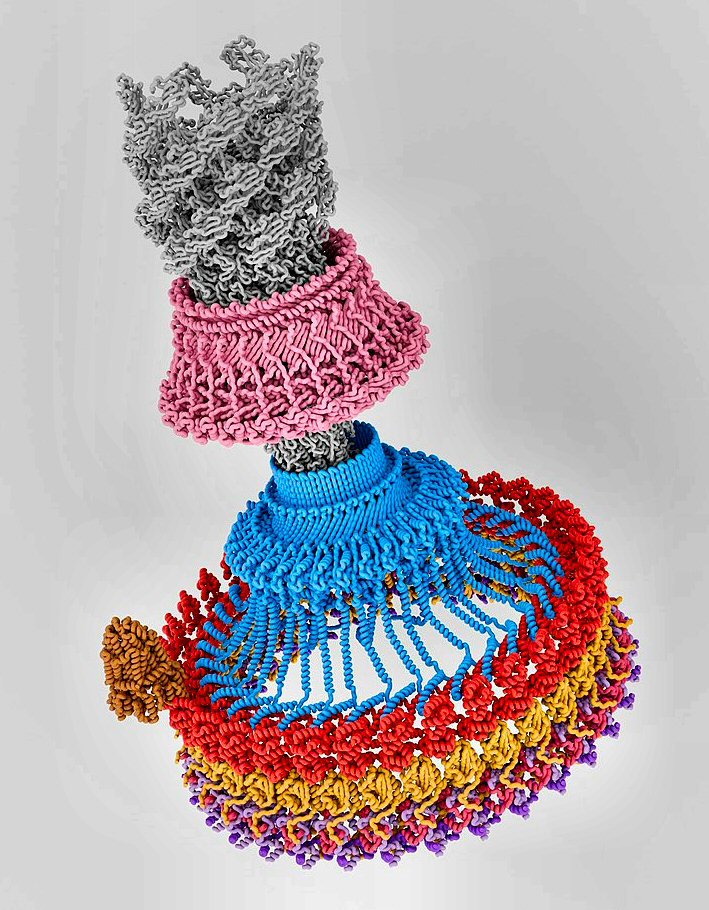
Behold the bacterial flagellar motor assembly. It's amazing to realize that this spontaneously appeared, after billions of years, from the quark-gluon plasma of the Big Bang. The universe somehow taught matter to build nanoscale engines.
Figure source: tinyurl.com/5xyvajcw
10
15
115
3,589
Bill Swavely retweeted

Jun 10
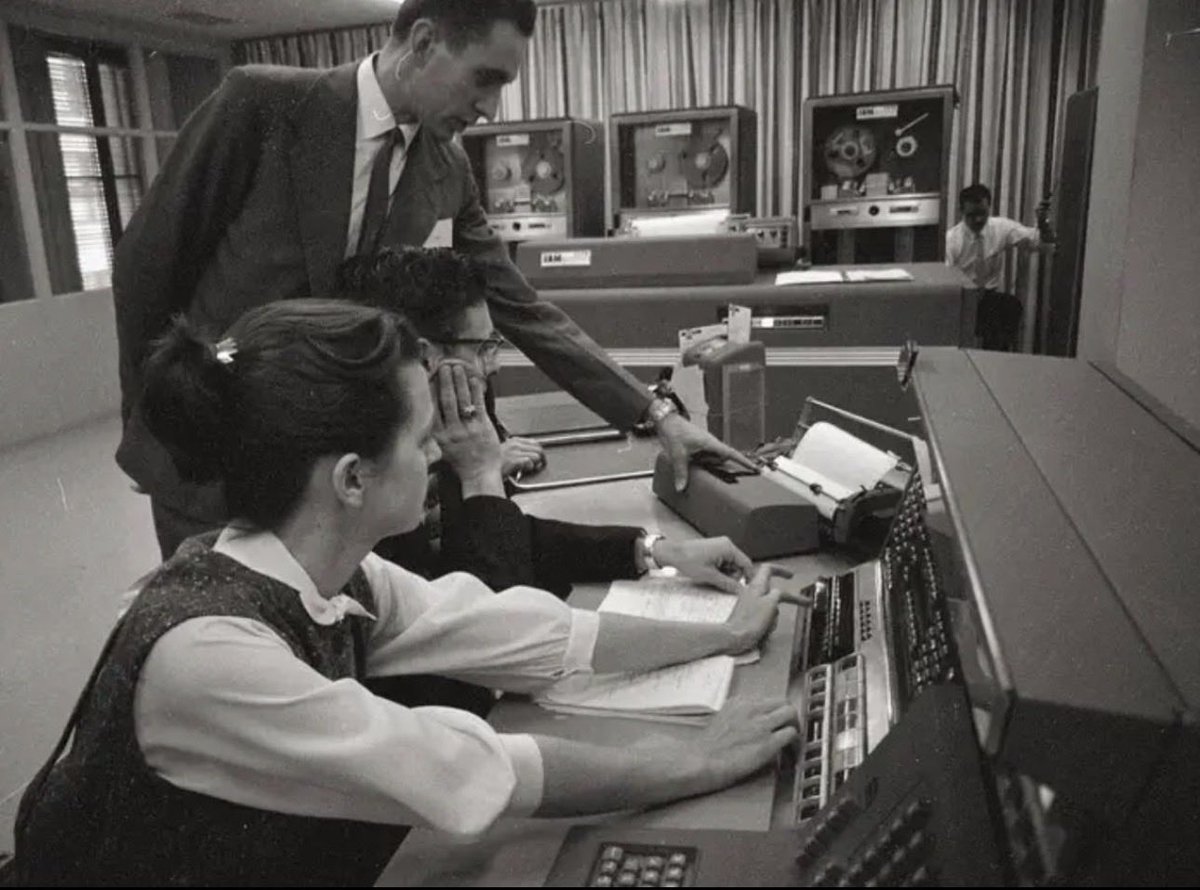
MIT builds electro-floating fiber muscles to simulate muscle movement as opposed to servo motors.
This vastly reduces space needed and energy utilization.
The debate between pneumatics vs. servos has been a long one, this may have ended it.
14
50
259
9,743
Bill Swavely retweeted

Jun 9
It’s been 4.5 months since @WestJet destroyed our luggage. Still no reimbursement, no accountability, endless delays, radio silence.
This is what happens when airlines (& countries) embrace mediocrity over results.
Is this the service everyone can expect with WestJet?
Or do you just hate Americans exclusively?
13
6
24
4,856
Bill Swavely retweeted
Jun 10
Psilocybin Shows Promise in Temporarily Restoring Functions in Advanced Alzheimer’s Disease.
New Case Report Reveals
In a striking case that challenges long-held assumptions about the irreversibility of advanced neurodegeneration, an 80-year-old woman with severe Alzheimer’s disease experienced significant, though temporary, improvements in speech, memory, mobility, and daily functioning after receiving a high dose of psilocybin-containing mushrooms.
The woman, who had lived with Alzheimer’s symptoms for nearly a decade and had been largely silent and dependent on caregivers for the past five years, received a supervised 5-gram dose of psilocybin mushrooms (Enigma strain) in Brazil.
Within about 19–20 hours, she began speaking in full sentences, recalling detailed personal memories, regaining bladder control, dressing herself independently, and engaging socially with eye contact and emotional responsiveness.
These gains persisted for weeks, allowing her to walk with greater agility, retrieve contextual memories, and participate in conversations.
A follow-up 3-gram dose further enhanced effects, including moments of humor and vivid recollections, such as describing surfing with her son.
The improvements were not permanent and eventually faded, but the case suggests that in advanced Alzheimer’s, some cognitive and functional abilities may not be entirely erased by neurodegeneration but could instead be rendered inaccessible—potentially “unlocked” through mechanisms like psilocybin’s effects on neuroplasticity, serotonin receptors, and brain network connectivity.
Details from the Case Report
Published in Frontiers in Neuroscience, the exploratory observational case report details the woman’s journey under careful medical supervision.
Researchers noted initial effects including agitation and a prolonged sleep-like state, followed by the remarkable functional revival. No brain imaging confirmed structural reversal of Alzheimer’s pathology, and the authors emphasize this is a single case, not evidence of a cure.
However, it highlights psilocybin’s potential to promote transient multidomain recovery even in late-stage disease.
Broader Context and Implications
Alzheimer’s disease currently affects millions worldwide, with limited treatments that slow progression but do little to restore lost abilities in advanced stages. Psychedelics like psilocybin have gained attention for their roles in promoting brain plasticity and treating conditions such as depression and PTSD.
This case adds to emerging discussions about their possible applications in neurodegenerative disorders.
Experts caution that larger, controlled clinical trials are essential to verify safety, efficacy, optimal dosing, and long-term outcomes. Factors such as individual variability, potential risks in elderly patients, and the need for supervised settings must be addressed.
Still, the report fuels optimism that some dementia-related deficits could be more reversible than previously thought.
And most importantly, there is a strong reason to test this with loved ones under medical support than not as the prognosis could not be worse.
As research into psychedelic medicine expands, this case stands as a compelling call for further investigation into how compounds like psilocybin might one day complement existing Alzheimer’s therapies.

24
65
346
16,442
Bill Swavely retweeted

Jun 8
🚨PHYSICS NEWS🚨: Scientists Finally Complete Schrödinger’s 100-Year-Old Color Theory — Uniphics Reveals the Deeper Structure Behind Perception 🧨
On June 7, 2026, researchers at Los Alamos National Laboratory announced that they have finally resolved a long-standing problem in Erwin Schrödinger’s 1920s theory of color perception. Their work shows that the way humans experience qualities like hue, saturation, and brightness is not arbitrary but emerges directly from the mathematical structure of color space itself.
**Uniphics provides a natural explanation for why color perception has such a precise underlying geometry.**
In Uniphics, what we experience as color ultimately arises from how light (electron spin waves) interacts with matter within the ξM-field. When light encounters different materials, the spin-wave patterns are modified in specific ways depending on the local energy density and the arrangement of Gyrotrons in the material. These modifications create distinct interference patterns that our visual system then interprets as different colors.
The fact that color perception follows clean mathematical rules — as Schrödinger suspected and Los Alamos researchers have now confirmed — makes sense in Uniphics because the underlying spin interactions and energy density gradients are themselves highly structured. Negentropy favors organized, low-energy configurations, which leads to consistent and predictable ways that spin waves are altered by different materials. This produces the orderly geometry of perceived color space rather than random or chaotic sensations.
In this view, the mathematics of color is not just a useful model — it reflects real physical organization in the ξM-field. The qualities we perceive as color are downstream effects of how spin waves propagate and interfere under varying energy density conditions.
This breakthrough in understanding color perception is another example of how fundamental organizing principles can explain phenomena that once seemed mysterious or purely subjective.
Could many other aspects of human perception ultimately trace back to the same energy density and spin-wave dynamics that govern the physical world?
**A Theory of Everything should be able to answer everything.**
Uniphics Explained Simply PDF: uniphics.com/wp-content/uplo…
Chapters 1–10 free: uniphics.com/gallery/
Grokipedia: grokipedia.com/page/Uniphics
#Uniphics #TheoryOfEverything #ColorPerception #Physics #LosAlamos @grok @xAI
23
115
535
38,334
Bill Swavely retweeted

Jun 7
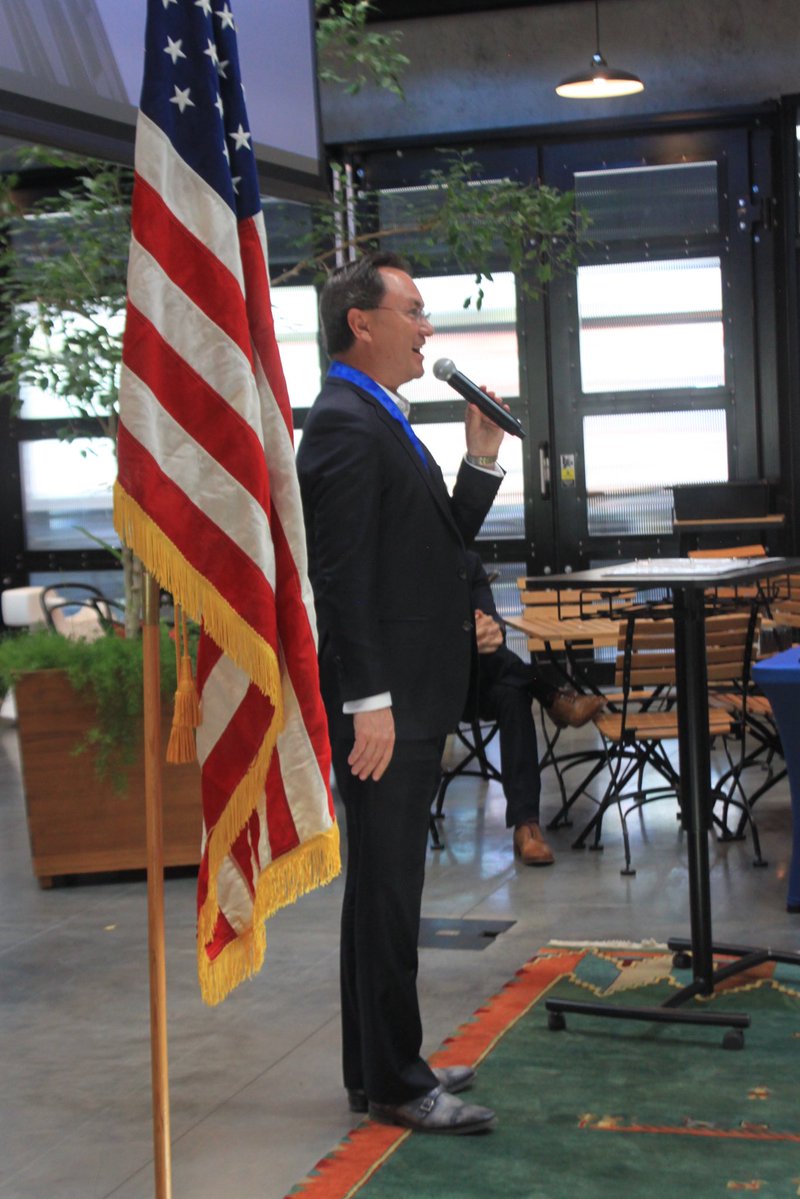
Scouting helped prepare me for life. I was honored to share my experiences at the National Eagle Scout luncheon alongside combat veteran Major Mike Perkins — a highly decorated Special Forces Green Beret, paratrooper, and fellow Eagle Scout. His story was truly inspiring!


28
14
280
6,961
Bill Swavely retweeted

Jun 7
There are only 236 of them left on Earth. Every single one has a name.
The kākāpō is the world's heaviest parrot - a mossy green, owl-faced bird the size of a small dog that cannot fly, may live to 90 years, and only breeds every 2 to 4 years when New Zealand's rimu trees produce enough fruit to trigger the urge.
Rats. Cats. Stoats. Humans clearing forests. The kākāpō never evolved to outrun any of them.
By 1995, 51 birds remained. Scientists, rangers, and Ngāi Tahu - the Māori people who have always known this bird as taonga, a treasure—evacuated every last one to predator-free islands.
Each bird got a transmitter. Each nest watched around the clock.
This past February 14th, the first kākāpō chick in four years hatched. They named her Tīwhiri. By spring, 59 chicks had been born.
236 birds. Every name known. Every nest watched.
Who's counting down the days until the rimu trees fruit again? 🦜
#DemsUnited #Nature
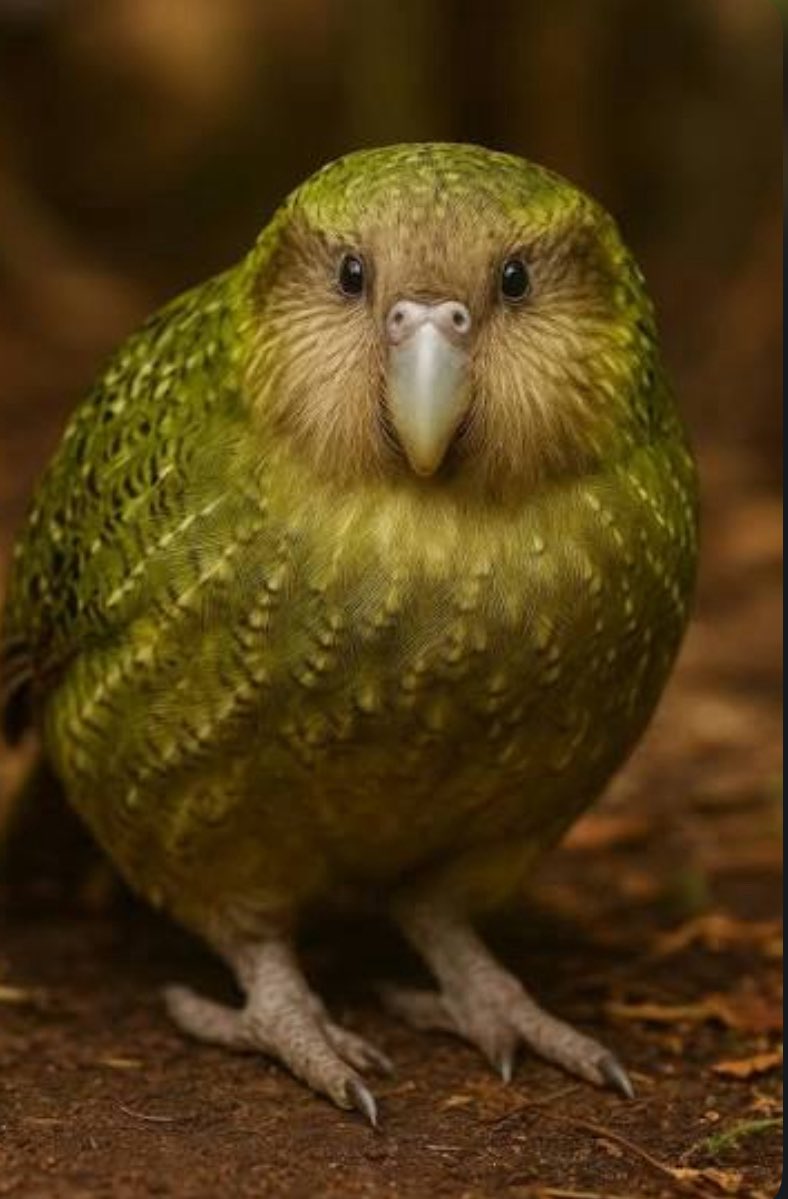
ALT A critically endangered kakapo parrot stands on a forest floor, facing the camera. The large flightless bird has mottled green and yellow feathers, a rounded body, and a pale owl-like face with a curved ivory beak. Its curious expression and distinctive appearance highlight one of the world’s rarest parrots.
93
1,948
6,229
62,895
Bill Swavely retweeted

UFO whistleblower Dylan Borland stood under a 100 foot silent triangle UFO near a NASA hangar at Langley AFB and testified before Congress that the craft was coated in a fluid, dynamic material unlike anything he could describe.
"I have direct firsthand knowledge and exposure to crash recovery reverse engineering integration of technology into [REDACTED] as well as the most important piece of technology on the planet and it's not the craft themselves."
Episode with Jeremy Corbell out tomorrow. Out now for members.
118
245
2,180
186,863
Bill Swavely retweeted

Jun 6
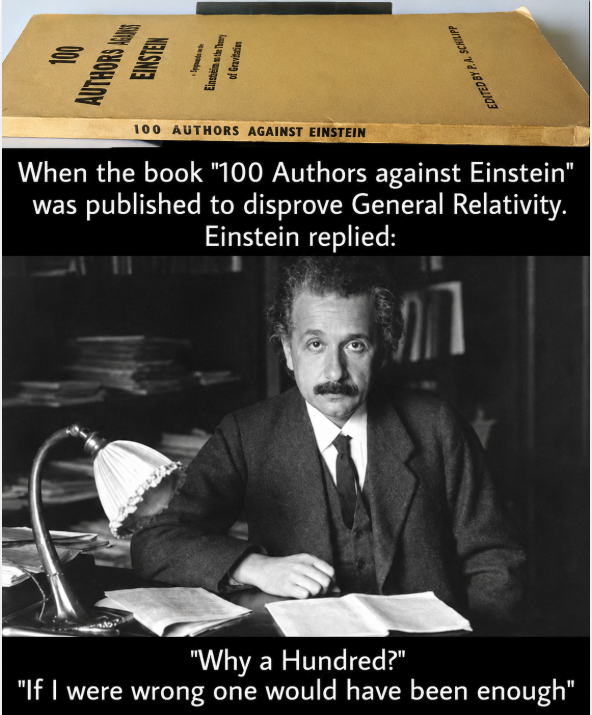
Einstein was far more than just a mathematical genius
30
140
1,234
27,134
Bill Swavely retweeted
Jun 6
Heard Of Skara Brae?
You should have as it changes history.
In 1850, a farmer discovered a hidden village.
Later, it was found to be older than the Great Pyramid of Egypt.
Archaeologists estimate that the village was home to about 100 people.
The village was known as "the Pompeii of Scotland," or Skara Brae. The houses were connected by tunnels, and each house was sealed off with a stone door.
An ancient site on a small island in the Atlantic Ocean, north of Scotland, remains shrouded in mystery to this day.
Overlooking Skyle Bay on the Mainland Island, the largest of the Orkney Islands in the North Sea, once stood the Neolithic settlement of Skara Brae.
According to archaeologists, this settlement consisted of about 10 houses and is believed to have been inhabited by ~3100 BC or perhaps a 1000 years or more earlier.
This represents what may become an even larger site spanning dozens of locations.
Now you know.

73
275
1,926
134,223
Bill Swavely retweeted

We just had multiple members resign for ethics issues/public corruption. Other members are now under investigation and this is the guy the Democrat party wants to be in Congress? Graham Plantner?
@SenSanders @SenWarren what are you doing? Rescind your endorsements.
• Bragged he’d rape a man breaking into his ex-girlfriend’s apartment: “I would rape them to show I’m dominant.”
• Asked “Why don’t Black people tip?”
• Called rural Maine voters “racist and stupid.”
• Supported ACAB and said “Fuck these cops.”
• Called himself a communist and pushed armed political violence.
• Blamed rape victims: “Take responsibility… don’t get so fucked up.”
• Got a Nazi SS-style skull tattoo.
• Mocked a wounded Purple Heart soldier as a “dumb motherfucker who didn’t deserve to live” and called Army soldiers “fat lazy trash.”
723
3,092
9,384
110,656
Bill Swavely retweeted

Jun 4
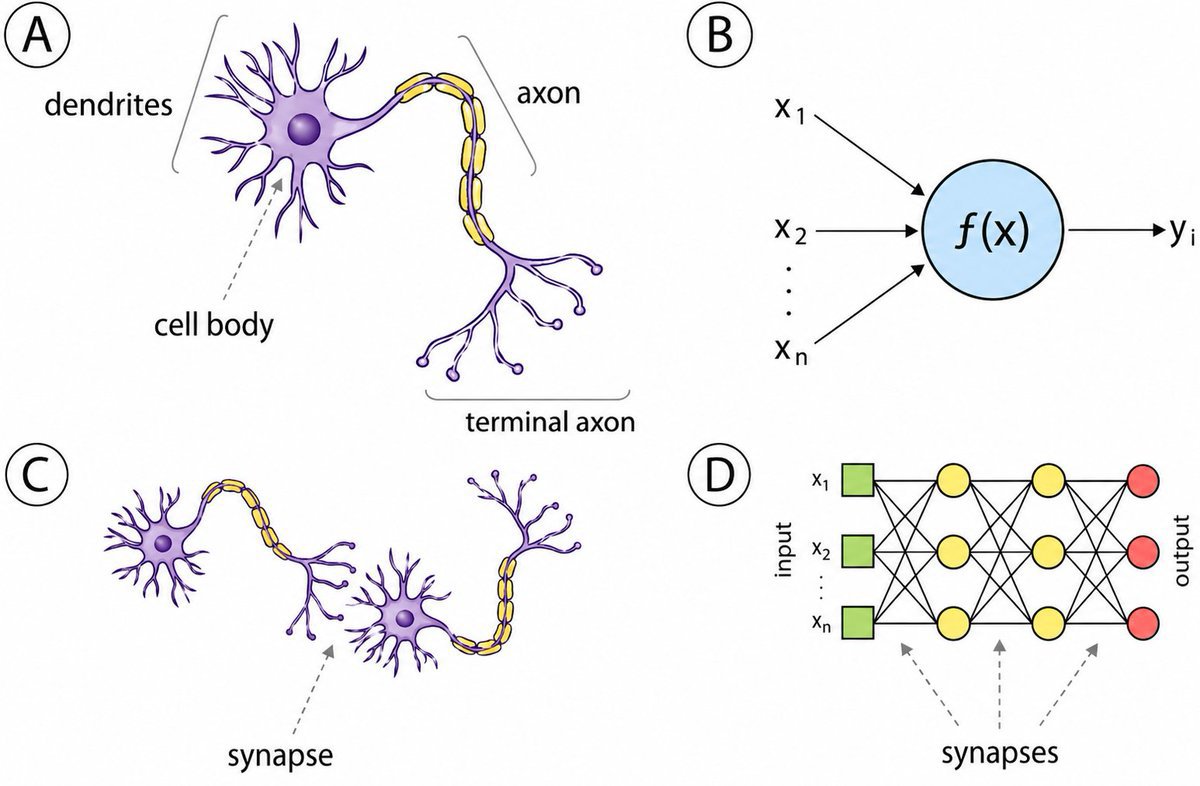
From brain cells to smart machines:
Biological and artificial neurons compared.
(A) Neuron anatomy: dendrites, cell body, axon, terminal axon.
(B) Artificial neuron model with inputs x₁ to xₙ processed via f(x) into output yᵢ.
(C) Synapse between neurons.
(D) Multilayer neural network with inputs, hidden layers, outputs, and synapses.
In real life, this concept powers AI applications like recommendation systems, self-driving cars, and medical diagnostics.
2
34
161
4,524
Bill Swavely retweeted
Jun 4
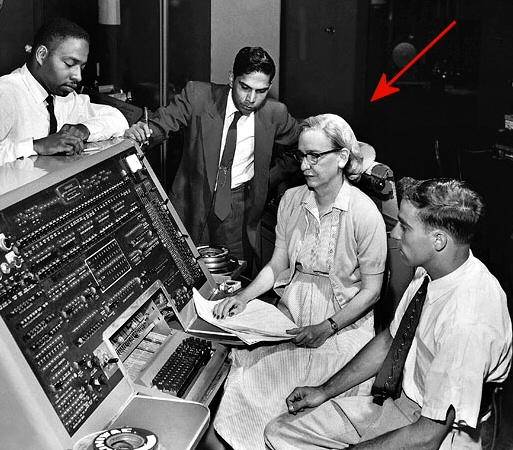
This is Grace Hopper (1906–1992). She was a computer scientist, mathematician, and United States Navy rear admiral.
COBOL was designed in 1959 by CODASYL and was partly based on the programming language FLOW-MATIC designed by Grace Hopper.
Image: tinyurl.com/444nfx67
3
27
86
4,871
Bill Swavely retweeted
Jun 3
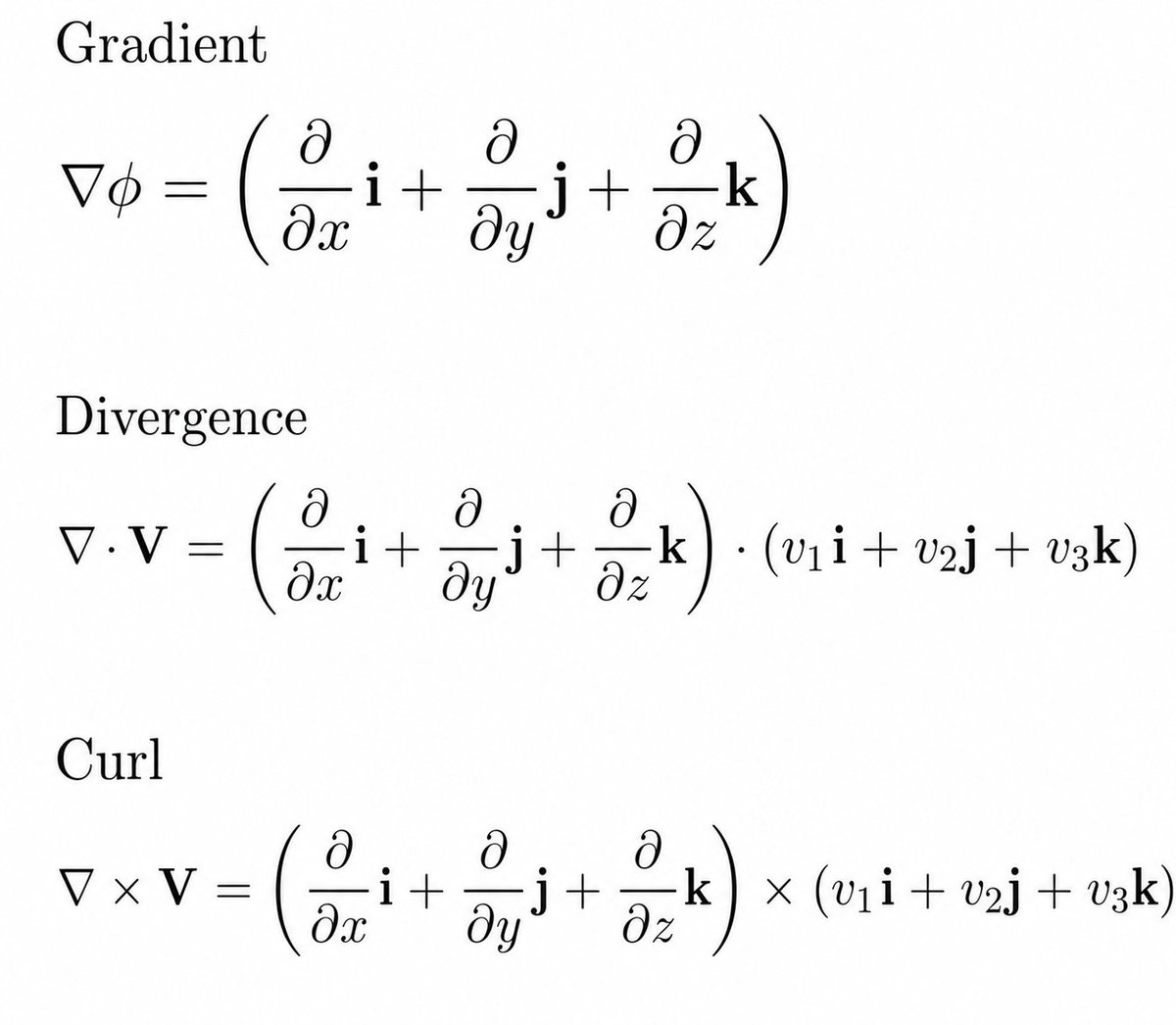
Vector calculus in its purest form: the gradient, divergence, and curl.
These three operators are the language we use to describe how fields change in space. The gradient shows the direction and rate of steepest increase for a scalar like temperature or pressure. Divergence tells us whether a vector field is spreading out or squeezing in, exactly what you need for fluid flow or electric fields. Curl captures the local rotation or swirling motion inside the field, the reason magnetic fields form loops around currents and why vortices appear in rivers or air.
From weather modeling and aerodynamics to Maxwell’s equations and optimization algorithms, these are the tools that turn raw math into real-world predictions.
11
82
482
10,092