The official Twitter feed of the BU Chobanian & Avedisian School of Medicine Chronic Traumatic Encephalopathy (CTE) Center & UNITE Brain Bank #BUCTE
Joined January 2022
- Tweets 2,363
- Following 815
- Followers 1,646
- Likes 2,011
1,233 Photos and videos


Pinned Tweet

17 Oct 2024
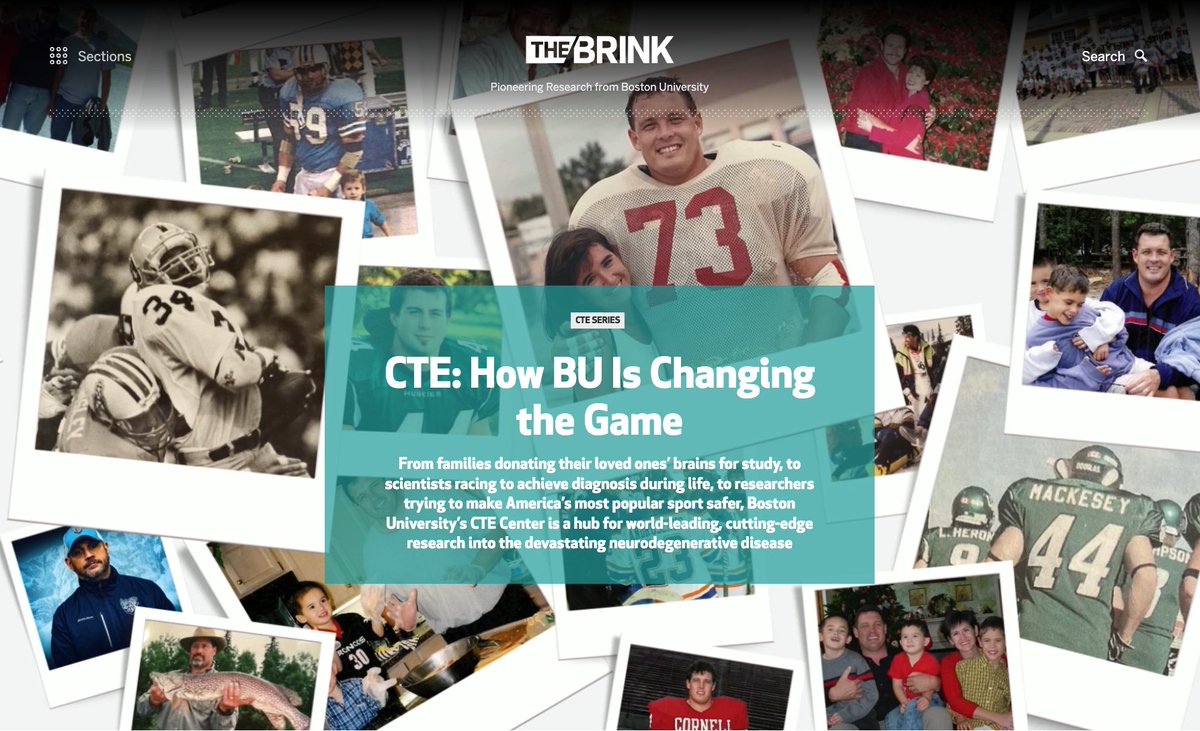
Thank you to @BU_Tweets and @BUexperts for the new series “CTE: How BU Is Changing the Game.” We are grateful for the opportunity to share a more in-depth look at our research and the work that our team does everyday. And most of all, we are grateful to highlight the critical role of our brain donor families who generously and bravely contribute to this work and continue to share their stories. It is an honor to work with these families and our work is not possible without each and every one of them.
We look forward to sharing more as we work toward new milestones and research achievements.
Stay tuned to learn more and you can check out the five-part series now at: bu.edu/brink/series/cte-how-…
2
2
10
4,409
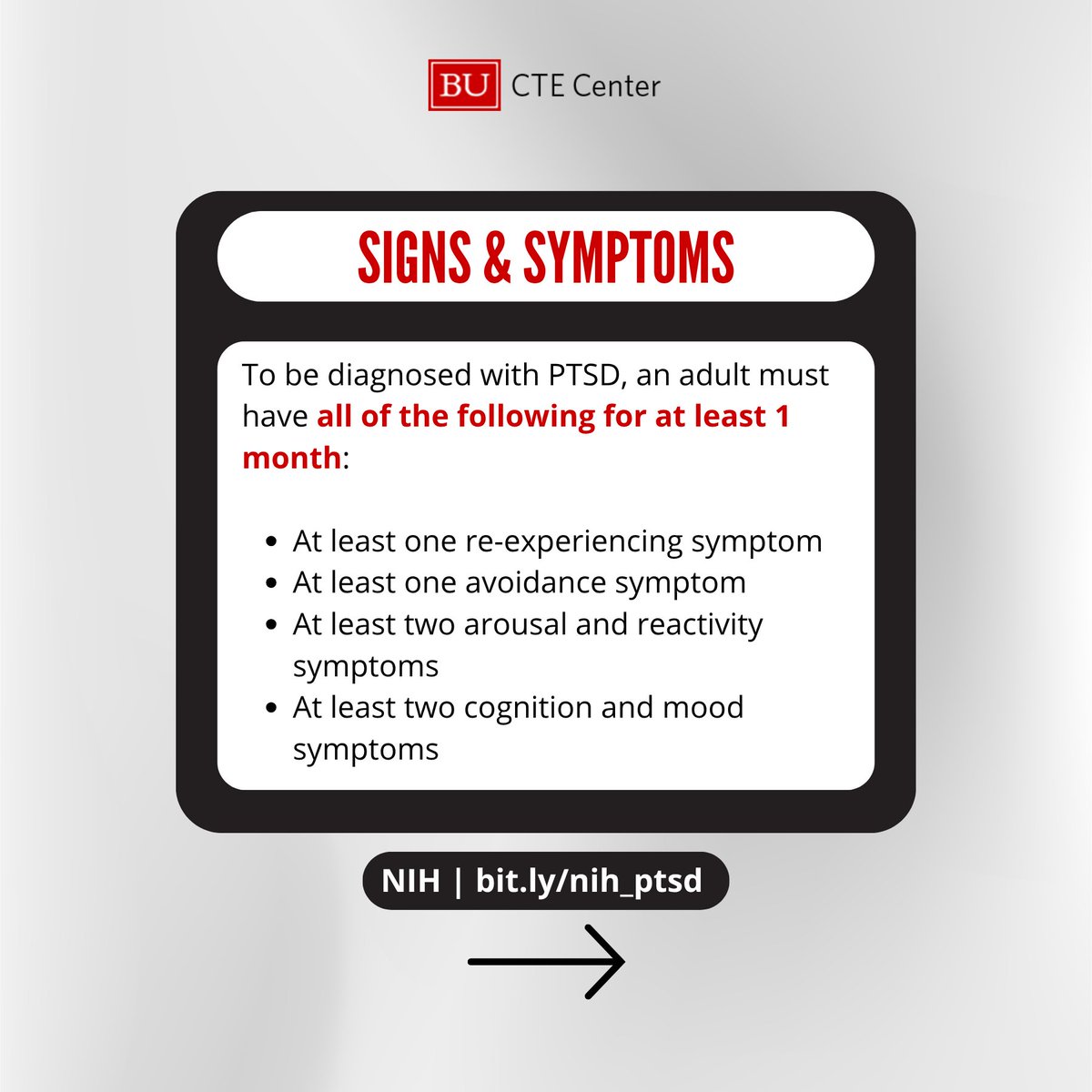
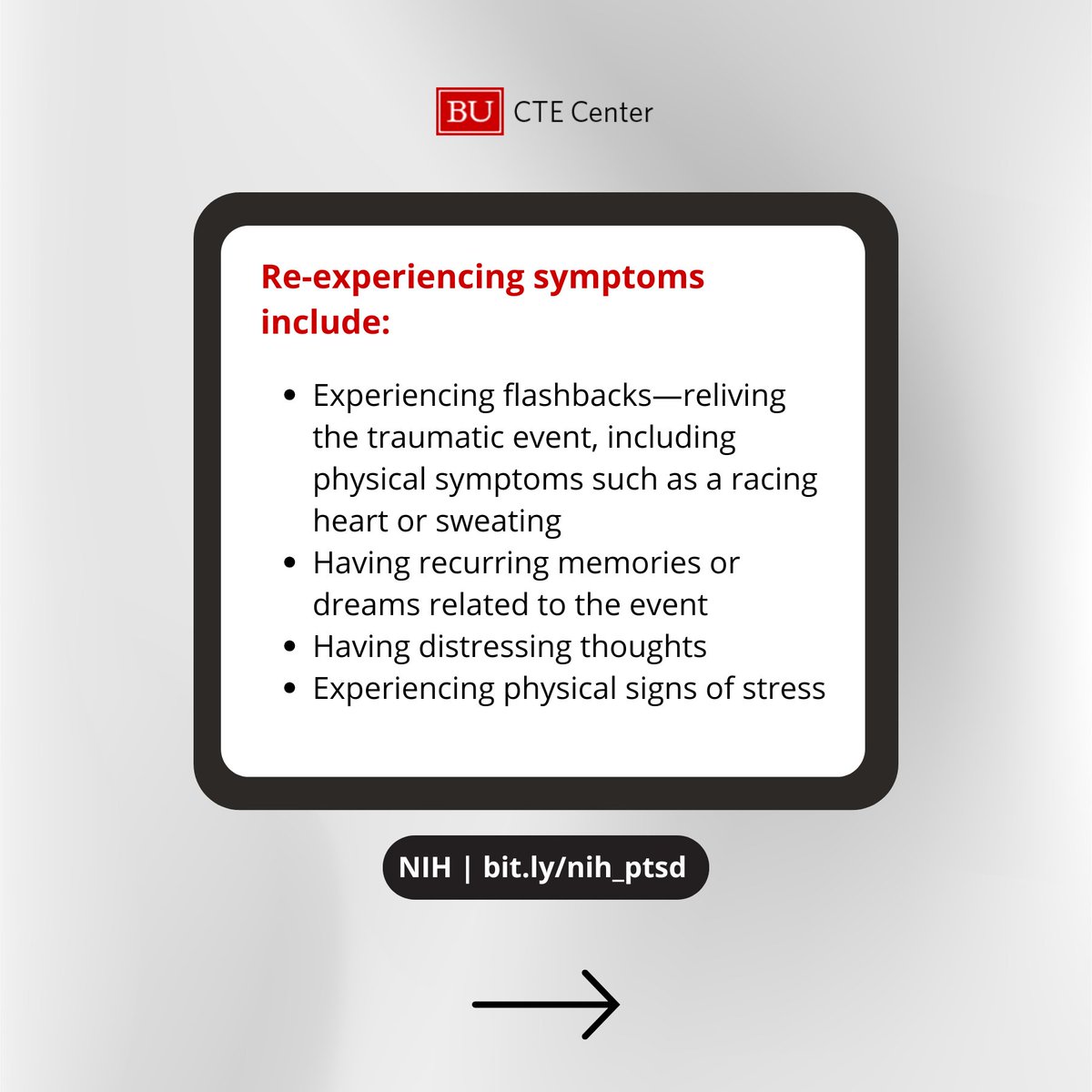
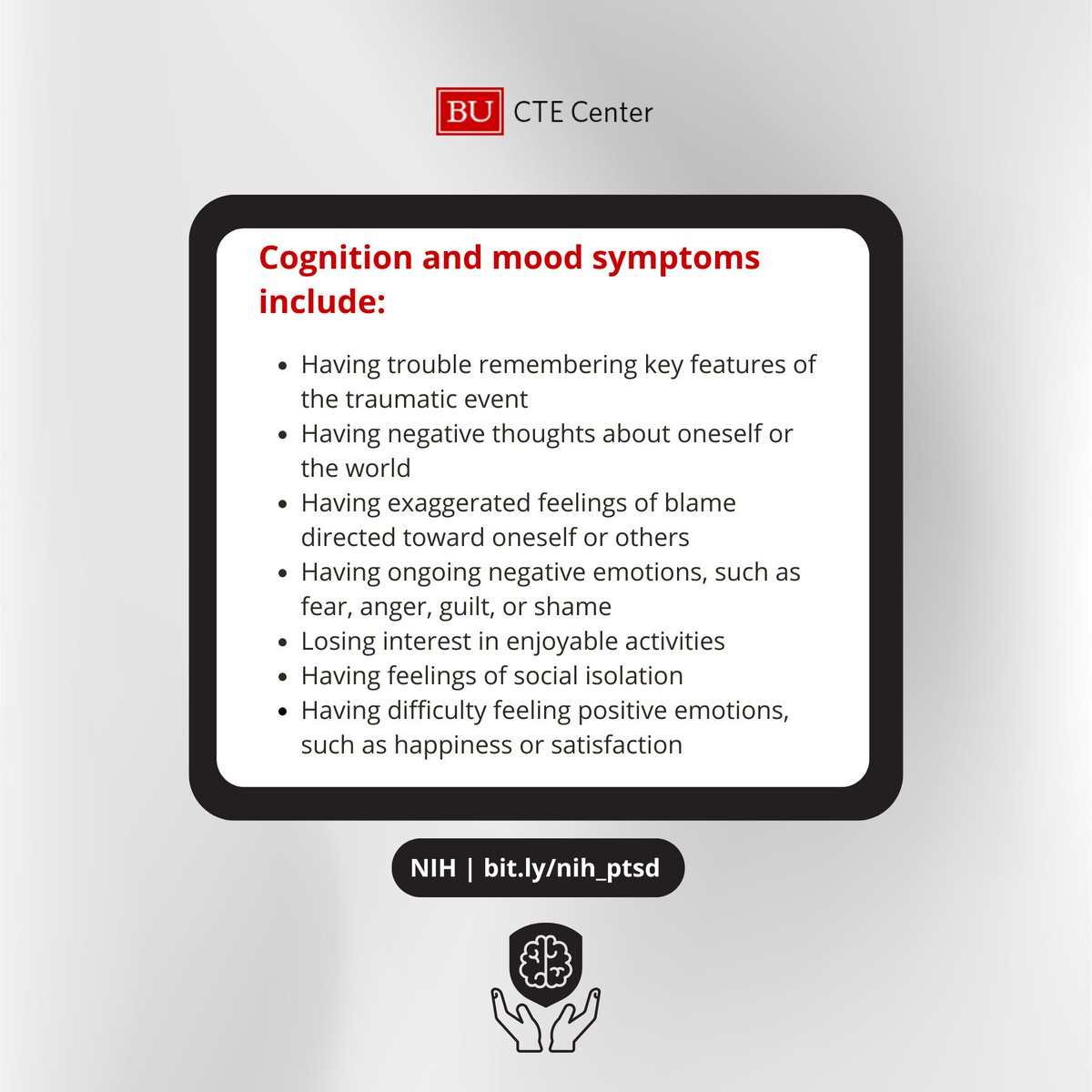
Let's learn more about the signs and symptoms of post-traumatic stress disorder during #PTSDAwarenessMonth.
46
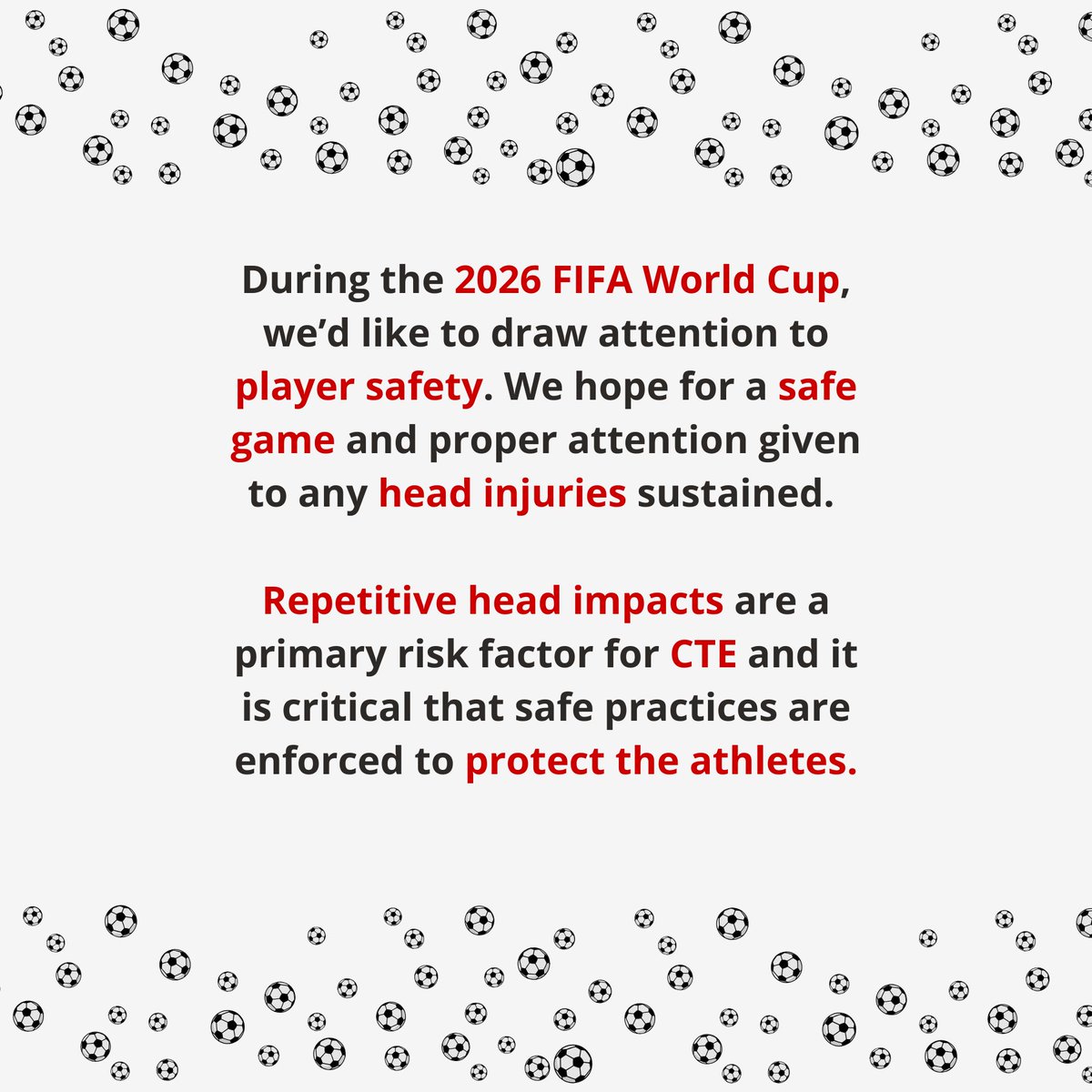
As the FIFA World Cup 2026 matches begin today, we hope that all the participating players stay safe out there. To learn more about the potential dangers of contact sports, visit bu.edu/cte
81
June is National PTSD Awareness Month. Follow along with us this month to learn more about PTSD and its connection to CTE and the veteran community.
1
2
73
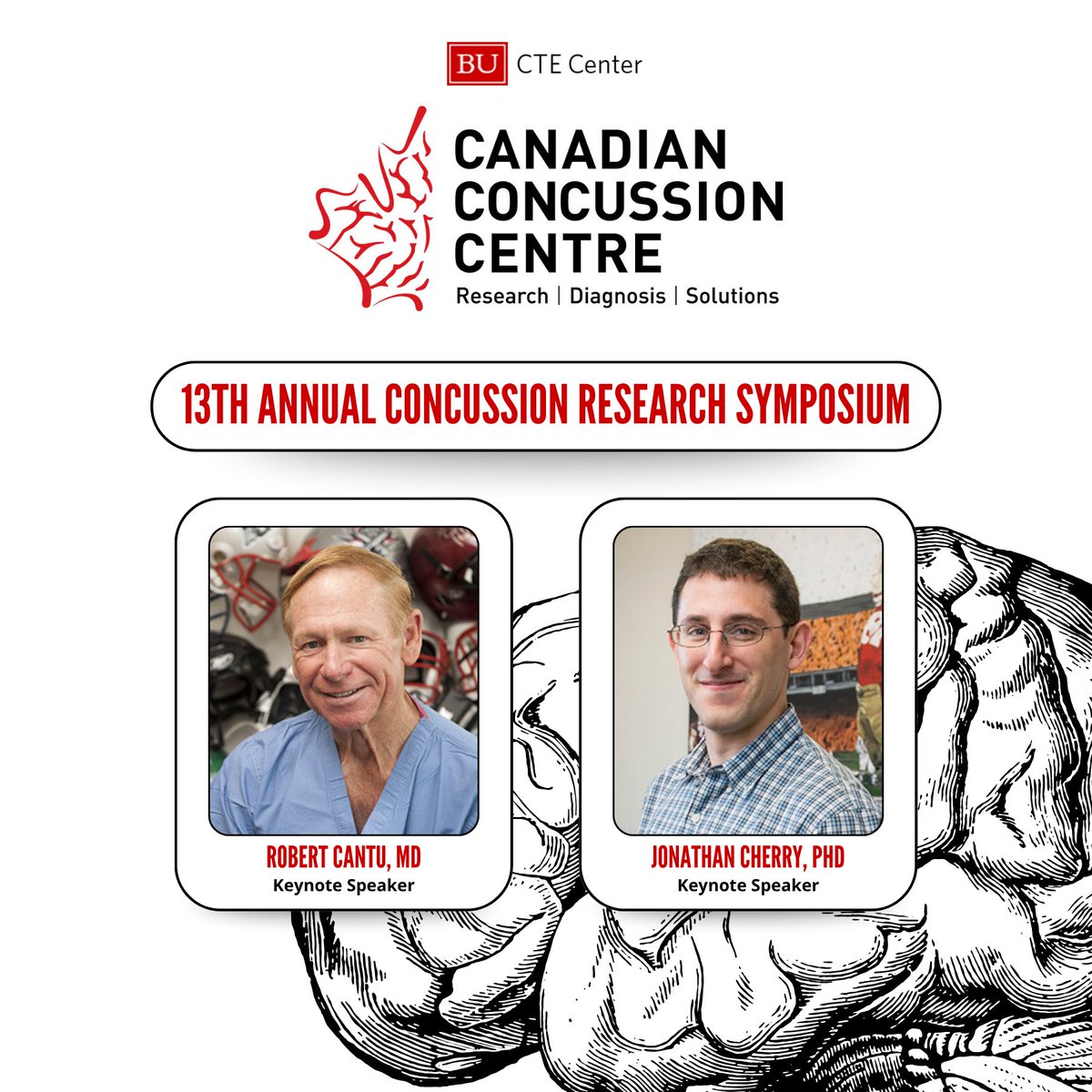
Today, two of the BU CTE Center’s very own, Robert Cantu, MD, and Jonathan Cherry, PhD, joined the Canadian Concussion Centre’s 13th Concussion Research Symposium as keynote speakers, speaking to researchers and clinicians from across the concussion and brain injury specialty.
67
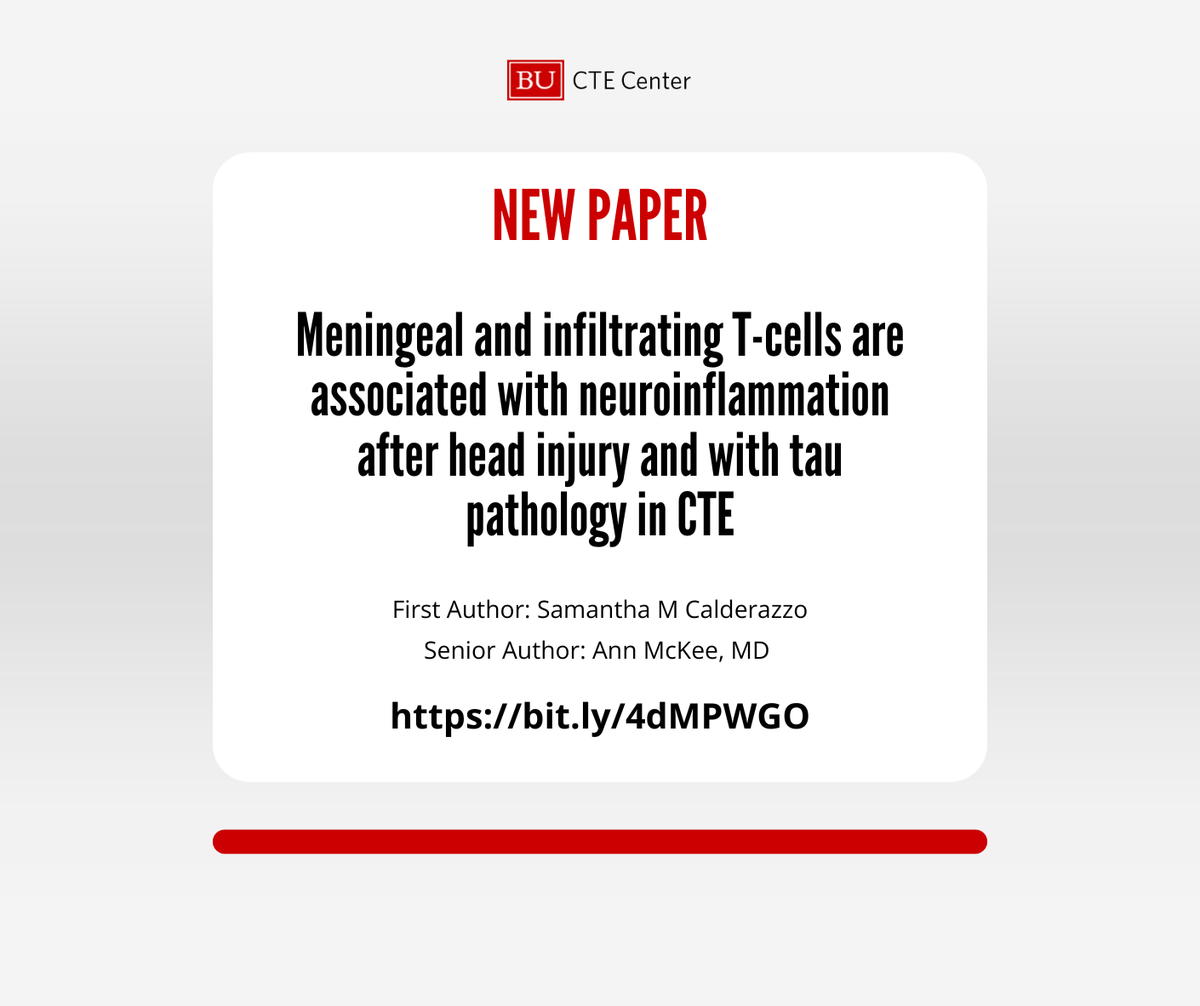
A new study from the BU CTE Center identifies T-cell mediated immune response as a potential key factor in CTE-related neurodegeneration. Learn more at the link here: bit.ly/4dMPWGO
3
75
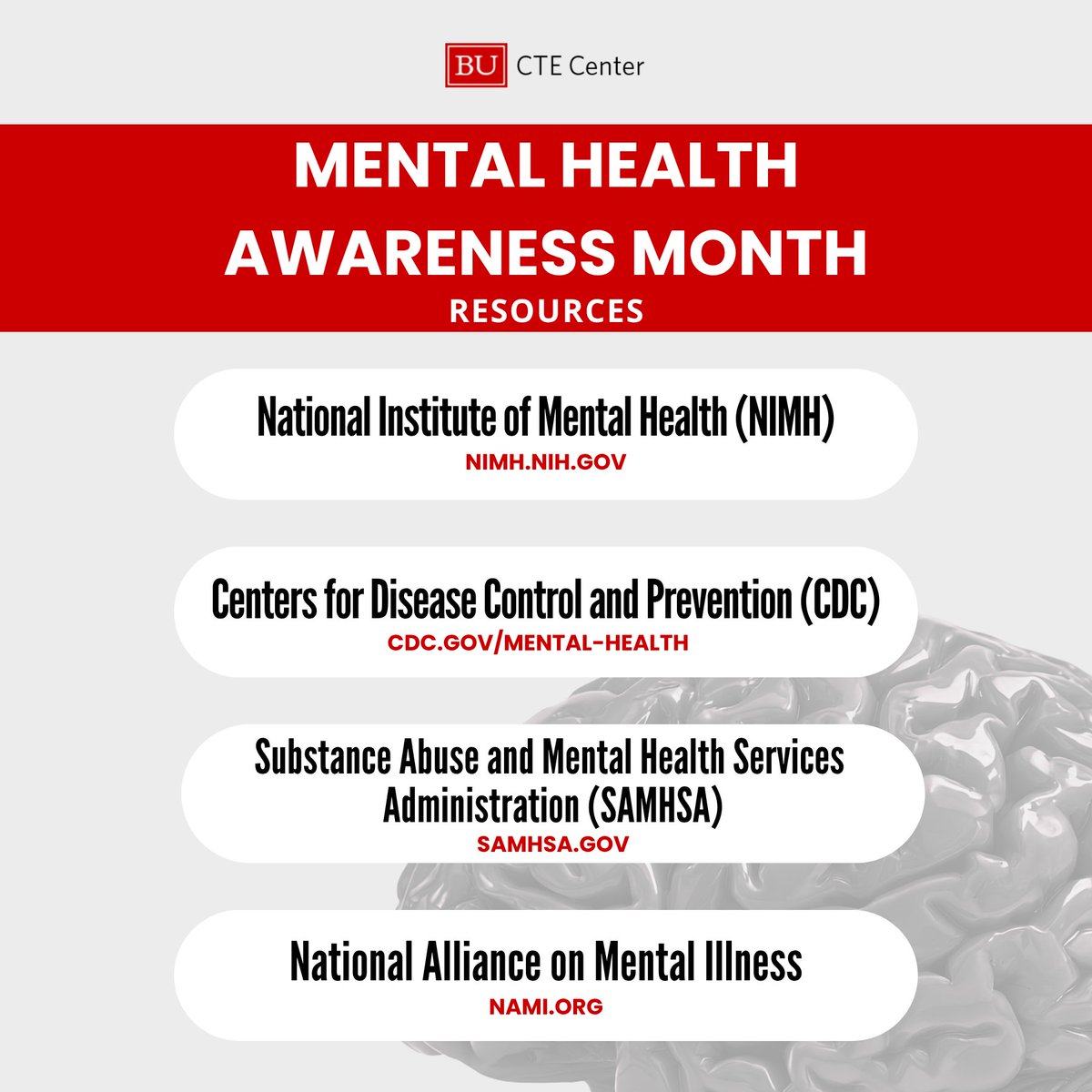
The month of May is Mental Health Awareness Month and individuals living with CTE may struggle with mental health symptoms. Visit the Resources page on our website or visit: bit.ly/bucte_resources
1
3
991
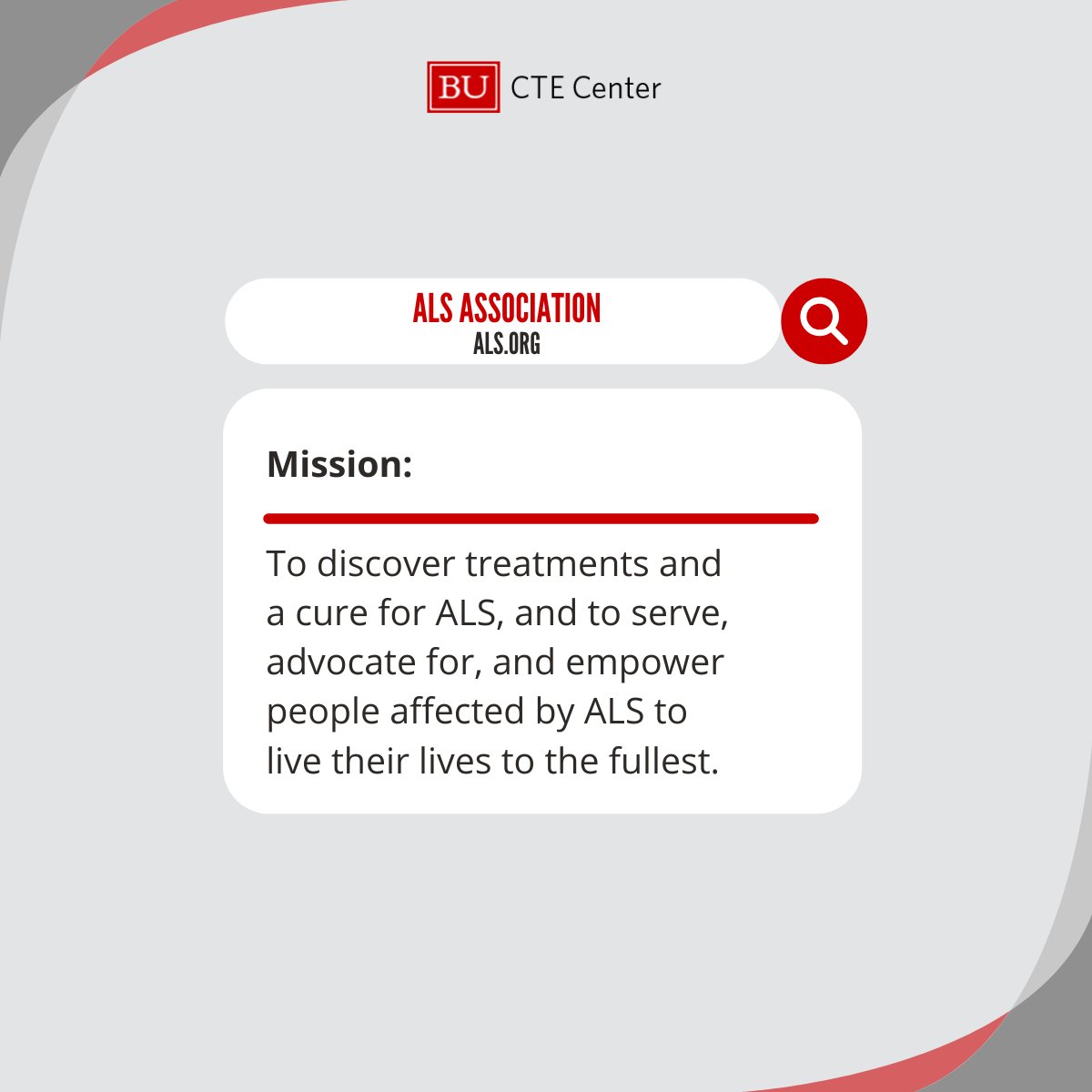
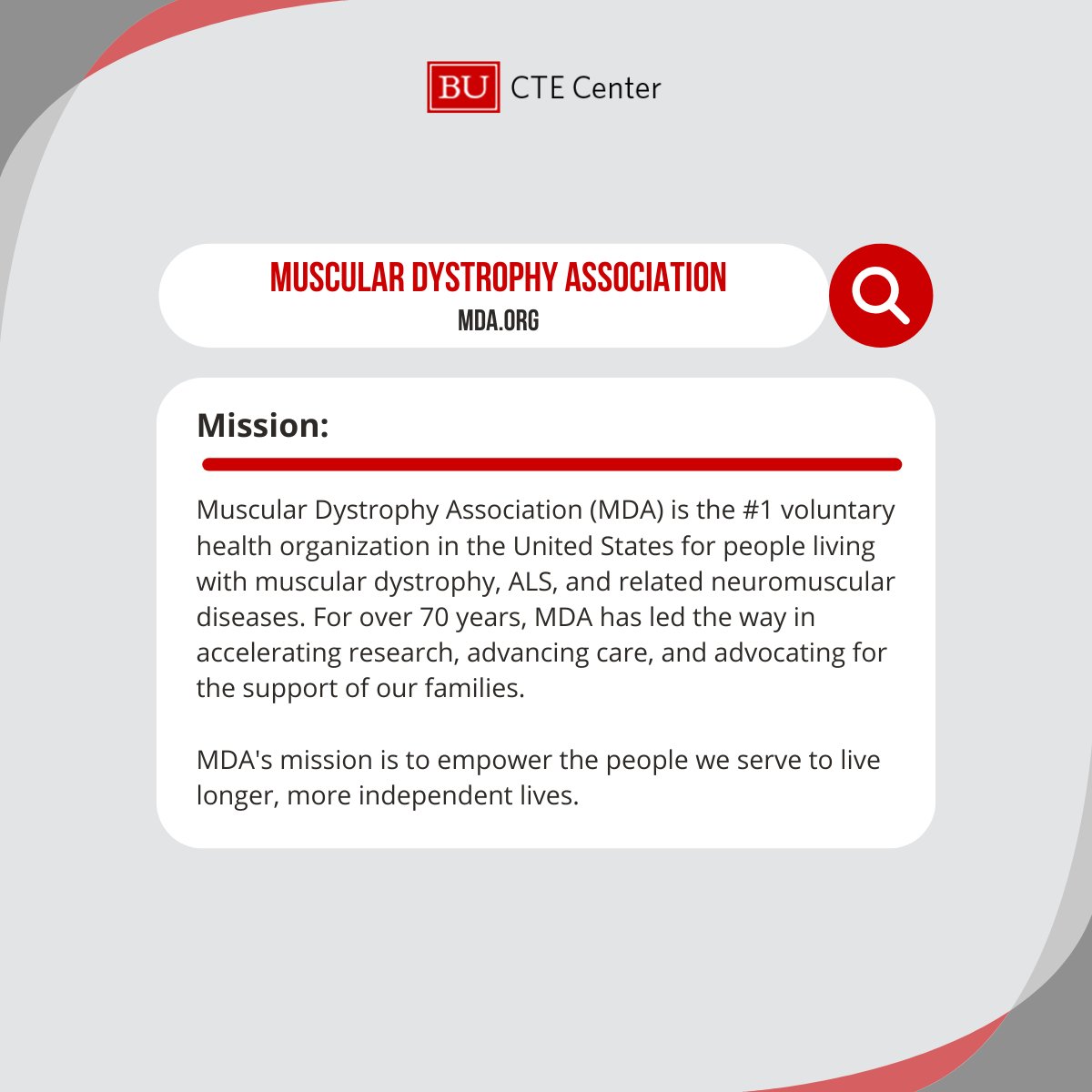
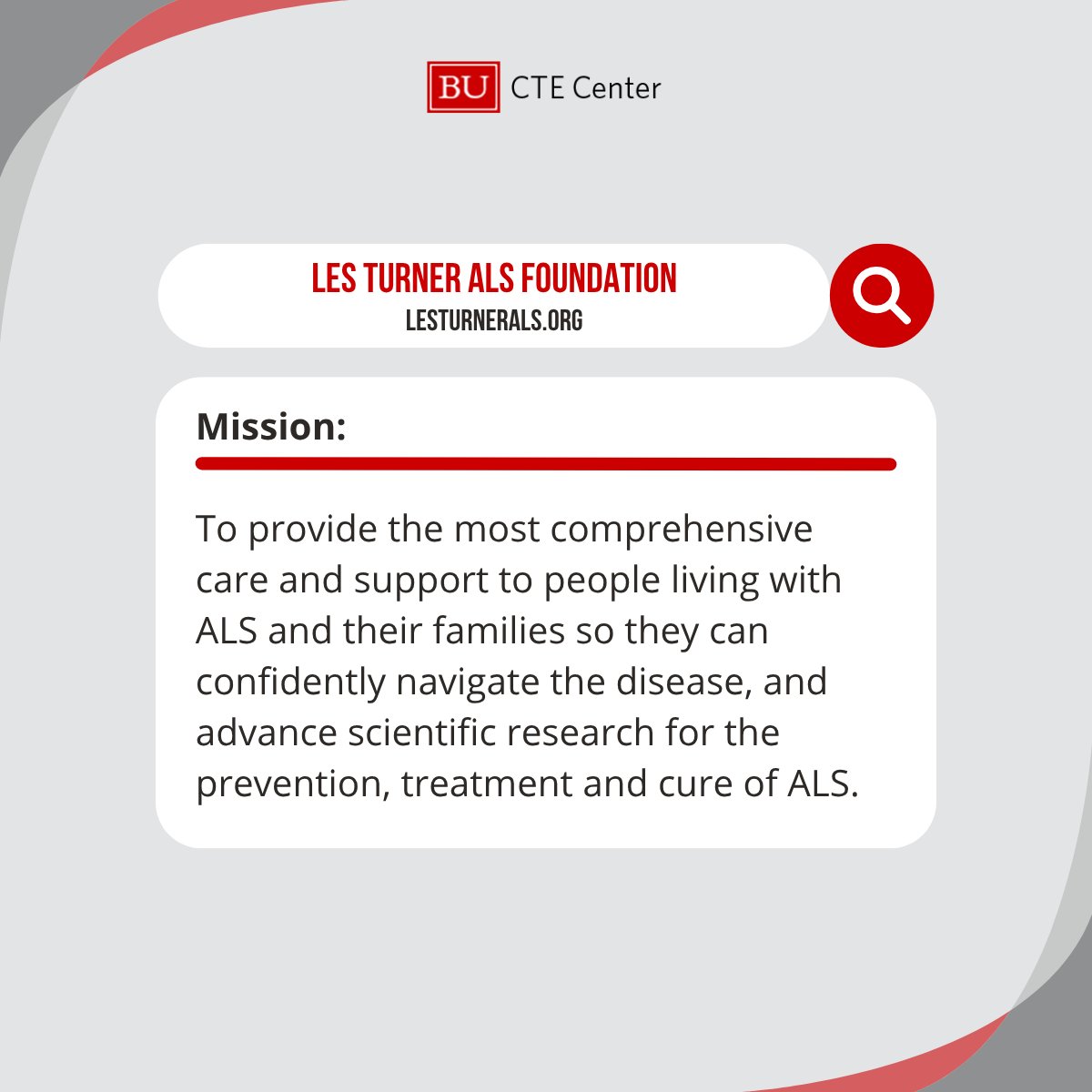
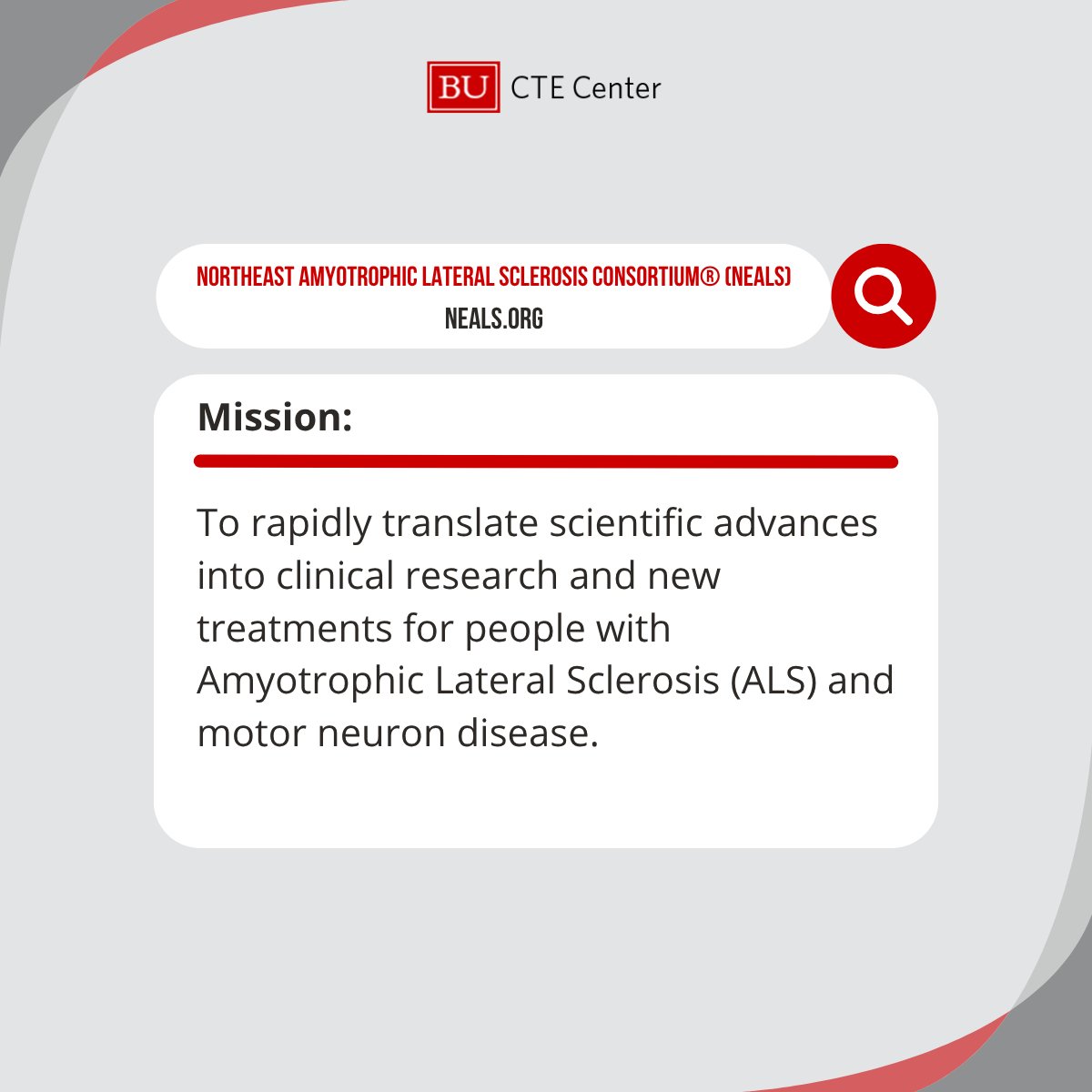
May is ALS Awareness Month, a period dedicated to educating the public about Amyotrophic Lateral Sclerosis (ALS). We are providing resources for those interested in learning more about the realities of this progressive neurodegenerative disorder.
357
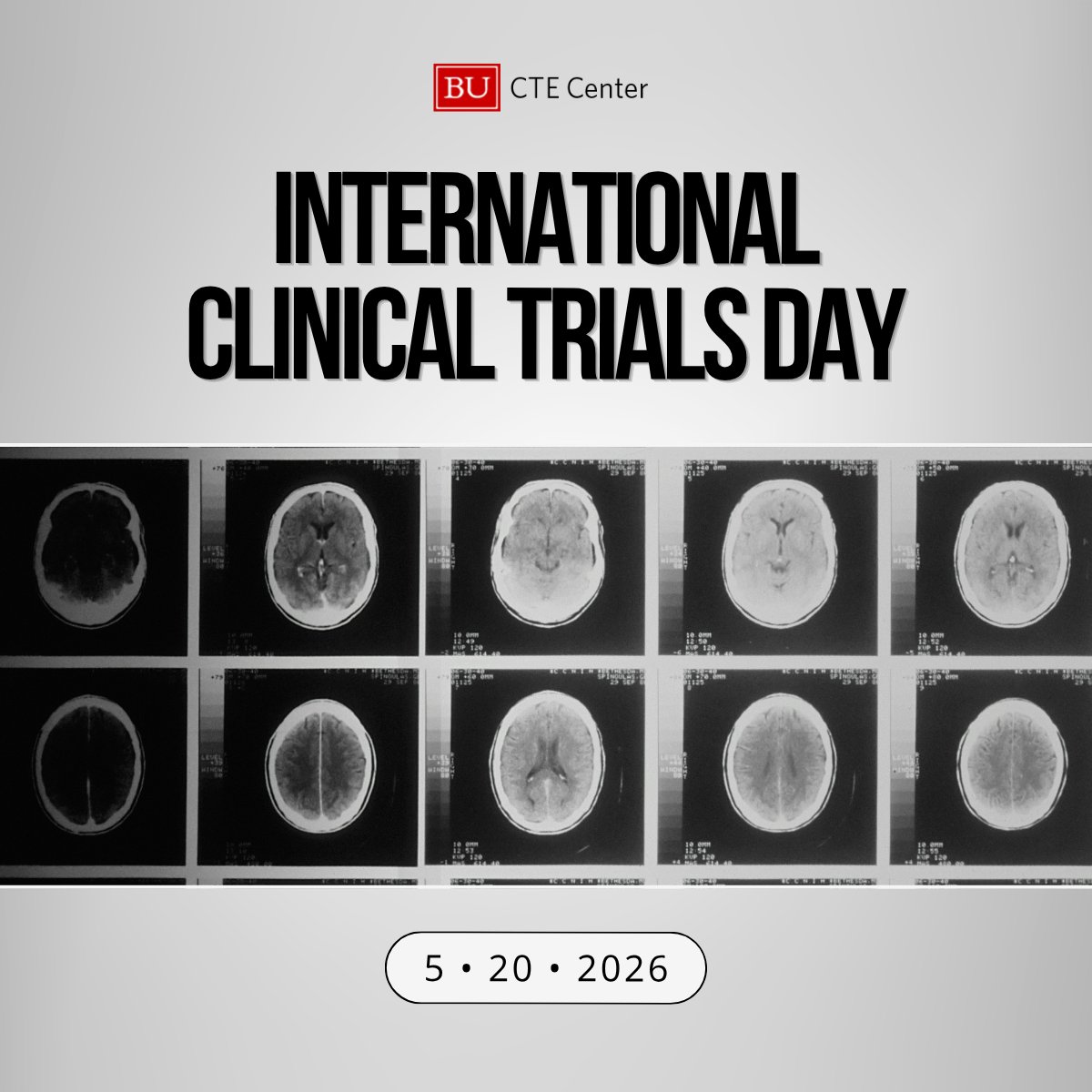
Today is International Clinical Trials Day! You can learn more about BU Alzheimer's Disease Research Center clinical trials here: bit.ly/BU-Clinical-Trials
Learn more about clinical research at the BU CTE Center here: bit.ly/CTEClinicalResearch
302
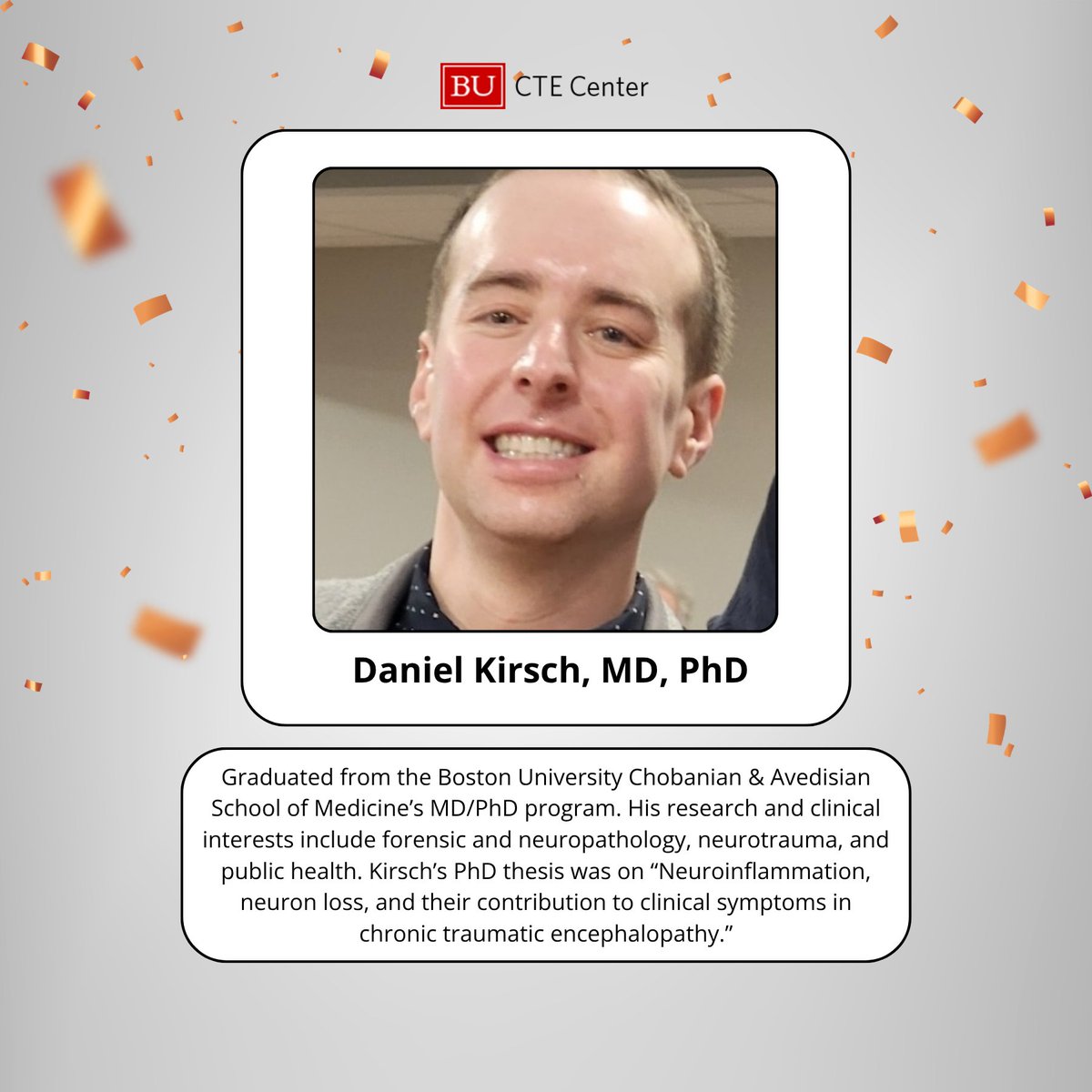
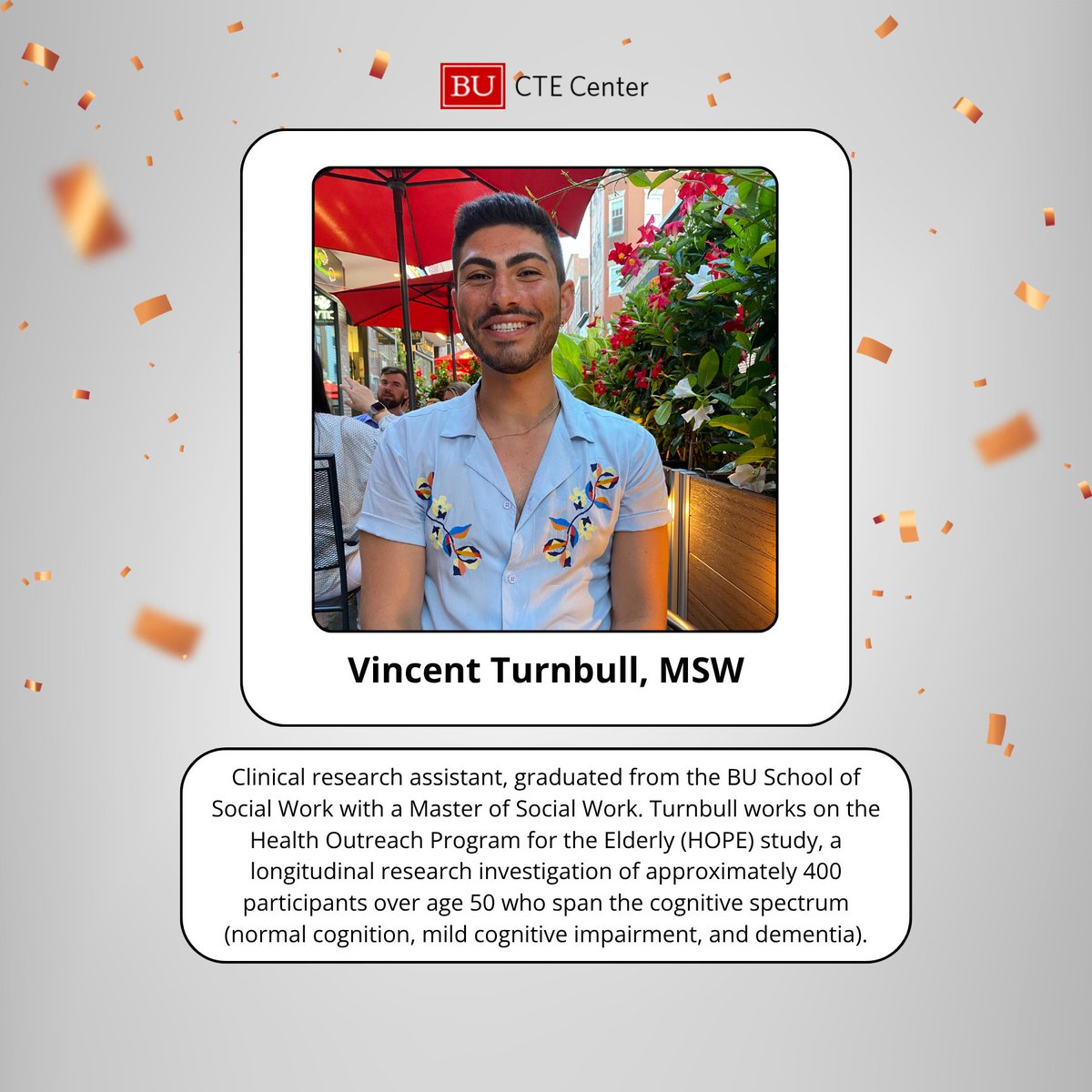
Congratulations to the BU CTE Center’s newest graduates, Daniel and Vincent! We’re so proud of you and your accomplishments!
216
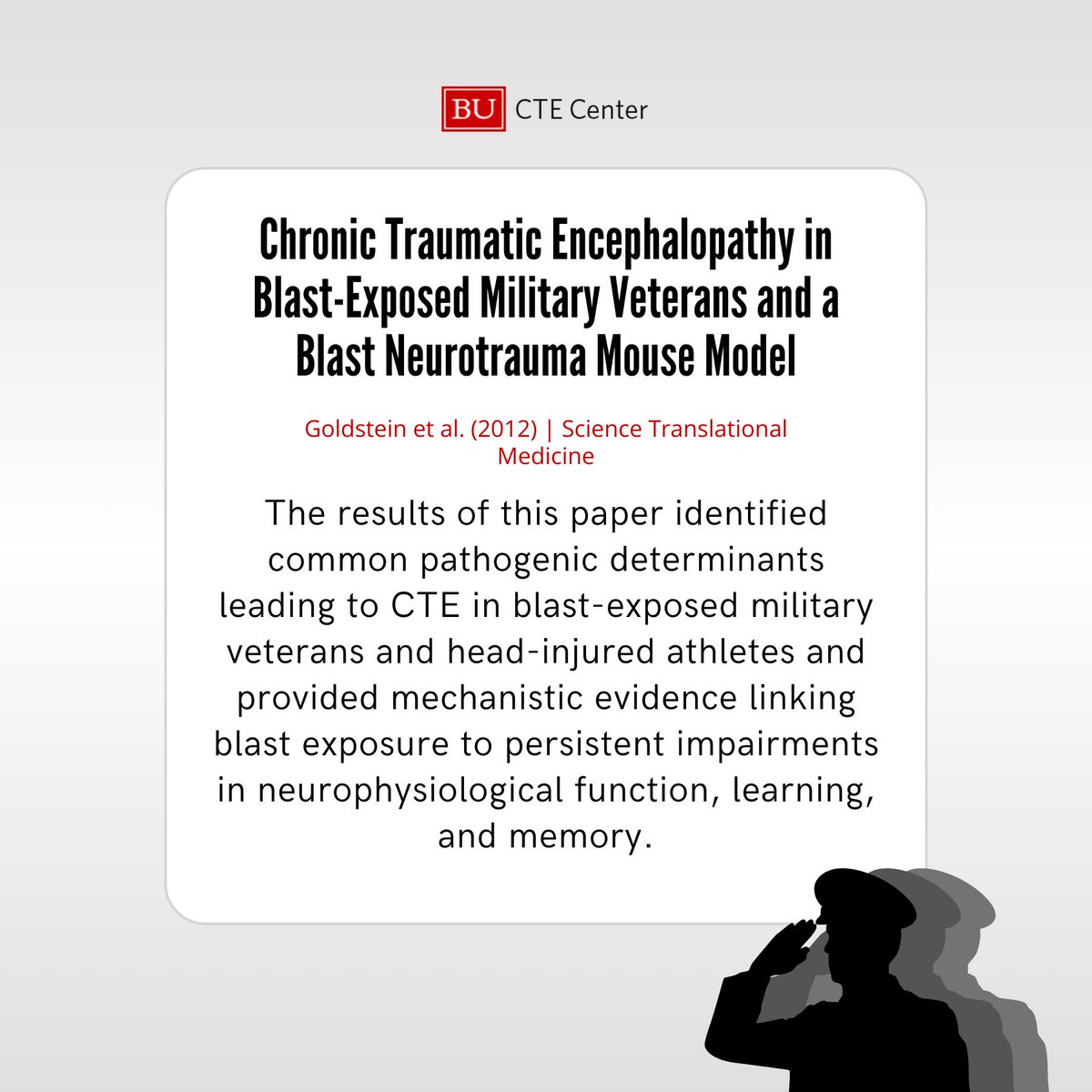
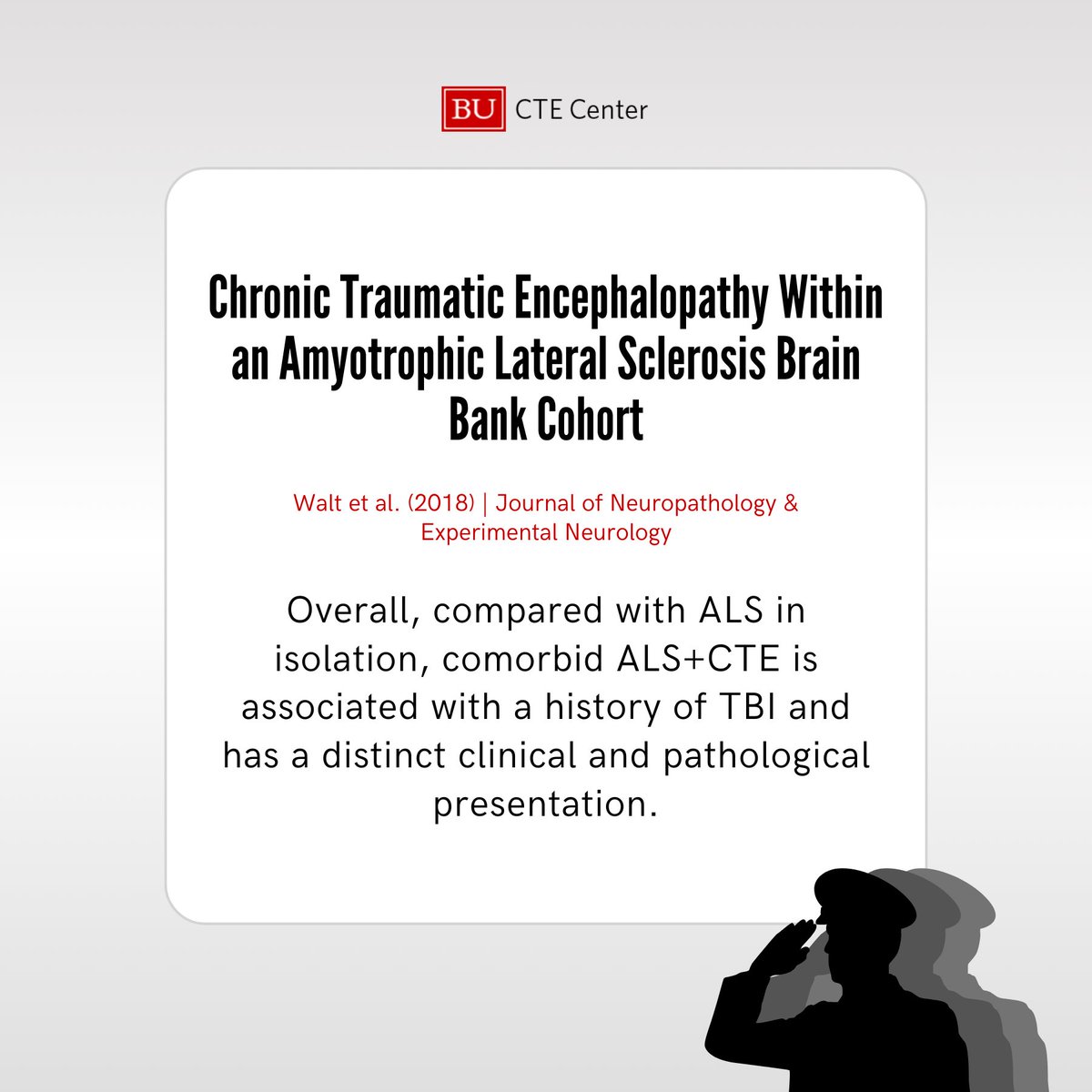
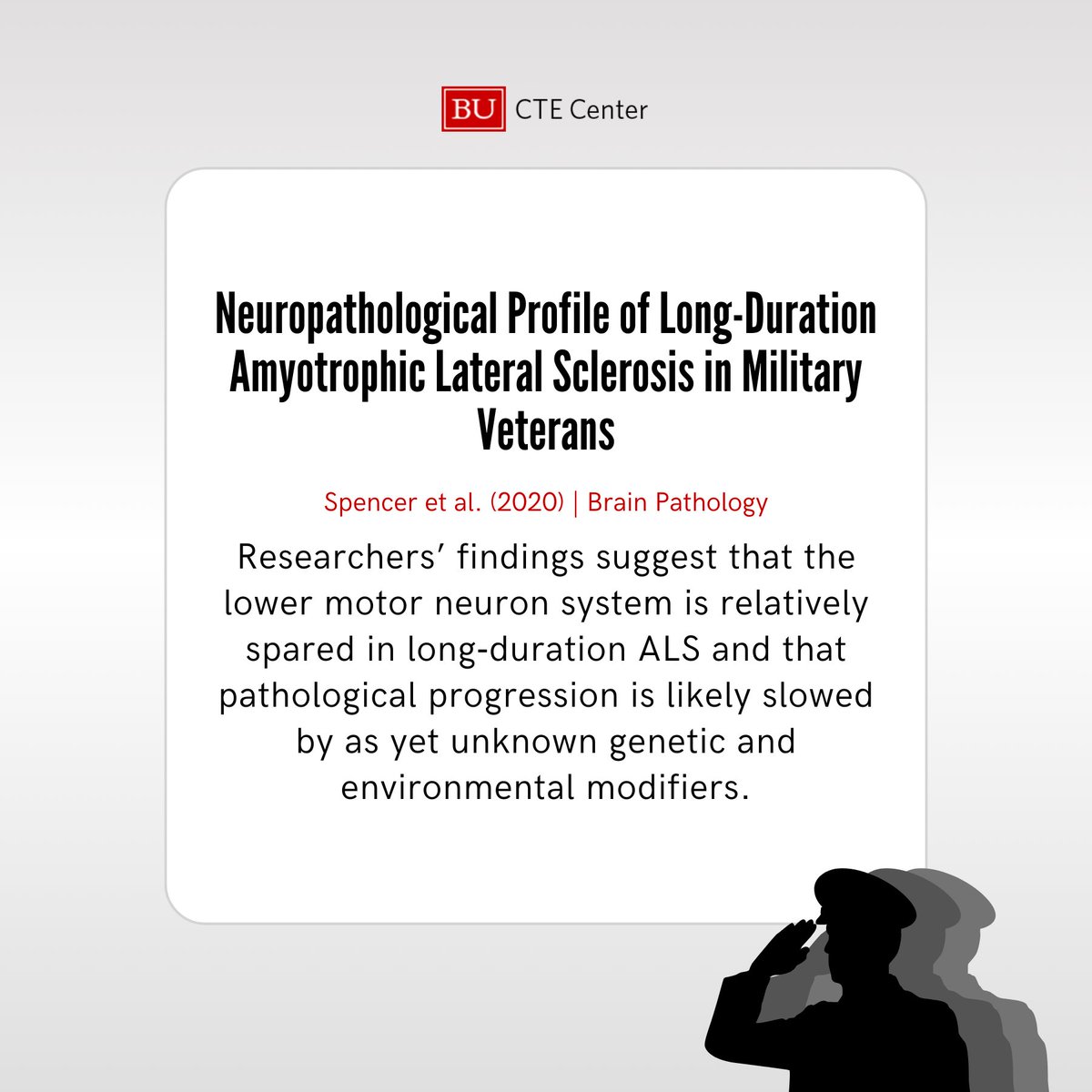
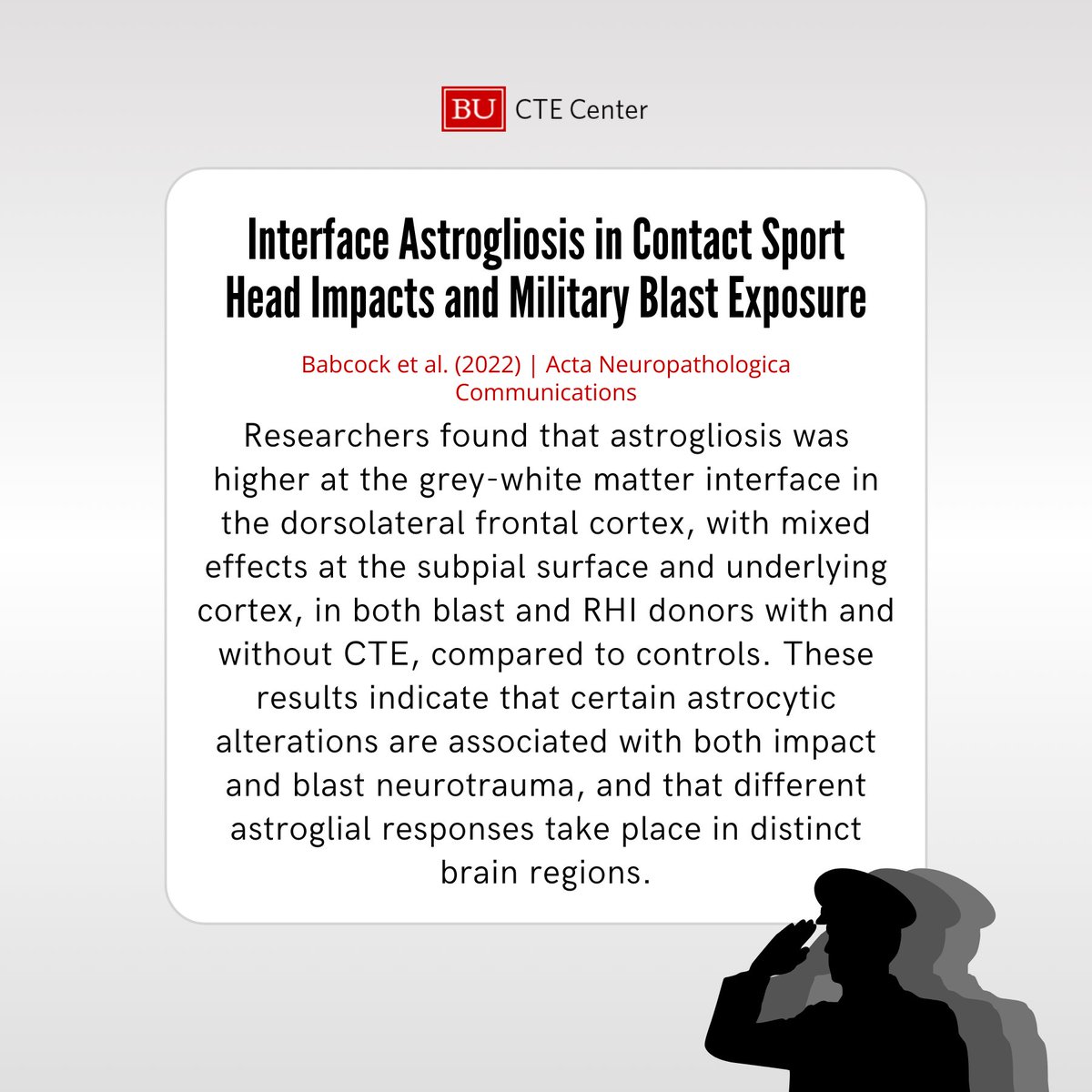
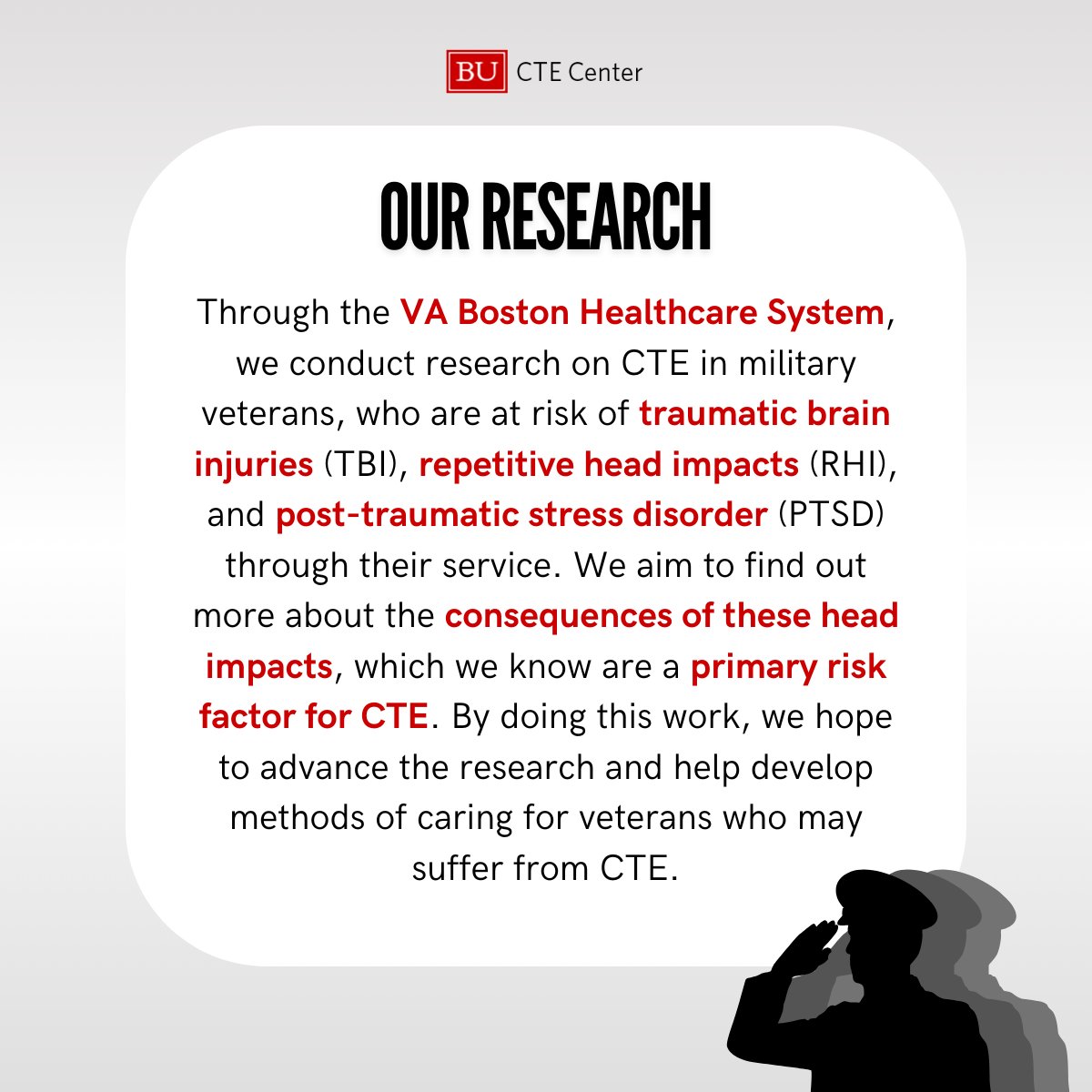
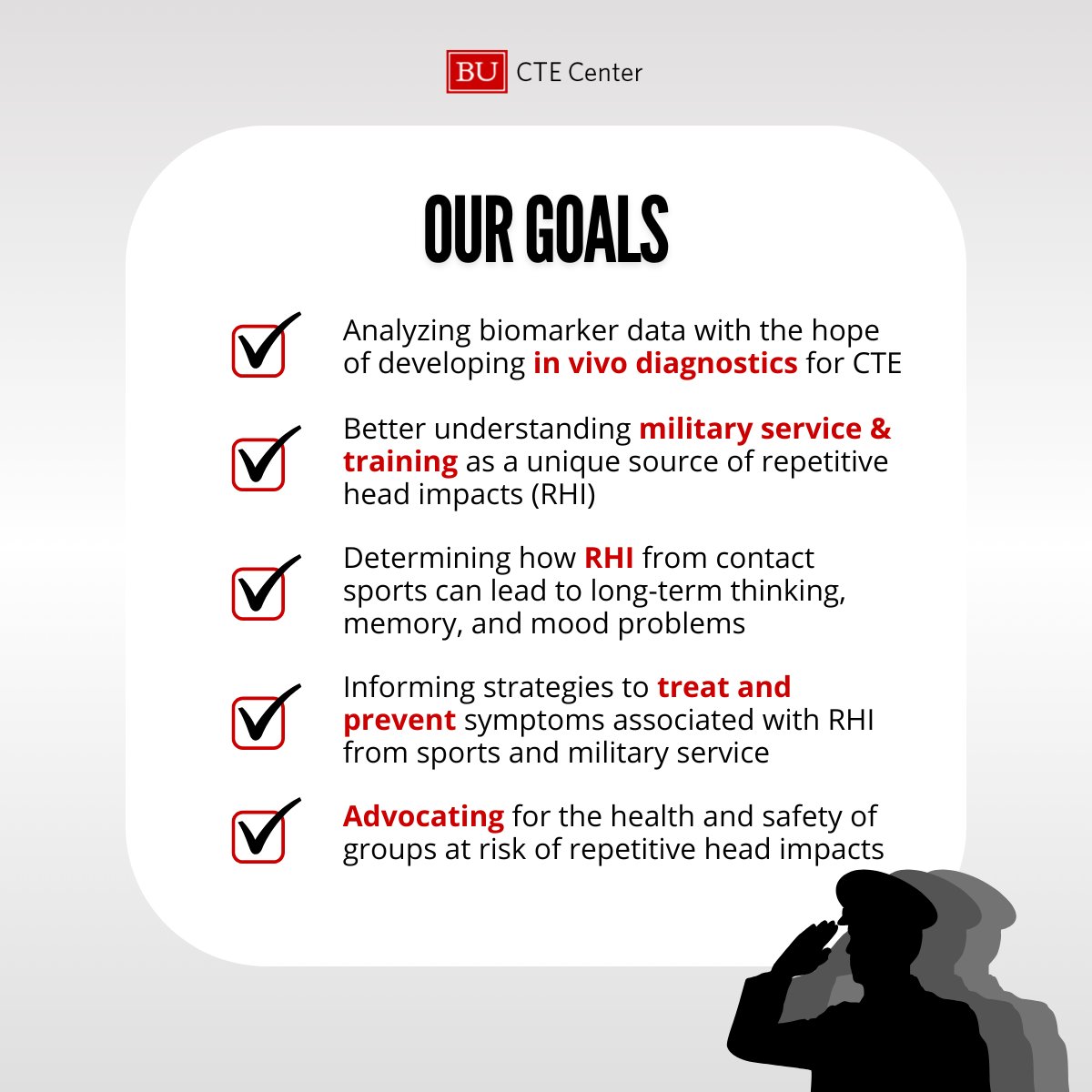
As National #VAResearchWeek comes to a close this Friday, learn more about our research on veterans and CTE.
1
155
May 11-15 is National #VAResearchWeek. Learn more about our work through the VA Boston Healthcare System and our research on veterans and CTE!
1
147
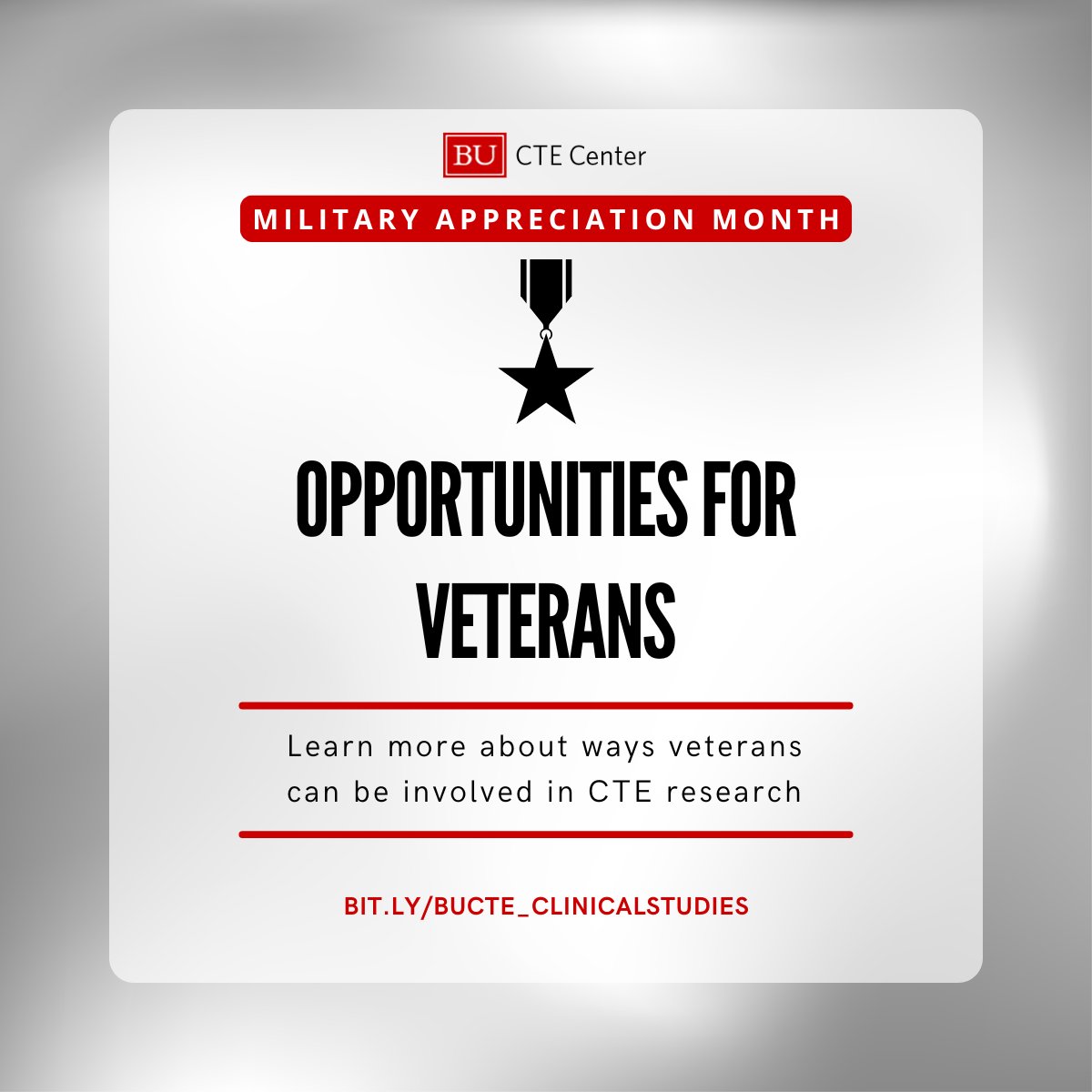
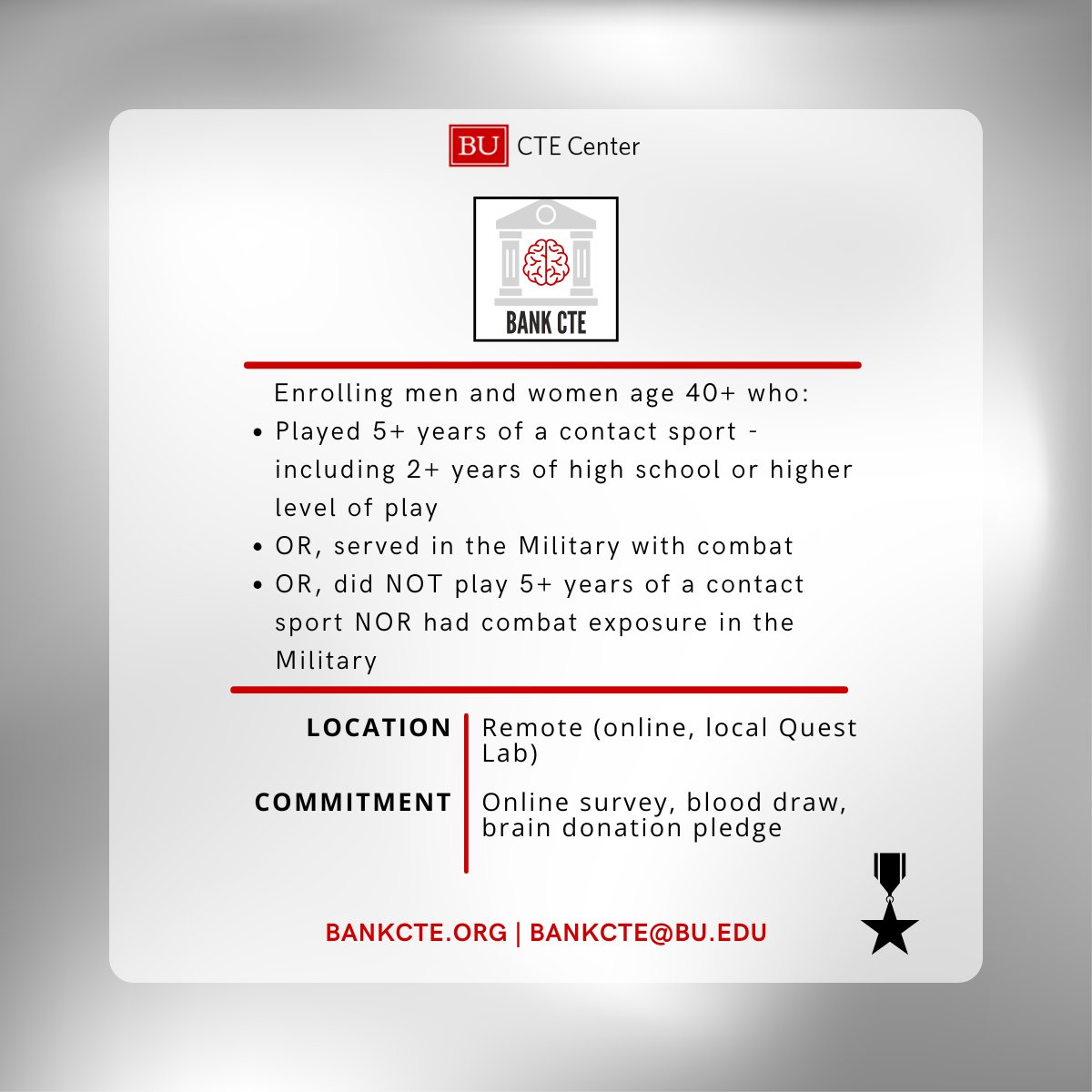
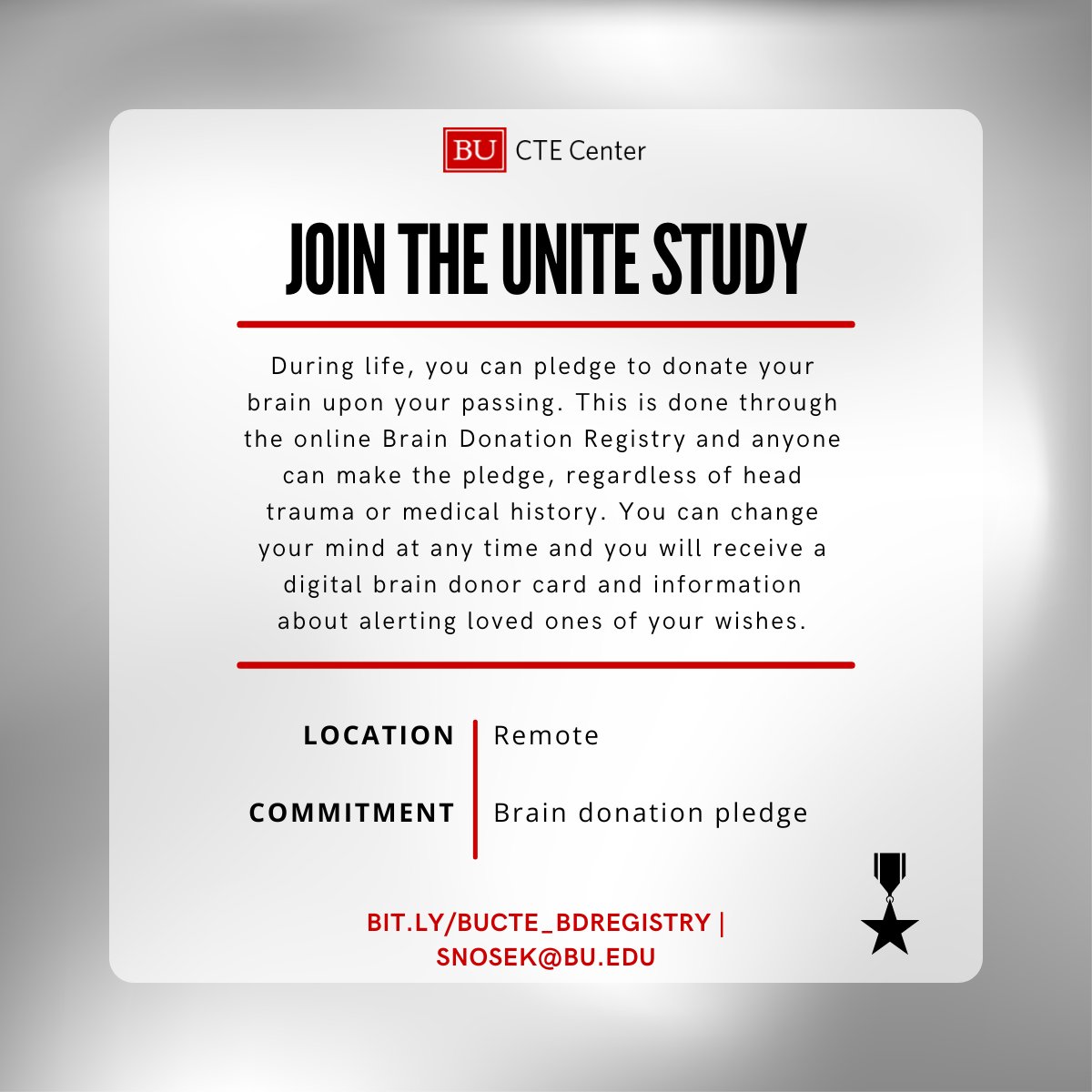
The month of May is Military Appreciation Month. We urge you to learn about ways veterans can be involved in CTE research at the BU CTE Center.
119
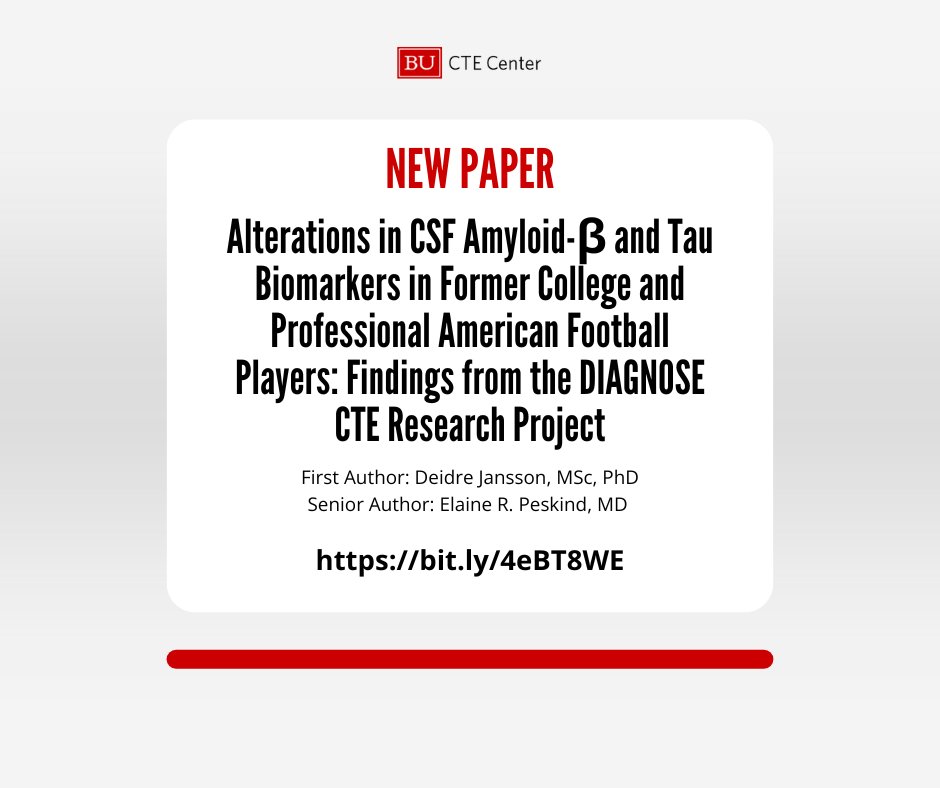
A new study from the DIAGNOSE CTE Research Project investigated CSF Amyloid-β and Tau biomarkers in football players found that head impact exposure may change brain proteins linked to dementia, but current tau tests don’t reliably detect CTE: bit.ly/4eBT8WE
149
May 7th is National Brain Donation Awareness Day. Through brain donations, researchers can continue to gain valuable insight into neurological conditions like CTE and help patients around the world. To learn more and register, visit here: bit.ly/bucte_braindonation.
108
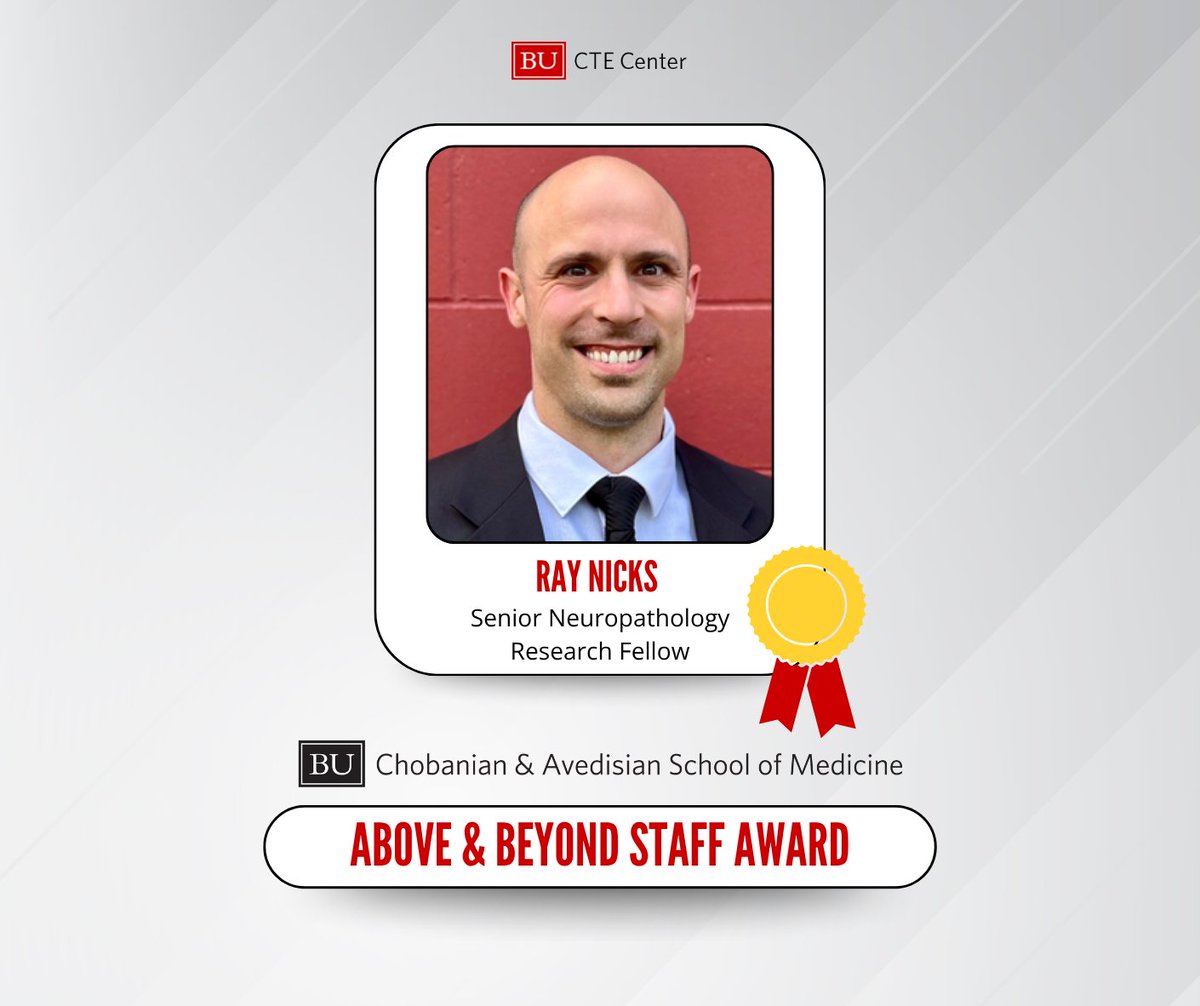
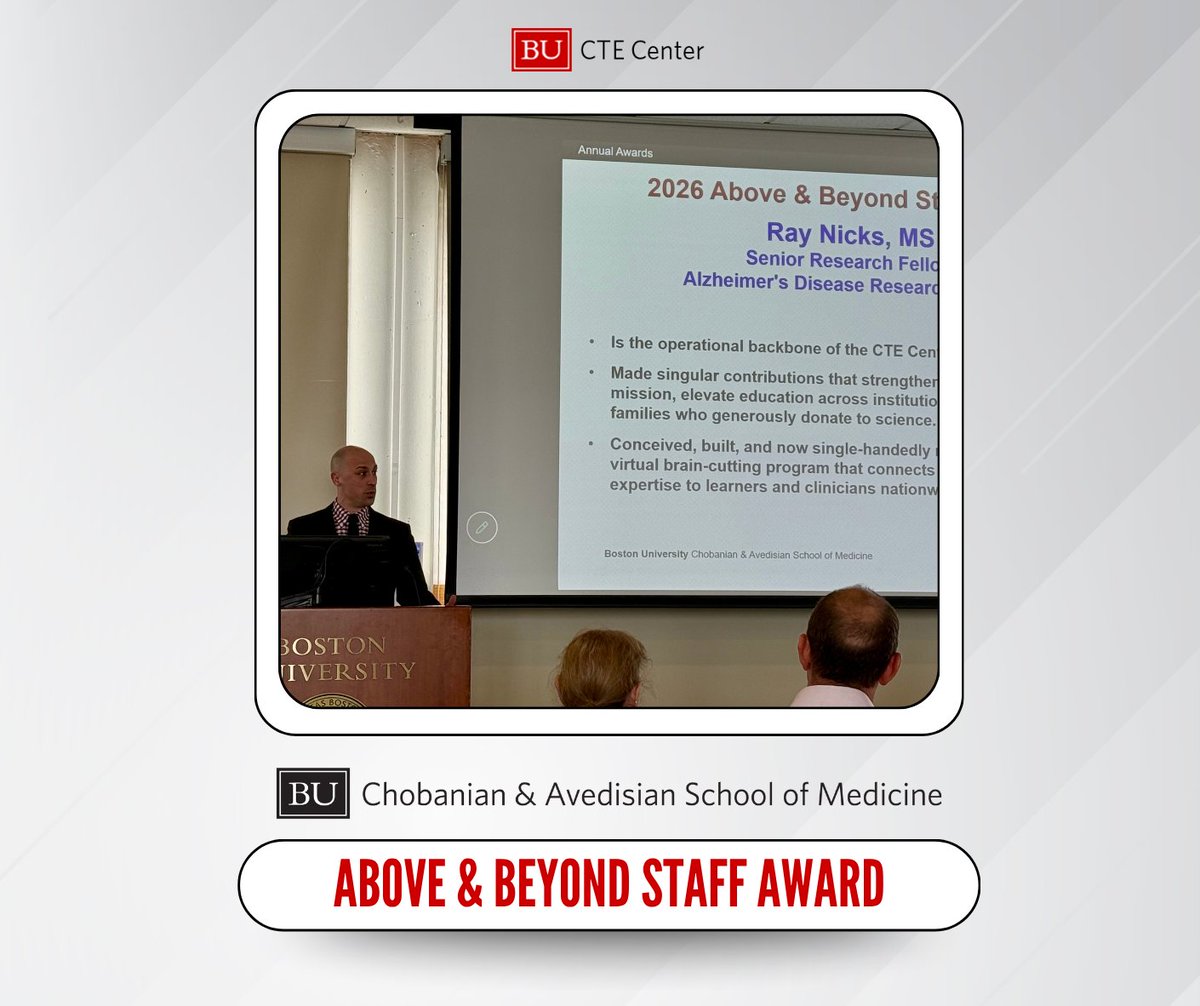
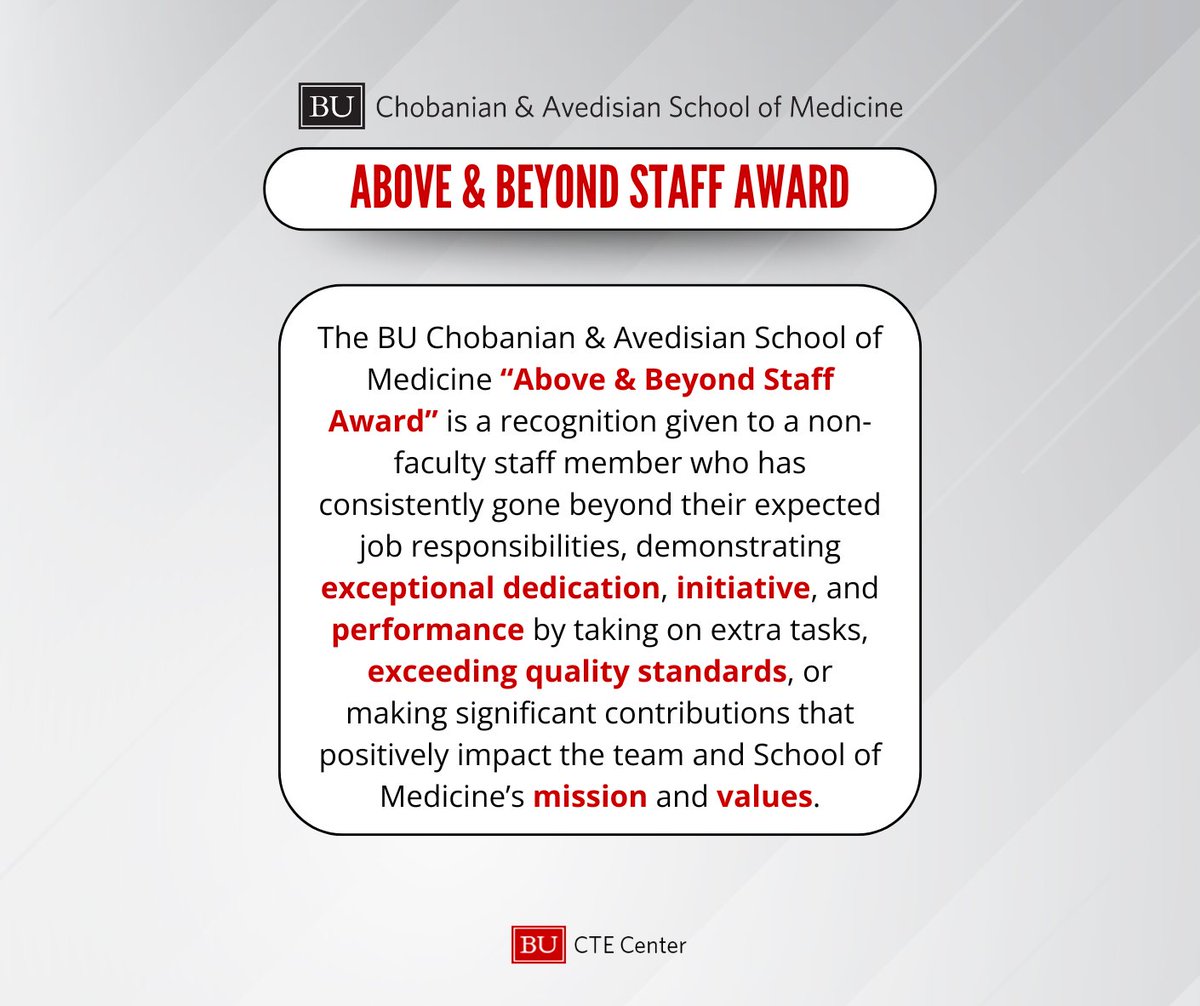
Congratulations to the BU CTE Center's Ray Nicks for being awarded BU Chobanian & Avedisian School of Medicine's Above and Beyond Staff award. We are so proud to honor his work as a Senior Neuropathology Research Fellow in the Brain Bank!
1
174
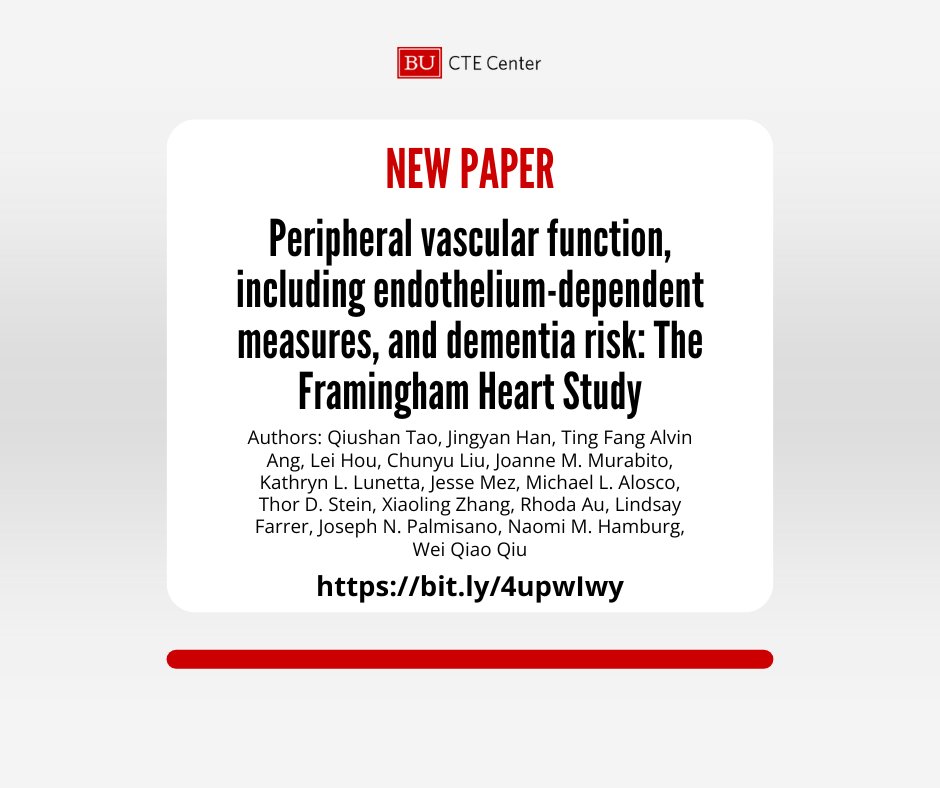
A new collaborative study from the Framingham Heart Study and BU CTE Center researchers found through measured flow-mediated dilation and reactive hyperemia that poorer peripheral vascular function is linked to higher risk of Alzheimer’s dementia: bit.ly/4upwIwy
1
126
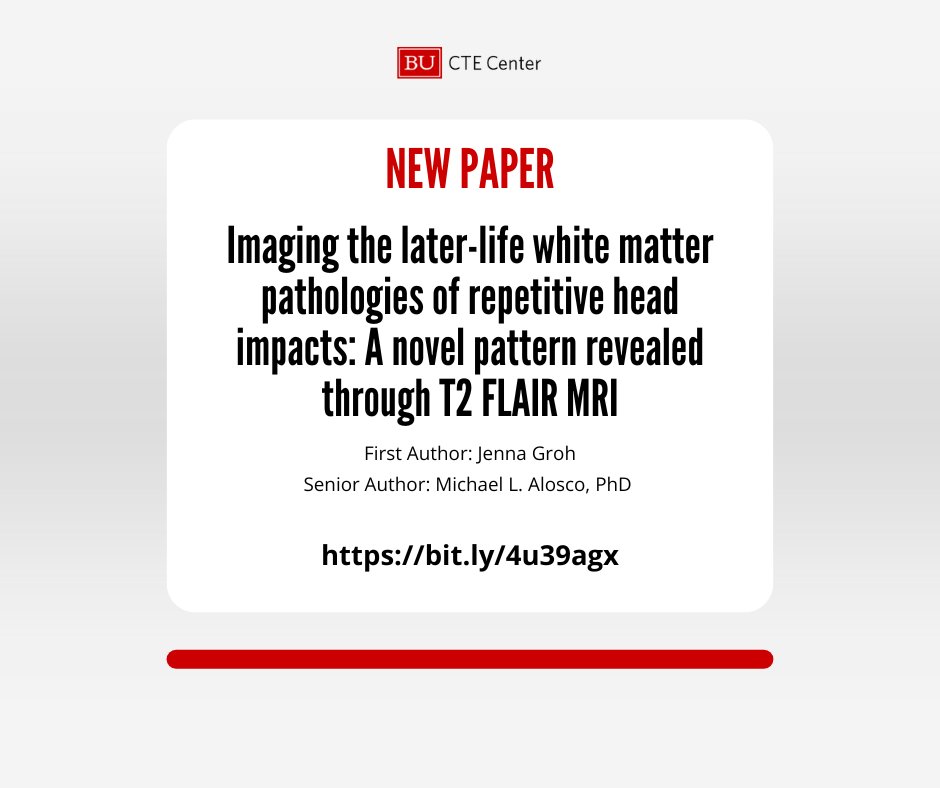
In a new study from the BU CTE Center, researchers investigate the relationship between repetitive head impacts and a unique pattern of white matter hyperintensities on the brain in American football players versus non-RHI participants: bit.ly/4u39agx
1
126
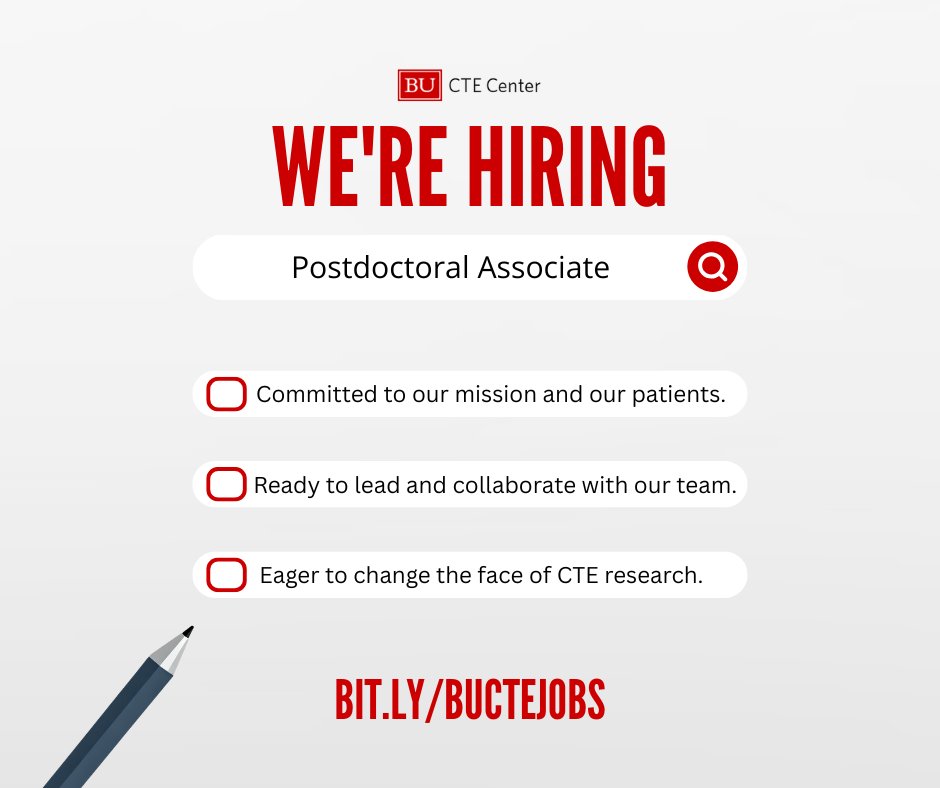
We’re looking for a motivated postdoctoral research fellow to join our NIH-funded interdisciplinary team investigating post traumatic neurodegeneration using digital neuropathology whole slide images, clinical phenotypes, and machine learning: bit.ly/BUCTEJobs
149
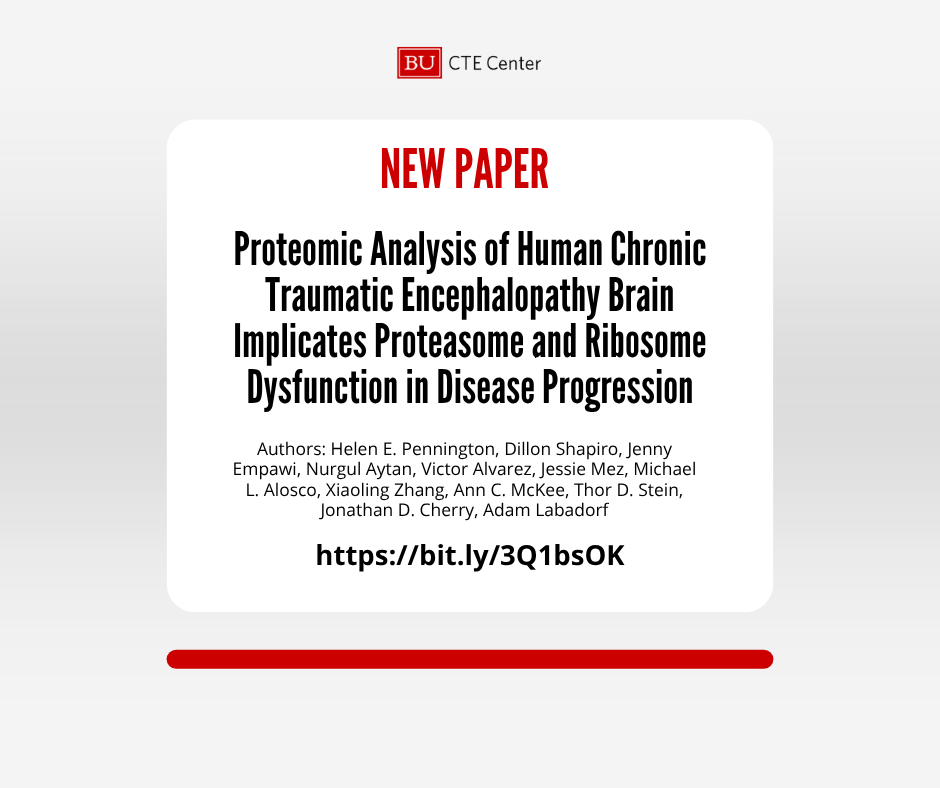
A new CTE research paper delves into how protein changes in the brain are linked to the disease’s pathology and symptoms, uncovering key biological pathways that may drive how the disease develops: bit.ly/3Q1bsOK
1
298
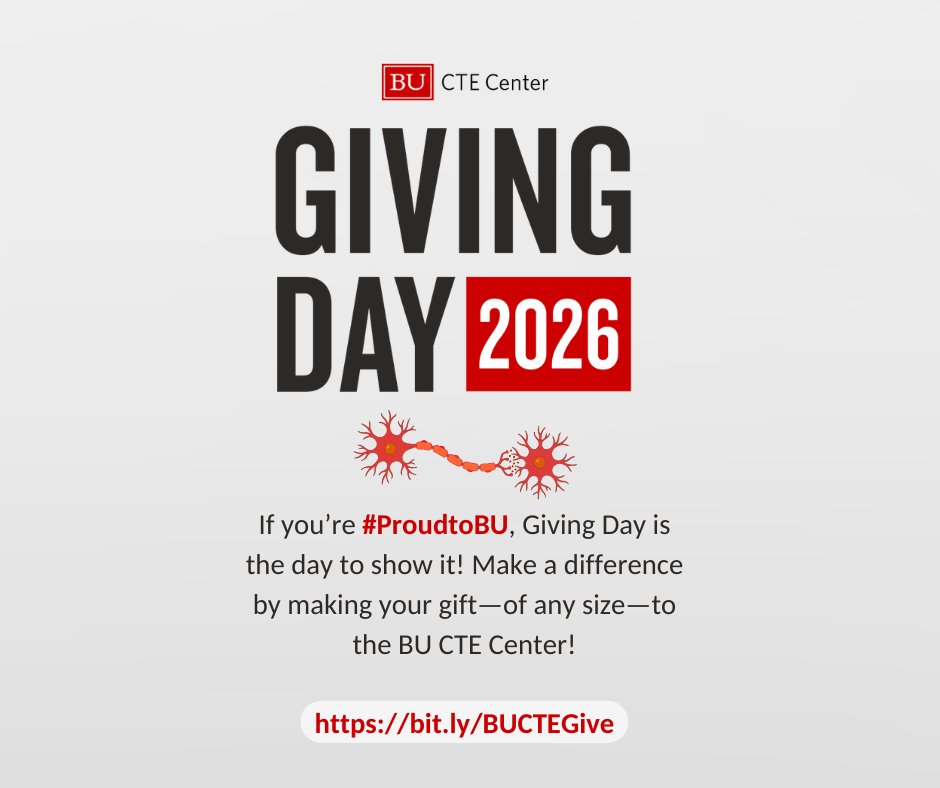
There is still plenty of time to give! Your support is one of the important ways that helps our work continue. Donate at bit.ly/BUCTEGive to continue supporting CTE research at the BU CTE Center!
1
100