
Joined October 2025
- Tweets 273
- Following 35
- Followers 4
- Likes 21
45 Photos and videos
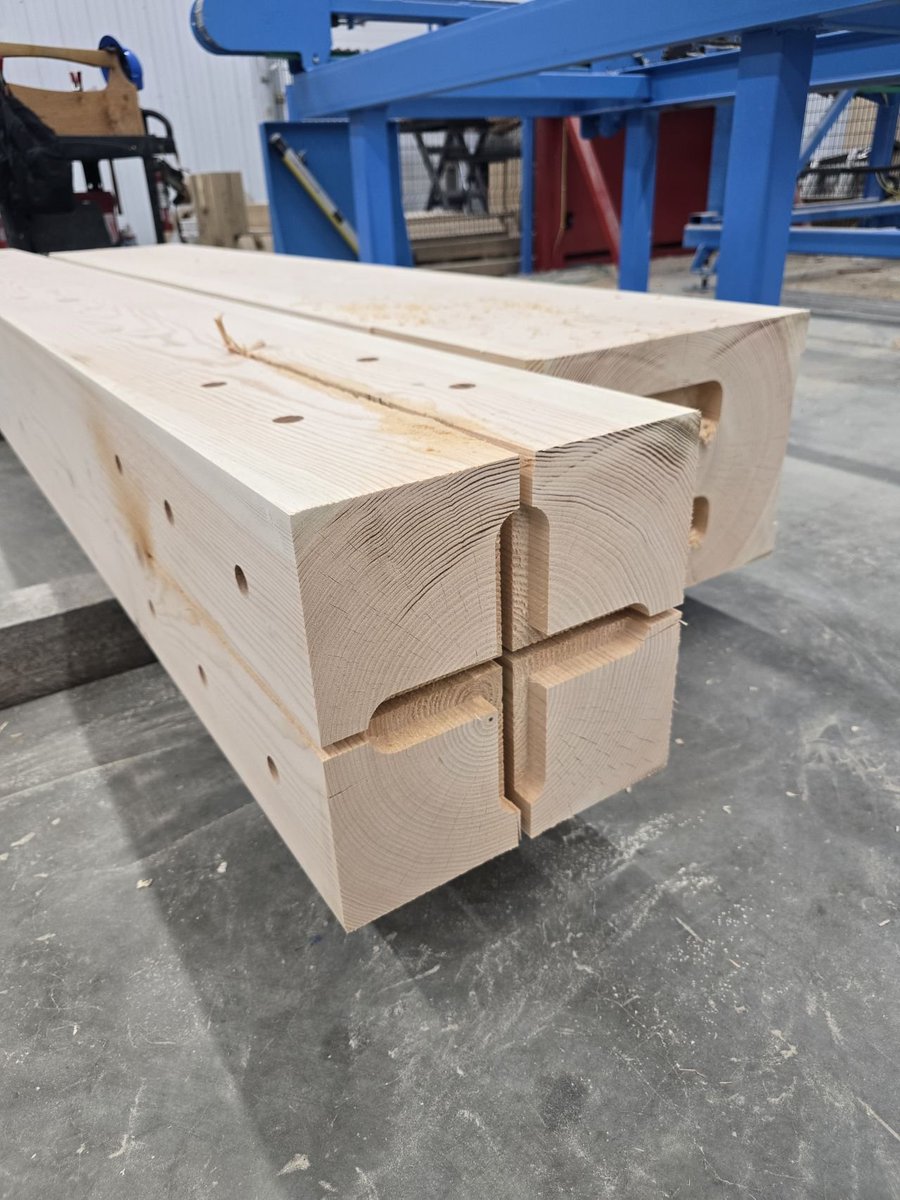
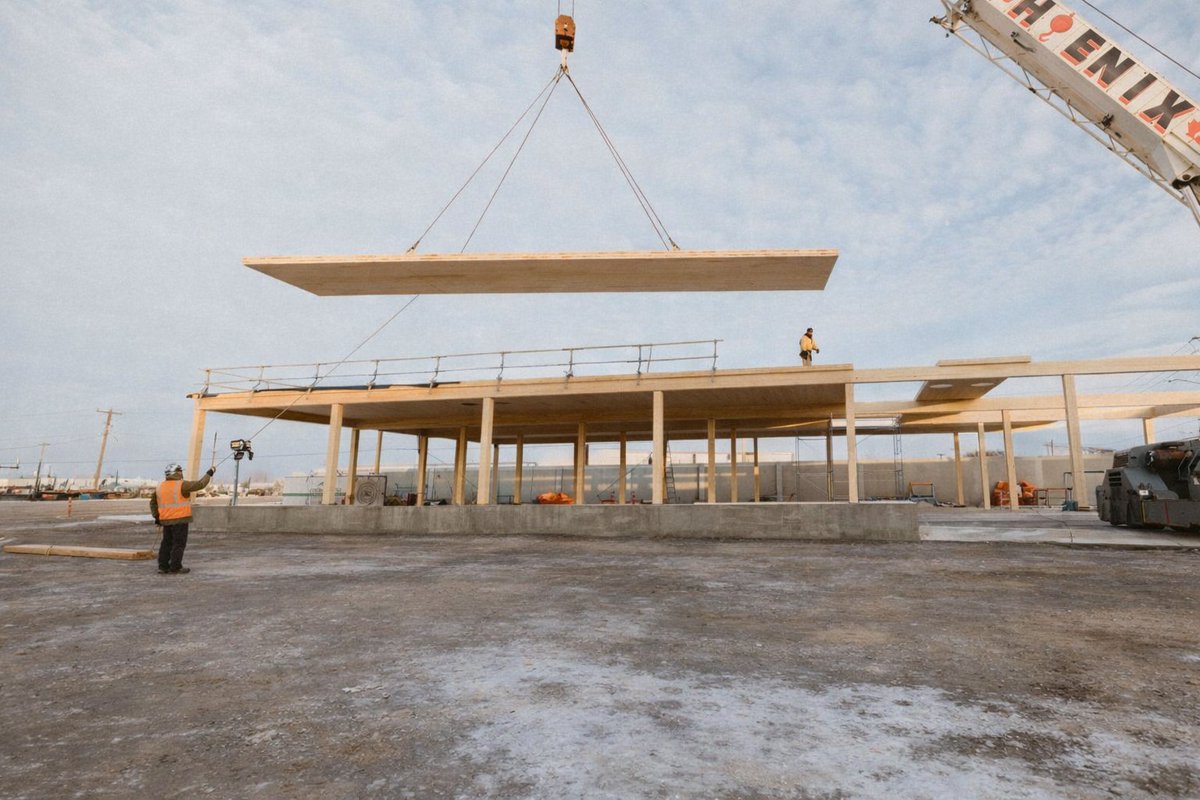


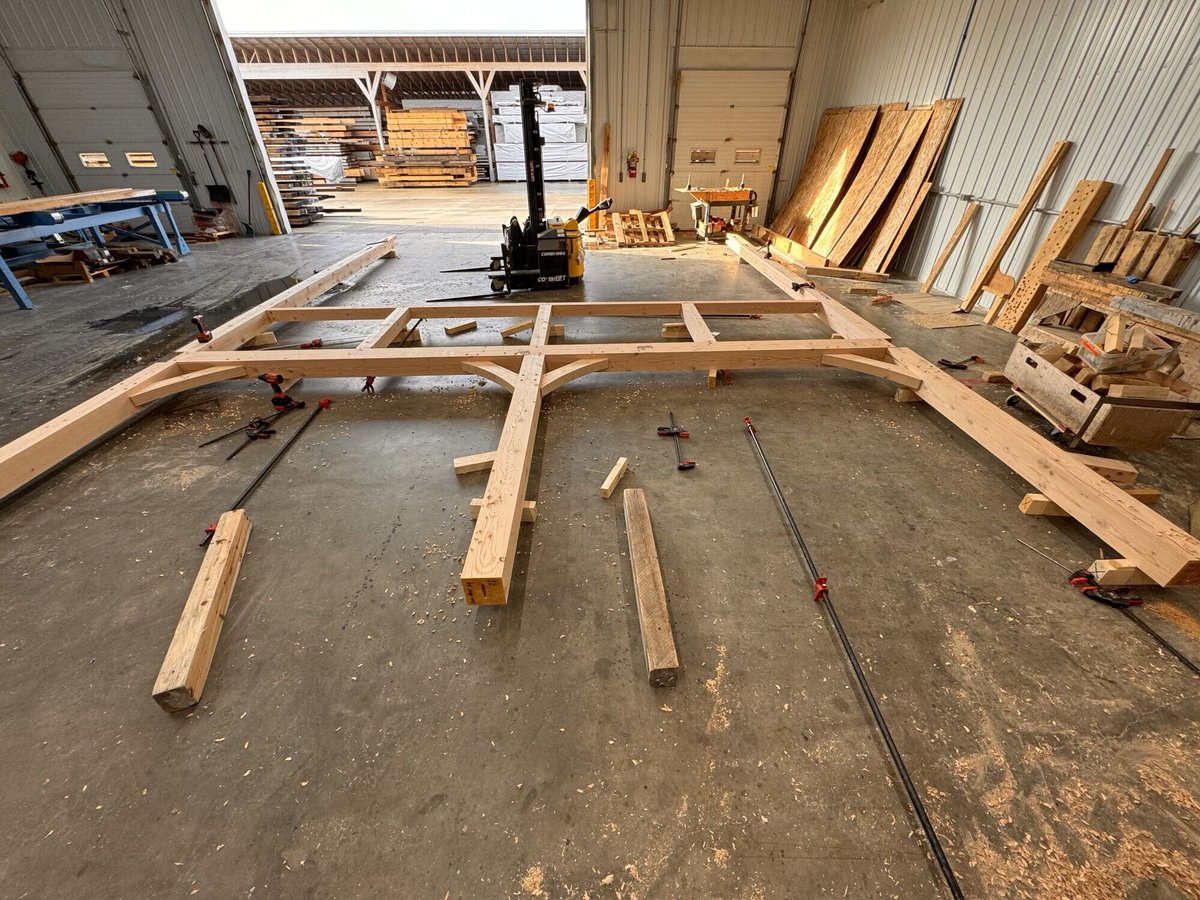

Mass timber can cost more upfront on materials. BUT It costs less when you account for schedule compression, reduced site labor, and fewer RFIs. The math changes when you look at the full project.
#masstimber
1
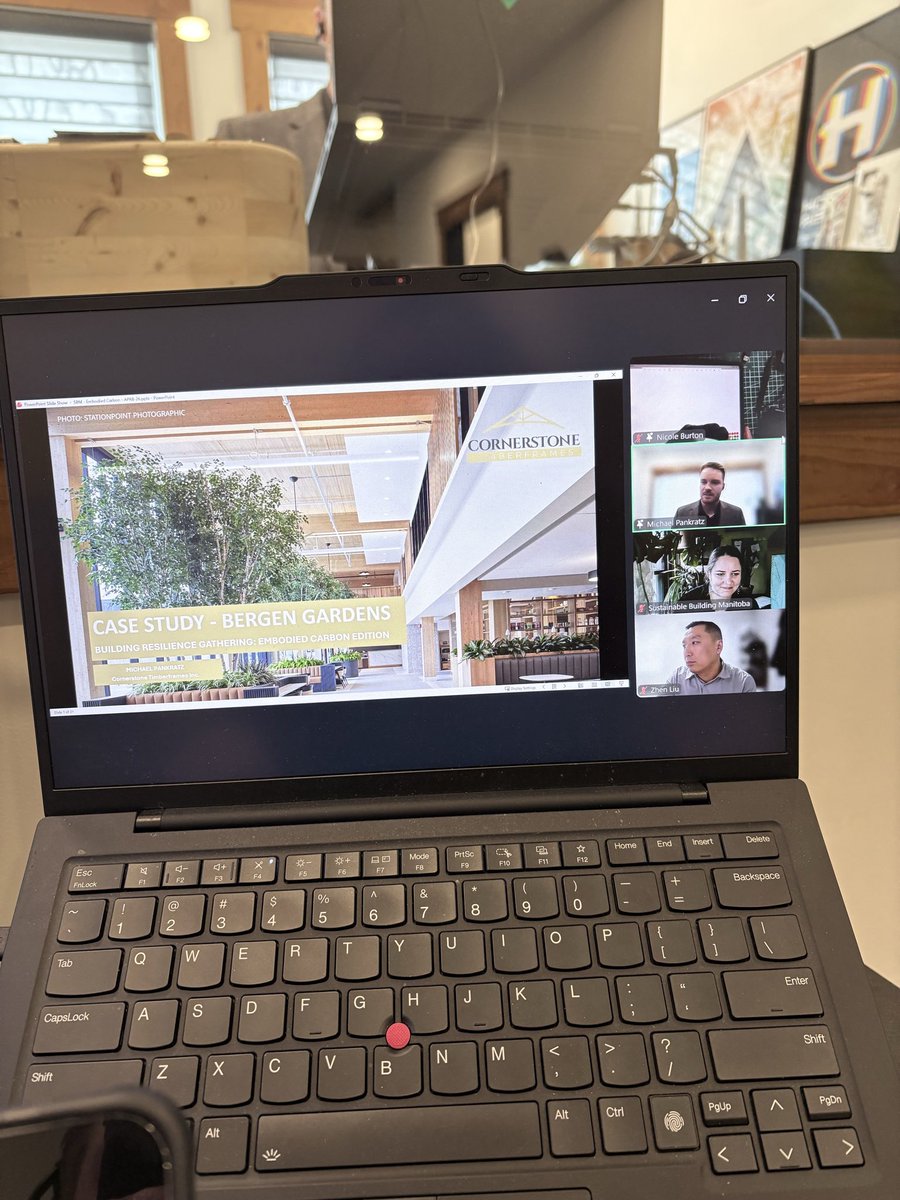
Bergen Gardens. 6 storeys. CLT. Manitoba. First of its kind in the province. The building is standing. The system worked because the coordination happened early.
#masstimber
4
Bring the fabricator in before the structural drawings are finalized. The RFIs you avoid upstream are worth more than the fee you're trying to save by waiting.
2
The most expensive mass timber problems share one origin: the fabricator was brought in after design was locked. That's not a materials problem. That's a sequencing problem.
#masstimber
1
Glulam spans. CLT stacks. Both are mass timber. Neither is the right answer until you know your structure.
#masstimber
2
CLT and glulam are not interchangeable. One is a panel system. One is a beam and column system. Choosing between them starts with how your loads want to move.
#masstimber
2
600 million tons of construction waste in the U.S. every year. Prefabrication in a controlled shop environment is one of the most direct ways to cut that number. Less waste on site isn't an environmental claim. It's a production outcome.
2
Mass timber keeps getting called a sustainability play. A Republican from Pennsylvania and a Democrat from Oregon just co-sponsored a bill for it. At this point, it's an economic and forestry argument, not a green one.tinyurl.com/3v32zr4k
7
Tenants pay premiums for mass timber office space. Vacancy rates run lower. The business case for a developer isn't just build cost. It's lease performance over the life of the asset.
5
The Mass Timber Federal Buildings Act requires whole-building lifecycle assessments on federal projects. More documentation upstream. More coordination required before design locks. This is exactly where fabricators need to be in the room early.
5
Mass timber gets dismissed on cost before the full picture is run. When you account for schedule compression, reduced site labor, and faster occupancy, the premium shrinks. Sometimes it disappears.
6
The mass timber market was valued at $1.49 billion in 2025 and is projected to reach $3.74 billion by 2034. That's not a niche material anymore. The fabricators who built the capacity early are the ones who deliver when the market calls.
#masstimber
5
Sustainability in construction is shifting from certification to measurement. Embodied carbon. Lifecycle cost. Material performance over time. That shift favors mass timber. Not because of the story. Because of the numbers.
#masstimber
7
Cement is responsible for roughly 7 to 8% of global CO2 emissions. That number doesn't move no matter how efficient the building gets. The structure itself has a carbon position. Mass timber is one of the few that starts in the positive.
5
The implication nobody's saying out loud
Federal mass timber preference legislation doesn't build a single project on its own. Fabrication capacity does. The question isn't whether Washington wants mass timber. It's whether the shops can deliver it.
2
Cornerstone Timberframes retweeted

Jun 8
New study reveals underpinnings of Doug Fir struggles amid droughts. dashboard.fastmarkets.com/a/…
1
1
116
Congress just introduced the Mass Timber Federal Buildings Act. Bipartisan. Both chambers. Federal preference for mass timber in public buildings, including military facilities. The demand signal is getting louder.
#masstimber
2
A developer can build taller in wood than ever before. The constraint is no longer the code. It's the coverage.
#masstimber
5
The hardest gap in mass timber right now isn't fire code or structural performance. It's actuarial. The industry is ahead of the data.
#masstimber
6
Mass timber insurance isn't a material problem. It's a data problem. The buildings work. Nobody's had enough of them long enough to price the risk properly.
#masstimber
4