
Joined May 2024
- Tweets 472
- Following 6
- Followers 3,447
- Likes 3,047
206 Photos and videos








Pinned Tweet

May 25
Finally finished Denia's symbolism and references, might be the biggest resonator project I've done since there was so much to talk about! Video link in the comments :)
11
135
1,192
23,510
Ok, had to push it a bit after work (sorry if it's rushed) but the definitive analysis yap of all the new characters, gameplay (YY and Suisui) and how they link to Chinese culture/possible symbolism/etymology, etc...link in comments

Where it lies, one may wonder—
Oh, it shall reveal itself, to the one fated visitor.
#WutheringWaves #WutheringWaves3ꓸ5
5
16
246
3,953
If you want the text TLDR (seeing a TLDR this long is uh, yeah, there's a lot of stuff), you can check my notepad here x.com/bukibread/status/20663…

16
577
Didn't expect to hear a Kino song that isn't Patchka Sigaret or Gruppa Krovi in a gacha game in the big 26 goddamn

1.0 Release announcement!
Comrades! The 1.0 version, "Chapter: Joint Development Region", will be released on June 22nd at 4AM UTC! Preloading starts on June 18th, 4AM UTC!
Celebration video, titled "We're waiting for the coming day":
🤝
#CodenameCedar #CallsignCedar
2
1
35
1,763
Literally at work atm but some thoughts. Vid tonight
Where it lies, one may wonder—
Oh, it shall reveal itself, to the one fated visitor.
#WutheringWaves #WutheringWaves3ꓸ5
7
36
429
9,100
Jun 14
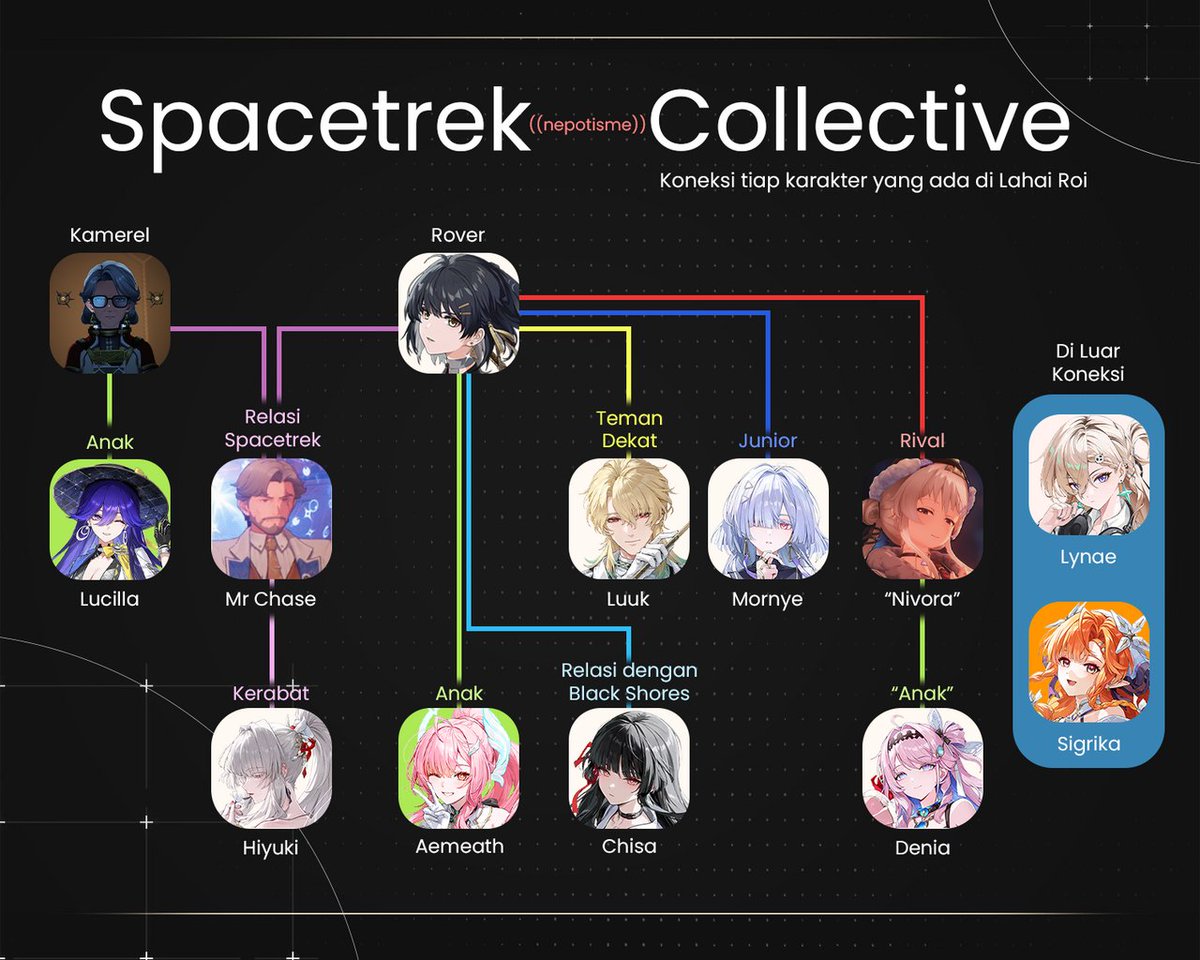
Does the expert on corruption and nepotism in Lahai-Roi being Indonesian say more about Lahai-Roi or Indonesia

CW // Spoiler Segue Quest Lucilla 3.4 (jaga-jaga)
Taukah wuwa! player jika hampir semua karakter Lahai-roi terindikasi nepotisme
dari semua karakter hanya Lynae dan Siggy yang sama sekali tidak memiliki koneksi siapa-siapa di Lahai-roi ini
30
49
546
17,567
Jun 11
Sometimes I genuinely wonder who on earth is doing this stuff at Kuro Games because I just watched '8½' (where this quote is from) and when Guido is talking to a critic about Rimbauld's trip to Africa and shit is like a PhD in film studies for one mommy character it's insane
10
45
641
14,324
Jun 11
So an explanation for this quote, here is the full part (word soup incoming):
"But we intellectuals, and I say we because I consider you such, must remain lucid to the bitter end. This life is so full of confusion already, that there's no need to add chaos to chaos. Losing money is part of a producer's job. I congratulate you. You had no choice. And he got what he deserved for having joined such a frivolous venture so lightheartedly. Believe me, no need for remorse. Destroying is better than creating when we're not creating those few, truly necessary things. But then is there anything so clear and right that it deserves to live in this world? For him the wrong movie is only a financial matter. But for you, at this point, it could have been the end. Better to quit and strew the ground with salt, as the ancients did, to purify the battlefields. In the end what we need is some hygiene, some cleanliness, disinfection. We're smothered by images, words and sounds that have no right to exist, coming from, and bound for, nothingness. Of any artist truly worth the name we should ask nothing except this act of faith: to learn silence. Do you remember Mallarme's homage to the white page? And Rimbaud... a poet, my friend, not a movie director. What was his finest poetry? His refusal to continue writing and his departure for Africa. If we can't have everything, true perfection is nothingness. Forgive men for quoting all the time. But we critics... do what we can. Our true mission is... sweeping away the thousands of miscarriages that everyday... obscenely... try to come to the light."
The critic is talking about the main character Guido, who has creative block and is stuck in life. He wants to publish a film without actually knowing what to do with it, and the speaker here is scolding him for it, saying,
"...you would actually dare leave behind you a whole film, like a cripple who leaves behind his crooked footprint. Such a monstrous presumption to think that others could benefit from the squalid catalogue of your mistakes!"
Instead, the speaker says that the thing with artists is that process of creation is equally tinged by filtering and destroying ideas that will never see the light of day:
"Our true mission is... sweeping away the thousands of miscarriages that everyday... obscenely... try to come to the light."
Sometimes, the best approach is to go with nothing, to start fresh entirely. That's why he gives a lot of examples- strewing battlefields with salt to kill the plants and purify the dead, or Rimbauld, a French poet who stopped writing at 20 years old to move to Africa to become an arms dealer instead.
"If we can't have everything, true perfection is nothingness."
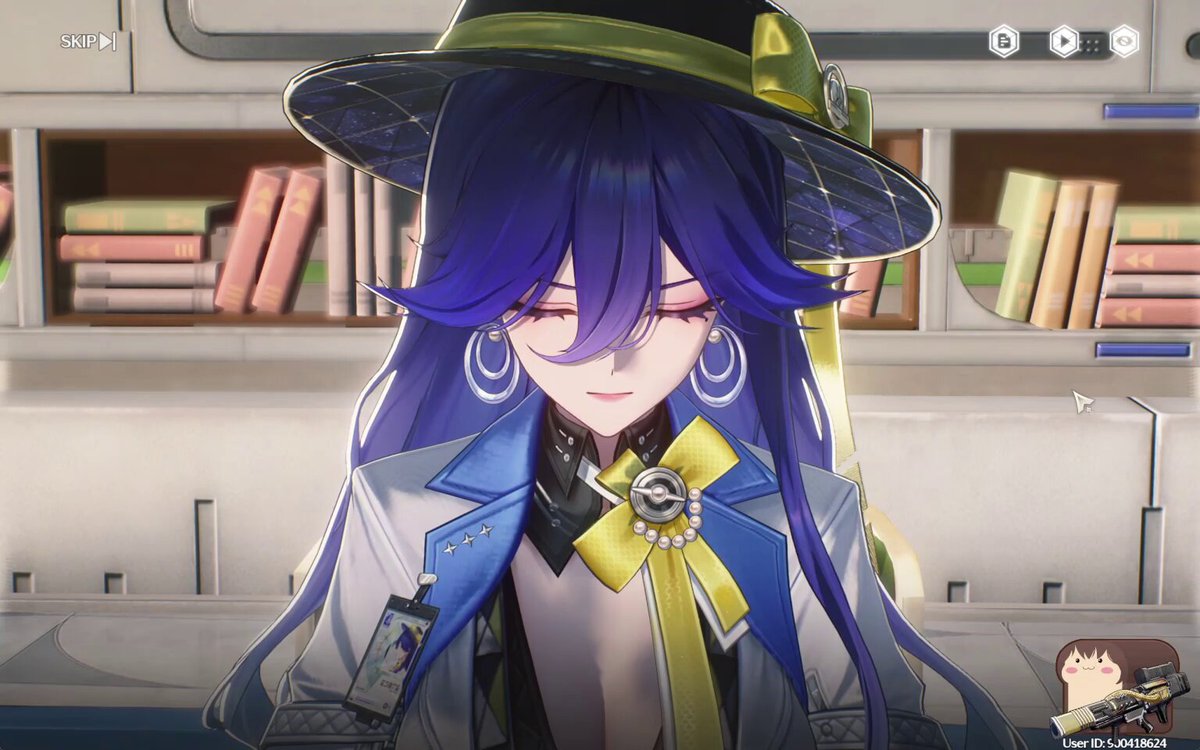
I suspect since the movie touches a lot on rebuilding your life in the middle of a slump, the art of filmmaking itself and accepting yourself for who you are (without spoiling it too much), it'll link to Lucilla quite a bit. She as a memory-type resonator we know has to constantly delete memories and doesn't even remember herself as a child. There'll probably be more stuff in her story soon that reveals things :)
3
59
2,164
Jun 11
If you are interested btw because otherwise it's Italian: ok.ru/video/9262741392009
Very PoMo tho, not the easiest film to understand
22
1,795
Jun 10
I'm replaying through Dreaming Deep, and uh...that's a Helldivers reference LMAO
How did my interests align like this ahahahaha
10
24
393
8,711
Jun 10
There's even a small Truth Enforcer ref at the end im crine 😭😭😭
45
1,222
Quick vid explaining how the lore of Cyberpoonk meshes with WuWa in case you don't understand one or the other (link in comments)
1
24
331
6,121