
Senior SWE TL @Google | ex Principal @RedHat | @ThanosMetrics @PrometheusIO | Bsky: bsky.app/profile/bwplotka.de… | Efficient Go 📖 @OReillyMedia
Joined October 2015
- Tweets 7,487
- Following 786
- Followers 7,309
- Likes 23,617
1,072 Photos and videos


Pinned Tweet

19 Nov 2022
My "Efficient Go" book with @OReillyMedia has been released!🎉
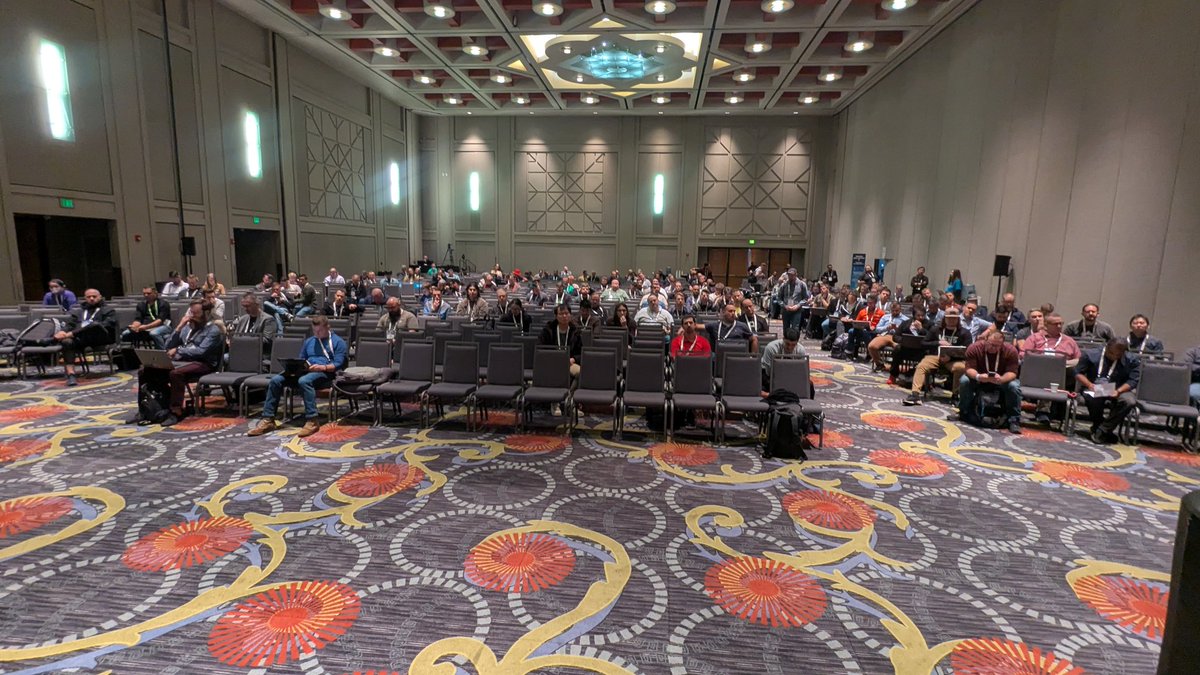
I wrote some words about the book, content and generally my experience writing it (with photos!):
bwplotka.dev/book
Good for a slow Saturday--maybe it will help you to decide to write your own book? 🤗
17 Nov 2022

[NEW RELEASE] Efficient Go -- Author @bwplotka provides the tools and knowledge required to make your systems faster and less resource-hungry. oreil.ly/SyTuj #OReillyExperts
17
40
273
Bartłomiej Płotka retweeted

Mar 30
We caught up with @bwplotka at KubeCon EU. He's pumped about semantic conventions across OTel and Prometheus finally becoming practical, and AI changing how open source is built. #KubeCon #Prometheus #OpenTelemetry
youtube.com/shorts/QF3Yk0wXg…
1
1
6
761
Feb 14
🚨 ALERTS{alertname="NewBlogPost", alertstate="firing"} 1
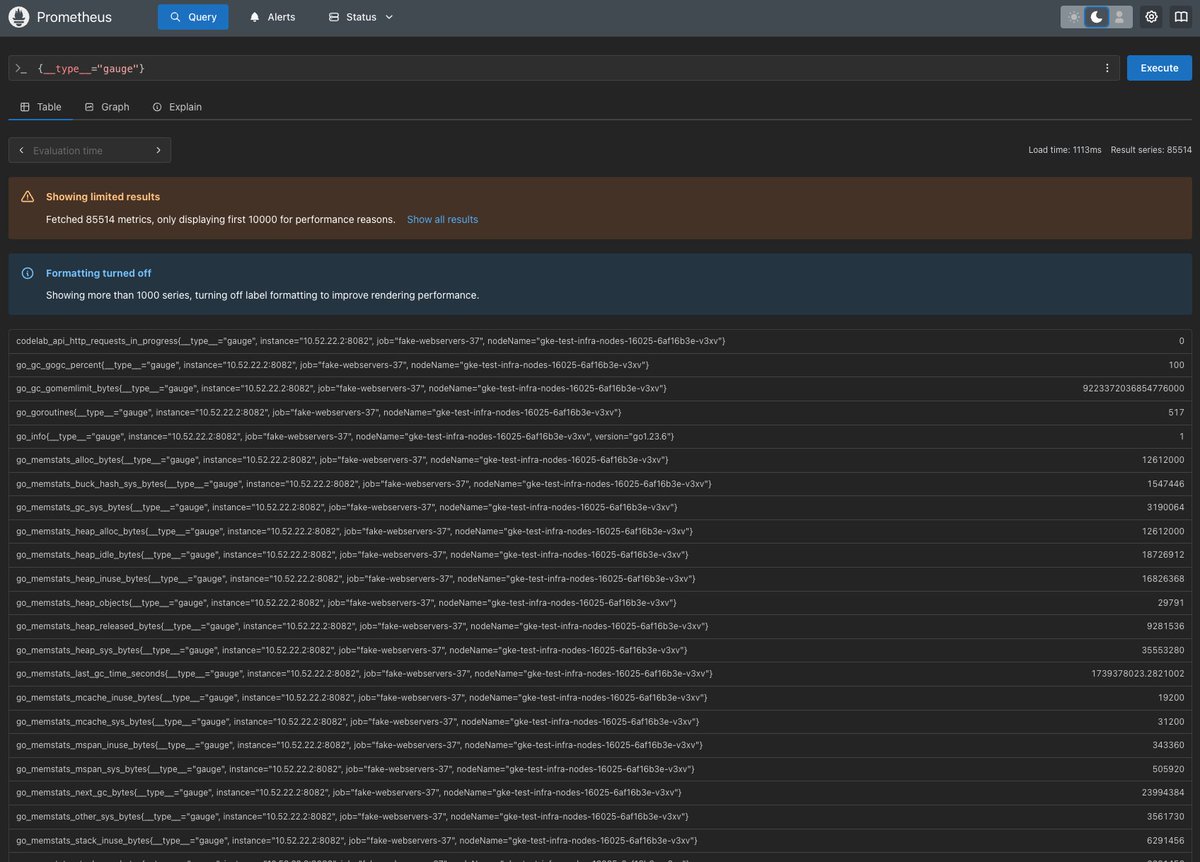
I wrote about exciting and ambitious changes we are making in @PrometheusIO project:
prometheus.io/blog/2026/02/1…
Diving into the potential future of the "native" model for the composite metric types in Prometheus. 💪
3
15
1,605
Jan 26
"Make me care" is probably first rule to follow in tech talks too (:
gwern.net/blog/2026/make-me-…
1
5
789
11 Nov 2025
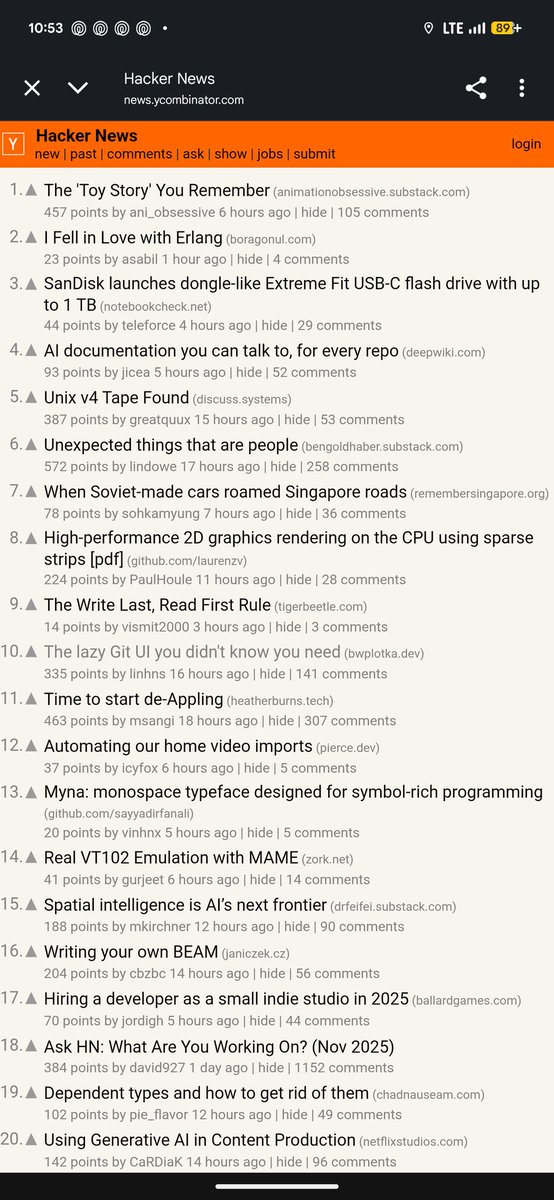
Woke up today to my blog post appearing on the top 10 of hacker news today!
Sounds like my site is up on down due to concurrent traffic... 🙃 switched to higher provider tier, but if it's down, here is a backup link: web.archive.org/web/20251111…
10 Nov 2025

Side projects, blog, podcasting is hard with 2 small kids, but I eventually managed to find time for a blog! (PS: I had to switch to 5am routine 🙈)
Wrote some words about @DuffieldJesse #lazygit OSS tool and what we can learn from its UX. Enjoy! 🤗
bwplotka.dev/2025/lazygit/
1
7
727
10 Nov 2025
100% this.
We are in the cycle of "unifying things", which is like going back to monoliths for DBs, collection, SDKs etc.
Tempting but maybe utopia?
BUT no one blocks ppl from trying and learning on their mistakes (: We will see in 5y cycle to move back to dedicated solutions.
9 Nov 2025

There are DevOps and SRE engineers who think that a unified database for metrics and logs is a good idea. This isn't a good idea from an operations perspective because of the following reasons:
- Lower availability. If something wrong happens with the stored logs, there are high chances that this will affect metrics stored in the same database, and vice versa.
- Noisy neighbour. You cannot allocate dedicated resources (storage space and storage IO, CPU, RAM, network bandwidth) individually for metrics and logs if they are stored in the same database. These resources are shared, so the increase in logs' workload may negatively affect metrics' workload and vice versa.
- Operational complexity and efficiency. You cannot have individual backup and recovery strategies per metrics and logs stored in the same database. Logs and metrics may require different retention policies. These policies are hard to implement efficiently and clearly when logs and metrics are stored in the same database.
- Query usability and performance. Efficient querying metrics and logs are completely different things - they need different query languages optimised for typical queries over metrics and logs. They also need different optimizations at the database level for achieving high querying performance and low resource usage.
So think twice before choosing an all-in-one observability solution for metrics, logs, traces and profiles, which stores all this data into a single database, and advertises this as a feature. It usually works great at demo time and at low load in staging environments, but it may not be so great under load in production because of the issues mentioned above.
5
469
10 Nov 2025
Side projects, blog, podcasting is hard with 2 small kids, but I eventually managed to find time for a blog! (PS: I had to switch to 5am routine 🙈)
Wrote some words about @DuffieldJesse #lazygit OSS tool and what we can learn from its UX. Enjoy! 🤗
bwplotka.dev/2025/lazygit/
2
2
10
1,391
Bartłomiej Płotka retweeted

31 Oct 2025
sooner than expected
youtube.com/live/SzSUa5y7Ji0…
2
3
1,315
9 Oct 2025
FYI, @CloudNativeFdn KubeCon Europe (23-26th March) CFP closes in 3 days (12th October). What fun talks do you plan to propose? (:
events.linuxfoundation.org/k…
What'd you like to like to hear more about?
Maybe you'd like to co-speak? Happy to mentor/co-speak with passionate ppl!
1
2
544
22 Sep 2025
PromCon is one month away! 🤗
We wrote all your need to know on our blog: prometheus.io/blog/2025/09/2…
6
17
1,950
9 Sep 2025
Fun bugs happen, let's see if you can spot them (without looking on comments)! (:
Quiz#1: Why "make check" will never detect any formatting errors in the following snippet:
gist.github.com/bwplotka/5c6…
2
463
21 Aug 2025
Thinking about starting writing more again (blog posting, social media).. should I?
I have some engineering/oss/mentoring topics queued for too long 🙈
7
33
1,986
31 Jul 2025
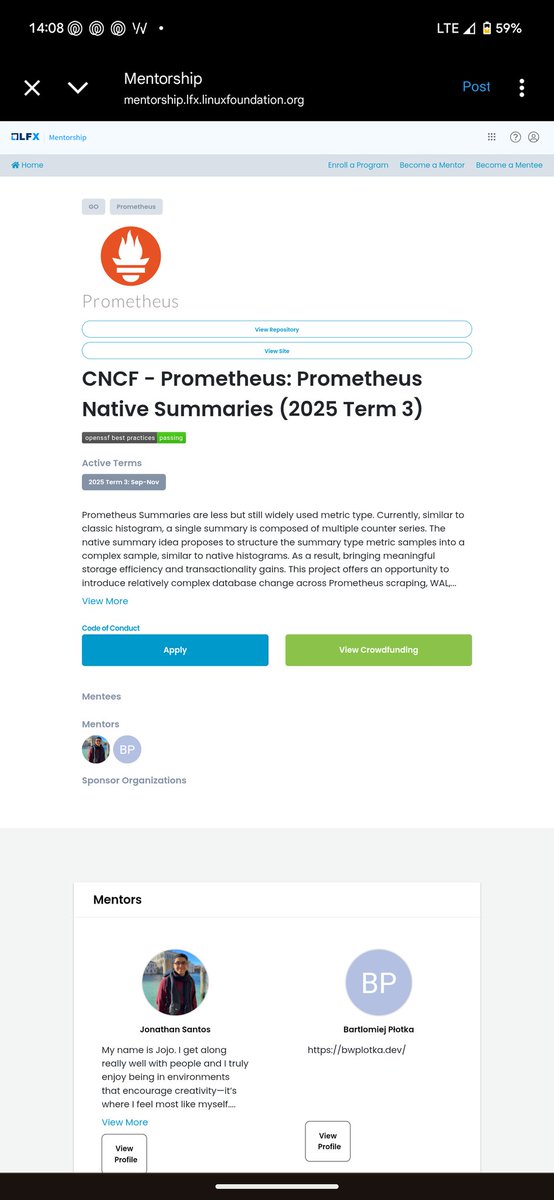
Ever dreamed to be mentored by @PrometheusIO community; get skilled in high performance monitoring databases, @golang and help #opensource on the way?
Apply today on the LFX website 🤗
mentorship.lfx.linuxfoundati…
31 Jul 2025

Applications for @PrometheusIO LFX mentorships open today!
We have some highly impactful projects this time, around Prometheus OTel UX, Remote Write 2.0, and Native summaries.
Go apply to work with some really cool folks, and learn while you're at it! 🔥
github.com/cncf/mentoring/bl…
1
4
17
1,656
Bartłomiej Płotka retweeted

31 Jul 2025
Applications for @PrometheusIO LFX mentorships open today!
We have some highly impactful projects this time, around Prometheus OTel UX, Remote Write 2.0, and Native summaries.
Go apply to work with some really cool folks, and learn while you're at it! 🔥
github.com/cncf/mentoring/bl…
2
11
22
3,164
Bartłomiej Płotka retweeted
3 Jun 2025
Thanks for being such an amazing mentee and for writing the blog post! We really enjoyed working with you too 🤗
Let's continue working together in OSS! 💪
1
2
6
605
Bartłomiej Płotka retweeted

4 Jun 2025
Today is a good day! #golang
go.dev/blog/error-syntax
"For the foreseeable future, the Go team will stop pursuing syntactic language changes for error handling. We will also close all open and incoming proposals that concern themselves primarily with the syntax of error handling, without further investigation."
68
122
946
372,972
Bartłomiej Płotka retweeted
4 Jun 2025
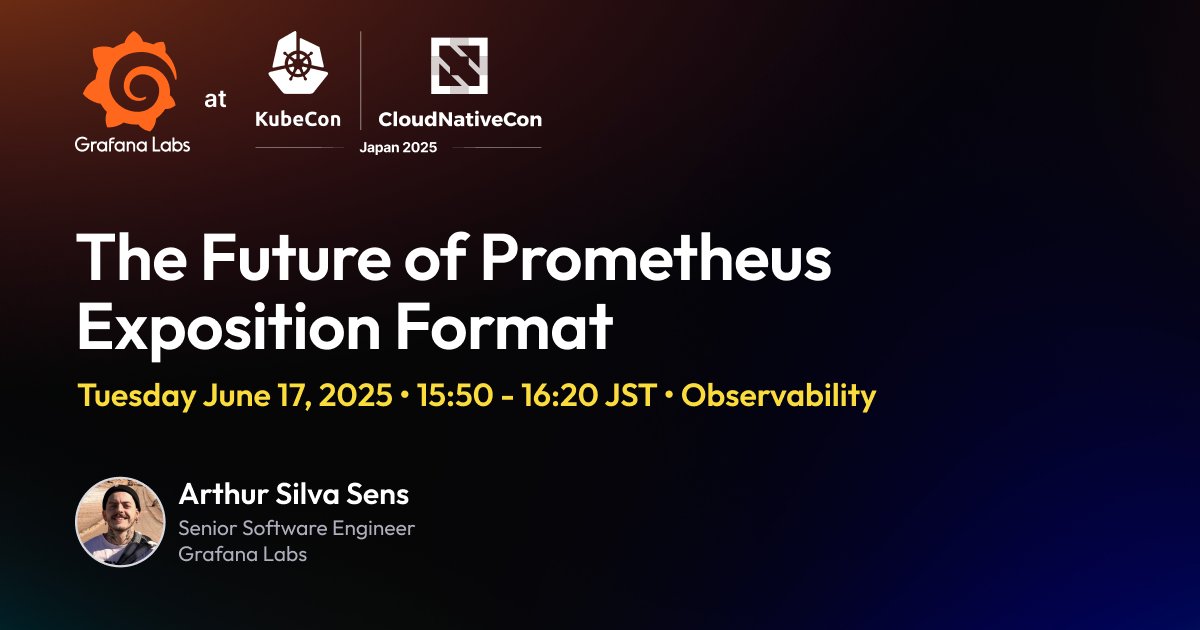
First time going to Japan!
Come watch my talk if you're also going to KubeCon :)
1
2
13
789
20 Apr 2025
Our KubeCon talk recording is out: youtu.be/Rw4c7lmdyFs
What if we can define a schema for important @PrometheusIO metrics, version it, allow users to pin PromQL metric to a certain schema version and solve metric renaming problems? 😍
2
24
1,737
Bartłomiej Płotka retweeted

15 Apr 2025
My talk at #KubeCon is out now! I partnered with Antoine Thébaud to dive into innovative dashboard design with PersesDev. Watch our discussion here: youtube.com/watch?v=7h70Olo5…
You can also access the slides at: kccnceu2025.sched.com/event/…
1
7
668

Designing software should happen while you’re building it. Not before. You can do some bits beforehand, but in my experience, projects that do well are free to grow organically in any direction they like, not by following some predestined roadmap.
4
4
37
1,916