
2,498 Photos and videos










Pinned Tweet

5 Oct 2020
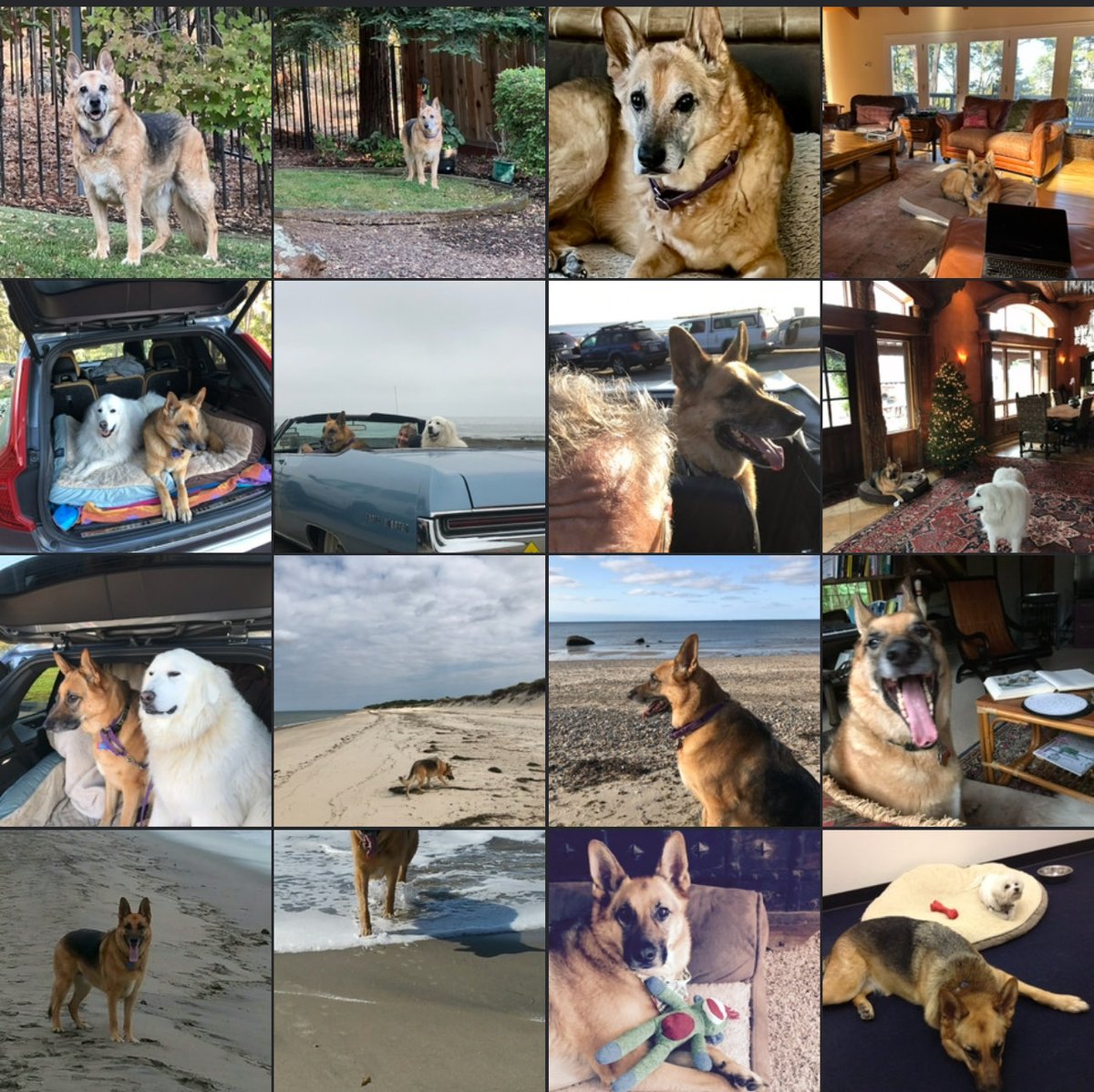
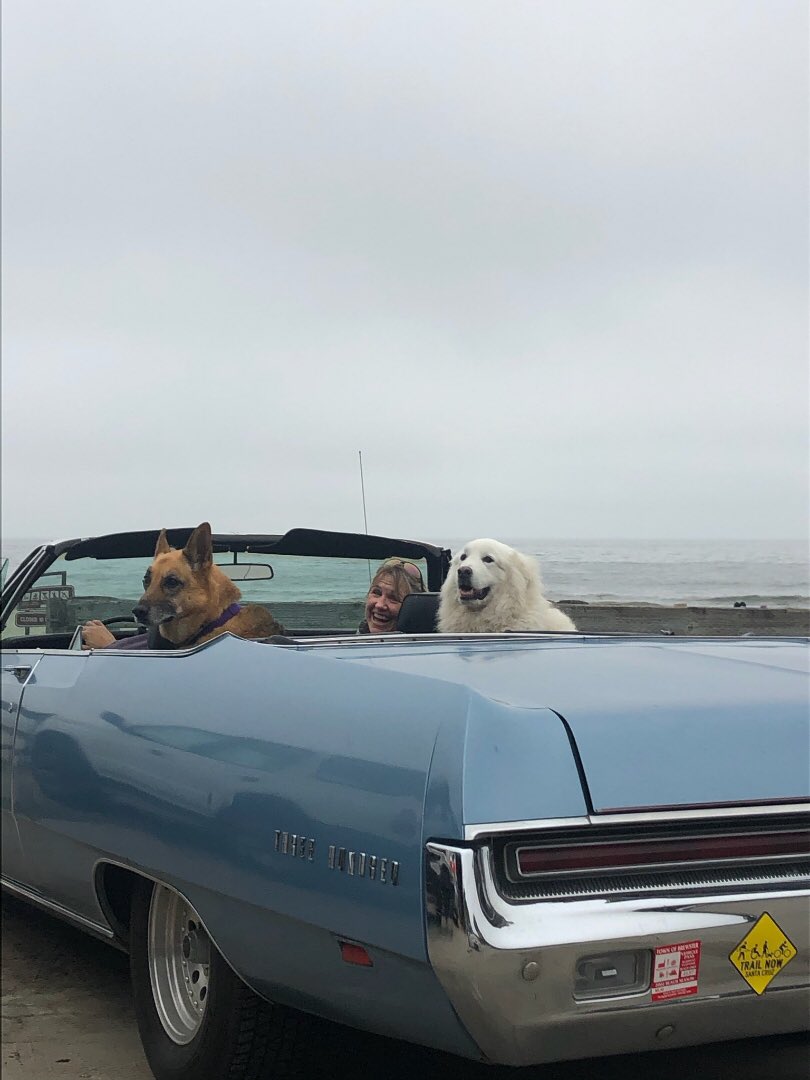
My GF is letting the German Shepherd drive to the off-leash beach. Not sure how I feel about it as he is a poor driver. I’ve never seen him use his blinkers.
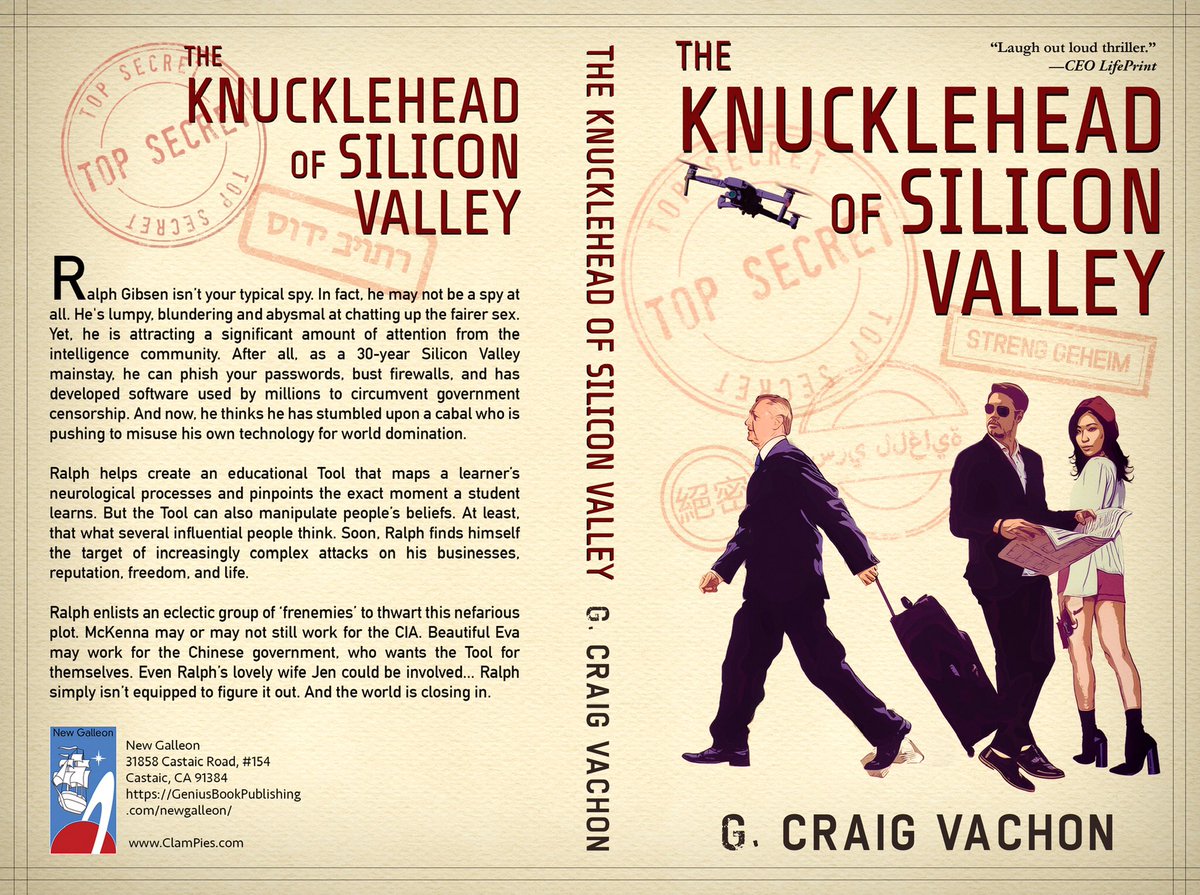
See clamPies.com for reviews of my comedic spy thriller.
7
27
What are we going to do with a radio station? #SantaCruz #Aptos #Watsonville #Monterey #Salinas #Carmel
1
1
121
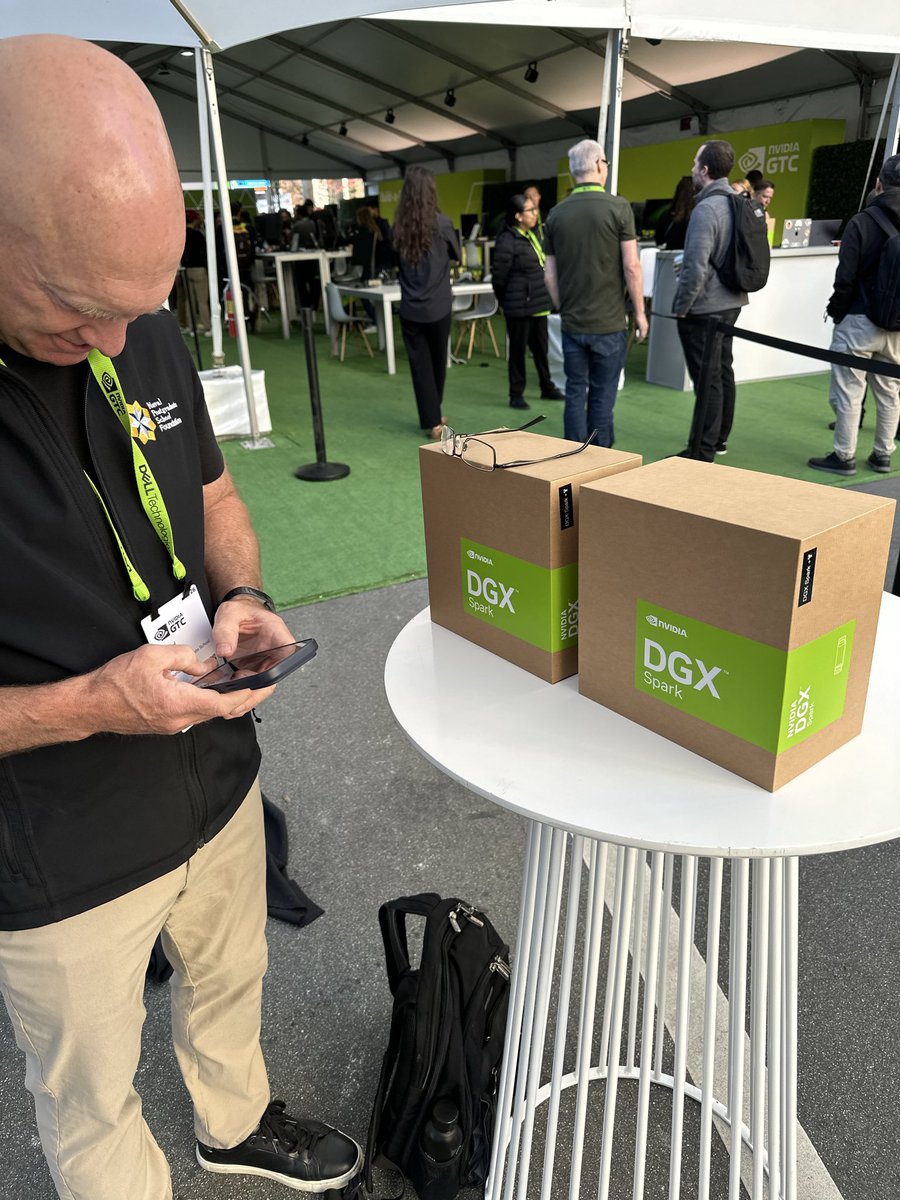
They say that you either keep growing or you fade away. Meet my new classroom.
2
44
An issue is quietly emerging behind the “vibe coding” explosion.
People aren’t just experimenting with AI tools.
They’re building their own internal software.
Marketing teams building analytics dashboards.
Operations teams writing workflow systems.
Finance teams generating forecasting tools.
Individually, these are often clever and useful.
Collectively, they create something else entirely:
Shadow IT at planetary scale.
Which means organizations are about to face a governance challenge most aren’t prepared for:
Identity & access control — Who actually has access to these tools?
Security — What APIs, data sources, or models are being connected?
Reliability — What happens when the person who built it leaves?
Legal/compliance — Who owns the IP generated by these systems?
Data leakage — What sensitive information is being passed into models?
Historically, IT departments governed software because software was expensive and slow to build.
Now software is cheap and fast to build.
That changes everything.
The organizations that figure out how to govern AI-built systems without killing the creativity will have a massive advantage.
The ones that don’t…
…may wake up one morning to discover they’re running hundreds of critical tools that no one officially owns.
1
1
26
Prediction: @Anthropic sues the DoD and wins (like SpaceX, Palantir and Anthropic did).
29
Some knucklehead speaking about vibe coding to some smart adults at @CSUMB instagram.com/reel/DVhQiy3kq…
12
Rep. James Talarico On Confronting Christian Nationalism, And Strange Da... youtu.be/oiTJ7Pz_59A
1
75
December 2019 was my last time in China. I left with a virus that would soon change the world, and a growing unease about a surveillance state that was already changing its own.
Seven years later, the feeling persists.
I miss the people—the builders, the thinkers, the families.
I don’t miss the system that constrains them.
Here’s to the Year of the Horse. May it bring more of the former and much less of the latter.
#China #LunarNewYear2026 #Freedom
1
56
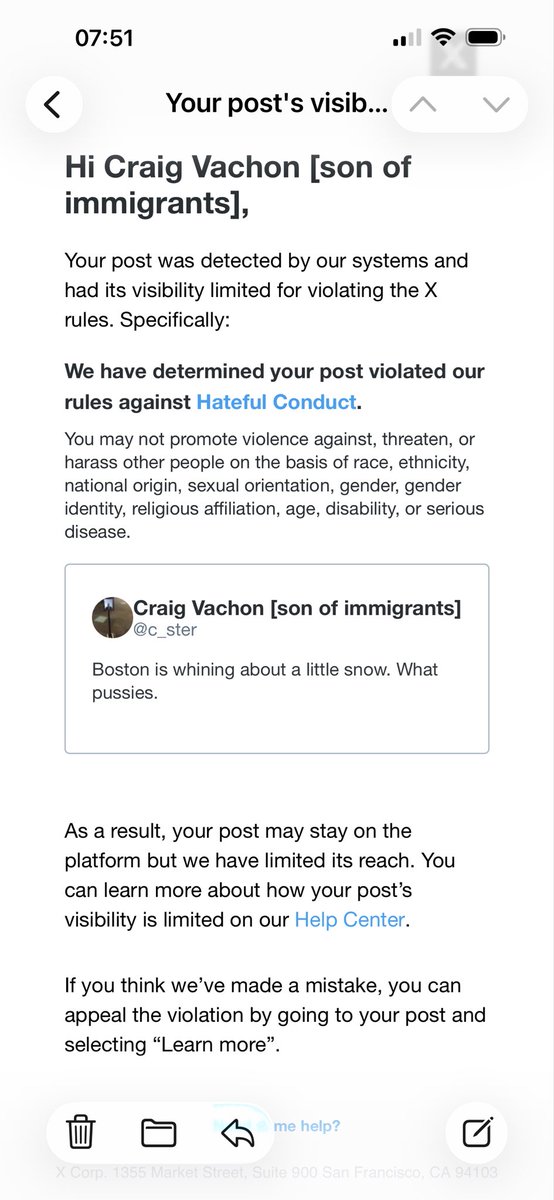
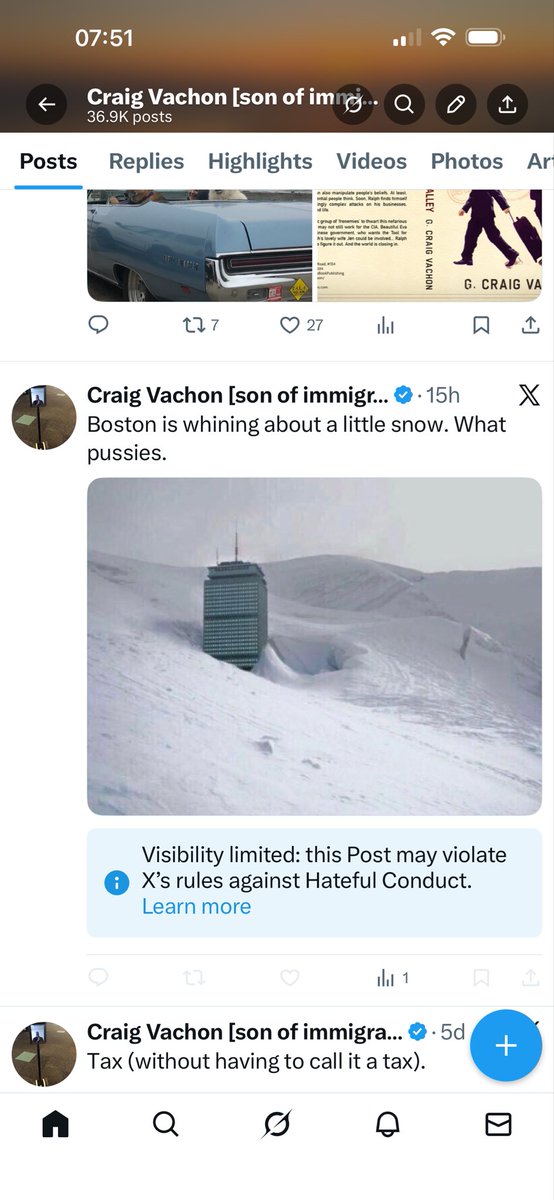
So twitter’s filter bots lack a sense of humor. (If you’re not from Boston, that’s the Prudential Bldg. It’s tall.)
1
50
Boston is whining about a little snow. What pussies.
16
Tax (without having to call it a tax).
A think tank analyzed $4 trillion of shipments between January 2024 and November 2025 and found that American consumers absorbed 96% of the tariff impact — a conclusion that's backed up by recent reports out of Yale and Harvard.
1
1
50
Trump’s decision to mount a decapitation-style operation against Maduro creates massive “day two” and “week two” risks: political vacuum in Caracas, questions of occupation or proxy governance, and powerful signaling effects that Xi and Putin can exploit rhetorically and strategically. It does not automatically trigger moves on Taiwan or Ukraine, but it hands them talking points to justify escalation
74
24 Dec 2025
"DOGE had no noticeable effect on the trajectory of spending," the Cato Institute offered in its analysis of the agency's 2025 results. Spending is up 6% this year.
41
21 Dec 2025
""Amathia"" is a Greek word (αμαθία) that implies a willful ignorance or a refusal to learn, rather than simply a lack of exposure to information.
1
23
21 Dec 2025
“The Christmas Song (Merry Christmas to You)” was written by Mel Tormé and Robert Wells in 1945 and first recorded by the Nat King Cole Trio in 1946; Cole’s 1961 stereo version is generally regarded as the definitive recording.
Notable, widely documented recording artists include:
•Nat King Cole (multiple versions 1946–1961)
•Mel Tormé (multiple versions 1950s–1990s)
•Frank Sinatra
•Doris Day
•Tony Bennett
•Ella Fitzgerald
•Bing Crosby
•Perry Como
•Barbra Streisand
•The Jackson 5
•John Denver
•Neil Diamond
•Celine Dion
•LeAnn Rimes
•Josh Groban
•Idina Menzel
•Aloe Blacc
•Ariana Grande
•Camila Cabello
•Shawn Mendes
•Pentatonix
•NSYNC
•Michael Bublé
•Trace Adkins (country)
•Thomas Rhett
Favorite? (Punk and Ska versions exist as well).
1
40
17 Dec 2025
In modern experiments, humans typically "pass" the Turing test (i.e., successfully convince a judge they are human) only about 63% to 67% of the time
20