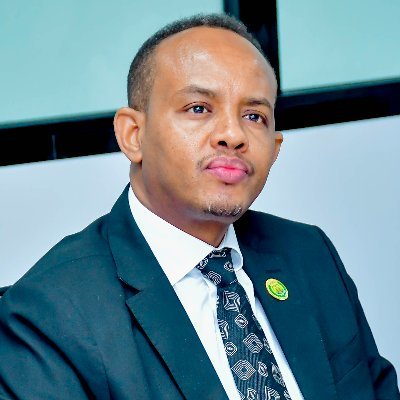
Former Director-General of the Ministries of Planning & National Development, Social Affairs & Labour, and Trade & Tourism.
Joined November 2012
- Tweets 12,409
- Following 10,752
- Followers 57,237
- Likes 7,887
2,749 Photos and videos
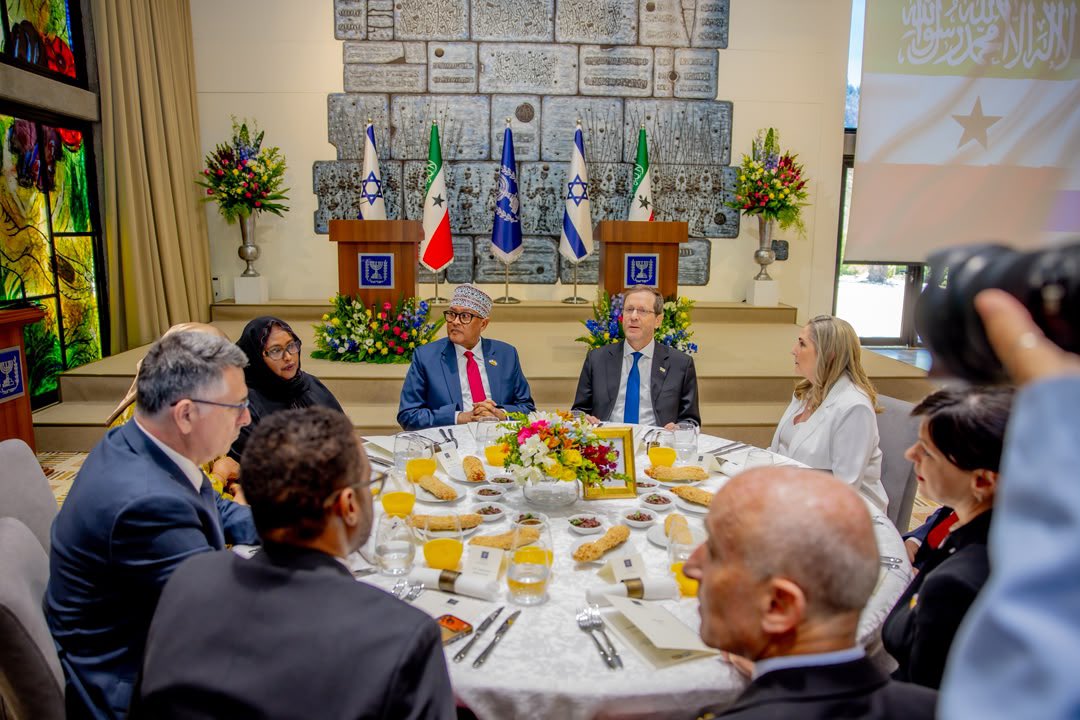
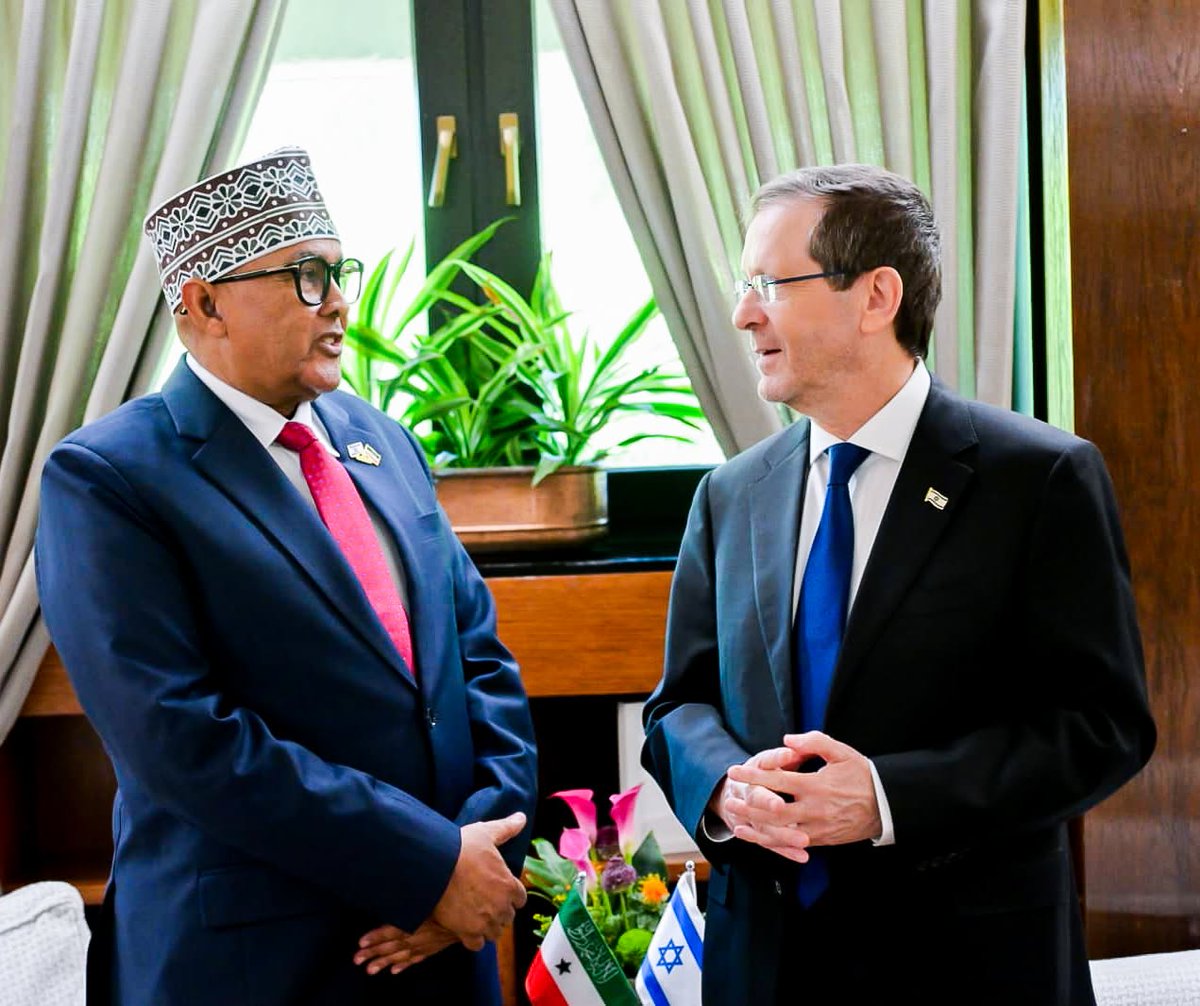
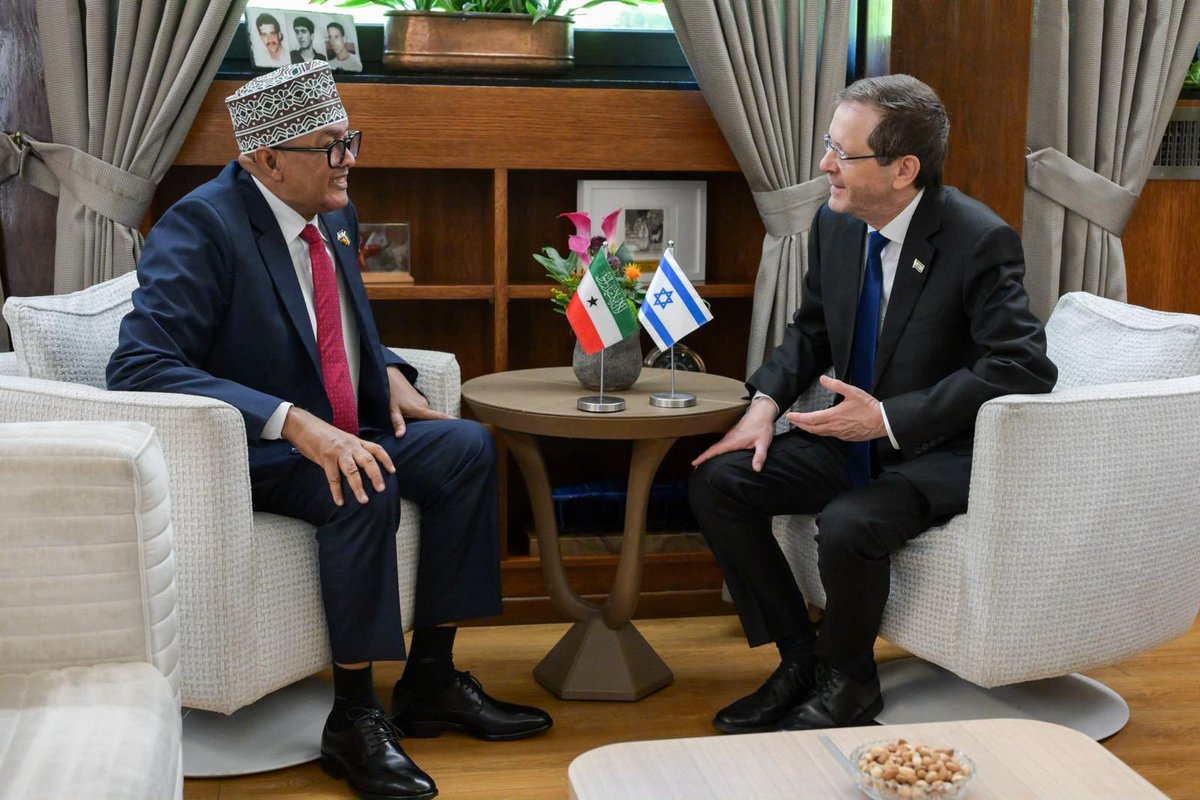
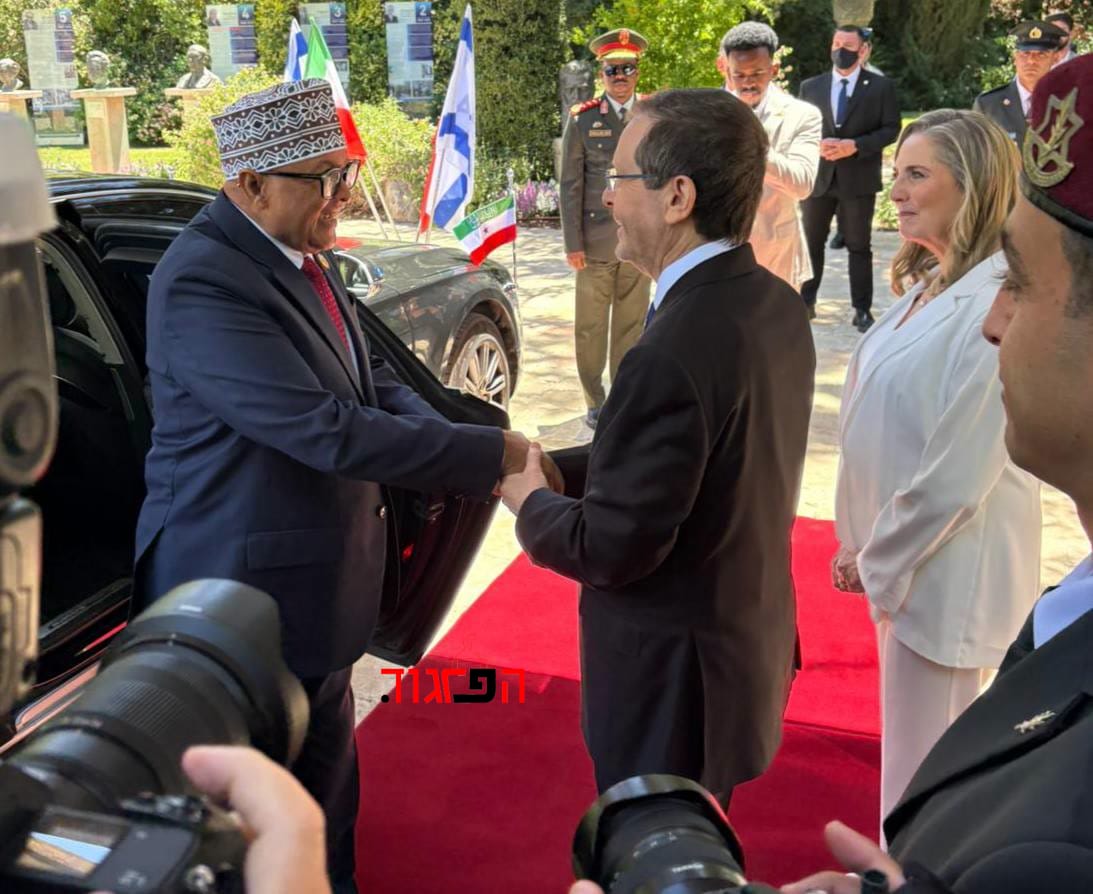
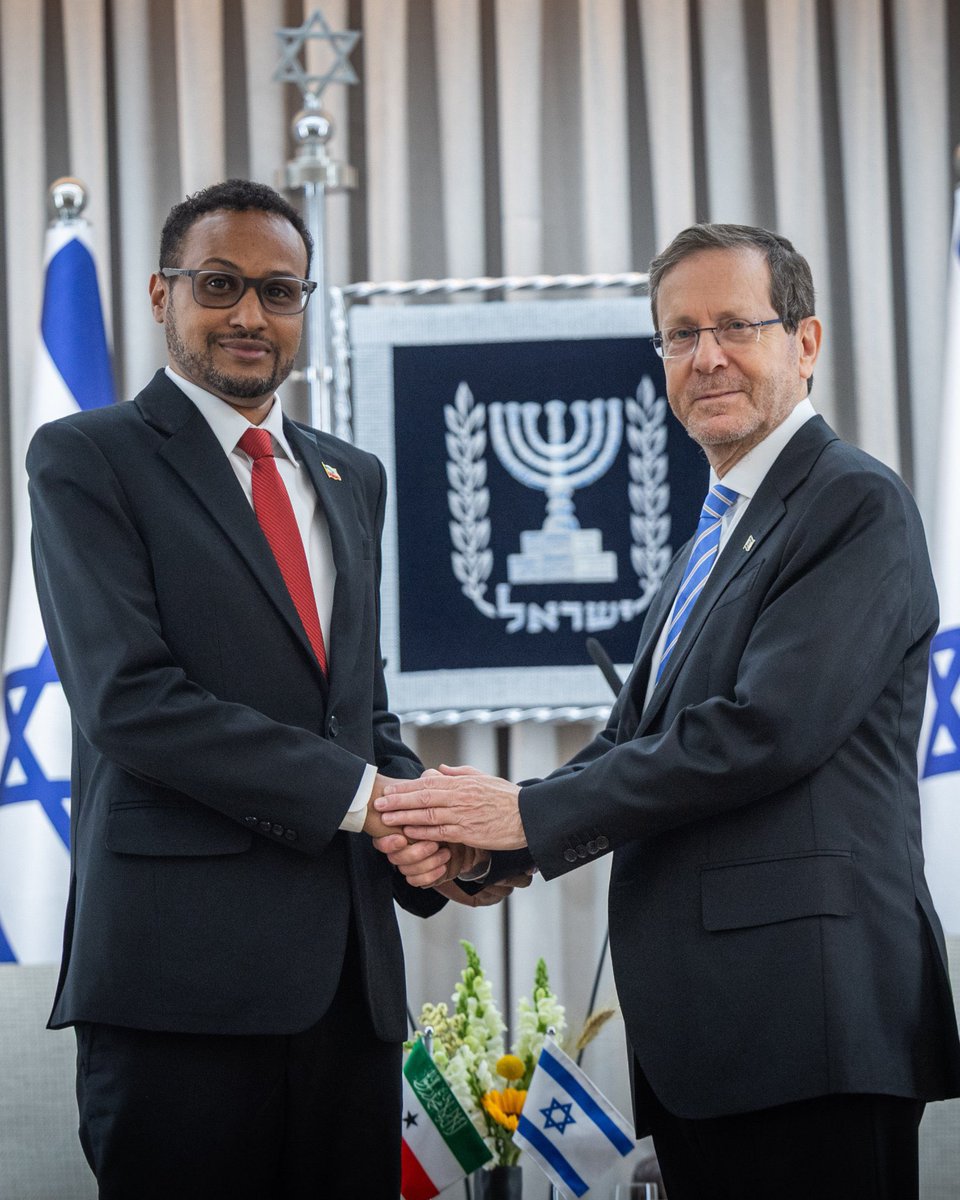
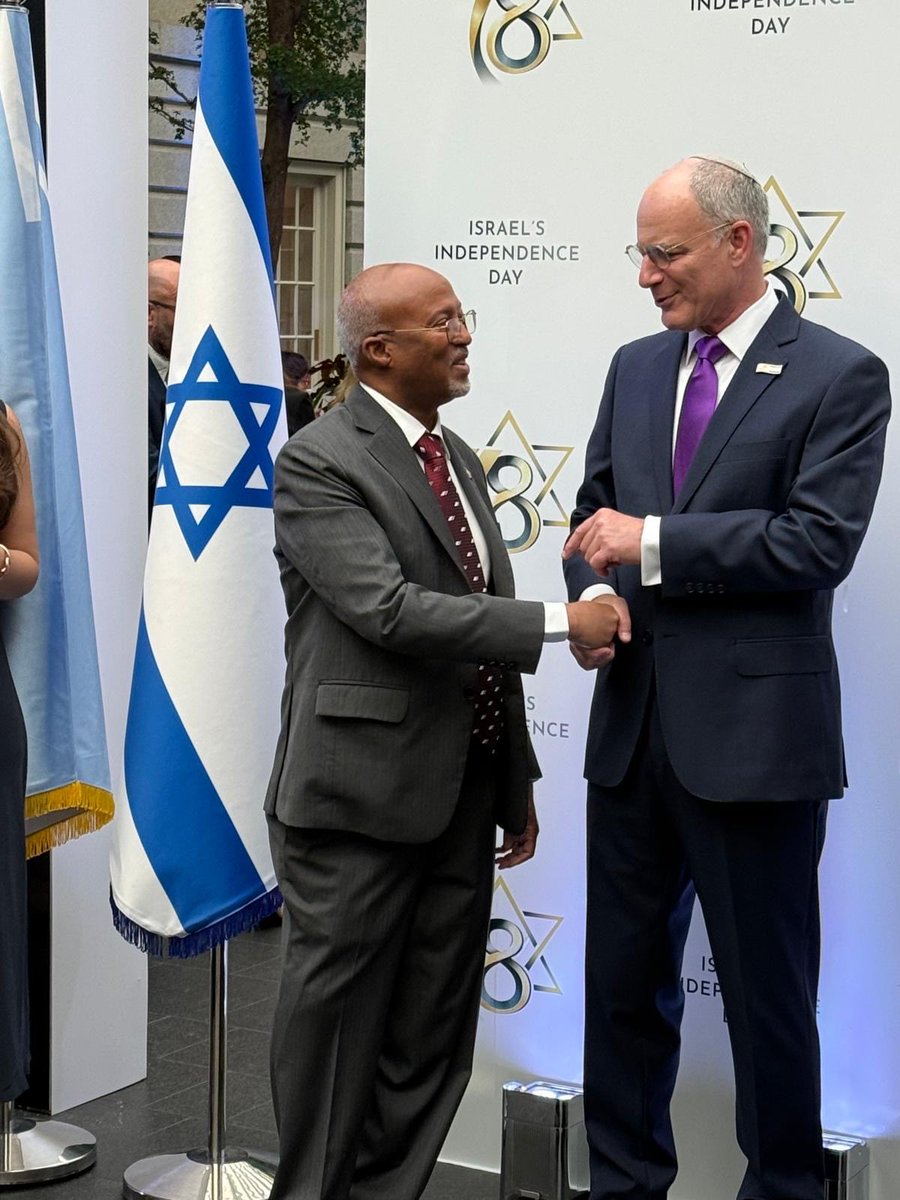
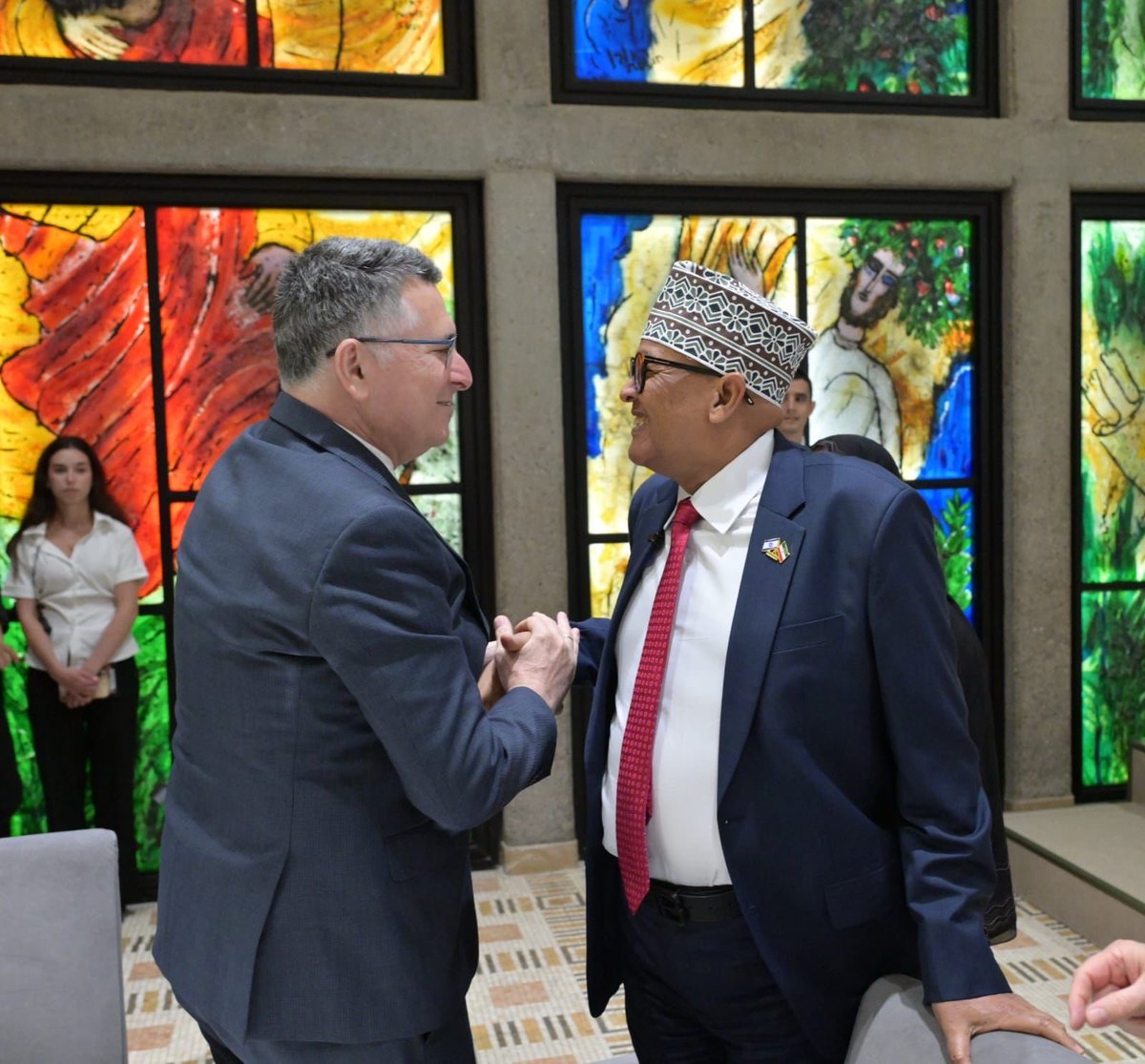
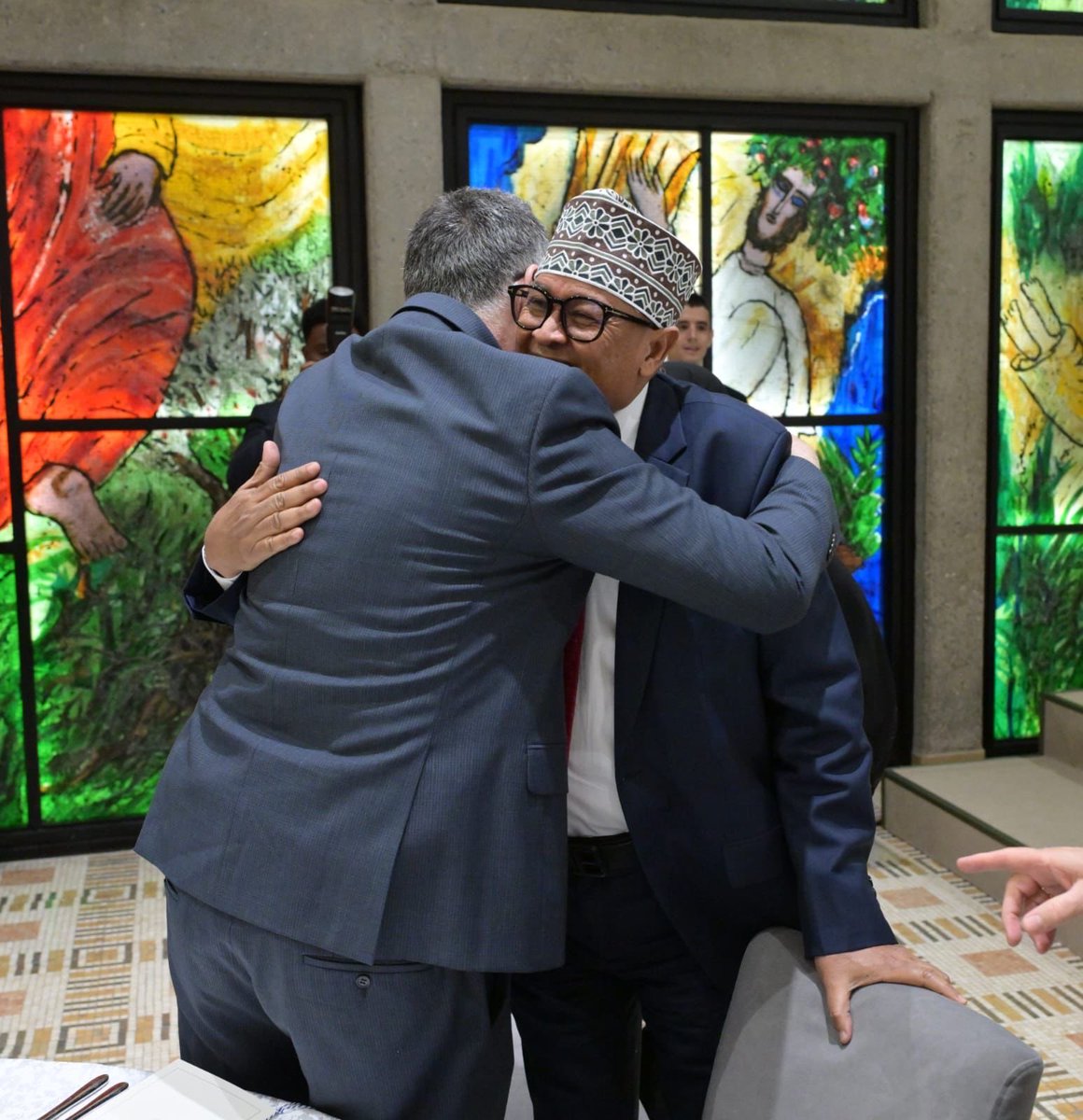
The President of Israel, @Isaac_Herzog, hosted an Official Luncheon at the Presidential Residence in Jerusalem in honour of the President of the Republic of Somaliland. The occasion underscored the growing partnership between Somaliland and Israel and a shared commitment to deeper cooperation and mutual interests.
28
Thank you, Minister @gidonsaar, for the warm welcome to the President of the Republic of Somaliland. We look forward to strengthening the growing partnership between Somaliland and Israel through cooperation, friendship, and shared interests.

2
8
200
Israeli President @Isaac_Herzog calls for collaboration between Somaliland and Israel, who “both face strategic challenges and the threat of radical extremism.”
Speaking during high-level discussions, President Herzog emphasized the need to move beyond diplomatic declarations toward practical people-to-people cooperation across a wide range of sectors. He highlighted shared interests in security, regional stability, and economic cooperation, noting that both Somaliland and Israel seek peace and stability in the Horn of Africa and recognize the importance of protecting maritime freedom.
His remarks signal a growing focus on translating diplomatic engagement into concrete partnerships based on shared strategic interests and long-term cooperation.
1
9
134
Abdirashid Ibrahim retweeted

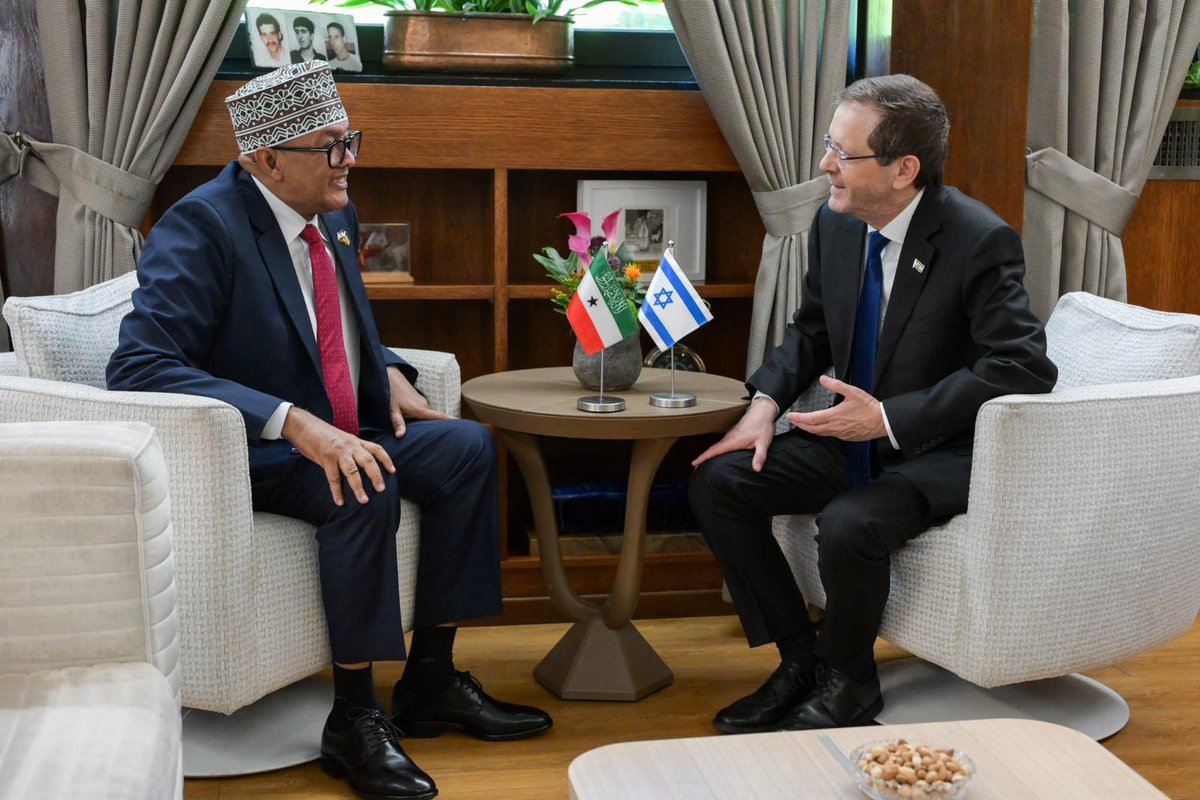
The President of the Republic of Somaliland, His Excellency Abdirahman Mohamed Abdullahi (Irro), today embarked on an official state visit to the State of Israel.
7
30
95
1,439
The significance of President Herzog’s statement lies in what it implies. References to a “historic visit” and a “new partnership” suggest that Somaliland and Israel are moving beyond diplomatic contact toward a more structured relationship focused on shared interests, practical cooperation, and long-term strategic objectives.

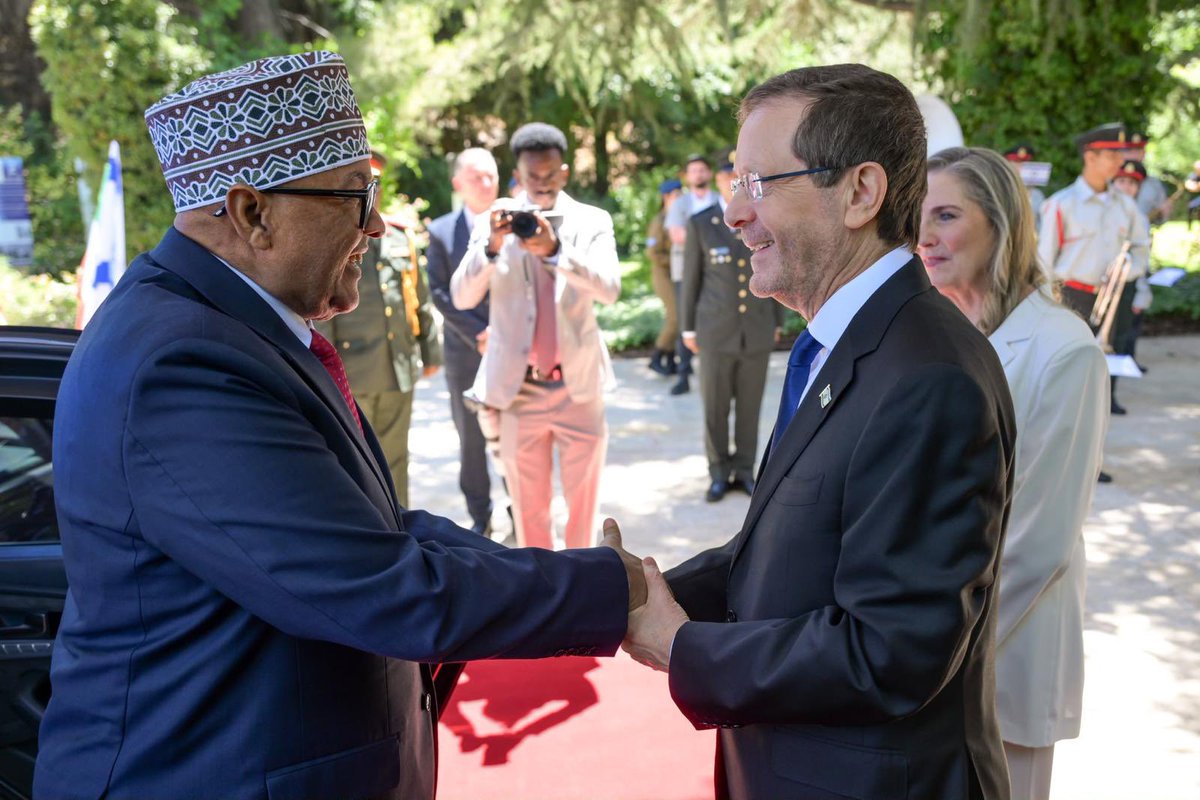
Ku soo dhawoow Israel, Madaxweynaha Somaliland @Abdirahmanirro.
Booqashadan taariikhiga ah waxay astaan u tahay kartida weyn ee iskaashiga cusub ee u dhexeeya labadeenna dal.
3
11
291
Abdirashid Ibrahim retweeted

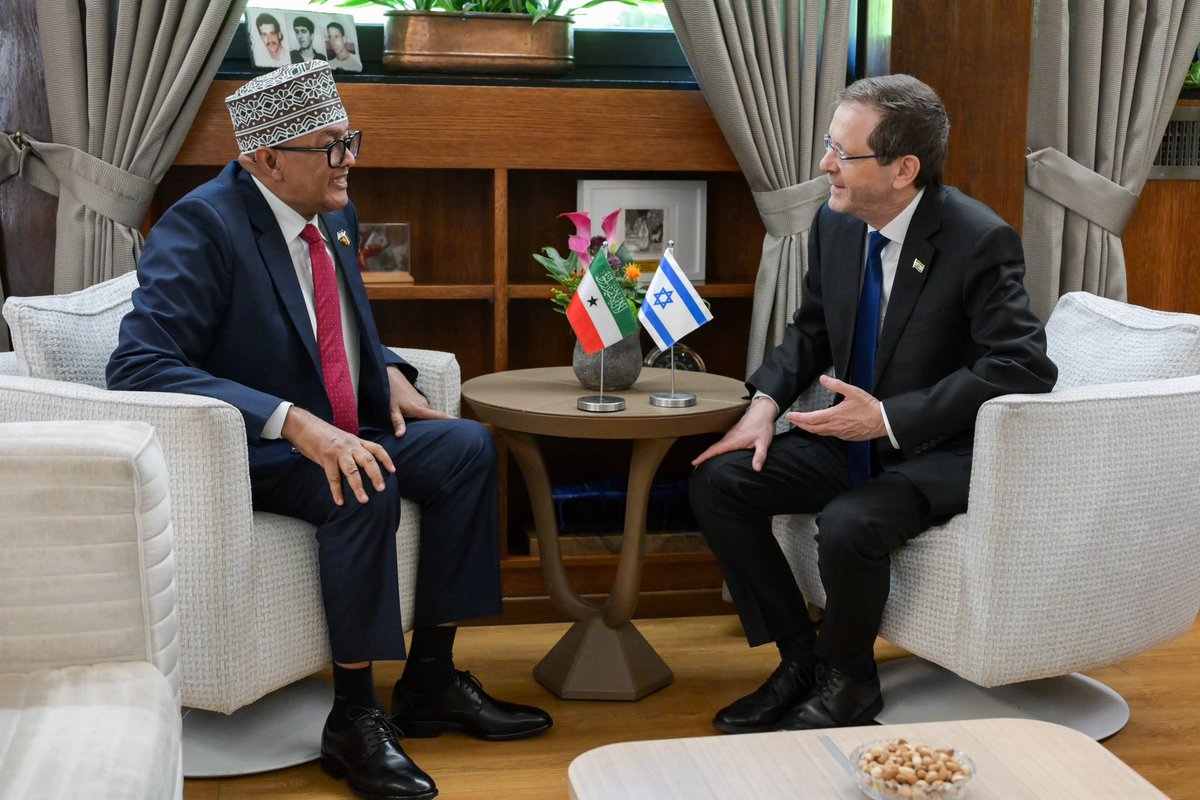
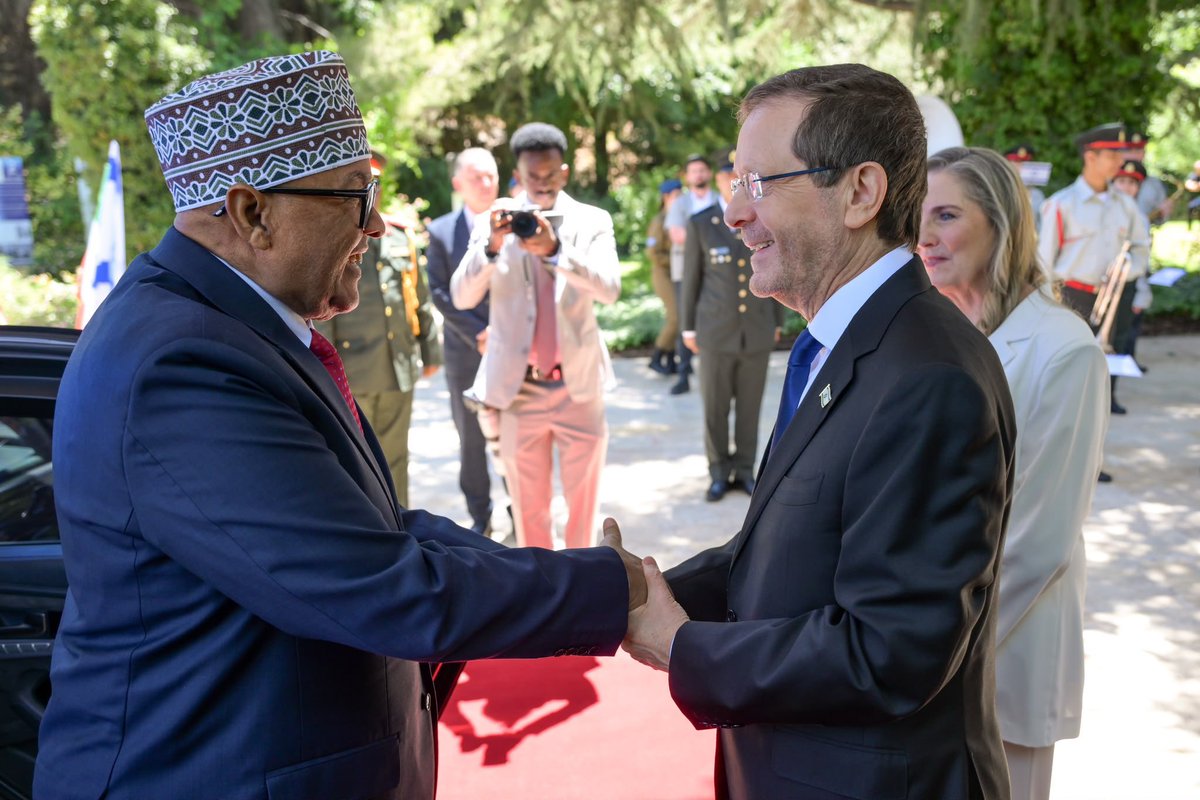
حللت اهلا ونزلت سهلا 💐
كل الترحيب برئيس صومال لاند عبد الرحمن محمد عبد الله في اول زيارة له لإسرائيل، منذ الإعلان عن إقامة علاقات دبلوماسية بين البلدين قبل بضعة اشهر.
في هذه الأثناء يجتمع الرئيس يتسحاق هرتسوغ الرئيس الضيف. انتم مدعوون لمتابعة نشاطات الرئيس عبد الرحمن على حساباتنا.
📸 تصوير: معيان تؤاف / مكتب الصحافة الحكومي (GPO).
20
60
242
5,229
Abdirashid Ibrahim retweeted

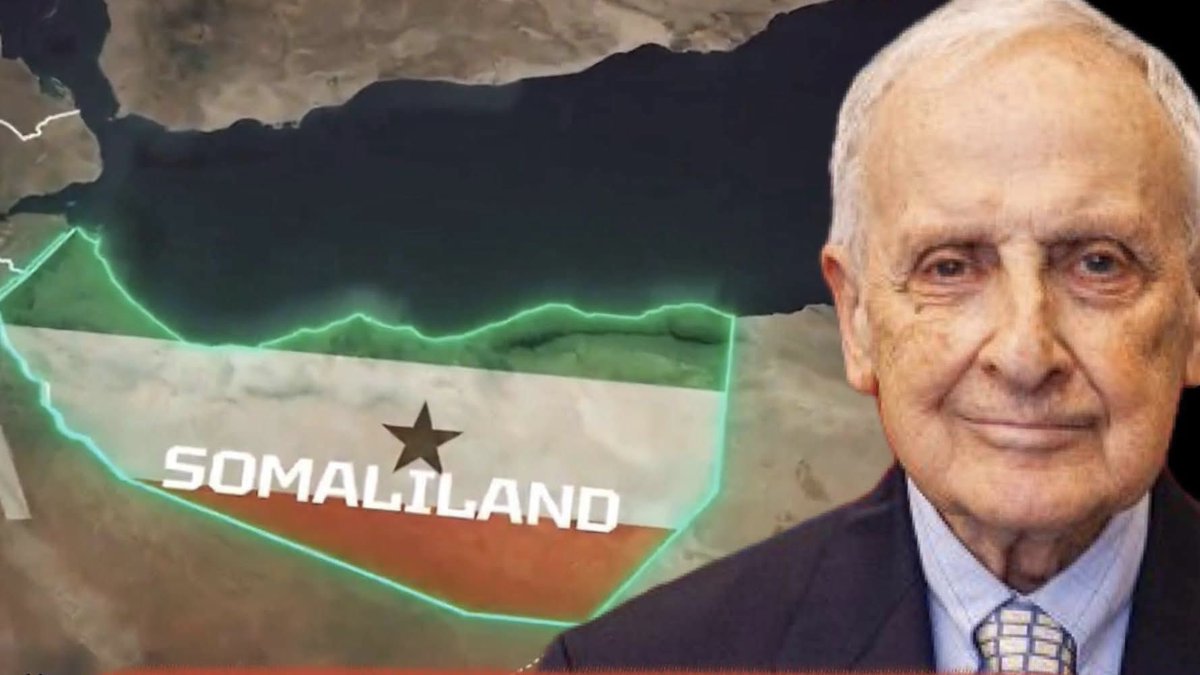
לרגל ביקורו הראשון של נשיא סומלילנד בישראל, חשוב להבין את ההיסטוריה של אחת מהמדינות האסטרטגיות ביותר באפריקה, ובעלת ברית חדשה שלנו.
סומלילנד - מקולוניה בריטית, למלחמת אזרחים עקובה מדם ועד למדינה עצמאית .
האזינו לקטע קצר של סטפן תומפסון, מייסד רשת החדשות @visegrad24 >>
@Abdirahmanirro
@Presidencysl_
@StefanTompson
10
67
272
4,827
Abdirashid Ibrahim retweeted

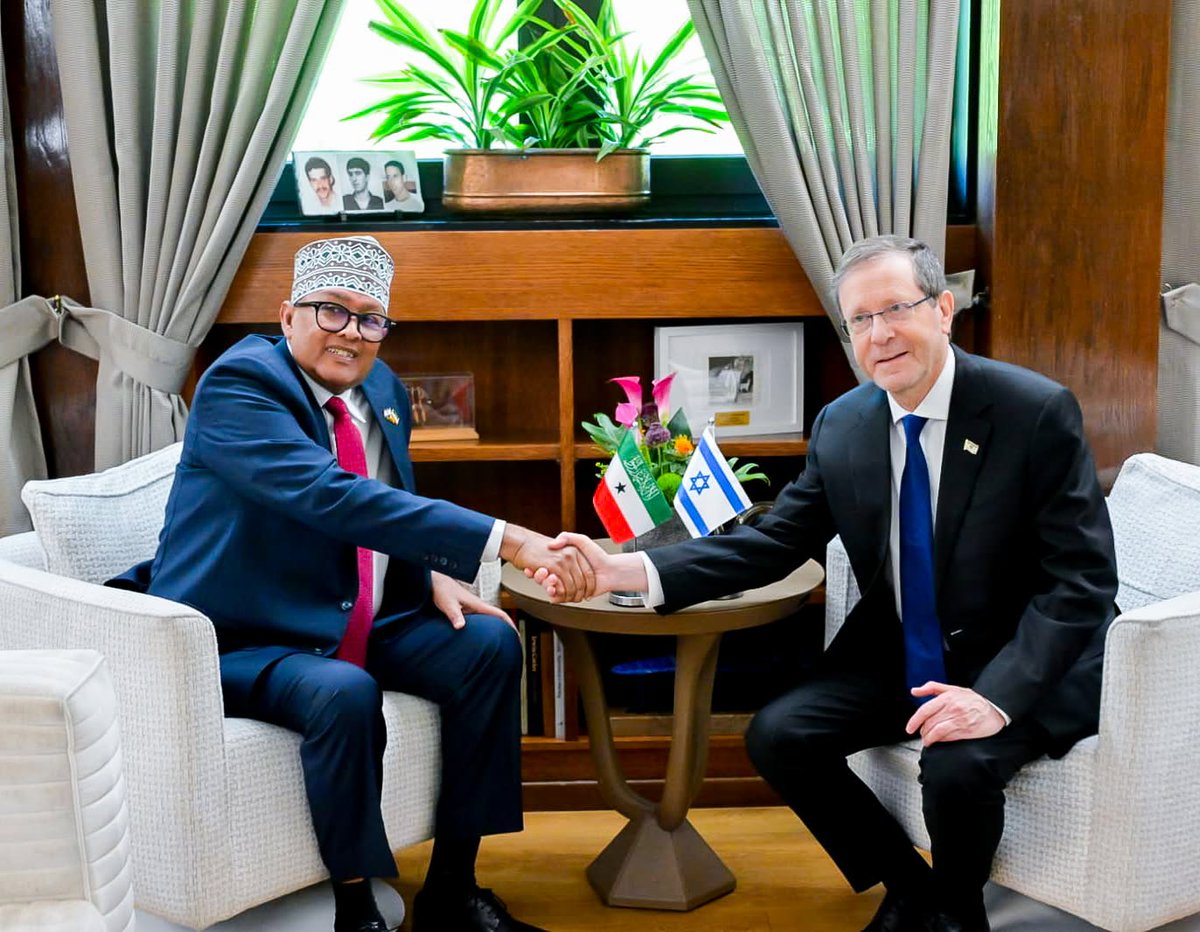
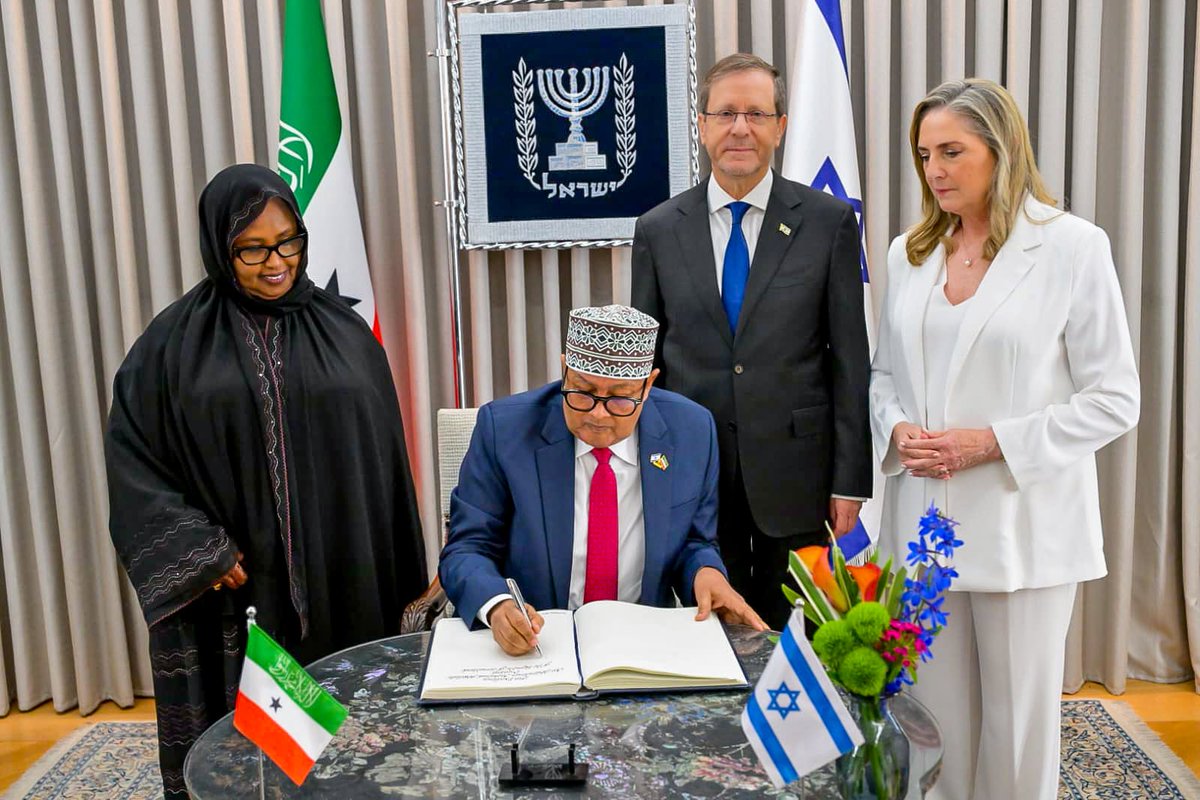
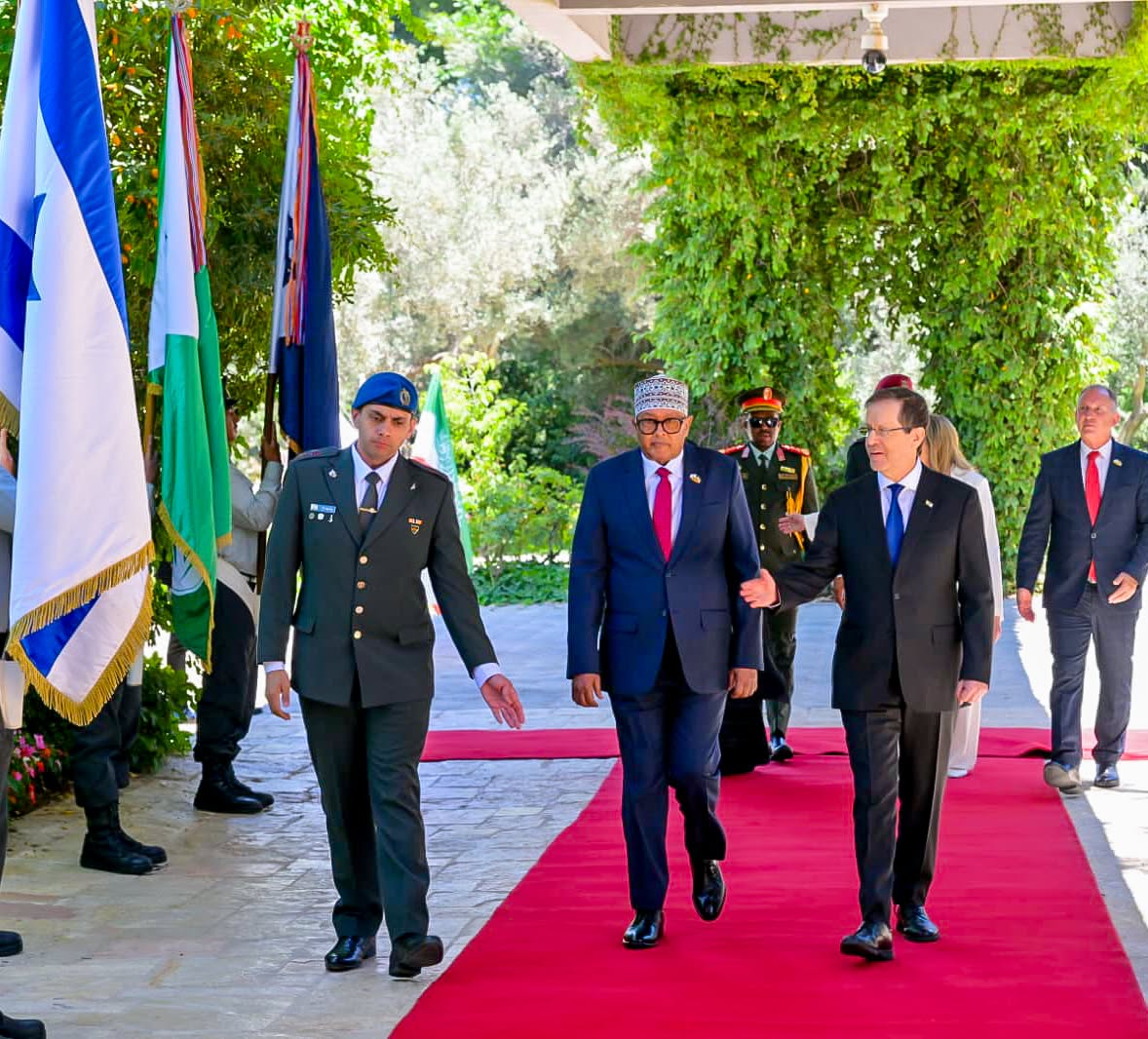
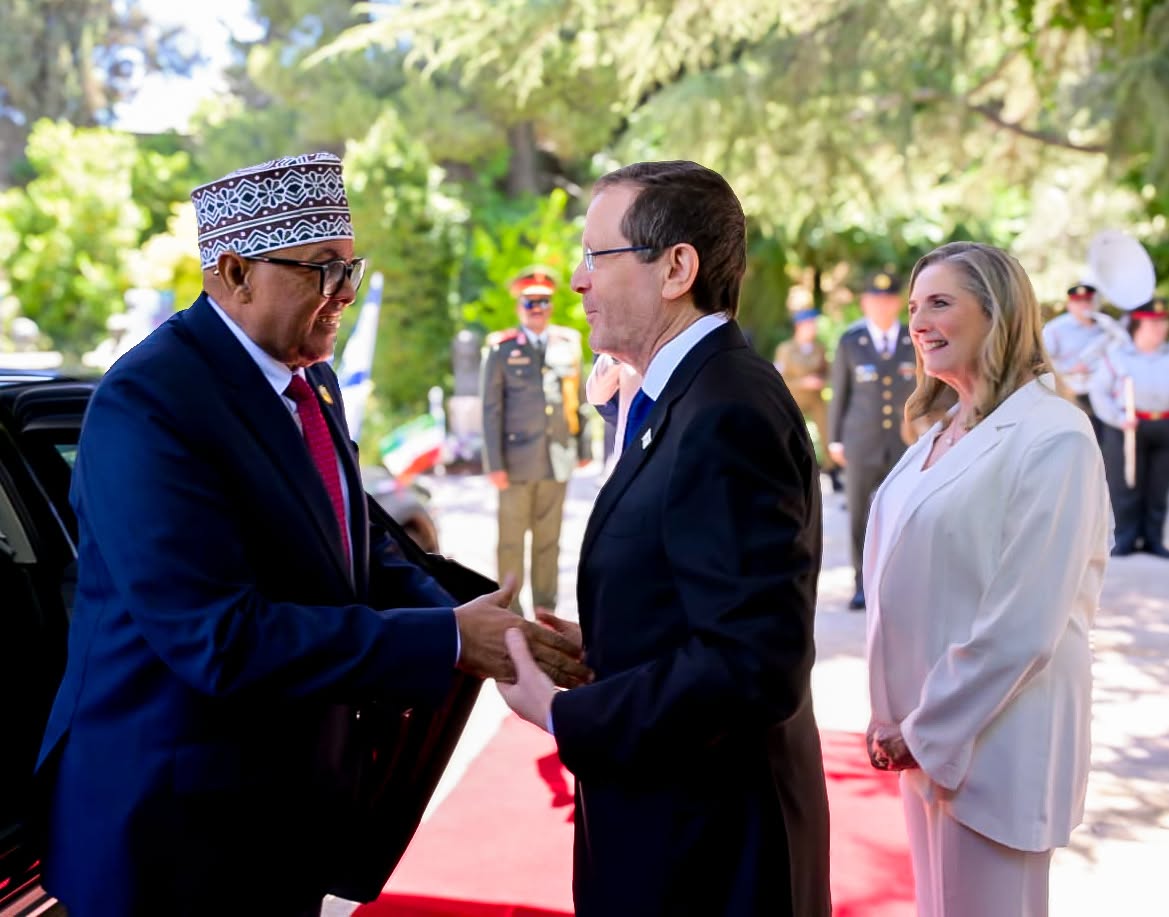
Somaliland: President Abdirahman Irro Accorded Full State Honors in Israel; Holds Historic Summit with President Isaac Herzog madaxtoyadajsl.com/news/soma…
11
50
206
2,705
Abdirashid Ibrahim retweeted
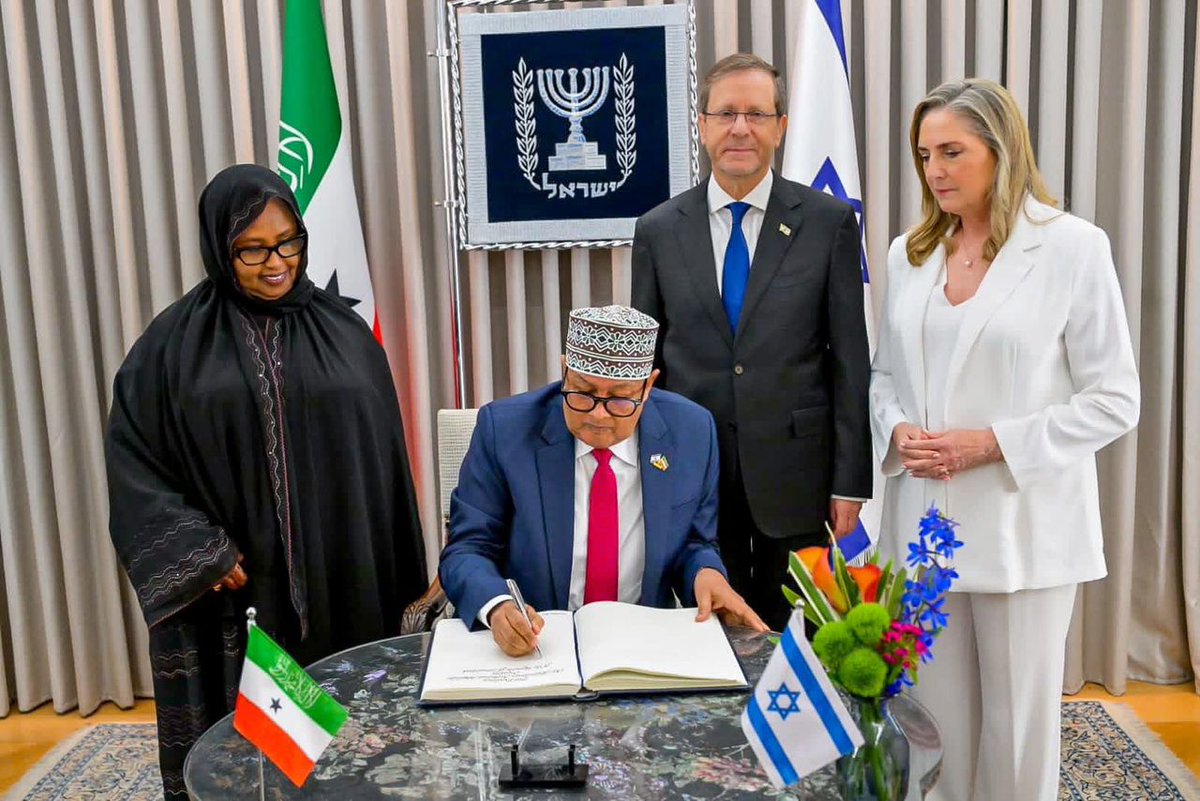
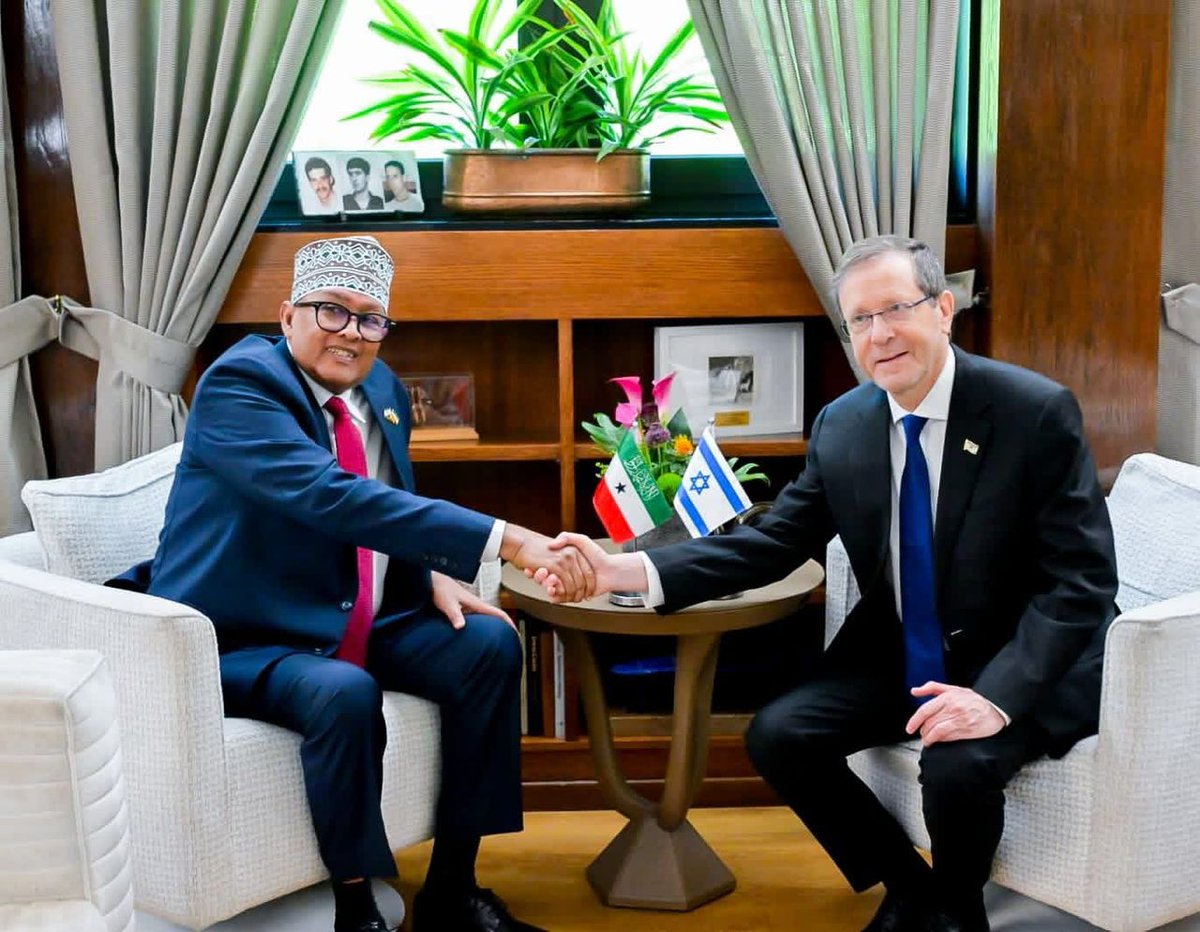
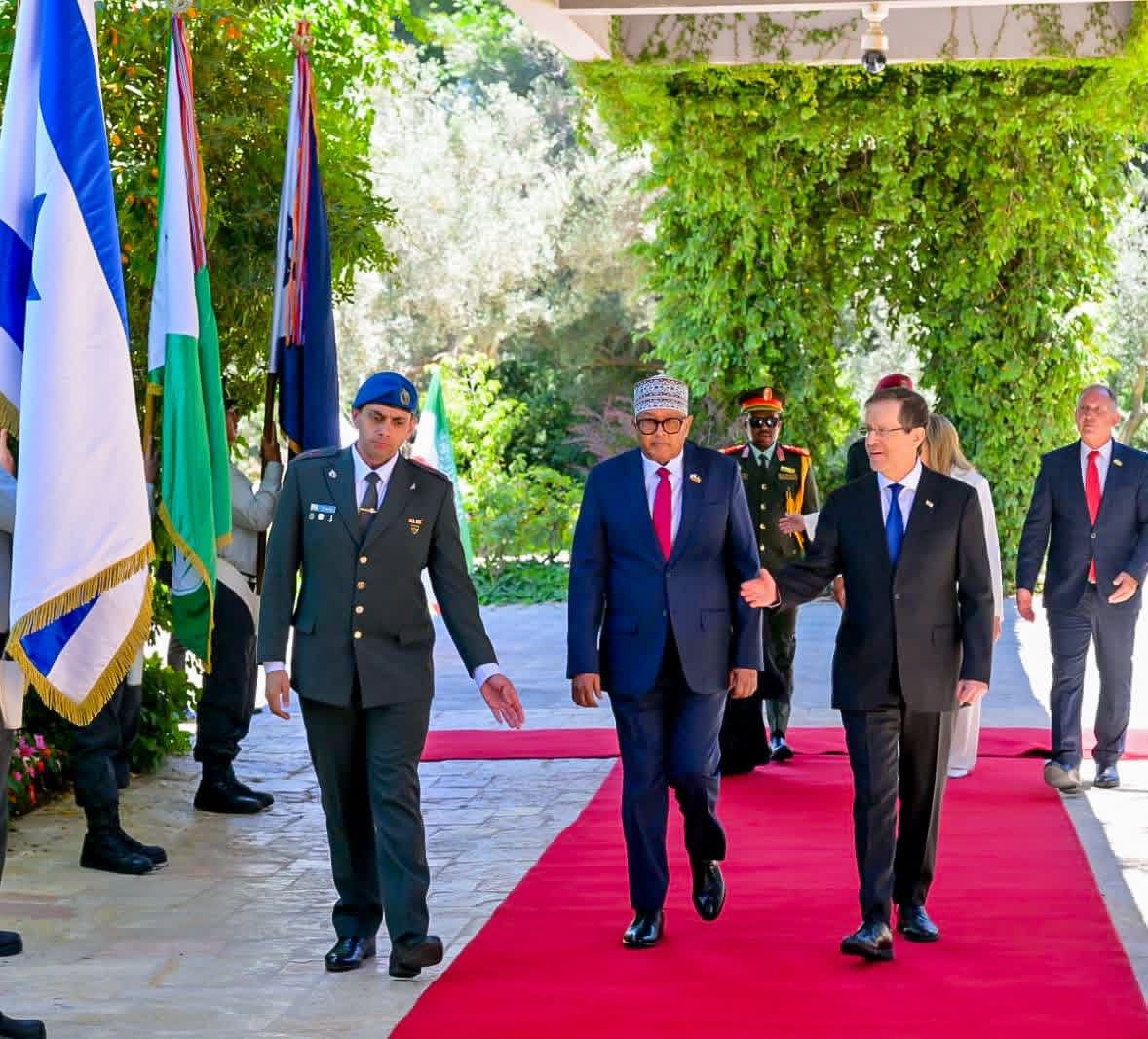
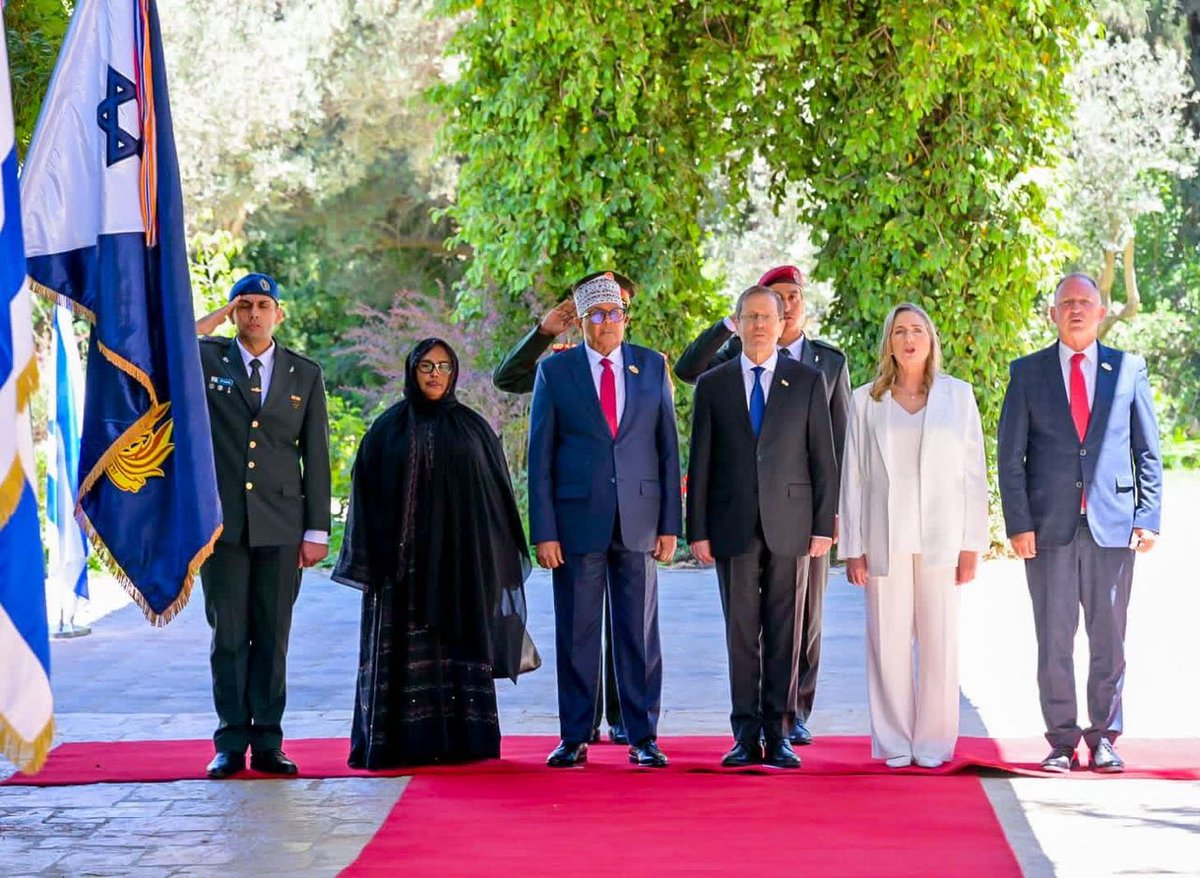
The President of the Republic of Somaliland, His Excellency Abdirahman Mohamed Abdullahi (Irro), today embarked on an official state visit to the State of Israel.
President Abdirahman was officially welcomed by the President of the State of Israel, Isaac Herzog.
16
68
231
5,107
President @Isaac_Herzog welcomed President @Abdirahmanirro of the Republic of Somaliland to Israel, describing the visit as a historic milestone that reflects the growing partnership between the two nations and the significant opportunities for cooperation in diplomacy, security, innovation, and economic development.
2
9
45
623
His Excellency President Isaac Herzog of Israel today received His Excellency President Abdirahman Mohamed Abdullahi (Cirro) of the Republic of Somaliland in Jerusalem, marking the beginning of an official visit aimed at strengthening bilateral cooperation and advancing shared interests in diplomacy, security, investment, and development.
2
14
120
1,395
The visit opens opportunities for deeper cooperation between #Somaliland and #Israel in security, infrastructure, technology, and investment. Strategic partnerships shape the future long before they reshape maps, and nations that invest in shared interests today often define the regional landscape of tomorrow.

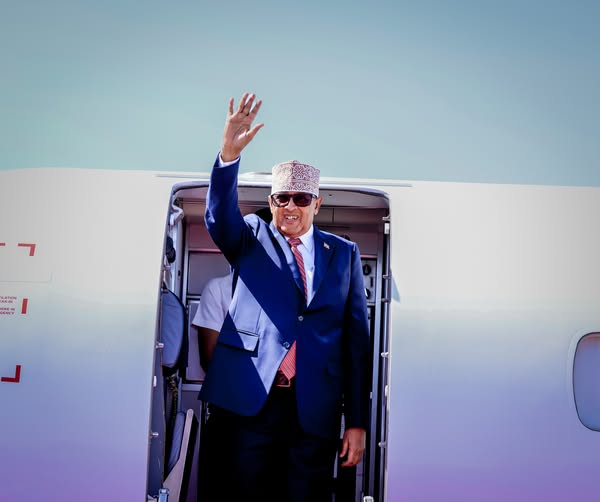
🚨 BREAKING: #Somaliland President Abdirahman Mohamed Abdullahi Irro has arrived at Ben Gurion Airport in Tel Aviv, #Israel, for a historic official visit and high-level talks with Israeli leaders.
More to follow.
#Somaliland #Israel #SomalilandIsrael
1
7
40
1,186
Abdirashid Ibrahim retweeted

Somaliland President Abdirahman Mohamed Abdullahi and Somaliland First Lady Fardowsa Mohamed Roble are set to arrive in Israel on Sunday for a landmark state visit.
✍️ @Amichaistein1
jpost.com/israel-news/articl…
11
93
332
12,173

Jun 13
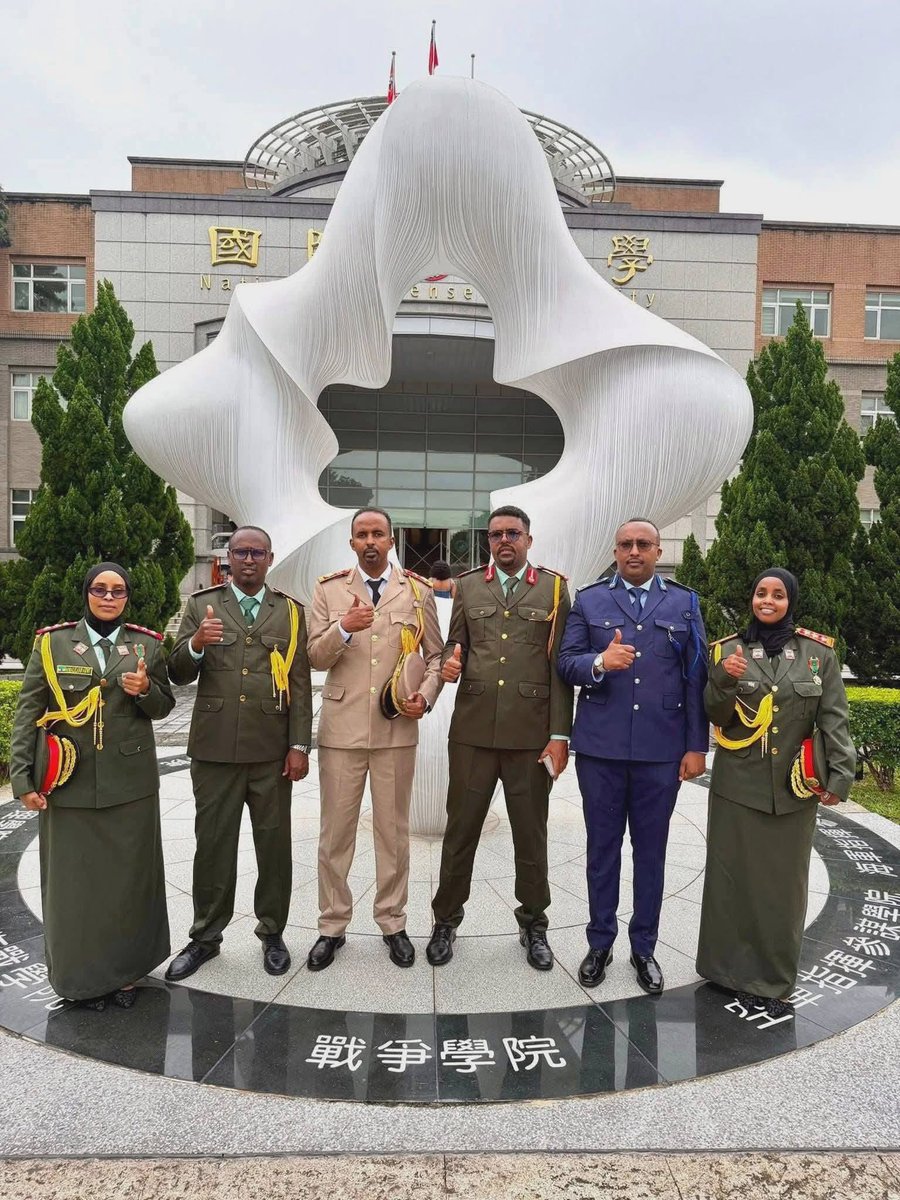
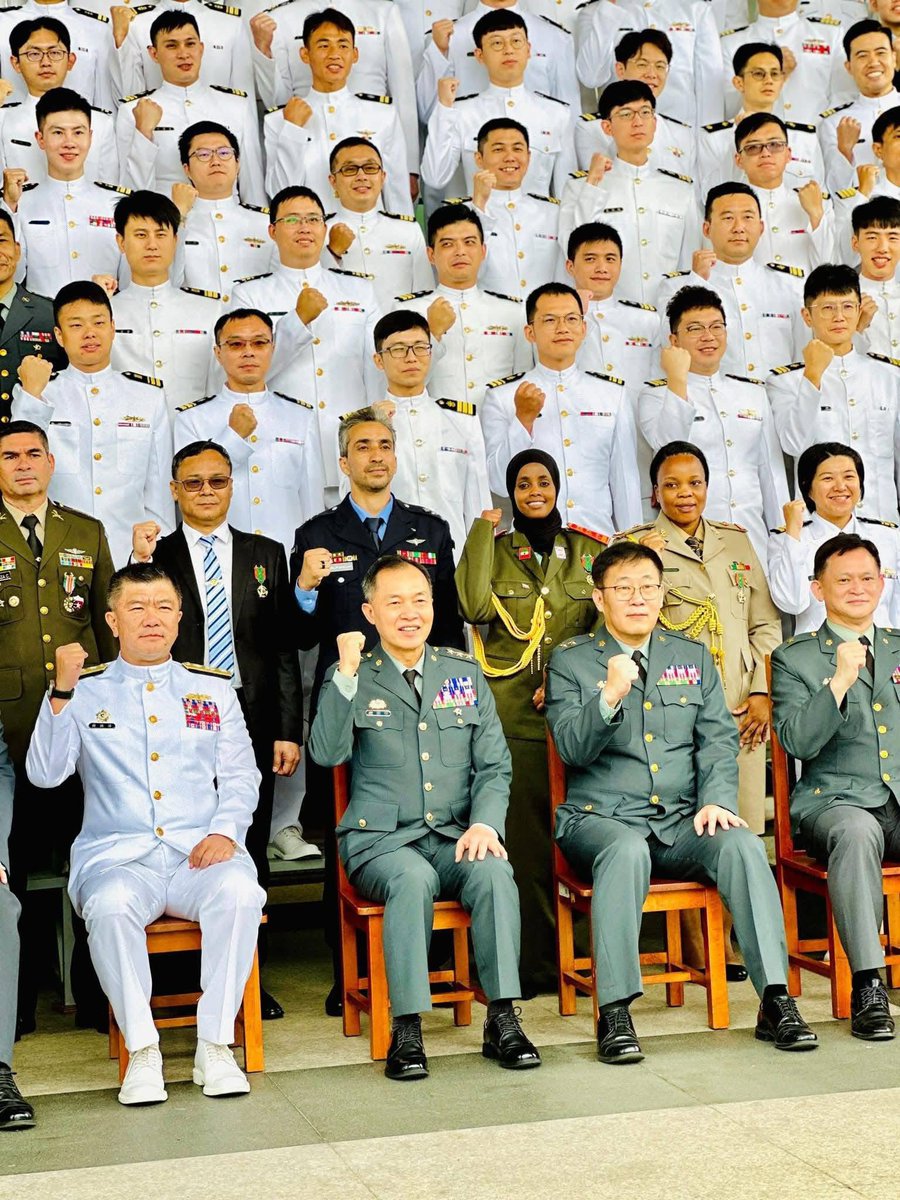
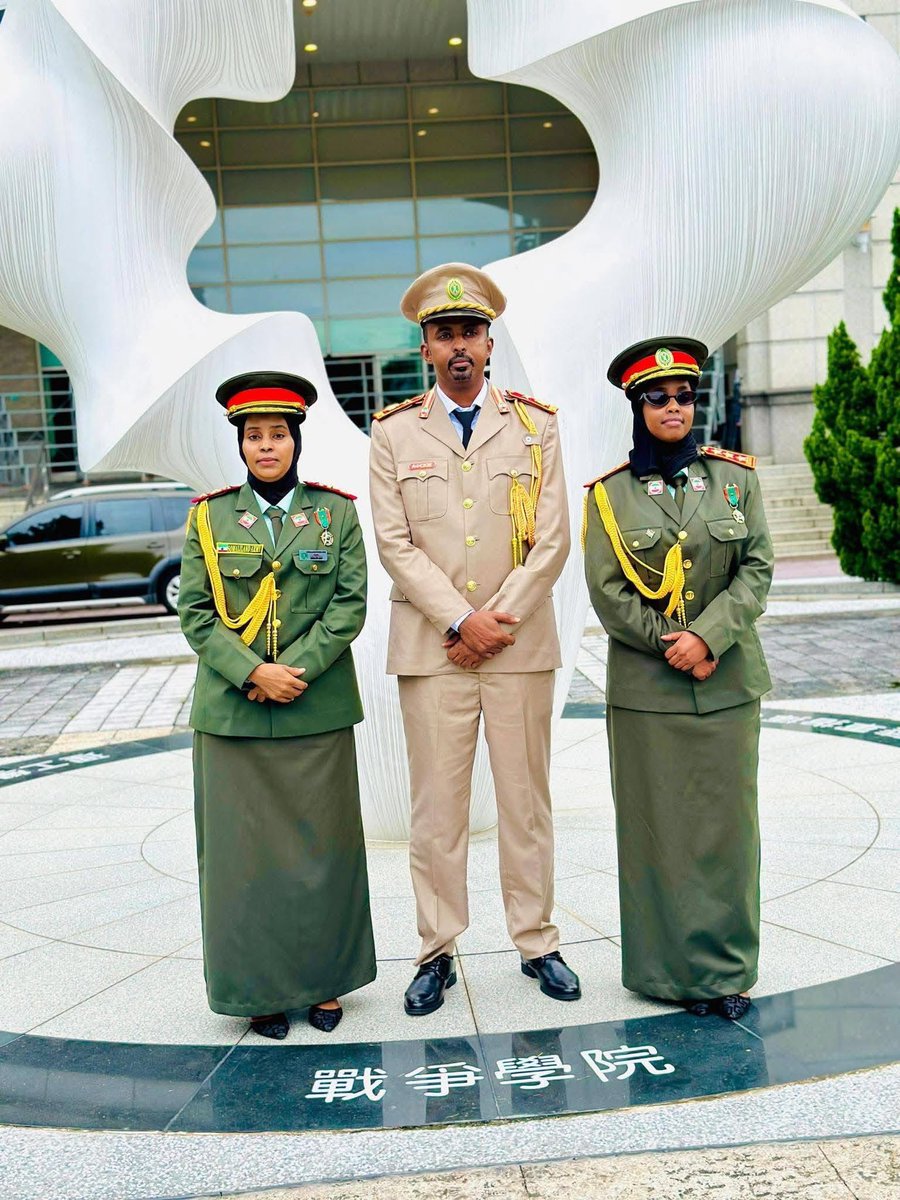
Partnerships matter. #Taiwan is helping train the next generation of Somaliland’s security leaders, an investment in stability, professionalism, and the future.
2
40
205
4,670
Jun 12
The official visit of the President of the Republic of Somaliland to Israel marks more than a diplomatic engagement. It reflects Somaliland's growing strategic importance in a region increasingly central to global trade, maritime security, and geopolitics.
Positioned along the Red Sea and Gulf of Aden, the Republic of Somaliland has transformed decades of peace, stability, and democratic governance into geopolitical relevance. The visit signals that international partnerships are increasingly being shaped by strategic realities on the ground rather than outdated assumptions.
As competition for influence in the Horn of Africa intensifies, the Republic of Somaliland is no longer merely seeking a place at the table. It is steadily becoming part of the conversation shaping the future of the region.
1
15
51
1,618
Jun 11
Even if South Africa played alone, I’d still support the stadium!’ is more than a football joke. It reflects the frustration many Africans feel about how fellow Africans are sometimes treated in South Africa. Humor often reveals sentiments that politics struggles to express. #FIFA
6
803
Jun 11
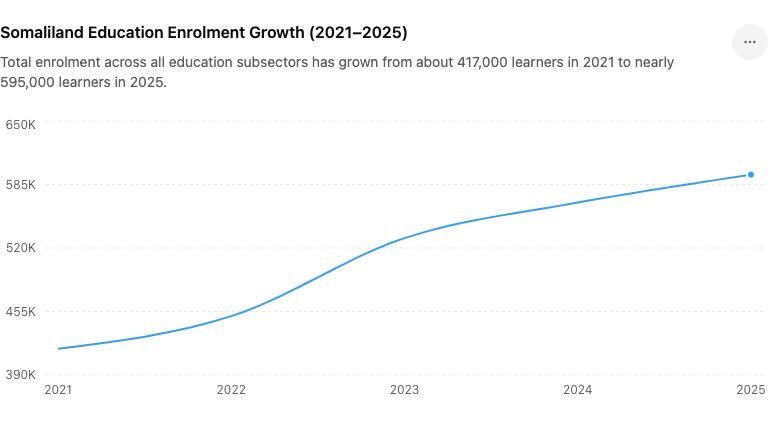
The latest EMIS 2025 data tells an encouraging story about Somaliland’s education sector.
Total enrolment across all education subsectors has grown from approximately 417,000 learners in 2021 to nearly 595,000 learners in 2025. Primary school enrolment has surpassed 462,000 pupils, while secondary education now serves more than 82,000 students.
Today, Somaliland’s education system includes:
📚 1,620 Primary Schools
🎓 251 Secondary Schools
🧒 297 Early Childhood Education Centres
📖 258 Non-Formal Education Centres
🔧 66 TVET Institutions and Centres
These achievements reflect sustained investments by government, communities, educators, parents, and development partners.
While significant challenges remain in access, quality, and equity, the direction is clear: Somaliland’s education system continues to expand, creating greater opportunities for the next generation and laying the foundation for long-term national development.
6
26
933
Jun 10
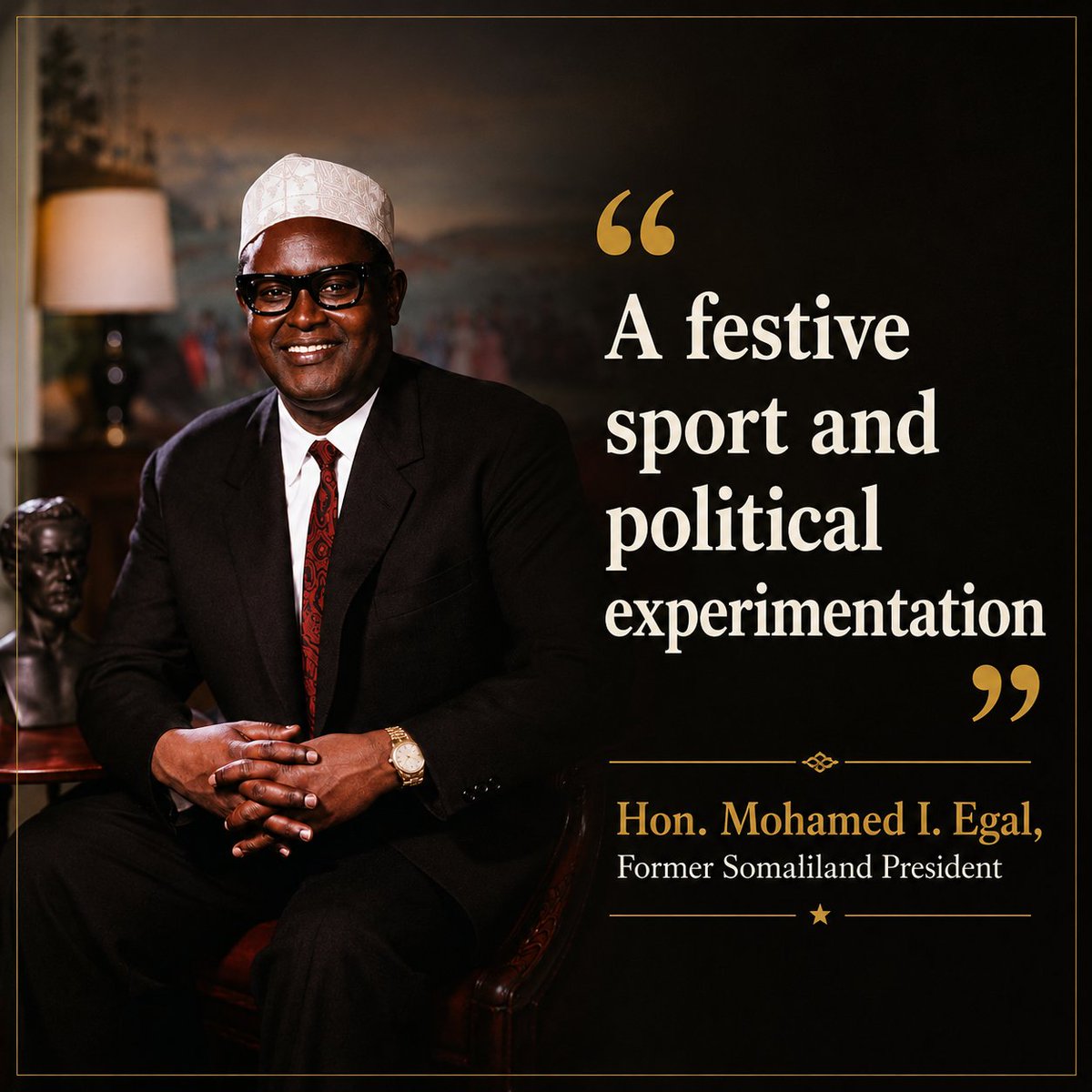
“We wanted Somaliland to benefit from the lessons of Singapore.”
— Prof. Mohamed Said Gees
Many people are unaware that in 1997, under the leadership of President Mohamed Haji Ibrahim Egal, Somaliland embarked on a strategic initiative aimed at adapting some of the key development principles that had transformed Singapore.
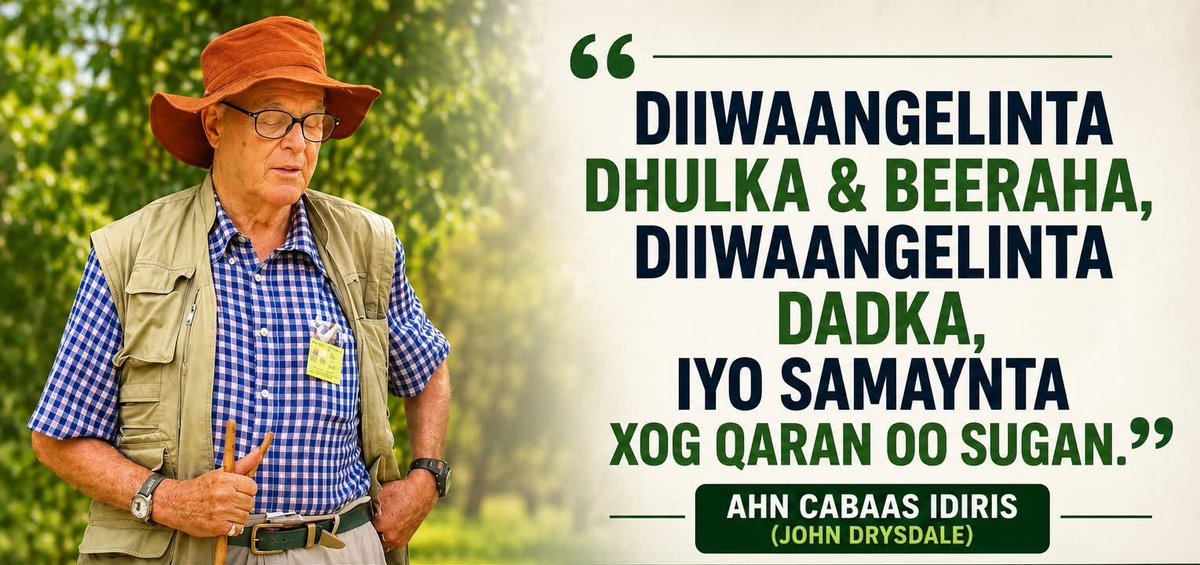
As Prof. Mohamed Said Gees recalls, President Egal entrusted this effort to Somaliland’s longtime friend, the late John Drysdale (Cabaas Idiris), who at the time served as Development Adviser to Prof. Gees during his tenure as Minister of Planning. Drysdale proposed that modern state-building should begin with three fundamental pillars:
“Land and agricultural registration, population registration, and the creation of a reliable national data database.”
These were not secondary issues but essential foundations for effective planning and governance.
The vision was to equip Somaliland with accurate data for managing the country, planning development, and building strong and efficient institutions. Implementation began with the registration of agricultural land in the regions of Maroodi Jeex, Gabiley, and Awdal. However, political and administrative challenges prevented the full realization of the programme, with the notable exception of agricultural land registration efforts in Gabiley, as noted by Prof. Gees.
John Drysdale also trained a generation of young Somaliland professionals who worked on the programme and later transferred both the curriculum and technical equipment associated with the initiative to the University of Hargeisa, helping to build local capacity for future development efforts.
Like Singapore, Somaliland does not possess vast developed natural resources. Yet it possesses assets of even greater value: peace, a strategic geographic location, an entrepreneurial private sector, and a capable and resilient people. The real challenge is how to build strong institutions, reliable data systems, and effective governance that can transform these advantages into sustainable national development.
Looking back nearly three decades later, it is clear that Somaliland was already envisioning many of the development priorities that remain essential today: reliable national statistics, property registration, digital government, evidence-based planning, and strong public institutions.
The most important lesson is that national development does not begin with large buildings and infrastructure projects alone. It begins with accurate information, strong institutions, effective governance, and leadership with long-term vision, the same principles that have guided many of the world’s most successful development stories.
John Drysdale embraced Islam before his passing and was honoured with a state funeral attended by the late President Ahmed Mohamed Mohamoud (Silanyo) in July 2016.
For more details, readers may consult Gees & Gees book.
2
6
22
1,041
Jun 10
Africa's greatest challenge today is no longer colonialism or the lack of independence. It is whether African leaders and institutions have the courage to say "No" to policies, partnerships, and external pressures that do not serve Africa's long-term interests.
newafricanmagazine.com/opini…
2
4
273
Abdirashid Ibrahim retweeted

Jun 9
Nimo Ahmed Ismail Shares #Somaliland's Journey at Oxford University
"For many generations in Somaliland, including mine and my child's, Somaliland has been the only political and social reality we have known. I am grateful for the opportunity to share Somaliland's story, its history, resilience and ongoing pursuit of recognition with a global audience," said Nimo Ahmed Ismail during a lecture at the University of Oxford's Blavatnik School of Government.
4
50
127
3,941