
Liberty First. Always.🗽 Former NH Rep. Author samintheclouds.com Ron Paul and Thomas Massie are my political heroes.
Joined March 2009
- Tweets 3,537
- Following 1,848
- Followers 1,604
- Likes 15,588
159 Photos and videos













Cameron DeJong retweeted

Jun 14
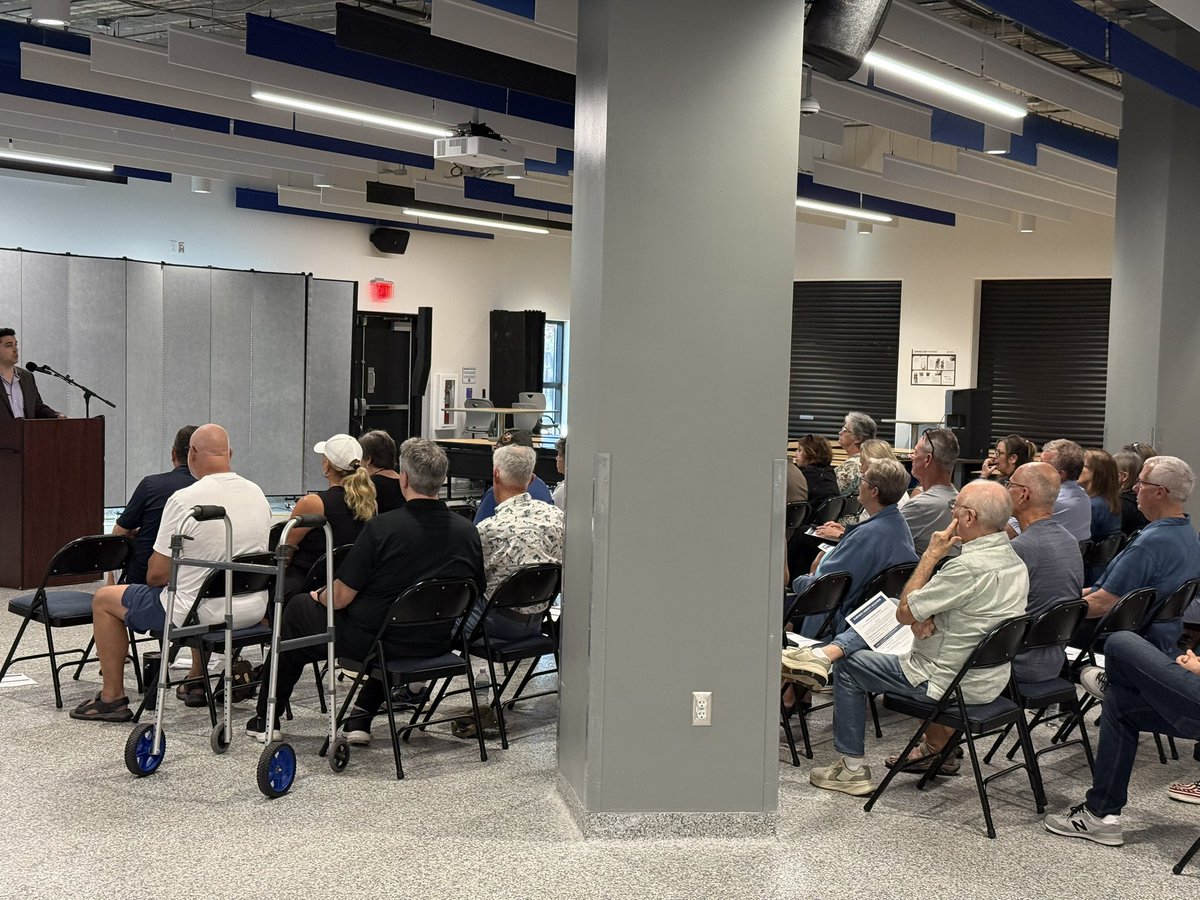
Byron Donalds speaks about the importance of education in front of a misspelled sign. You can’t make this shit up.
1,797
8,407
35,433
1,659,001
Cameron DeJong retweeted
I will deliver this speech Monday at approximately noon. I’m honored to report that some survivors have already indicated they will attend as my guests in the gallery. If you’re a survivor and would like to attend, please contact my office, or talk with leaders in your group.

On June 8, 2026, I’ll speak on the floor of the House to honor and memorialize the brave crew of the 🇺🇸 USS Liberty who died and were wounded in an unprovoked attack by 🇮🇱 Israel on June 8, 1967. Catch my speech on @cspan.


1,243
7,173
34,157
742,180

Jun 5
I am thinking about putting together an amazing liberty themed group cruise. It's 18 with a lot of inclusions and opportunities for private events onboard. If this is something that interests you, like this or otherwise let me know.
24
Cameron DeJong retweeted

Jun 4
Not all legislation is the same.
Apparently political influencers and news anchors do not know the basics.
Crash course 🏫
In the House, a Member can introduce the following legislative vehicles:
1.) H.R. = House Bill
An H.R. has legal effect if enacted into law. This is what most policy and appropriations legislation falls under. It is bicameral (must pass the House and Senate) and must be presented to the President to be made into law.
(The Senate version is S.)
2.) H.Res. = House Resolution
This is typically a sense of the House, an opinion of the House of Representatives specifically. It is also used for items affecting only the operations of the House. It is only voted on in the House. It is also the vehicle used for special rules, impeachments, contempt of Congress, censures, and similar items.
(The Senate version is S.Res.)
3.) H.Con.Res. = House Concurrent Resolution
This is also typically a sense of Congress, though this version is bicameral, making it an opinion shared by the House and Senate. It is also used for matters affecting both chambers of Congress. Other applications of this vehicle is include congressional budget resolutions and War Powers Resolutions. The WPR application is unique as its use through this vehicle arguably has the legal effect of remove armed forces from hostilities. That said, its use for this purpose is codified in law - opening a constitutional question should a WPR Concurrent Resolution ever be successful.
(The Senate version is S.Con.Res., meaning the bicameral item originates in the Senate and, if agreed to, is voted on in the House.)
4.) H.J.Res. = House Joint Resolution
An H.J.Res. can be used for items with legal effect because as it is bicameral and is presented to the President. These are typically used for short-term or ad hoc changes to law; continuing appropriations; Congressional Review Act resolutions overturning federal agency rules; terminating national emergencies; and again, War Powers measures.
A constitutional amendment is also proposed through a joint resolution, though in that case, it is not presented to the President and instead must be ratified by the states.
(The Senate version is S.J.Res.)
3
10
32
1,459
Jun 1
It took some time but we are finally part of the @Tesla family! We love the Model 3 in Quicksilver.
We named it QuikSilv3r. Probably not unique but I loved the play on Model 3 and the color. 🤓
Shoutout to Landon and the team at the Fort Myers store for making the experience awesome and way too easy.
2
57
Cameron DeJong retweeted

I still haven’t recovered from you debating @Jim_Jordan on FISA reauthorization where Jim was demanding passing it clean with no warrants! And you were defending his long standing position FOR WARRANTS.
So of course it makes sense Judiciary will now be used as a tool for Israel.
May 29
Wait until @Jim_Jordan discovers Tel-Aviv born Miriam Adelson gave $200 million of her Chinese gambling money to Trump and just spent millions on fake ads to take out this Republican in Kentucky because I am opposed to all foreign aid and American sponsored genocide.
279
528
3,121
88,052
Cameron DeJong retweeted

May 26
Ted Cruz back when gas was $3.68 a gallon
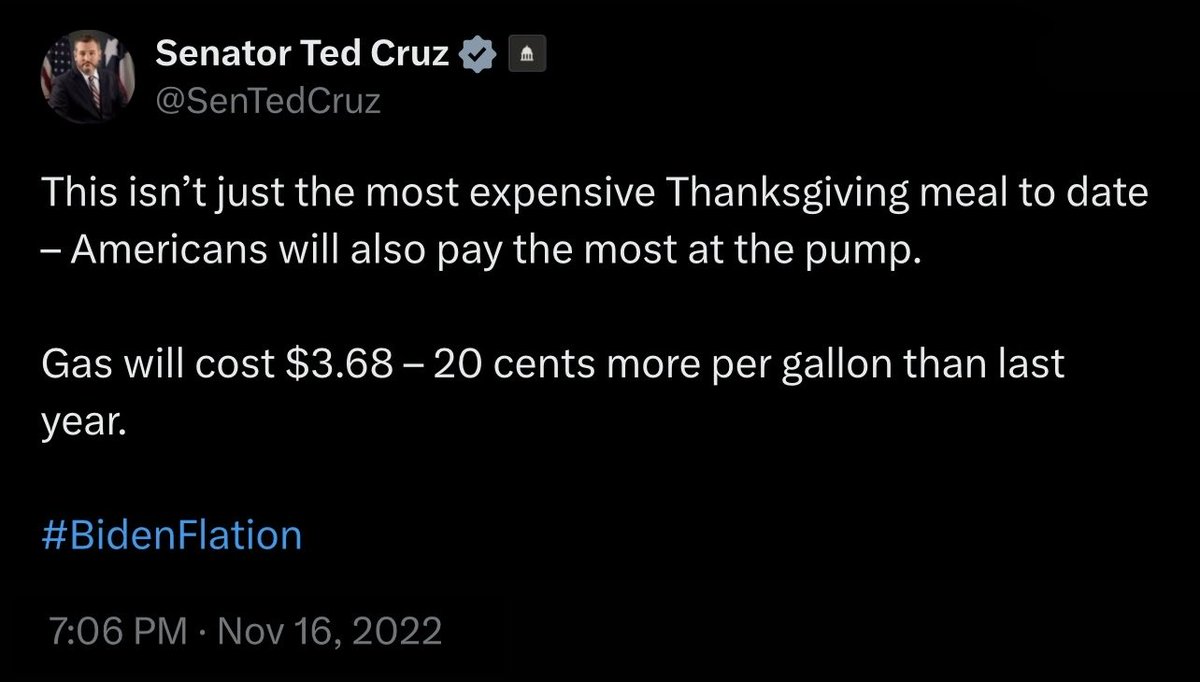

Just filled my tank. In Texas, gas is $3.99 a gallon.
Hey Gavin—the problem isn’t Chevron, it’s California’s stupid energy policies….

250
7,352
61,702
1,845,390
May 26
New page on the CamJon Travel site, and this one means a lot.
Rescue Paws Curaçao.
SWFL Rotary.
Old Dogs Go To Helen.
Quarterly giving, CJ Travel Connect point donations, and three causes connected to places and stories that matter deeply.
camjontravel.com/charitable-…
35
May 25
Memorial Day is not about a long weekend. It is about the brave Americans who never came home—the men and women who gave their lives for our freedom and liberty. May we remember them with gratitude, humility, and a commitment to live worthy of their sacrifice. 🇺🇸
8
Cameron DeJong retweeted

May 24
When the swamp and Epstein class couldn’t buy my vote, they bought the most expensive congressional seat ever.
I joined @MeetThePress this morning to talk about putting people & principles over parties.
I’m optimistic because the younger generation understands what’s going on.
4,149
4,875
26,318
470,137
Cameron DeJong retweeted

May 22
“The price is my re-election.” — @RepThomasMassie
“It’s so sick and twisted. The reason they [Republicans] are doing it [agree privately] is because they’re terrified of President Trump’s political machine.”
Society has been trapped in a “fear everything” mindset. People stay silent publicly while agreeing privately because they’re afraid to speak out.
Fear keeps people silent.
Watch the full Episode of My Price Is My Life with Thomas Massie:
Apple Podcasts:
podcasts.apple.com/us/podcas…
Spotify:
open.spotify.com/episode/3Eu…
1,865
1,853
8,816
521,766
Cameron DeJong retweeted

May 21
The Israel lobby takes out Thomas Massie and kills MAGA in the process. The good news is, we’ve now confirmed how the system works.
7,265
14,254
68,087
3,495,320
May 20
I pledged my support at ThomasMassie28.com
"We need to revitalize the message of liberty so that our entire nation understands its importance and the urgency of it before it's too late."
— Cameron, FL
thomasmassie28.com/pledge/bq…
2
5
243
May 20
I started following a number of new America First patriots this morning. If you share respect for @RepThomasMassie I am here with you. 🗽
1
3
49
Cameron DeJong retweeted

May 20
I wish there were some way to put a good spin on the loss of Thomas Massie, a true Thomas Jefferson of our time. It's tragic. Something doesn't make sense.
729
384
3,745
64,073
Cameron DeJong retweeted

🚨WATCH: Rep. Thomas Massie (R-KY) responds to President Trump -- just moments after Trump slammed Massie as a "terrible congressman."
180
171
858
93,897

According to FiveThirtyEight analysis, during the 117th Congress (2021–2023, first half of Biden’s term), Rep. Thomas Massie voted in line with Biden’s stated positions just 1.8% of the time—tying for the lowest rate in the House. He aligned with Democrats on only a handful of votes, typically on narrow issues like certain foreign policy measures. Similar low rates held through the 118th Congress, consistent with his libertarian-leaning record of breaking from both parties on spending, surveillance, and war powers.
14
22
435
Cameron DeJong retweeted
May 19
I'll be appearing on @FoxNews's "America's Newsroom" at 10:30 AM ET. Tune in!
foxnews.com/shows/americas-n…
1,137
430
4,069
351,991
May 19
💯
May 19

Be a “team player” = Help the Republicans—-w/full control of govt—-keep funding the welfare state, maintaining $2T deficits, spying on Americans, doing regime change, mailing abortion pills, funding Planned Parenthood & protecting the bipartisan Epstein friends.
1
18