Nursemaid, Butler & Dogsbody to a bunch of spoilt primarily black & white cheese making cows. Married to @labougielucy .
Joined August 2010
- Tweets 16,981
- Following 1,938
- Followers 965
- Likes 20,114
446 Photos and videos
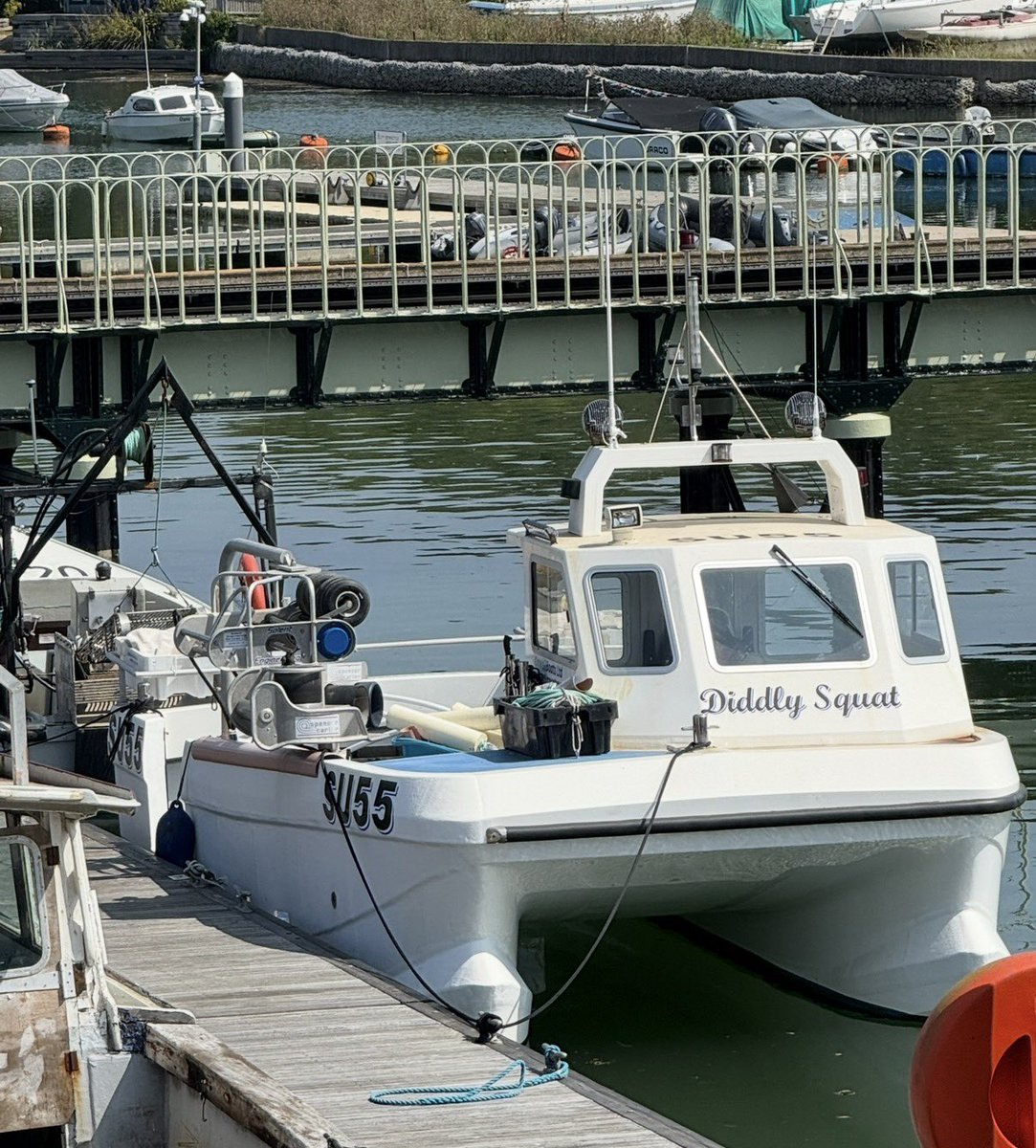
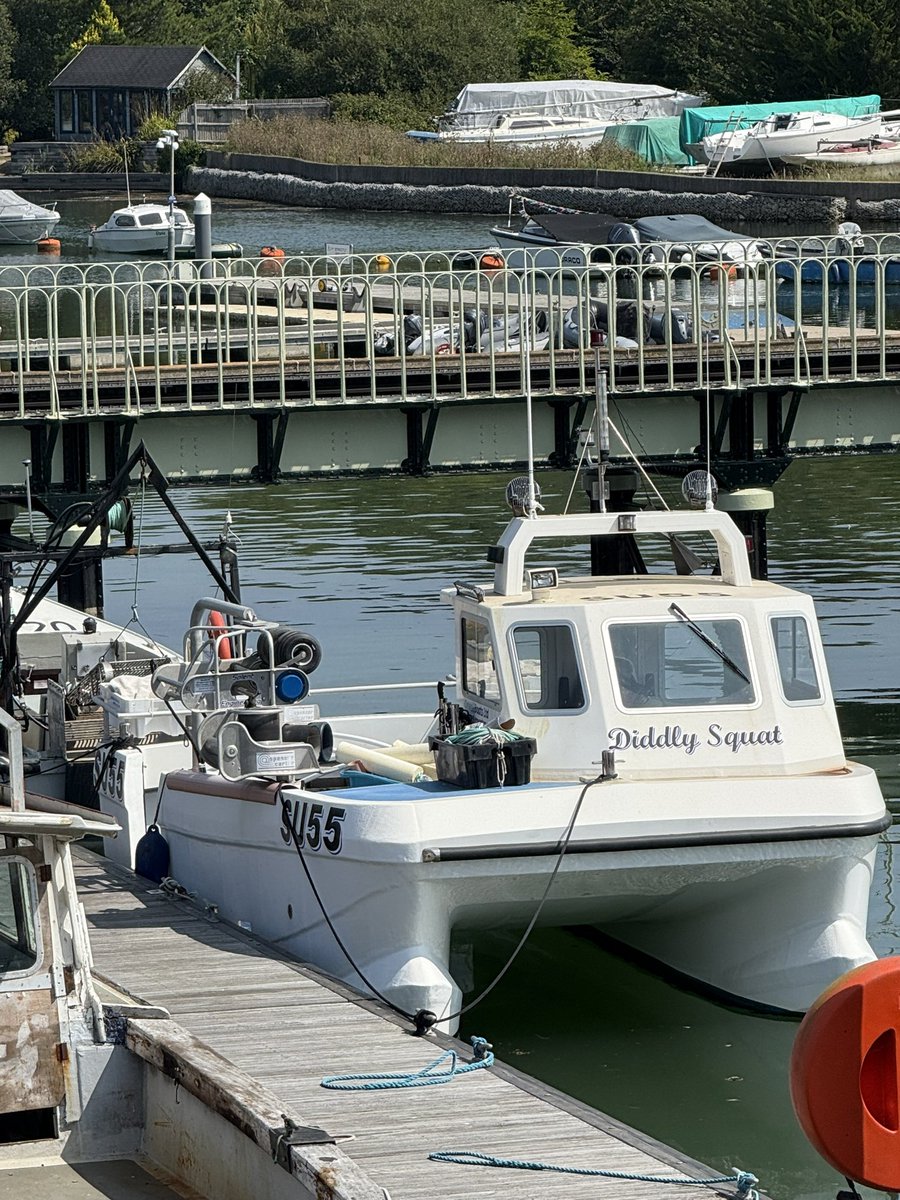



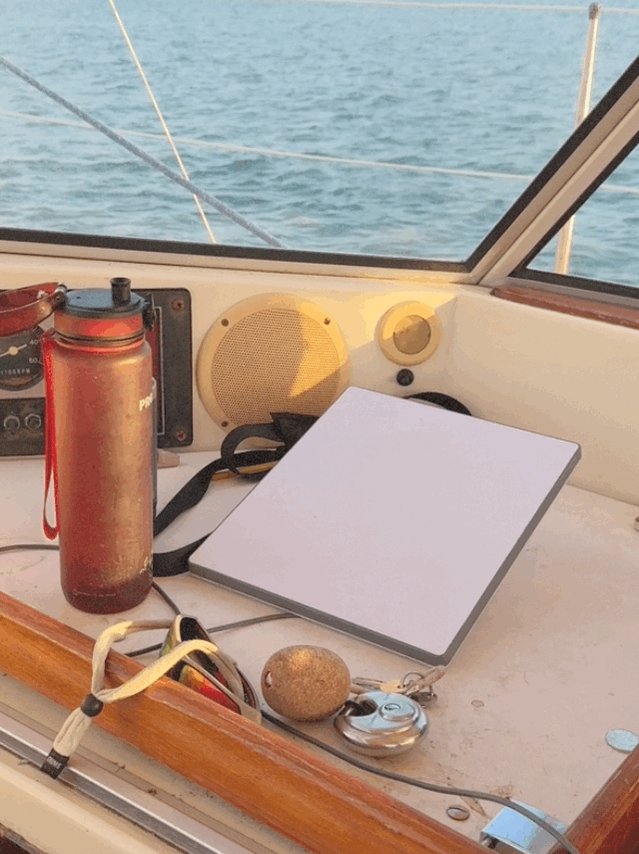





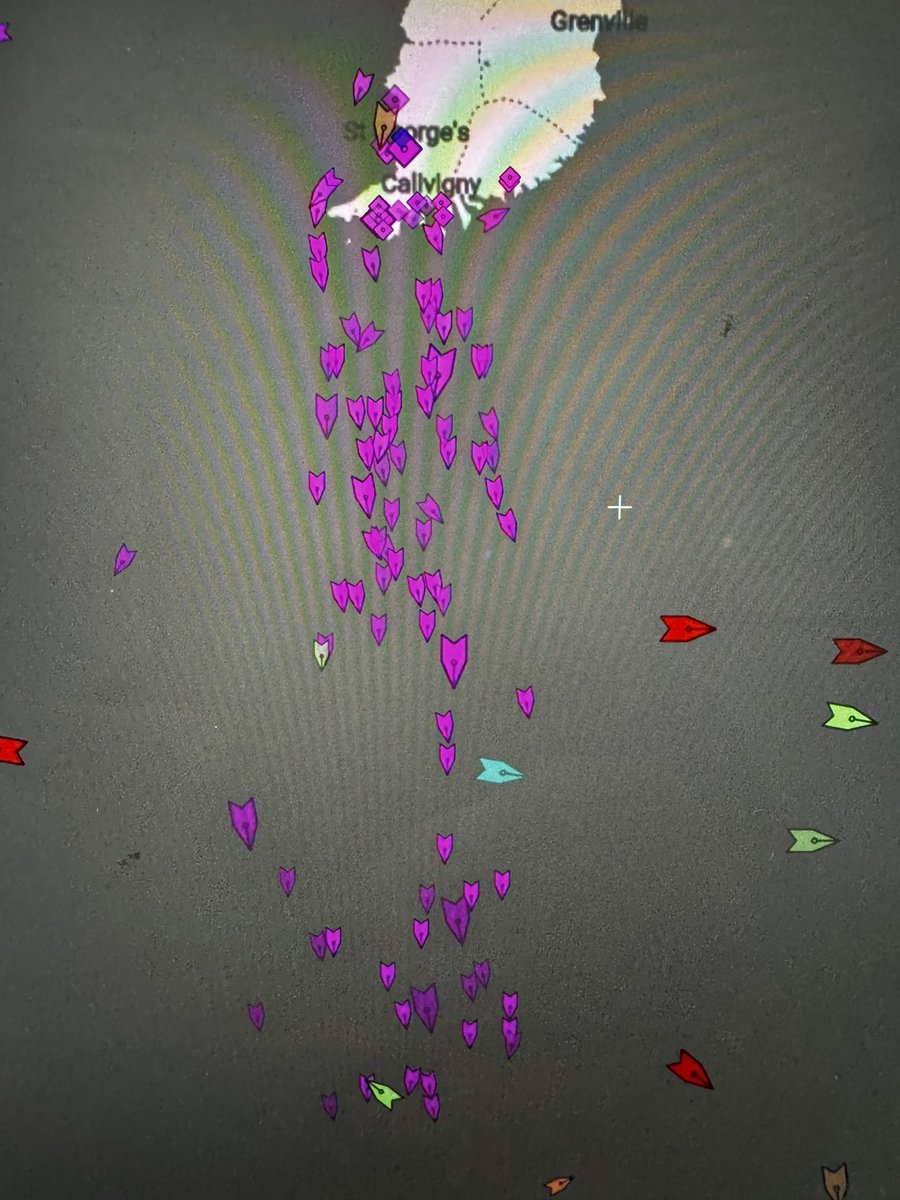
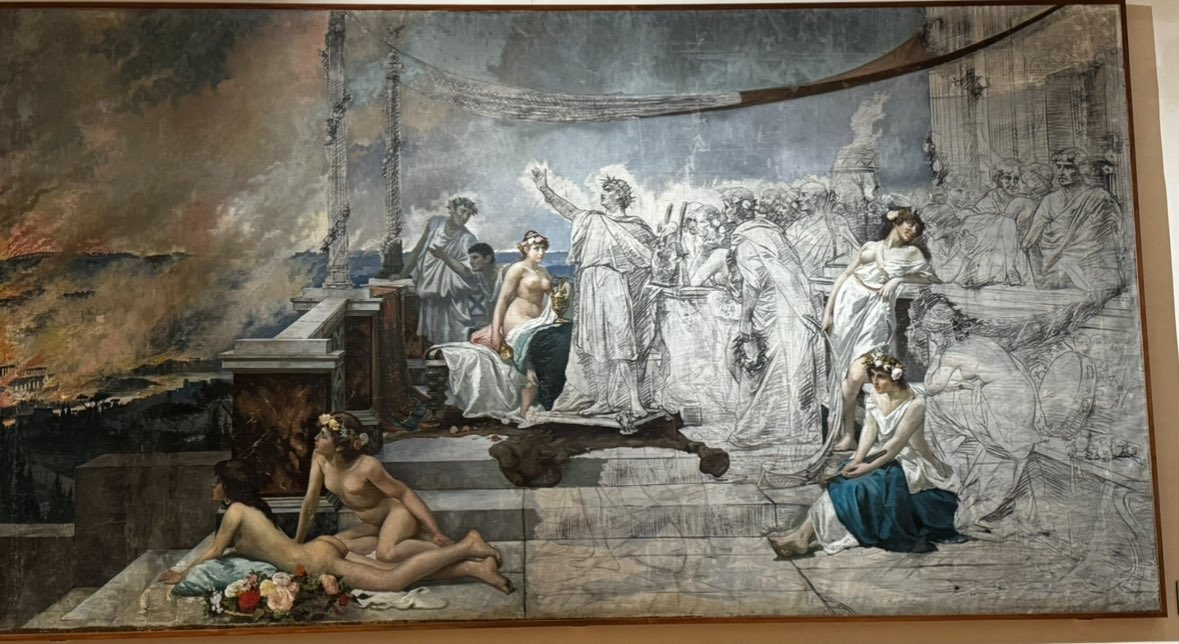
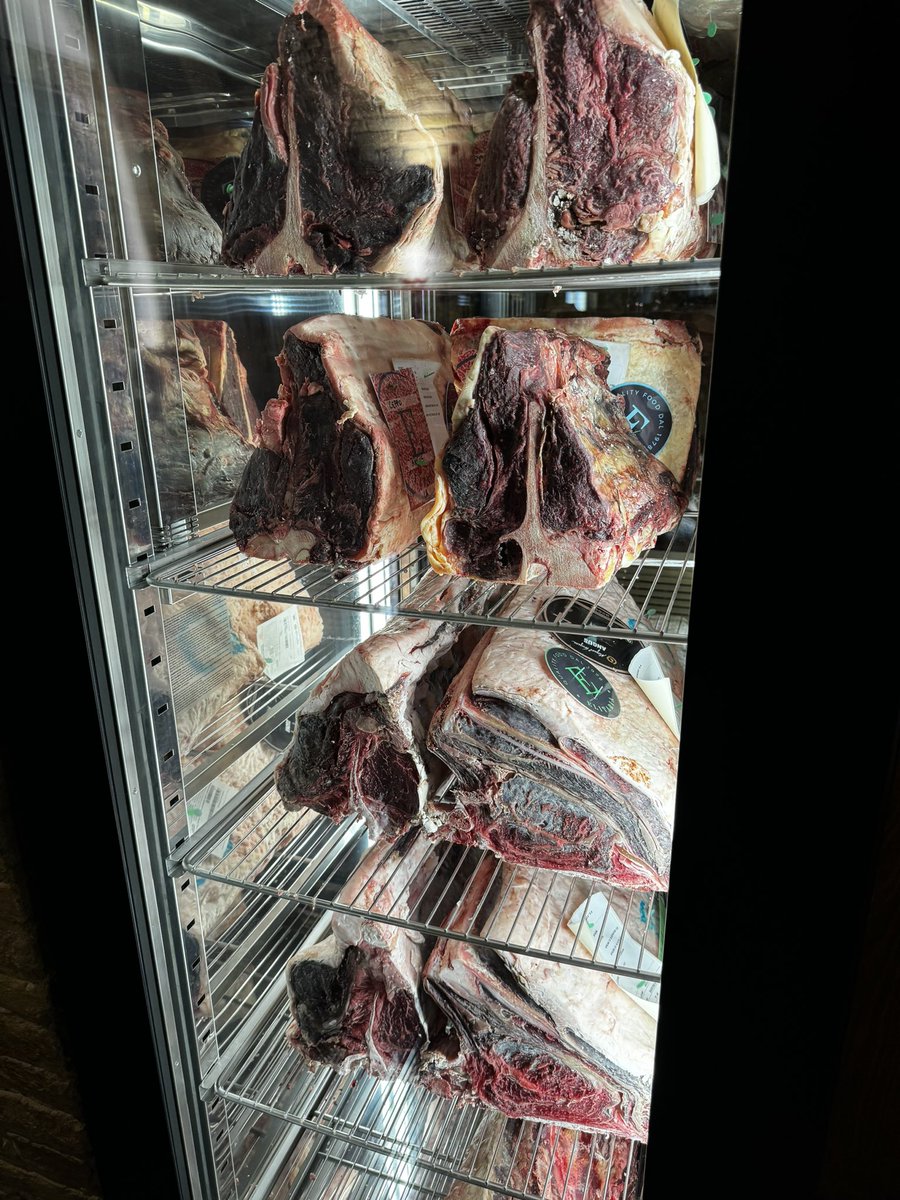

Aer Lingus cementing their reputation as the very bottom of the international lounge league in Heathrow tonight. All the food and drink stripped out by 21:10 with a 22:30 Cork flight still to run. Coming home, I’m embarrassed. We don’t deserve to be taken seriously.
1
116

Jun 12
Not sure that “acclaim” and “choose” are exactly the same thing…
Jun 12

Hi Frances, I know it was 4 yrs ago, but your memory lets you down. You asked to see me on the day that I attended the Privy Council to choose the next King of England.
My minion, as you called her, apologised & offered other dates.
Not a coward, just busy - like many women👑
1
55
Jun 1
4pm is hardly enough time to get into Louis Copeland and buy the backup wardrobe you are going to need if you take advantage of this caper. @PadraigBelton
Jun 1

Summer travel tip ✈️
Got an early morning flight with @AerLingus (before 8am)?
Drop off your bags the evening before, between 4pm-10pm, and save yourself some early morning hassle.

1
147
Cassius retweeted

Jun 1
Summer travel tip ✈️
Got an early morning flight with @AerLingus (before 8am)?
Drop off your bags the evening before, between 4pm-10pm, and save yourself some early morning hassle.
40
7
118
770,677
Jun 1
If the hat fits…
Jun 1

Three days In Paris and I’ve been complimented six times on my hat. Including by a rough sleeper with whom I ended up having a lovely chat; and one chap who, elegantly, just cried ‘chapeau!’
By comparison: Dublin. Every rare day it is sunny enough to don my Panama, some wit shouts from across the street, ‘you ride ‘em, cowboy…’

1
130
May 24
Is it me, or has Claude slightly lost the run of himself in the past few days?
1
41
May 8
I suspect people are actually frustrated that their Prime Minister isn't changing fast enough.
May 8

These are tough results for Labour. There’s no sugarcoating it. We’ve lost brilliant Labour representatives who’ve stood up for their communities.
People are still frustrated. Their lives aren’t changing fast enough. We haven’t offered enough hope or optimism for the future.
I was elected to change this country - tough days like this don’t weaken my determination to do that. They strengthen it.
43
Cassius retweeted

May 7
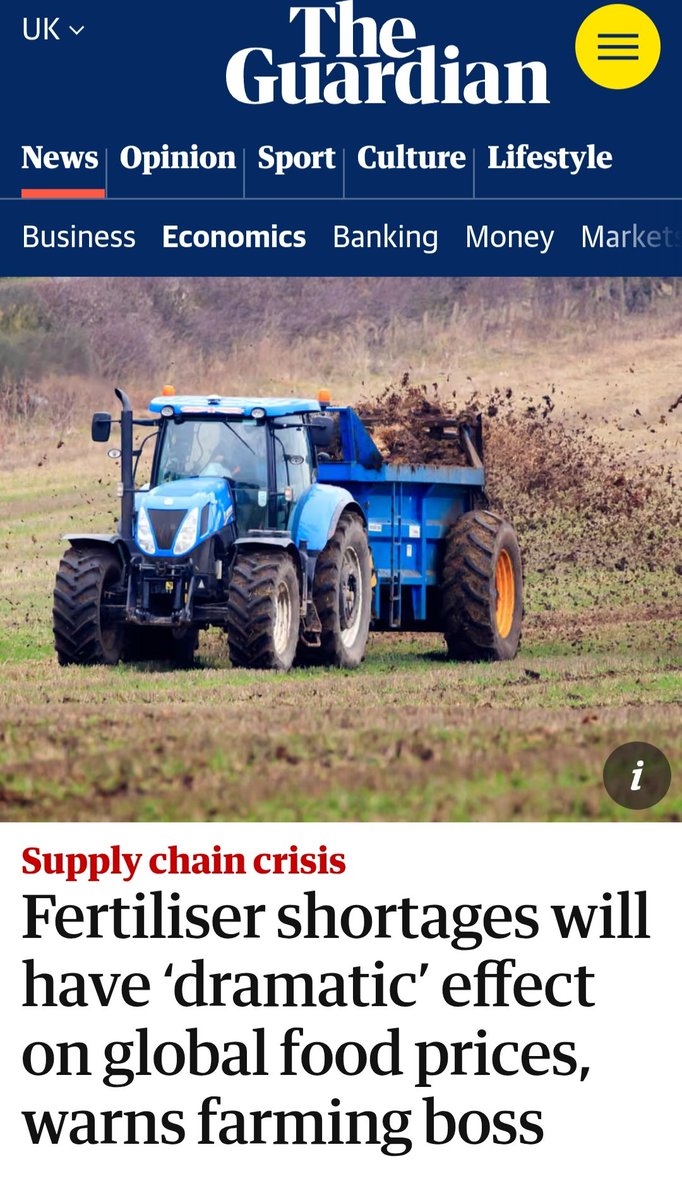
You wanted the type of fertiliser in the picture banned.
2
5
19
2,294
Cassius retweeted

May 5
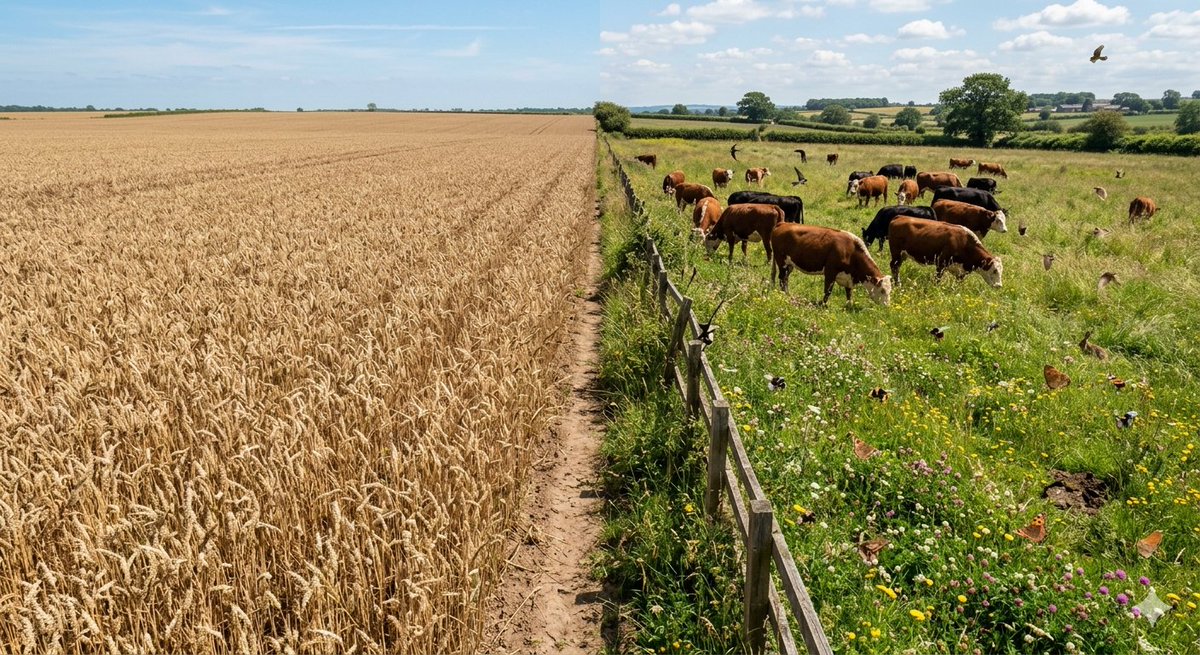
Walk across an arable field of British wheat in summer. Count the species.
You will find: wheat. Possibly a few resistant weeds the herbicide didn't catch. A handful of crows. Some pigeons surveying for damage. Roughly nothing else.
Walk across a properly managed permanent pasture in the same county.
You will find: 30 to 60 plant species in a good sward. Wildflowers. Clover. Vetches. Plantain. Ryegrass and timothy. Foraging bumblebees. Skylarks nesting in the longer patches. Hares in the margins. Beetles, dung beetles in particular, doing the work of two ecosystems at once. Field voles, kestrels overhead waiting for them. Swallows hoovering up insects above the cattle.
The cattle are the reason the second field is biodiverse. Their grazing maintains the open structure. Their dung feeds the invertebrate web. Their hooves create the disturbance ground-nesting birds require.
Remove the cattle, the pasture turns to scrub, and the species count crashes.
The farm with the cows is the wildlife refuge.
The farm with the wheat is the empty room.
This is the inversion that nobody who writes for a Sunday supplement has worked out yet.
68
1,309
4,501
62,965
Cassius retweeted

Apr 15
Brilliant. And beautifully written.

Christ, I'm tired tonight.
1
2
6
875

Cassius retweeted

Mar 3
Idea
Every company wants you to log in to their website to see your bill.
Energy. Phone. Insurance. Council tax. Water. Subscriptions.
Sixteen passwords just to find out who’s taken your money.
Turn it round - One personal account.
If a company wants paying, they log in to YOUR site and place the bill there.
467
206
3,216
213,880
Feb 3
And there is always an Osteopath involved…
Feb 3

Have written about how the Epstein files might prove a new Profumo. Both revealed the true nature of elite power in a way which could not be forgotten.
goodallandgoodluck.substack.…
102
Jan 28
please God it's a Healy Ray
Jan 27

Who’s our Designated Survivor?
139
Jan 23
Now apply that logic to the death sentence.
Jan 22

No legislation is ever perfect. That reality is particularly hard in this sort of case.
1
89
Jan 10
Didn’t we send out the minister for finance and a harpist to the red carpet to persuade him to buy it? Or did I dream that?
Jan 10

Something has to be done about Trump. His sabre rattling is way past mere words. Ireland needs to hit him where it hurts - his pocket, writes Justine McCarthy irishtimes.com/opinion/2026/…
73
Jan 9
Which bit of this makes the EU sound like a democratic success story?

Ireland voting against #Mercosur is bad politics in Brussels for no political gain at home. Its a vote that sabotages our national interest on trade, undermines our credibility in EU and makes leaders look like followers.
67
Cassius retweeted

16 Dec 2025
Been paid off 3 days before Christmas holidays due to there not being enough work after the year. Full qualified floor layer with 9 years experience, if anyone knows of any flooring companies taking on.
Failing that, happy to do absolutely anything. RTs appreciated
368
4,154
7,004
1,184,926
27 Nov 2025
Oh I like this fella. He’s quite funny.
26 Nov 2025

🚨🚨🚨
Upon reaching 1,000 followers I will attempt a seance with my freshly demised handsome uncle.
67