
Dog dad | PGY1 @IMResidencyDuke via @MedicalCollege 🩺 @UWMadison 🦡 @MHIF_Heart 🫀 | Aspiring nephrologist 🫘| Runner🏃♂️, cyclist 🚴, @Strava fan
Joined September 2020
- Tweets 716
- Following 577
- Followers 344
- Likes 3,655
173 Photos and videos






Pinned Tweet

17 Mar 2025
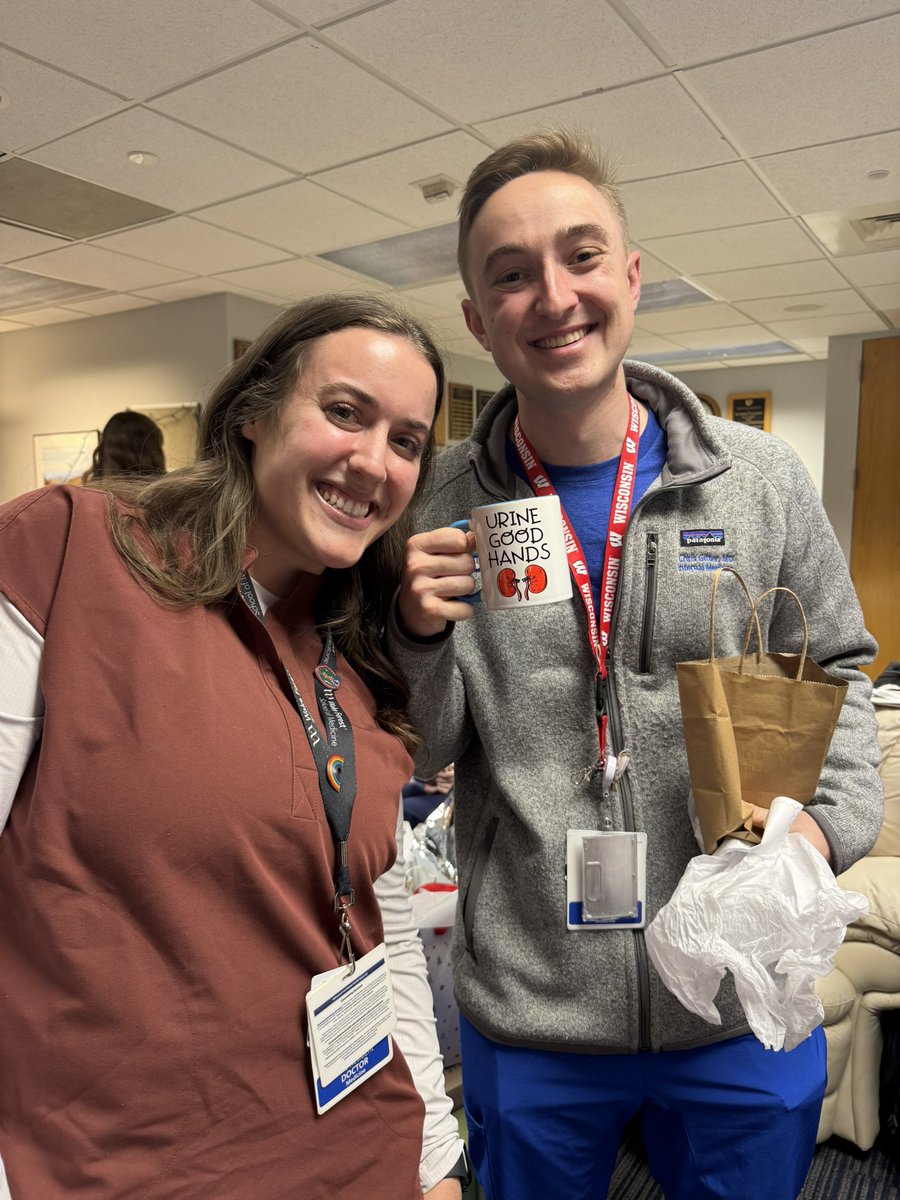
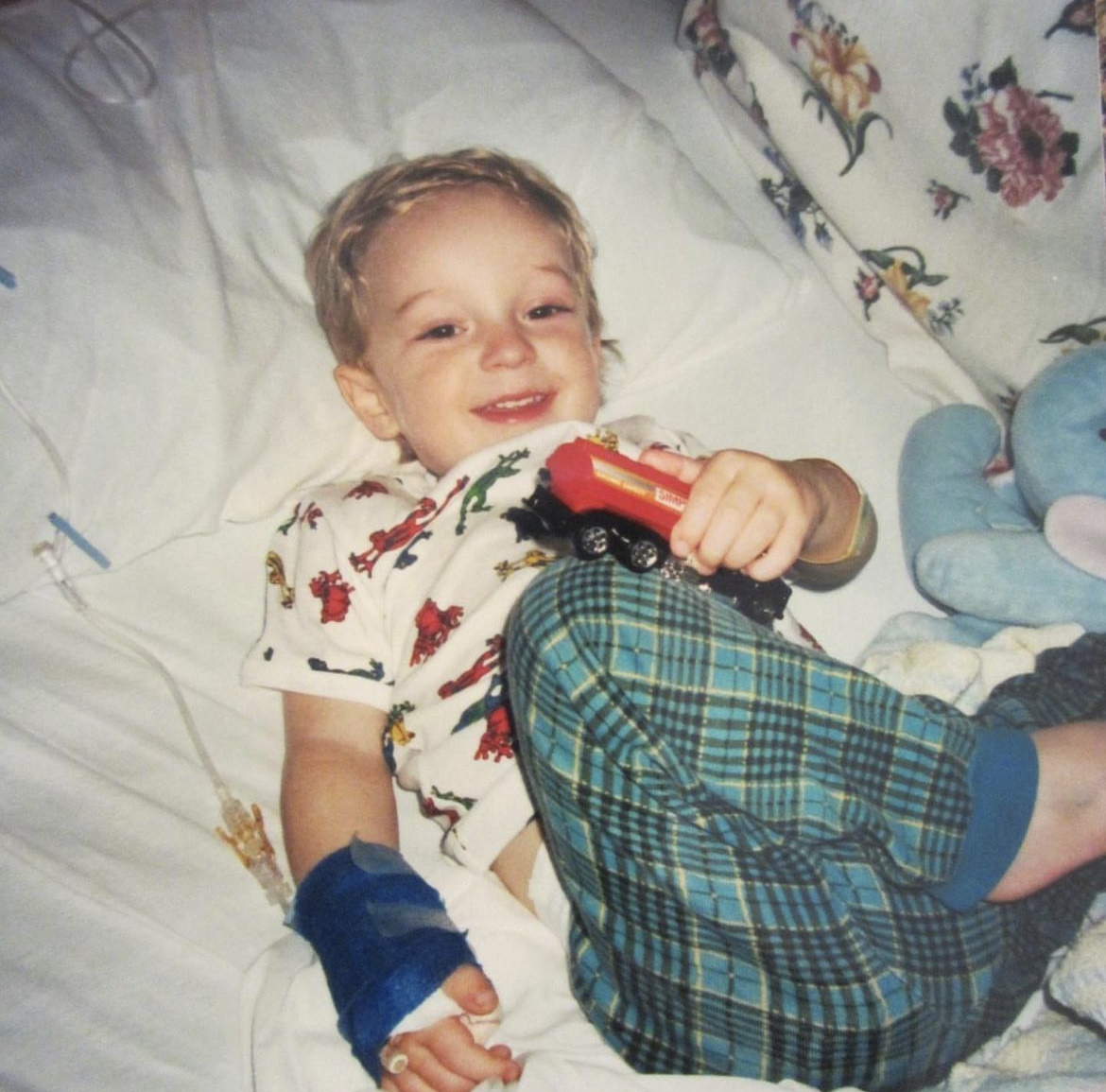
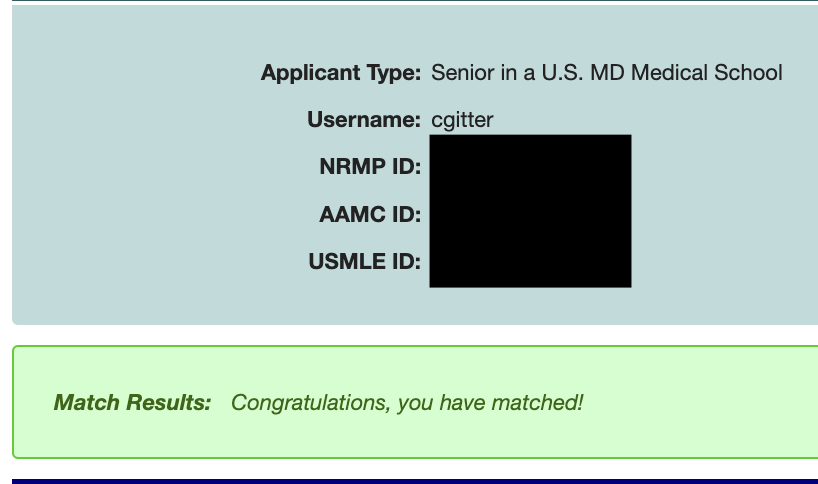
Someone tell this little boy amidst his cancer treatment that he's going to be an internist!!! Can't wait to sign my first furosemide order in a few months!
Thanks to everyone's mentorship who got me here, especially @AnnaGaddy
#Match2025
18
47
767
27,268
Chris Gitter retweeted

Jun 15
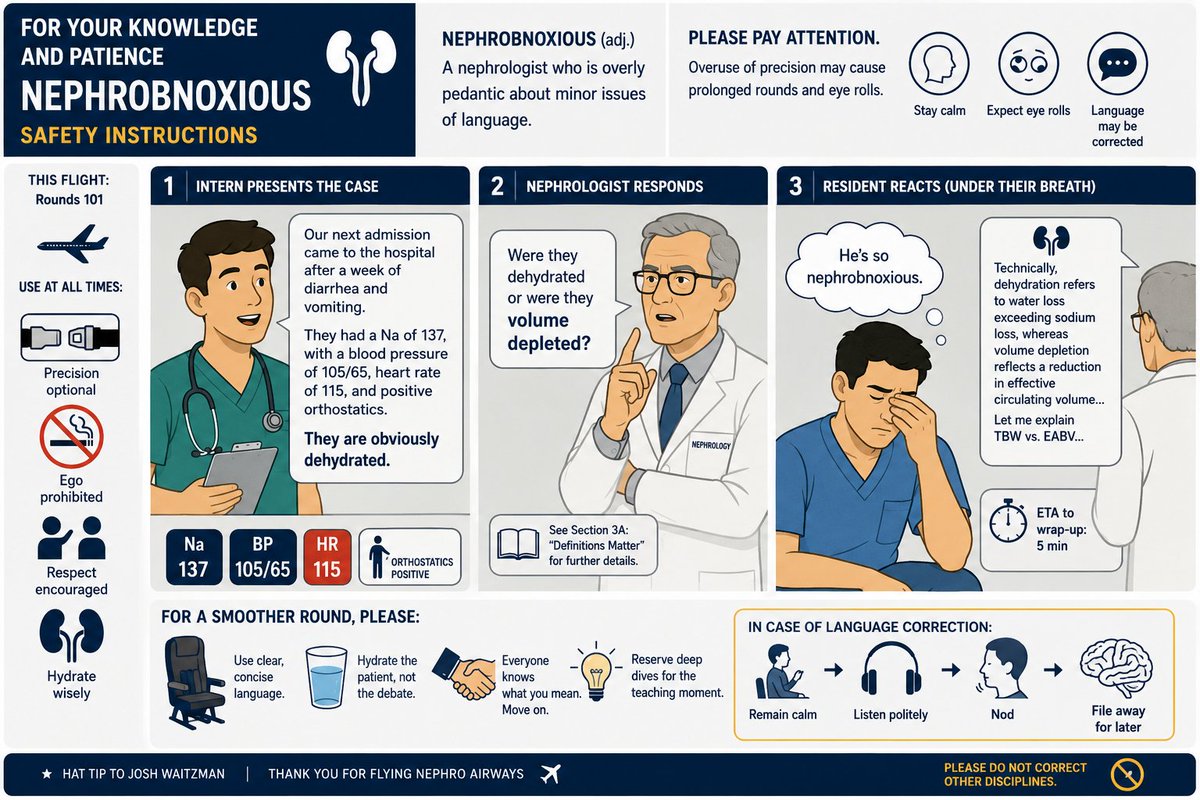
Intern: They presented after a week of diarrhea and vomiting. They had a Na of 137, with a BP of 105/65, HR of 115, and positive orthostatics. They are obviously dehydrated.
Nephrologist: Were they dehydrated...or were they volume depleted?
Resident: So nephrobnoxious
4
20
94
9,401
Chris Gitter retweeted

Jun 13
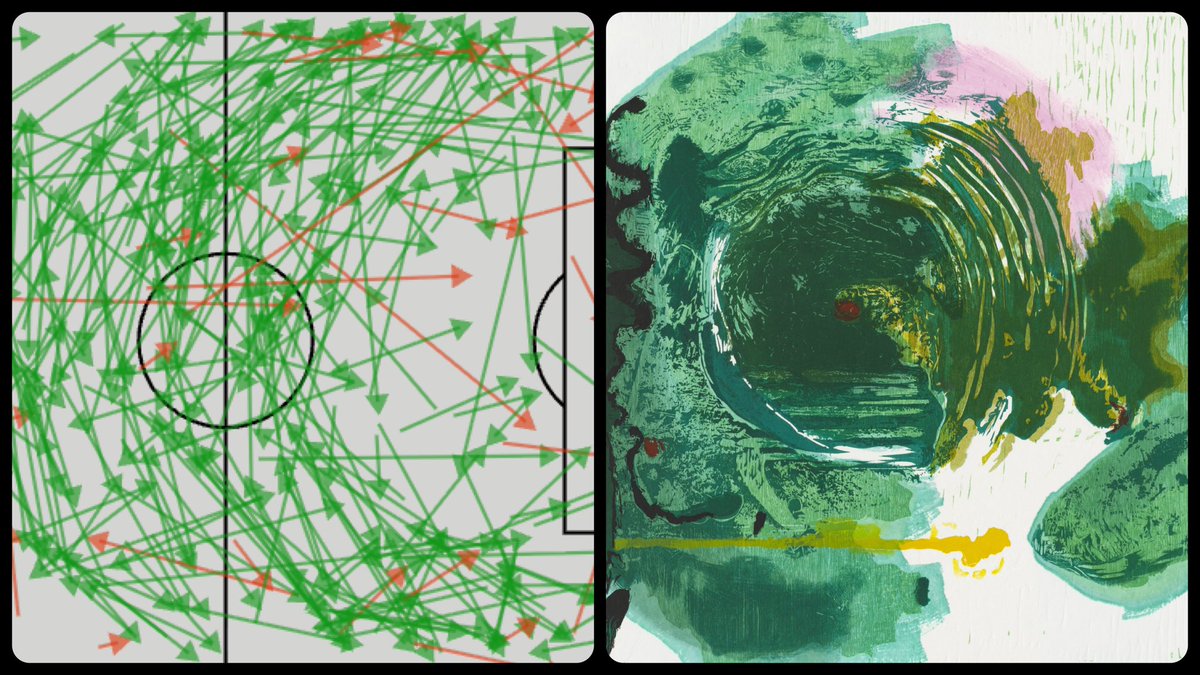
Radius, by Helen Frankenthaler, 1993
16
269
6,973
151,083
Chris Gitter retweeted

Jun 1
Excited to welcome 6 undergraduates to Duke for the NIH R25 Paired Undergraduate Mentoring Program (PUMP) in Uronephrology. They represent, Brown, Macaulay Honors College CUNY, Duke, NCCU, WashU-StL, Wake Forest. #NephForward

ALT The 6 Paired Undergraduate Mentoring Program (PUMP) in Uronephrology at Duke for 2026
1
1
13
435
Chris Gitter retweeted

May 28
Warra trophies 🏆 ❤️💙

603
7,975
138,438
4,847,637
Chris Gitter retweeted

May 27
Crystal Palace, Champions of Europe ❤️💙

3,418
23,956
192,278
7,453,125


Chris Gitter retweeted

“Jump Around” at the UW-Madison graduation ceremony
52
318
4,638
695,180
Chris Gitter retweeted
9
78
509
266,449
Chris Gitter retweeted

Apr 30
3
14
133
7,265

We're going around the Moon. Come watch with us. Artemis II's four-astronaut crew is lifting off from @NASAKennedy on an approximately 10-day mission that will bring us closer to living on the Moon and Mars. The launch window opens at 6:24pm ET (2224 UTC). x.com/i/broadcasts/1jxXgeyMk…
5,652
28,974
108,575
17,061,151
Chris Gitter retweeted

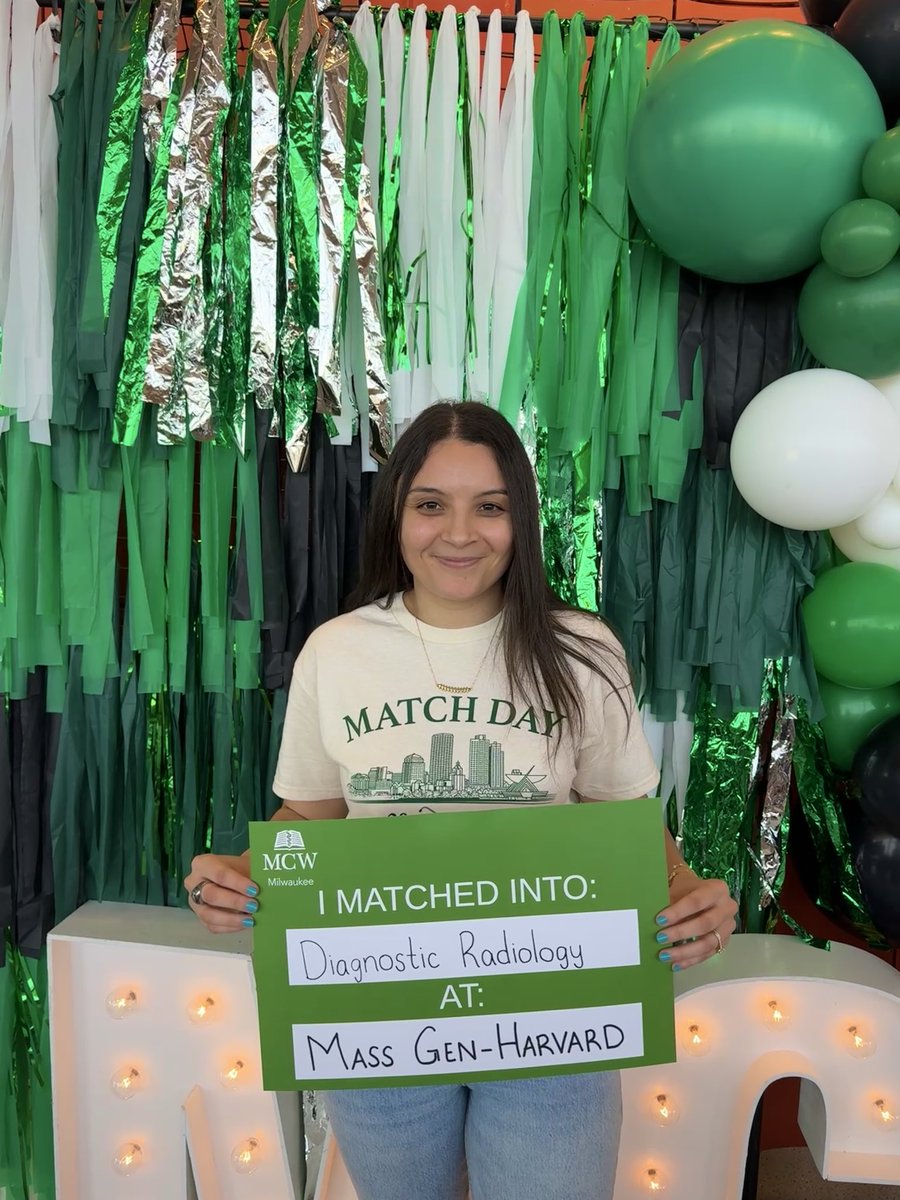
I am thrilled to share that I matched into Diagnostic Radiology at MGH!
It’s been quite the journey, from being recruited to the U.S. on a D1 tennis scholarship to applying to medical school as an international student. Each challenge along the way tested me and shaped me into the person I am today.
I’m grateful for always stepping outside my comfort zone, and for the unconditional support of my family, friends, and mentors.
@MedicalCollege @mghradchiefs @MGHImaging @TheNRMP #match2026 #radiology
15
4
219
12,069
Chris Gitter retweeted
Mar 24
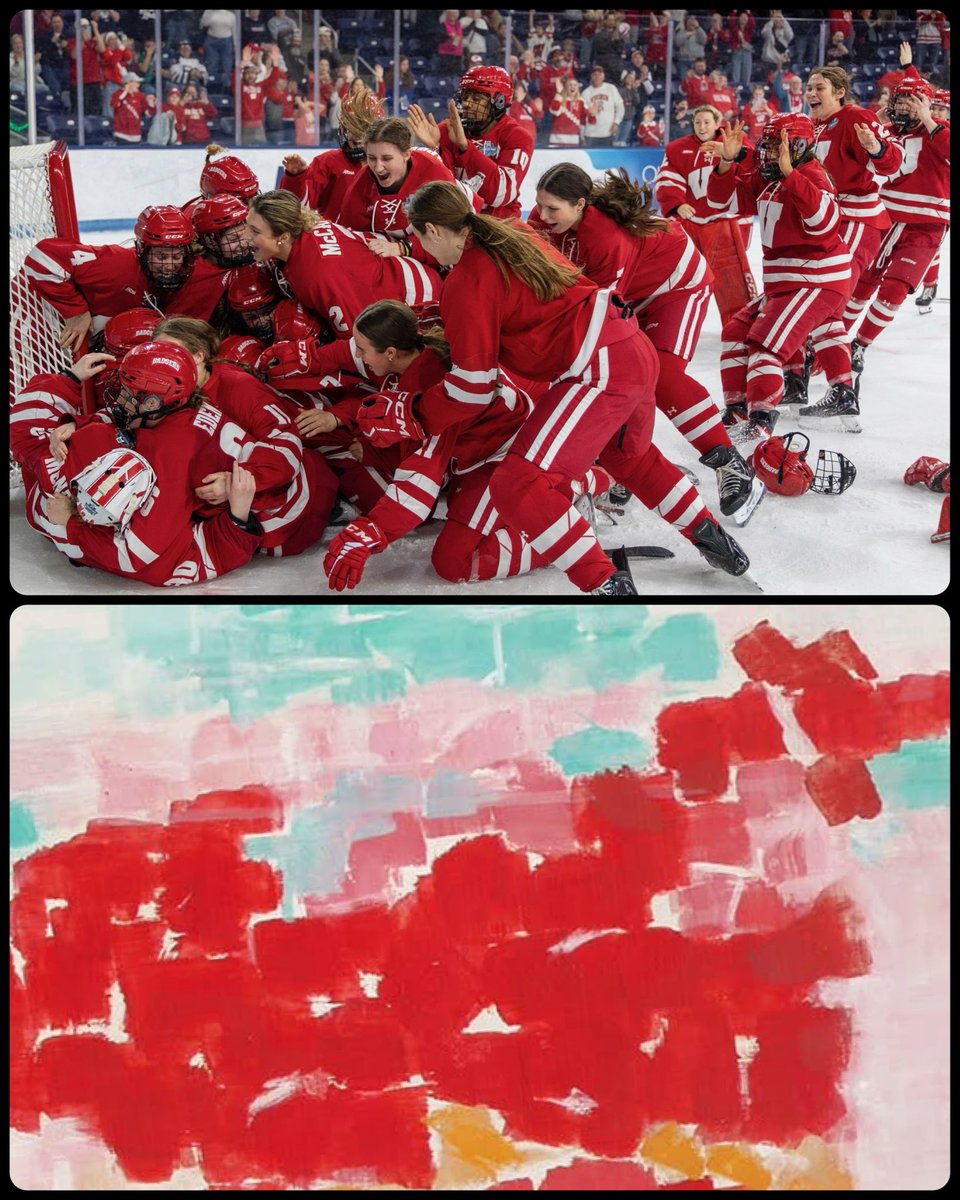
A Bed of Red Azaleas, by Alma Thomas, 1968 (rotated, detail), 📸 by David Stluka
15
579
8,291
136,370
Chris Gitter retweeted

Mar 22
THE WISCONSIN BADGERS ARE WOMEN'S ICE HOCKEY NATIONAL CHAMPIONS‼️
Claire Enright scores the difference maker in a 3-2 win over Ohio State 🏒
95
959
9,132
521,050
Chris Gitter retweeted

Mar 18
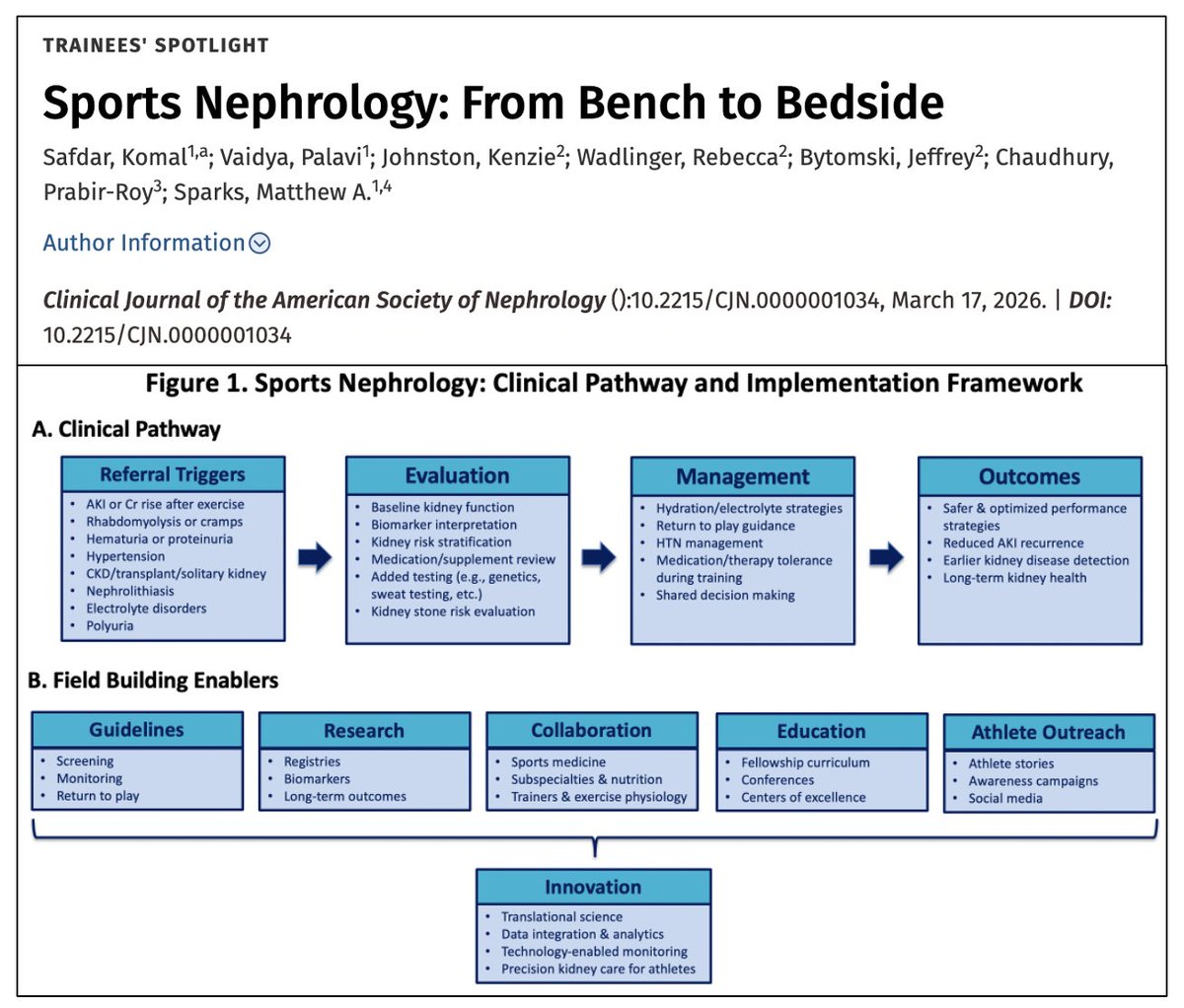
Sports Nephrology is on the rise! Excited to see our perspective published in CJASN and advance kidney care for athletes.
Link: journals-lww-com.proxy.lib.d…
@Nephro_Sparks @proychaudhuryMD
1
26
88
6,144
Chris Gitter retweeted

I’m sorry, but I disagree with this decision. We seem to operate under the assumption that physicians are responsible for fixing every aspect of society, which is unrealistic.
First, we already have trained professionals in nutrition—dietitians. Yet we consistently underpay them and fail to provide adequate access to their services. While physicians receiving 40 hours of nutrition education isn’t inherently a bad idea, delivering the behavioral interventions required to meaningfully change diet often takes hours of patient engagement. In the current system, many physicians are fortunate if they can spend 5–10 minutes with a patient a few times per year.
The problem is not that people are unaware they should eat more fruits and vegetables. The larger issue is that the food system itself heavily subsidizes and incentivizes highly processed foods. Structural changes to that system would likely have a far greater impact than physicians repeatedly telling patients to eat more fruits and vegetables.
At some point, we need to acknowledge the limits of what can realistically be addressed within a brief clinical encounter. It’s all so exhausting.
Mar 6

.@EDSecMcMahon and I announced that, starting this fall, 53 medical schools across 31 states will deliver at least 40 hours of nutrition education during undergraduate medical training.
This landmark reform will transform medical education, equip future physicians to prevent and treat chronic disease, and advance @POTUS’s commitment to end the chronic disease epidemic.
149
252
1,889
223,570
Chris Gitter retweeted

Mar 5
Here’s the traditional annual pic.
•Thursday, not a weekend
•Mid-afternoon, not primetime
•High school, not pro
•Quarterfinal, not Championship
But the State of Hockey’s cathedral is full of fans for the greatest tournament in the land.
Stream it on Prep45.com

29
246
2,024
113,232
Chris Gitter retweeted

Mar 6
84
783
8,190
350,063
Chris Gitter retweeted

#AnimalHouse is back on #NephMadness
They’re dializing the dogs 🐶 , they’re dializing the cats 🐱 ! #NephTwitter
ajkdblog.org/2026/03/01/neph…
4
7
12
1,345
Chris Gitter retweeted

Feb 19
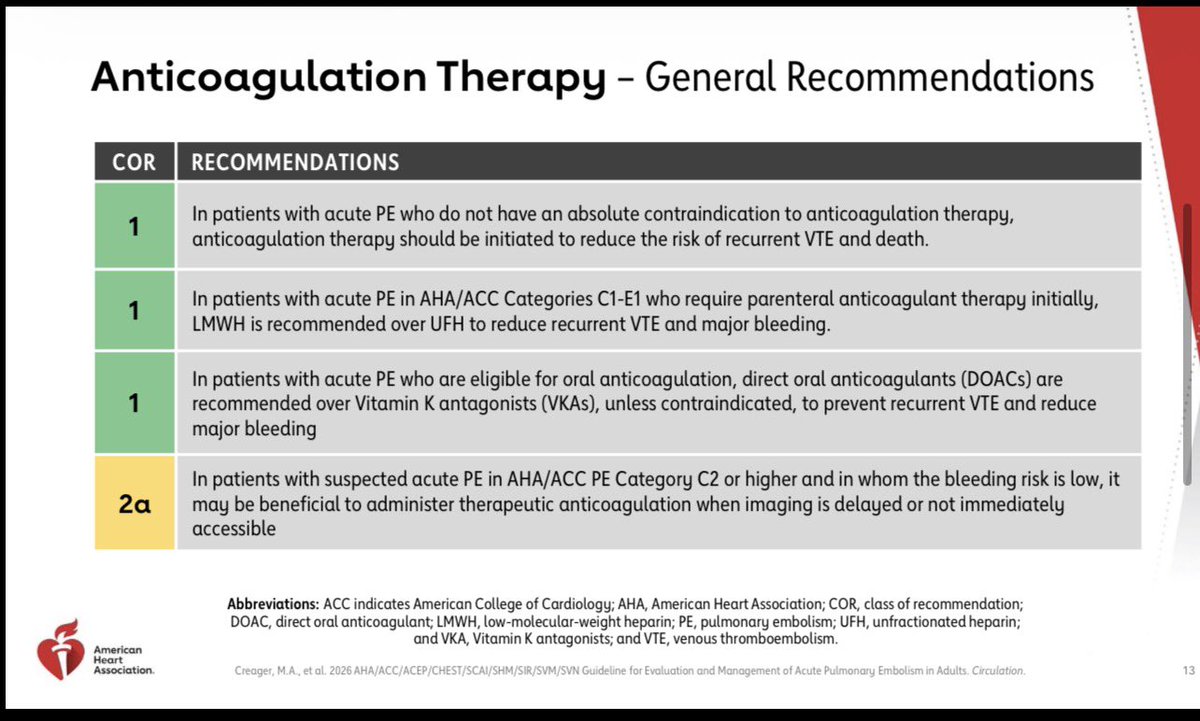
5/ Dozens of recommendations re: anticoagulation management.
Highlights include:
⭐️ Preference for LMWH over UFH as initial parenteral therapy in category C-E patients.
⭐️ Preference for DOACs over VKA for ongoing management in all patients.
2
4
15
3,510
Chris Gitter retweeted
Feb 19
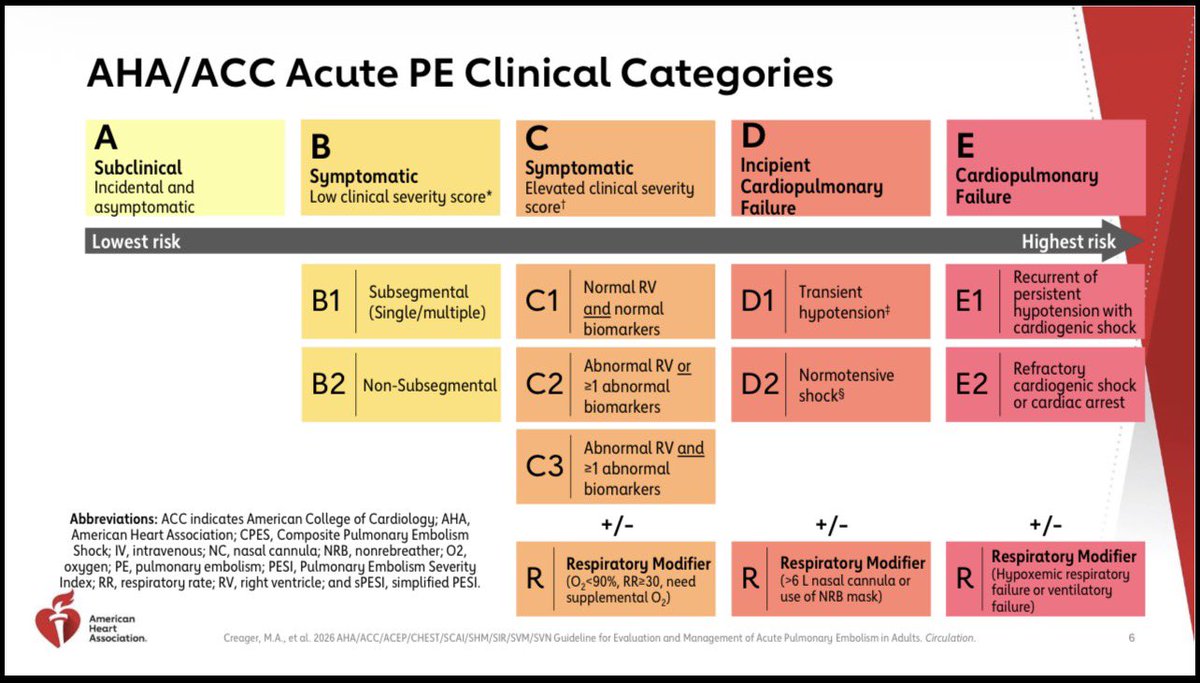
3/ Novel granular risk categories!
⭐️ A: Sub-clinical
⭐️ B: Symptomatic with low clinical risk score (eg: PESI score)
⭐️ C: Symptomatic w/ elevated clinical risk score
⭐️ D: Incipient cardiopulmonary failure
⭐️ E: Cardiopulmonary failure
⭐️ Sub-categories & resp modifiers
3
13
31
5,270