comparative biomechanics, physiology and evolution of kangaroos, lizards, frogs and insects. Associate professor University of the Sunshine Coast #usceduau
Joined July 2014
- Tweets 1,686
- Following 985
- Followers 1,397
- Likes 2,998
278 Photos and videos
Christofer Clemente retweeted

16 Dec 2024
Meet our Creators discover what they’re working on 👇
link.aria.org.uk/srb-creator… (4/4)

1
3
4
1,725
Christofer Clemente retweeted

30 Oct 2024
🎃🕷️Just in time for Halloween: A really cool short movie about our spider sleep research @UniKonstanz @zukunftskolleg by @lgroskin for @sciam 🕷️💤 Thanks Luke! Totally worth the wait ;)
youtube.com/watch?v=BTccp_FX…
4
16
47
2,818

31 Oct 2024
How fast are modern day human compared with our ancestors? This @ConversationEDU article explores speed and body size in human predictive simulations based on our @NatureComms paper with @TaylorJMDick @FriedlDeGroote
theconversation.com/not-too-… v
4
15
1,204
Christofer Clemente retweeted

18 Oct 2024
New in @ESAEcology: In eastern Washington, cougars, wolves, & ungulate prey adjust their broad-scale movement based on long-term habitat use rather than predator hunting strategies
doi.org/10.1002/ecy.4448
With #OpenData & code in @datadryad & @ZENODO_ORG
@S_Bassing
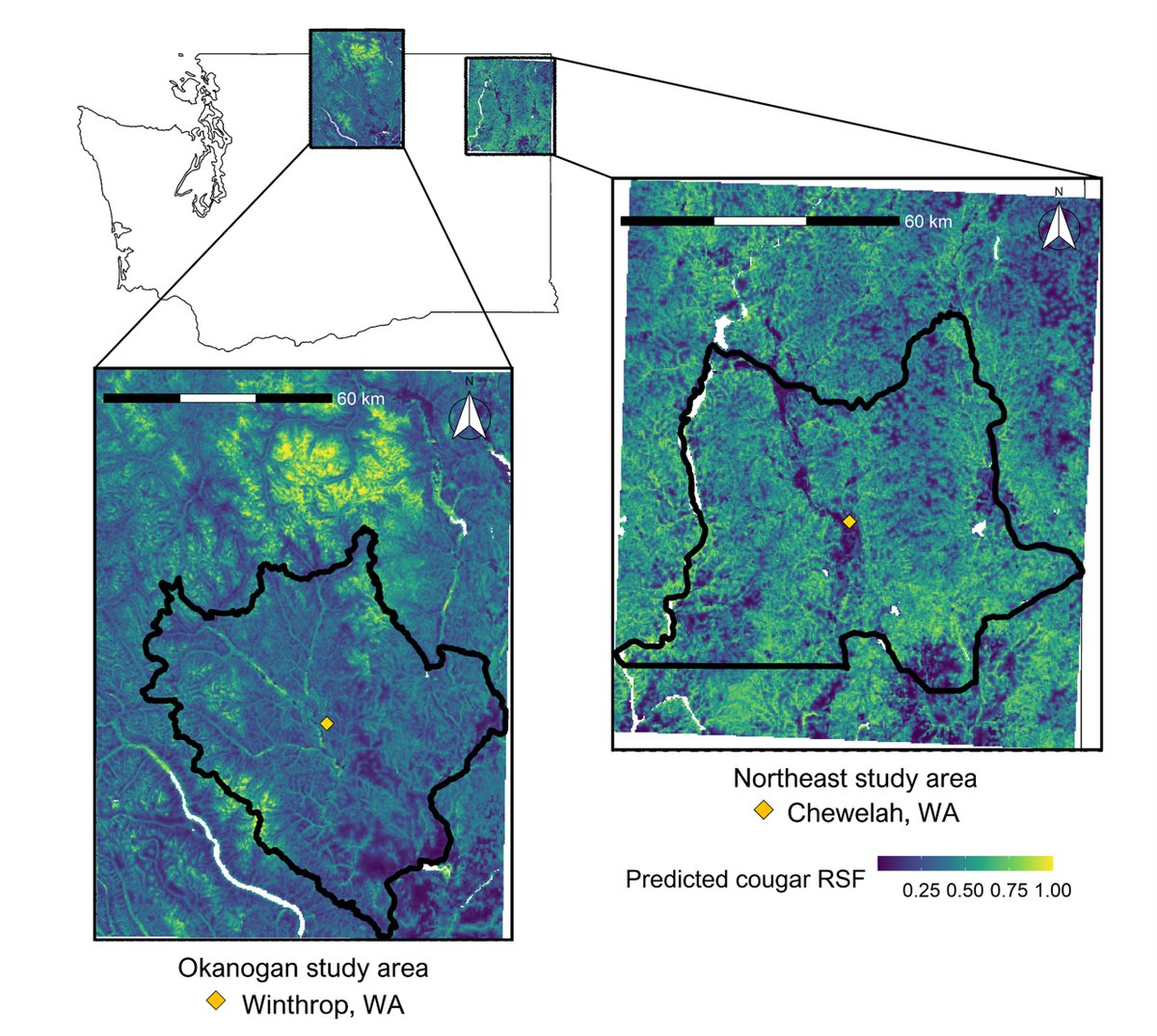
ALT Predicted relative probability of selection for cougars in summer (July 1 – Sept 30) in the Okanogan (left) and Northeast (right) study areas in Washington, USA. From 2017 – 2021, cougars and wolves were monitored in both study areas, mule deer were monitored in the Okanogan study area, and elk and white-tailed deer were monitored in the Northeast study area with GPS collars. Values predicted from a resource selection function (RSF) were rescaled between 0 and 1 and used to represent habitat conditions associated with cougar distributions that might influence prey movements.
8
18
9,125
Christofer Clemente retweeted

27 Oct 2024
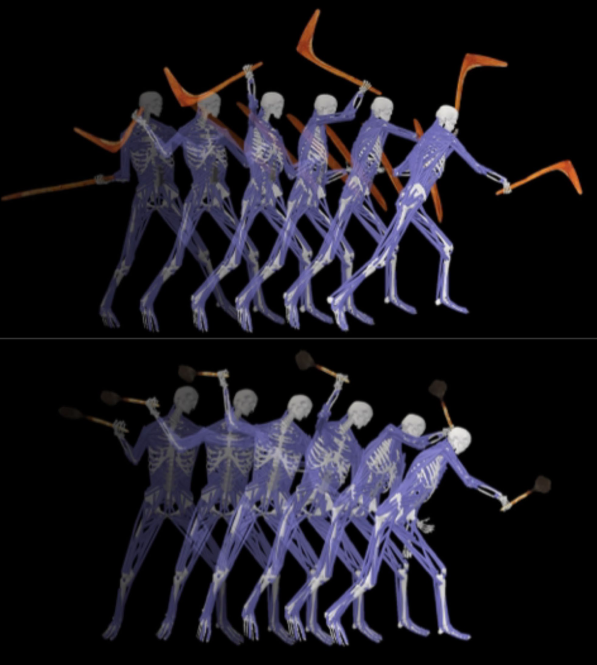
Our latest paper intersected archeology and biomechanics - a first look at striking biomechanics of some Australian Aboriginal weapons @Griffith_Health x @ARCHE_Griffith @pzcld @DavidJohnSaxby1 @BradleyCornish3
27 Oct 2024

Just how Deadly are deadly Aboriginal Weapons? We identified where their striking power comes from with biomechanics!
Read OA:
rdcu.be/dYbij
With @LauraDiamond05 @ARCHE_Griffith @Griffith_SciEnv @Griffith_Uni
7
25
1,618
Christofer Clemente retweeted

27 Oct 2024
As our fish-like ancestors evolved, developing necks, the nerve got stuck in its pathway. Evolution couldn't re-route the tangled wire without unplugging it
It's sub-optimal design no engineer would ever make. It developed in tiny gradient steps, yielding only a local optimum
46
129
2,388
154,068
8 Oct 2024
Short write up using #NatureComms blog post feature on our paper exploring the limits of speed and size. With @TaylorJMDick and @FriedlDeGroote
communities.springernature.c…
8
28
1,160
Christofer Clemente retweeted

6 Oct 2024
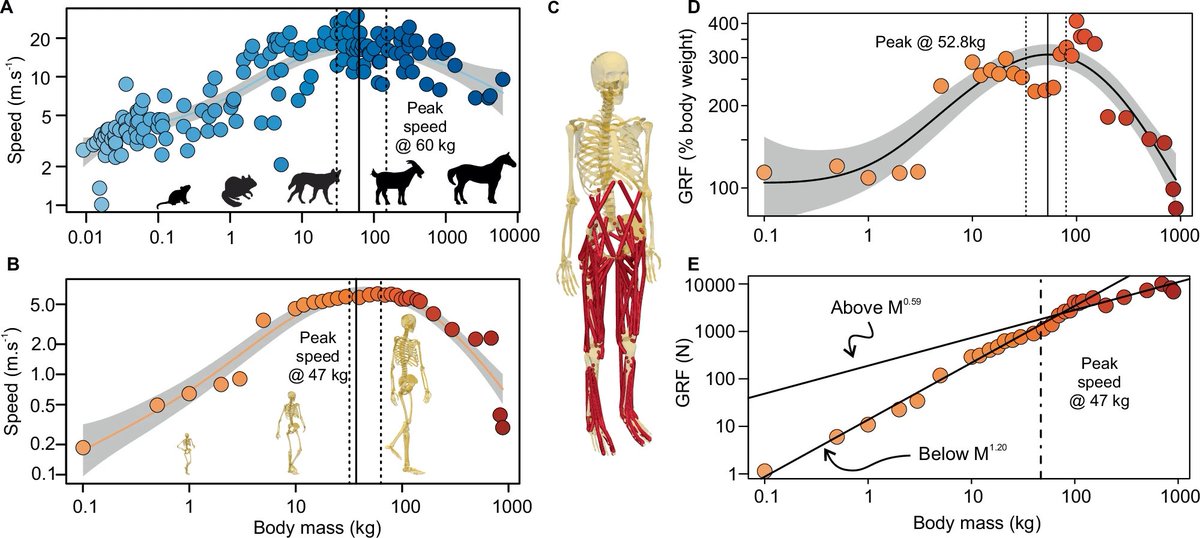
Human musculoskeletal simulations not only predict the optimal body mass for speed in humans 🏃, but also all mammals 🐆! @cclemente4 et al suggest mass-speed represents general rules & not the result of phylogenetic or other ecological factors | nature.com/articles/s41467-0…
1
8
33
2,541
8 Oct 2024
Ever wondered what a dwarf racing a giant would look like? Our (@TaylorJMDick and @FriedlDeGroote) new paper simulated humans moving at masses from 0.1 kg to 900 kg. We use them to understand the biomechanical limits to speed as mass increases.
youtu.be/CcLKcLCADnw?si=H6jA…
4
11
1,222
Christofer Clemente retweeted

7 Oct 2024
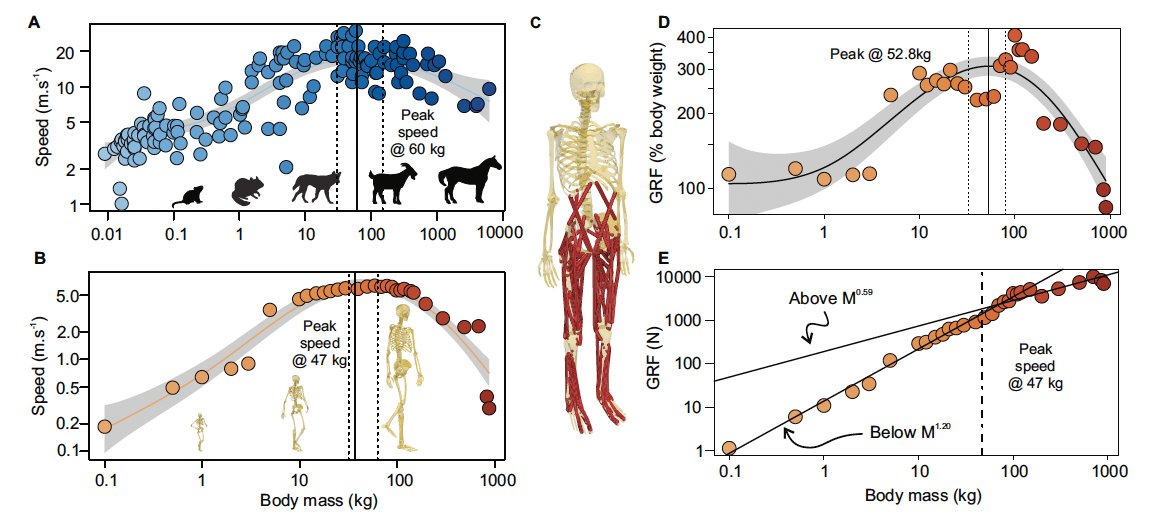
Our new paper is out in @NatureComms
We used predictive musculoskeletal simulations based on @OpenSimSU models, scaled in size from mice to elephants, and reveal mechanistic links between speed, posture and energetics rdcu.be/dVZIy
@cclemente4 @FriedlDeGroote
@UQ_News
1
32
161
10,684
Christofer Clemente retweeted

3 Oct 2024
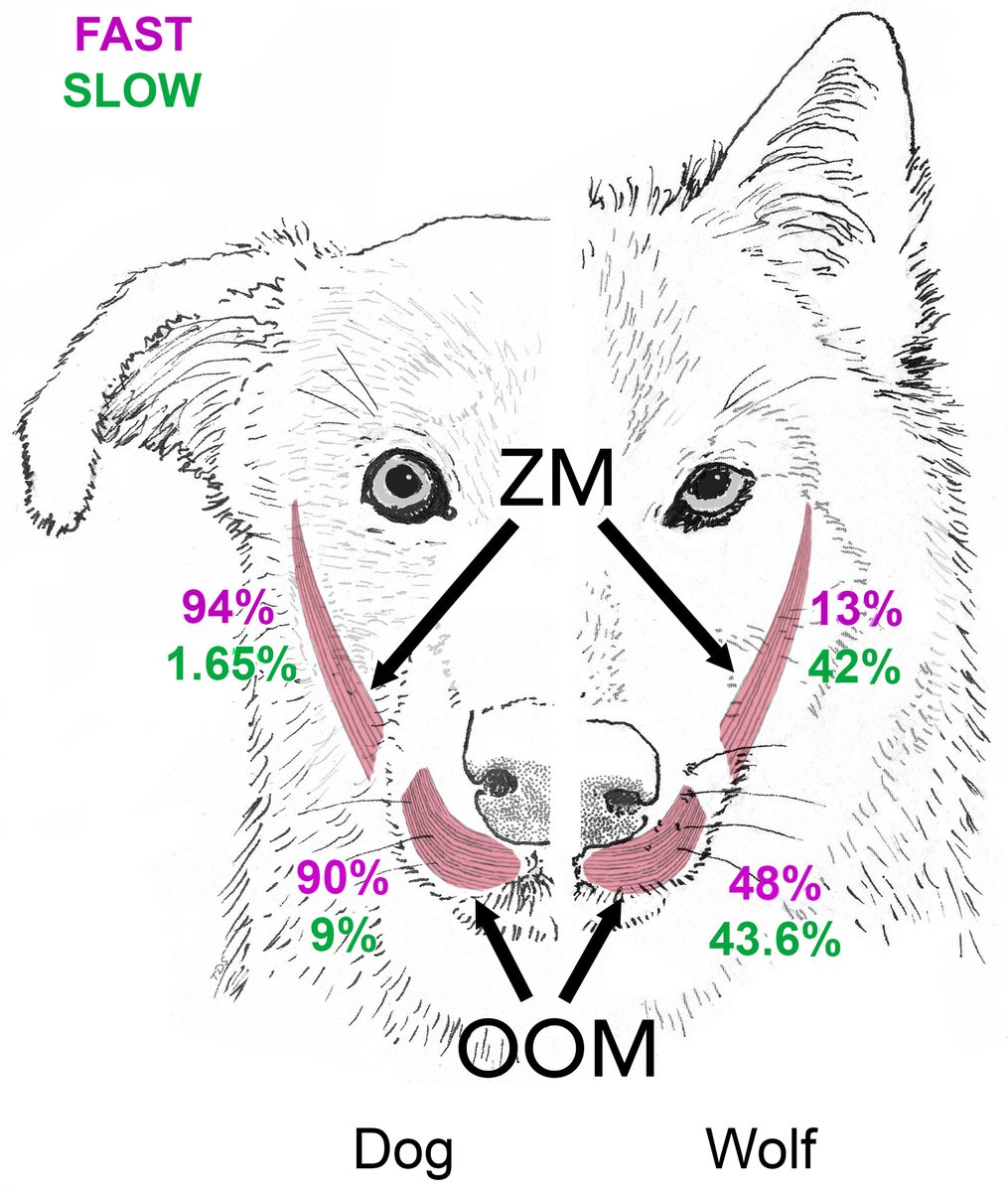
Domestication of dogs changed not only their facial muscle morphology but also how these muscles function. Dogs have ~100% fast-twitch muscle fibers, enabling quick facial expression movements while wolves have less than 50%.
By @Anne_M_Burrows et al.: doi.org/10.1002/ar.25580
1
66
218
11,998
3 Oct 2024
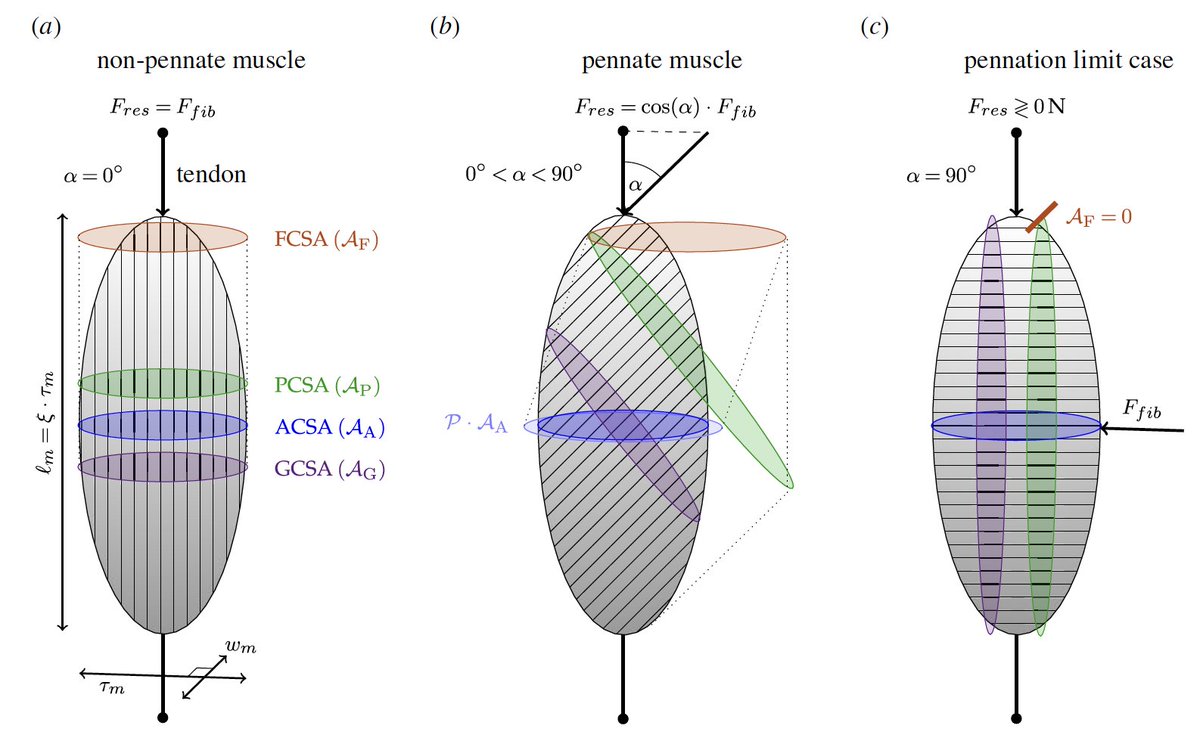
A nice write up by @usceduau on our fun project on the advantage of muscle pennation with changes in muscle shape. With Robert Rockenfeller, Michael Gunther and @TaylorJMDick
usc.edu.au/about/unisc-news/…
1
4
449
Christofer Clemente retweeted
18 Sep 2024
New paper->Rethinking the physiological cross-sectional area of skeletal muscle reveals the mechanical advantage of pennation
doi.org/10.1098/rsos.240037
..we use geometric models to highlight the mech. advantage of a pennate design & clear the air on some PCSA confusion @cclemente4
3
38
144
12,019
Christofer Clemente retweeted

24 Jul 2024
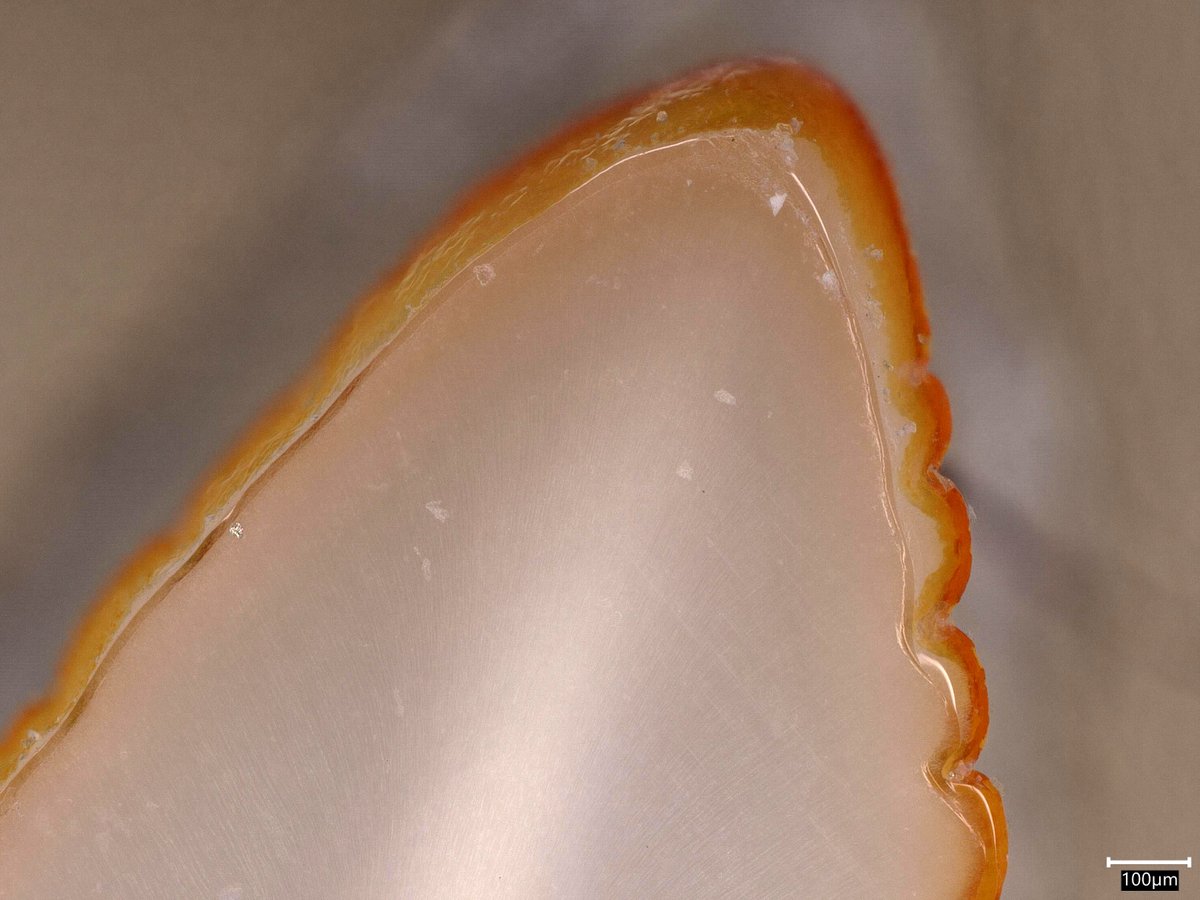
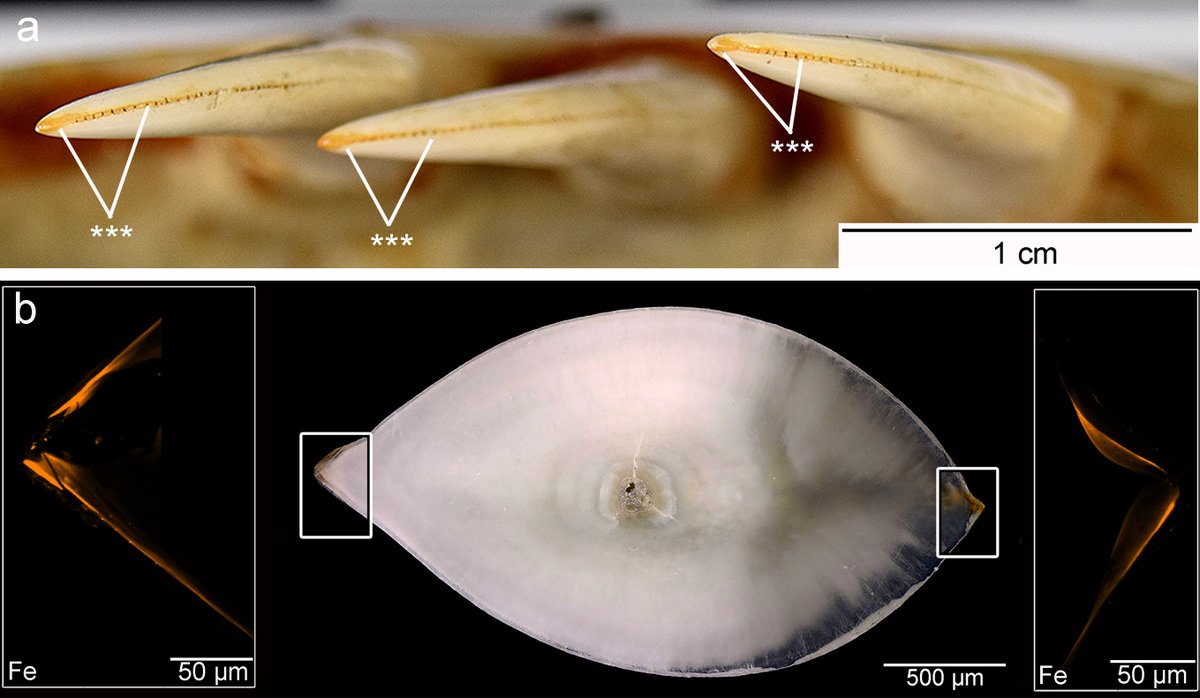
Scientists have found Komodo dragons, the largest lizards in the world, have iron coated teeth.
@AaronLeBlanc6 (@kingsdentistry) says the study gives us clues to how dinosaurs like the T-rex may have ripped apart their prey #ScienceatKings
Read more⬇️
theguardian.com/environment/…
3
41
87
13,552
Christofer Clemente retweeted

24 Jul 2024
Up close and personal with the iron-coated teeth of the Komodo dragon <3
6
567
3,510
96,058
25 Jul 2024
Komodo dragons have iron -coated teeth!!
It was amazing to be part of this team led by @AaronLeBlanc6 - showing that this iron coat in komodo (and in other varanid lizards!) might help keep these teeth sharp @usceduau nature.com/articles/s41559-0…
1
10
505
Christofer Clemente retweeted

24 Jul 2024
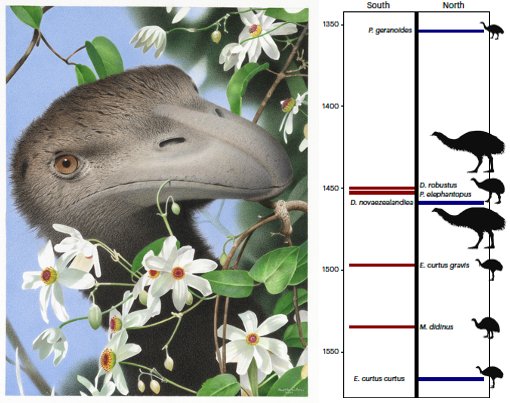
Moa didn't go #extinct all at the same time in NZ, but they did all go #extinct in places close together. These places are also the final holdouts for today's threatened birds, kakapo, takahe and many kiwi species. Want to know more? Take a read 👇
nature.com/articles/s41559-0…
6
10
773
Christofer Clemente retweeted
25 Jun 2024
Could giant extinct kangaroos hop? Maybe so...
tune in to the ABC Catalyst series featuring some of our research @cclemente4 (and who doesn't want to listen to @RealHughJackman lovely voice)
@UQMedicine @UQ_News @usceduau
abc.net.au/news/science/2024…
5
15
2,196
25 May 2024
Just came across this amazing animated video by @LinneanSociety showcasing our research on iguana locomotion. We compared the biomechanics of running in Green, spiny tailed and Marine iguanas to see if there was an influence of habitat on movement!
youtube.com/watch?v=qoMiHdBp…
7
490
28 Mar 2024
A nice write up on our paper exploring the evolution of #gliding in #marsupials. Avoiding the ground might be a more important driver than saving energy. #hiddenvale @USCResearchBank
Led by Jasmin Annett
snexplores.org/article/marsu…
8
23
2,497