
Providing online CE courses & live seminars for #psychologists, #socialworkers, #mentalhealthcounselors, #nurses, #therapists & other health care professionals.
Joined December 2010
- Tweets 4,437
- Following 838
- Followers 474
- Likes 1,017
1,257 Photos and videos
















Jun 12
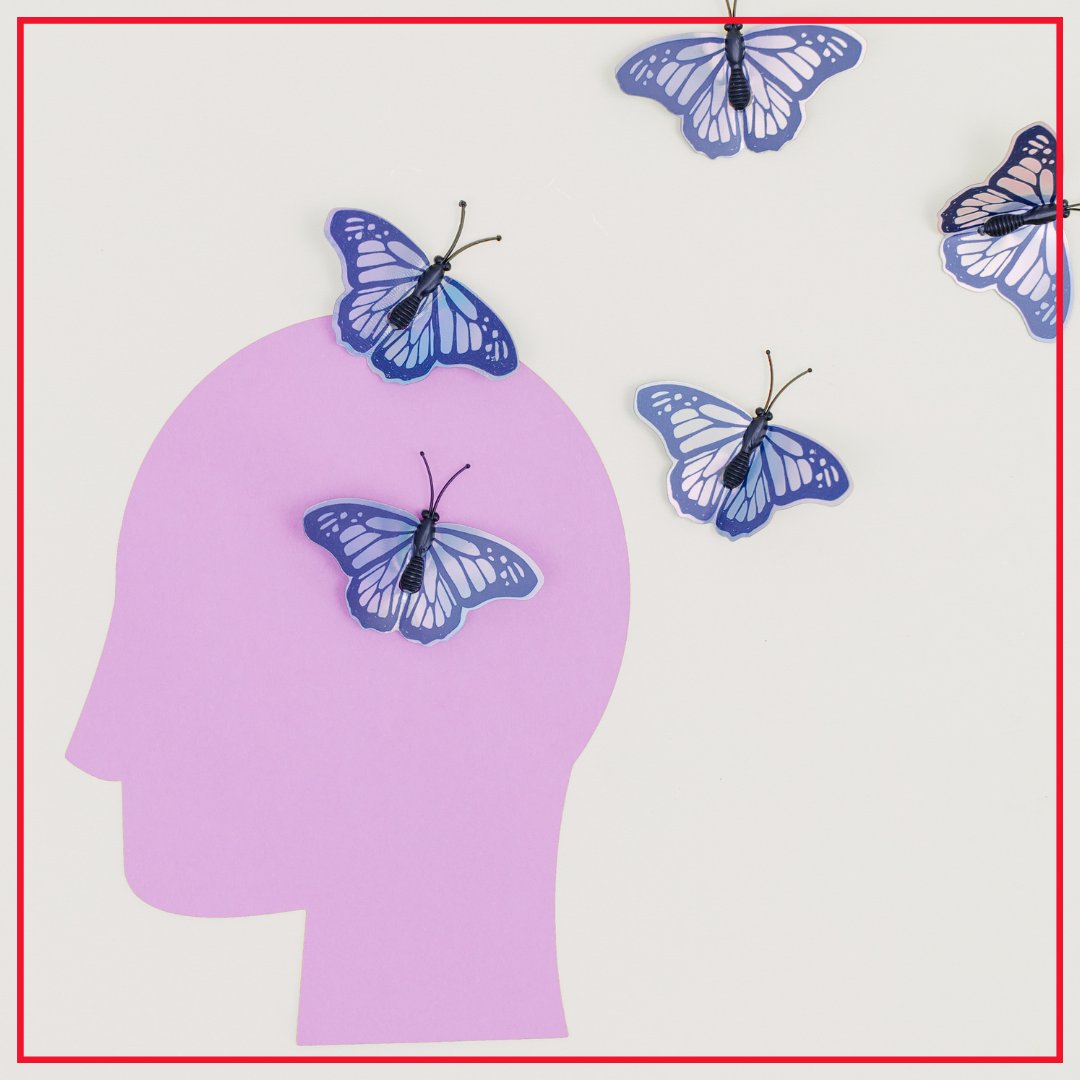
Men are less likely to seek mental health support, often due to stigma or fear of judgment.
But connection changes outcomes.
A conversation, a check-in, or a safe space can make a meaningful difference.
#YouAreNotAlone #MensMentalHealth #EndTheStigma
2
36
Jun 10
What you eat affects more than your body, it affects your mind too.
A balanced diet with fruits, vegetables, whole grains, and healthy proteins can support better mood, energy, and brain function. Nutrients like omega-3s, folate, and Vitamin D play an important role in health.
1
7
Jun 10
What you eat affects more than your body, it affects your mind.
A balanced diet with fruits, vegetables, whole grains, and healthy proteins can support better mood, energy, and brain function. Nutrients like omega-3s, folate, and Vitamin D play an important role in mental health
1
25
Jun 9
Summer is the perfect time to level up your team! CE-Classes.com makes staff training simple with a fully customizable learning management system designed for directors who want to streamline the process.
Make this summer count!
1
7
Jun 5
In the rush of daily life, pausing can be powerful. Taking a moment to check in with your emotions before responding helps you act with intention rather than reaction. This practice improves decisions, reduces stress, and strengthens relationships—personally and professionally.
1
2
Jun 3
Supporting recovery isn’t just about treatment—it’s about connection. As behavioral health professionals, the relationships we help foster between clients, families, and peers can be transformative. Encouraging social inclusion and meaningful networks strengthens resilience.
1
14
Jun 2
Short mental breaks throughout the day—stretching, breathing, or stepping outside—aren’t just relaxing. Research shows these moments can enhance focus, improve emotional regulation, and even support memory. Small pauses can have big effects.
#takeabreak #mentalhealthmatters
1
2
May 29
Mindful social media use can reduce anxiety and stress. Paying attention to how scrolling affects your mood—and taking breaks when needed—can be a simple yet effective mental wellness strategy.
#DigitalWellness #MentalHealthAwareness #MindfulLiving
1
6
May 27
Small changes in thinking—like reframing challenges or noticing personal strengths—can significantly impact mental health. Mindset shifts help build resilience and open the door for meaningful change, for us and for our clients.
#CognitiveWellness #BehavioralHealth
1
3
May 26
Nature isn’t just a break—it can be a tool. As the warmer season approaches, noticing the environment, engaging with green spaces, or tracking mood changes after outdoor activity can all help support mental well-being.
#NatureTherapy #MindBodyConnection #TherapistTips
1
9
May 22
Encourage clients (and yourself!) to pause once a day this week and reflect: ‘What emotion am I feeling right now? What do I need?’ Modeling mindfulness supports better emotional awareness in every session.
#MindfulnessInPractice #BehavioralHealth #TherapistTips #Wellness
2
24
May 20
In a field that’s constantly evolving, learning doesn’t stop.
Mental Health Awareness Month highlights the importance of staying current with research, tools, and approaches that improve client outcomes. Continuing education helps bridge knowledge and real-world impact.
1
4
May 19
Progress in mental health treatment isn’t always reflected in standardized scores. Combining client self-reports, and individualized goals provides a more accurate, person-centered view. Small shifts in coping, confidence, or daily routines often reveal the most meaningful growth
1
8
May 15
Awareness is only the first step. Action requires a trauma-informed approach that recognizes the lasting impact of lived experience.
Mental Health Awareness Month is a reminder to continue building skills that prioritize safety, trust, and empowerment in every client interaction
1
5
May 13
Mental Health Month reminds us that healing does not happen in isolation.
“More Good Days Together” is about connection, support, and small moments of care that make hard days feel lighter.
More good days start with each other.
1
12
May 12
Single-session therapy isn’t just an introduction to counseling—it can be a powerful, focused intervention. By targeting one specific goal, providing actionable strategies, and setting a clear plan, even one session can reduce anxiety, boost confidence, and bridge access gaps.
1
20
May 8
Demand for behavioral health services continues to rise nationwide, while workforce shortages remain a persistent challenge. Recent reports point to increased caseloads, longer wait times, and a growing need for specialized care.

1
2
May 6
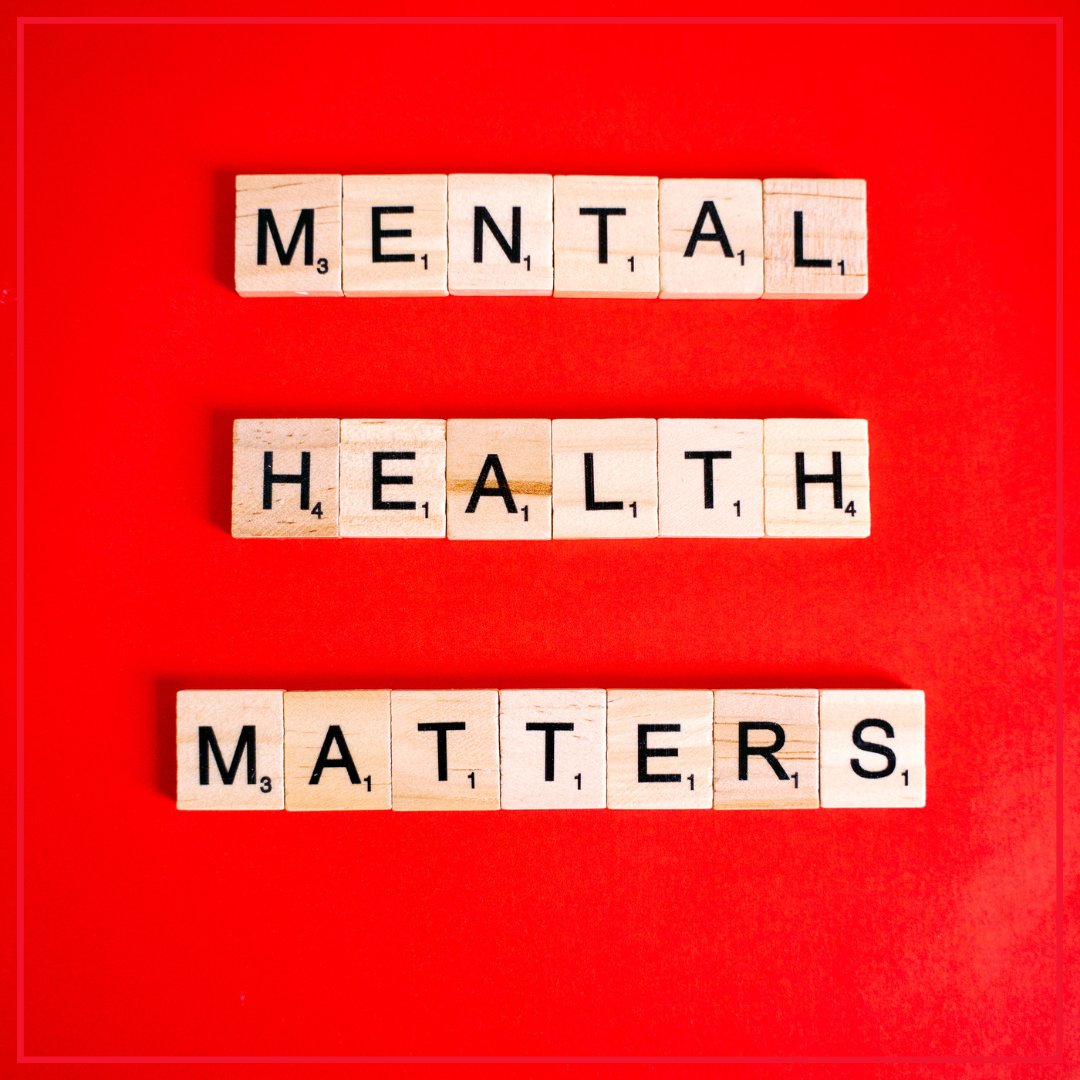
May marks Mental Health Awareness Month, offering an opportunity to reflect on the evolving role of behavioral health professionals.
As demand for services continues to grow, ongoing education remains essential in supporting effective and client-centered care. Staying informed!
1
2
May 5
Forgiveness is often misunderstood in clinical work—frequently equated with reconciliation or minimizing harm. In reality, it is a nuanced, client-centered process that supports emotional regulation and long-term well-being.
Forgiveness is about reducing its ongoing impact.

1
4
May 1
We’re all constantly learning—about ourselves and how we show up for others.
In behavioral health, that growth matters. The more we expand our knowledge, the better equipped we are.
Take the next step in your journey with courses that offer both insight and CE credits.

1
10