Celestron is the world’s #1 telescope maker, recognized for superior optics and innovative technology.
Joined February 2009
- Tweets 5,778
- Following 435
- Followers 21,060
- Likes 1,569
3,460 Photos and videos




14h
🌙 Venus. The Moon. The Seven Sisters.
Syed (@astrotales_by_syed) observed this celestial trio with a Celestron StarSense Explorer 8" Dobsonian.
📸 @astrotales_by_syed
3
5
10
620
Jun 11
Following our post about longtime Celestron executive Alan Hale's retirement, we wanted to highlight some of the other individuals who have spent decades helping build Celestron.
One thing that makes our company special is the number of team members who have dedicated much of their careers to sharing astronomy with others. From engineering and product development to customer support and operations, their experience, passion, and commitment have helped generations discover the night sky.
Meet some of the long-term team members who continue our legacy today: celestron.com/blogs/general/…
1
3
24
1,161
Jun 10
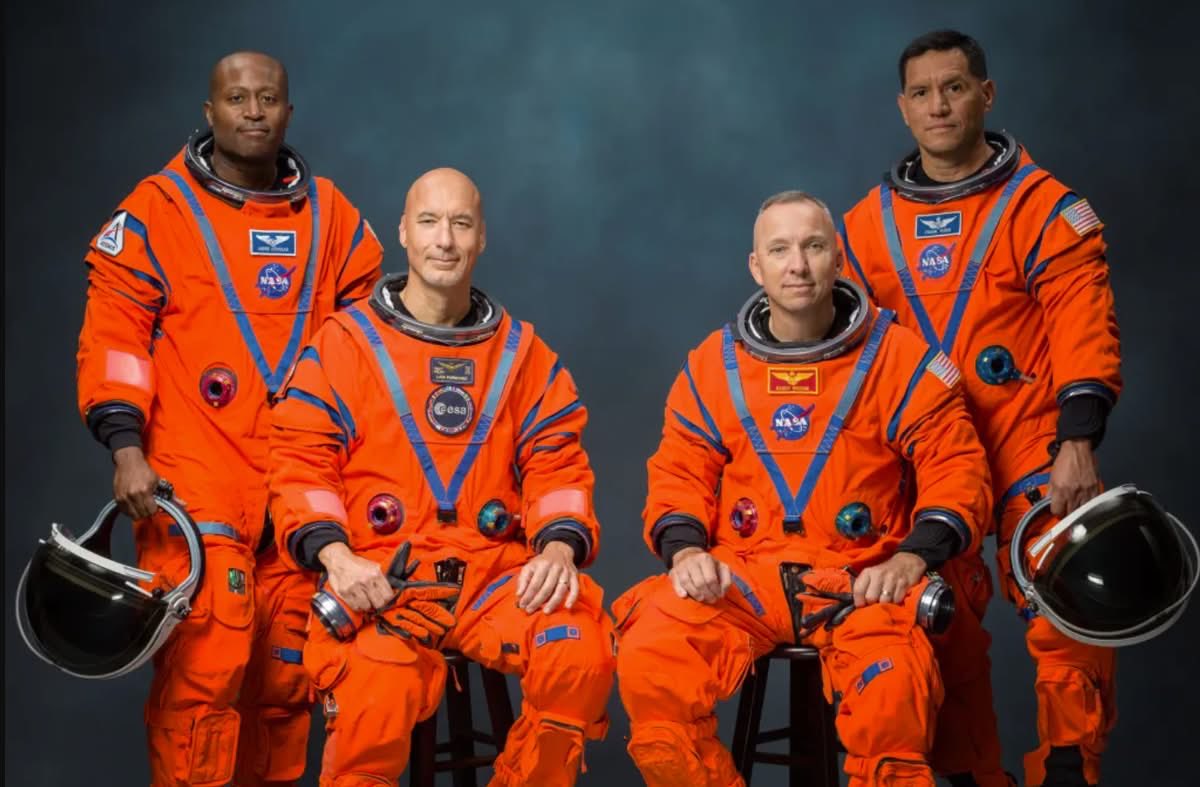
Following the success of Artemis II, NASA has announced the four astronauts selected for Artemis III: commander Randy Bresnik (NASA), pilot Luca Parmitano (ESA), mission specialist Frank Rubio (NASA), and mission specialist Andre Douglas (NASA). Both Bresnik and Rubio hail from the greater Los Angeles area, not far from Celestron HQ!
The mission is targeted for 2027. The crew will test the spacecraft and spacesuits in low Earth orbit ahead of Artemis IV's Moon landing. Who's excited!? 🚀🤩
📸: @nasa
#ArtemisIII #NASA #ArtemisProgram
2
5
20
680
Jun 7
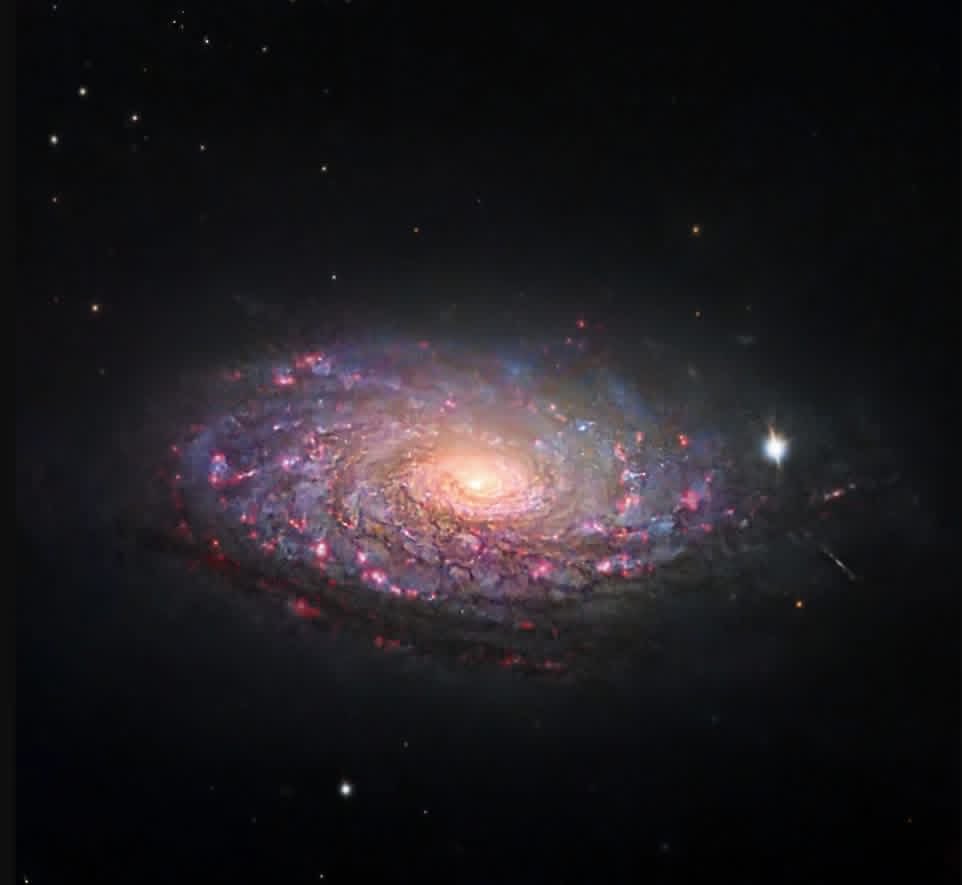
🌻 The Sunflower Galaxy never disappoints.
36 hours of data and plenty of patience turned this backyard capture into something special.
📸 @gateway_galactic
🔭 Celestron EdgeHD 9.25"
3
14
70
1,639
Jun 7
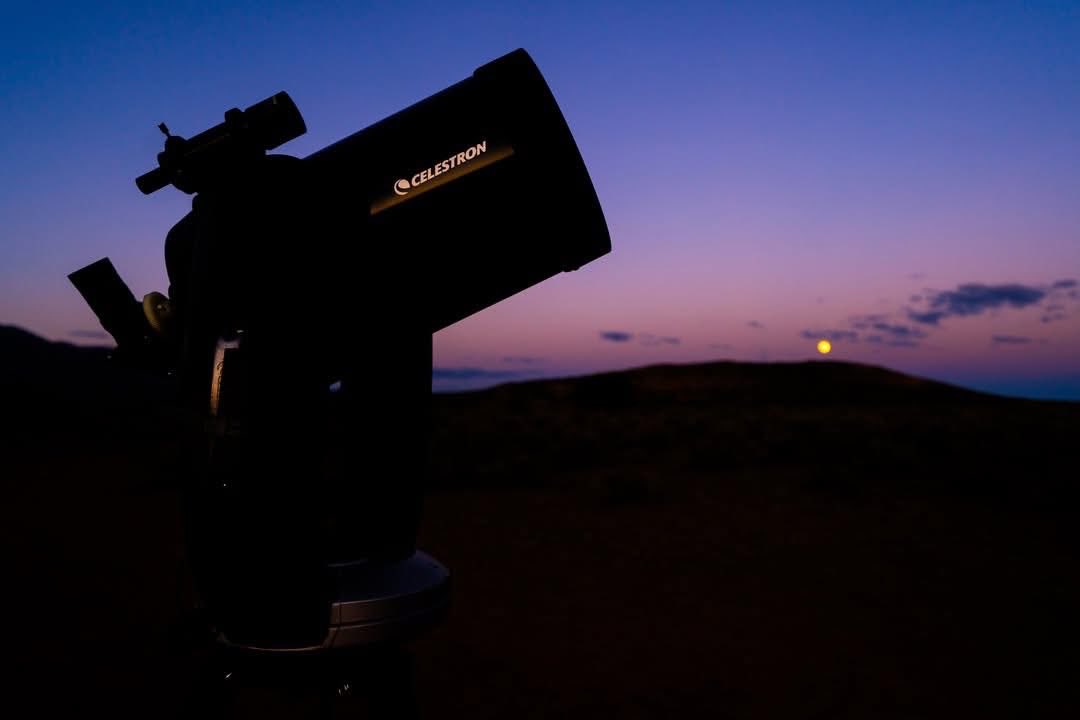
As daylight fades and the first stars begin to appear, the real show is just getting started. 🤩
📸 Image by @stargazingmoab
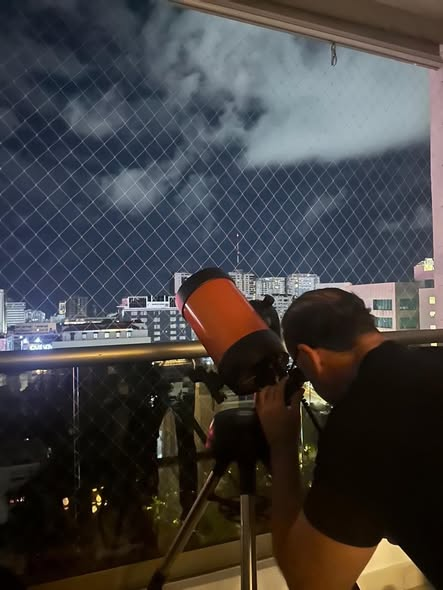
🔭 Celestron telescope ready for a night of observing
#Celestron #Stargazing #Astronomy #NightSky #Telescope #Astrophotography #ObserveTheUniverse #TwilightSky #SpaceLovers #StarGazingMoab
4
43
1,811
Jun 5
This week, Alan Hale retires after 66 years with Celestron.
He joined the company in April 1960, when it was still called Valor Electronics, and went on to work alongside founder Tom Johnson, serving as CEO in the 1980s and later becoming Chairman Emeritus.
Alan's career spans nearly the entire history of Celestron. Over six decades, he helped shape the company into what it is today and left a lasting mark on the astronomy community along the way.
Congratulations on your retirement, Alan. Here's to the next chapter and plenty of clear skies. 📷
9
25
221
14,318
Jun 4
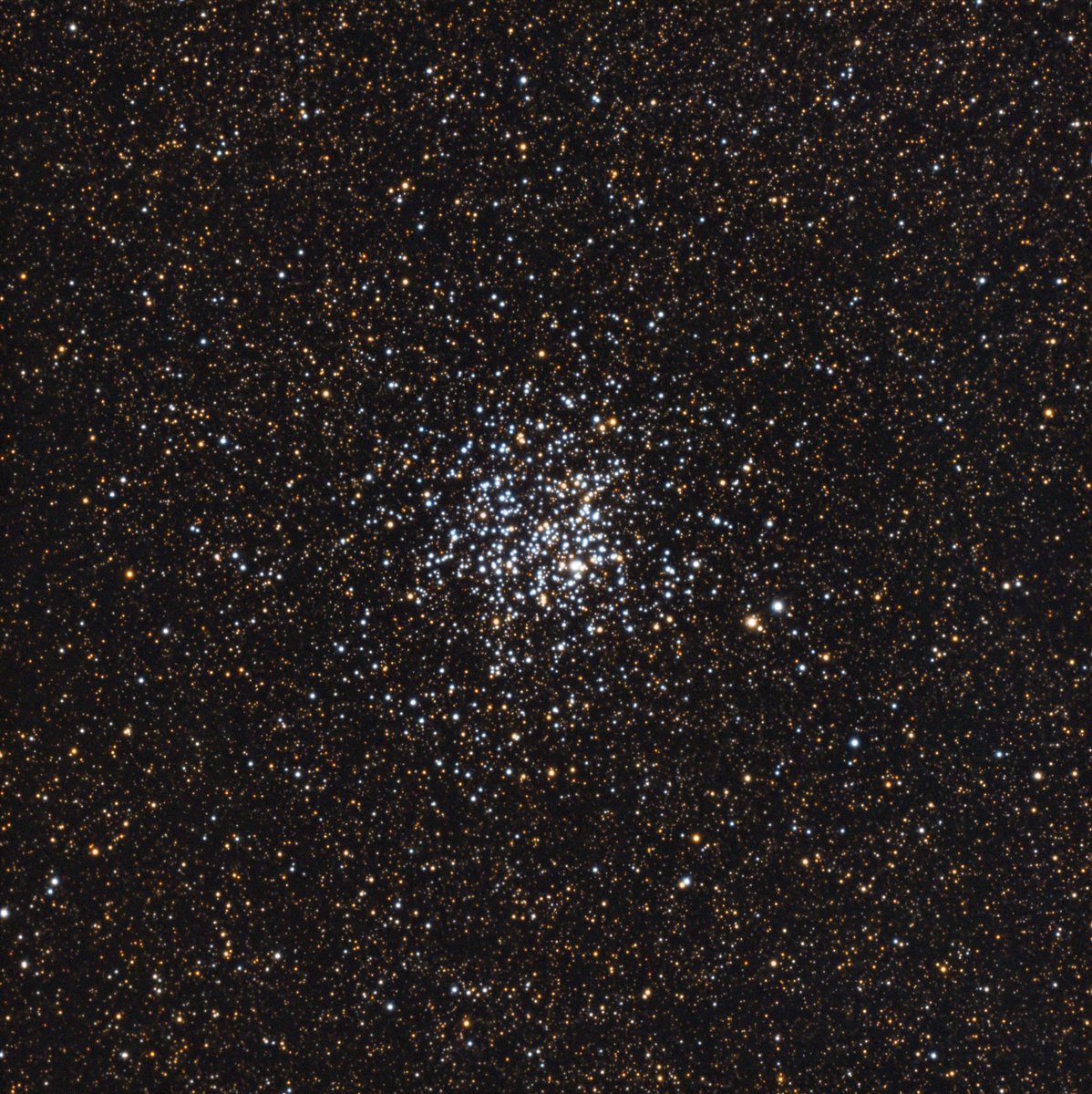
Thousands of stars packed into a single frame.
Captured by Brittney (@britt__miller) with a Celestron C8, this image showcases Messier 11, the Wild Duck Cluster, one of the richest open clusters in our galaxy. Located about 6,000 light-years away in Scutum, M11 contains hundreds of young, bright stars concentrated into a dense region of the Milky Way.
What makes this target stand out is the contrast: a brilliant cluster of blue-white stars surrounded by warmer golden stars.
📍 Messier 11 (Wild Duck Cluster)
🔭 Captured with a Celestron C8
📸 Image by Brittney (@britt__miller)
#Messier11 #WildDuckCluster #OpenCluster #Celestron #C8 #Astrophotography #NightSky #MilkyWay #DeepSkyObject #Astronomy
7
55
1,594
Jun 1
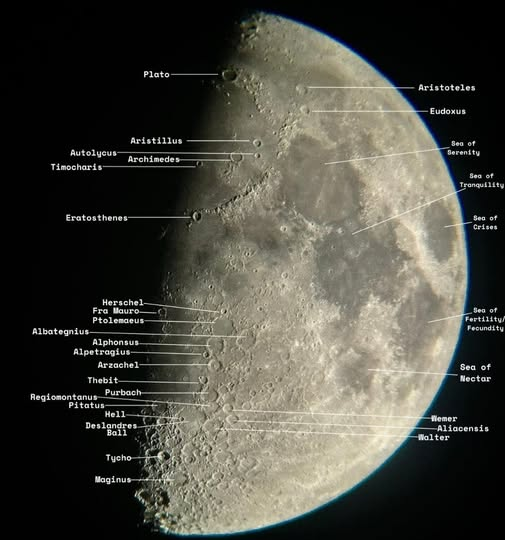
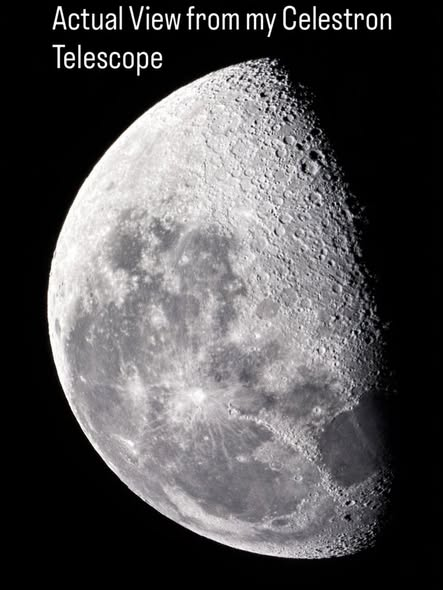
You don't need a large telescope to explore the Moon.
This detailed image of the First Quarter Moon was captured with a Celestron AstroMaster 70AZ, revealing rugged mountains, deep crater shadows, and the dramatic contrast along the terminator—the line between lunar day and night.
One of the best things about observing the Moon is that it changes every night. As the angle of sunlight shifts, familiar features take on an entirely new appearance with every observing session.
📷: @observationalastronomy_
#Celestron #AstroMaster70AZ #MoonPhotography #LunarObserving #FirstQuarterMoon #Astronomy #Astrophotography
9
44
1,700
May 31
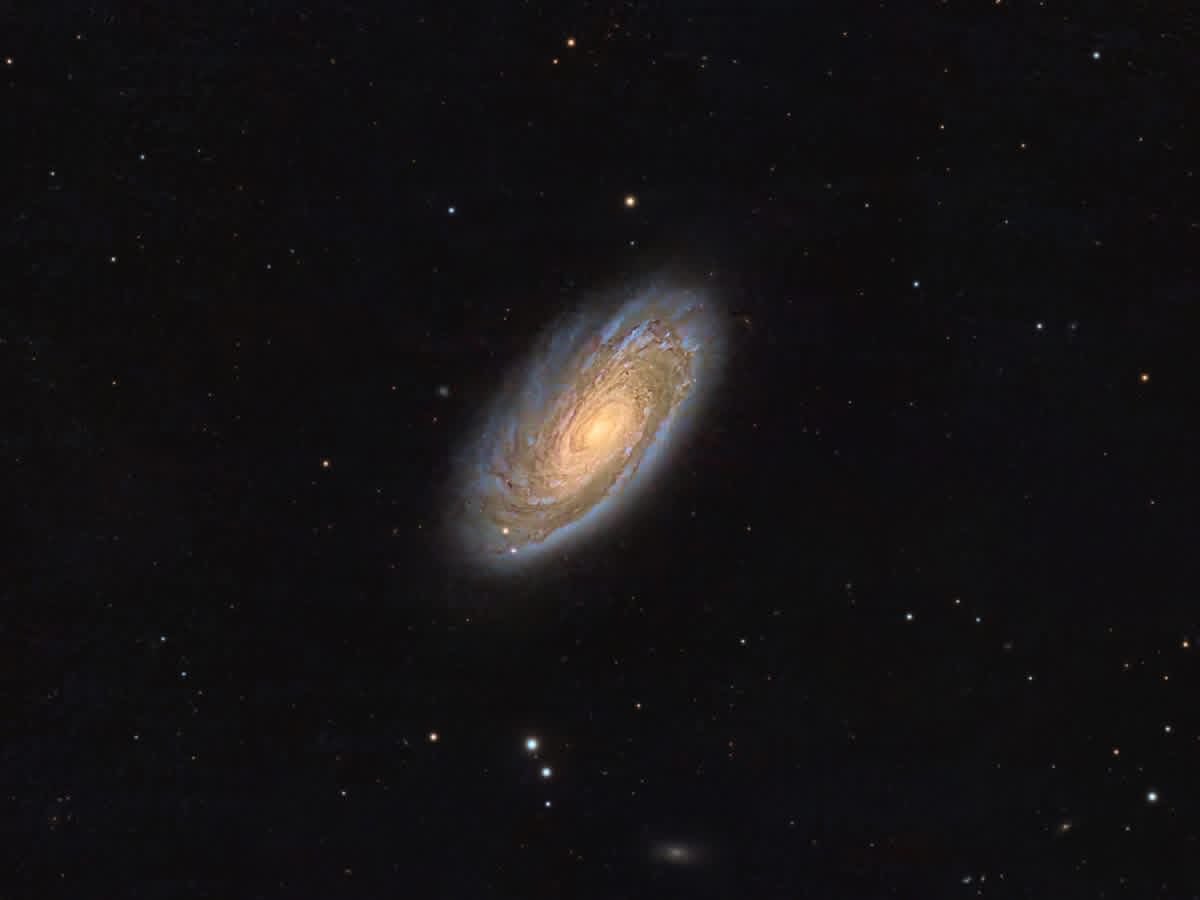
Some galaxies just seem to jump off the screen, and Messier 88 is one of them.
Located about 50 million light-years away in the Virgo Cluster, M88 shows off beautifully defined spiral arms, intricate dust lanes, and even a few regions where new stars are being born.
Astrophotographer Ron Brecher captured this incredible view using a Celestron 14" EdgeHD telescope, combining more than 16 hours of imaging time to bring out the galaxy's finer details.
📸 Ron Brecher (@astrodoc.ca)
#Celestron #EdgeHD #Astrophotography #Messier88 #GalaxySeason #VirgoCluster #DeepSkyAstrophotography
2
15
68
2,096
May 30
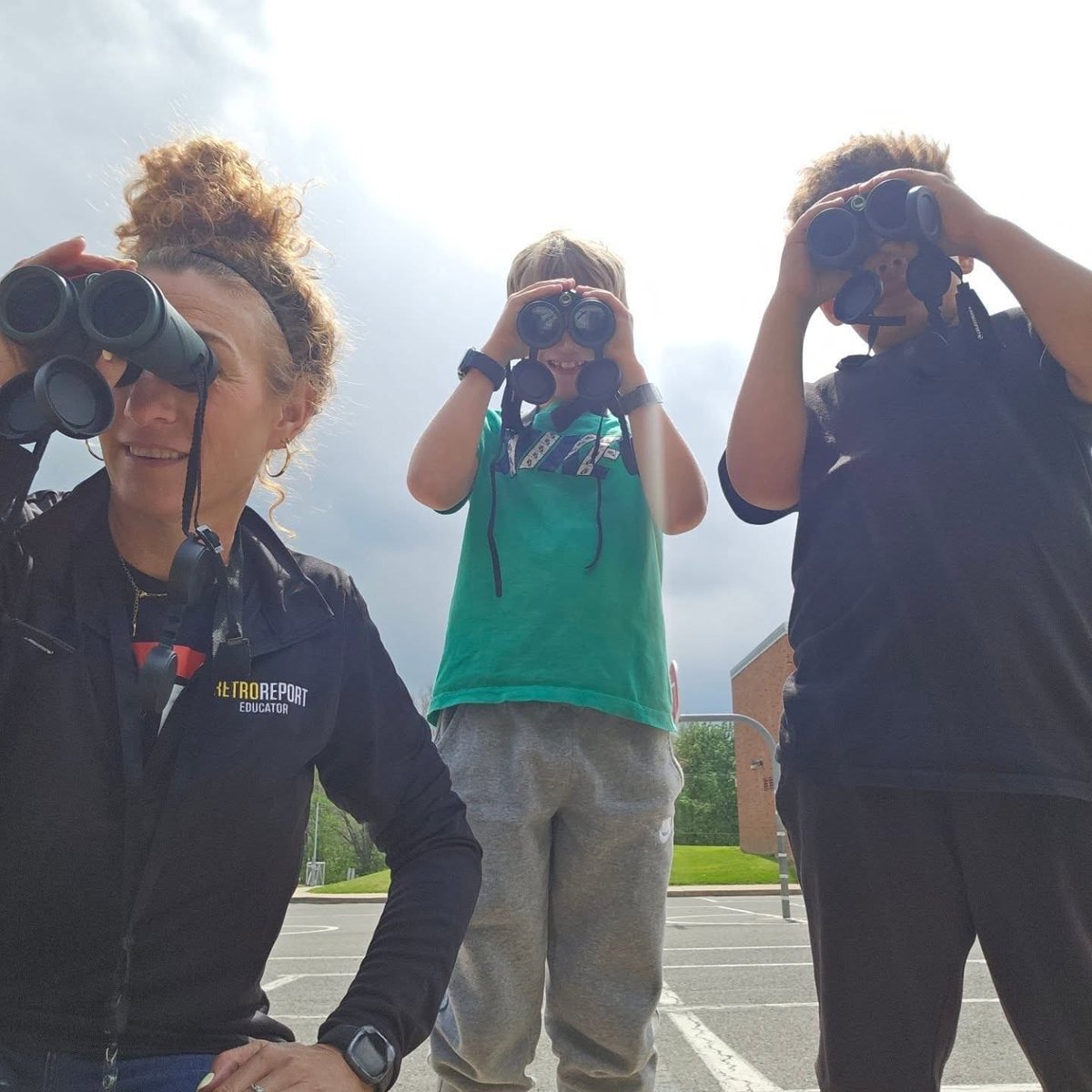
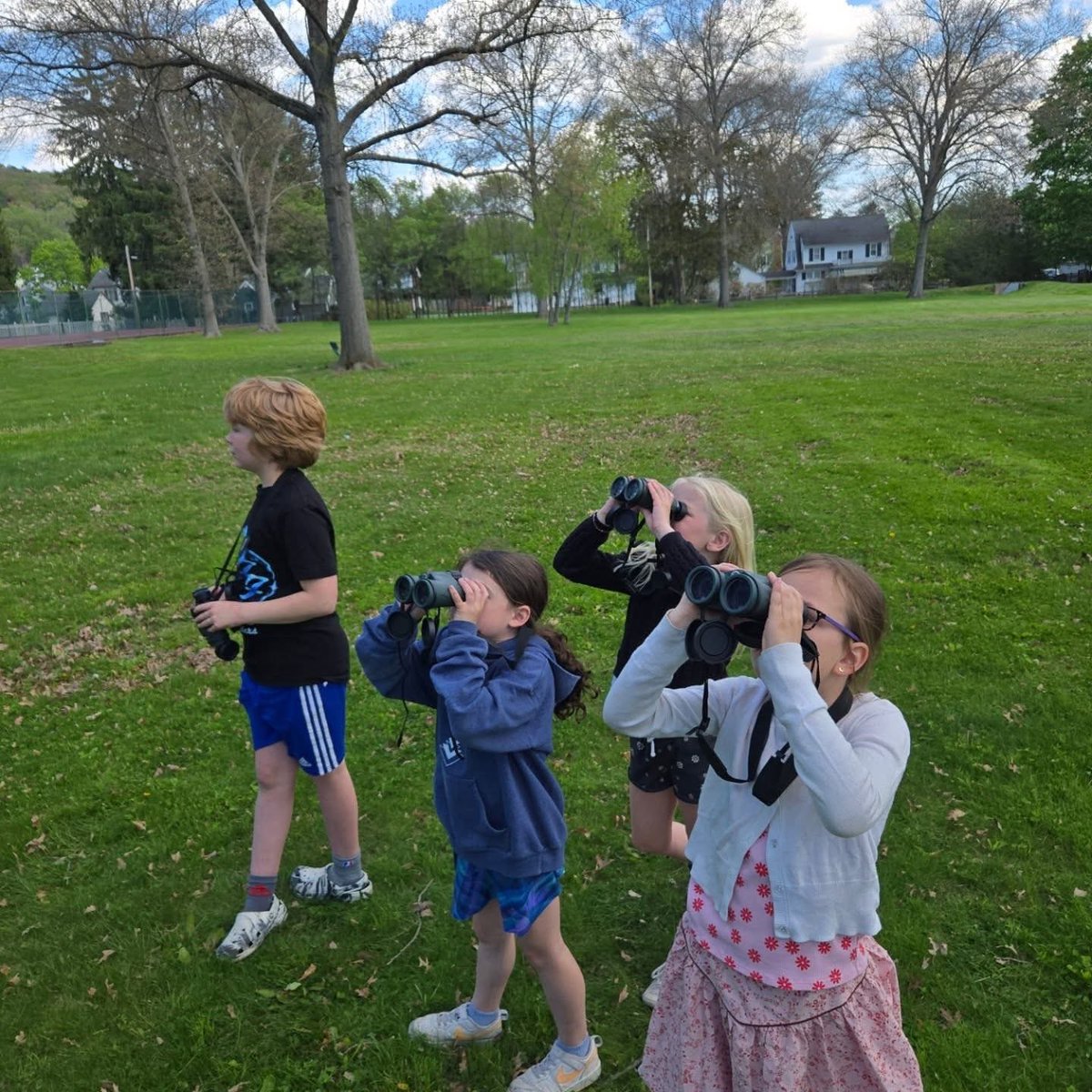
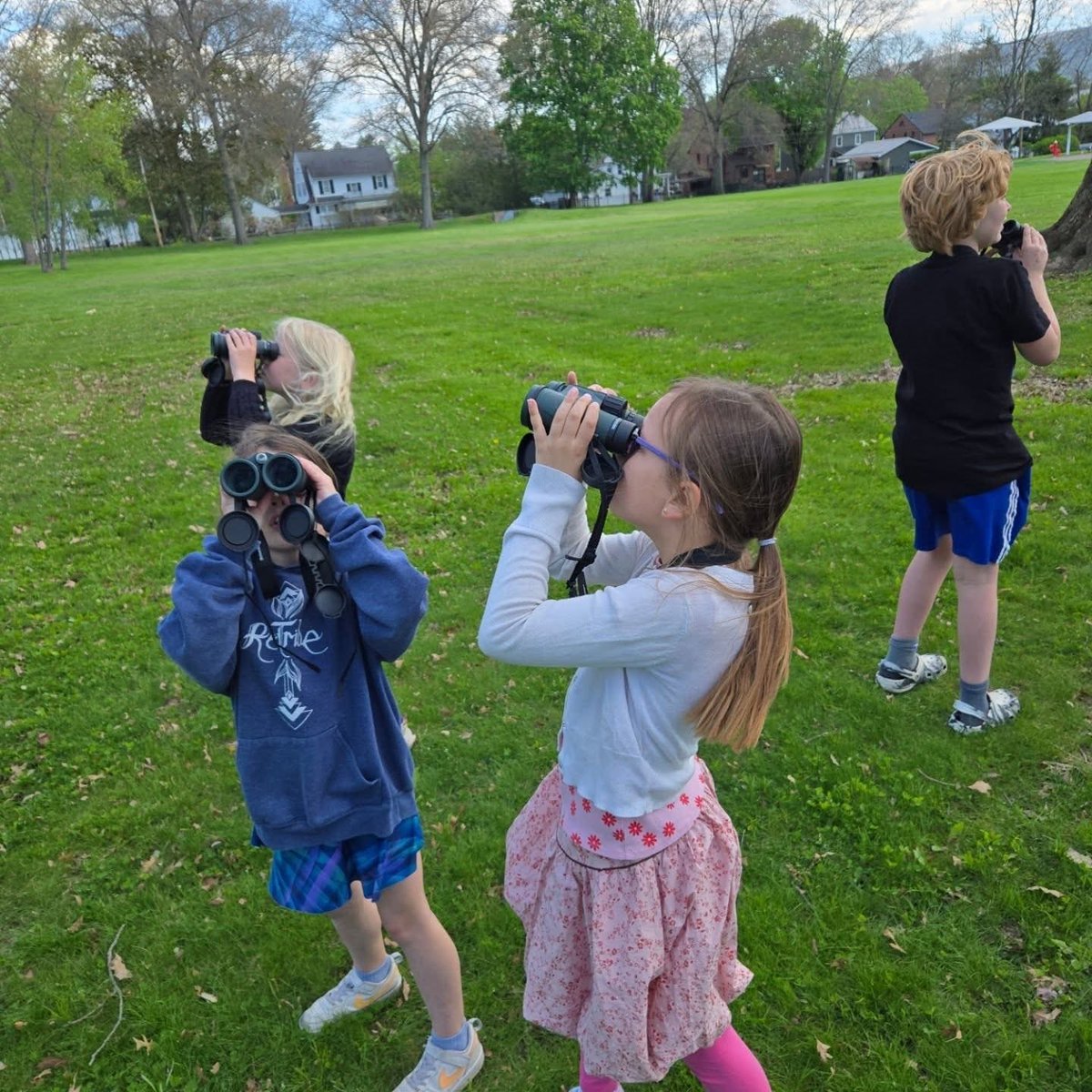
Learning starts with observation. 👀🐦⬛
Students are discovering local wildlife, practicing responsible birdwatching, and building lifelong connections with the natural world through hands-on outdoor activities. We're honored to support educators who bring science beyond the classroom walls.
@myelementarylife_
#Celestron #Birding #OutdoorLearning #STEM #NatureEducation
1
5
1,007
May 29
Mark your calendars! 📷📷
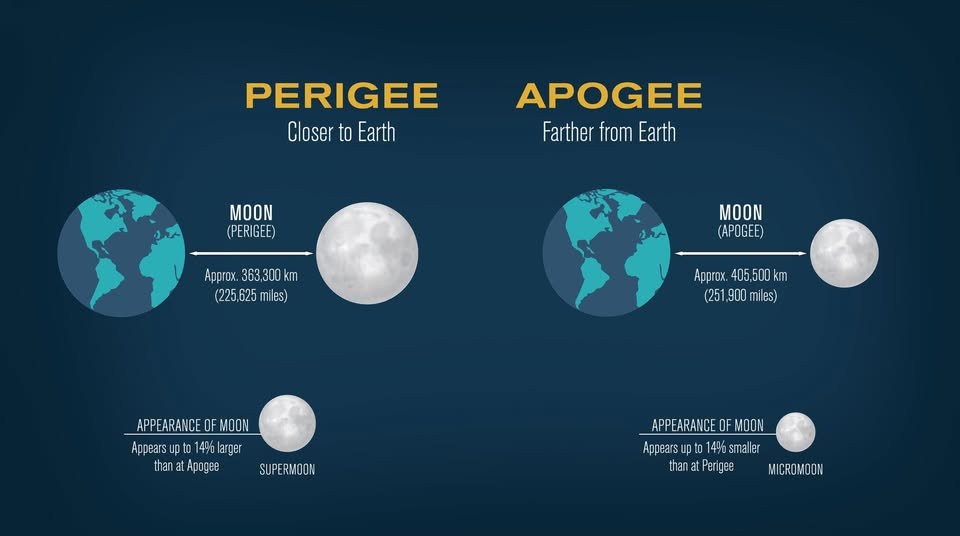
The rare Micro Blue Moon reaches peak illumination on May 31 at 08:45 UTC. That means you can catch a glimpse on the evening of May 30 or May 31.
A 'Micromoon' happens when the Moon is at its farthest point from Earth and appears slightly smaller than usual. See if you can spot the subtle difference!
Want to learn more about this unique lunar event and how to observe it? Check out our observing guide at the link in our bio.
#BlueMoon #Micromoon #MoonPhotography #NightSky #Celestron
1
4
9
723
May 29
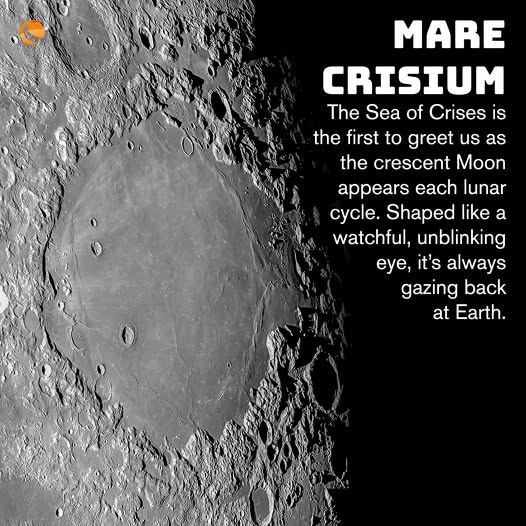
Mare Crisium, the “Sea of Crises,” is an ancient lava plain formed within a massive impact basin more than 3 billion years ago. 📷📷
Spanning roughly 345 miles (555 km) across, it lies near the eastern edge of the lunar near side. That makes it one of the first major features illuminated after the New Moon.
Its rugged outer rim still bears the marks of the colossal impact that formed the basin, while the smooth, dark interior was later shaped by volcanic lava spreading across the crater floor.
3
15
1,656
May 26
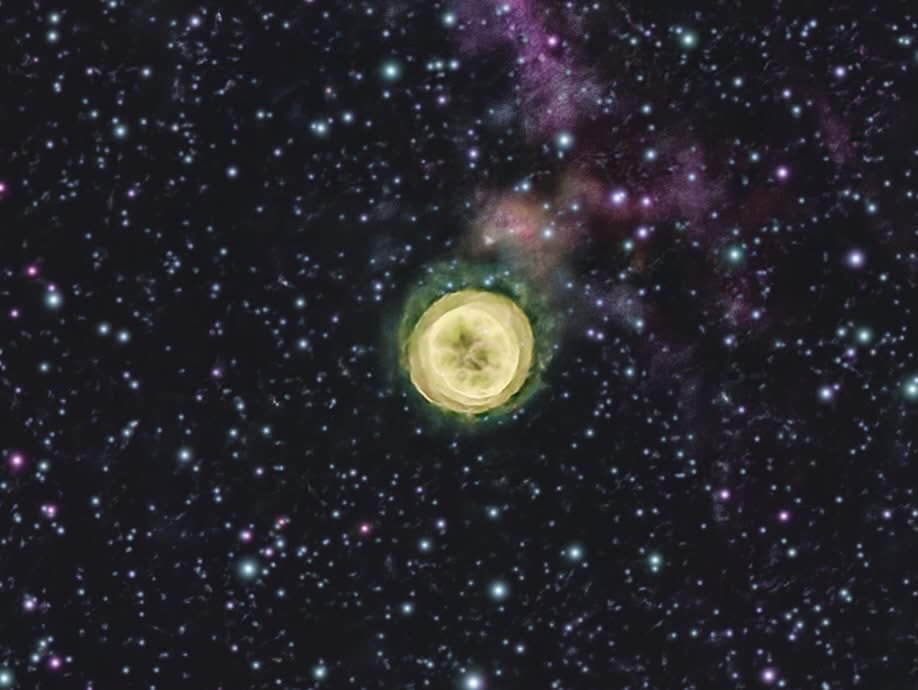
Planetary nebulae offer a rare glimpse into the future of stars like our Sun. One of the most famous examples is the Ring Nebula in Lyra, a glowing shell of gas left behind as a dying star sheds its outer layers.
Visible even through smaller telescopes under dark skies, the Ring Nebula gives us a preview of what our own solar system could look like billions of years from now. A faint ring of light. A dense stellar remnant at the center. And a reminder that the night sky is constantly evolving.
Take a look toward Lyra and witness one of the cosmos’ most fascinating future snapshots. 🔭
1
14
817
May 25
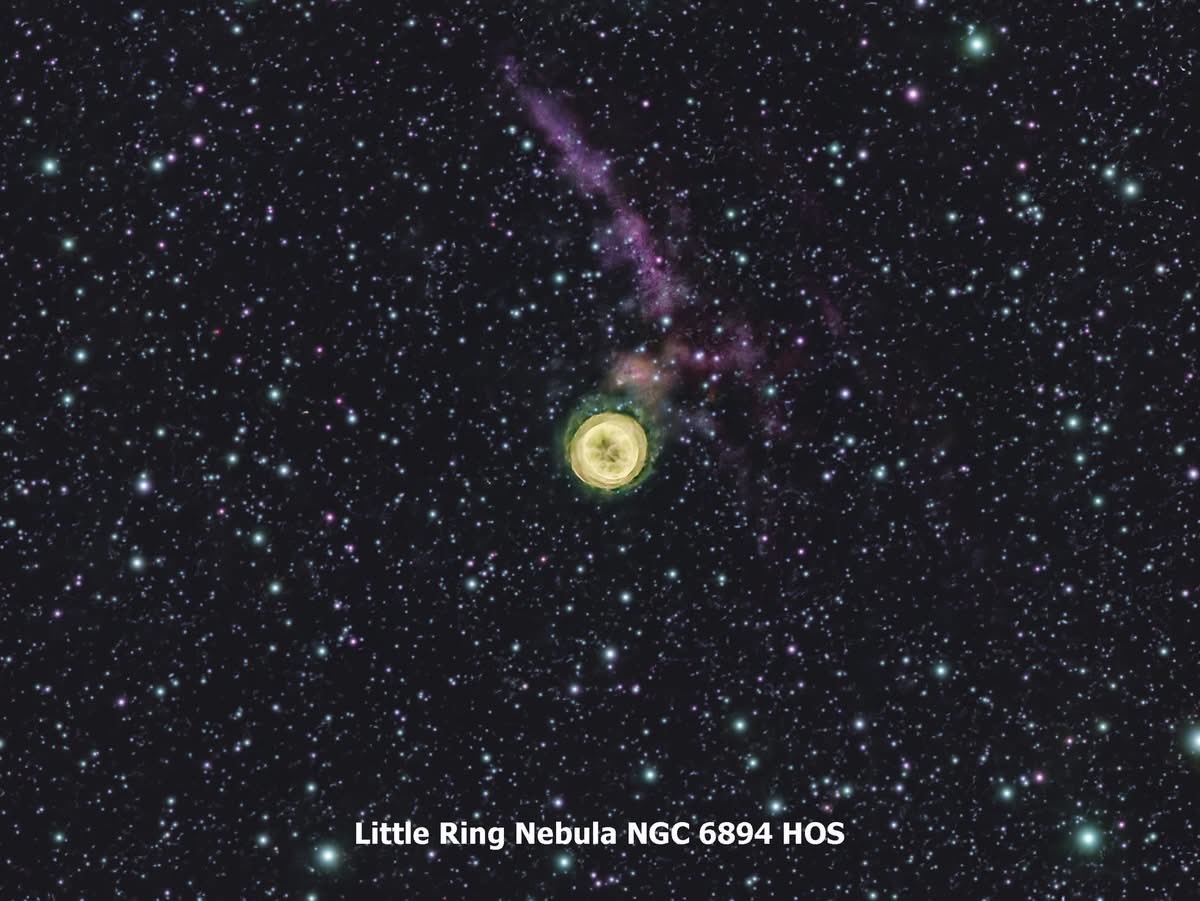
✨ Mike (@mikeinrockandspace) captured the Little Ring Nebula (NGC 6894) in Cygnus. Just 42 arc-seconds across, this faint planetary nebula surrounds a central white dwarf with a delicate glowing shell of gas.
Reprocessed from data captured in May 2022 using an HOS palette, with a total integration time of 8h 28m using the Celestron 14” EdgeHD with 0.7x Reducer.
📸 Image Details:
• Ha: 18 x 500s
• OIII: 22 x 500s
• SII: 21 x 500s
#Celestron #Astrophotography #NGC6894 #Cygnus #PlanetaryNebula #EdgeHD #Astronomy #SpacePhotography
14
42
1,835
May 24
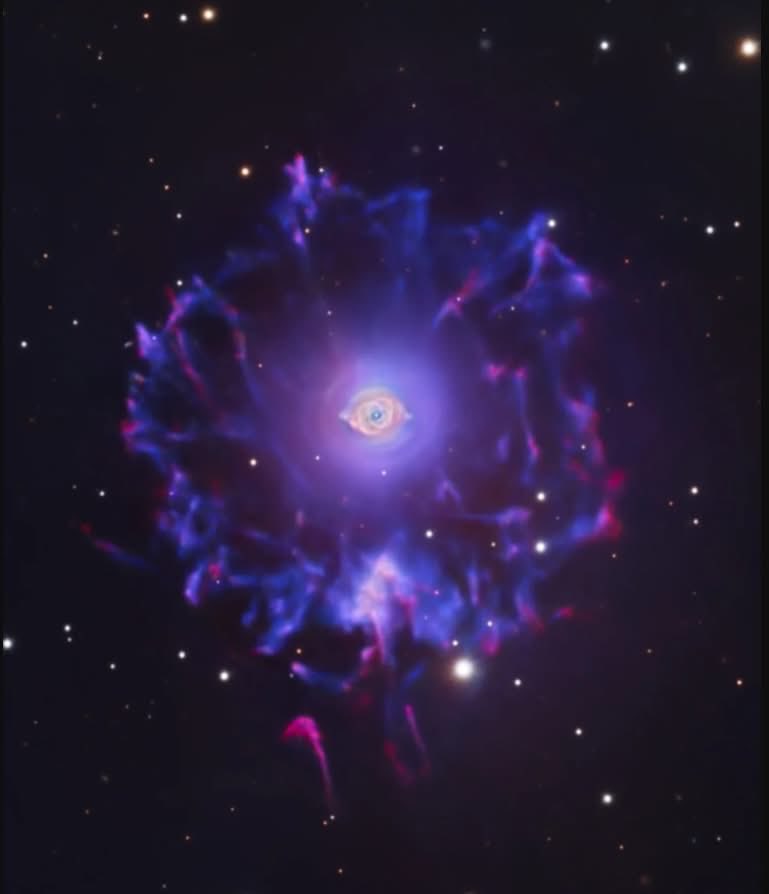
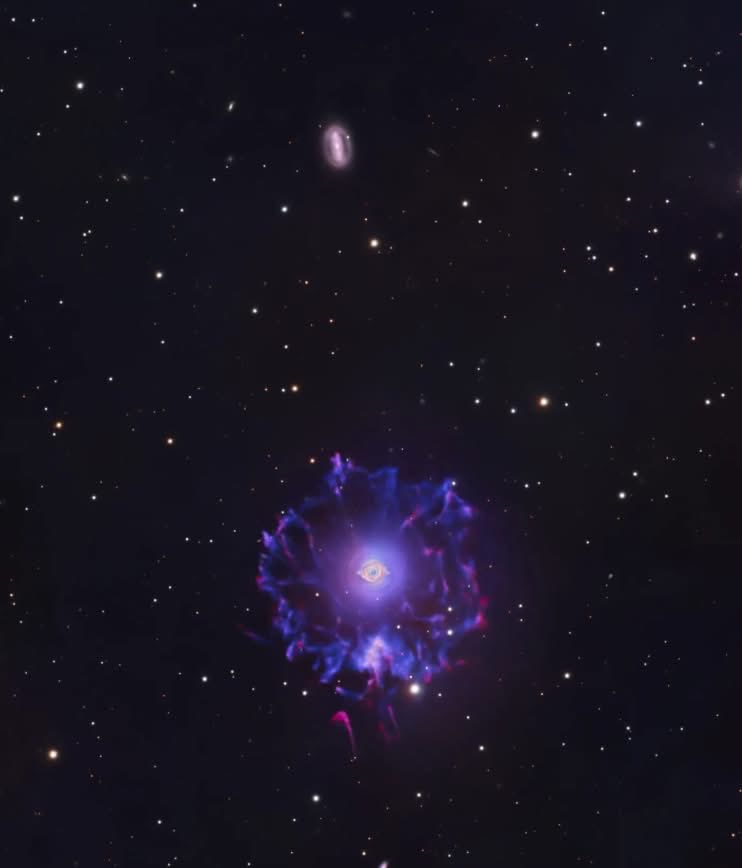
This is what happens when a star tears itself apart. 👁️⚡
The Cat’s Eye Nebula's blazing core hides layers of expanding gas that only appear through stacked exposures and HDR processing.
18 hours of integration with a Celestron C9.25 brought this one to life.
📸 Tobi (@tob_stars)
#Celestron #CatsEyeNebula #NGC6543 #Astrophotography #C925 #DeepSkyAstrophotography
22
66
2,192
May 23
Andrew (@gateway_galactic) spent 44.7 hours capturing the Whirlpool Galaxy (M51) from a Bortle 7 backyard, then carefully processed the data to bring out the galaxy’s structure, color, and detail.
From the raw stacked image to gradient correction, star removal, color balancing, hydrogen-alpha blending, and finally adding the stars back in, every step contributes to the final result.
🔭 Captured with a Celestron EdgeHD 9.25"
#Celestron #Astrophotography #M51 #WhirlpoolGalaxy #EdgeHD #DeepSkyAstrophotography #Astronomy #GalaxySeason
4
25
1,636
May 22
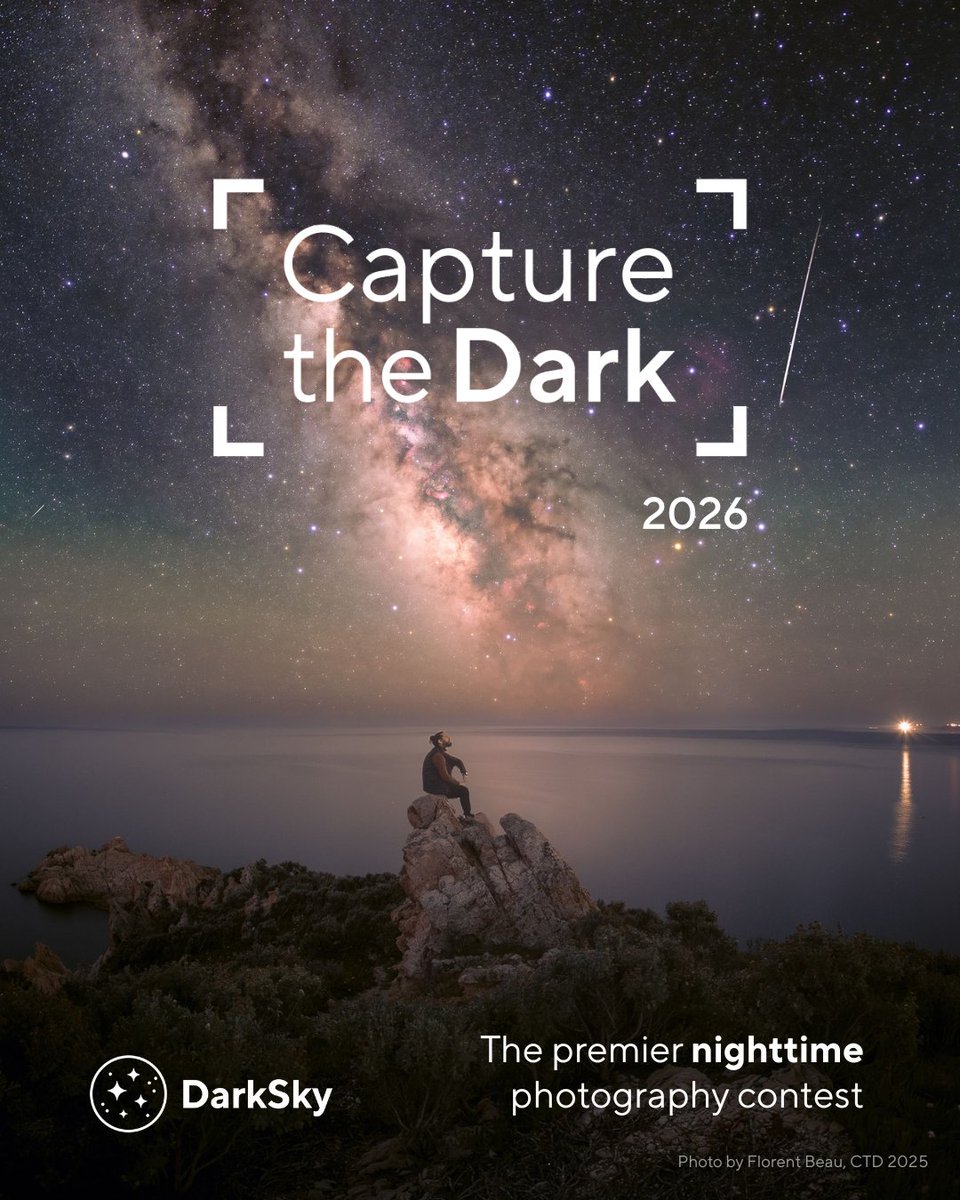
🌌 We’re proud to sponsor this year’s Capture the Dark contest with DarkSky International!
This global astrophotography contest celebrates the beauty of the night sky while raising awareness about the importance of protecting dark skies from light pollution. Whether you image with a dedicated astronomy setup or your smartphone, photographers of all experience levels are encouraged to participate.
📅 Submissions are open now through June 30, 2026
🏆 Winners announced in mid-August
Ready to submit your image? Learn more and enter here: capturethedark.darksky.org/c…
#CaptureTheDark #DarkSkyInternational #Astrophotography #Celestron #DarkSkies
3
8
27
2,418
May 21
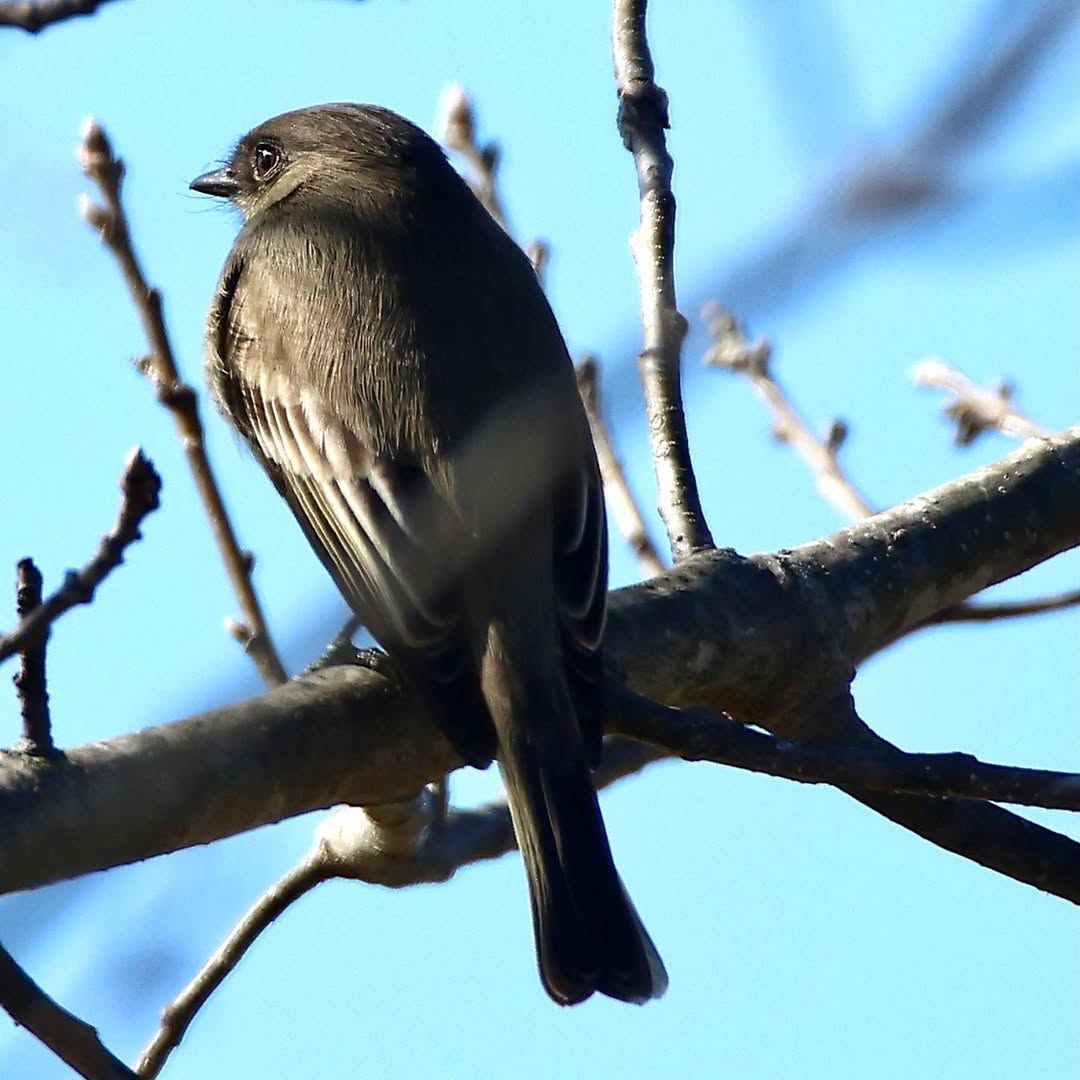
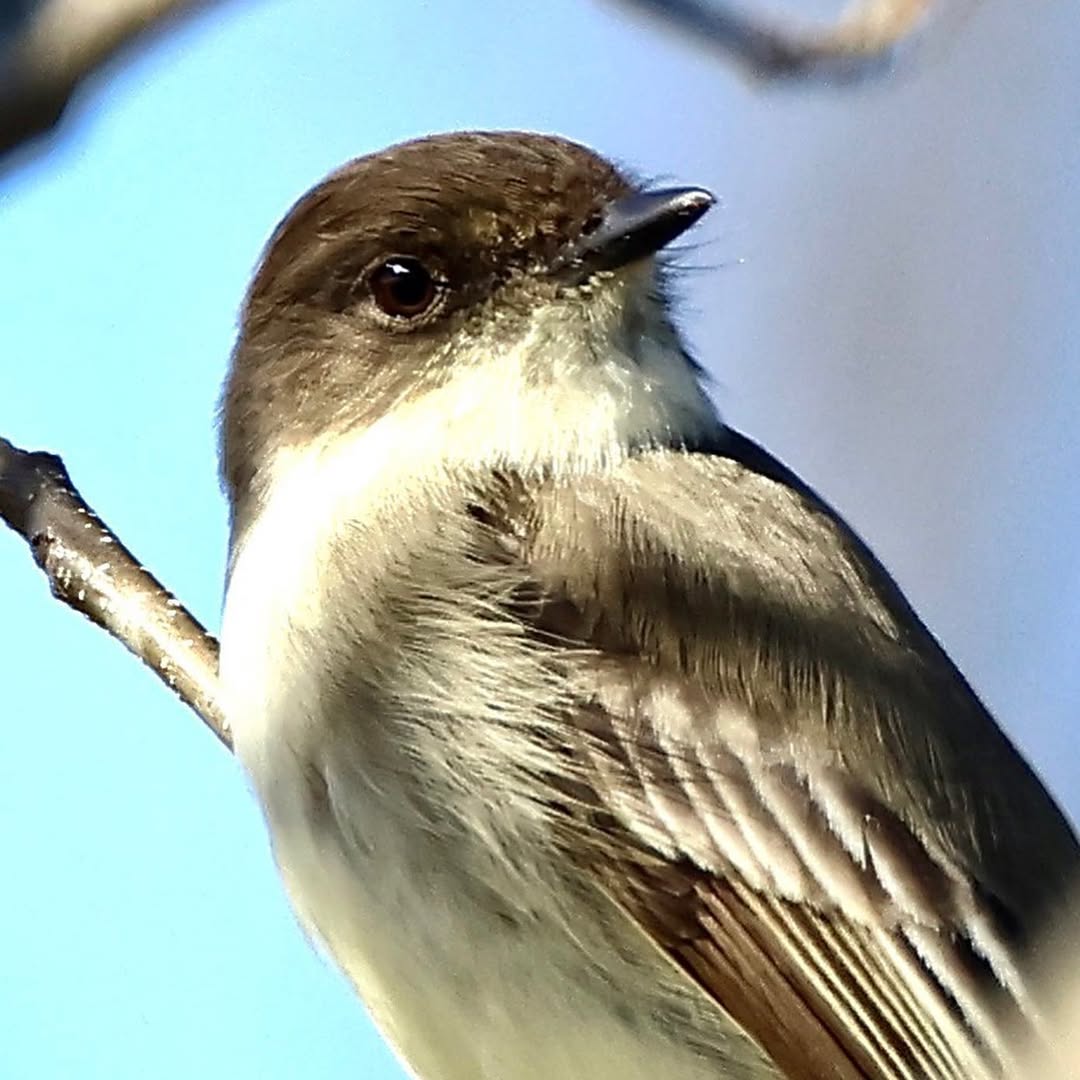
Not every telescope target is light-years away. 🐦🔭
Your telescope can bring out stunning detail in the natural world, too. This close-up of an Eastern Phoebe highlights the bird's fine feather texture, captured beautifully with a Celestron NexStar 130SLT and a smartphone adapter. 📱
📸: @wildpassingthru
#Celestron #BirdPhotography #Digiscoping #BackyardBirding #NaturePhotography #NexStar130SLT #Birdwatching #AstronomyAndNature
1
2
15
746
May 21
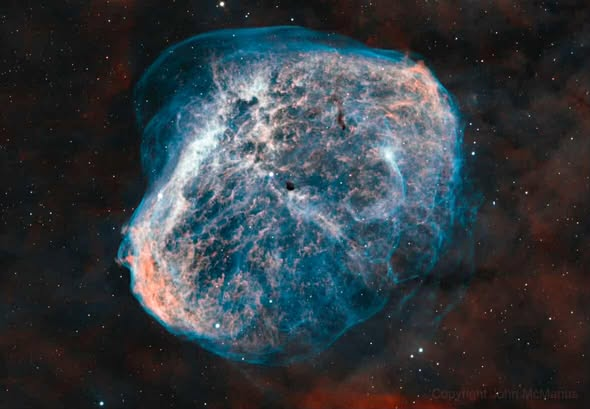
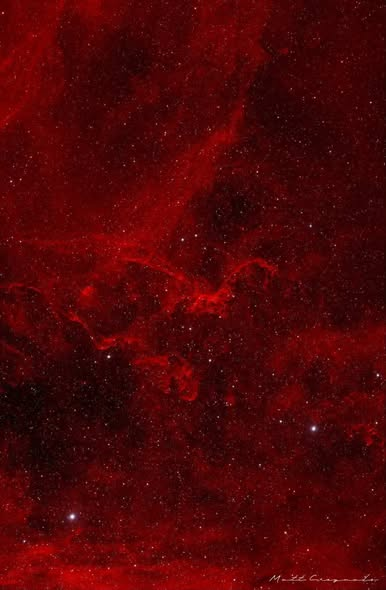
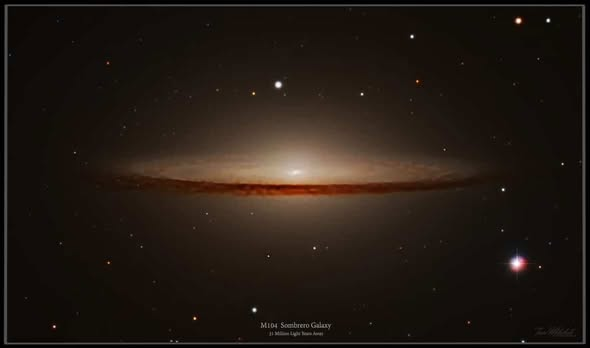
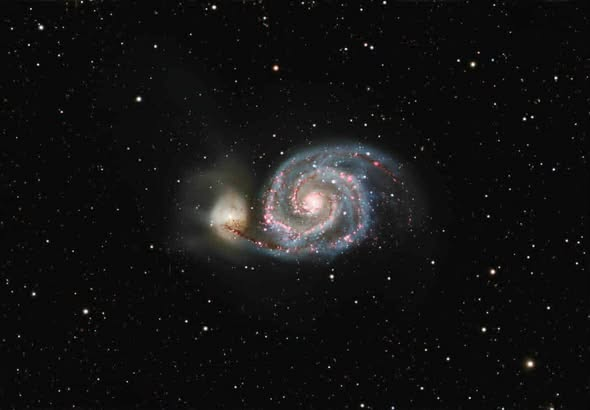
Part II: Here are the images from the Celestron setups from Bray Falls (@astrofalls) at @starfront_observatories.
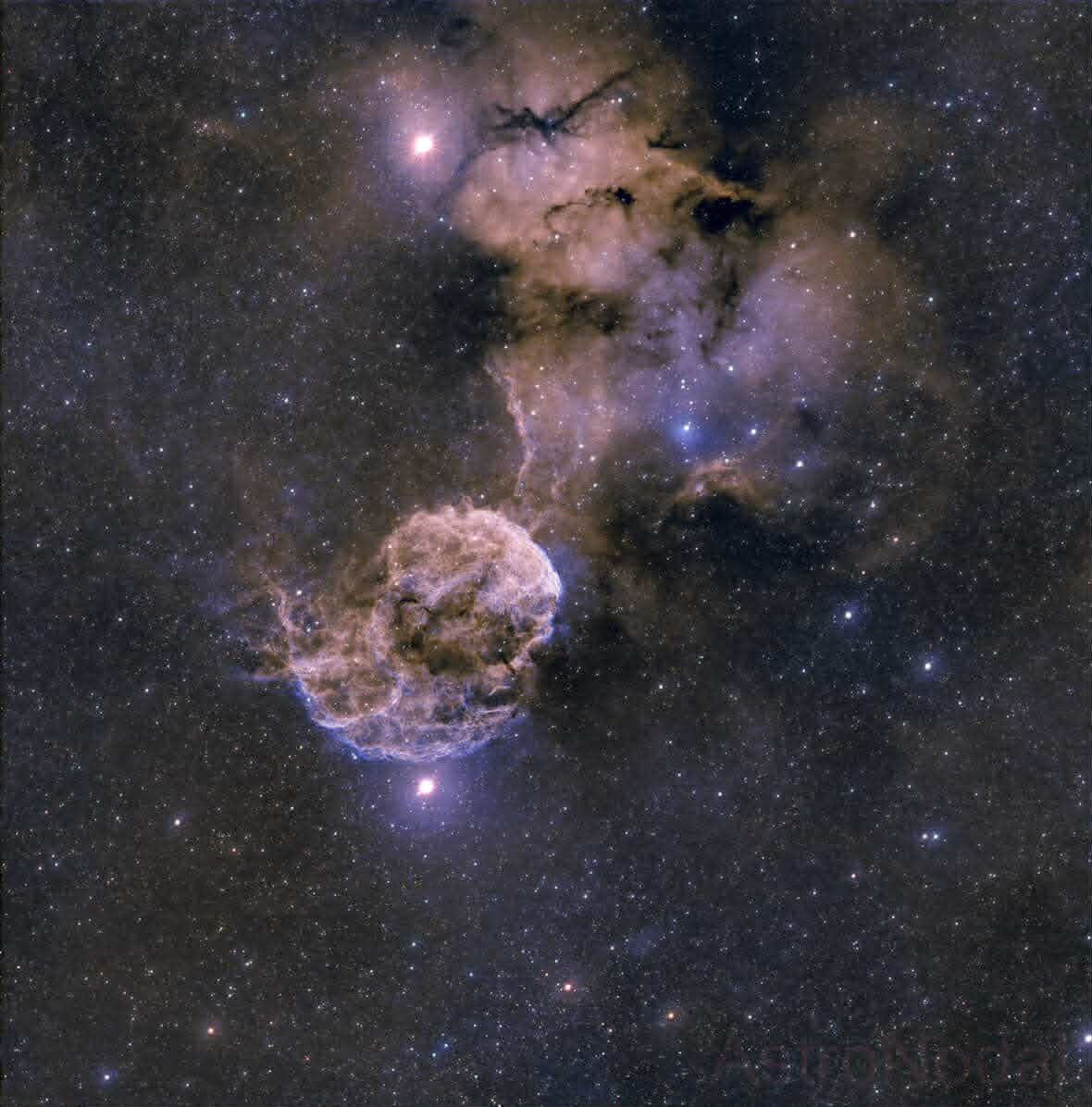
• The Jellyfish Nebula (IC 443) — faint shockwaves and texture brought forward
• The Whirlpool Galaxy (M51) — clear spiral structure and its companion
• The Sombrero Galaxy (M104) — sharp, edge-on dust lane
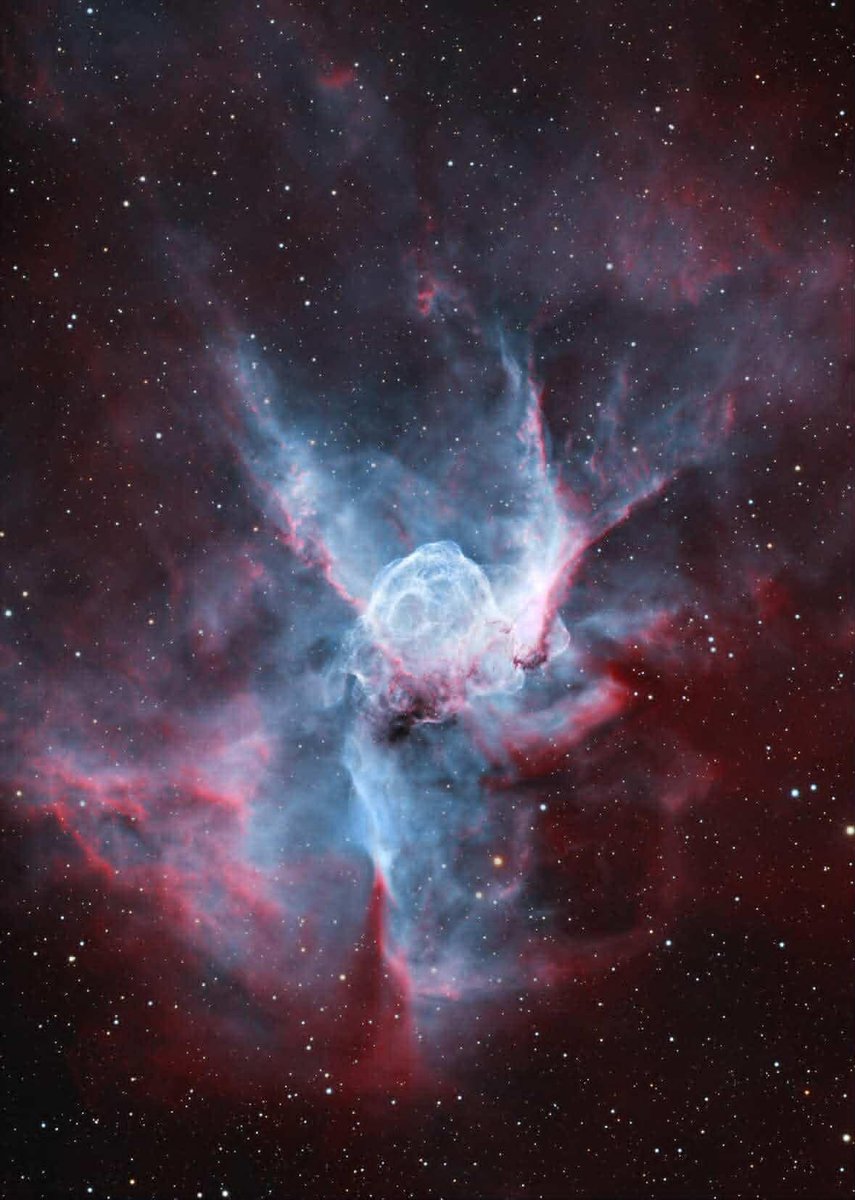
• Thor’s Helmet (NGC 2359) — sweeping arcs of energized gas
• A widefield hydrogen-alpha region — rich emission across the field
• The Owl Nebula (M97) — subtle structure with depth
📷: @astrofalls
Sombrero galaxy - Tom Mihelich
IC443 - Sam Wyens
Thors helmet - NE-FL-Astro
Sh2-113 - Matt Crognale
M51 - Justin Etheredge
Crescent nebula - John M
#Celestron #Astrophotography #DeepSky #DarkSkies #Bortle1
1
13
61
2,131