
All opinions are my own
Joined June 2008
- Tweets 626
- Following 820
- Followers 523
- Likes 1,687
Photos and videos
cgroth retweeted

Feb 22
Watching this on repeat for the next 12 hours 🇺🇸
80
3,309
18,781
540,992

In our new 6-part series, we're sharing #JustTheFacts on government support in America.
Food. Housing. Healthcare. Education. How do these programs work? Who do they help? What do they cost?
It's not just about numbers — it’s about understanding what support systems exist and asking: Do we do too much, too little, or just the right amount?
youtube.com/watch?v=rsUeoe2G…
2
5
16
3,187
cgroth retweeted

18 Mar 2025
I believe government data empowers Americans to make informed decisions about our country.
I started @USAFacts to understand government through data — where the money comes from, where it goes, and what the outcomes are. Unlike businesses that measure success by profit, government is measured by the impact of its spending. People may disagree on what those outcomes should be, and democracy allows for debate on that.
As a numbers guy, I was excited to see that the government provides so much data that gives us a clear picture of how the country is doing. The federal government collects this data through interactions with citizens, surveys it takes, economic data that it acquires, and more. It also rolls up data from the 90,000 state and local governments to understand the effects of the money the federal government provides the states and to give states a way to benchmark and learn from other states. As American taxpayers, we need to know what the outcomes are — then we can debate whether government should do more or less.
For example, K-12 education is mostly funded locally. But the National Center for Education Statistics tracks data on everything from student-teacher ratios, to standardized test performance, to what degrees colleges students are pursuing. It also helps us understand how schools are funded. In total, 14% of public school funding comes from federal programs and agencies. For example, Caddo Parish, Louisiana gets 21% of its funding from the federal government, and Sioux Falls, South Dakota gets 19%. Out of the school districts with at least 10,000 students, Gallup-Mckinley School District in New Mexico receives the highest share of federal funding at 45%, while Council Rock School District in Pennsylvania receives the lowest at 2%. Of the top ten largest school districts, Houston receives the highest percentage from the federal government at 23%. These are the numbers I look at when evaluating how government at all levels supports the US education system.
Let's take a different issue like infrastructure. I like to look at measures such as bridge quality – the Bureau of Transportation Statistics tells us 42% of our bridges are rated in good condition. If we spend money on infrastructure, this is a number I personally would expect to see increase. But maybe someone who doesn’t drive over a bridge every day would have a different opinion of what should change. Regardless of your opinion, we need the numbers to have an informed debate.
Government data doesn’t dictate decisions, but it does provide a factual foundation for meaningful discussions. For government to be modern, efficient, and effective, decision-makers and citizens alike must have access to clear, reliable data. That includes data on taxes, spending, and the kind of outcomes we get from this spending. IThis data is vital not only for today's policymaking but for future generations.
90
26
261
29,114
cgroth retweeted
5 Nov 2024
As people head to the polls on #ElectionDay, let’s look back on some key stats from the last presidential election, courtesy of @USAFacts.
2020 had the highest voter turnout of the 21st century — 66.8% of Americans over 18 cast their vote. That's great.
As with past elections, a higher share of women than men turned out to vote: 68.4% of women, compared to 65% of men.
Voter turnout was highest among those ages 65 to 74, at 76%. It was lowest among those ages 18 to 24, at 51%. #JustTheFacts
101
20
117
24,651
cgroth retweeted

10 Sep 2024
Mauricio Pochettino, confirmed as the next USMNT manager just moments ago, delivers a taped address at TQL Stadium.

1
12
175
8,198
Grab your headphones! @Steven_Ballmer joined @kevinroose and @CaseyNewton to talk about how we’re helping Americans debate with #JustTheFacts instead of rhetoric.
Listen to the latest episode of Hard Fork: podcasts.apple.com/us/podcas…

5
18
32
14,236
In @Fortune's recent CEO Daily, @Steven_Ballmer shares how he's breaking down #JustTheFacts around “hot button issues for the election” in our new video series.
fortune.com/2024/08/16/what-…
3
7
14
23,511
cgroth retweeted

17 Jan 2024
The @StriveTogether #CradleToCareer Network received global recognition from the #SchwabFoundation at the @wef Annual Meeting! We are honored to be in partnership with StriveTogether. They prove what's possible when we transform systems. Congratulations!
16 Jan 2024

We've been named a Social Innovator of the Year by the #SchwabFoundation! The award recognizes how we bring people together to solve complex problems. @JenBlatz is in Davos, Switzerland to accept the award at the @wef Annual Meeting. #WEF24 #GlobalAlliance hubs.li/Q02gv3Sm0
2
4
15
1,652
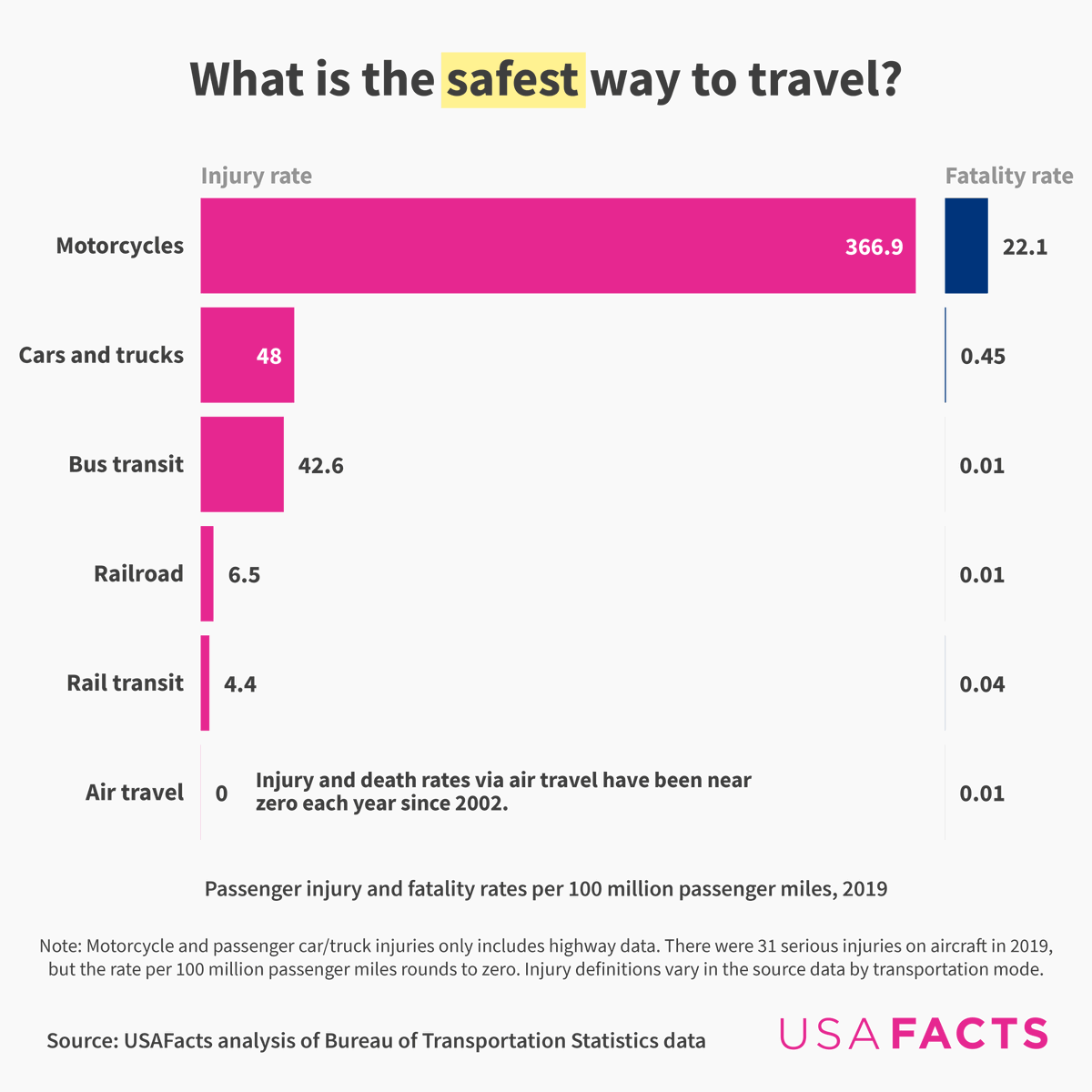
The @FAANews is probing Boeing's manufacturing practices after a section of fuselage blew out from an Alaska Airlines flight.
This incident has people wondering about the safest way to travel: flying or driving?
Here’s a look at @bts_usdot data: usafacts.org/articles/is-fly…
5
18
4,081
cgroth retweeted

12 Jan 2024
Spice up your weekend with Chili Fest at Findlay Market. tinyurl.com/55m494yv
1
1
1,802
cgroth retweeted

19 Dec 2023
We hope you will join us for the first episode of our new webinar to learn about StriveTogether’s new Training Hub that helps community leaders strengthen their ability to work across sectors, change systems and achieve equitable outcomes. Register now at bit.ly/41BIAOD

2
4
199
cgroth retweeted

2 Jan 2024
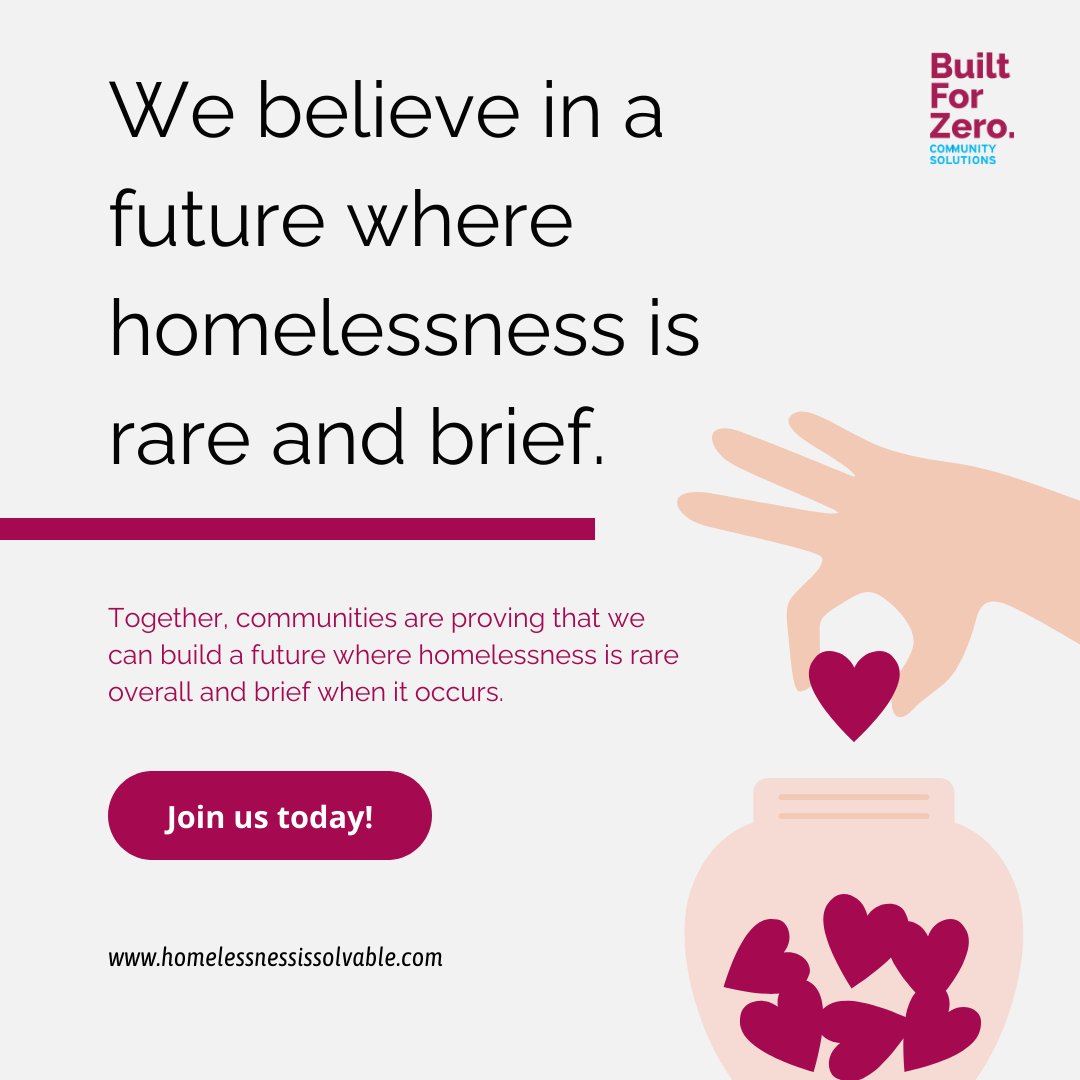
🗺️📍🏡 Over 100 cities and counties have committed to measurably ending homelessness for entire populations. Using data, Built for Zero communities have changed how local homeless response systems work and the impact they can achieve.
Join us: bit.ly/3SMX8sa
2
11
199
cgroth retweeted

20 Dec 2023
Congrats to the 22 Recompete finalists announced by
@US_EDA! Exciting this innovative program focused on alleviating economic distress is underway.
7 finalists focused exclusively on rural communities & 5 led by or involve Tribal orgs @AsstSecCastillo eda.gov/news/press-release/2…
2
1
4
243
cgroth retweeted

17 Nov 2023
Ten states recognized for using data in decision-making scoopmedia.co/49UxwjB

1
4
4
554

First meal after a couple days in NYC has to be @1001VineSt #WhoDey
15 Nov 2023

Residing in what was once 1st National Bank of the 1940s-1960s is @Skyline_Chili’s first franchise. #itsskylinetime #courtandvineskyline #downtowncincinnati

1
7
181
cgroth retweeted

15 Nov 2023
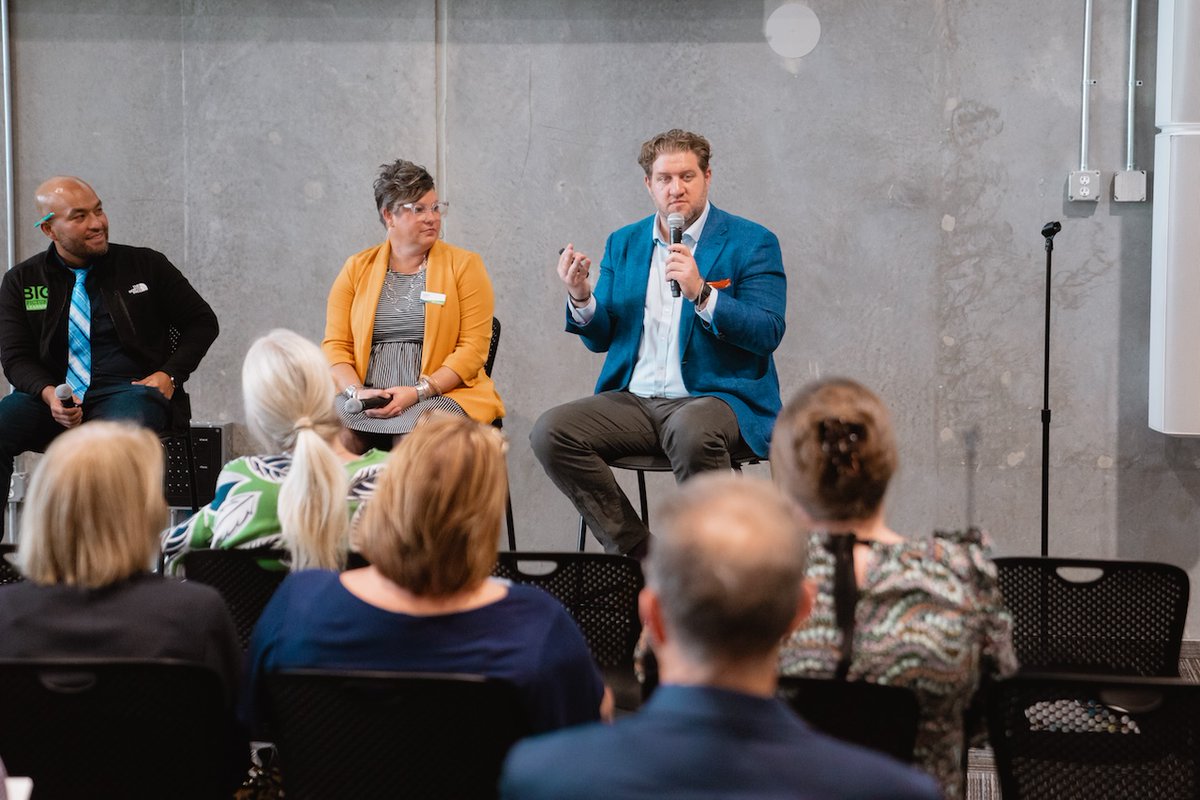
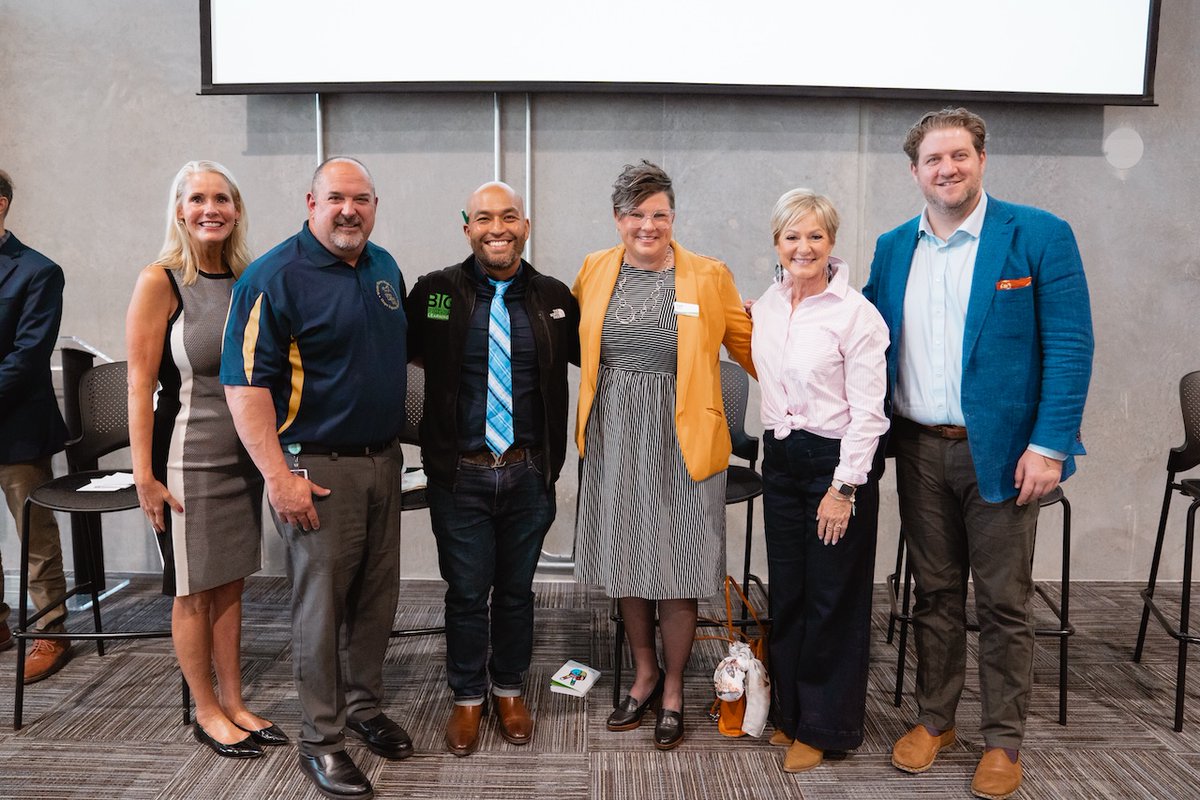
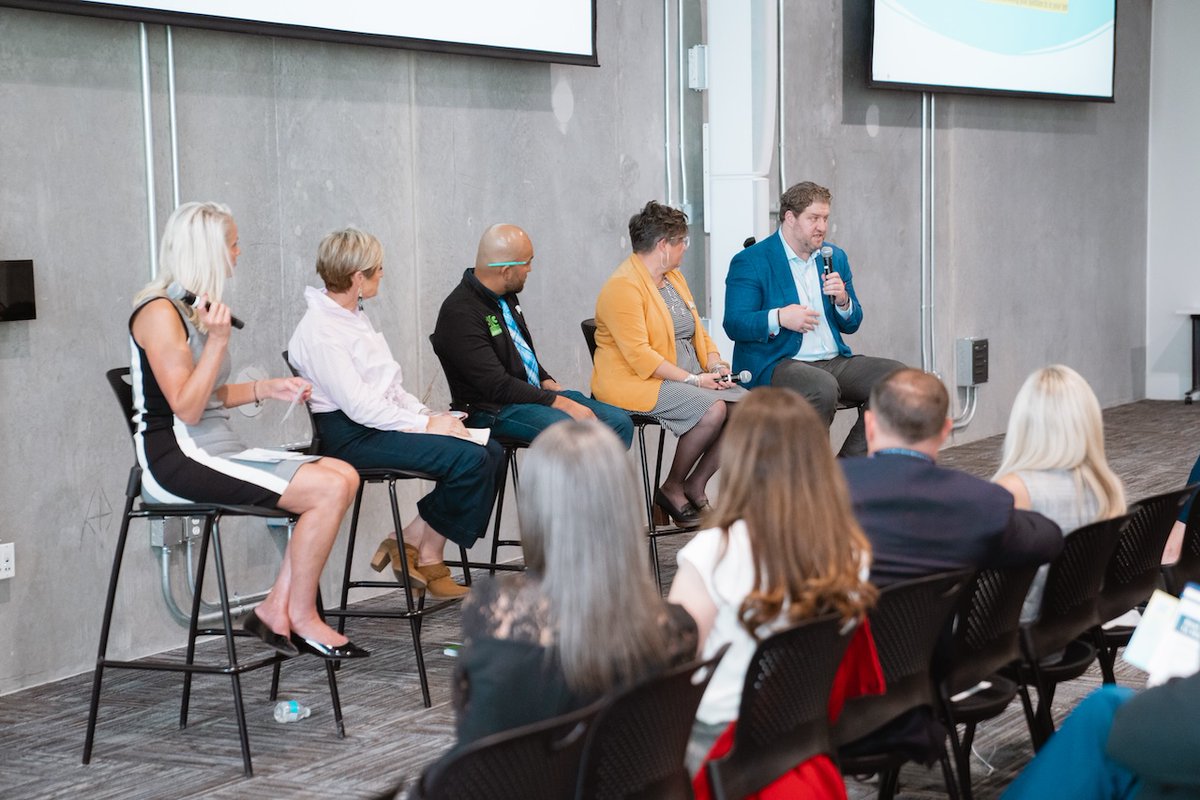
Earlier this month, CAO @cgroth spoke on the "Empowerment Through Engagement" panel hosted by Lakeland Leads. Alongside panelists from @E3Alliance, @bigpiclearning and @IdahoBusinessEd, he shared how communities across the country are improving outcomes for kids, #CradleToCareer.
1
3
170
cgroth retweeted

20 Oct 2023
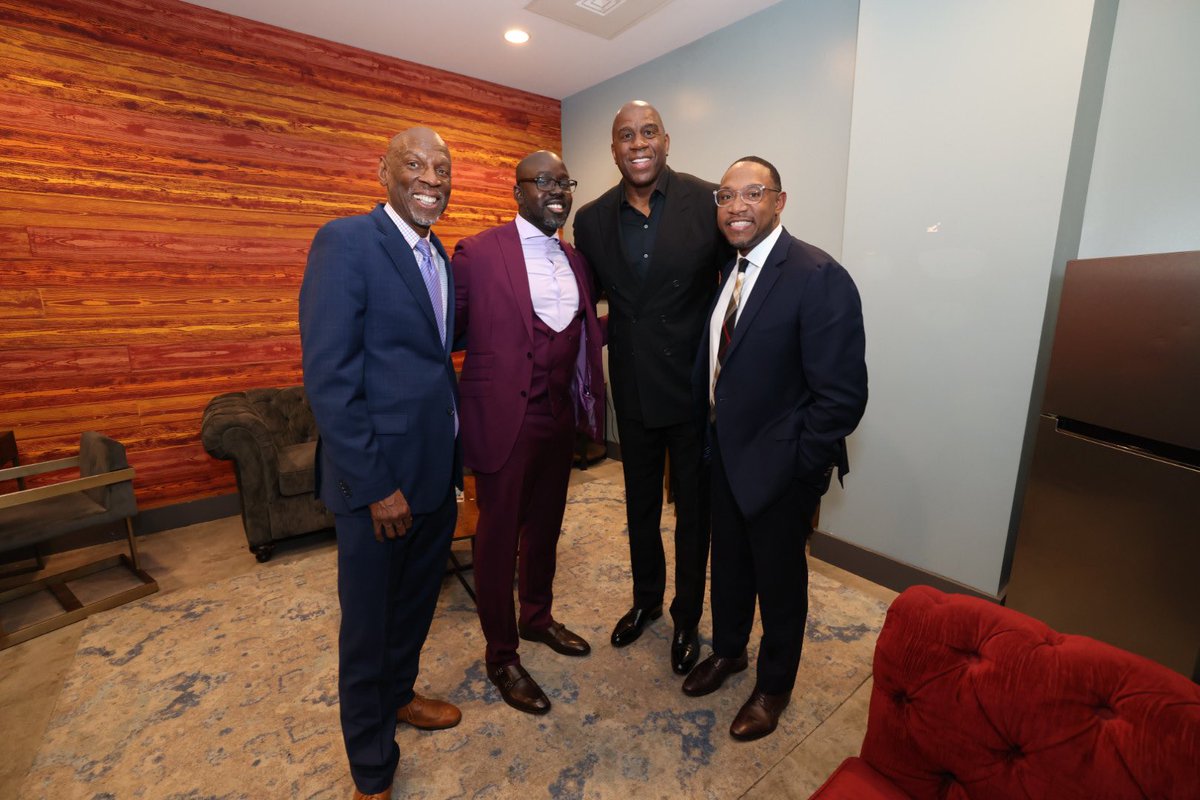
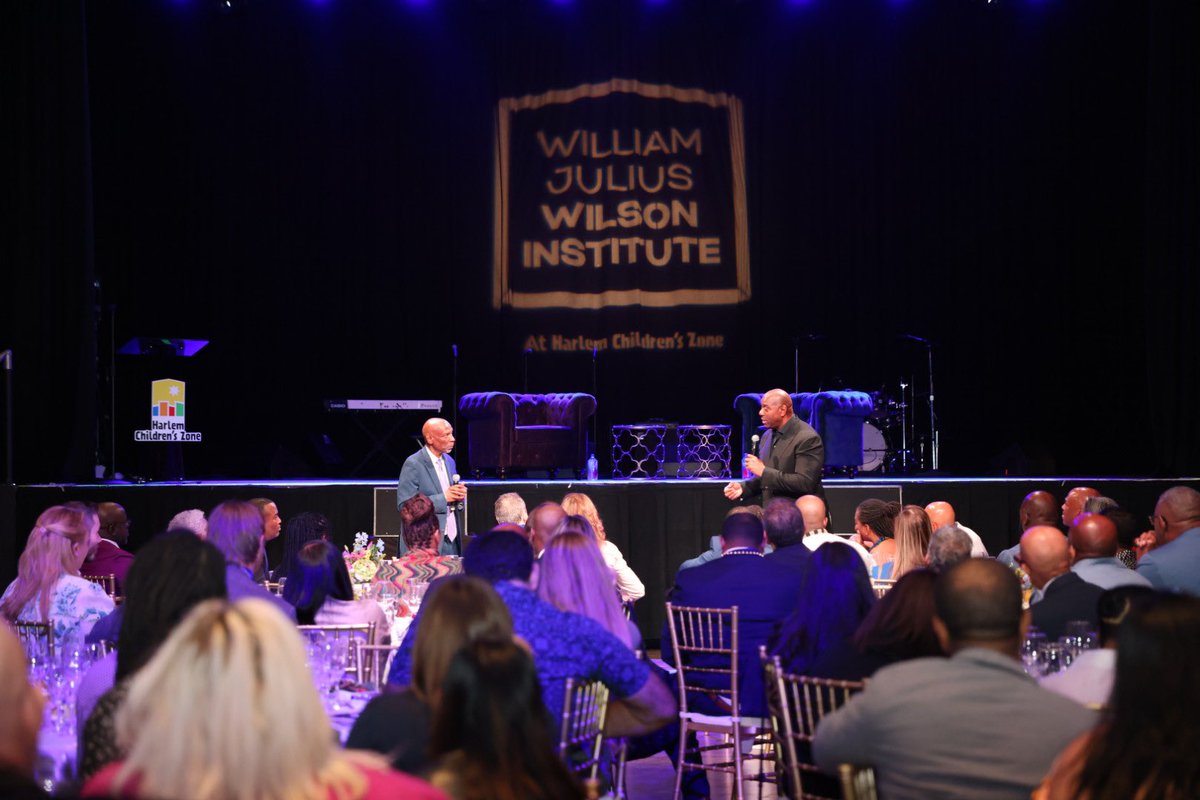
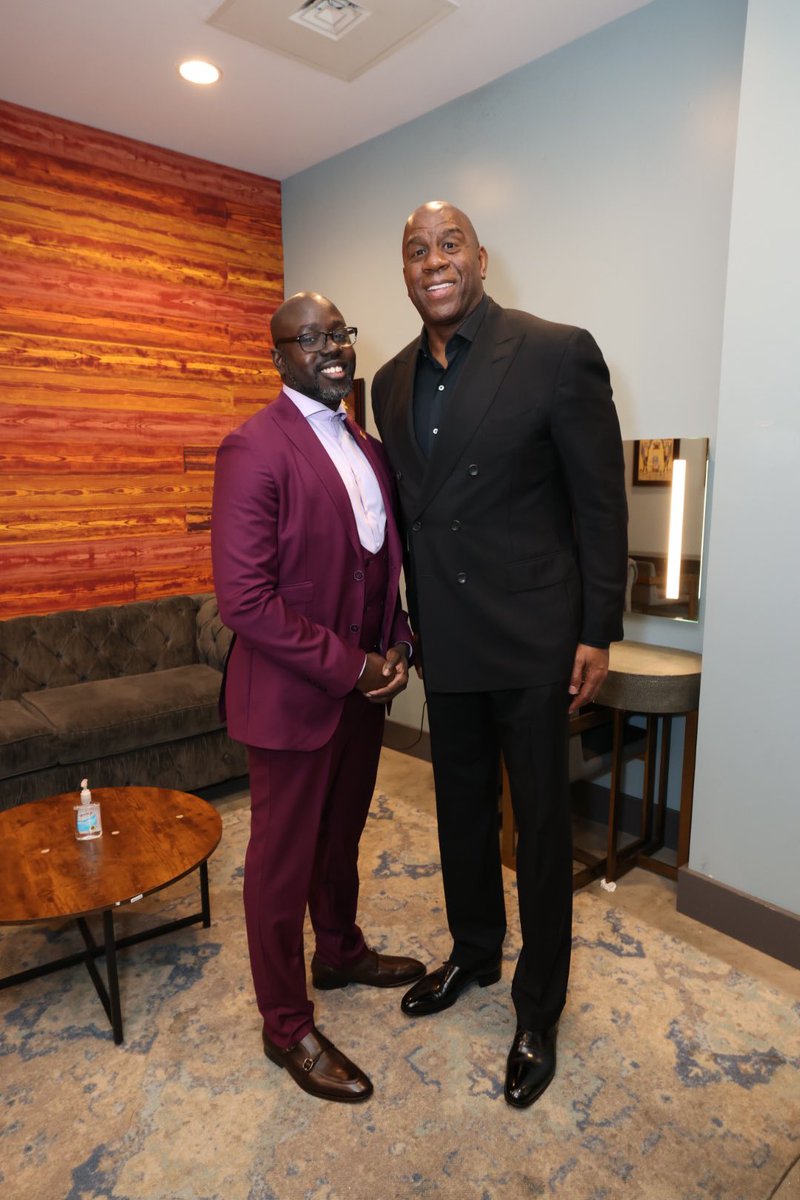
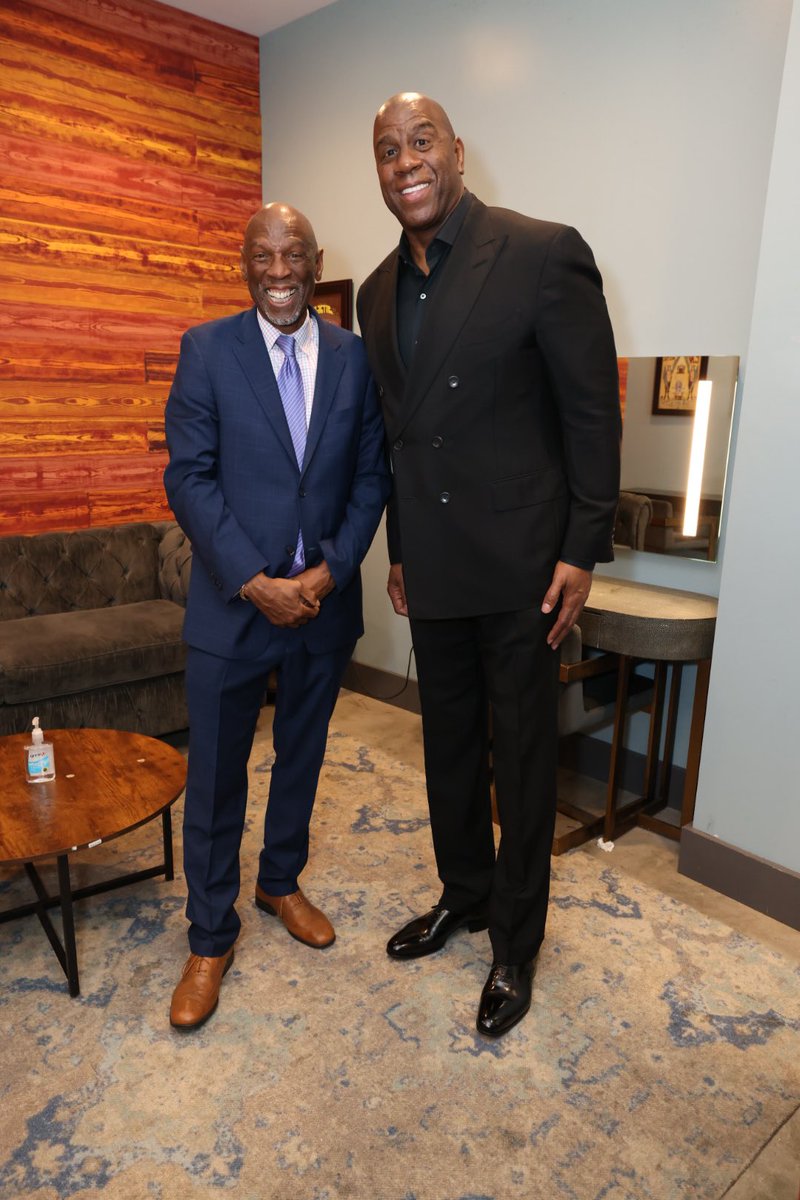
We were honored to host @MagicJohnson @WJWInstitute's #PowerOfPlace! He inspired us with his commitment to Black economic empowerment and uplifting Black and brown children through life-changing educational opportunities. Thanks, Magic - you're welcome back to the Zone any time!
20 Oct 2023

I want to thank Harlem Children’s Zone (HCZ) President and Founder Geoffrey Canada and and Co-Founder, William Julius Wilson Institute at HCZ Kwame Owusu-Kesse for allowing me to speak at the HCZ Power of Place Convening this evening in New Orleans! Over 500 leaders and community stakeholders joined the formal reception.
I admire how the Harlem Children’s Zone (HCZ) is a network of programs serving K-12 through college, that serves thousands of low-income students and families in Central Harlem in NYC. They work with community-based organizations and prioritize teaching Black kids about life skills, like finance and how to invest at an early age. They also supply mentors from Wall Street and the business community, as well as scholarships, for their students.
@hczorg
@WJWInstitute
#powerofplace
3
12
1,110
cgroth retweeted
19 Oct 2023
Last month, we shared the exciting news that @BallmerGroup is committing $175 million to support our 2030 vision. This investment recognizes the role #PlaceBasedPartnerships play in changing systems - learn more from @InsidePhilanthr: hubs.li/Q02622Qt0
2
3
162
cgroth retweeted
17 Oct 2023
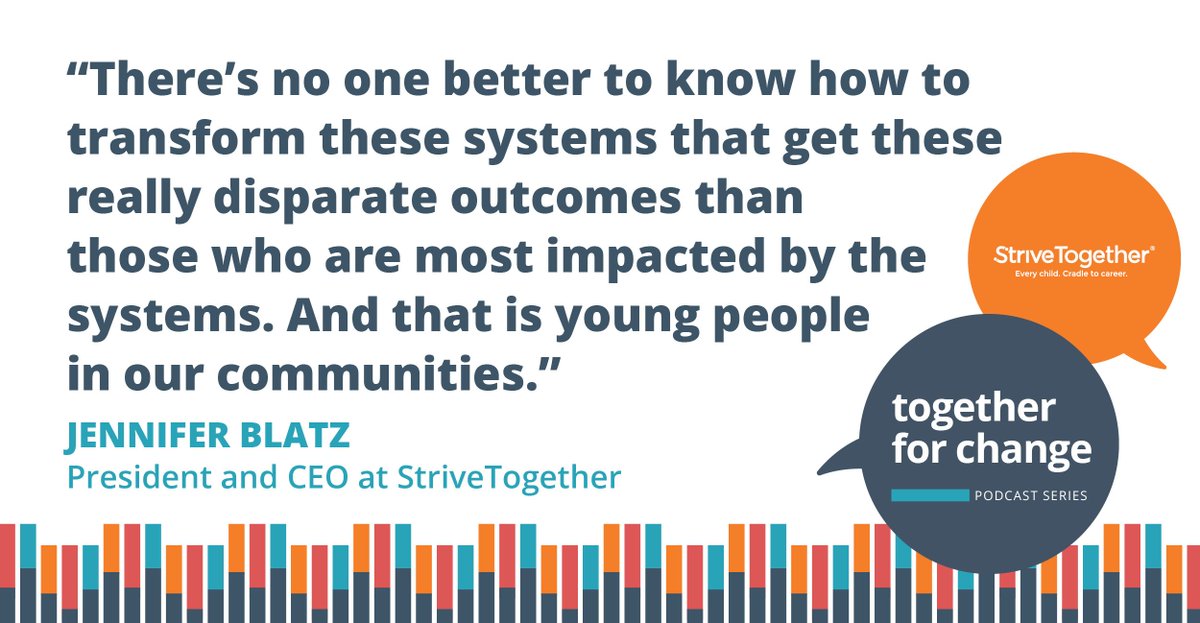
In the latest episode of the #TogetherForChange podcast, @JenBlatz, @cgroth and @Monichols share insights they took away from the 2023 Cradle to Career Network Convening - including what it looks like to advance youth leadership. Listen now: hubs.li/Q025JzdD0
3
3
395
cgroth retweeted
10 Oct 2023
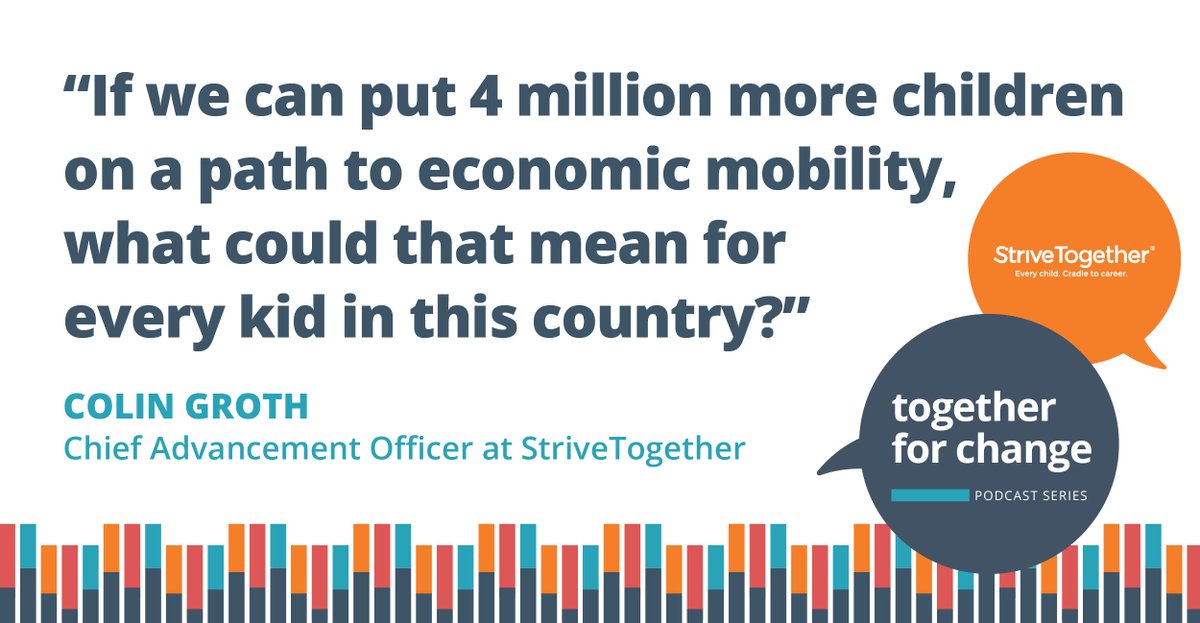
What does the #CradleToCareer Network's North Star of #EconomicMobility really look like? @JenBlatz, @cgroth and @Monichols sit down to discuss this in the latest #TogetherForChange episode. Listen now: hubs.li/Q024Szjt0
2
2
201