
Joined February 2012
- Tweets 4,859
- Following 1,938
- Followers 1,423
- Likes 9,432
285 Photos and videos



charles kariuki retweeted

Jun 11
Si nliwashow lazima turudi theatre, 4th July tupatane Motion Cinemas wagenge
1
4
3
26
charles kariuki retweeted

Jun 12
Residents of Kihoto Village continue navigating daily life in homes and neighbourhoods partially submerged by the rising waters of Lake Naivasha, forcing them to adapt to living alongside persistent floodwaters.
16
41
88
12,699
charles kariuki retweeted
Jun 10
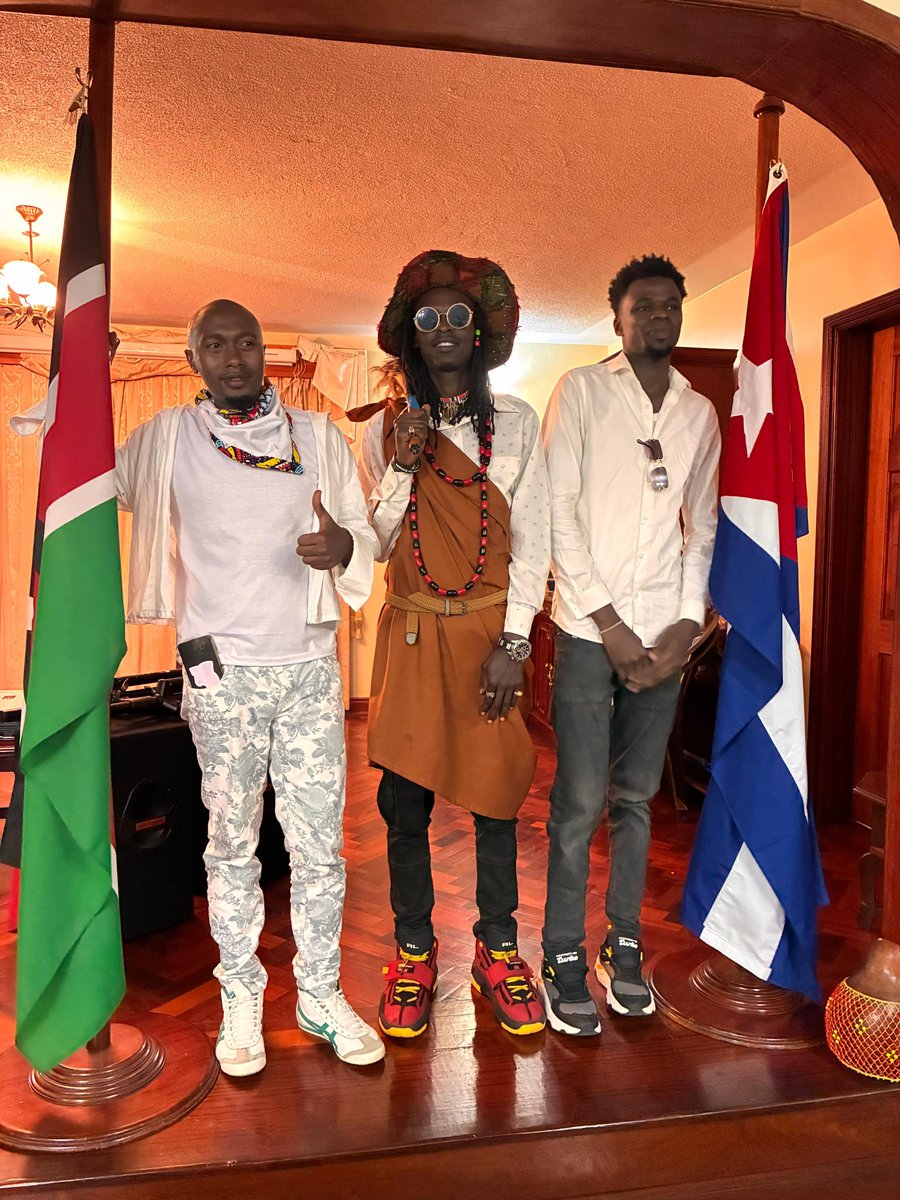
It was a great cultural night at the Cuban Embassy residence here in Nairobi.
A night of Music, Film and International Solidarity to the great people of Cuba.
The US bringing us Ebola, despite court orders, want's us to believe Cuba is a threat to world peace!
🇰🇪🤝🏿🇨🇺
2
4
37
charles kariuki retweeted

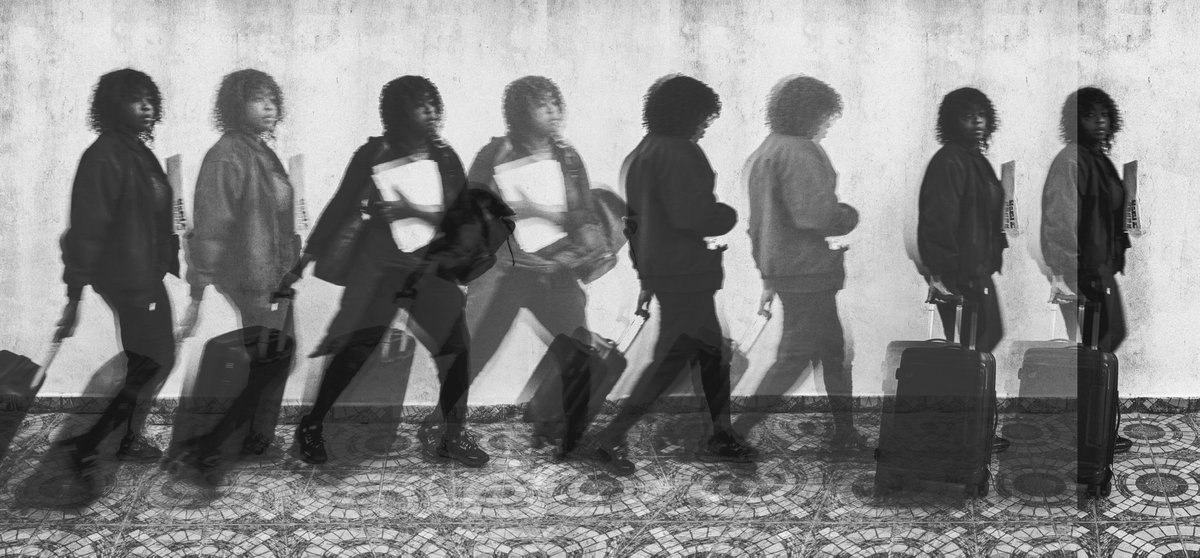
Gm Gm
Permission to move
For 6529 Keys & Gates
25
19
72
1,610
charles kariuki retweeted
Jun 4
Under the theme Peace for social and climate Justice.
This Sato 6th June, We will have the screening of the first 'Virtual Round' of AirGuitar among other activities.
The Finalist from their respective countries will contest in the championship which will be held in Finland.

3
4
25
charles kariuki retweeted

May 29
We are aware of the court action filed in Kenya against the Ebola isolation facility. We are in touch with Kenyan authorities and are optimistic we can resolve objections.
3,968
1,687
5,600
1,142,295
charles kariuki retweeted

May 26
Nairobi is ready 🔥
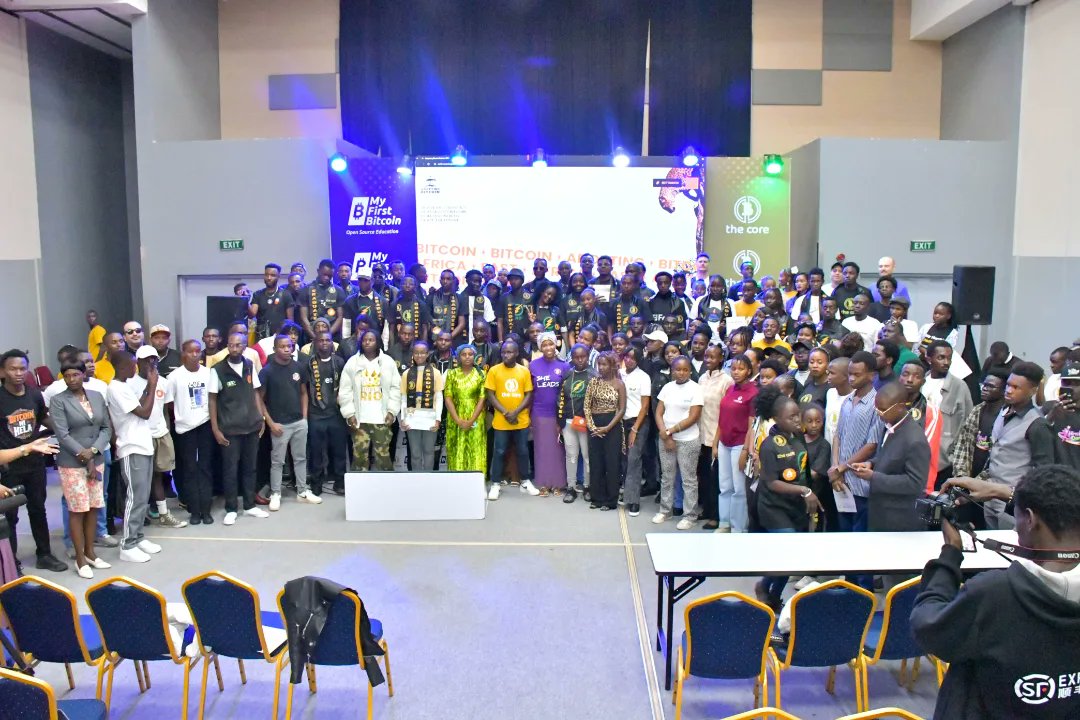
Excited to see Bitcoin Nairobi Conference (@btcnairobi_conf), bringing together builders, educators, policymakers, and the community to push Bitcoin adoption forward in East Africa.
🎟️Get your tickets: bitcoinnairobiconference.com

Bitcoin is not coming to Nairobi; it has already been here 🔥
The Bitcoin Nairobi Conference, happening for the first time in East Africa, is bringing together curious minds from policymakers and banks to bitcoiners and non-coiners to learn, connect, and participate in the growing Bitcoin movement.
One of the highlights of the conference is the Bitcoin Circular Economy Day, where attendees will visit the Afribit Kibera Bitcoin Circular Economy and see firsthand how people are using and interacting with Bitcoin in their daily lives.
This conference is led by @AfribitKibera and @GorillaSats, with partners including @TrezorAcademy, @CapitalFMKenya, @bitika_KE, @tando_me, Talo, and many more.
The conference will be held at ASK Dome, Nairobi, and there will be lots of Bitcoin activities and pre-events.
To learn more about the conference, follow @btcnairobi_conf.
Get your tickets: bitcoinnairobiconference.com
1
9
23
795
charles kariuki retweeted

We’ve accepted that our phones record our voices. But how do you explain your screen showing you a thought that never even left your head? 🤔 💭 🤯
665
916
10,359
747,686

May 28
We are loosing our young in Kenya at an Alarming rate!
RIP Utumishi Girls Academy
#MissingKids
87
charles kariuki retweeted

May 26
This is the Al Jazeera clip they are gatekeeping.
How surveillance tools in Kenya are turned on ordinary Kenyans.
70
4,072
7,387
157,577
charles kariuki retweeted

May 27
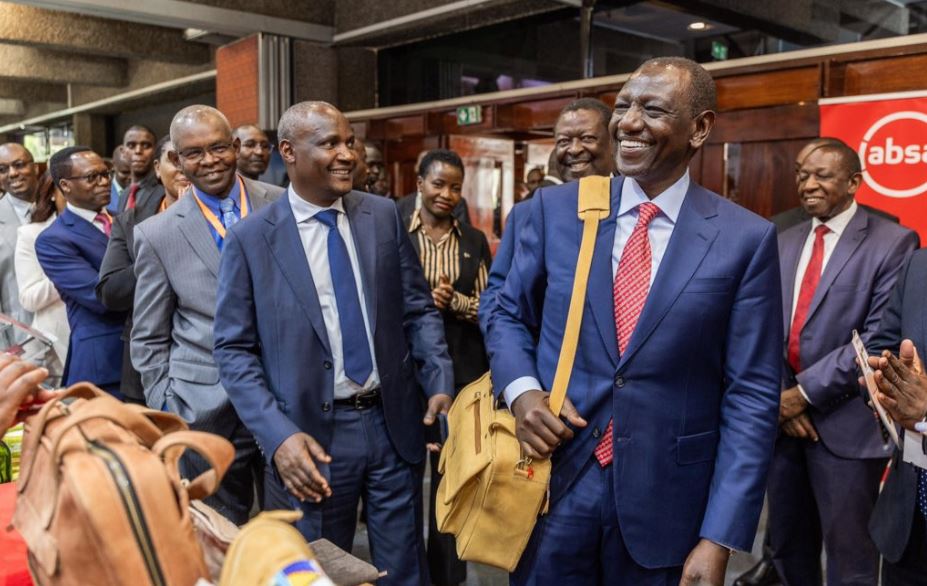
The problem with this Ruto John mbadi government is not just the taxes in the finance bill 2026.
It is the way they are hiding them.
They keep saying here:
“Read the bill yourself.”
But they know very well most Kenyans will not go through 130 pages of technical legal language.
And even if you try, the Finance Bill alone is not enough.
To fully understand what is happening, you also need the latest revised VAT Act because the bill keeps referring to paragraphs and schedules without explaining what they actually mean.
For example, instead of directly saying:
“We are making electric bikes and related products more expensive,”
they simply write:
“Move item X to after paragraph 157.”
What they don’t tell you is that Paragraph 157 maybe falls under VAT EXEMPT supplies.
That single change matters a lot.
Under ZERO-RATED status:
Manufacturers can reclaim VAT paid on spare parts, raw materials and inputs. That helps keep prices lower.
Under VAT EXEMPT status:
They cannot reclaim that VAT anymore.
Meaning?
Higher manufacturing costs.
Higher prices.
Ordinary Kenyans pay the difference.
And here is the bigger problem:
If you search online for the VAT Act, most copies you will find are old 2013 versions that are outdated. Many sections have since been amended, deleted or added over the years.
So the average Kenyan is expected to decode legal cross-references using outdated documents while the government pretends everything is transparent.
Anyway, if this is the game they want to play, then we shall play it properly.
Over the next 72 hours, I will be sharing the problematic clauses in the Finance Bill together with evidence, screenshots and explanations so ordinary Kenyans can clearly understand what is hidden inside the bill.
If anyone has the latest revised copy of the VAT Act, kindly send it to me.
Thank you.
6
38
105
6,744
charles kariuki retweeted

May 26
2
137
248
24,785
charles kariuki retweeted

May 27
The way una buy stocks unafaa ku own a song as an asset!
As an executive producer as an individual or a group.
6
15
55
2,985
charles kariuki retweeted
May 18
They see you as numbers not a person with dreams, aspirations, knowledge and ideology.
They see tribal lines not a people with identity, place in the global conversation.
8
500
982
10,512

charles kariuki retweeted
May 17
Why is it important to have a Free Africa? Free from who and what? What is Imperialism? Join us at the Kenya National theatre this 25th may. We will have Film screening, Music perfomances and Speakers that will talk about Africa Liberation and SOVEREIGNITY.

2
3
43
May 12
Parky ni Alarm!

19