
Coding elements in Atom with React.js
Joined November 2020
- Tweets 118
- Following 714
- Followers 97
- Likes 290
39 Photos and videos
Chemistdev retweeted

28 Aug 2025
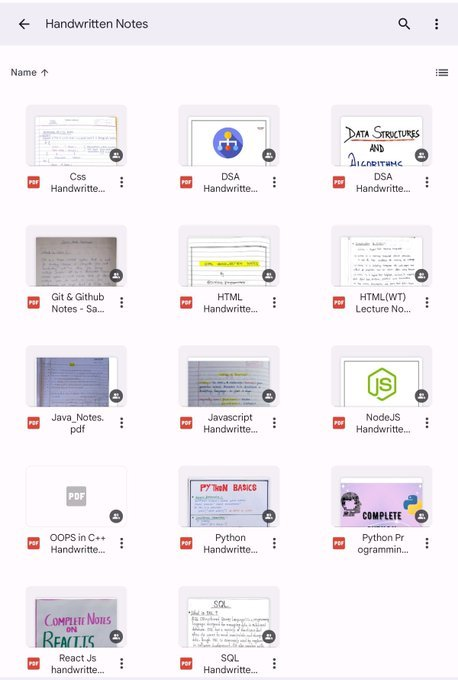
𝗔𝗹𝗹 𝗽𝗿𝗼𝗴𝗿𝗮𝗺𝗺𝗶𝗻𝗴 𝗛𝗮𝗻𝗱𝘄𝗿𝗶𝘁𝘁𝗲𝗻 𝗻𝗼𝘁𝗲𝘀🔥
Just for FREE !!
• html
• CSS
• Git
• Sql
• DSA
• Java
• DBMS
• Python
• Node.js
• React.js
• JavaScript
• C
• Machine learning
• Cloud Computing
• Computer networks
To Get all:
1. Like, Follow & Reply “Notes”
2. Retweet
310
219
507
37,773
Chemistdev retweeted

31 Dec 2024
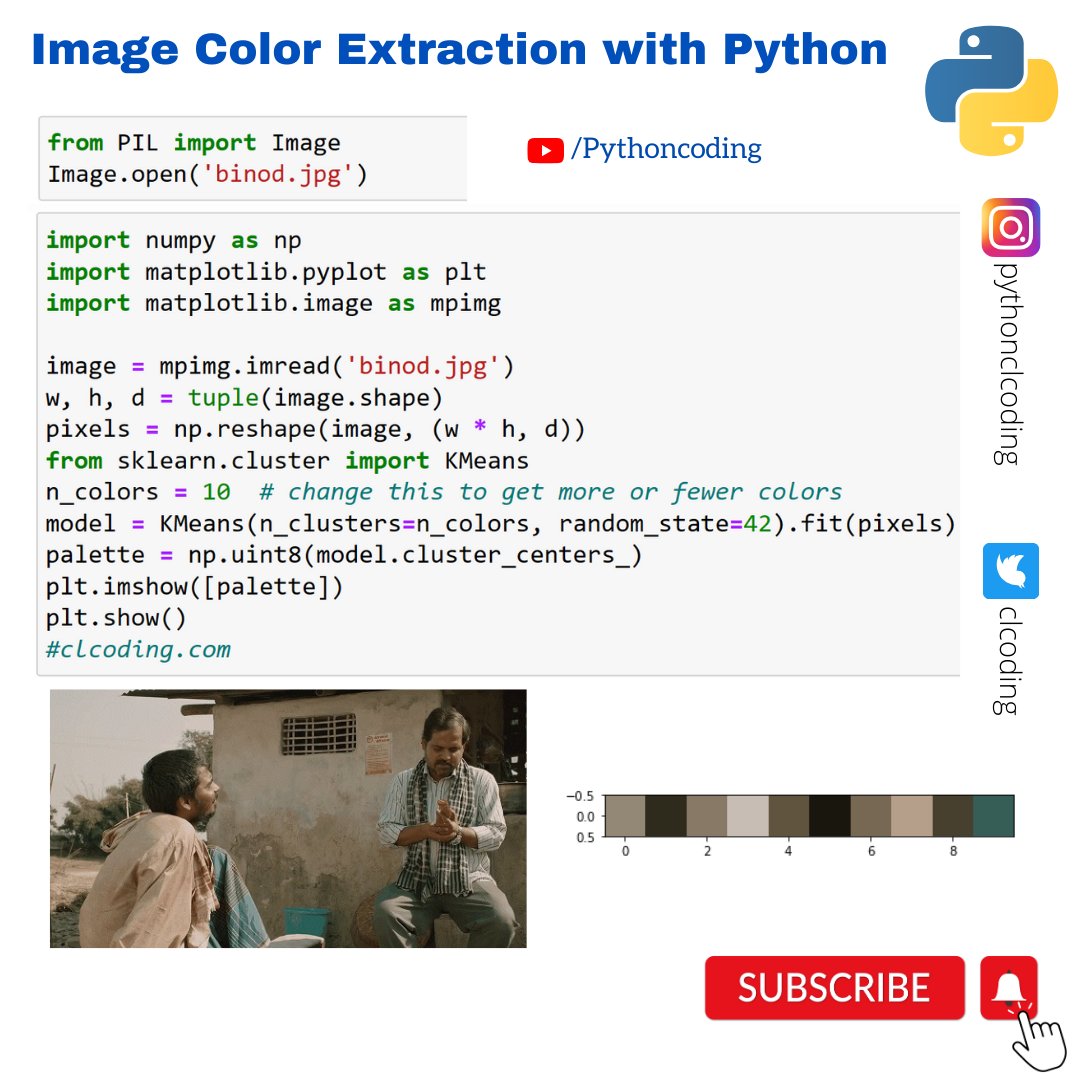
Image Color Extraction with Python
3
107
643
34,530
Chemistdev retweeted

20 Nov 2024
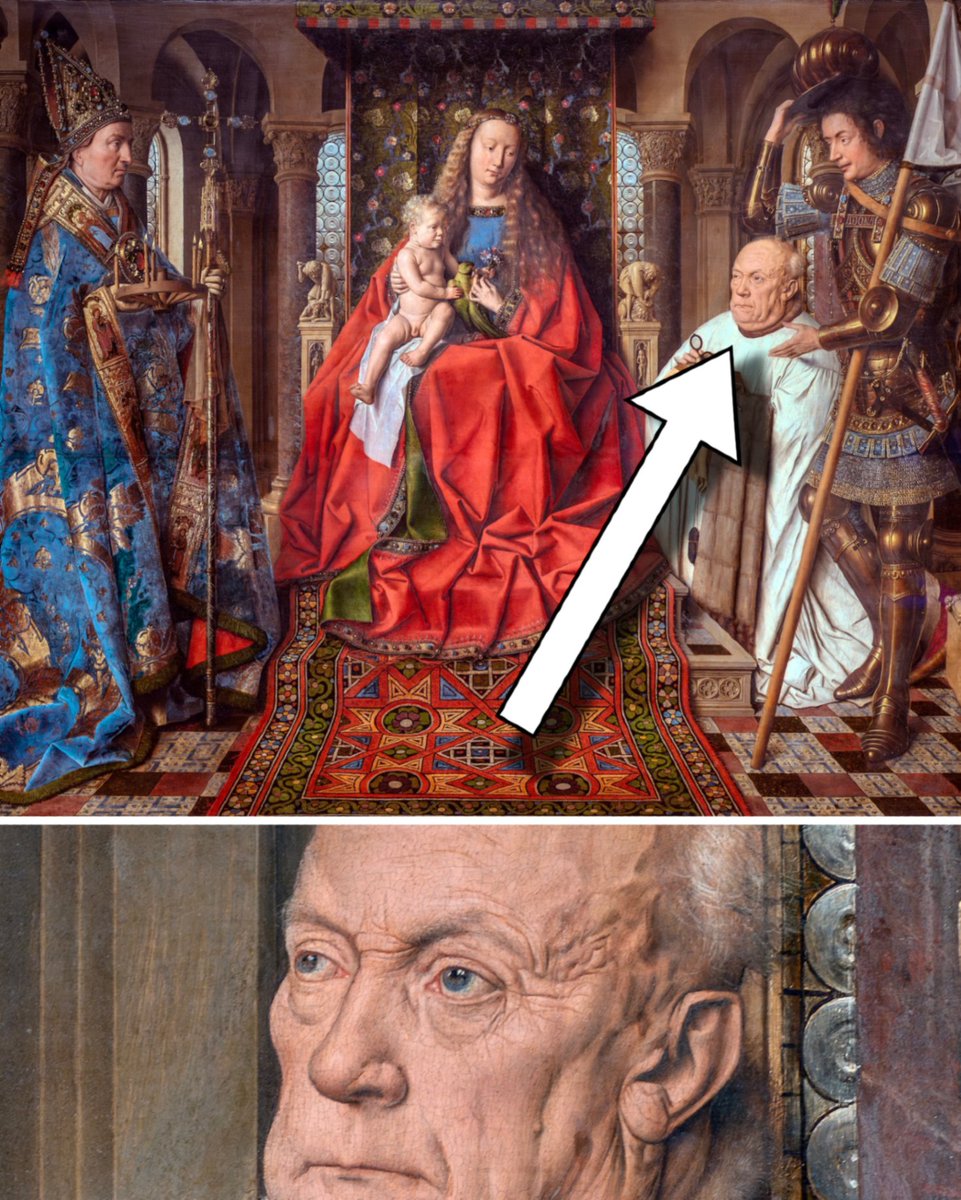
No has visto la complejidad del arte hasta que ves esta pintura de 600 años de antigüedad.
Es tan detallado que la medicina moderna ha podido diagnosticar el tipo exacto de ceguera de este hombre.
Y ahií es donde las cosas se ponen extrañas: todo esto es una ilusión..
235
4,885
28,529
4,650,340

18 Feb 2024
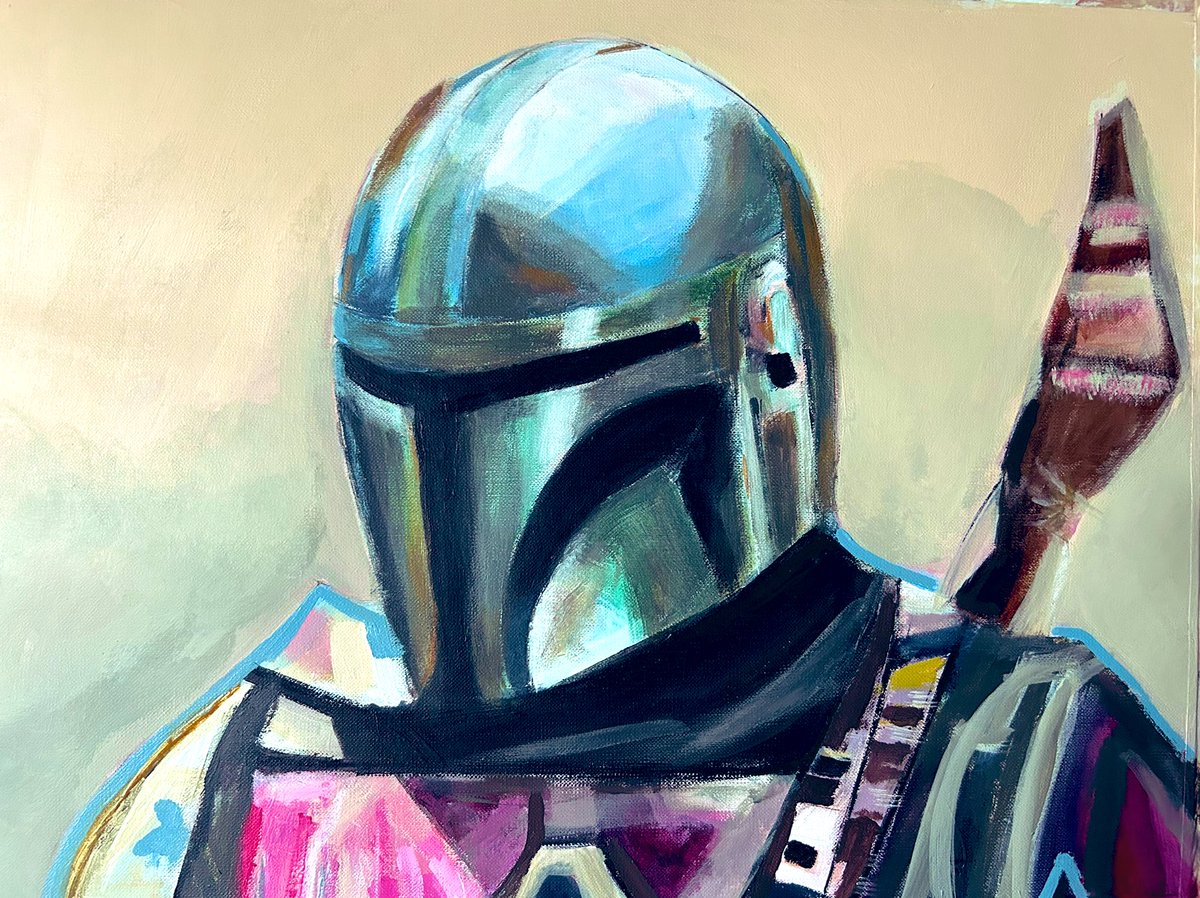
Acrylic Portrait of #TheMandalorian now that Season 4 will begin filming in February 2024! #StarWars
1
1
514
9 Oct 2023
1. `git init` new repo
2. `git clone <repo-link>`
3. `git add file1.txt file2.txt`
4. `git commit -m` new feature
5. `git push origin main`
6. `git pull origin main`
7. `git branch new-branch`
8. `git checkout main`
9. `git merge new-branch`
10. `git status`
11. `git revert`
160
4 Oct 2023
Hacktoberfest is a way to learn about software development, Git version control and Github collaborations.
•Find a project you'd like to get involved.
•Read the guidelines of the project
•Get the project running locally
•Leave a message on a task hacktoberfest.com/
94
3 Oct 2023
Machine Learning Roadmap:
Programming, Math and Statistics.
• Decent coding skills, you won't have a lot of luck progressing. Start with Python, the learning curve is smoother.
• Linear Algebra Calculus. Regression, vectors and matrices, derivatives.
• Statistics
1
74
2 Oct 2023
Web Dev Roadmap:
Frontend: HTML, CSS, JavaScript, (React || Astro)
Backend: Python, NodeJs
Database: MySQL, MongoDB
Cloud: AWS, Google Cloud
UI/UX: Figma, Adobe XD
Manage Code: Git GitHub
1
180
10 Sep 2023
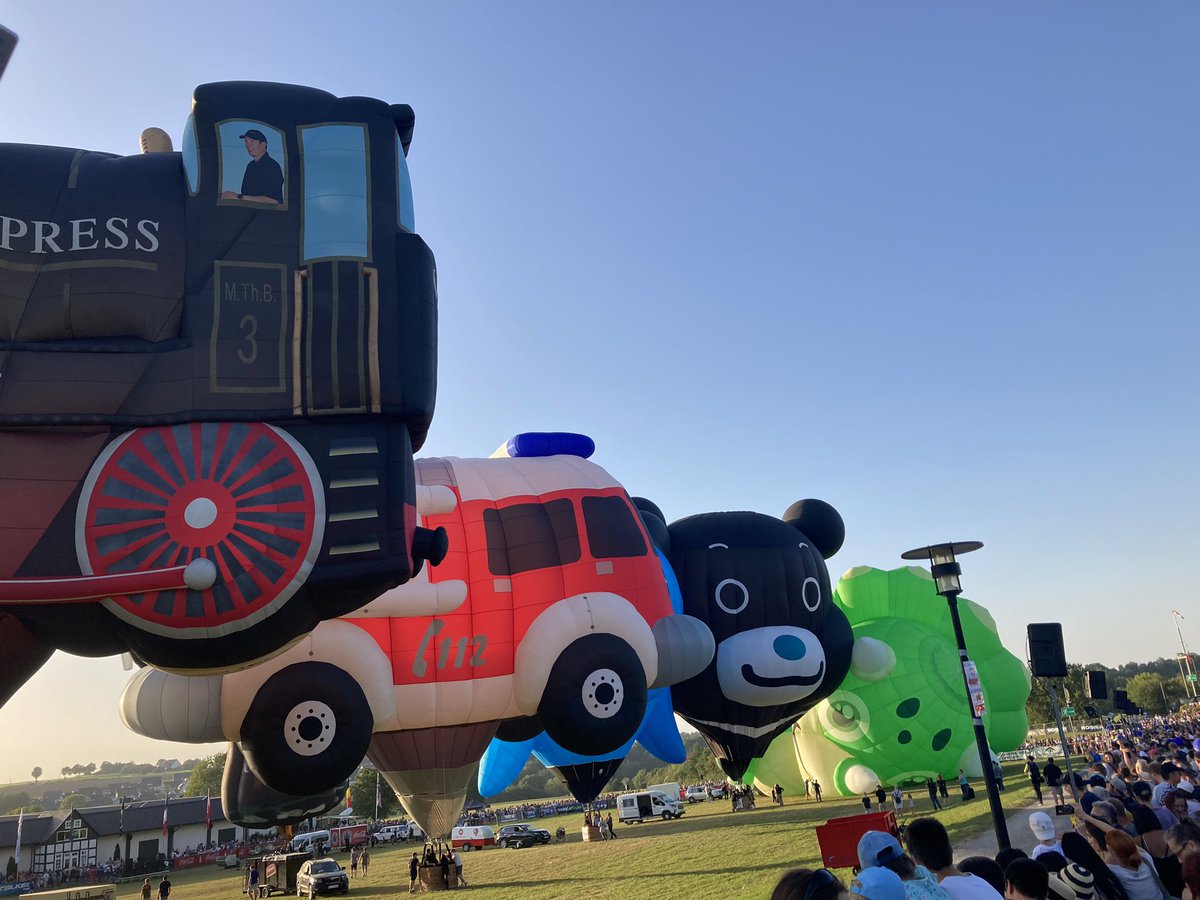
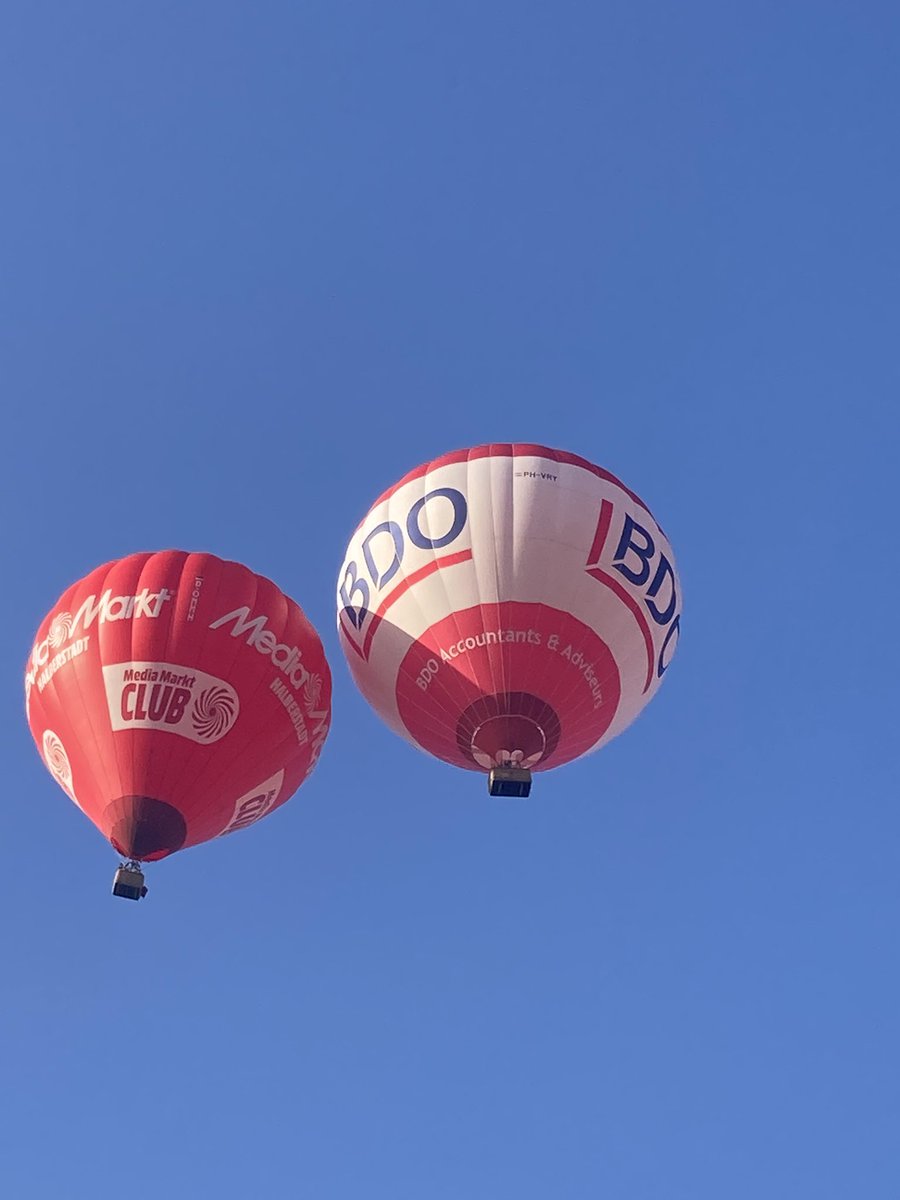
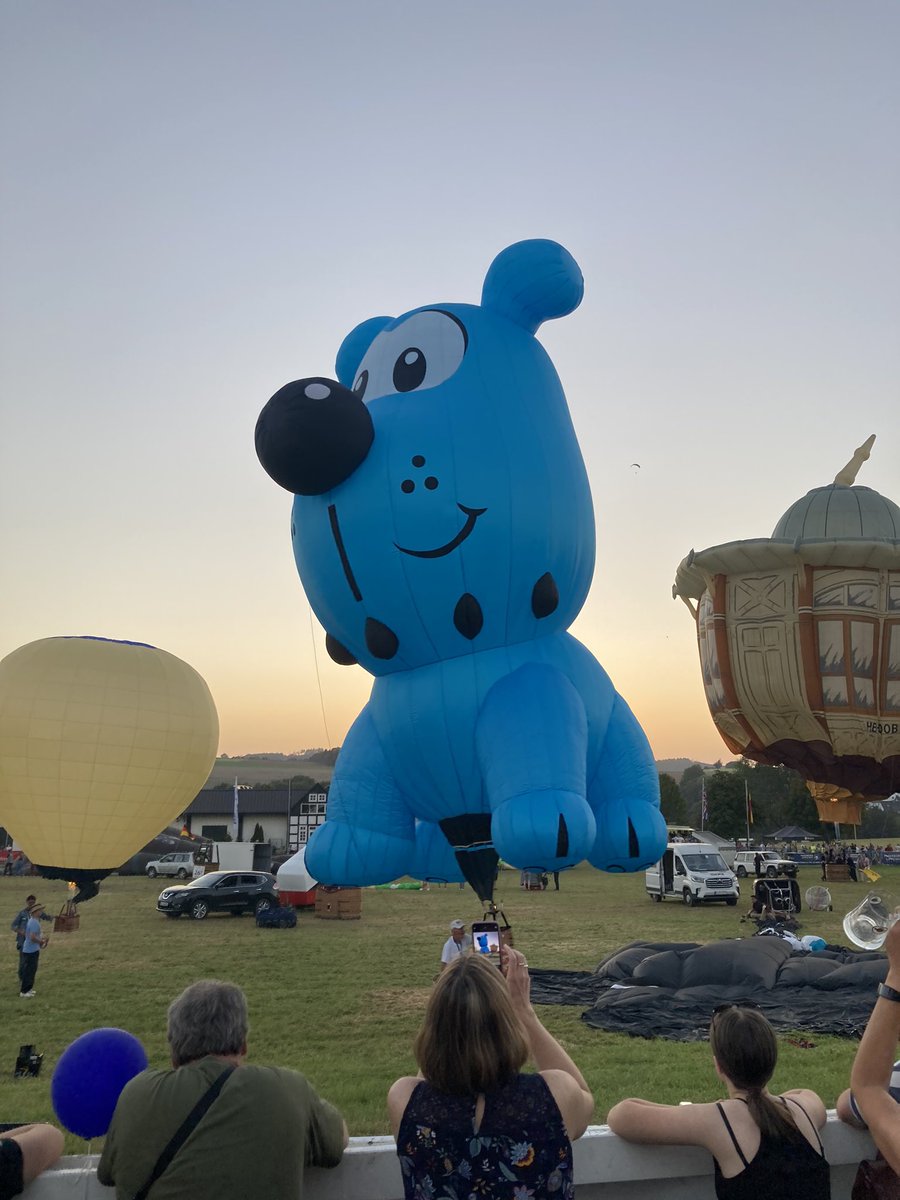
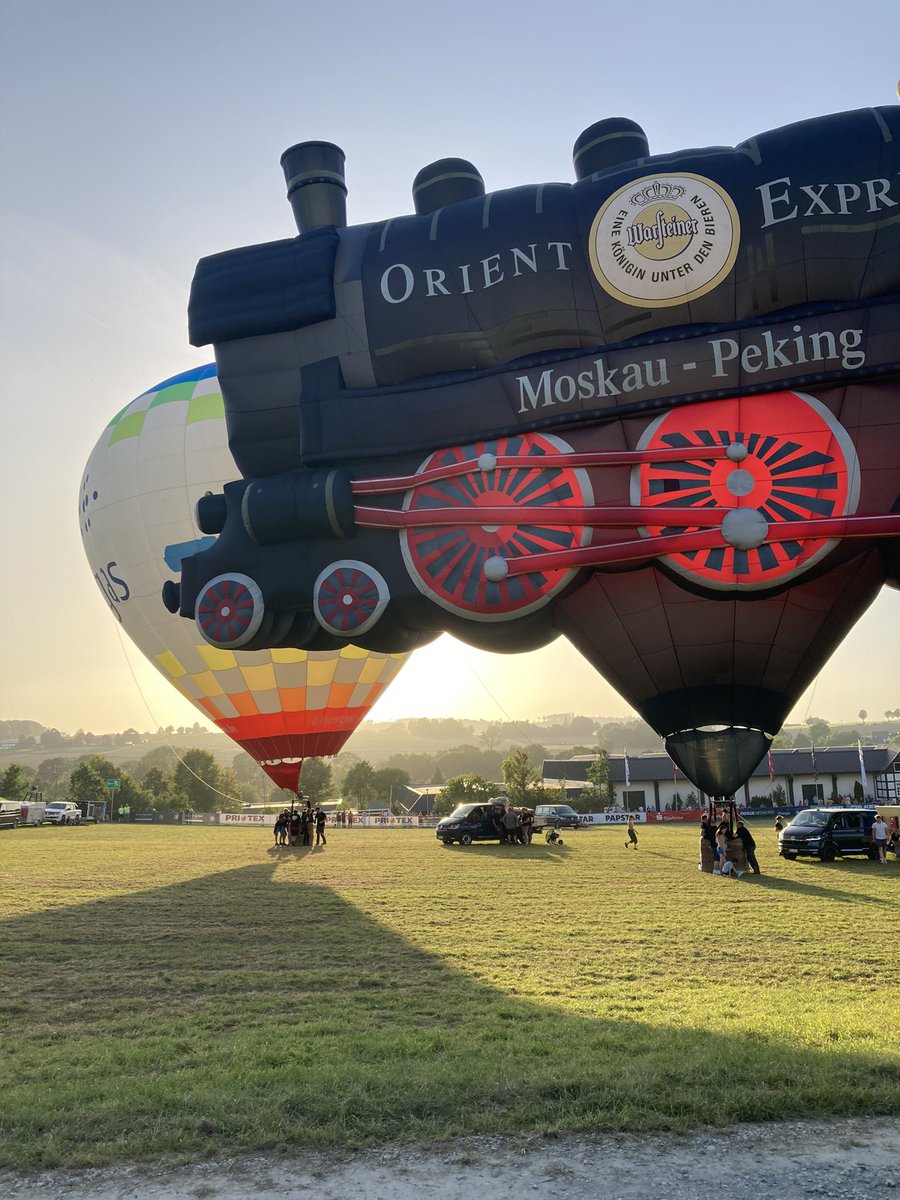
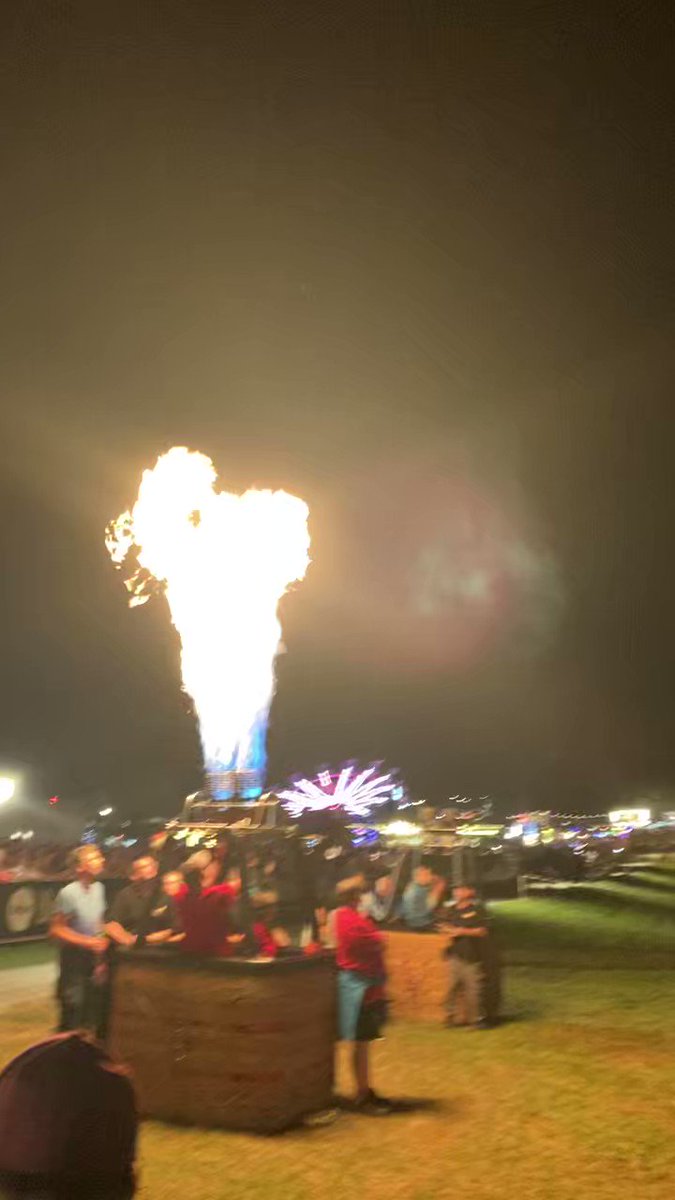
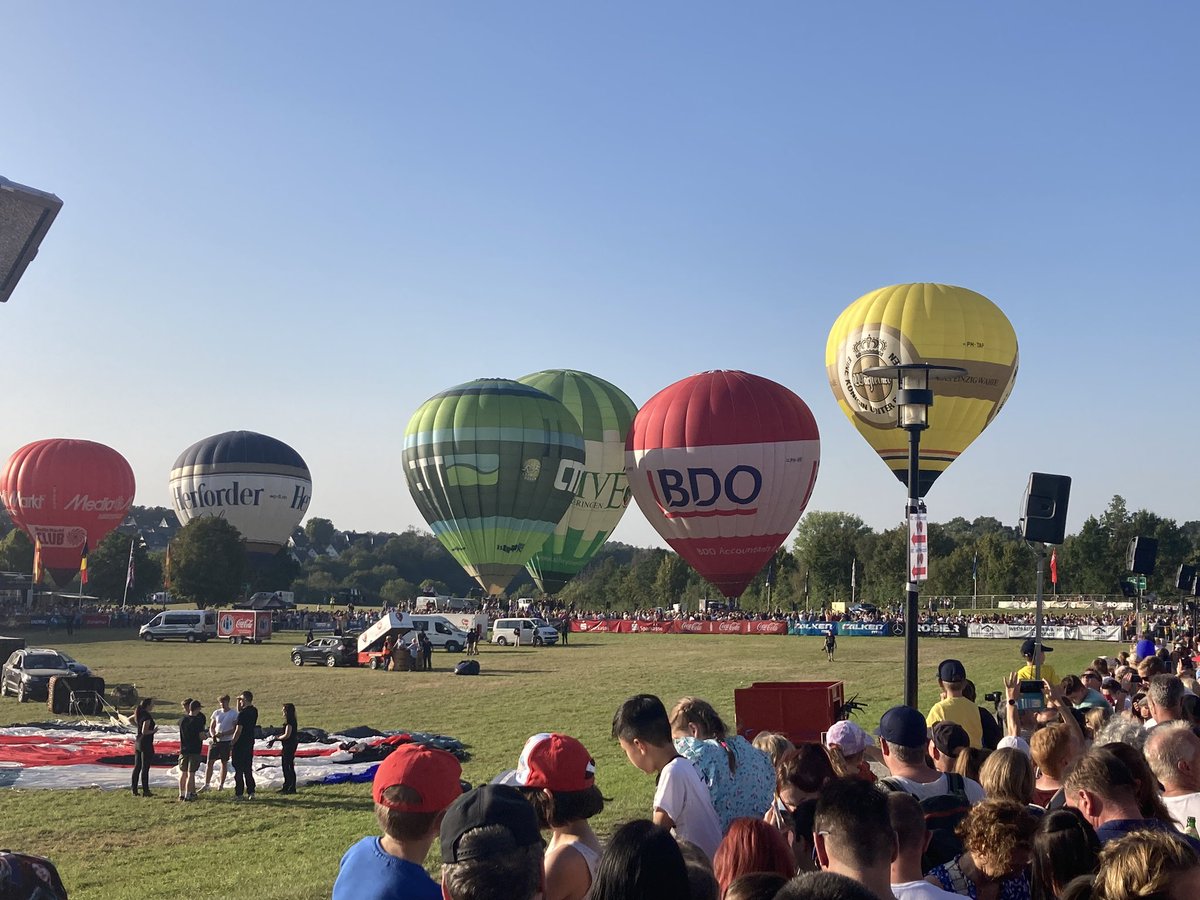
Physics of a hot air balloon works on the buoyancy principle. It floats because is lighter than the air around it. Controlling the temperature of the air, the pilot can control the ascent/descent, horizontal movement is influenced by wind currents #MONTGOLFIADE
1
105
10 Sep 2023
4. Wind Drift: Horizontal movement of the balloon is primarily determined by wind direction and speed. Pilots can control the direction to some extent by ascending or descending to different altitudes where wind currents may vary.
1
52
10 Sep 2023
4. Landing: When it's time to descend and land, the pilot gradually cools the air inside the envelope or releases ballast (usually sandbags) to reduce buoyancy until the balloon gently descends to the ground.
43
Chemistdev retweeted

25 Aug 2023
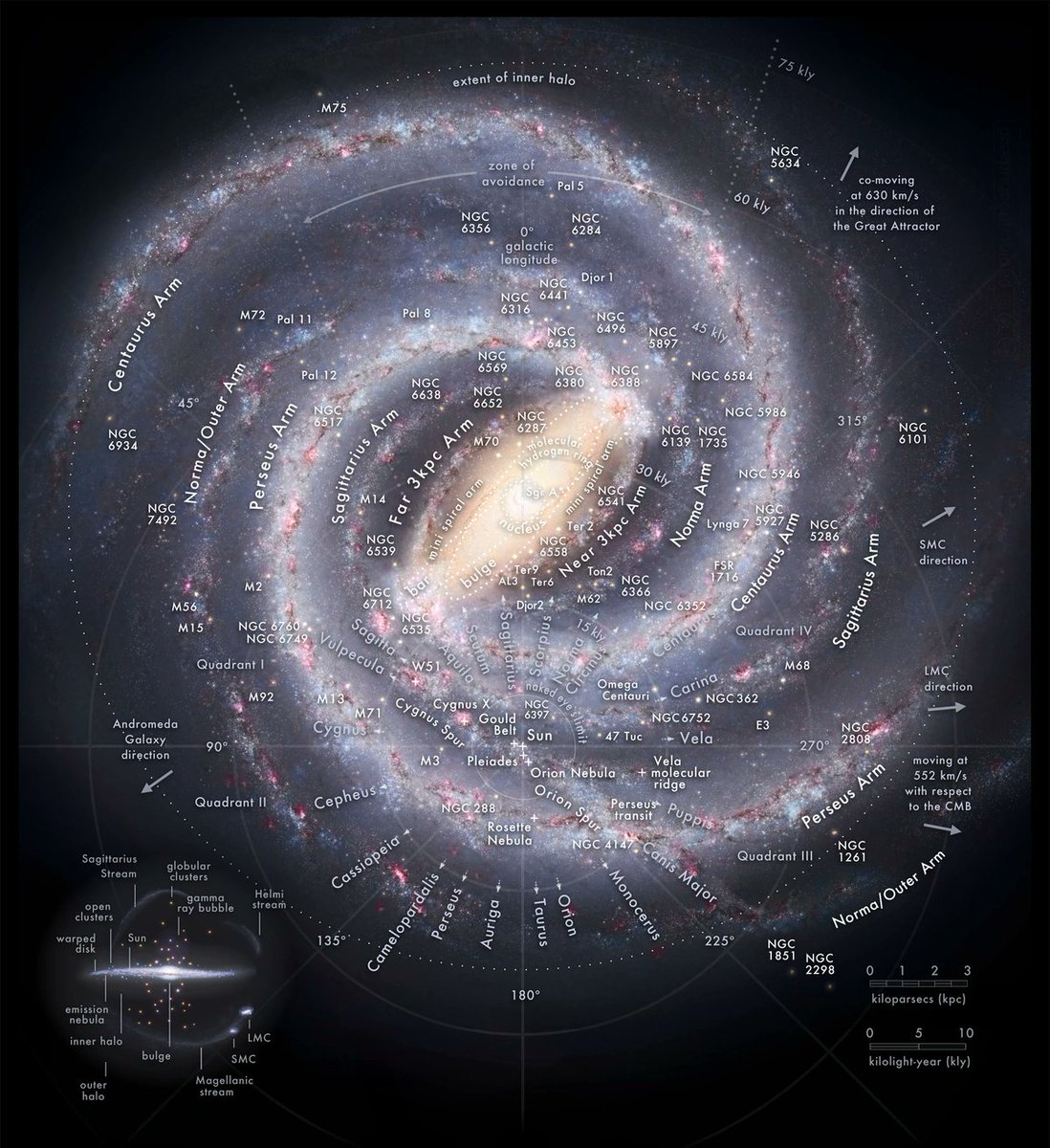
If you ever get lost in the Milky Way galaxy, this is your map to get back to EARTH.
1,337
6,906
36,009
3,759,522
19 Aug 2023
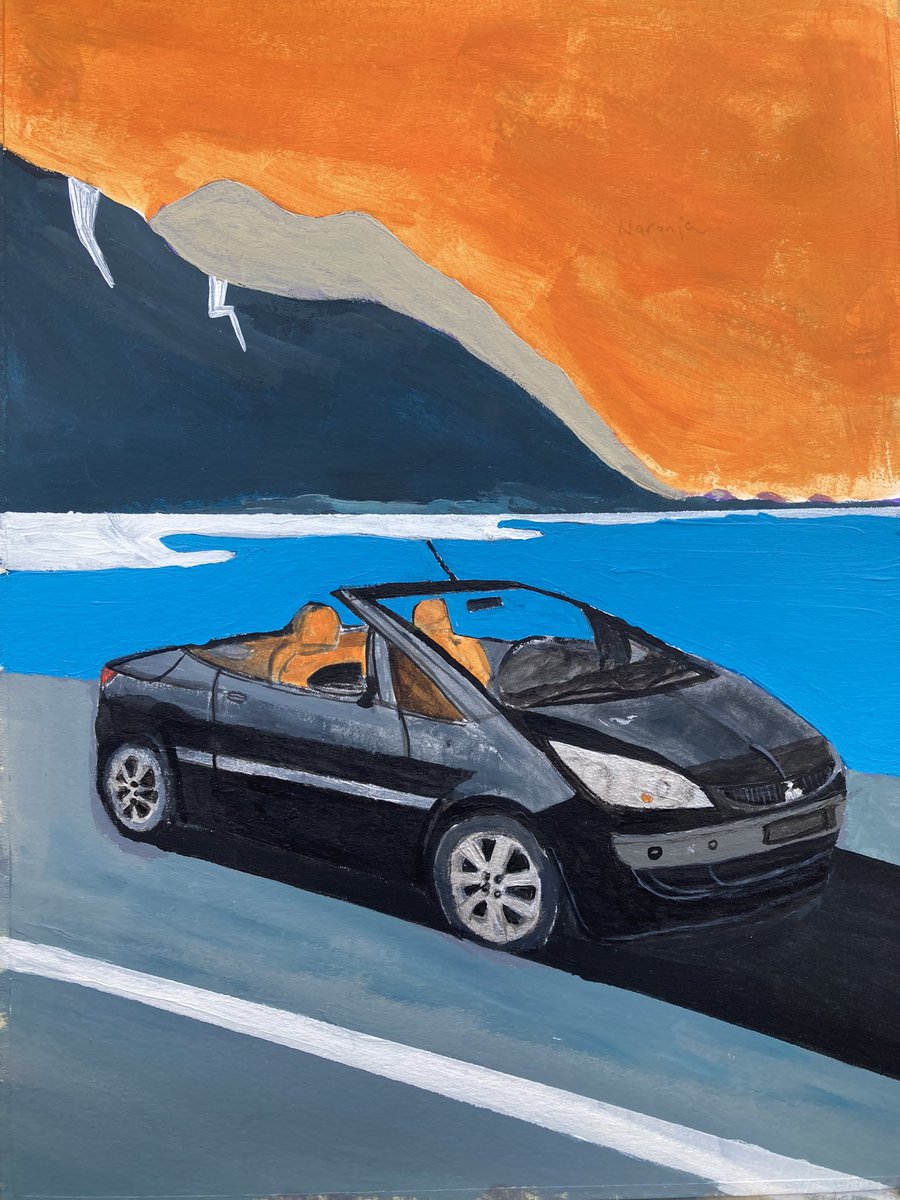
🎨 Acrylic painting of my Mitsubishi Colt CZC Convertible produced in Pininfarina in 2006-2009.
Inspired in digital illustrations searching the lines simplicity #Acrylic #Mitsubishi #Coltczc #Pininfarina #Car #fineartwork
1
112
13 Aug 2023
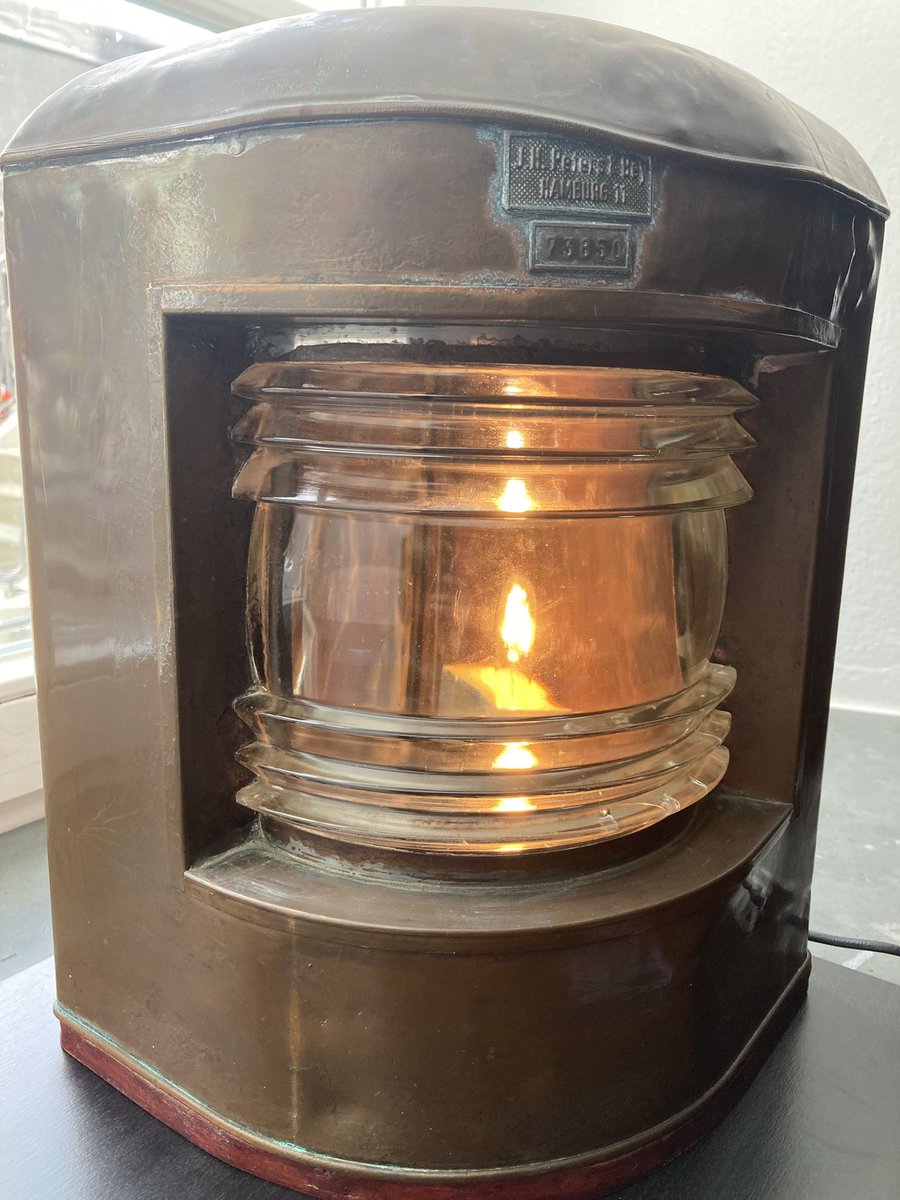
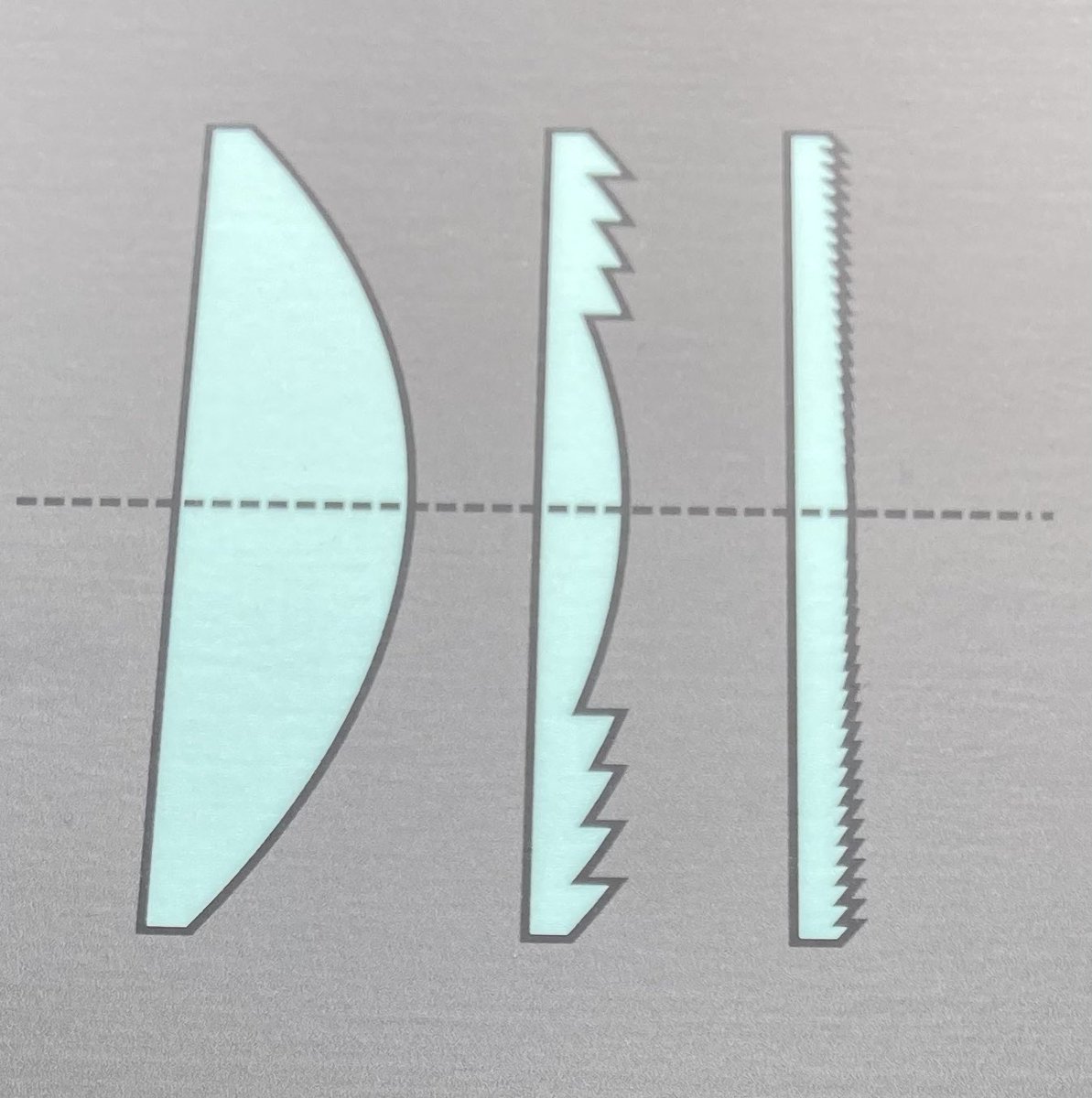
Fresnel lenses used in lighthouses are designed based on the principle of refraction using a series of concentric rings with prisms to bend or refract light achieving the same focusing effect as a solid glass.
1
62
13 Aug 2023
When a light source is placed at the focal point of a #Fresnel lens, the individual prisms within the lens refract the light waves, bending them towards the same direction. This results in a highly focused and concentrated beam of light that can be seen from great distances.
1
54
13 Aug 2023
The design of the lens allows it to magnify the #light source and direct it in a specific direction, crucial for navigation.
This technology greatly improved safety by emitting powerful precise beams of light across distances, guiding ships safely.
59
9 Aug 2023
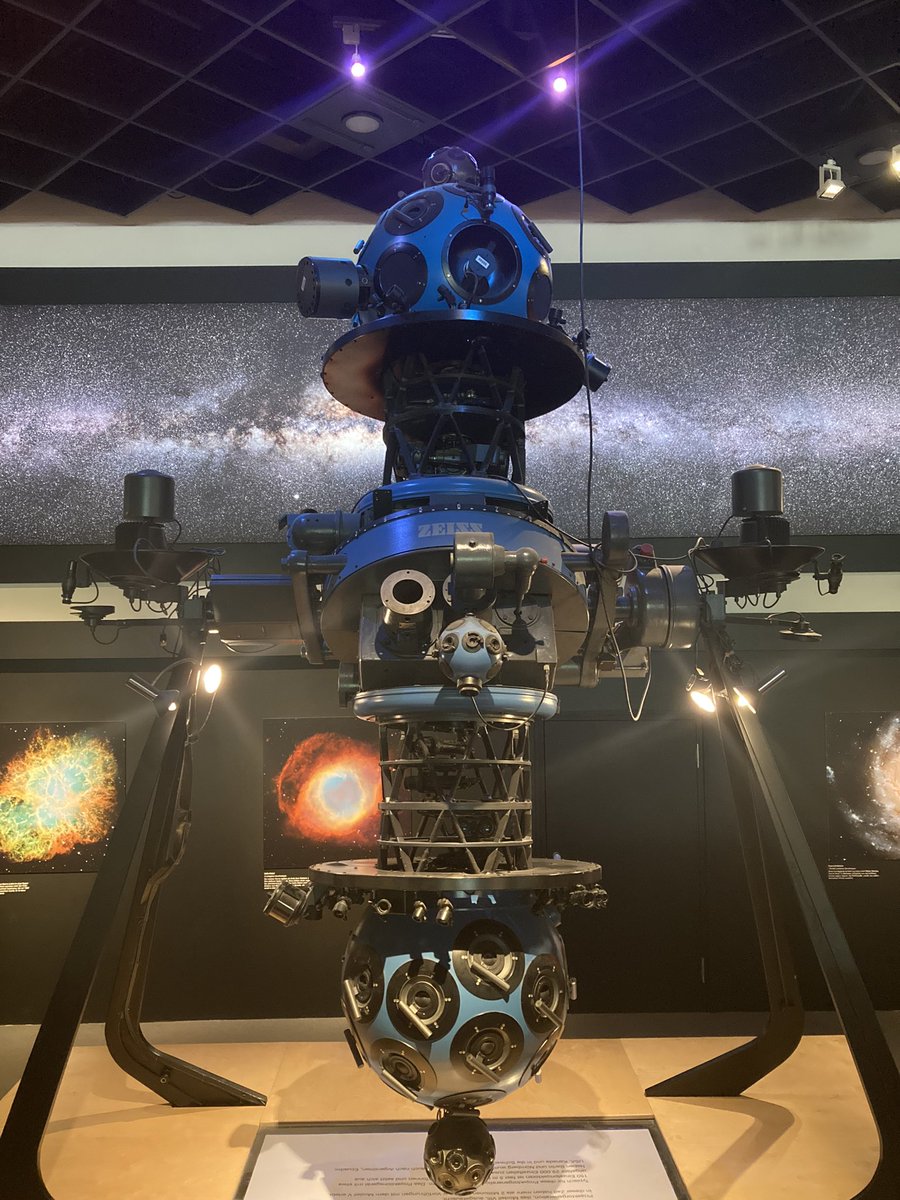
The ZEISS Planetarium Model V is a historic projector developed by #CarlZeiss introduced in 1923 and optimized for projecting celestial movements and realistic depictions of the astronomical events through a complex fine-mechanical-optical device for imitating the starry sky
1
75