
left Duke to build the best osint platform @intraceintel | 20 | @ZFellows | nothing is hidden
Joined July 2024
- Tweets 277
- Following 173
- Followers 142
- Likes 1,609
66 Photos and videos
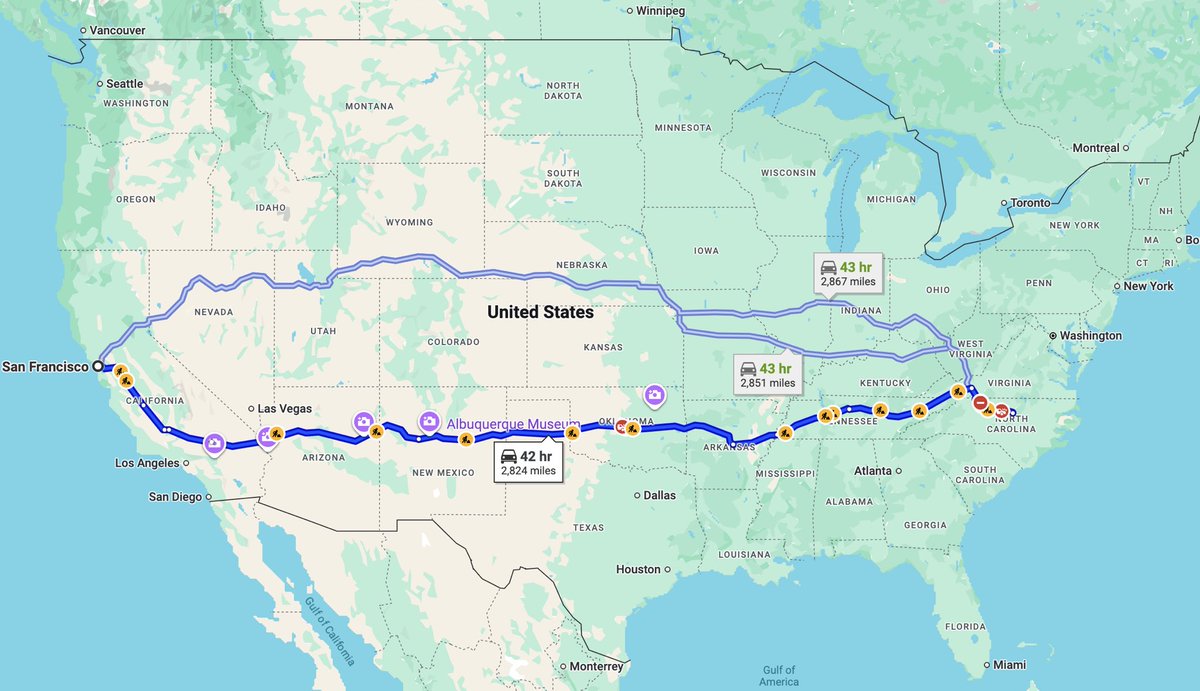
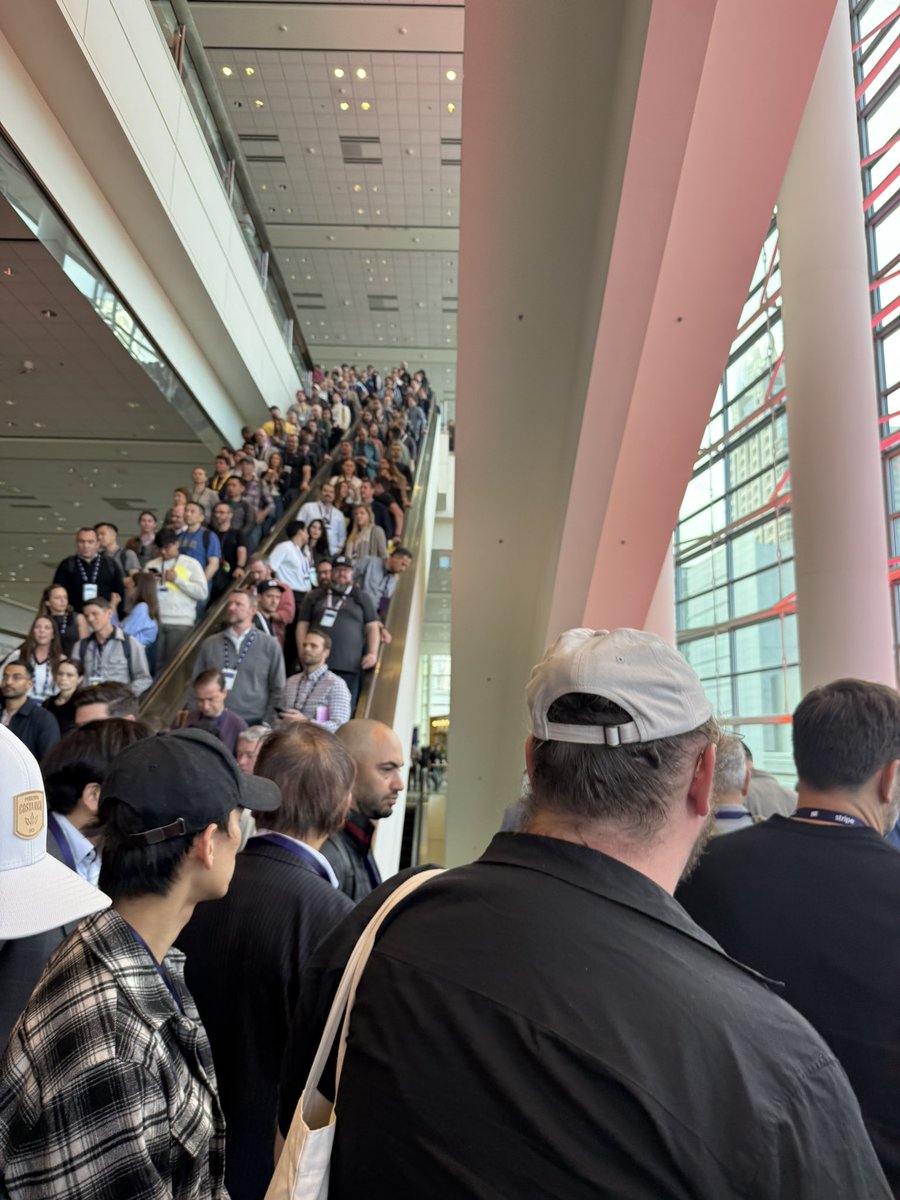
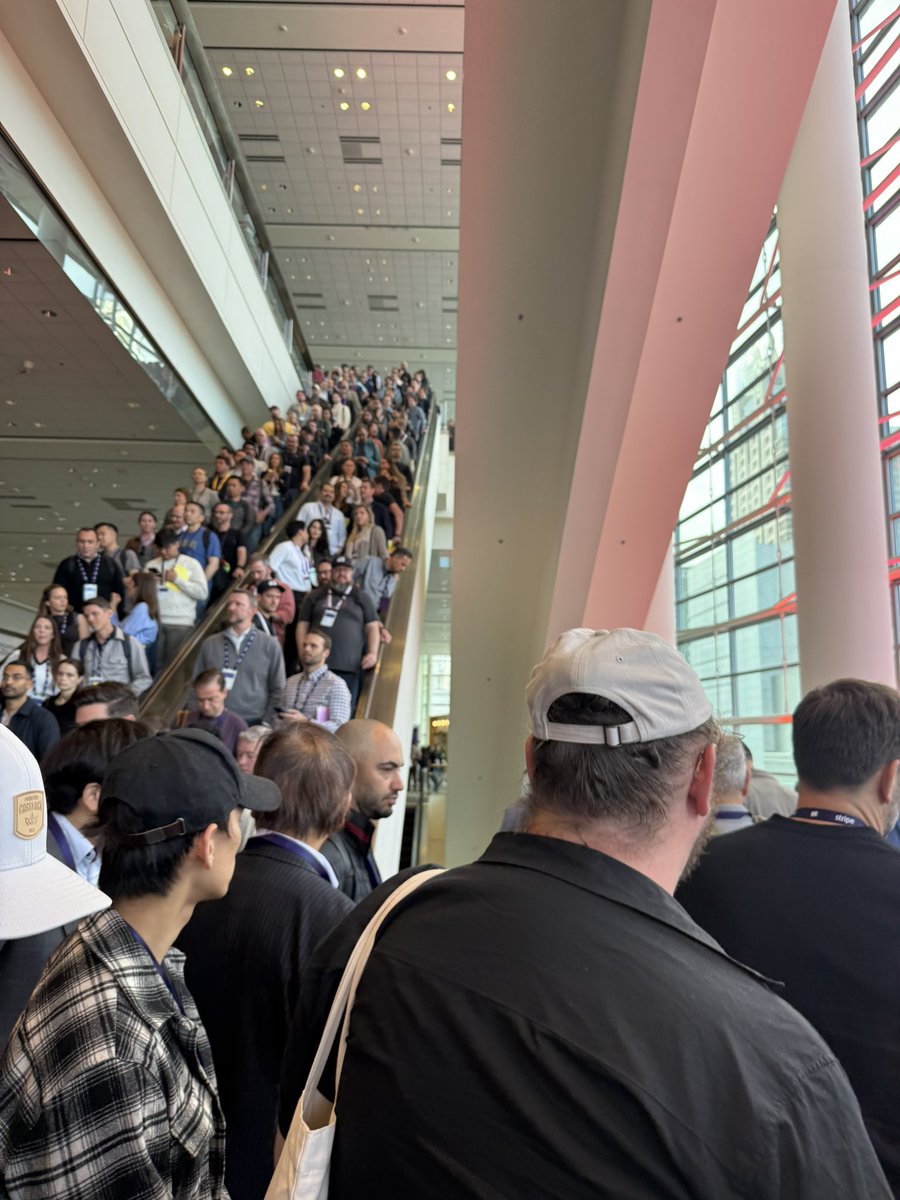
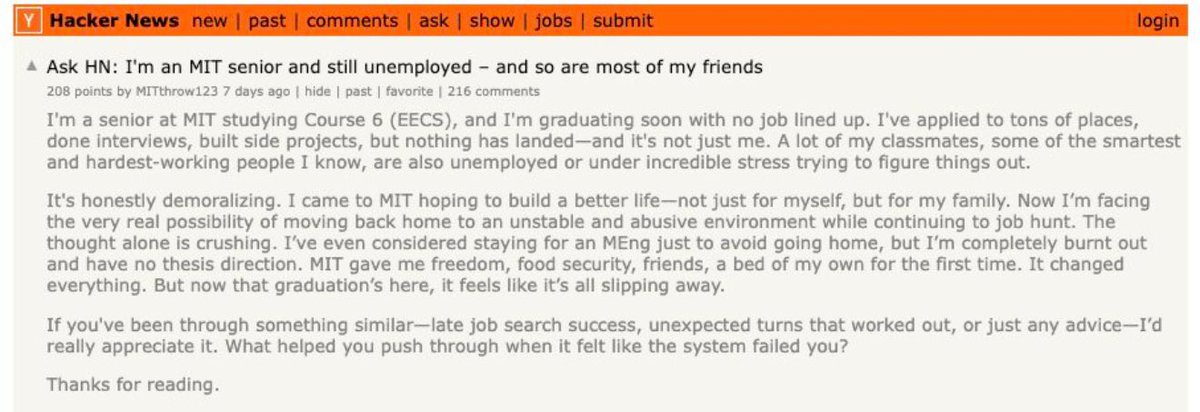
Building in public works well for everything except an intel startup...
1
81
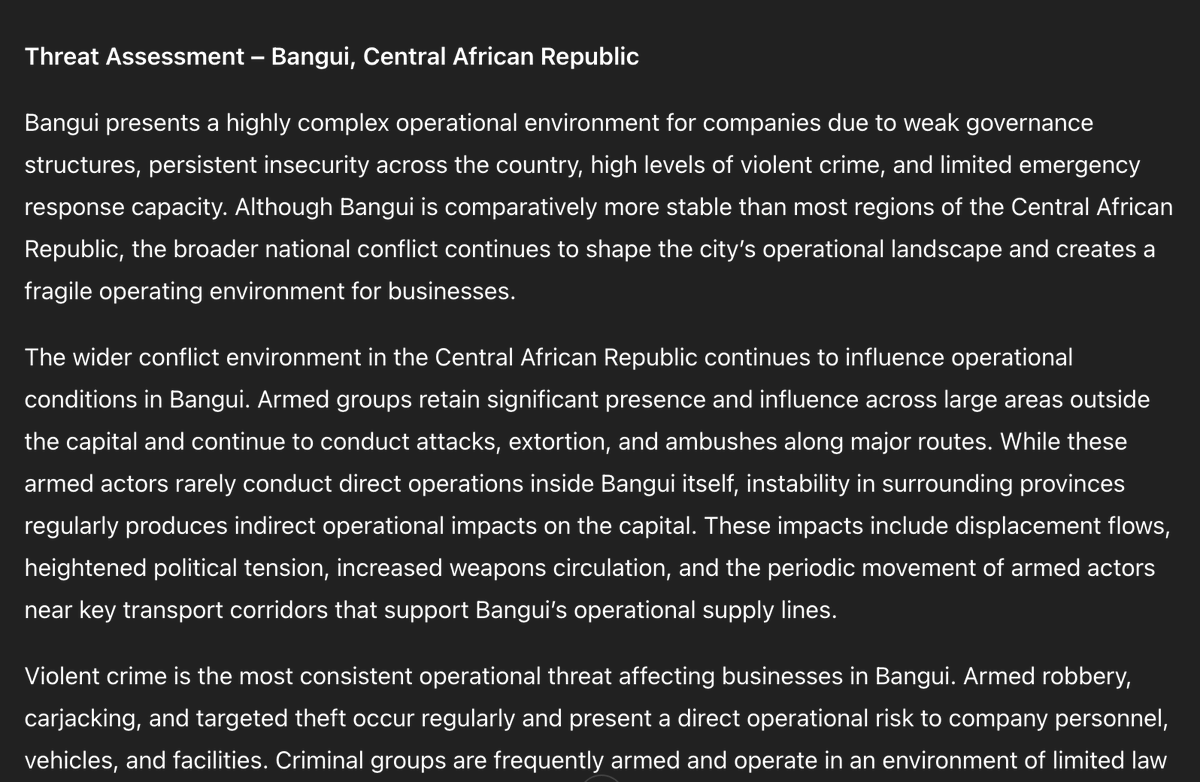
Why is AI now obsessed with fitting the word 'operational' into any sentence it can?
67
I don’t think I’ve ever met someone from ‘Delaware’. I swear it’s just for companies.
1
50
What's been going on with Claude? Have had many of these this week...
205
The most expensive mistake in executive & facility protection:
Letting a credible threat slip past your monitor.
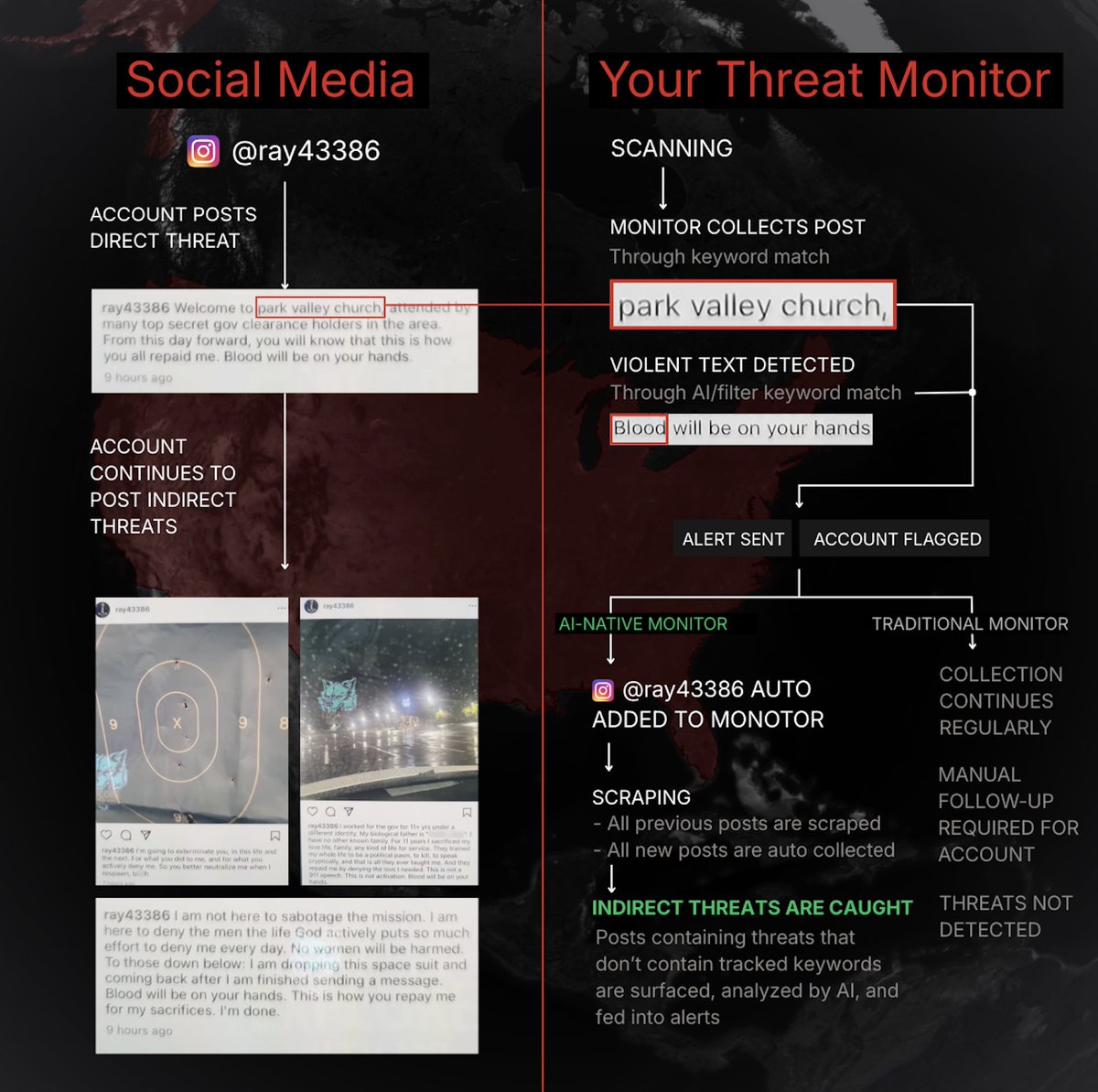
Keyword-based threat monitoring is broken by design. Flag a match, maybe run it through AI, send an alert. But threats don't announce themselves with your keywords.
Here's what almost every platform misses: an AI pipeline that adds accounts to your monitor before an alert is triggered. One low-risk but plausible post pulls the account's full history automatically. The AI finds what keyword matching never would—and flags it if it crosses the threshold.
If you don't have a pipeline like this, credible threats are slipping by.
1
61
It's obviously misdirected to go after the "Twitter randos" here - we should assume adversaries have far better OSINT capabilities than hobbyists.
But there's a valid point here, which goes like this: A hobbyist near a US military base spots an unusual aircraft movement and posts it to a small account. Then, a larger OSINT account picks it up and amplifies it.
Now that observation is distributed at scale where adversaries can monitor it in real time. State actors may not have assets positioned near every base, but they don't need to anymore - social media does that work for them.
The answer obviously isn't to ban OSINT, which is a laughably stupid thing to even type out and impossible, but to plan operations assuming this information is already out there and to stop acting like OSINT is some kind of major OPSEC leak.
Feb 15

👀 US AFCENT Chief of Weapons and Tactics, Maj. Claire Randolph talks about the complexity of maintaining OPSEC during June 2025 strikes on Iran, because of "Twitter Randos".
"You have twitter feeds of Randos that are just studying where our airplanes go and publishing it..."
1
76
Christopher Fitzgerald retweeted

OpenAI pulled the “creative stats” move again and no one even noticed.

1
3
1,212
If you conduct any kind of OSINT investigations, watch this.
Jan 27

OSINT investigations take too long and still miss critical intelligence.
Intrace fixes that.
2
77

11 Dec 2025
I've unlocked a 100% open rate for cold emails.
It works every time.
3
237
25 Nov 2025
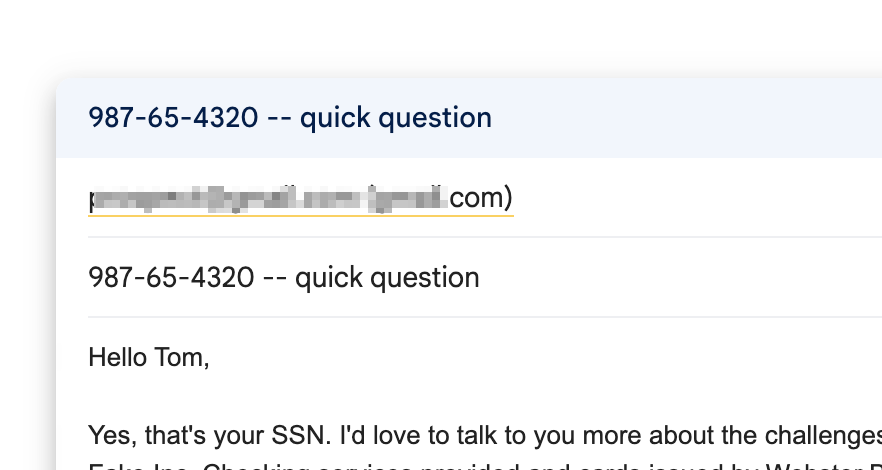
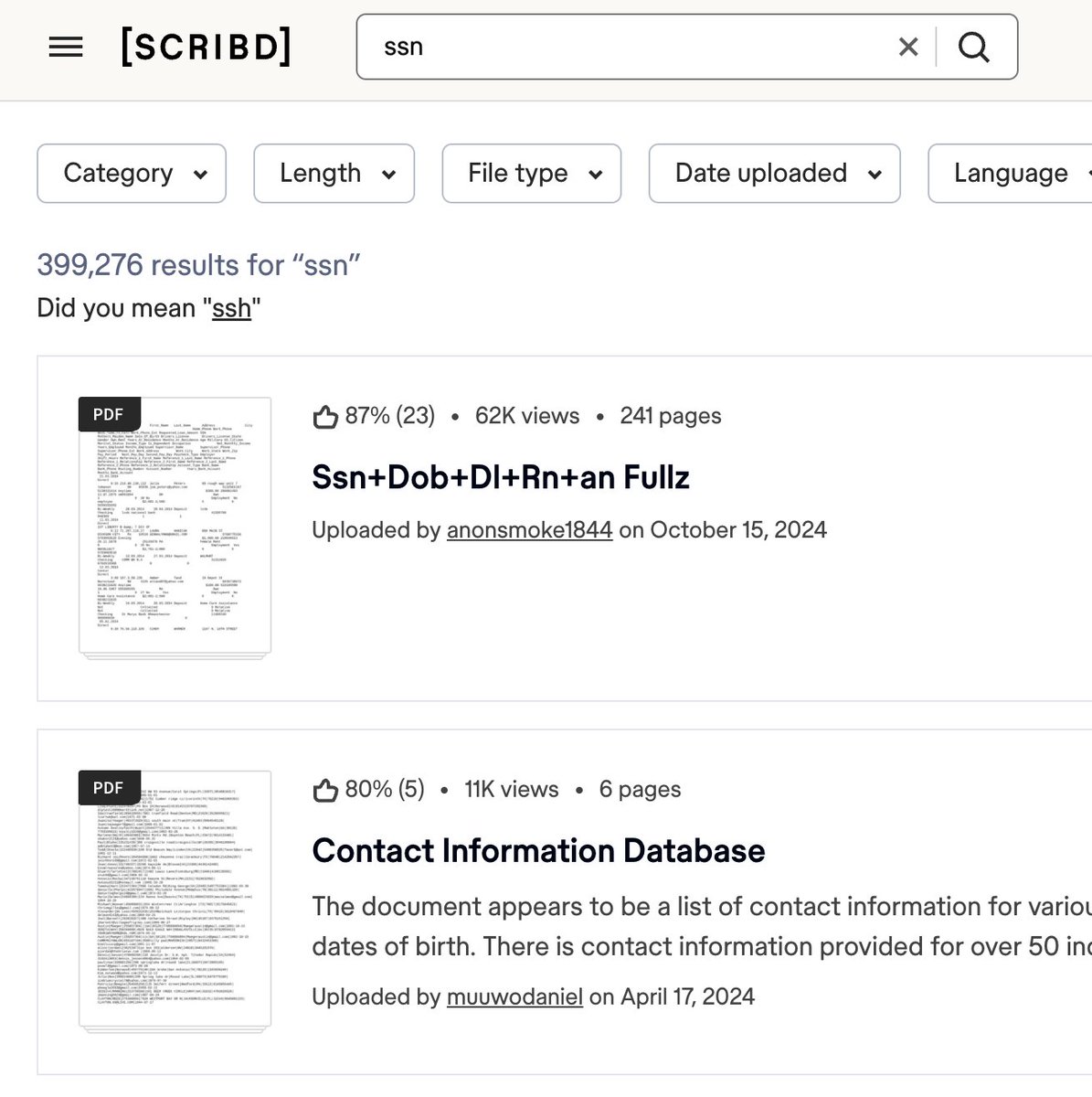
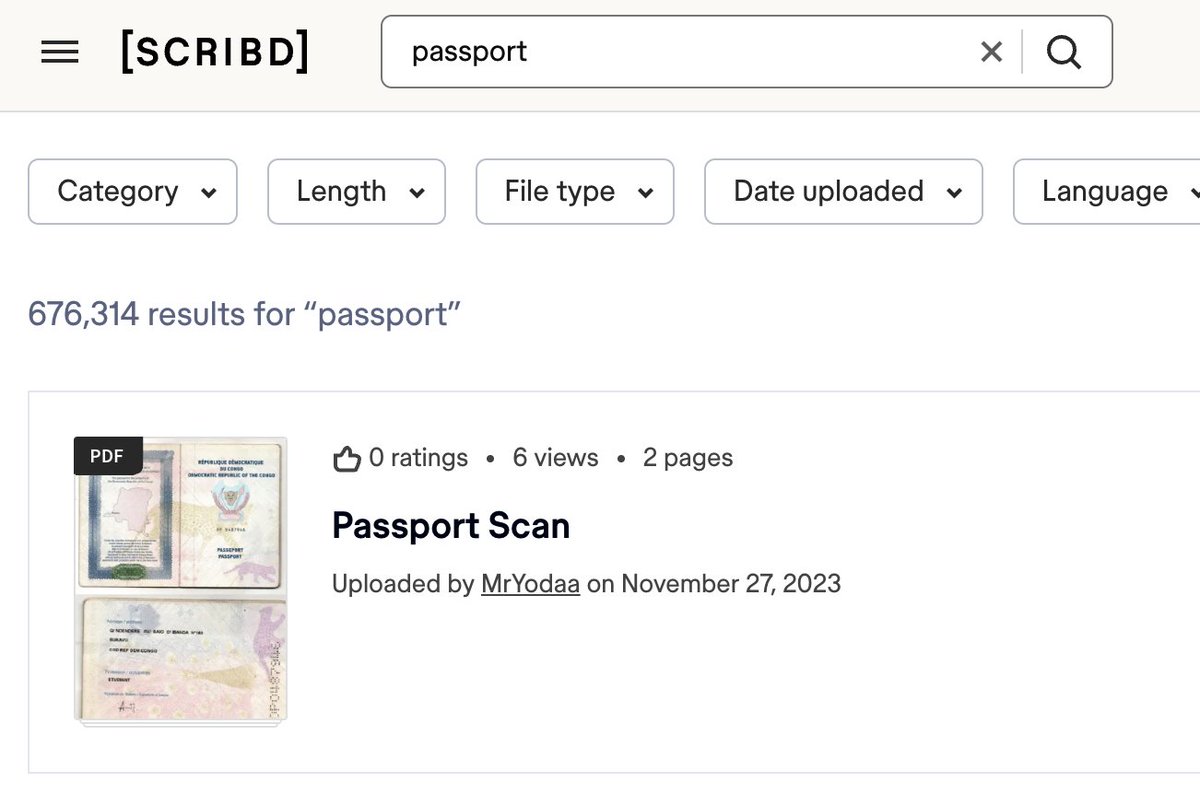
Scribbd has a diabolical amount of PII scattered across it...
1
1
268
22 Nov 2025
There are way too many people who eat double cheese burgers and fries for breakfast.
If you do, why? It’s not even like fast food is cheaper nowadays.
1
184
20 Nov 2025
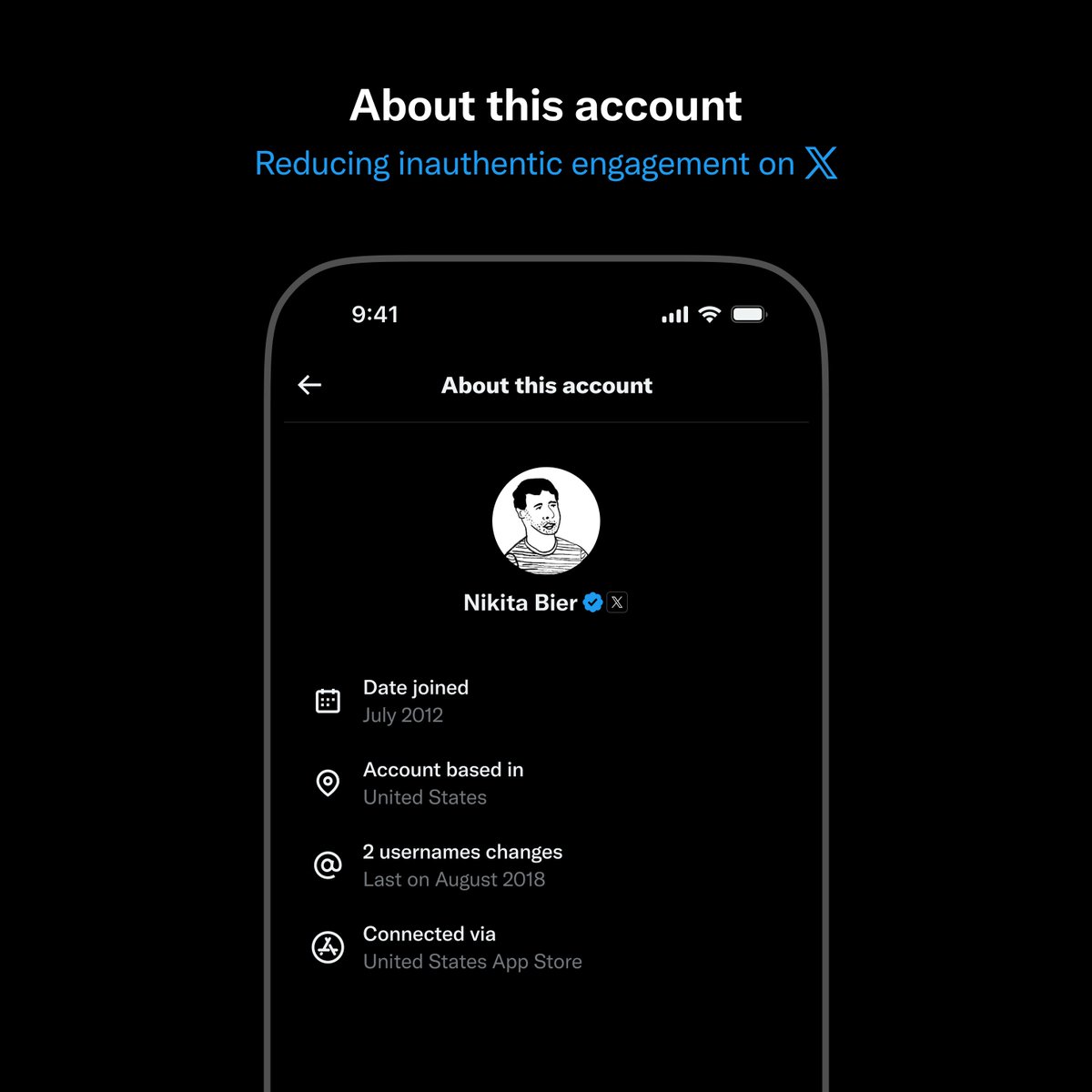
X’s addition of new data to profiles will present a massive opportunity for OSINT investigations.
So many POI and disinformation campaign investigations already hinge on small details like account creation times and historical updates, but being able to view someone’s true location will mean investigators can be far more confident in their findings/in cross-referencing information.
3
191
18 Nov 2025
I left Duke and moved to SF with Nicholas Van Landschoot to launch @IntraceAI, the modern, AI-native OSINT investigation platform that accelerates investigations from days to hours.
Every investigator I talk to, whether in corporate due diligence, threat intel, or law enforcement, says the same thing: they’re drowning in data.
Intel is scattered across social networks, breached records, public databases, and billions of web pages. Analysts are left to investigate using whatever tools they have and the data formats they’re familiar with.
Meanwhile, recent attacks on executives, facilities, and digital supply chains indicate that threat actors are multiplying in number and severity.
Intrace cuts the learning curve and accelerates critical investigations by giving analysts an intuitive, cross-domain OSINT platform in an industry still dominated by outdated tools.
It’s time to give analysts an unfair advantage with a platform that they enjoy using.
1
2
5
458
8 Nov 2025
This is what true osint looks like
7 Nov 2025

I installed mics at this bar and successfully captured and transcribed all of these private conversations. Got some really good stuff — will release transcripts soon.
1
174
27 Oct 2025
Getting good at OSINT pays off massive dividends both in and outside of work.
109
26 Oct 2025
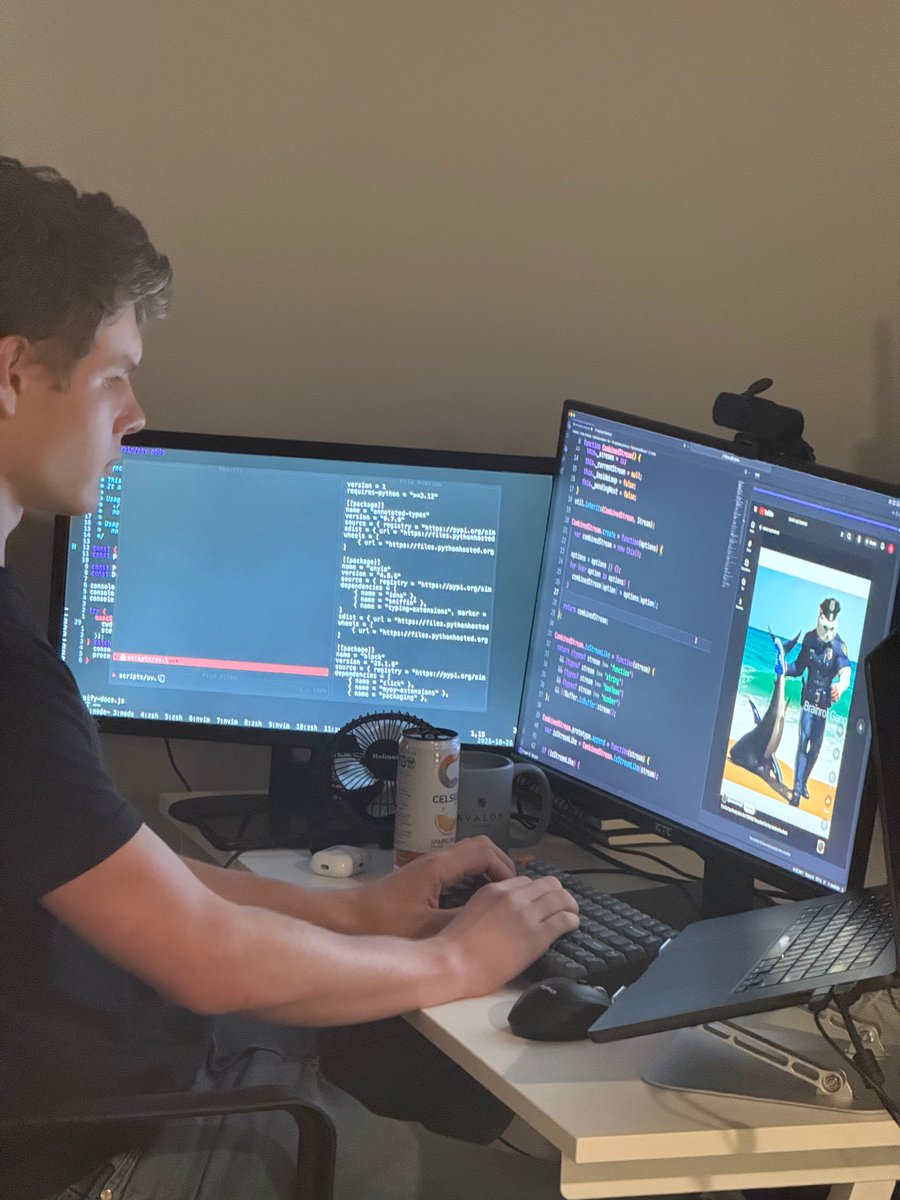
My cto went from using neovim to the yc brainrot IDE wtf
1
288
Christopher Fitzgerald retweeted

22 Jul 2025
90-seconds of footage from the Lake Michigan mansion retreat
dm me to come on the next
thanks to a16z @speedrun, @kamjamshidian, and @asylumventures
📸@JohnVFXofficial
29
17
111
17,224
7 May 2025
Met the CTO of a startup that just raised $12M on an elevator yesterday.
SF is wild.
4
223