
Joined August 2018
- Tweets 2,803
- Following 686
- Followers 524
- Likes 27,338
398 Photos and videos
















Idiotrobot retweeted

May 29
AI NFT = RUG
dont because its AI
because their founders are greedy
its about respect for community
quality arts takes time and money
many projects are just lazy
so we heard you, drew new traits, and record proof for you
1'666 REALLY HAND DRAWN DEMOONZ
are you with us? 👹
191
93
288
14,997
Idiotrobot retweeted

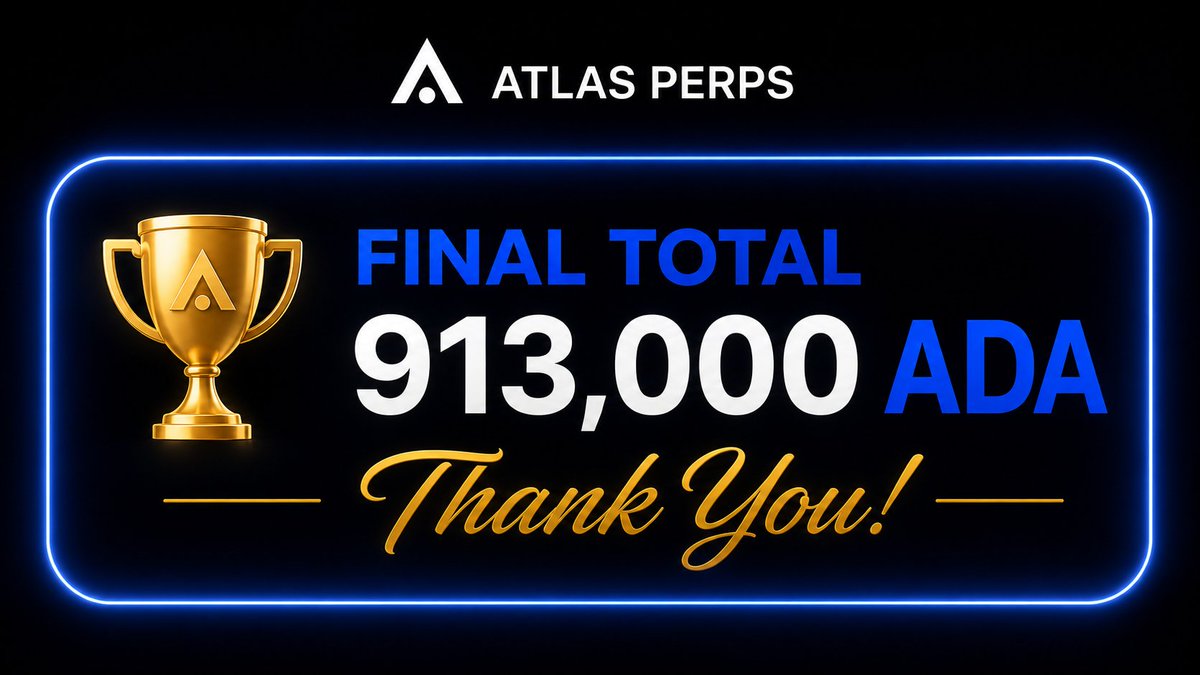
The Atlas Round 2 Presale has officially concluded.
Final amount raised: 913K ADA
To every single person who participated, supported, posted, tested, provided feedback, and believed in our vision, thank you.
Our focus now is simple:
• Deliver an exceptional mainnet launch and revenue generation ( estimation 8 weeks )
• Build Atlas into the core stablecoin and liquidity infrastructure for the ecosystem
•Launch Atlas Staking and activate the $ATLAS burn mechanism
We are incredibly grateful for the trust you have placed in us, and we do not take that responsibility lightly.
Perps szn!
Thank you.
— The Atlas Team
28
44
116
5,523
Idiotrobot retweeted
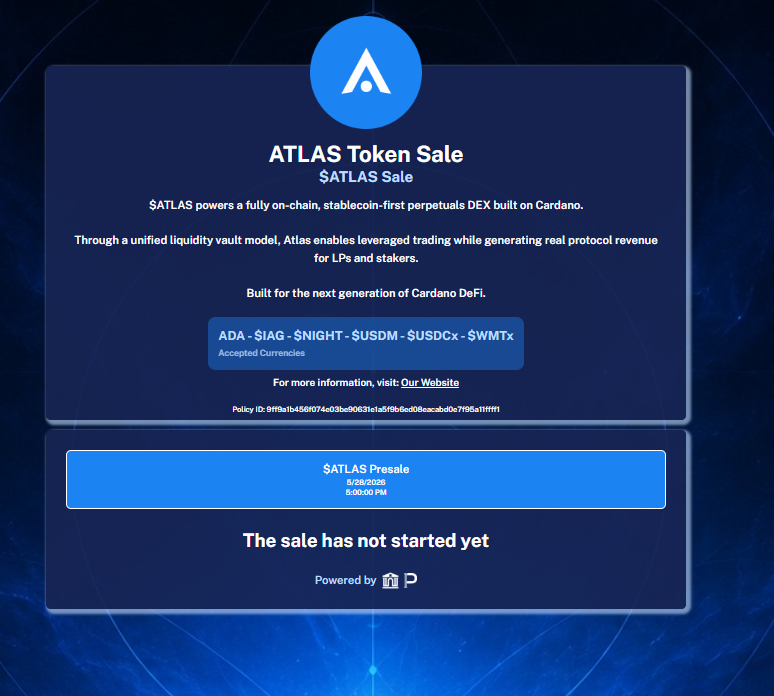
The $ATLAS presale is now LIVE!
Sale Portal: mints.yepple.io/atlas
Atlas is a decentralized perps DEX on Cardano, enabling leveraged long and short trading with stablecoin collateral and a unified liquidity pool.
Perps szn is here 👀
24
53
102
13,527
Idiotrobot retweeted

May 28
Sign up : trixatelier.com/voidregistra…
repost the film, tag two friends
get your free 50,000 $VOID
and HOLD
27
24
40
1,631
Idiotrobot retweeted
May 27
They're closing down the prison library so, here's the trailer to the docu good blocked (and not yet blocked) folks of Cardano.
I'll drop that $VOID in those wallets tomorrow after yard time. Don't forget to share it.
56
48
93
4,839

The Atlas testnet has been a massive success.
Nearly 200M in volume.
1.3M in generated fees.
Constant stress testing, feedback and rapid iteration from the team.
This proved something important:
Perps are the killer product and we are just getting started.
This team is hungry, ambitious and fully focused on building one of the biggest DeFi products in the ecosystem.
See you all tomorrow at the presale 🤝 @ATLAS_DEFI_
6
28
57
928
Idiotrobot retweeted
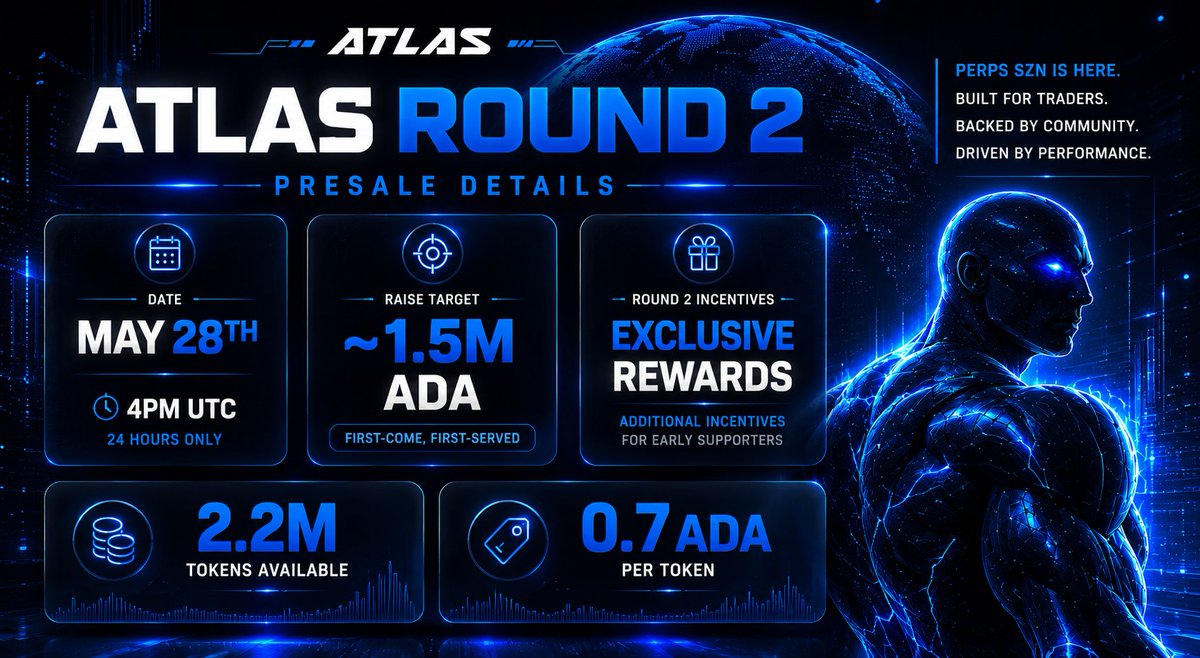
ATLAS ROUND 2
Date and time
-May 28th
-4PM UTC
-24 Hours Only
Token Price & Supply
• 2.2M $ATLAS available
• Price: 0.7 ADA
• First-come, first-served
• ~1.5M ADA target raise
Founding Participant Program
Round 2 participants will unlock additional ecosystem benefits based on participation level, including:
• Trading fee reductions
• Staking reward boosts
• Future Atlas Points allocations 👀
See you Thursday.
Perps szn is here.
20
55
88
10,729
Idiotrobot retweeted
Eternl Wallet support is now LIVE on Atlas Test-net!
If you are using Eternl on mainnet, simply switch your wallet network to Preprod and jump in.
The response to test-net so far has been incredible:
• $10M volume
• growing open interest
• real traders stress testing the platform
Perps season is here.

3
17
37
1,031
Idiotrobot retweeted
ATLAS PUBLIC TESTNET IS NOW LIVE
Trade BTC, ETH, ADA, XRP & SNEK with leverage on Cardano’s fully on-chain perpetuals exchange.
🔹 Stress test the platform
🔹 Compete on the leaderboard for rewards
🔹 Share content and earn rewards
🔹 Help shape Atlas before mainnet
🔹 Test vault deposits & withdrawals
🔹 Stake and burn $ATLAS to experience the system mechanics
Start trading:
preprod.atlasdefi.org/perpet…
Landing page:
atlasdefi.org/
Docs:
docs.atlasdefi.org/
Perps szn starts now.
41
85
197
11,702


Atlas will create new demand for stablecoins in Cardano and contribute to greater diversity across the ecosystem🚀

ATLAS: A Stablecoin-First Perpetuals DEX on Cardano
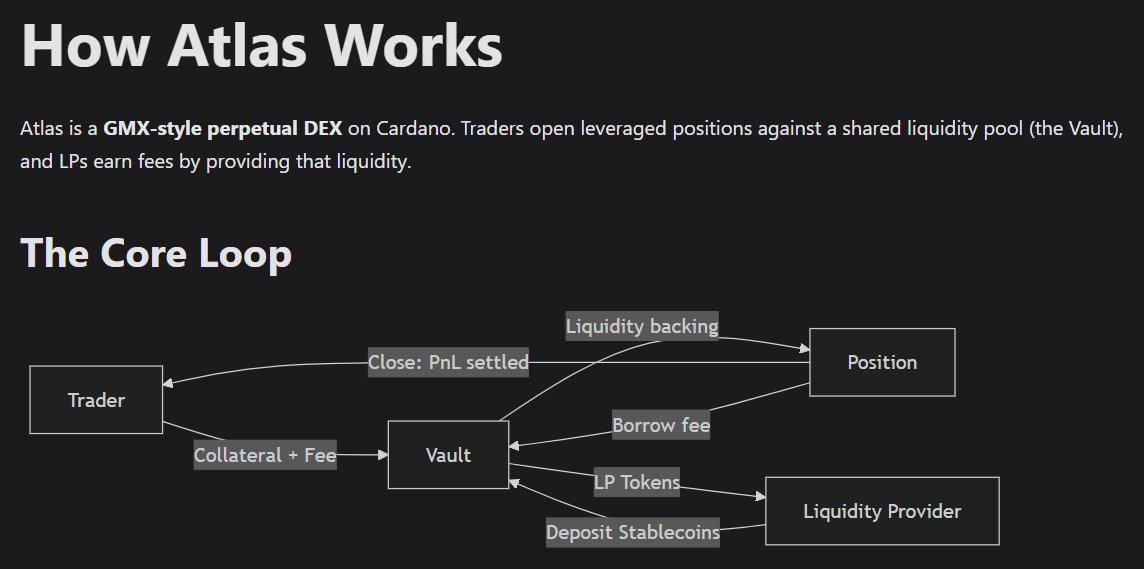
1⃣Atlas is a next-generation perpetual futures exchange built on Cardano, designed to enable scalable, capital-efficient trading through a unified liquidity model.
At its core, Atlas replaces fragmented, asset-specific collateral models with a unified stablecoin collateral system. Users deposit stablecoins such as USDCx, USDM, or USDA, which act as the base layer for all trading activity.
This removes exposure to unrelated asset volatility and ensures that protocol liabilities remain consistently matched with underlying collateral.
All trading is executed against a shared liquidity vault, rather than relying on traditional order books or external market makers. This removes dependency on fragmented liquidity and enables consistent execution backed by pooled capital.
The vault aggregates capital into a single pool, allowing users to open long or short positions across multiple assets — including ADA, BTC, ETH, XRP, and SOL — using the same underlying liquidity.
2⃣Core Design
Atlas is built around a unified stablecoin collateral system.
Users deposit stablecoins such as USDCx, USDM, and USDA, which act as the base layer for all trading activity.
Instead of fragmented liquidity or asset-specific collateral, all capital is aggregated into a single shared vault. This allows users to trade multiple assets — including BTC, ETH, ADA, XRP, and SOL — using the same underlying liquidity.
Here is your **refined intro post**, built from your whitepaper but structured for clarity, conviction, and control — without opening unnecessary technical debates:
3⃣Why This Matters
Most DeFi systems rely on volatile collateral, which introduces inefficiencies and hidden risk.
Atlas standardises its system around stablecoins, ensuring:
* Consistent and predictable collateral value
* Reduced exposure to unrelated market volatility
* Unified liquidity across all markets
* More efficient use of capital
This creates a more stable and scalable foundation for derivatives trading.
4⃣How It Works
Atlas operates through a shared liquidity vault:
* Users deposit stablecoins into the system
* Traders use that liquidity to open long or short positions
* Profits and losses are settled against the vault
* Liquidity providers earn yield from trading activity
5⃣Revenue & Value Flow
Atlas is designed around real, usage-based revenue:
* The protocol earns from **position opening fees**
* Liquidity providers earn from **borrow fees and trader losses**
As trading activity increases, both protocol revenue and LP yield scale with platform usage.
6⃣Core Advantages
Unified Liquidity
One shared pool enables deeper and more efficient markets
Capital Efficiency
Stablecoin collateral can be deployed across multiple markets
Simplified Market Structure
No reliance on fragmented liquidity or external market makers
Scalable Design
New markets can be added without requiring additional liquidity pools
7⃣Economic Flywheel
Atlas is designed as a self-reinforcing system:
- More traders → higher trading volume
- Higher volume → more fees generated
- More fees → higher LP yield and protocol revenue
- Higher returns → more liquidity enters the system
- More liquidity → deeper markets and better execution
- Better execution → attracts more traders
Atlas transforms stablecoins from passive assets into a continuous revenue-generating engine, driven by real trading activity.
Perpetual trading is one of the most profitable sectors in DeFi, and Atlas is designed to push the model forward on Cardano
Over the coming weeks, we’ll be releasing more detailed information, including the whitepaper, outlining what we’re building and the scale of the opportunity.
We are already in active discussions with the leading Cardano stablecoins — USDCx, USDA, and USDM
The ticker is $ATLAS
1
9
42
1,178
Idiotrobot retweeted

Mar 20
🚨 #BREAKINGNEWS Its appears Speaker Mike Johnson caught on hot mic that The Save Act would result in 12% to 18% voter turnout. Saying that would be huge for the Republican Party. The Save Act is a voter suppression bill. Not elections security.🚨
1,579
14,420
23,000
562,707
This is the moment to show up for builders.
If you can’t walk the walk, don’t talk the talk. 🔥
Mar 13

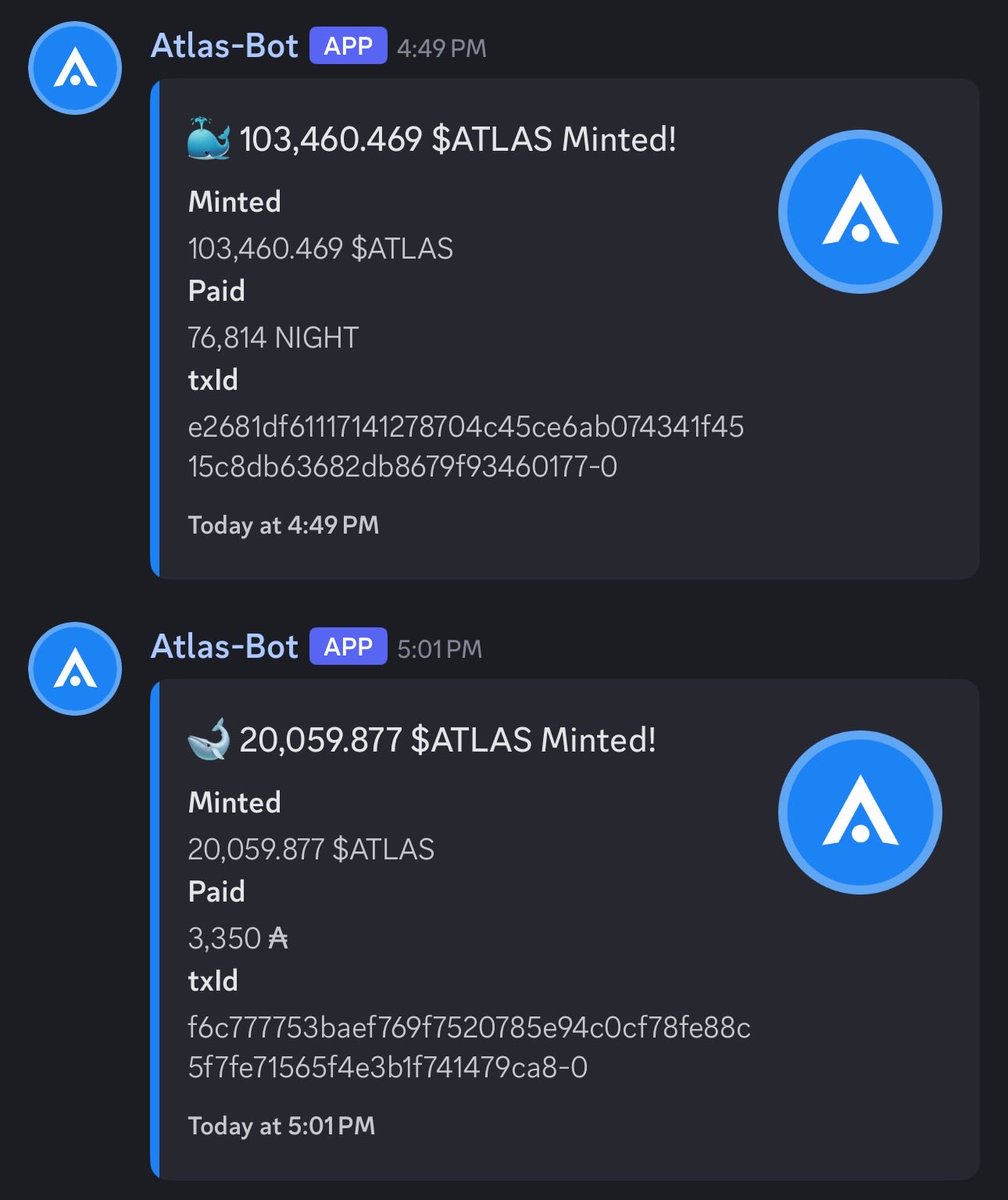
Some great @ATLAS_DEFI_ buys rolling in. Final 24 hours friends. Let’s support the Cardano builders that don’t leave and execute. 🥃
1
4
30
628
Idiotrobot retweeted
Atlas Presale Update —Final 24 Hours
With 24 hours remaining, the Atlas presale has already raised 260K ADA from early supporters!
Atlas will move forward regardless of the final amount raised. The protocol is being built.
This presale represents Phase 1 of Atlas funding.
Any unsold tokens will remain in the treasury and may be distributed in future funding phases as the protocol grows.
Our Phase 1 target is 500K ADA, which allows us to fully build and deliver the Atlas Yield Trading platform.
For those waiting on the sidelines, this is the final window to enter at presale pricing before future rounds.
Atlas is being built with one goal: Create a profitable DeFi protocol that delivers real value to its users and investors. 24 hours remaining.
Mint using the link below 👇
pillar.bankerlabs.io/atlas
1
26
47
2,468
If you believe this ecosystem still has a future, now is the time to support the builders.
We’re going USDCx cross-chain heavy with this.
The opportunity is massive.
Come and build with us.
$ATLAS
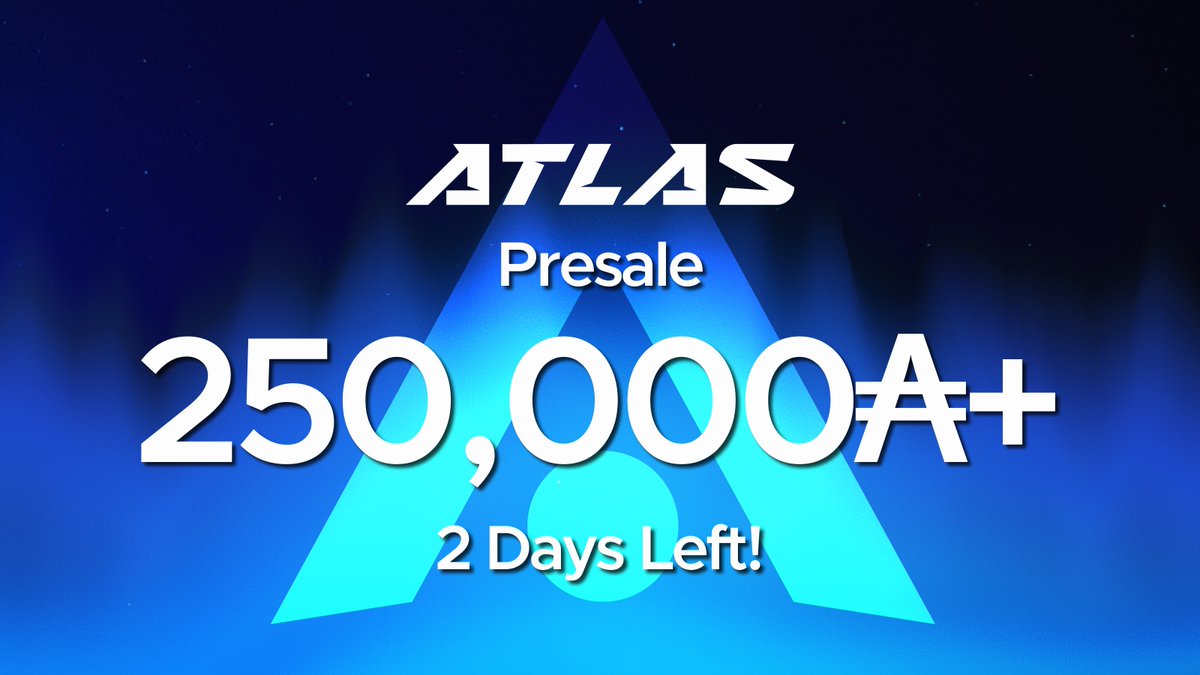
We’ve reached 250K raised so far, with 48 hours remaining.
The support from the community has been incredible. 🙏
The vision is simple:
Build a profitable DeFi platform.
You can participate using the mint link below:
🔶 pillar.bankerlabs.io/atlas
Accepted currencies:
👉 ADA
👉 IAG
👉 NIGHT
👉 USDCx
👉 USDM
1
12
42
668
GM!
@ATLAS_DEFI_ presale is making great progress, 3 more days to go 🙌
If you believe Cardano DeFi deserves real businesses and not endless Catalyst grants, now is the time to show it.
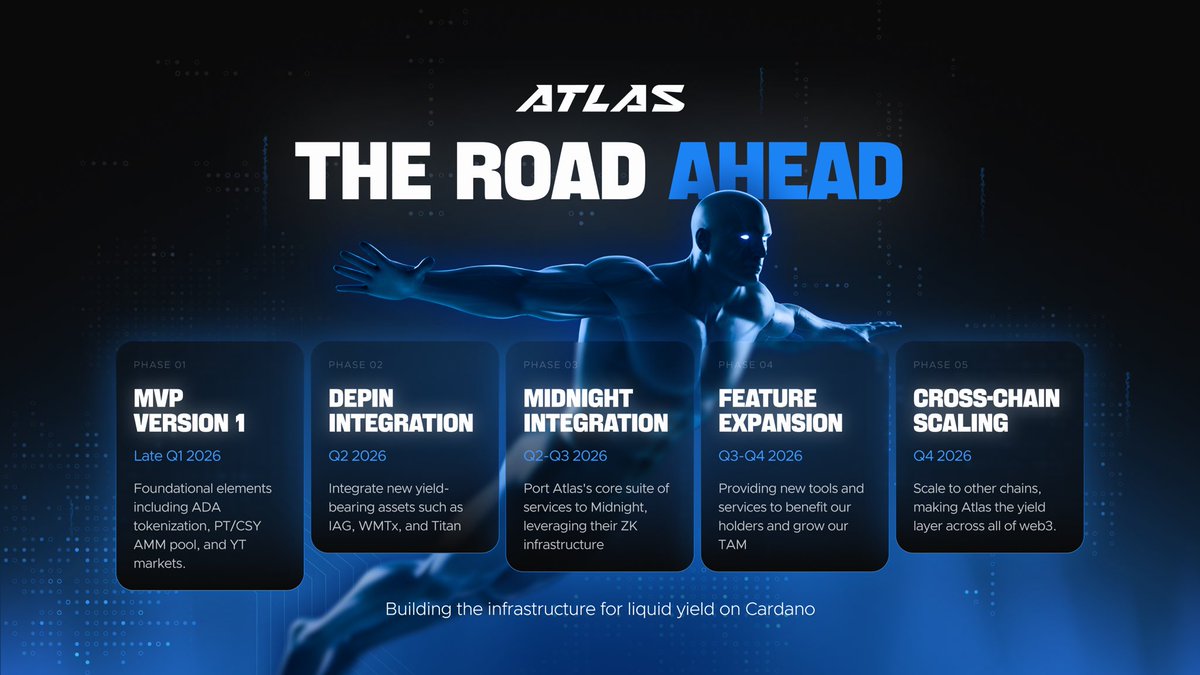
Atlas is building the command centre for DeFi on Cardano — yield trading perpetuals aggregation with privacy via Midnight.
Let’s prove this ecosystem backs its builders.
1
16
42
493
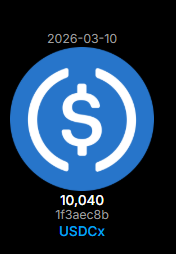
Over $100K raised in the first 15 minutes of the $ATLAS presale @ATLAS_DEFI_
Let that sink in.Cardano DeFi is very much alive.
Even better we are already seeing USDCx being actively used in the sale, exactly the kind of on-chain liquidity the ecosystem needs.
WE ARE SO FUCKING BACK 🔥
12
23
83
1,548
Idiotrobot retweeted
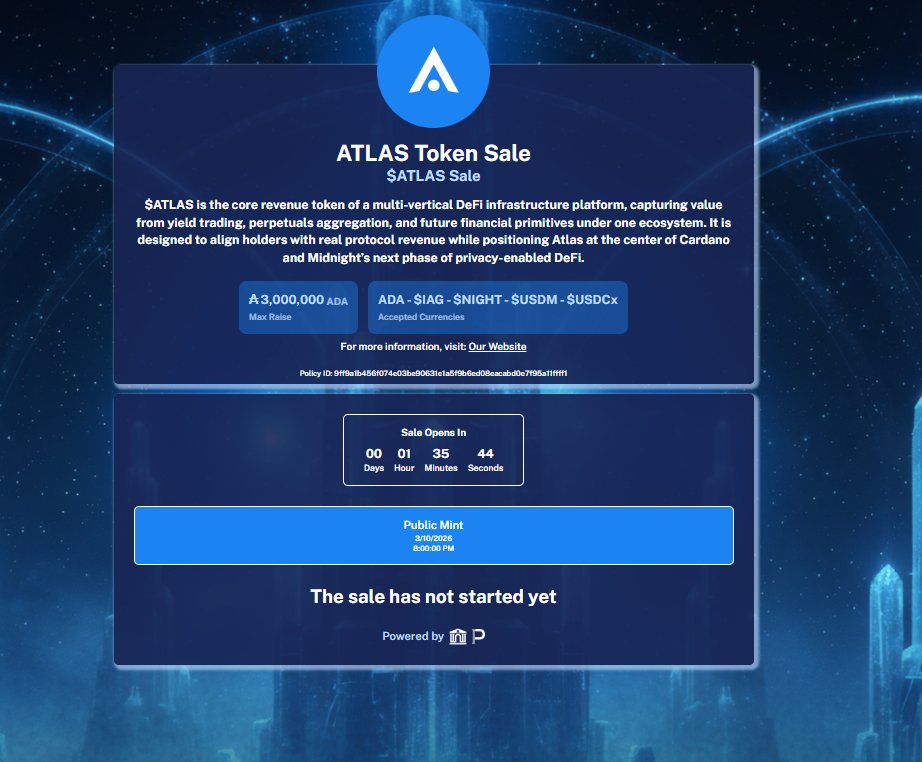
2 hours until the $ATLAS presale begins.
This is one of those moments.
The kind where we look back in a year and say
“that was the beginning.”
Atlas isn’t just another token.
It’s a multi-vertical DeFi platform built to bring:
• Yield markets
• Perpetuals aggregation
• Real revenue generation
Built by proven builders.
No grants.
No handouts.
If we succeed tonight, we prove something important:
Cardano DeFi has a future.
See you at the presale.
$ATLAS
4
15
37
1,834
Idiotrobot retweeted
Months of building.
Late nights.
Real development.
Now it’s time.
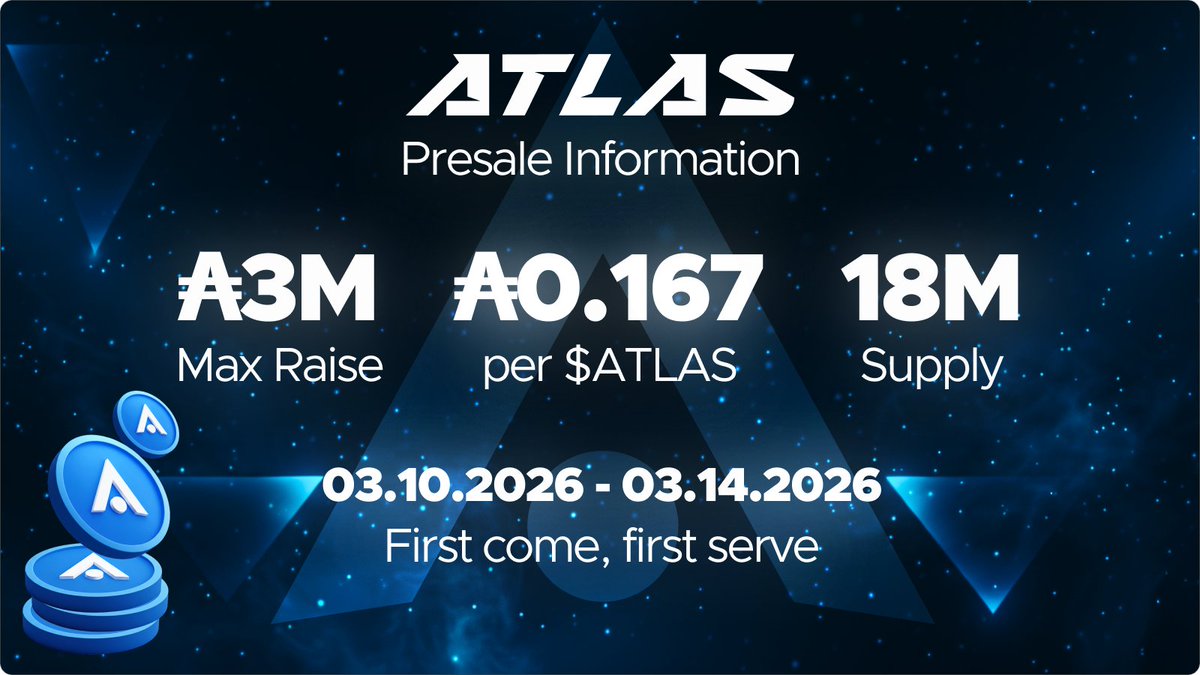
$ATLAS Presale
• Max Raise: ₳3M
• Price: ₳0.167
• Supply: 18M $ATLAS
📅 March 10, 20:00 UTC — March 14, 20:00 UTC
⏱ First-come, first-served. Once it fills, the sale closes.
Atlas is building,
• Perps Aggregator
• Yield Trading Markets
• Future DeFi verticals.
Built for Cardano → Midnight → Cross-chain.
Similar protocols on other chains have raised tens of millions.
Now it’s Cardano & Midnight's turn to show up.
If we succeed in this market, imagine the upside when conditions improve.
See you at launch.
28
50
92
7,915
3 hours.
The $ATLAS presale begins.
Yield markets.
Perps aggregation.
Built for Cardano Midnight.
We’re building a real DeFi business.
See you at the presale. 🔥
@ATLAS_DEFI_

2
10
33
559