
The Clean Cooling Network is a global programme to understand cooling and cold-chain as critical national infrastructure.
Joined July 2025
- Tweets 143
- Following 148
- Followers 57
- Likes 49
91 Photos and videos

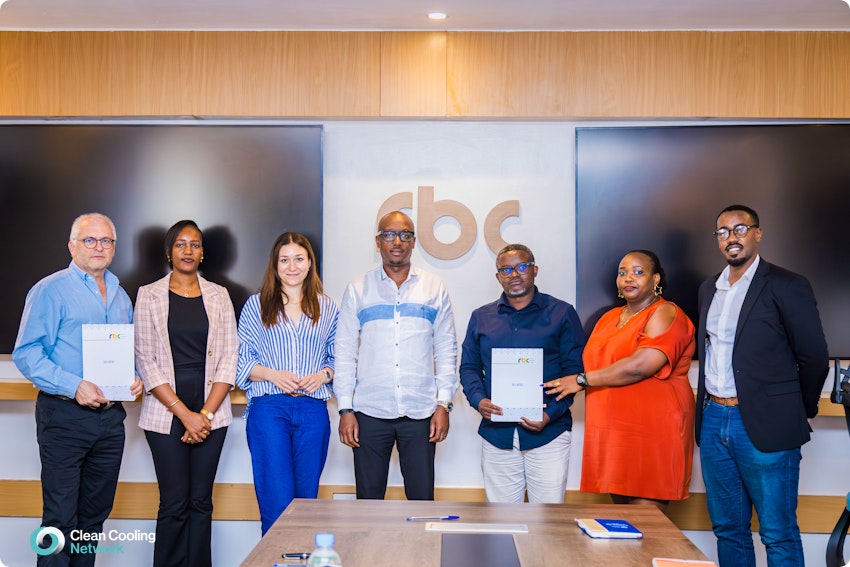
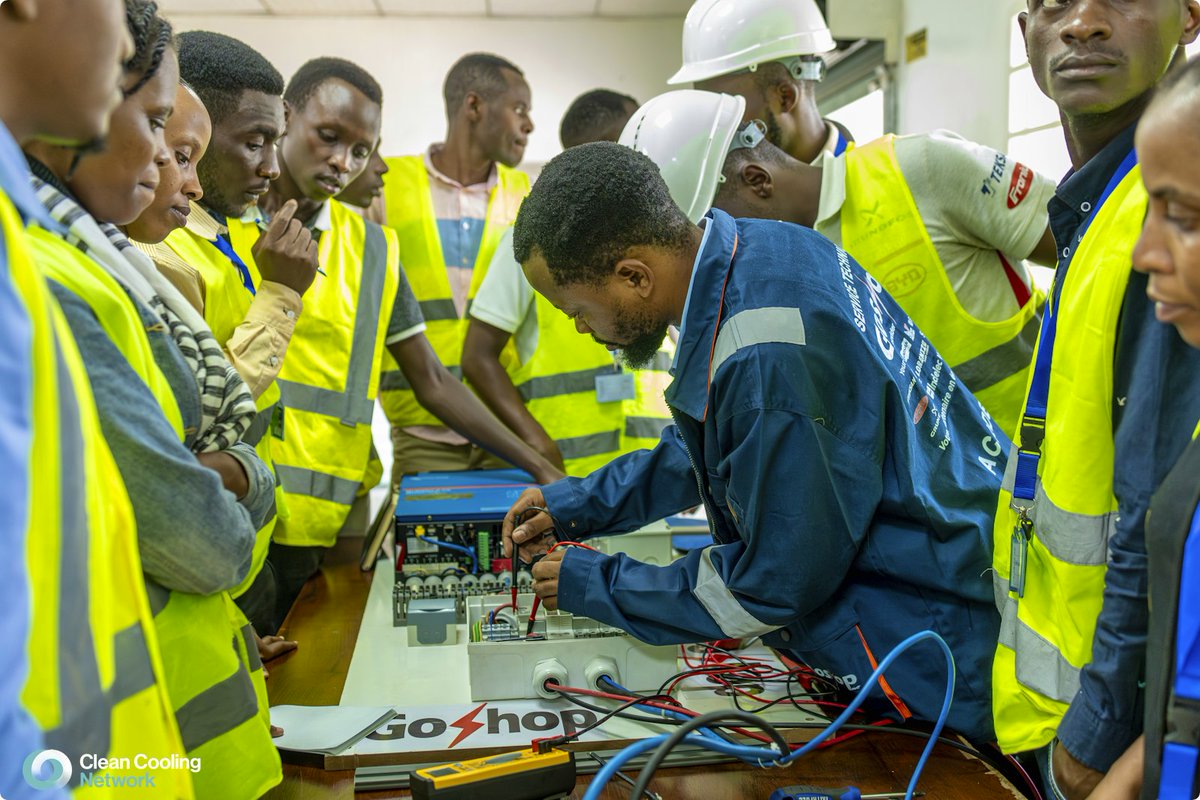


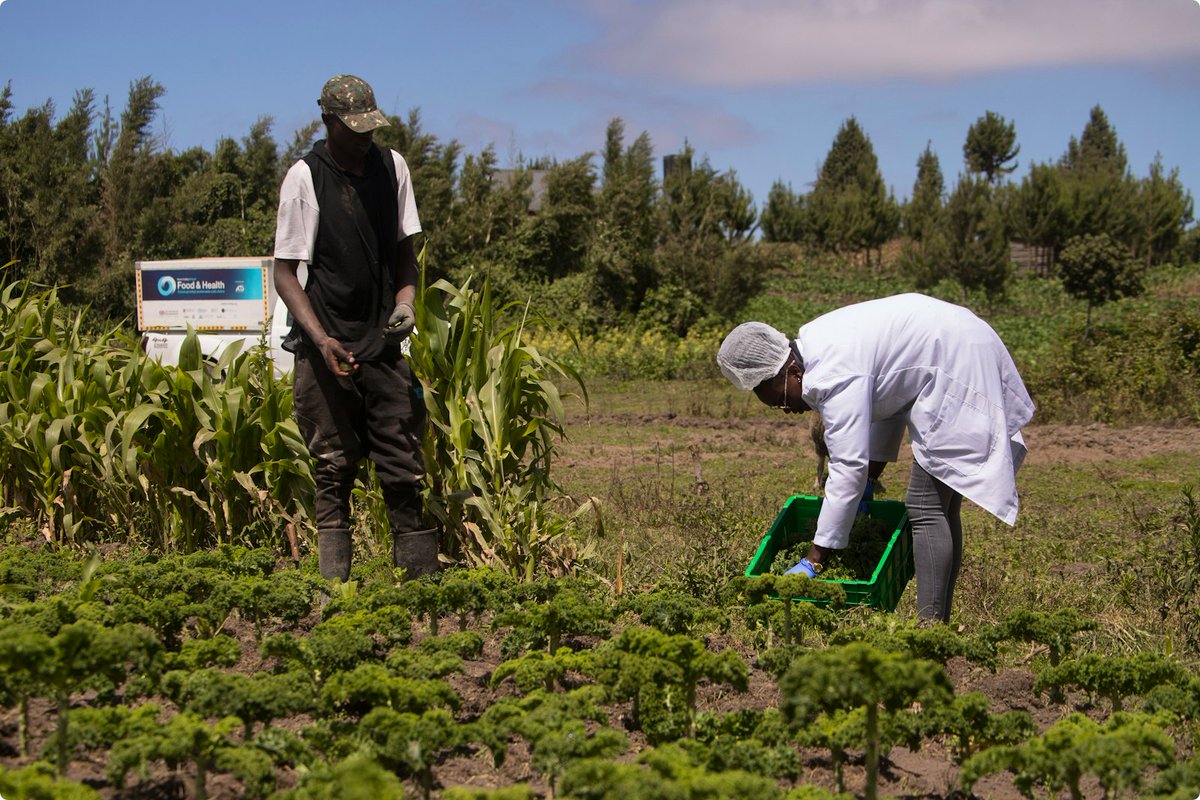
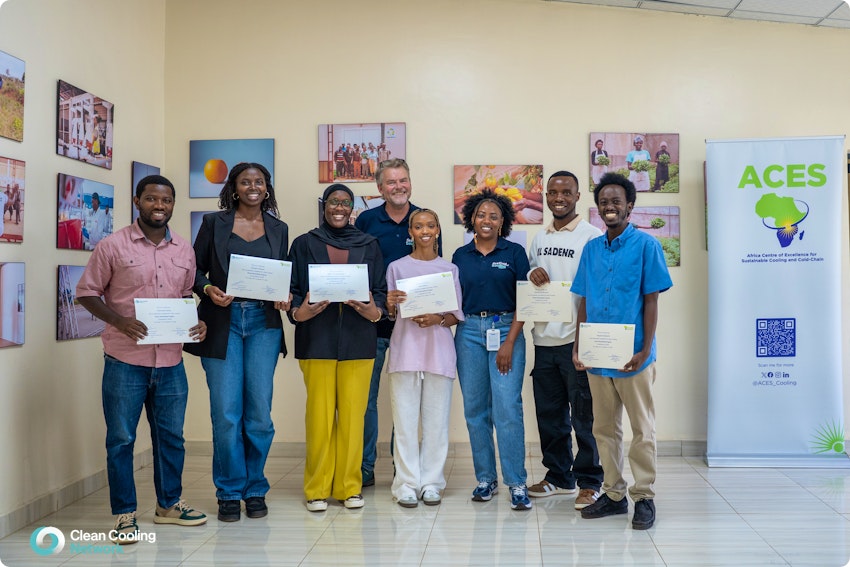
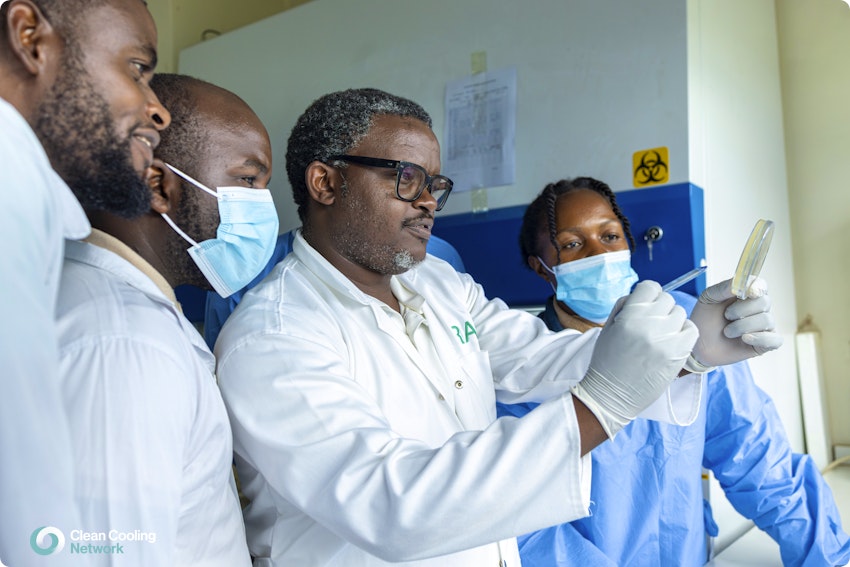

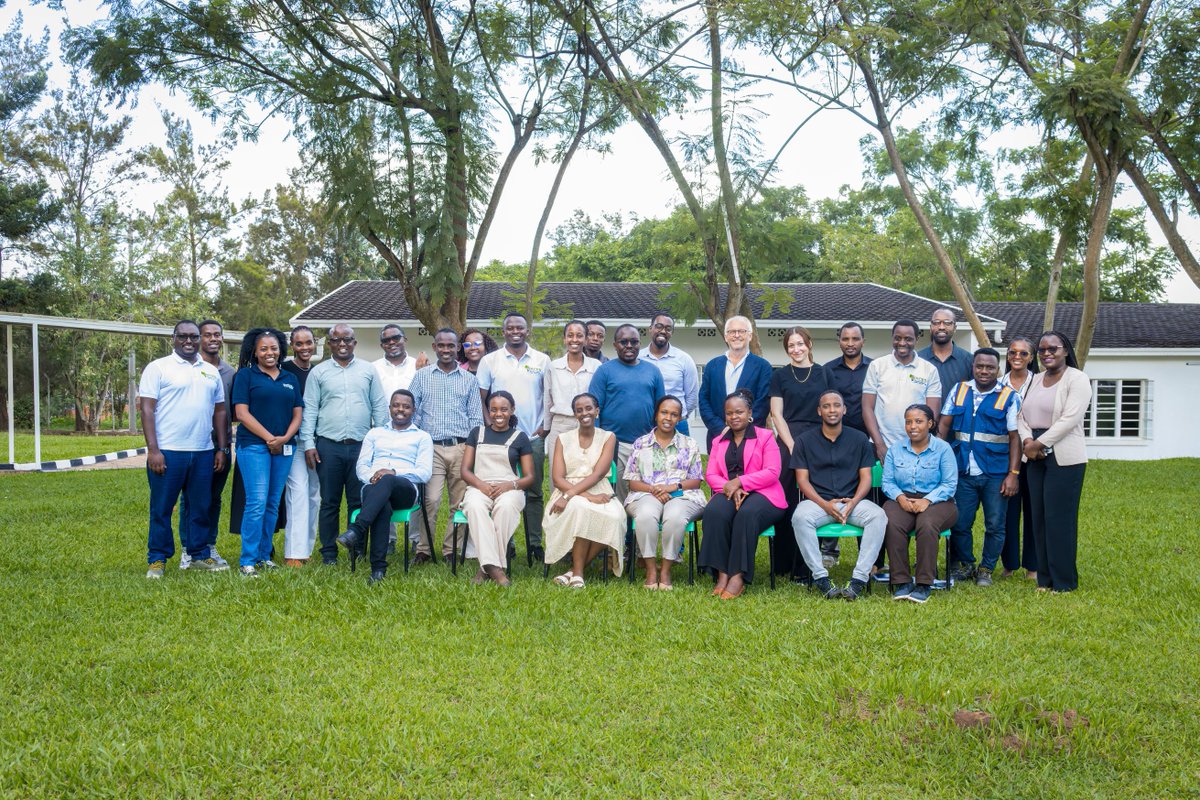
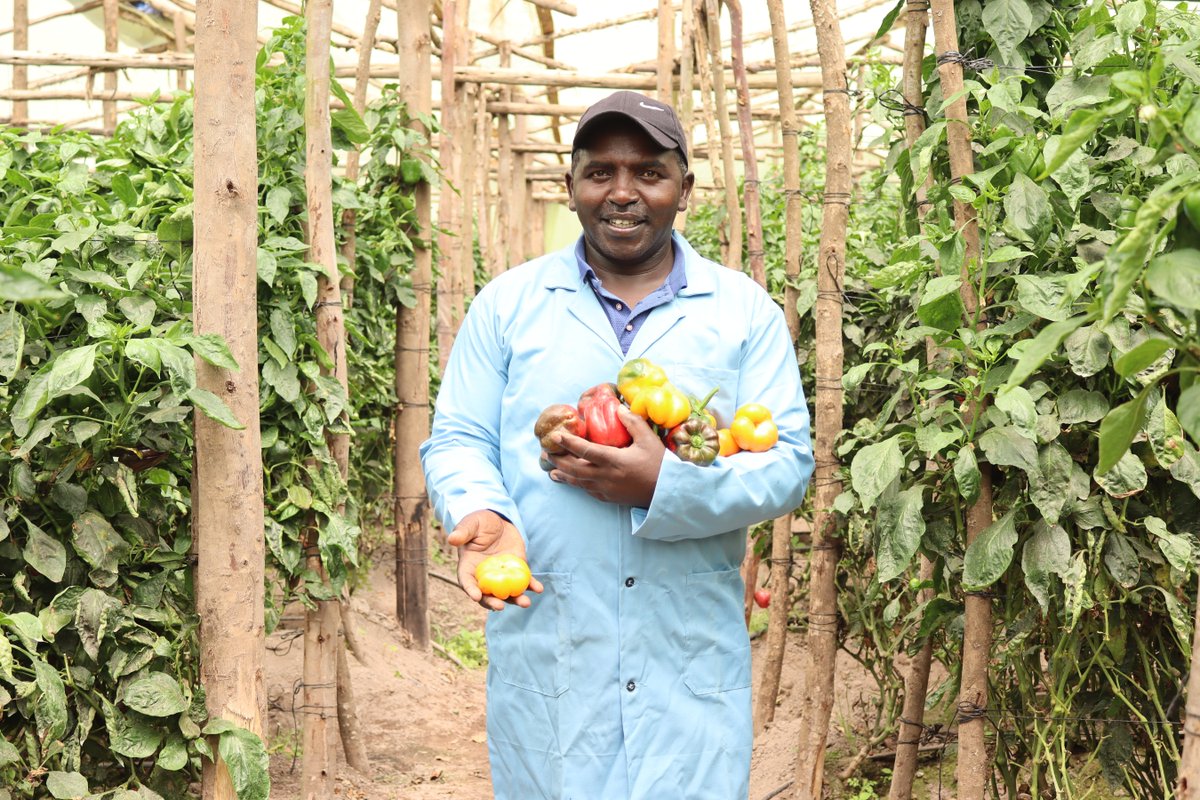

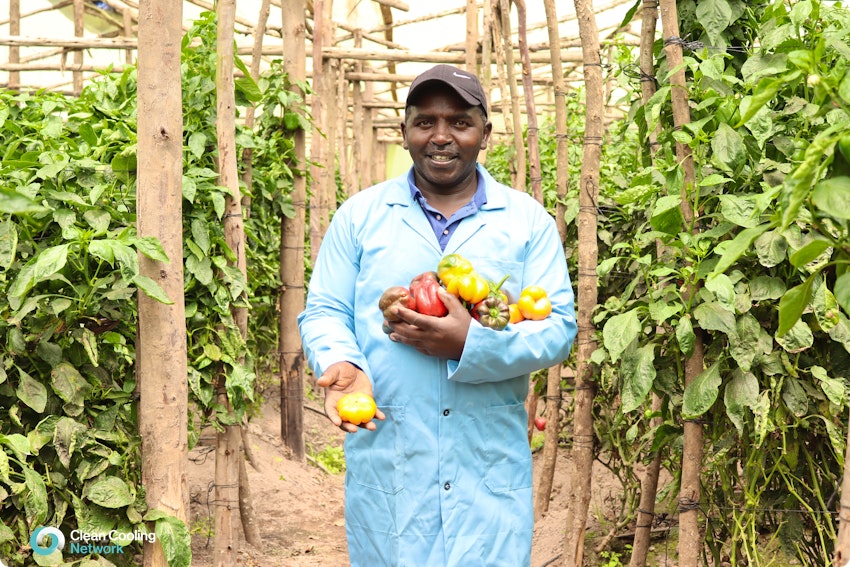
Application deadlines due this Friday:
1) Foundation in Cold-Chain
2) Cold-chain for Global Health
3) Essentials in Brazing Techniques for Refrigeration Systems
4) Essentials course on Phase Change Materials (PCMs)
Visit the CCN Academy to apply: cleancooling.org/academy
2
4
336
Clean Cooling Network retweeted

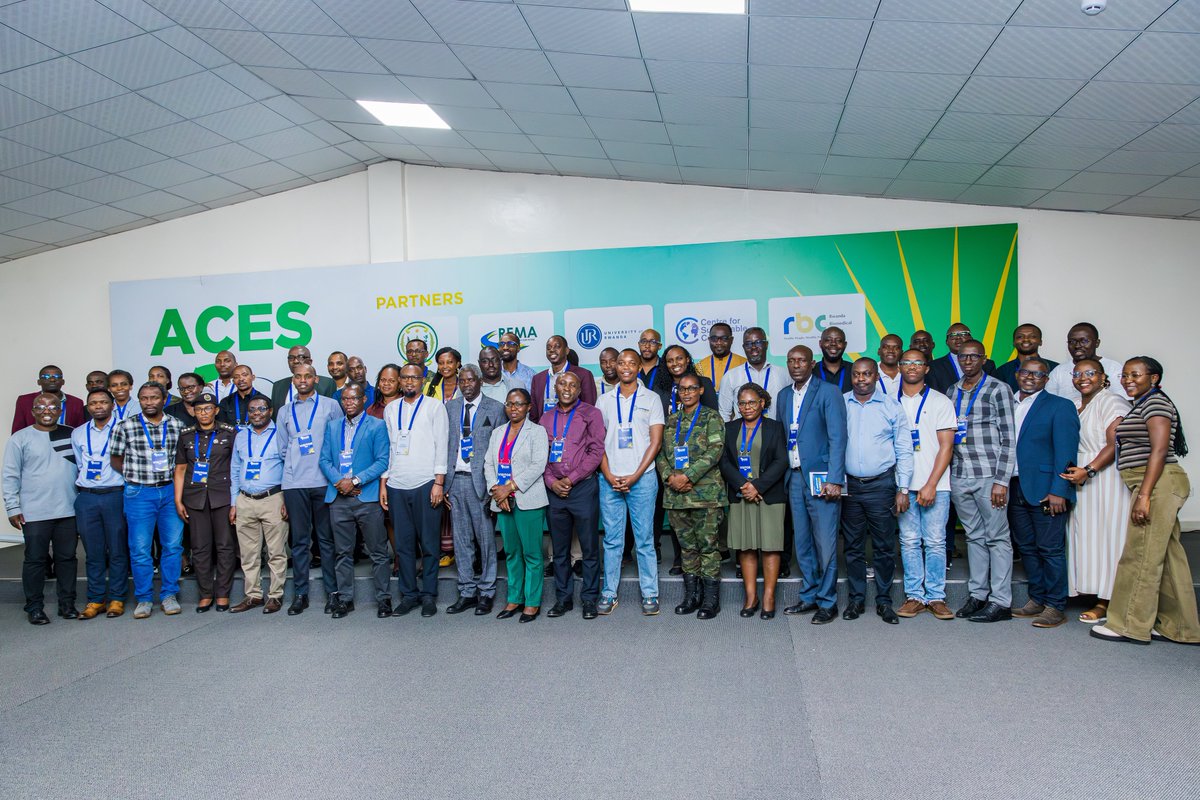
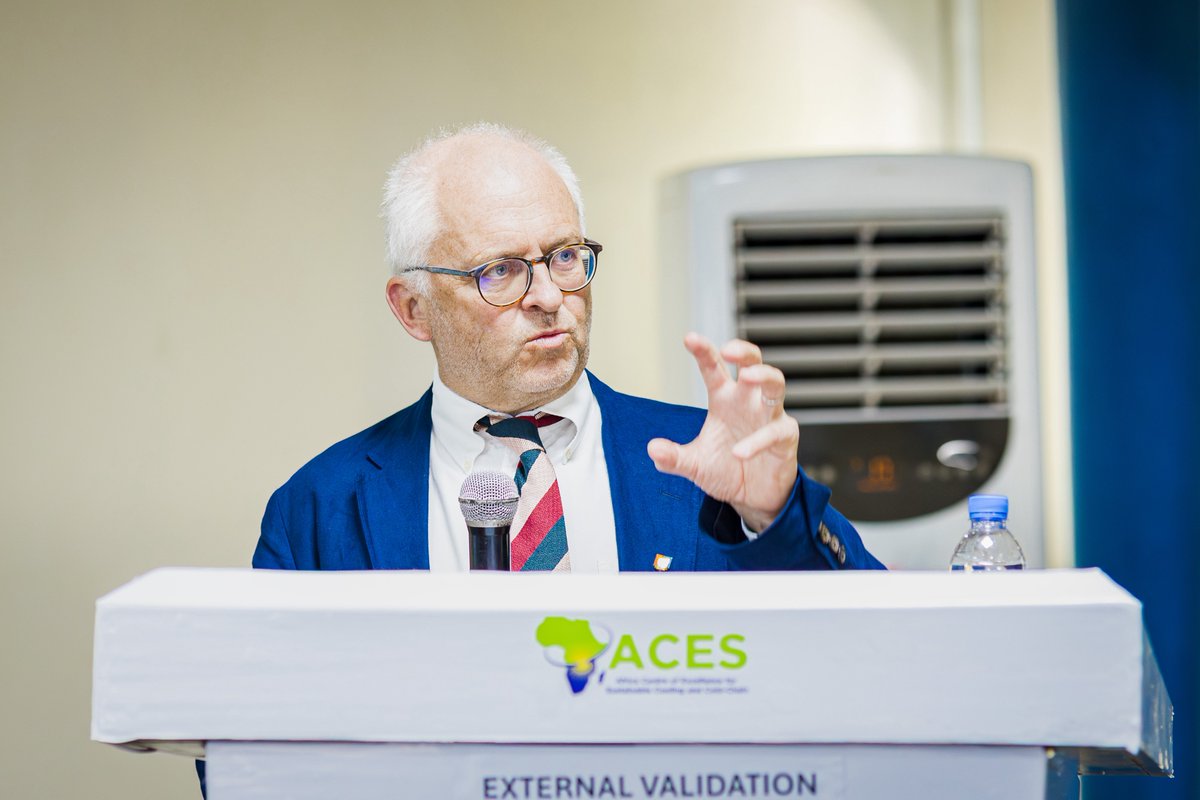
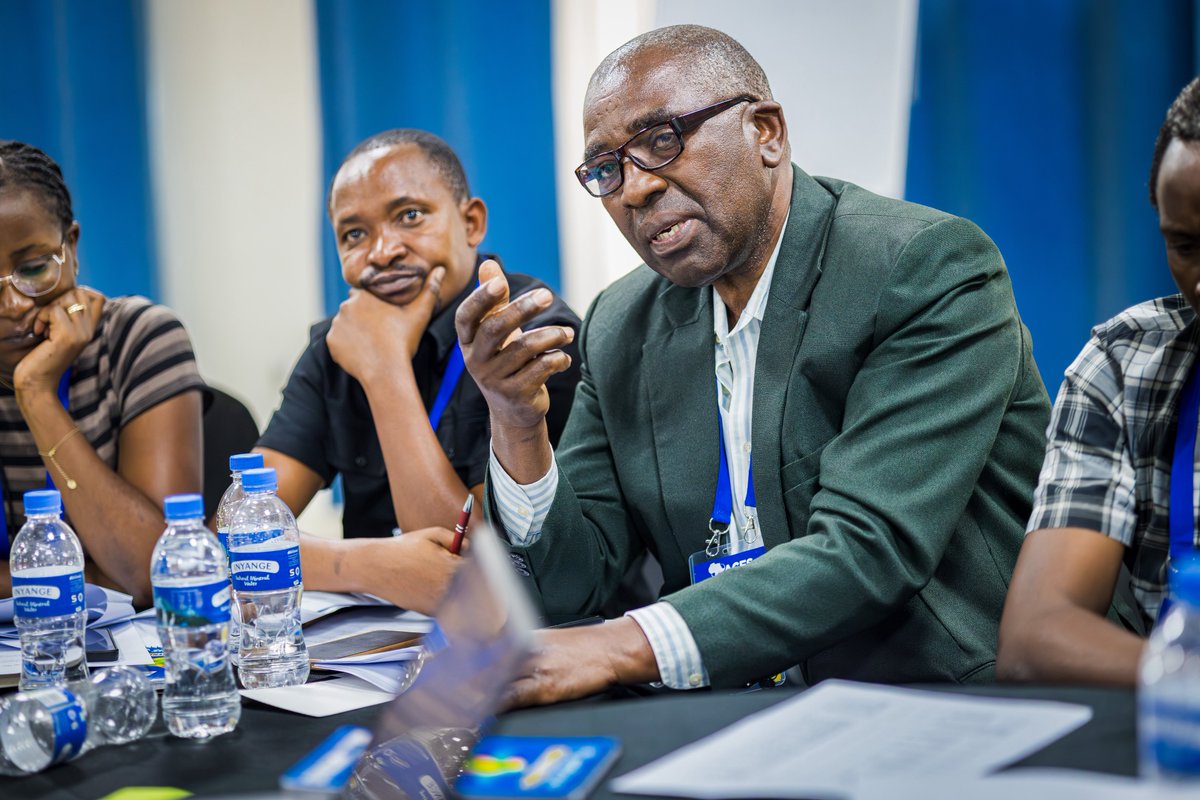
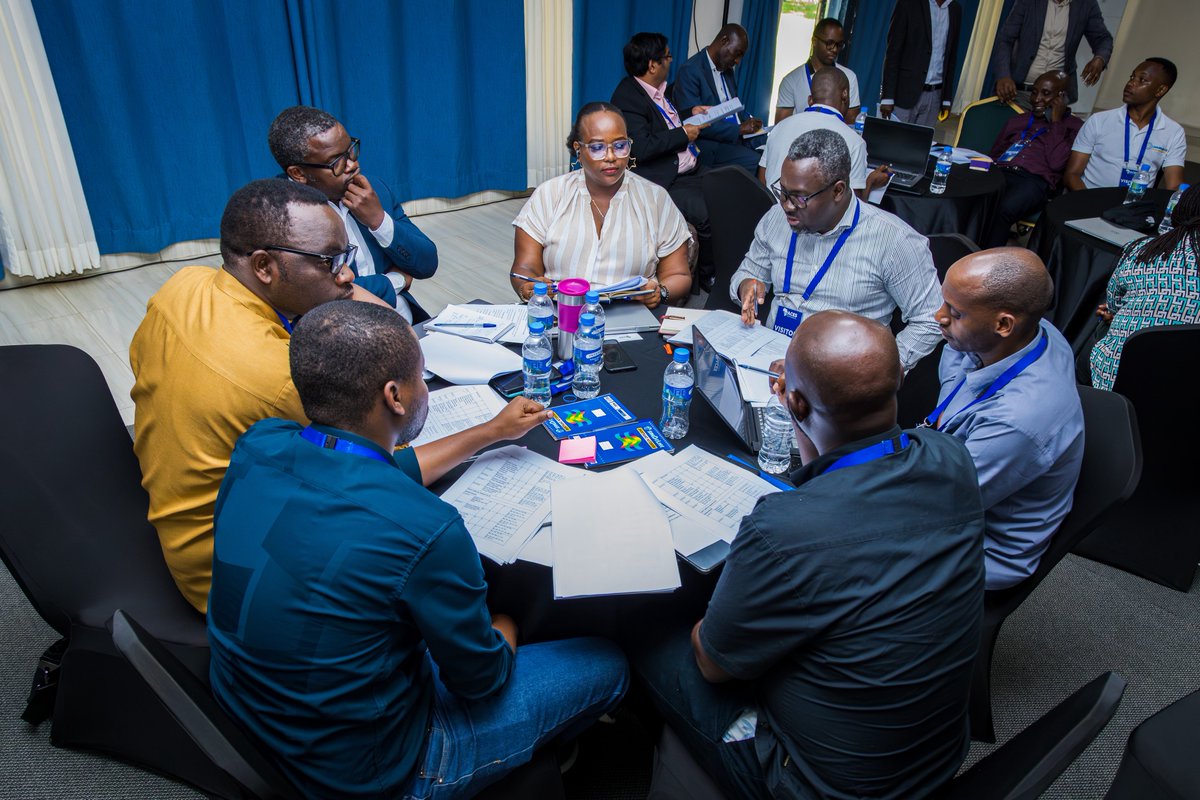
Today, the Africa Centre of Excellence for Sustainable Cooling and Cold-Chain (ACES) convened leading experts, regulators, universities, and industry partners in Kigali for the External Review & Validation Workshop of the Master of Science in Clean Cooling, a decisive step in building Rwanda’s and Africa’s clean cooling workforce.
Across the continent, cooling systems remain underdeveloped, not because solutions do not exist, but because skilled professionals, standards, and locally adapted curricula have not kept pace with rising demand. This gap continues to undermine vaccine delivery, food security, and climate resilience at a time when Africa’s cooling needs are projected to triple by 2050.
To address this, ACES is validating Africa’s first Master of Science in Clean Cooling, a pioneering degree programme designed to be academically rigorous, labour-market relevant, and globally competitive, while being firmly rooted in African climatic and operational realities.
During the workshop, experts reviewed the programme structure, learning outcomes, assessment approaches, and industry alignment to ensure graduates are equipped to design, operate, regulate, and scale clean cooling systems across sectors.
The MSc integrates One Health, refrigeration engineering, renewable energy, post-harvest systems, business models, and regulation, creating a single professional pathway for systems change across health, food, and climate sectors.
At the conclusion of this process, ACES will submit a fully validated and industry-endorsed programme to Rwanda’s Higher Education Council, laying the academic foundation for Africa’s clean cooling economy.
Opening the workshop, Professor Toby Peters, Founding Director of ACES, underscored the urgency of this work:
“Without skilled professionals who understand engineering, health systems, climate science, and business models as a single system, Africa will remain dependent on imported technologies not designed for African conditions.
This MSc is designed to produce practitioners who can design, operate, regulate, and scale clean-cooling systems across the continent.
This programme is not about certificates. It is about systems change. It is about building the human infrastructure that allows Africa to protect its vaccines, preserve its food, reduce emissions, and create green employment.”
#CleanCooling #HigherEducation #GreenJobs #OneHealth #ClimateAction
3
4
8
518
Learn about the #courses and #training announced by @ACES_Cooling :
*Foundation in #ColdChain
*Go #Solar #Energy Training
*Cold-Chain for #GlobalHealth
*Essentials in Cold-chain systems
*Essentials course on #PCMs
*Essentials in #Brazing Techniques
shorturl.at/C4V5j
100
Excited to announce that 7 new #courses are open for applications, on topics as varied as the #coldchain, #solarenergy, #brazing, #PCMs and #GlobalHealth.
To learn more, including #training dates and application deadlines, please visit the CCN Academy: cleancooling.org/academy/tra…
77
#PictureoftheWeek, to us, shows an emblem of #growth and #prosperity, reflecting both #resilience and #hope at the start of the #newyear.
Learn more: shorturl.at/Ji8Af
#photography #cleancoolingnetwork
1
1
82

19 Dec 2025
From a 2025 @ACES_Cooling review by Prof. Toby Peters and Chris de Bode's visual imagery reflections in #PictureoftheWeek, through to the CCN Media Library launch - it's been a great week and we want to thank everyone for their continued dedication, this year and into the next.
1
2
102
19 Dec 2025
#PictureoftheWeek sees CCN Visual Imagery Lead, Chris de Bode, reflect on 2025 from a visual imagery perspective.
This includes the Visual Storytelling course, the #FestivalofCooling photo competition and the launch of the CCN Media Library.
Learn more: shorturl.at/RCqXn
86
18 Dec 2025
Prof. Toby Peters shares his 2025 reflections on the dedicated team at @ACES_Cooling and how they have turned an idea into reality, demonstrating that #Rwanda can lead the world in developing innovative, climate-resilient, and inclusive #coldchains: shorturl.at/fyVBp
2
4
222
17 Dec 2025
Introducing the Clean Cooling Network Media Library!
A curated, open-access library of #coldchain-related #images.
* To access the Library: shorturl.at/IrXa7
* To learn why graduates of the CCN Visual Storytelling Course have welcomed the Library: shorturl.at/6VMU4
1
2
107
12 Dec 2025
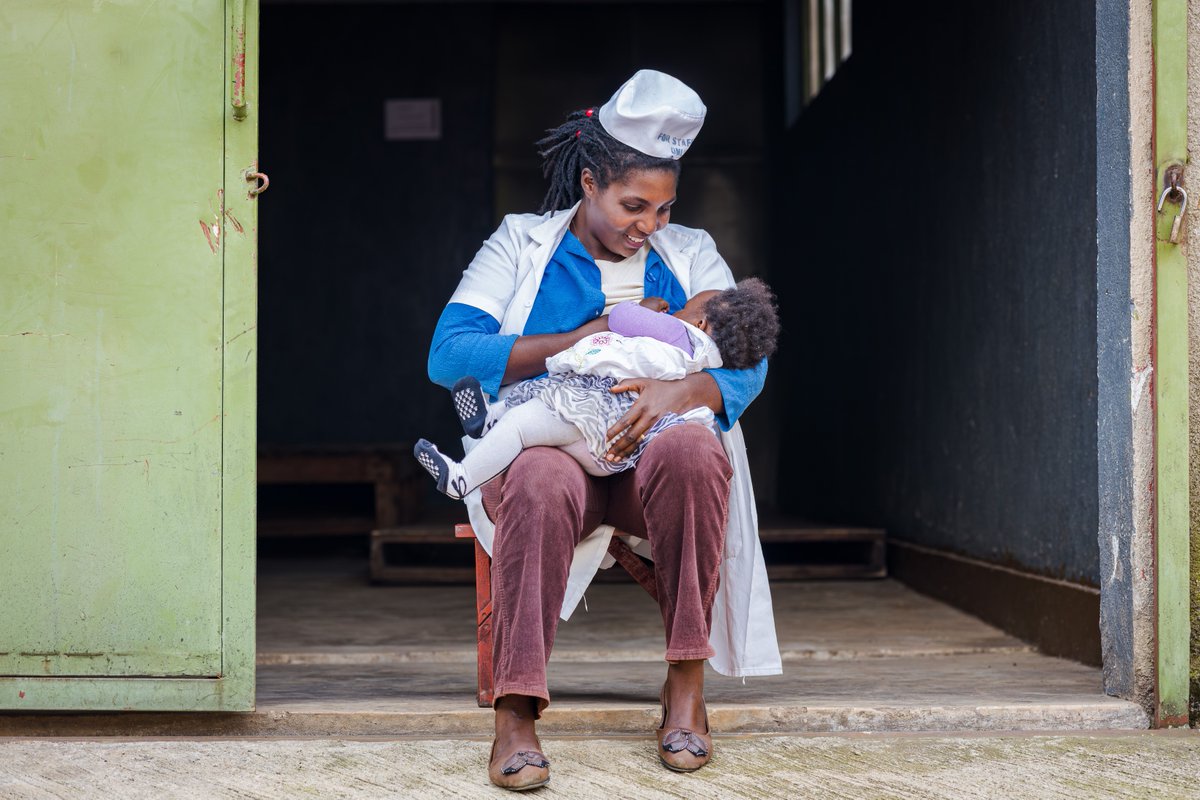
#PictureoftheWeek features Clarisse Mukandayambaje, Production Manager at VIVA DNL Ltd and a trained #refrigeration #technician through @ACES_Cooling
Learn more about Clarisse and why ACES staff #photographer Mireille Isimbi calls her a star: shorturl.at/2EkvU
4
3
277
10 Dec 2025
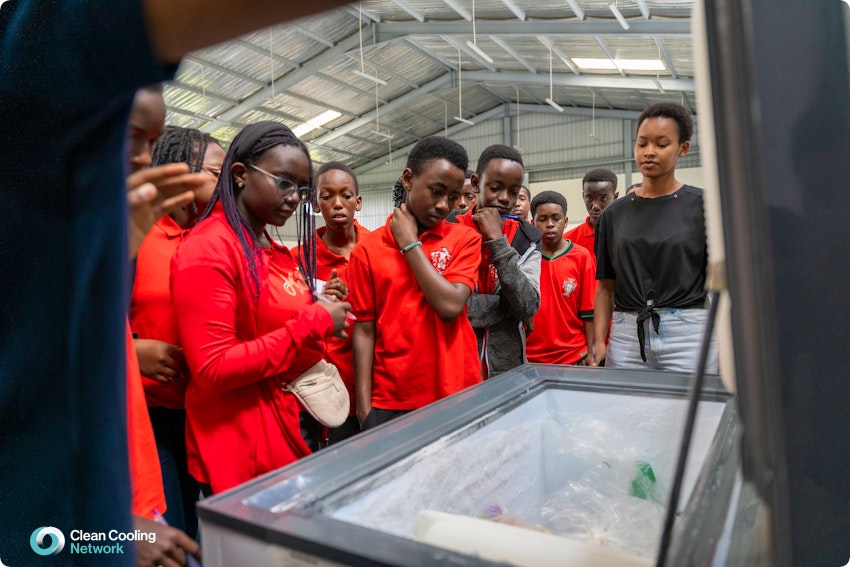
Last Saturday, 132 students travelled to @ACES_Cooling for a "Mini #Cooling Festival", a hands-on learning event that set out to "inspire students to understand #refrigeration while they are still young".
Learn more about the day in our latest article: shorturl.at/loZGz
2
3
83
9 Dec 2025
#Jobopportunity for a new #Procurement Specialist for a fixed term, full time, 1 year renewable contract at @ACES_Cooling!
* Application Deadline: 15th December 2025
* Start Date: 15th January 2026
* Learn more and apply: shorturl.at/tD1GX
#newjob #openposition #jointheteam
1
83
8 Dec 2025
Looking for a new role? Our open positions include:
* HR and OPS Assistant
* SPOKE Programme Manager
* Lecturer (Logistics)
* Lecturer (Community-Based Business Models including Value Creation & Addition)
Visit the Jobs Board to learn more: shorturl.at/UoRI5
Best of luck!
2
1
101
5 Dec 2025
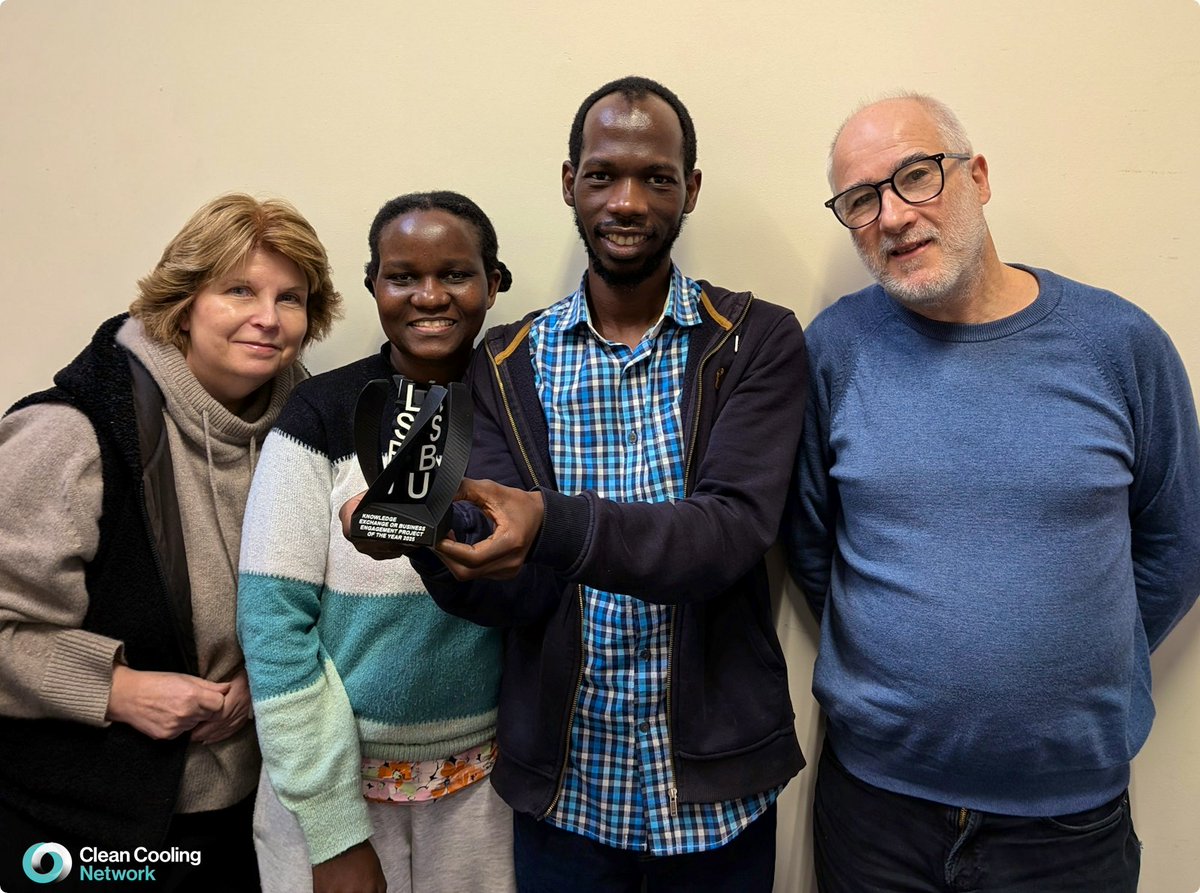
From @ACES_Cooling winning best Knowledge Exchange or Business Engagement Project of the Year at the #LSBU Research & Innovation Festival to articles on ACES Head of Research, Dr Jean Baptiste Ndahetuye and chairman of the Lari Cooperative, Zachary Kibiri, it's been a good week!
1
1
208
5 Dec 2025
#PictureoftheWeek shows Mireille Isimbi, our @ACES_Cooling staff #photographer, at work during a portrait shoot. Last week a lot of new employees needed their picture taken in order to introduce them to us all.
Learn more about Isimbi’s process here: shorturl.at/geHFD
1
2
156
3 Dec 2025
In today’s By Degrees article, CCN Journalist Raphael Henry speaks with #Kenyan #farmer and chairman of the Lari Cooperative, Zachary Kibiri. They discuss the benefits of being part of the #cooperative, challenges faced, and future focuses.
Learn more: shorturl.at/pMEp4
2
3
241
2 Dec 2025
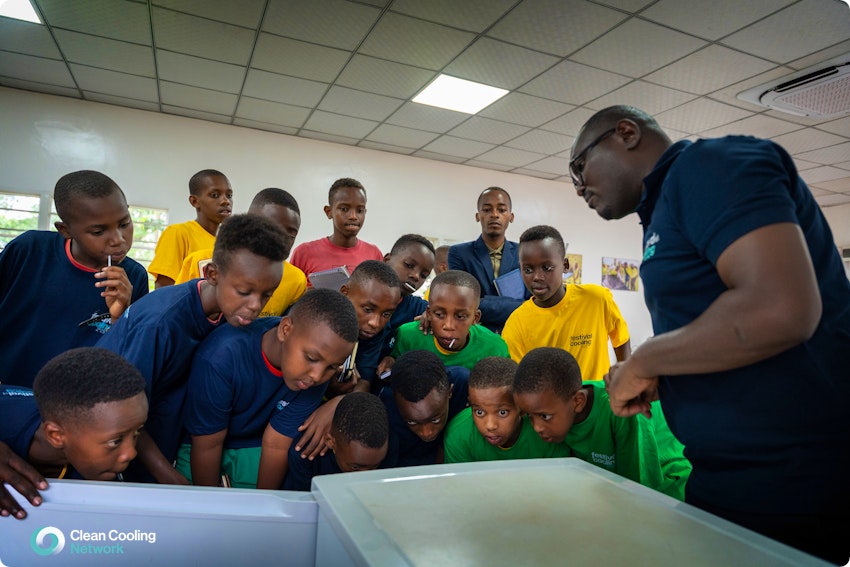
On December 6th, @ACES_Cooling will host a group of more than 100 children for a special #STEM experience.
The visit will include LEGO #refrigeration builds, #coldchain games and interactive demonstrations of solar-powered #cooling.
Learn more: shorturl.at/acLwZ
4
3
230
Clean Cooling Network retweeted

2 Dec 2025
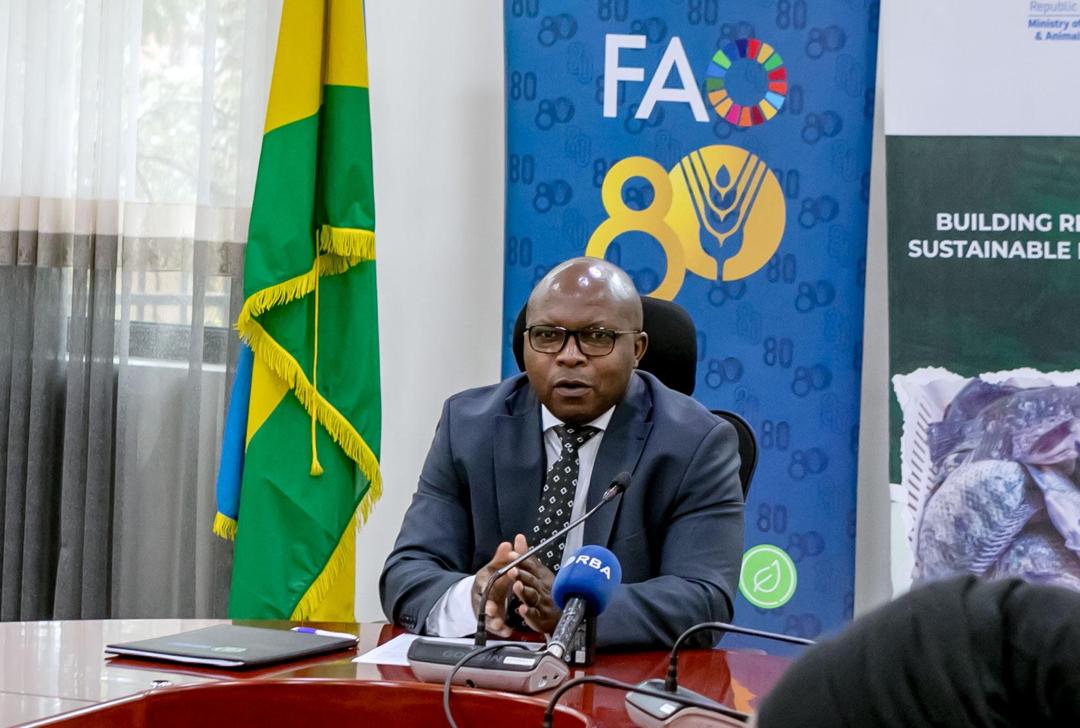
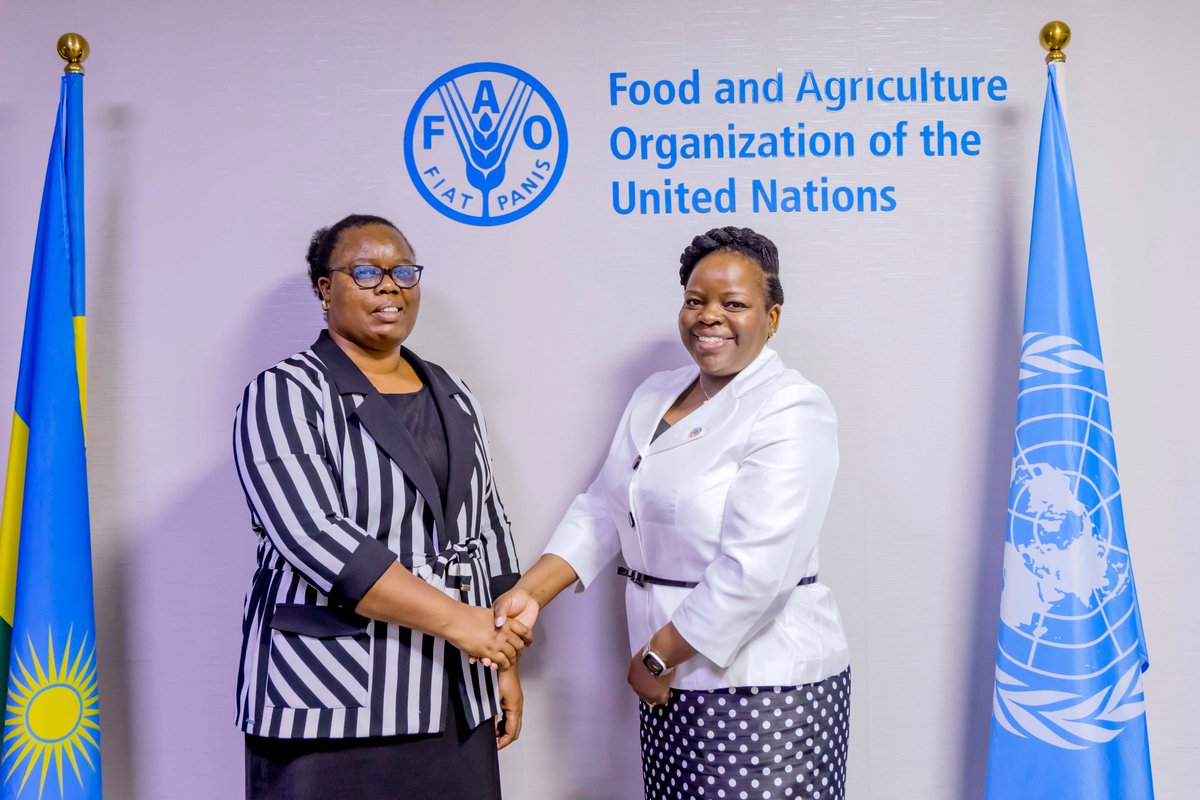
@FAO Rep a.i @NomaMhlanga, congratulates Hon. Dr. @T_Ndabamenye on his appointment as Minister @RwandaAgri and Hon. Dr. @SolangeUwituze as State Minister.
The @FAORwanda team looks forward to continued collaboration to advance #AgriFoodSystems transformation in #Rwanda.
10
29
80
3,039
1 Dec 2025
From #news articles and #job opportunities through to a school visit at @ACES_Cooling and a video summarising the #Vaccine Symposium, there are lots of great things happening this week at the #cleancoolingnetwork
3
2
62
1 Dec 2025
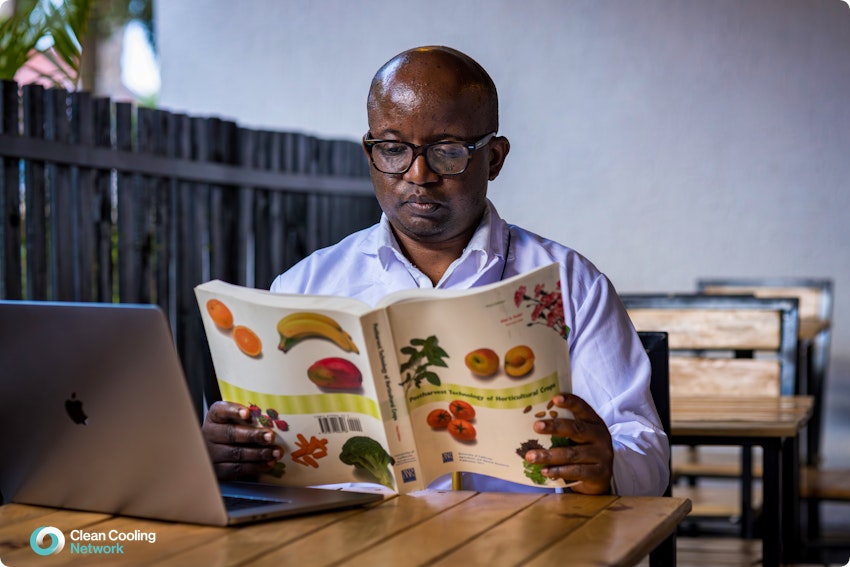
CCN Journalist Raphael Henry speaks with @ACES_Cooling Head of Research, Dr Jean Baptiste Ndahetuye, who reflects on five years at ACES, including what he's most proud of, and what he's looking forward to, in the next stage of work.
Learn more: shorturl.at/3yNCh
50