
Photos and videos


Ify Clint retweeted
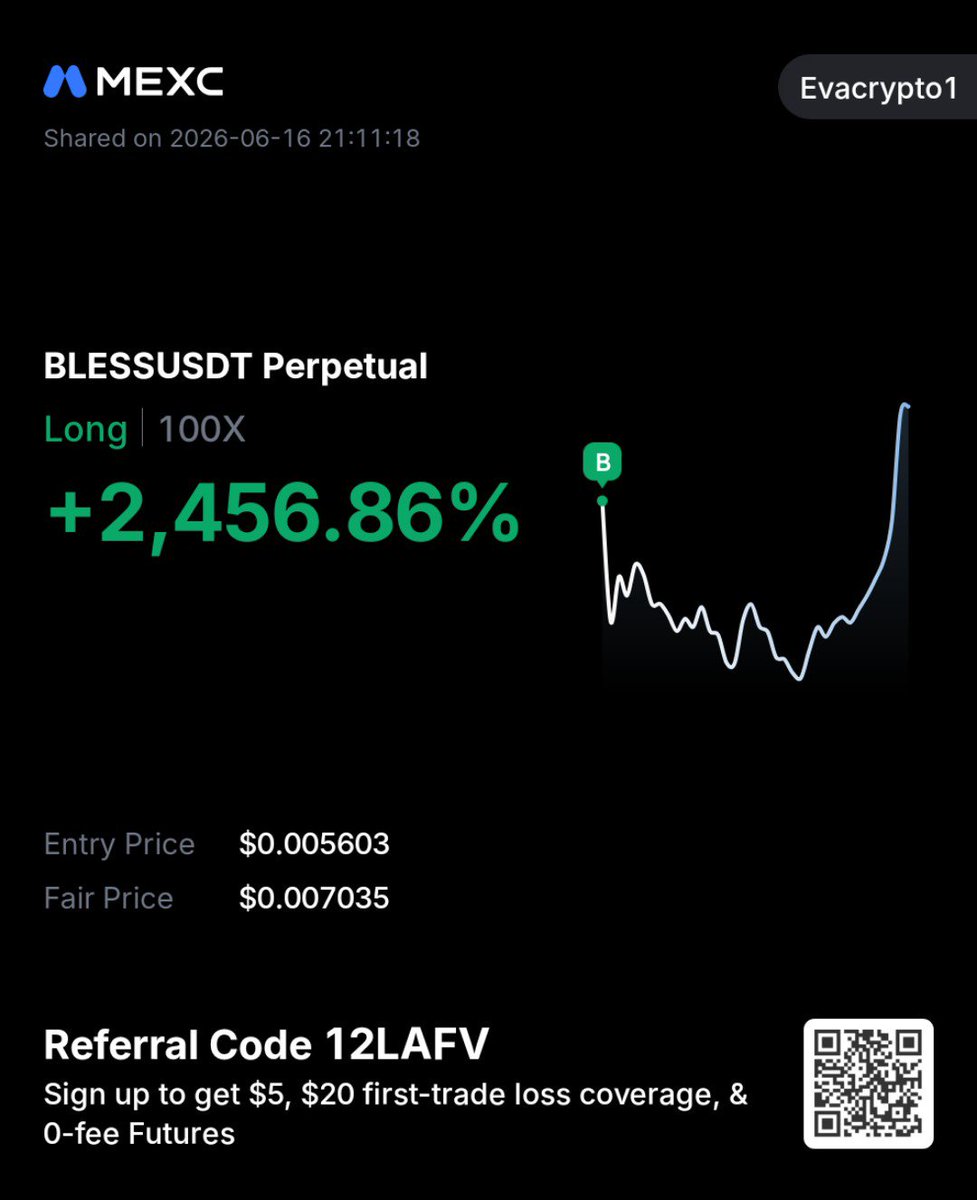
We are #Bless
A great win is not just a result; it is a blessing from God, a reward for patience, discipline, and hard work. May every step forward bring greater success and endless opportunities. 🙏📈
ForeverINProfit 🙅 🙅 🙅
3
2
11
83
Ify Clint retweeted
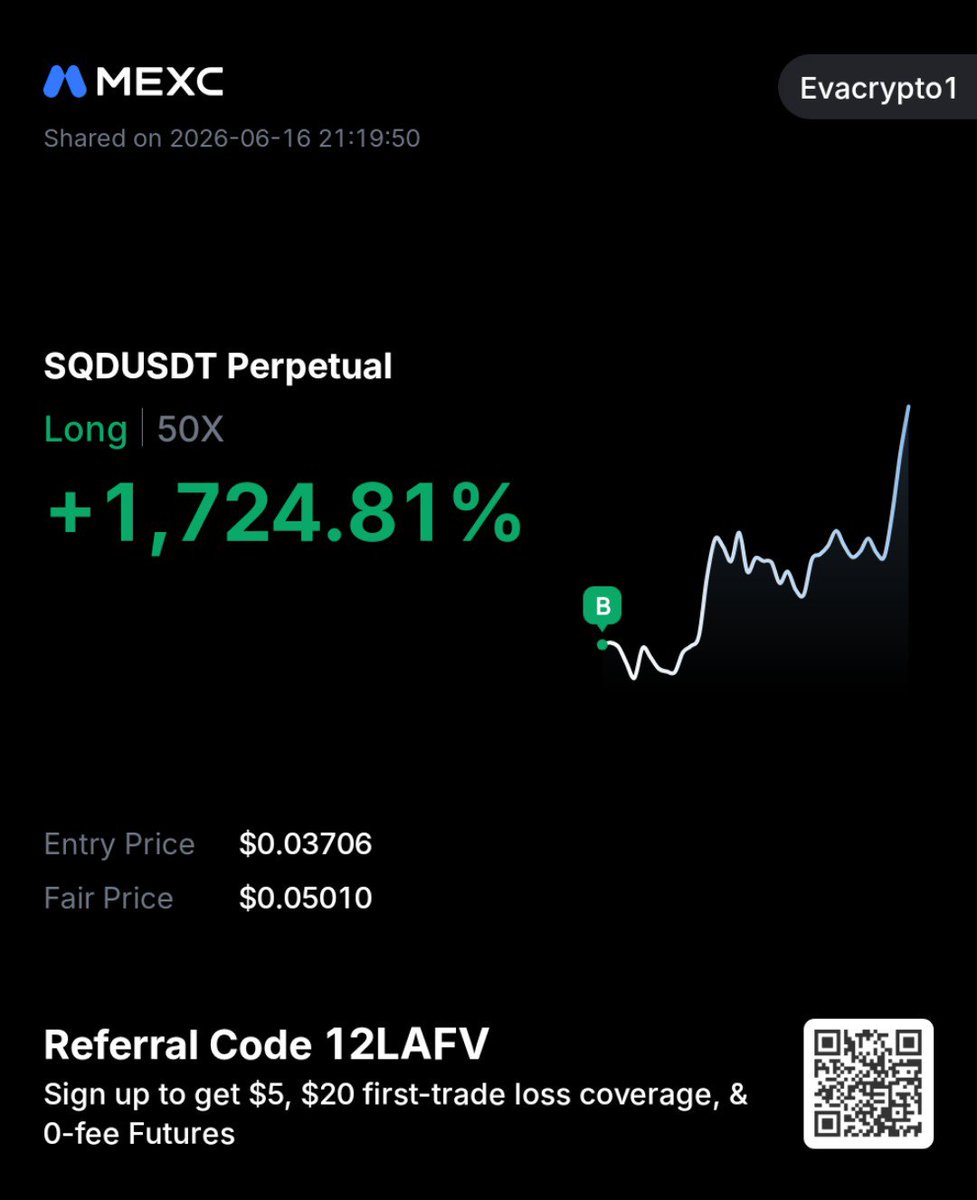
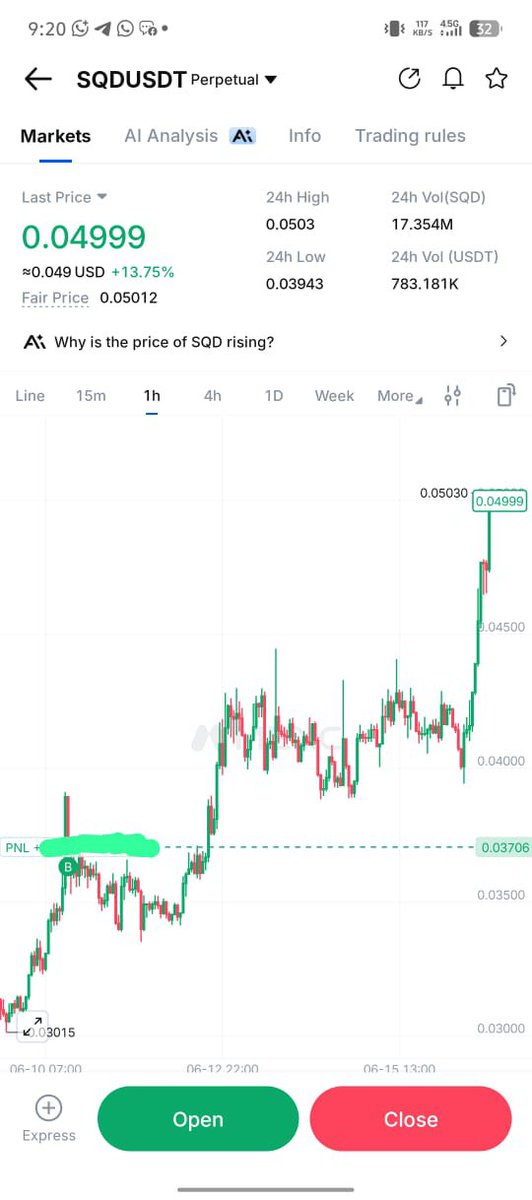
Still appreciate every little win
Every profitable trader was once a beginner who chose to learn, adapt, and never give up
ForeverINProfit 🙅🙅🙅
5
1
27
935

Ify Clint retweeted

Jun 16
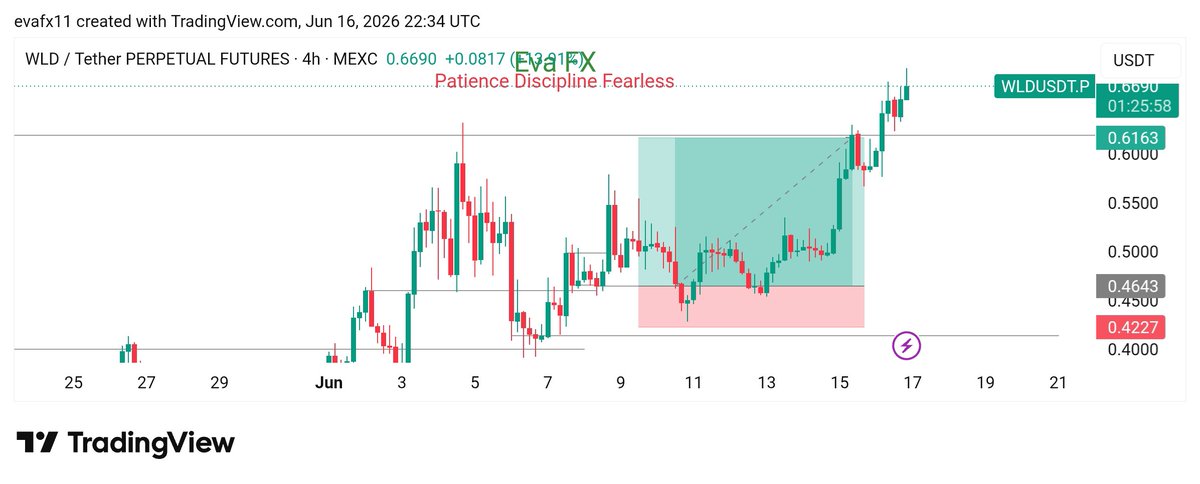
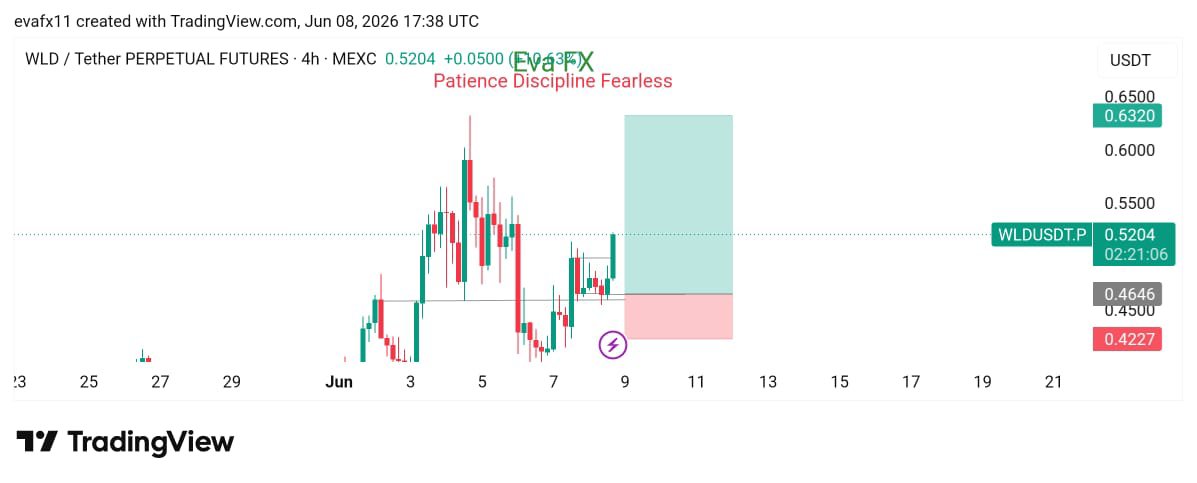
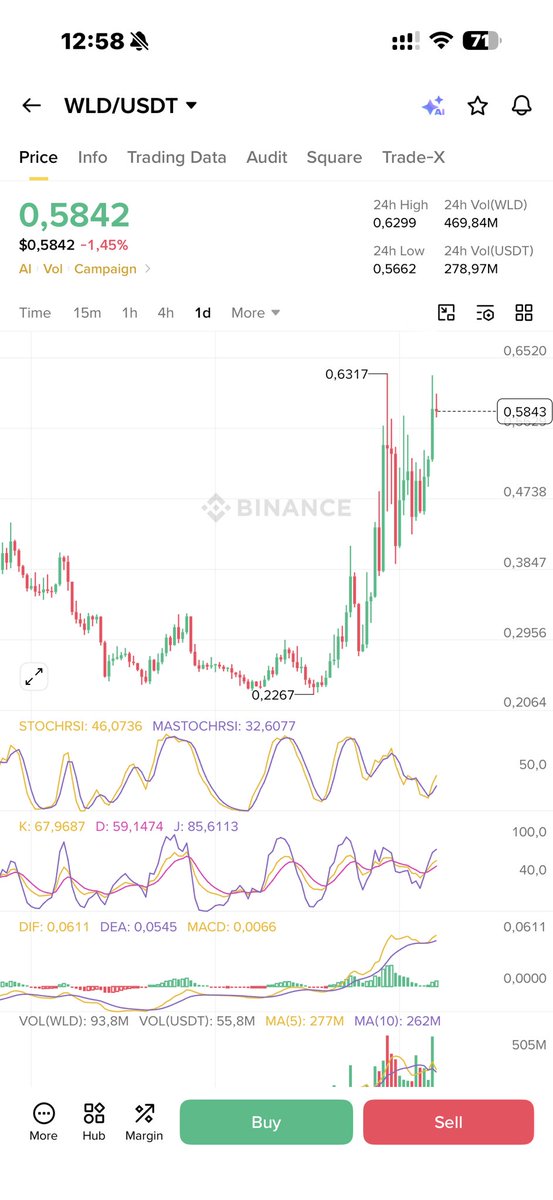
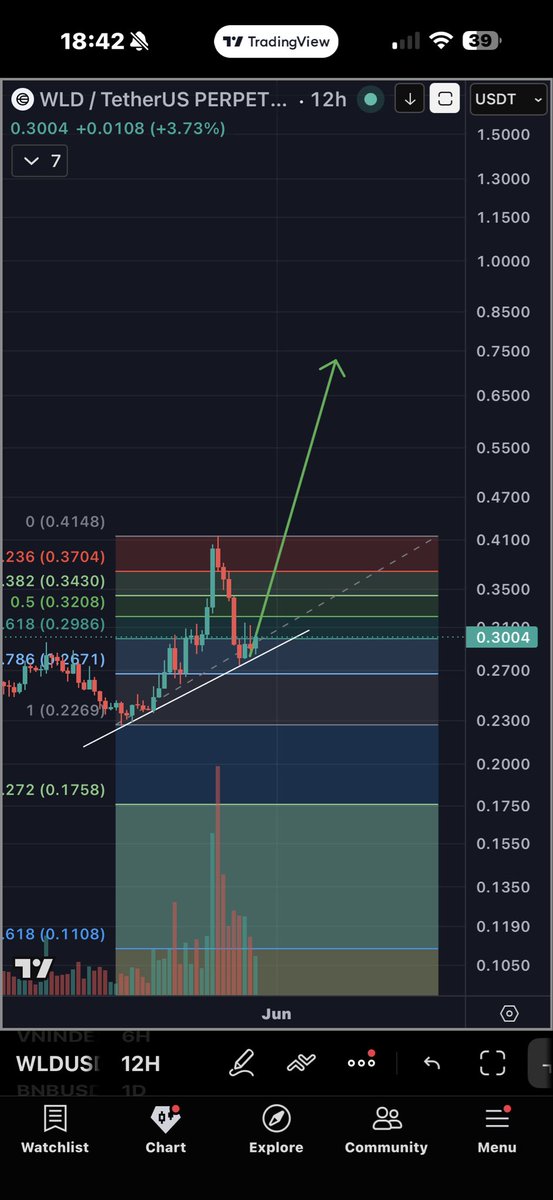
#WLD has doubled since my call. 📈 Look at it pumping — straight up, absolutely insane
3
2
24
3,766
Ify Clint retweeted

Jun 15
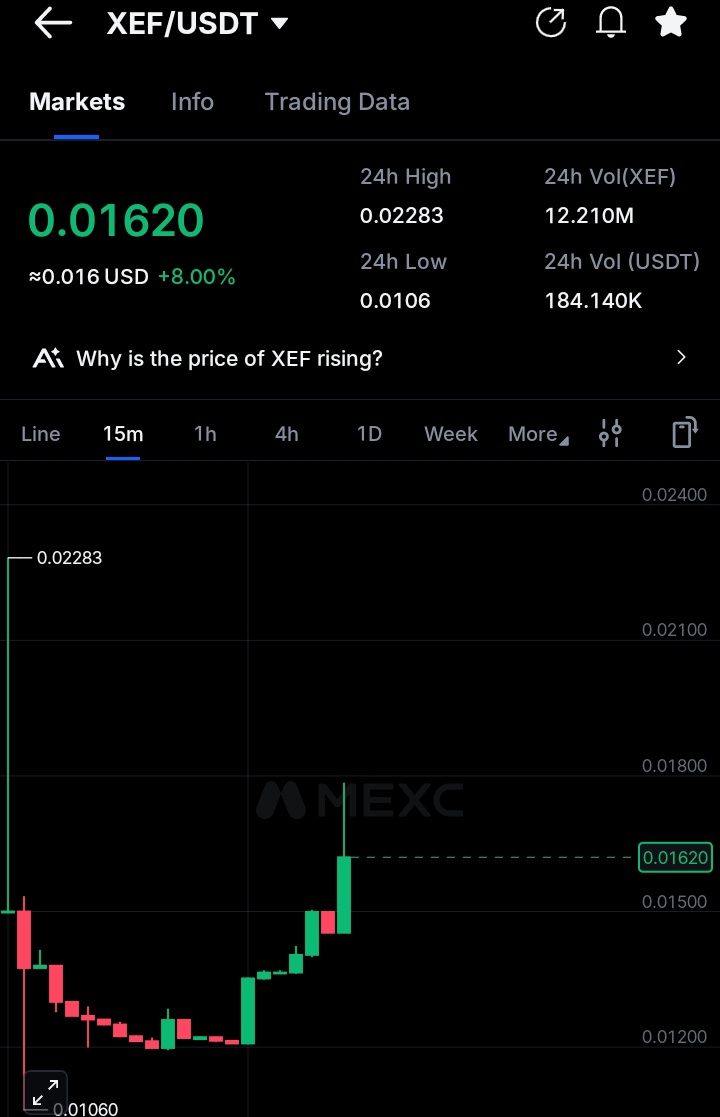
Guys don't listen to this guy Nosa. He spread fake information always.
Here is the current price of $XEF👇👇
2
1
8
203
Ify Clint retweeted
Jun 15
5
1
16
6,562
Ify Clint retweeted

You are the first person to pour into that vision that you believe in.
Elon poured in hundreds of millions of his personal funds into SpaceX.
And after three consecutive rocket launch failures , only a hand full of investors stood by him.
You can’t tell the story of SpaceX without mentioning ,
Antonio Gracias, Steve Jurvetson, some space x employees who kept working despite uncertainties and NASA which awarded SpaceX a major contract worth billions after the fourth successful launch of Falcon1.
26
16
124
2,716
Ify Clint retweeted

Jun 15
There would be a $2 credits bonus for the next 10 registered users and a potential to get their bots featured by us!
Winners would be announced soon after registration.
First Come First Server Order.
Register and build below 👇
cookmybots.com
1
4
18
152

Ify Clint retweeted

Jun 14
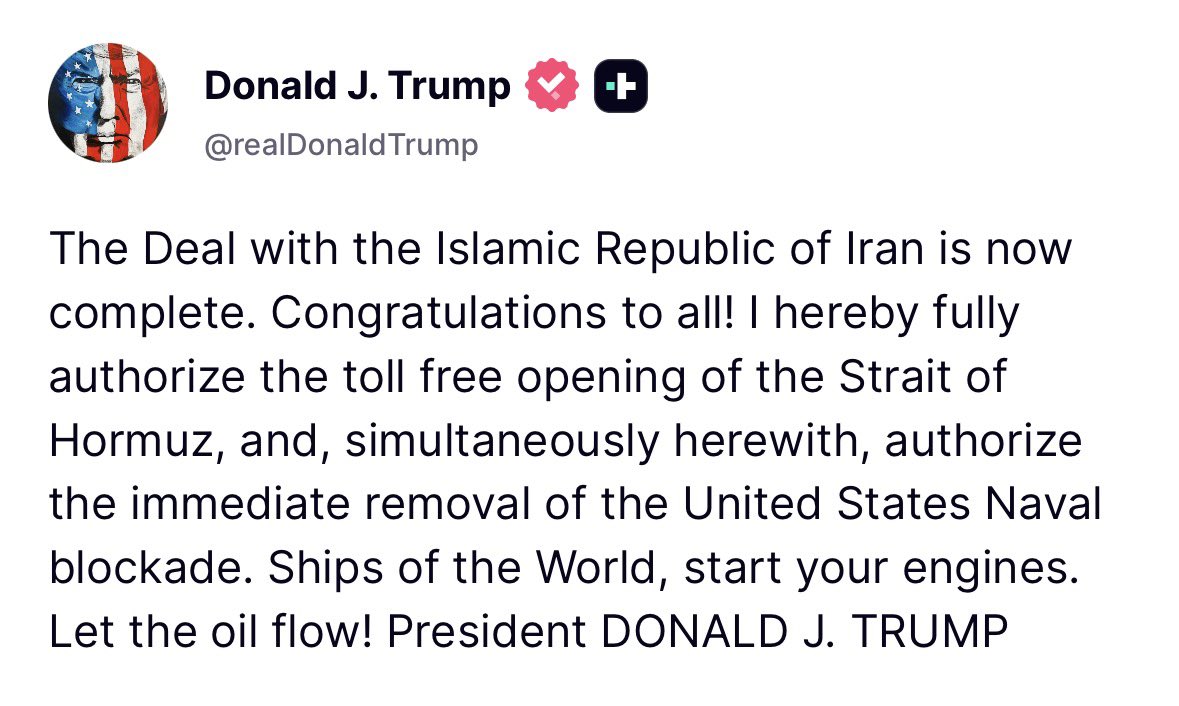
“The Deal with Islamic Republic of Iran is now complete. Congratulations to all!” President Donald J. Trump 🇺🇸
10,368
21,111
98,056
8,298,543
Ify Clint retweeted
Jun 15
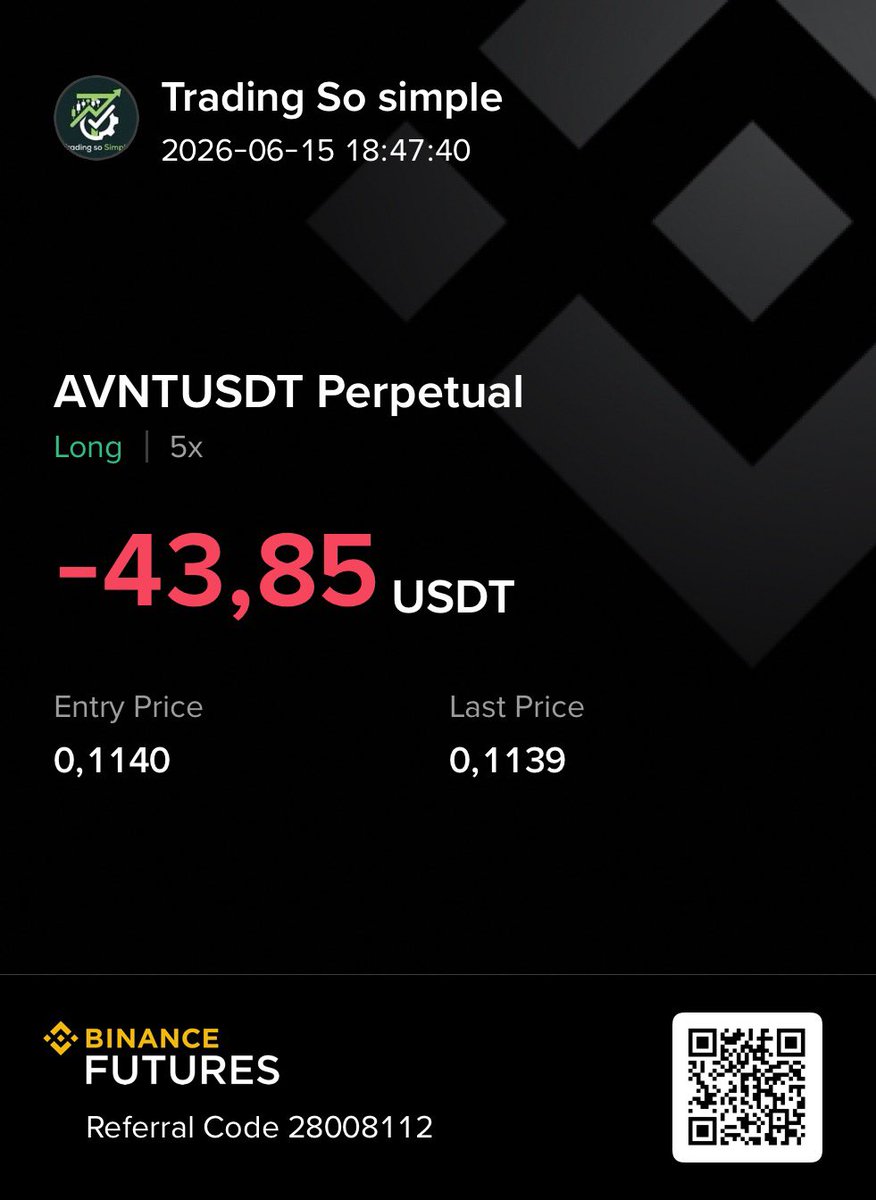
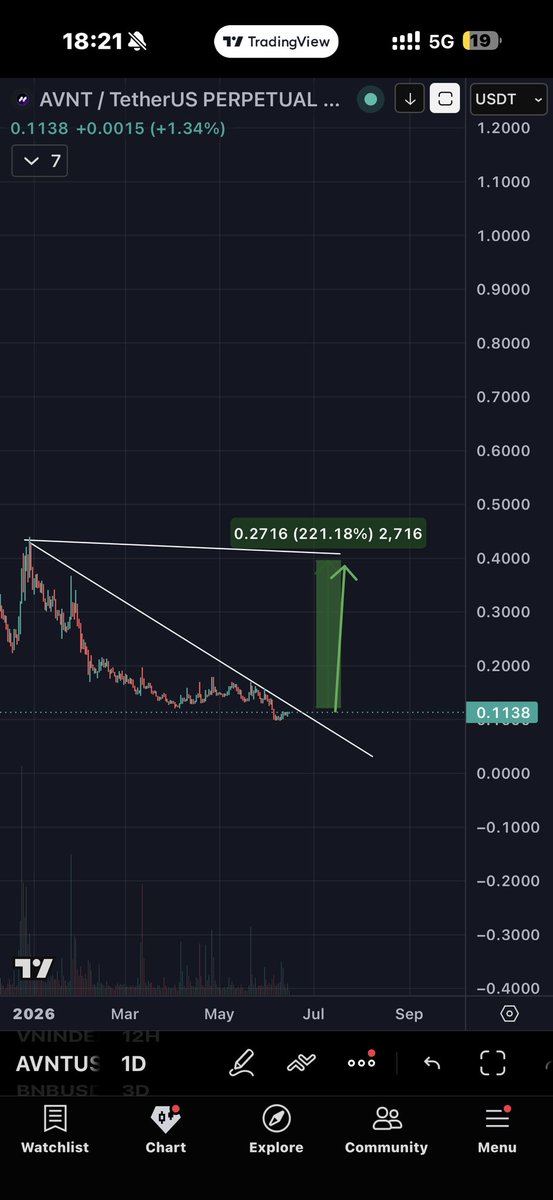
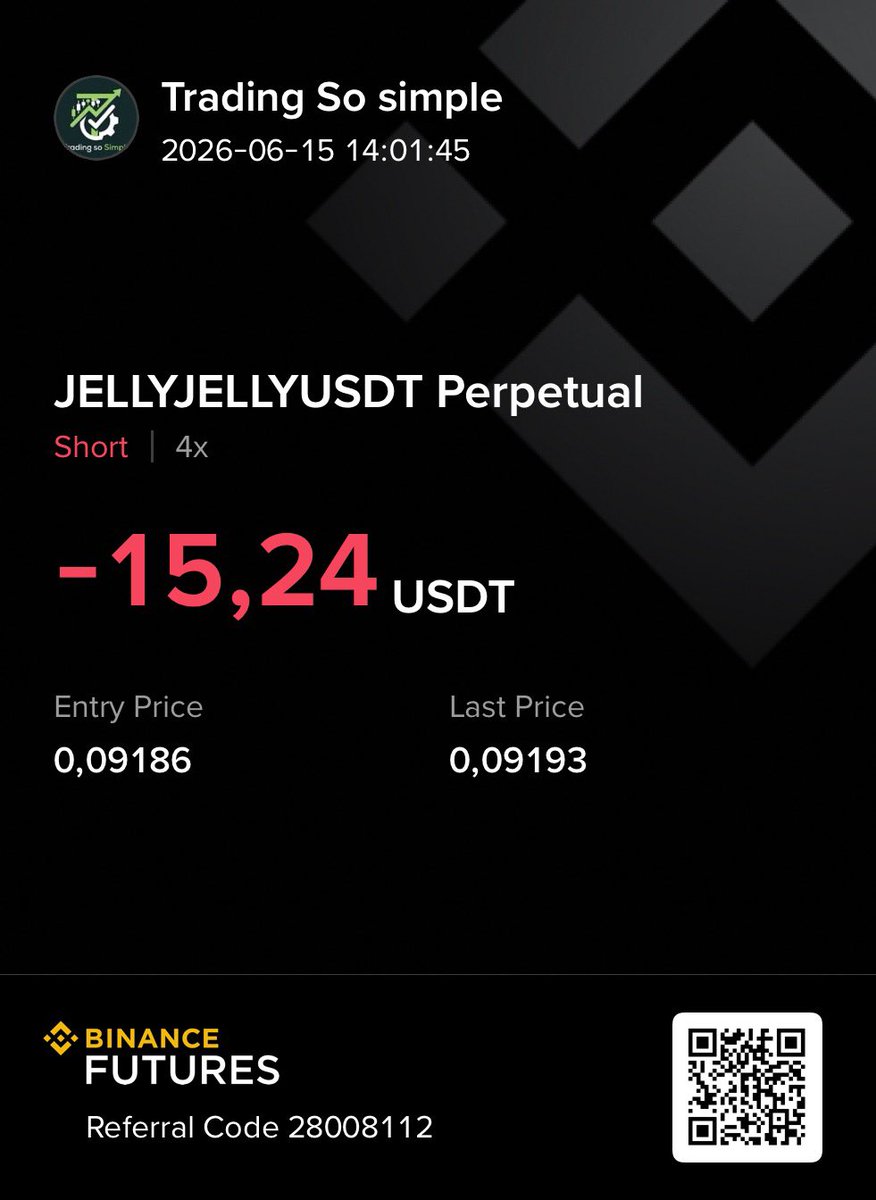
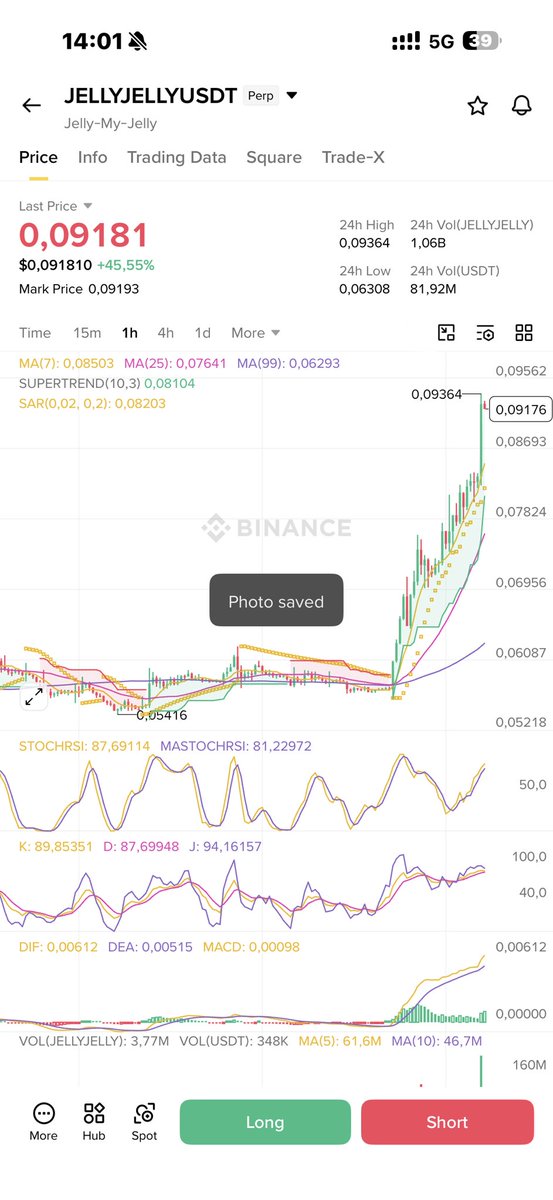
trend is friend
3
2
24
3,420
Ify Clint retweeted
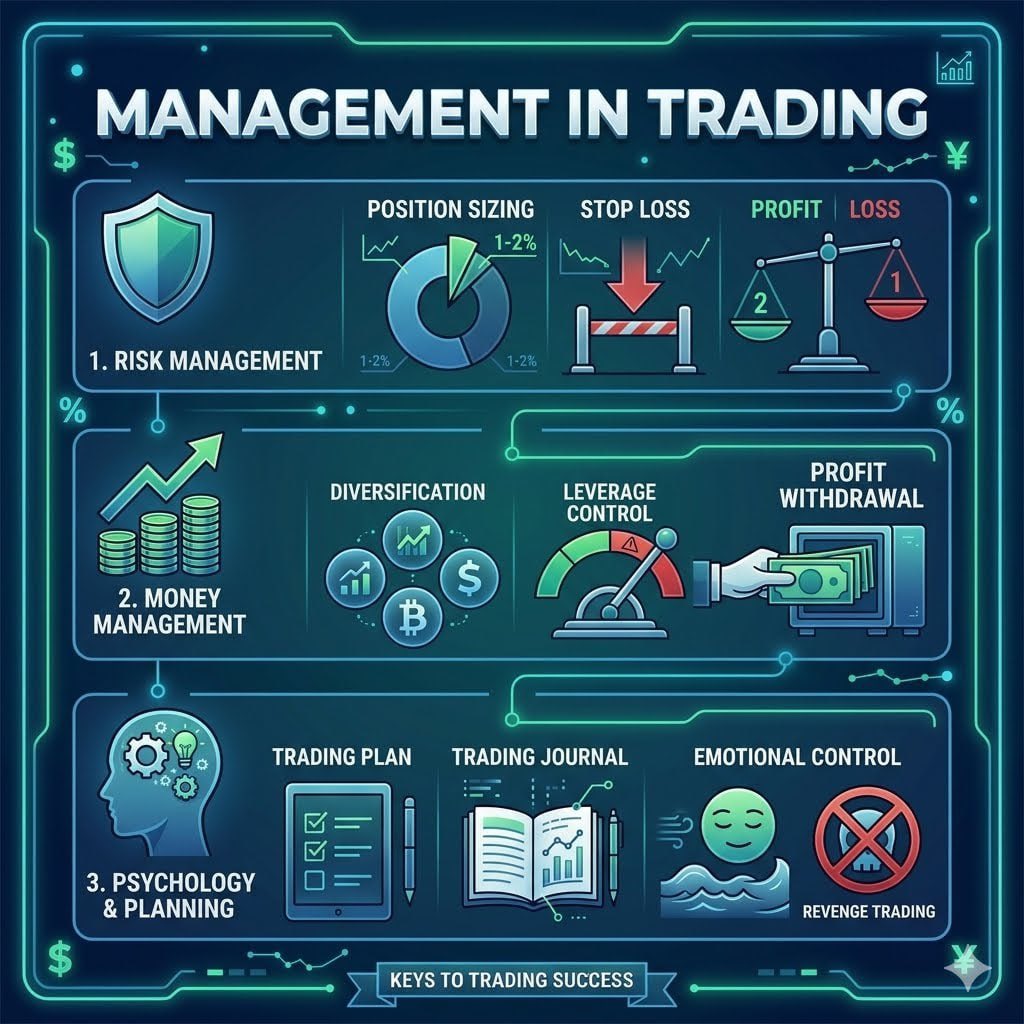
❗️ PORTFOLIO MANAGEMENT AND TIPS IN TRADING!!!
Open trades with 2% - 5% of your wallet balance.
This ratio means you should only open that position with that amount of your total futures capital.
Why shouldn't you exceed 5%? If the price moves 2% against you with 50x leverage, the amount you allocated to that trade will be wiped out.
If you enter with your entire capital (100%), a split-second market fluctuation (spike) will wipe out your entire wallet in seconds.
Never trade with 50x and don’t use 100% capital.
Cross Trading Advantage: When you enter a trade with only 2-5% of your capital, the remaining 95-98% remains as "margin." This keeps the Liquidation (Liq.) price far from the entry price, giving you room to maneuver.
In short: If you have $1000, enter a 10x leveraged trade with a maximum of $20-50.
1. Trailing Stop Mechanism
Manually moving a stop can sometimes be slow. If your exchange interface supports it (Binance, Bybit, etc.), you can place a Trailing Stop order instead of a manual stop after TP 2 is reached.
Logic: You set a "tracing distance" (in percentage) to the price.
As the price rises, the stop rises with it.
When the price starts to fall, the stop remains fixed and closes the position if the price touches that point.
Advantage: It allows you to maximize profit from sudden "pump" movements in the price as it approaches TP 4 and TP 5 targets.
1. Managing Liquidation Level (The Key Point of Cross Trading)
In cross trading, since you opened trade with 10x leverage, your liquidation level (Liq. Price) is calculated according to the total money in your wallet.
Critical Move: Every time you reach TP (Profit Realization), the amount you earned is added to your wallet balance.
This automatically pushes your liquidation level further away from the entry price.
Strategy: If a sharp market correction occurs after TP 1 and TP 2 are reached, the liquidation risk of your position is reduced thanks to the profits you realized. This creates "breathing space" for you.
But what is the sense in being greedy ? You can close the trade and wait for new entries.
1. "Risk-Free" Trade Conversion
When TP 1 is reached, you not only take profit, but you also reduce the size of your position.
Closing 25% of your position with 10x leverage reduces your sensitivity to a sharp market move in the opposite direction.
1. Funding Rate Monitoring
If you are going to keep the position open for a long time (days) in a cross trade, you should pay attention to funding fees.
If everyone is opening Long positions (Positive Funding), those who open Long positions pay fees to those who open Short positions every 8 hours.
Strategy: If you reach TP 3 and the funding rate is very high, it might be more sensible to close the majority of the position before TP 4 and 5, as the commission you paid could wipe out your profit.
Better still,outrightly close the position,you are in profit anyways.
📌Scenario Analysis: Price Reaches TP 1 But Turns Back
The most common mistake: "I took TP 1, moved the stop loss to the entry, but the price spiked and hit my stop loss, then went to my target (TP 5)."
Solution: Place the stop loss not exactly at the entry price (Entry), but slightly above (or below, depending on the direction) the entry to cover commissions.
If you want to take a risk, instead of moving the stop loss to the entry, you can use a "Stop-in-Profit" and place it slightly below TP 1 to prevent the trade from closing completely.
Manage your risk correctly when participating in trades; the trades you open are your responsibility 💯
9
8
35
922
Ify Clint retweeted
Jun 15
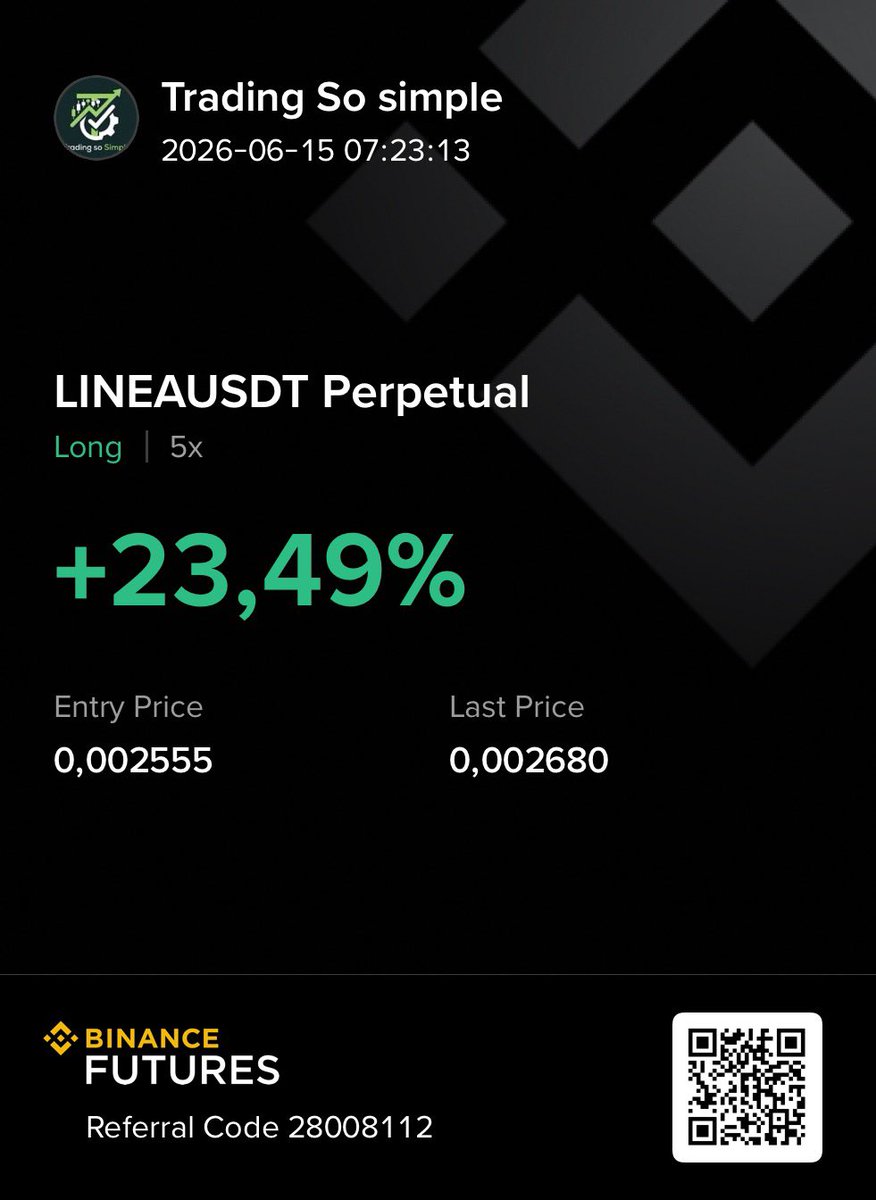
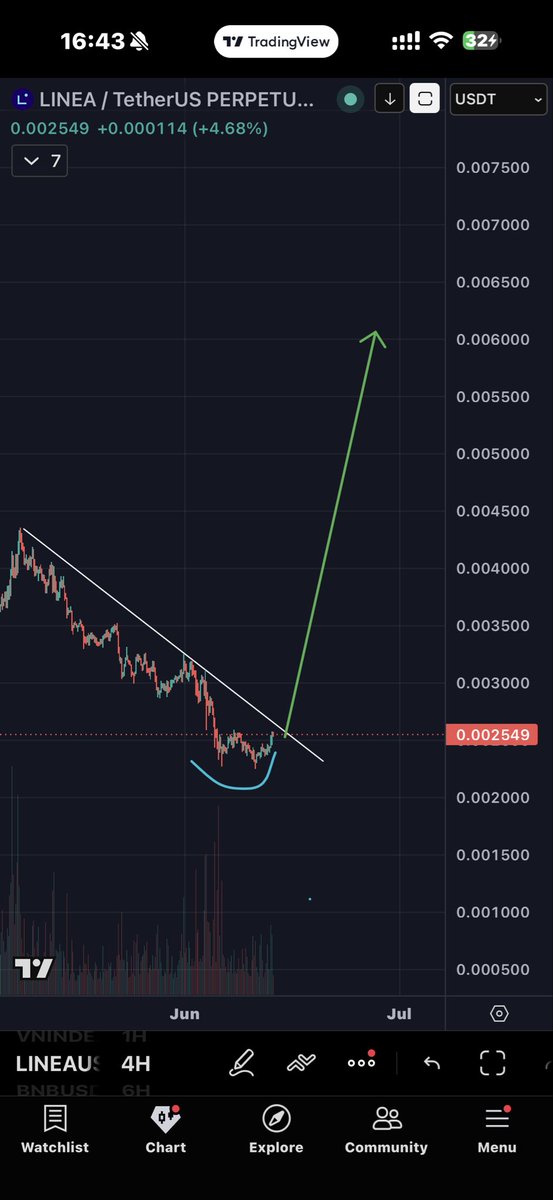
#Linea is starting to climb 📈
The price will rise stronger and faster.
Hold on and aim for bigger profits.
1
5
2,548