
Joined March 2009
- Tweets 7,656
- Following 1,358
- Followers 2,668
- Likes 7,092
1,501 Photos and videos





Pinned Tweet

14 Sep 2023
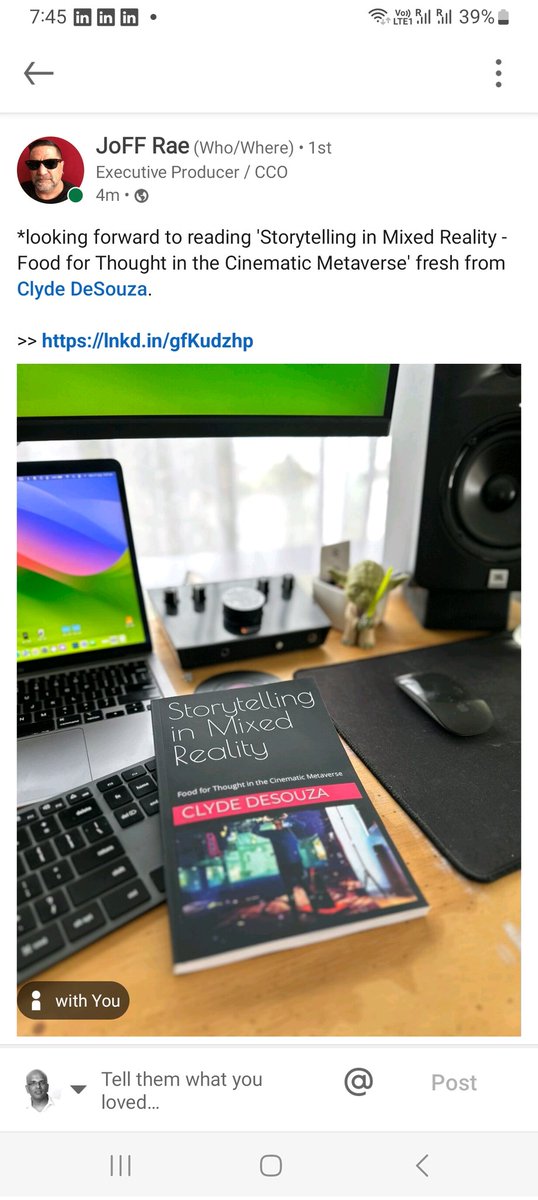
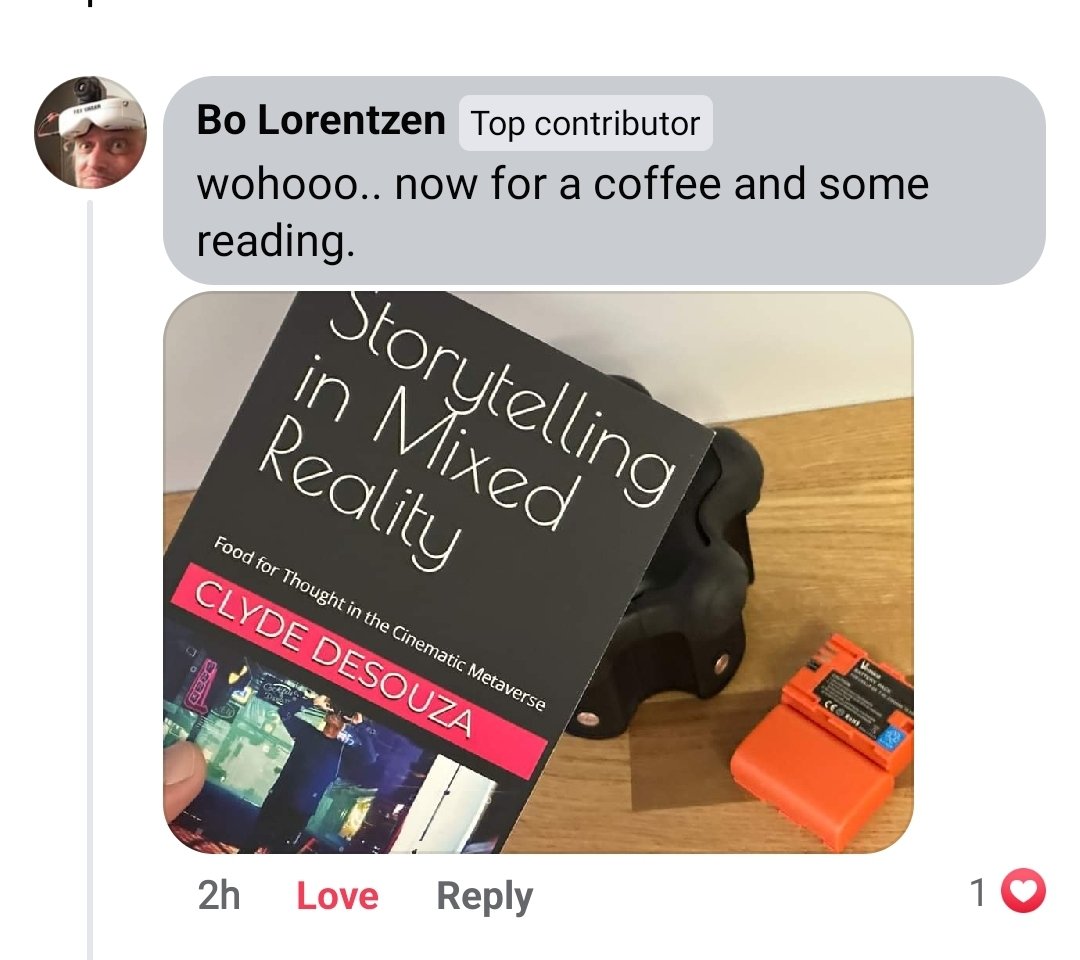
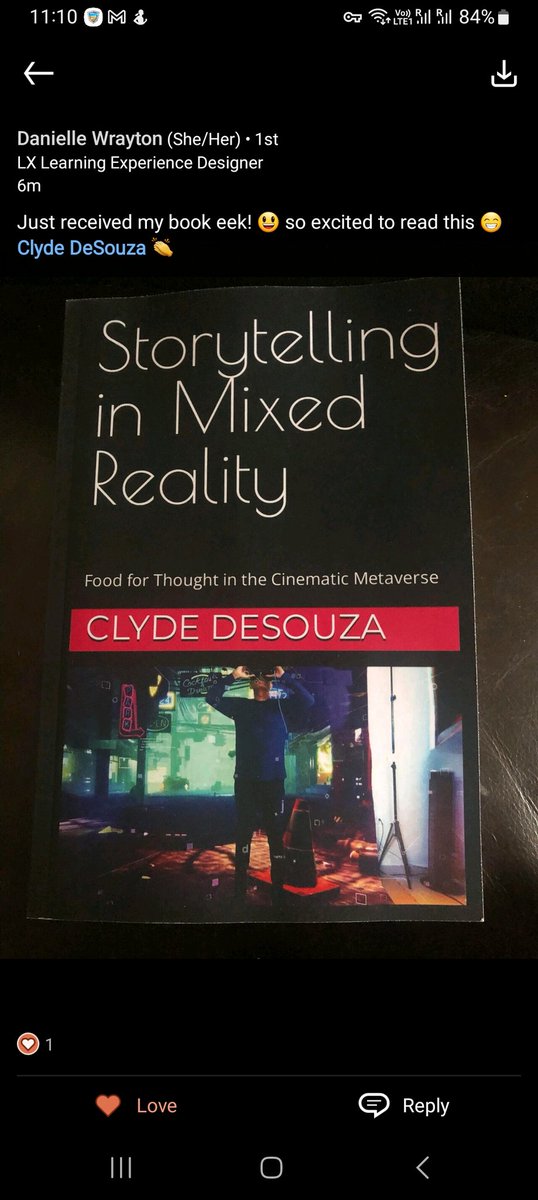
𝗦𝘁𝗼𝗿𝘆𝘁𝗲𝗹𝗹𝗶𝗻𝗴 𝗶𝗻 𝗠𝗶𝘅𝗲𝗱 𝗥𝗲𝗮𝗹𝗶𝘁𝘆 / 𝗡𝗮𝗿𝗿𝗮𝘁𝗶𝘃𝗮 𝗲𝗺 𝗥𝗲𝗮𝗹𝗶𝗱𝗮𝗱𝗲 𝗠𝗶𝘀𝘁𝗮... Now in Paperback & Hardcover (in color) on Amazon US, Amazon Portugal/Spain and Amazon Brazil.
US: a.co/d/09vEEjO
PT/ES/BR: Narrativa em Realidade Mista: Alimento Para Reflexão no Metaverso Cinematográfico amzn.eu/d/f9nFVZ6
#CinematicVR #MixedReality #Filmmaker #Cinematography #MetaQuest #AppleVisionPro #SpatialVideo

1
15
11,391
Jun 10
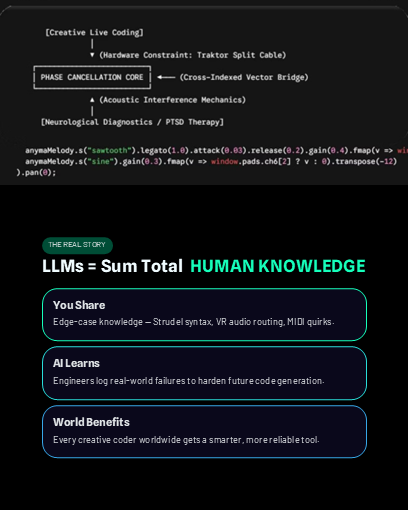
Humans using LLMs & AI ≠ Plagiarism
The sum total of human knowledge is being indexed for our benefit as a species - If artifacts of corrupt human DNA also get embedded, hopefully that's where our efforts should focus on; not on blanket banning of #AugmentedHumanIntelligence.


1
26
Jun 8
Let's see if it's true that X exercises their right to insecurity by punishing you for posting #LinkedIn related material (or any links in your main post)
linkedin.com/posts/clyde-des…
22
Jun 7
Am I wrong here? Lmk your thoughts... linkedin.com/posts/clyde-des…
#XRinnovation #AgenticAi #DigitalEconomy
23
May 18
The weekends are for #innovation & Monday's for marketing (read: validation). There was a time when talent was spotted —in the music biz they were called the "A&R" dept. Today, everyone needs to innovate, invent and market themselves, so I give you: [1/3]
1
19
May 18
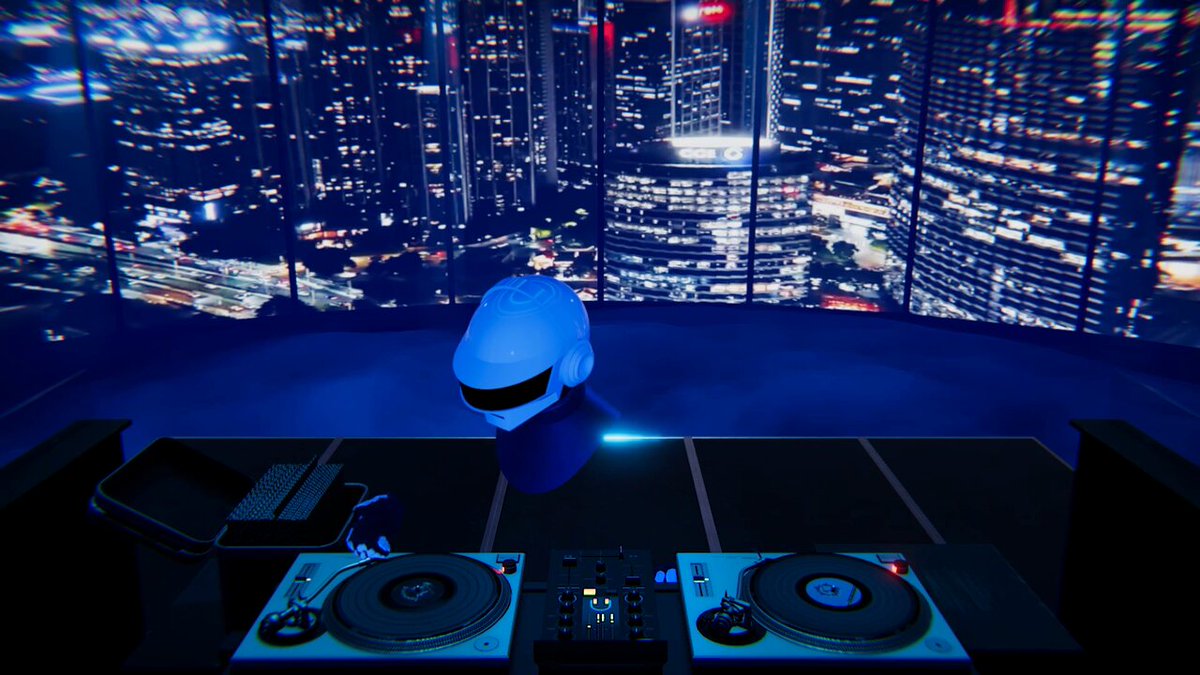
The Virtual Turntablism Marker system. Aimed at solving the #humanity variable of the AI matrix when building the foundations of an Entertainment Industry for the real #Metaverse —where the virtual world will be overlaid over the real and seen through AI enabled eyewear. [2/3]
1
21
May 18
Links to the Github repo (can't even include links in the main post; because 😒 SEO)
github.com/dirrogate/Dj-Turn…
Follow for more music innovation on IG: instagram.com/dirrogate
P.S. all em dashes were human generated: Alt 0151 on your keyboard. #FilmGameConvergence #MusicIndustry.
1
156
Clyde DeSouza retweeted

May 15
VR is coming back due to world models. Might not be obvious until next year sometime.
Those of you who are VR fans (I have lists) keep the faith.
New ways of creating immersive experiences are arriving. I call it the Holodeck. Others call it the Metaverse.
My friend @3duaun calls it "AI hallucinated reality."
Talking to the kids growing up now (like my son) what a world they are coming of age into.

🤩Excited to share SANA-WM: a 2.6B open-source world model for minute-scale 720p video generation.
Given one image text a 6-DoF camera trajectory, it synthesizes action-controllable 60s worlds on a single GPU.
Project: nvlabs.github.io/Sana/WM/
Paper: huggingface.co/papers/2605.1…
33
41
335
25,940
Clyde DeSouza retweeted

STRAUSS Toolbox XR is available on #Quest3/3s.
The STRAUSS Toolbox XR app transforms your Meta Quest 3/3S into a powerful, professional measurement and planning tool. Designed for craftsmen and ambitious DIY users, the app combines essential functions for efficient work – intuitive, fast, and without the need for additional equipment.
#VR
🔗meta.com/experiences/app/256…
3
30
121
8,803
May 6
🙏There's a need for at least 1000 'followers' so Instagram opens up live videocasts, allowing me to take forward research in #GenerativeAi in the #EntertainmentIndustry.
Would love to engage in discussions as well on IG, in #VR #AR &the #metaverse (not dead; it has a CCU prob).
1
1
78
Clyde DeSouza retweeted

Apr 30
That ugly green halo around hair every time someone gets cut out of a green screen is a 30-year-old math problem that traditional keyers can't solve, and a YouTube studio in LA just open-sourced the fix.
Edges are hard for one reason. A pixel at the boundary of your subject covers maybe 30% skin and 70% green screen. The camera averages them: recorded RGB is literally 0.3 * skin 0.7 * green. Same physics for motion blur, out-of-focus hair, glass, smoke, fabric. Every translucent pixel is a mix of subject light and background light.
Primatte, Keylight, Ultimatte (the workhorse keyers behind basically every Hollywood green screen shot since the 90s) estimate which pixels to keep with a binary mask. Modern "AI roto" tools do the same thing with neural networks predicting the mask. Both throw away the mixed pixel. That's why every cutout you've ever seen has either harsh edges or a green tint in the hair.
CorridorKey predicts the actual unmixed foreground RGB plus a linear alpha for every pixel. Given observed pixel = alpha * foreground (1 - alpha) * background, the network solves for foreground and alpha directly. That's what Porter-Duff compositing math has wanted since 1984. The industry has been duct-taping around the missing solver with manual roto for forty years.
Outputs are 16/32-bit EXR. Plugs into Nuke, Fusion, and DaVinci Resolve via community ports that appeared within weeks of release. Trained on synthetic rendered data, so dataset cost is essentially zero. Niko Pueringer (one of the two Corridor founders) wrote it. This is the level of tool top VFX shops typically keep proprietary. Corridor put it on GitHub.
The gating constraint flipped from algorithm to VRAM. Inference at 2048x2048 needs about 23GB. That's a $2K consumer GPU. A shot that takes a roto artist a full day now runs in under a second on the same hardware kids use to play Cyberpunk.

Green screen keying, solved at the pixel level.
Corridor's neural keyer unmixes edges into true foreground color and linear alpha, EXR out.
6
71
883
69,792
Clyde DeSouza retweeted

Apr 30
“if you must backspin—do it with style” 🤘🙂↕️🤘 Hot Take🔥 #MixedReality is going to up-end many markets
cc: @Meta , @XREAL_Global , @getVITURE , @Vuzix @Snapchat
1
68


Apr 24
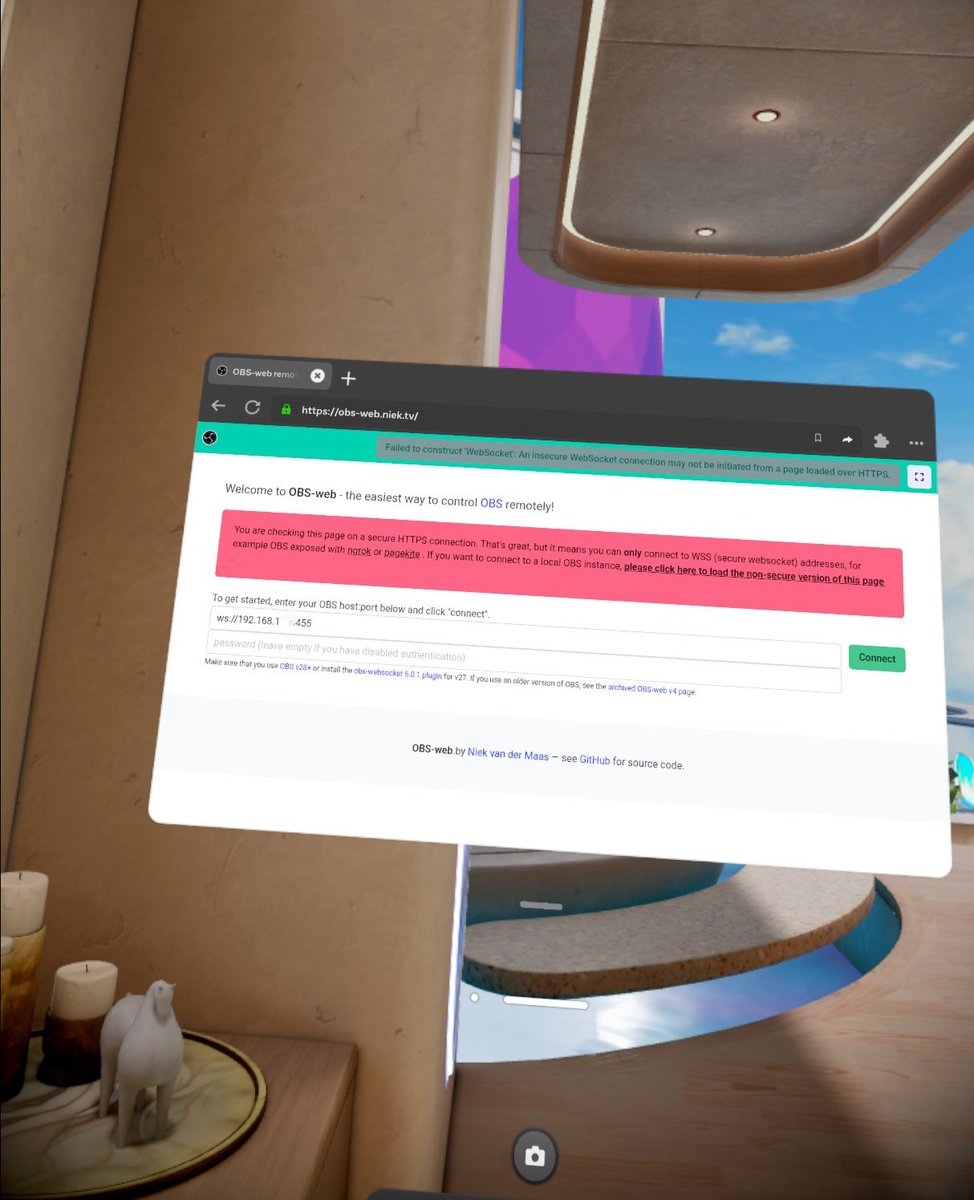
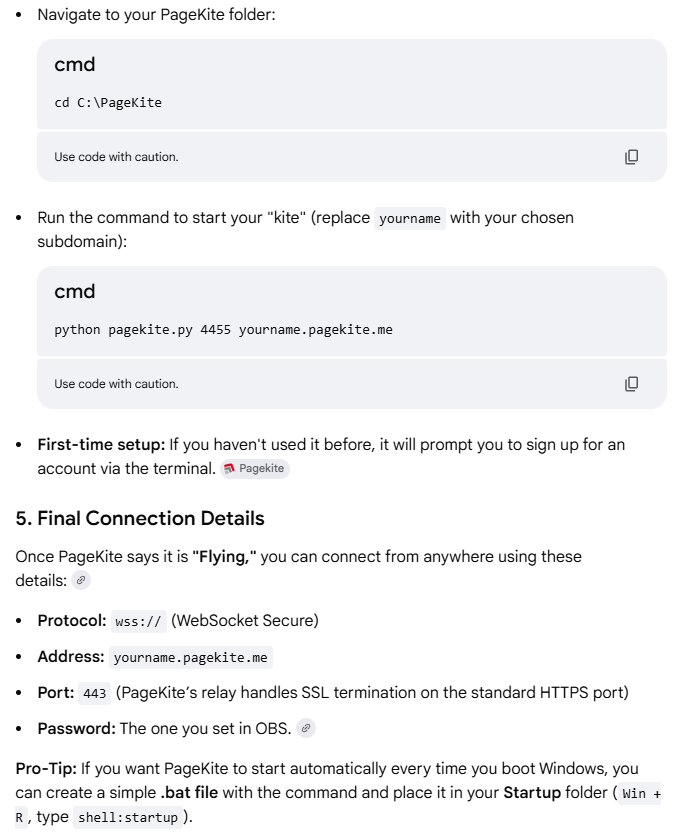
I can't connect to OBS Websocket server on local network via #MetaQuest browser (firewalls off & android chrome works on same wifi net)
Anyone using #OBS or can advise on this? @RealityLabs
The idea is to use multitasking in a VR game/app to trigger OBS
obs-web.niek.tv
2
67
Apr 24
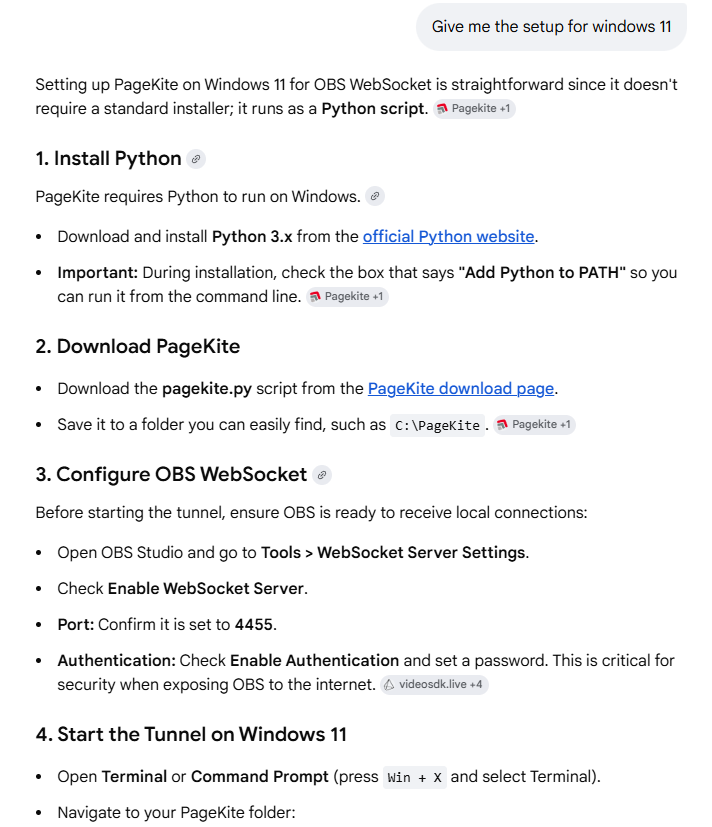
Solved. Turns out, had to install Pagekite to do some tunnelling. Thankfully today we have LLMs to guide.🤘
10
Apr 24
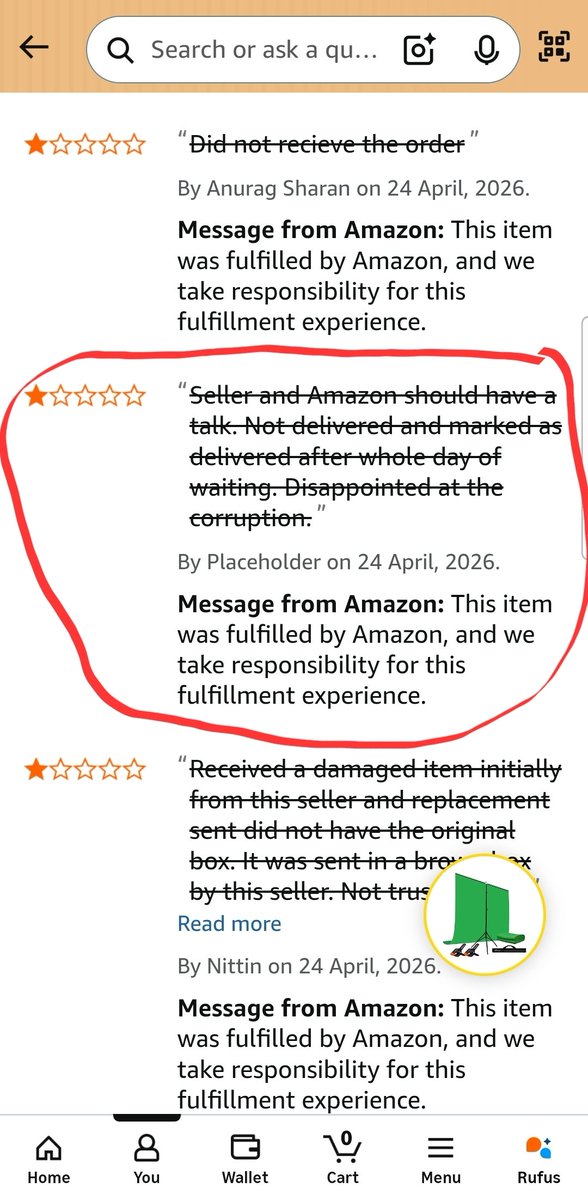
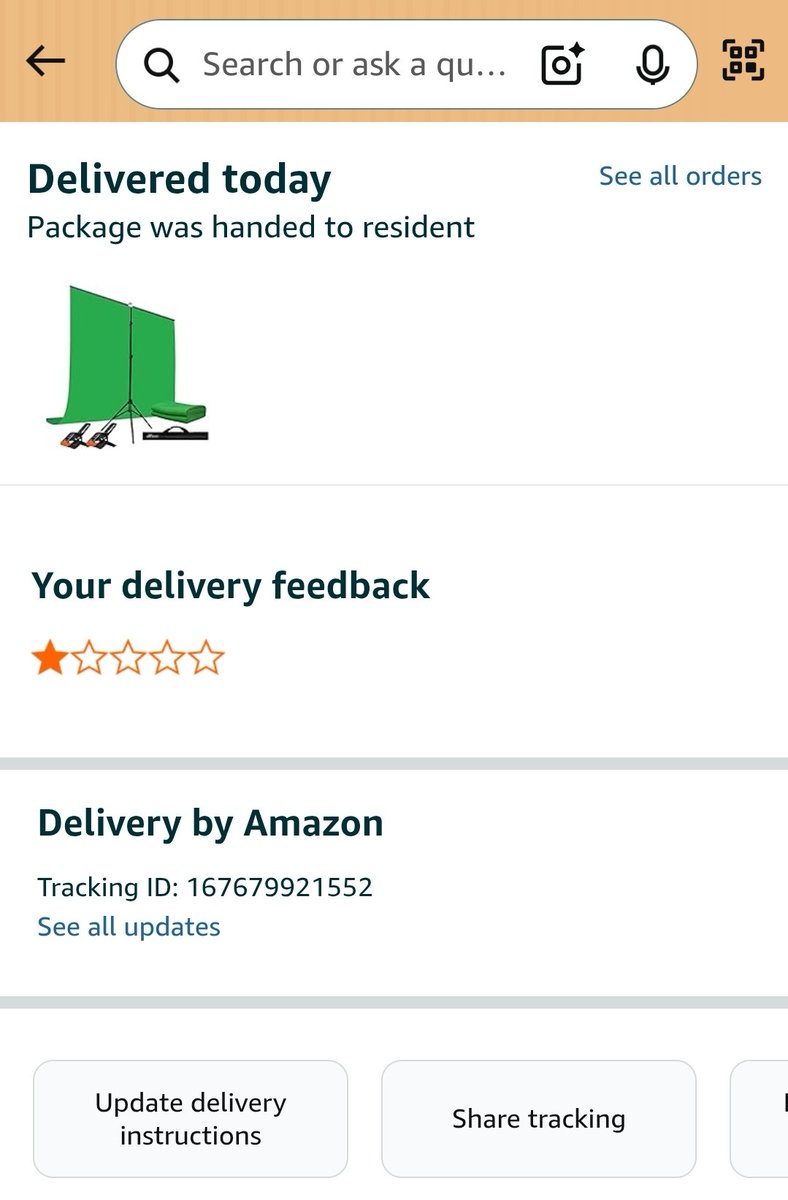
More distress. Marking a near INR2k product as delivered with no OTP - just a "trust me bro" stamp.
Promptly strike out any feedback with biolerplate reply
1
21