
A guy who does sysadmany things. Doer of Things @NorthernTechHQ. Often found @nickanderson@fosstodon.org
Joined October 2008
- Tweets 5,167
- Following 319
- Followers 385
- Likes 1,806
279 Photos and videos












Nick Anderson retweeted

16 Apr 2025
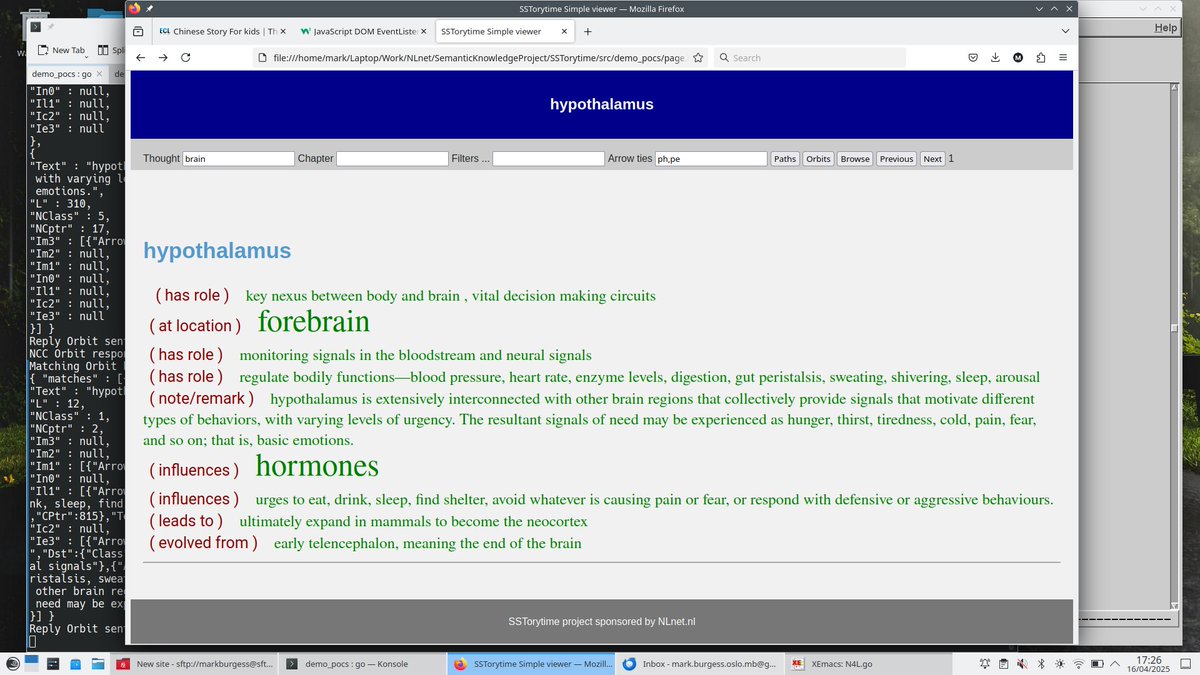
Update on SSTorytime, the basic browser working quite well now. Still some details to improve on...
1
4
255
Nick Anderson retweeted
10 Apr 2025
Nice post on Promise Theory and how it can be used to think about human organization.
cowork.no/blogg/promise-theo…
2
3
349
Nick Anderson retweeted
8 Apr 2025
Part 2 of the conceptual intro to SSTorytime:
medium.com/@mark-burgess-osl…
1
3
6
713
Nick Anderson retweeted
29 Mar 2025
I'm now looking for people to try out this project about human learning and knowledge -- a bit of a finger up to AI. I wrote a quick tutorial to get started now, even though it's early days... Any volunteers...? Qualifications needed intent to learn!
github.com/markburgess/SSTor…
1
6
8
990

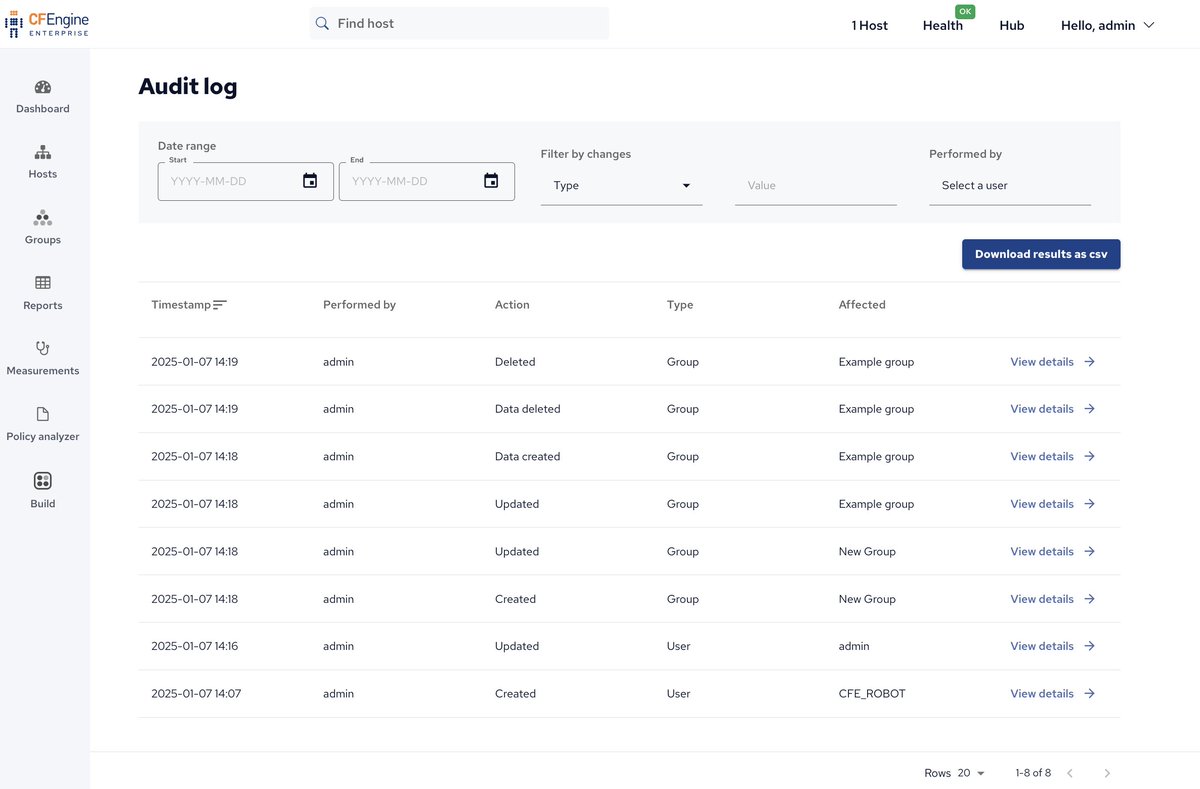
CFEngine 3.25.0 has been released! This version includes the audit log, useful for security and compliance purposes, tracking who's made changes to data, created users, deleted groups, etc.
cfengine.com/blog/2025/cfeng…
2
3
70
Nick Anderson retweeted

18 Dec 2024
🌐 The #CRA is transforming #IoTsecurity standards. From secure #OTA updates to SBOM requirements, smart physical security manufacturers need to adapt. Learn the tactics driving this evolution and stay compliant in our recent @SecInfoWatch article.
eu1.hubs.ly/H0fvlQS0
2
2
47
CFEngine 3.21.6 and 3.24.1 have been released! Read more details about these patch / bugfix releases on our blog:
cfengine.com/blog/2024/cfeng…
2
2
61
Nick takes a look at doing math in policy language, with the eval() function. Read the full post, in Feature Friday #32:
cfengine.com/blog/2024/featu…
1
2
1
54
In Feature Friday #31, @cmdln_ utilizes the storejson() function to show JSON representations of data containers:
cfengine.com/blog/2024/featu…
1
1
1
31
With CFEngine, you install a software agent on each host in your infrastructure, to perform the changes you want to automate. Our latest blog post takes a look at this approach, why it can be beneficial, and some real world examples of how to utilize it:
cfengine.com/blog/2024/benef…
2
2
62
Today, on Feature Friday #30, Nick highlights a little tool / script, which we've used to generate the CFEngine agent logo in SVG format, with options for different poses, colors, and resolutions:
cfengine.com/blog/2024/featu…
1
1
3
64
On the 26th Feature Friday, @cmdln_ shows off the groups promise type, for managing local user groups, including who should be in a group, who should not, etc.
cfengine.com/blog/2024/featu…
1
1
3
67
Today's post is about running CFEngine with an unprivileged (non-root) user, which is especially useful for writing and tesing policy:
cfengine.com/blog/2024/featu…
1
1
2
83
In Feature Friday #24 @cmdln_ looks at Augments files and host specific data:
cfengine.com/blog/2024/featu…
1
2
2
51
In the 22nd post of the series, @cmdln_ shows how you can make CFEngine highlight issues with warnings, instead of actually making changes to systems. This can give you more confidence as you're making bigger changes across your infrastructure:
cfengine.com/blog/2024/featu…
1
2
2
81
In @craig_comstock_'s latest blog post, he looks at recent vulnerabilities in OpenSSH, and how to get an overview of machines potentially affected;
cfengine.com/blog/2024/inven…
1
1
115
In CFEngine policy language, stakeholders can be used to document why something was added to policy, or who it was implemented for. Common uses of this knowledge management feature are adding ticket numbers, CVE IDs, URLs, or team names / email addresses:
cfengine.com/blog/2024/featu…
1
1
3
86
In the 20th post of the series, @cmdln_ takes a look at macros, which allow you to only parse and evaluate some of your policy based on which version of CFEngine you are running or what features are available:
cfengine.com/blog/2024/featu…
1
1
3
90
If you're relying on this inventory attribute for conditions or host filtering, please see the change in behavior blog post for more details: cfengine.com/blog/2024/chang…
1
2
62
The CFEngine team is please to announce the release of CFEngine 3.24.0 LTS, the first version of the 3.24 LTS series, which will be supported for the next 3 years. Read more in the release announcement blog post:
cfengine.com/blog/2024/cfeng…
2
3
62