Chaire Nouvelles Pratiques pour l'Innovation et la Créativité - Chair new Practices for Innovation and Creativity - co-dir: @VMerindol & @DwV13 - @psbeduparis
Joined April 2014
- Tweets 17,576
- Following 2,566
- Followers 648
- Likes 7,354
397 Photos and videos
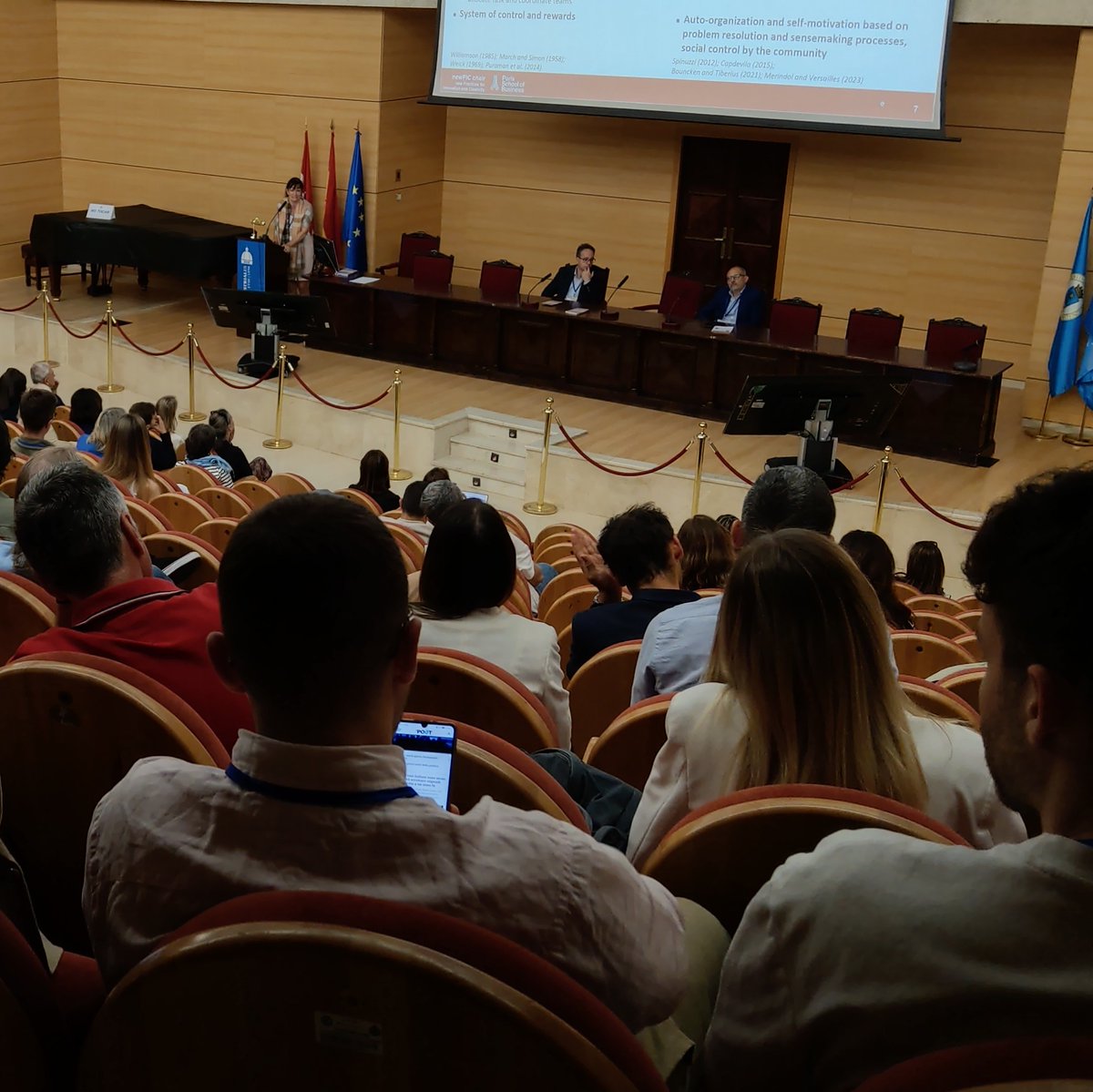
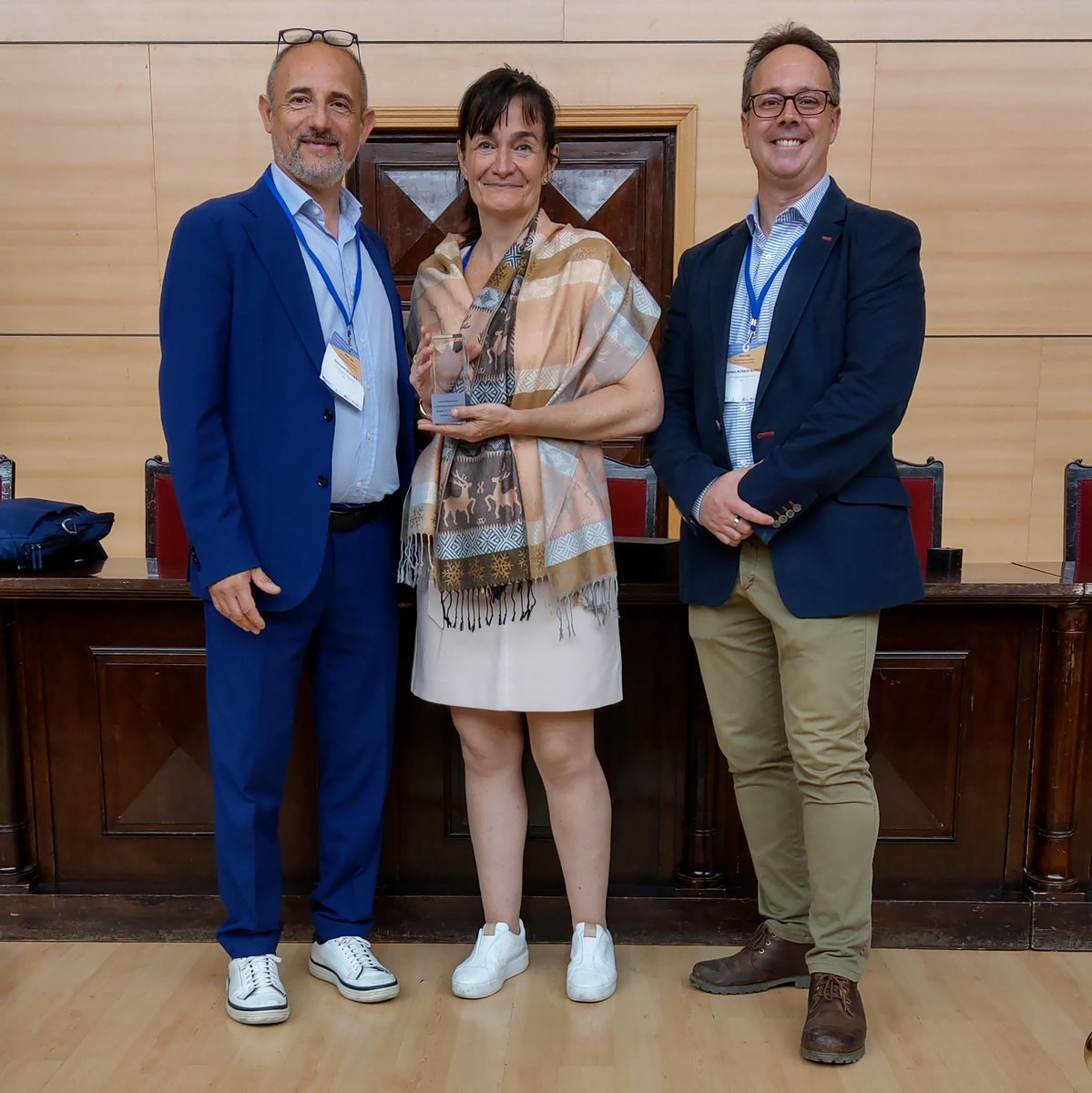
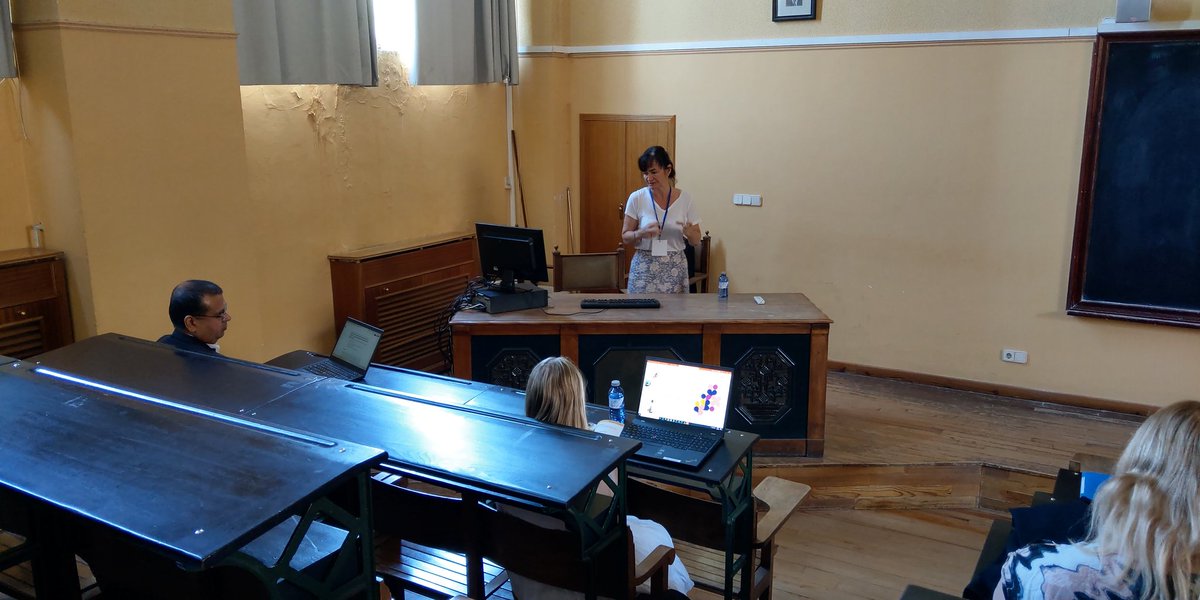
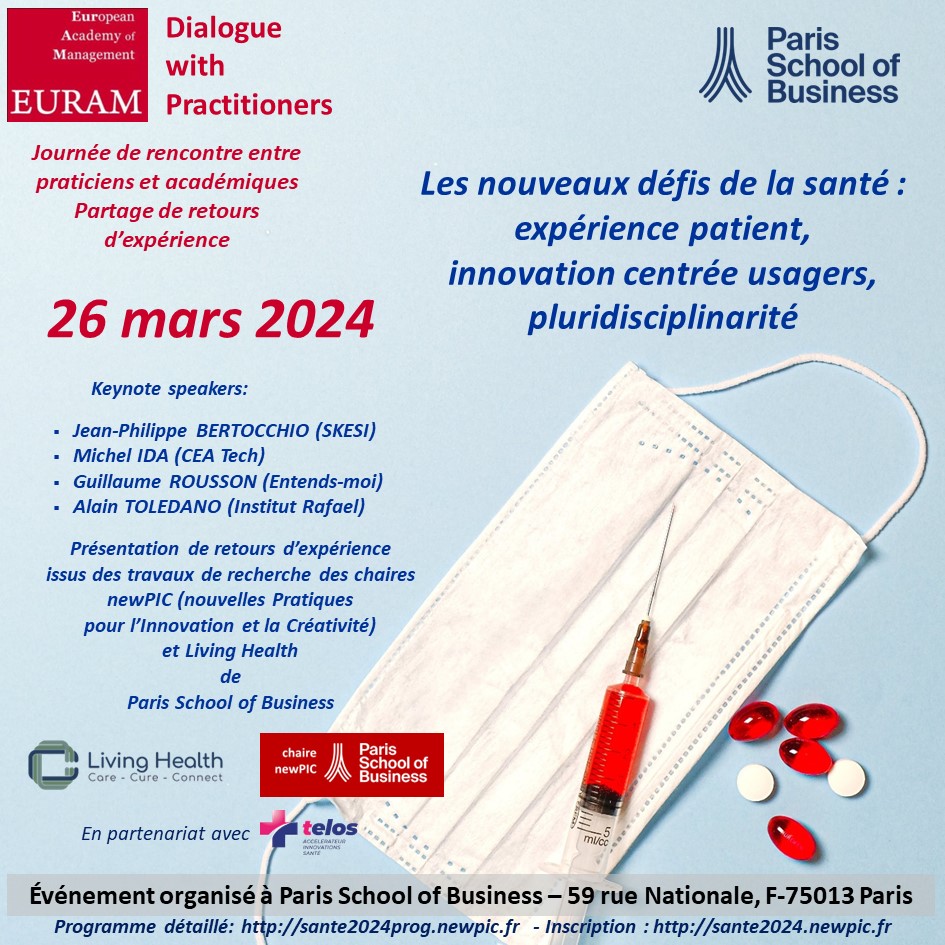
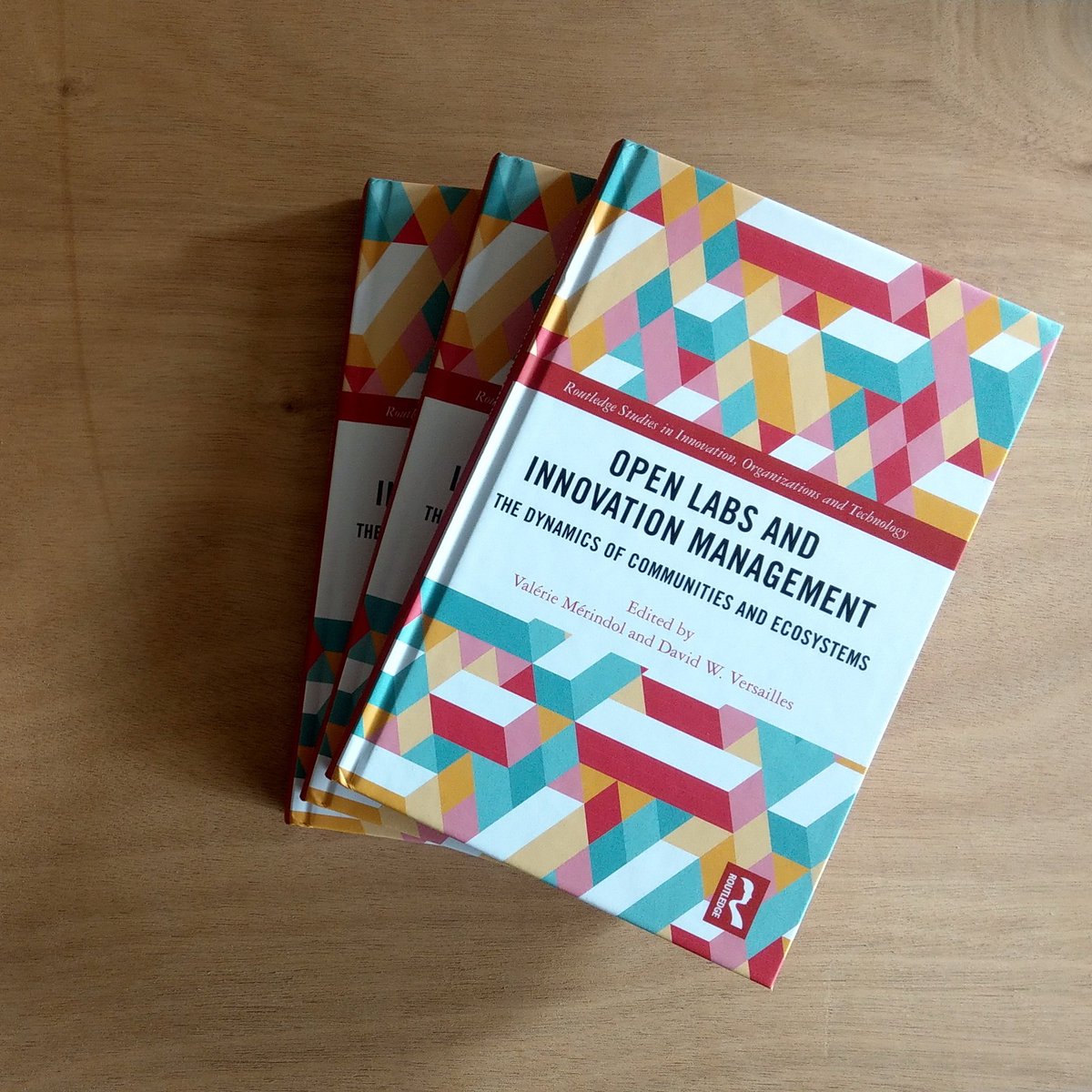
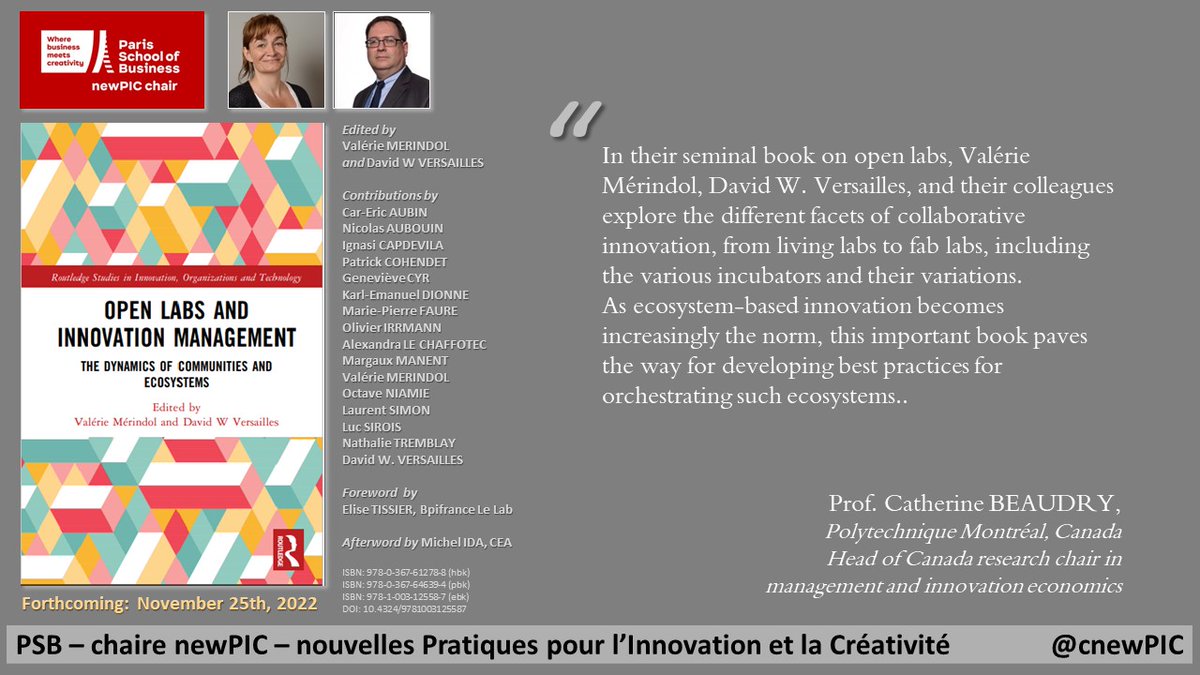
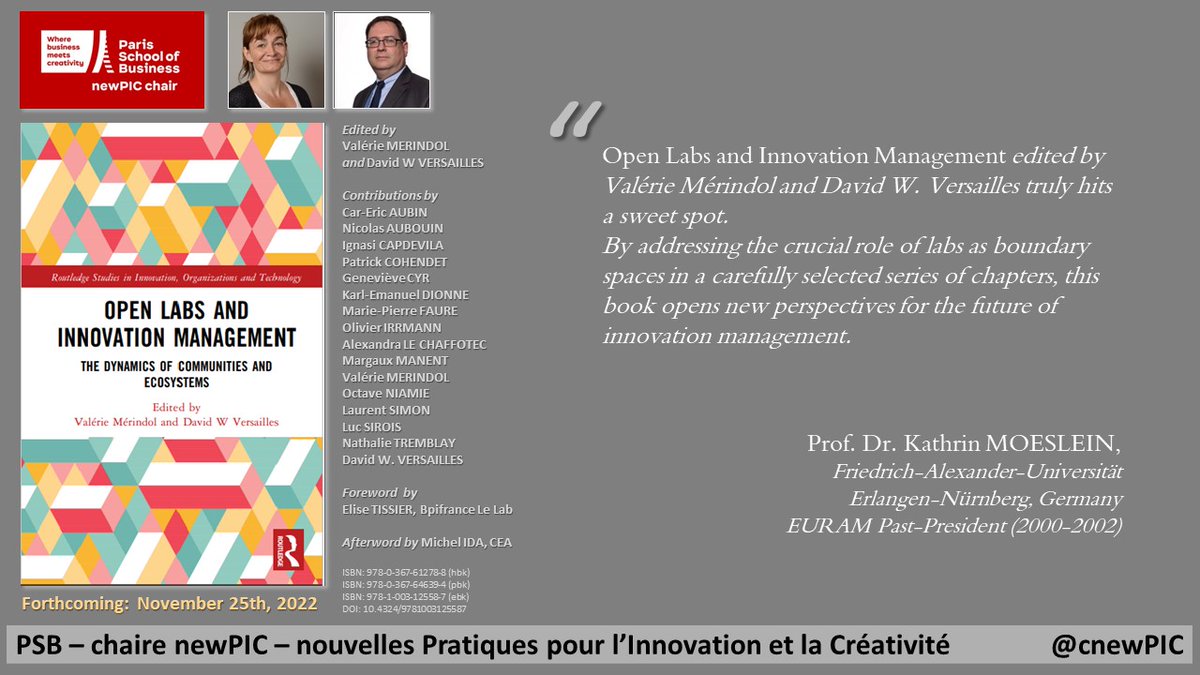
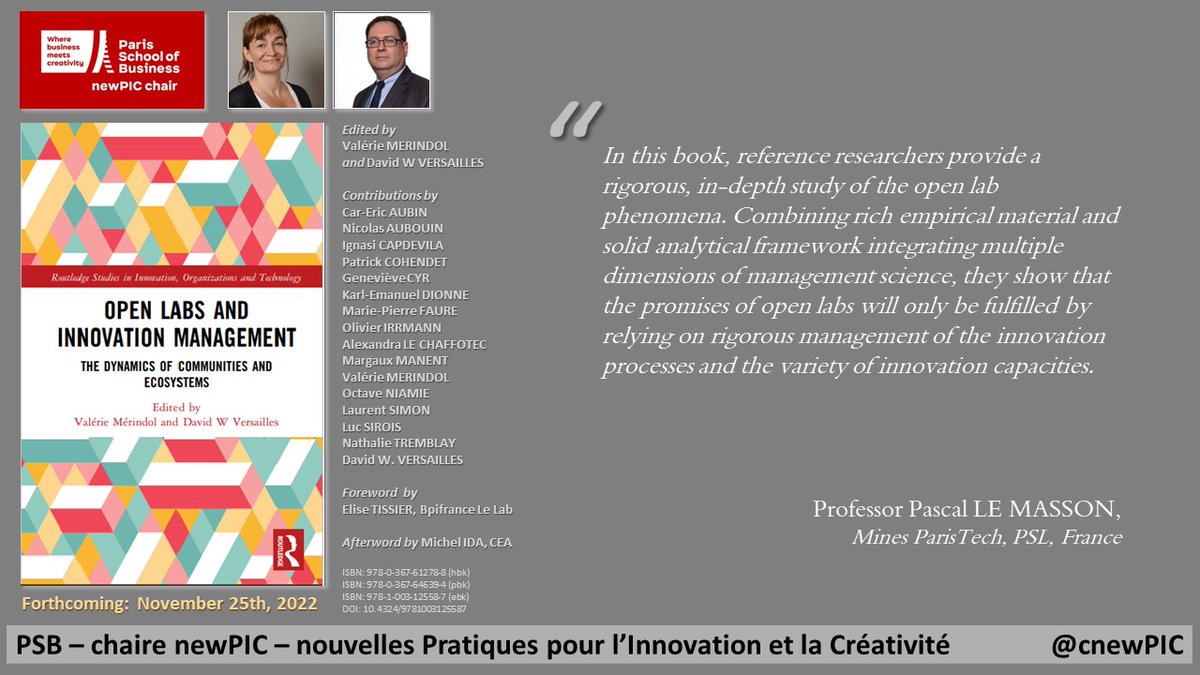
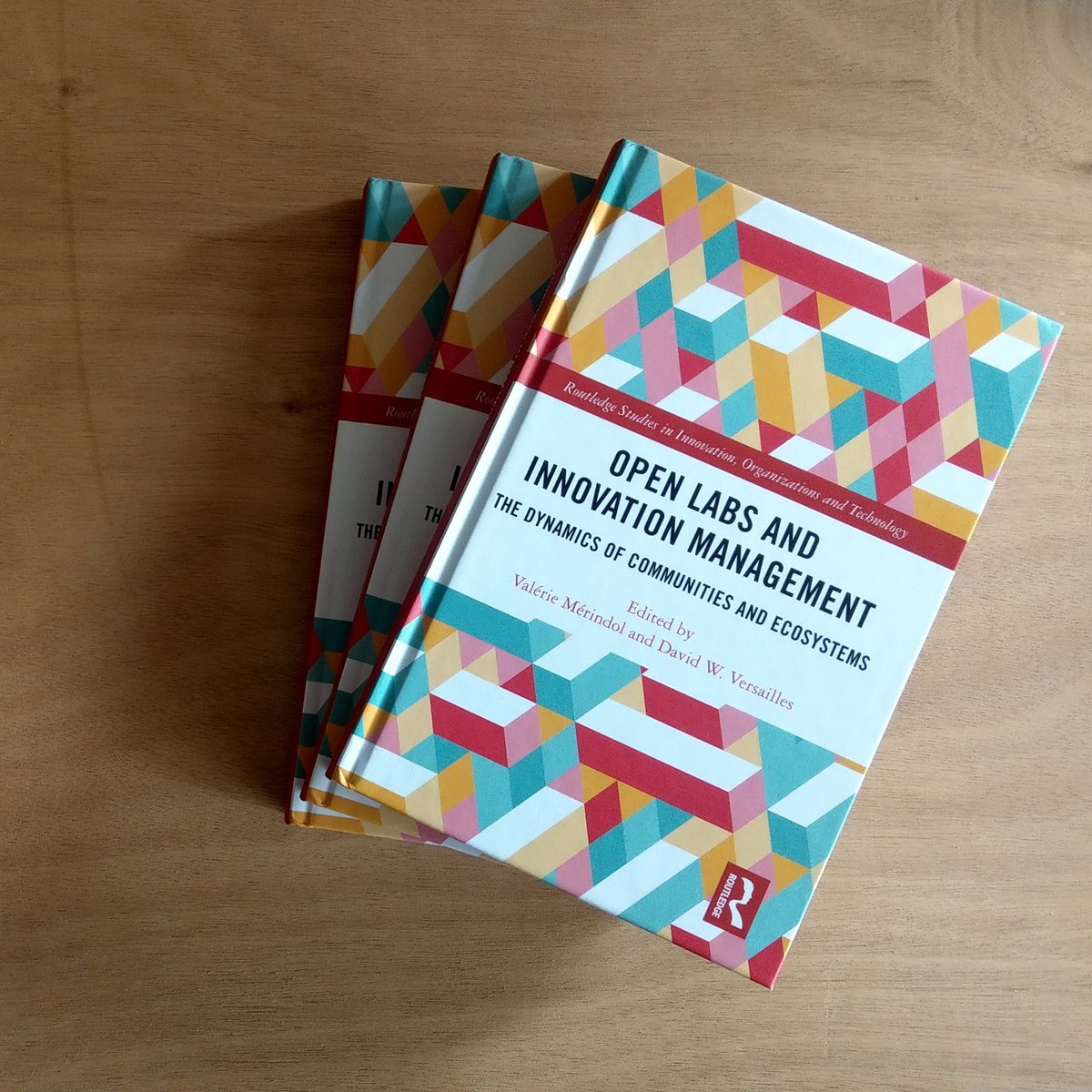
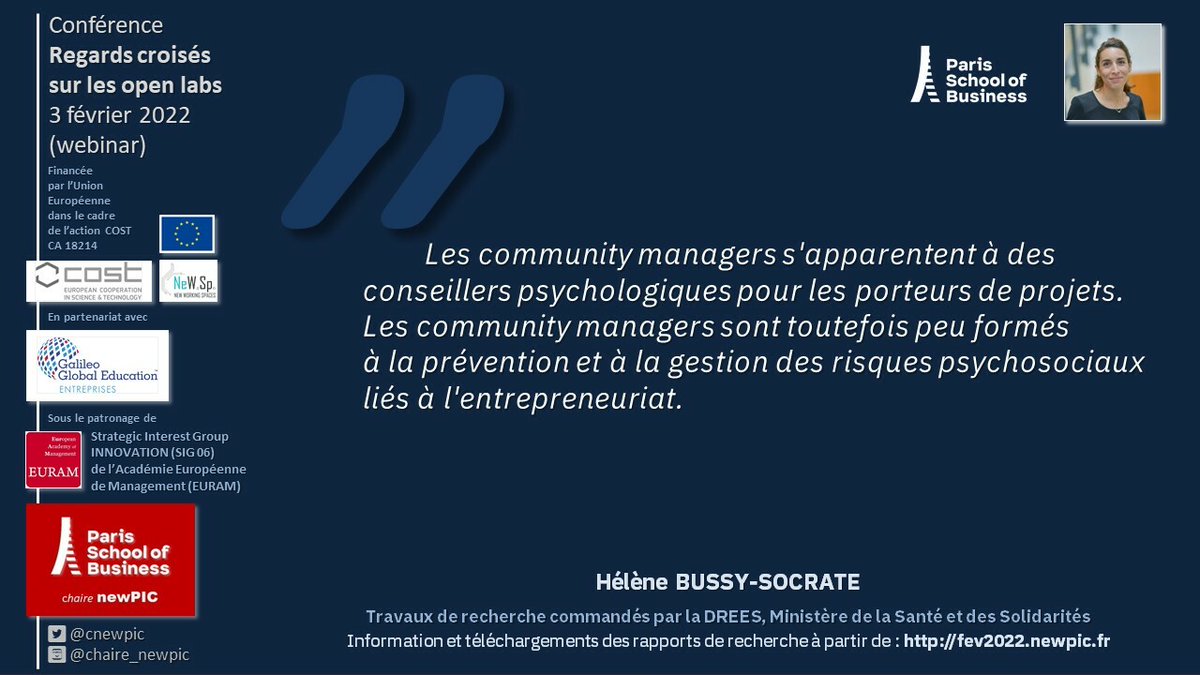
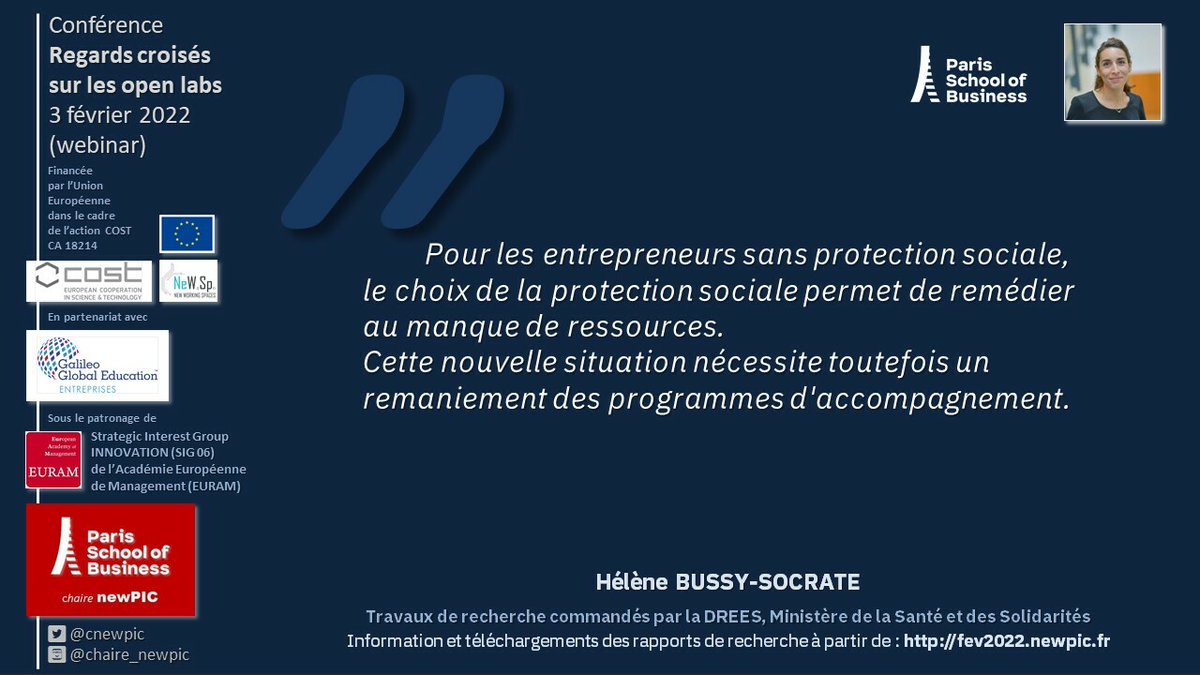
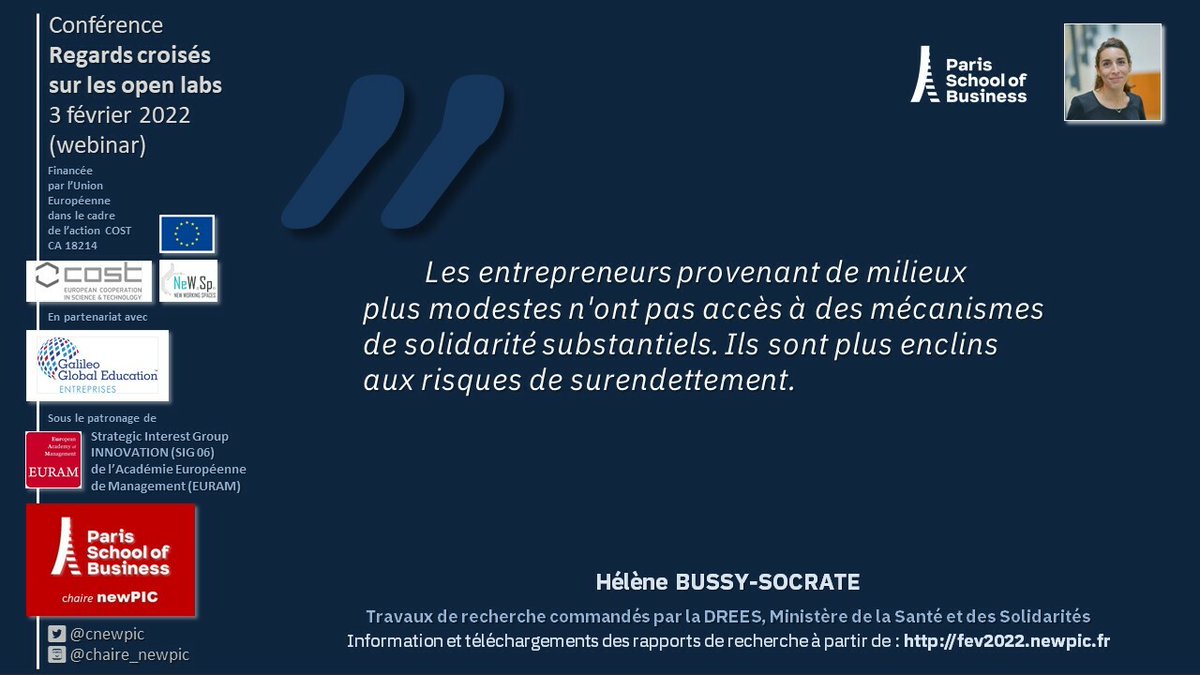
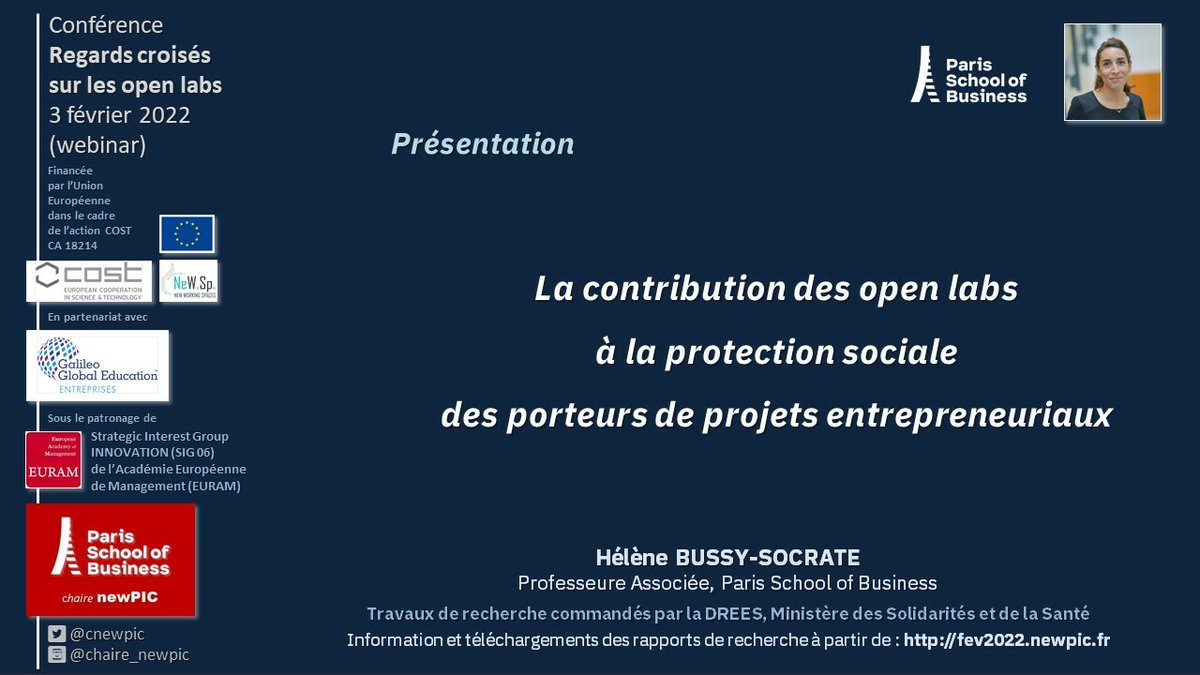
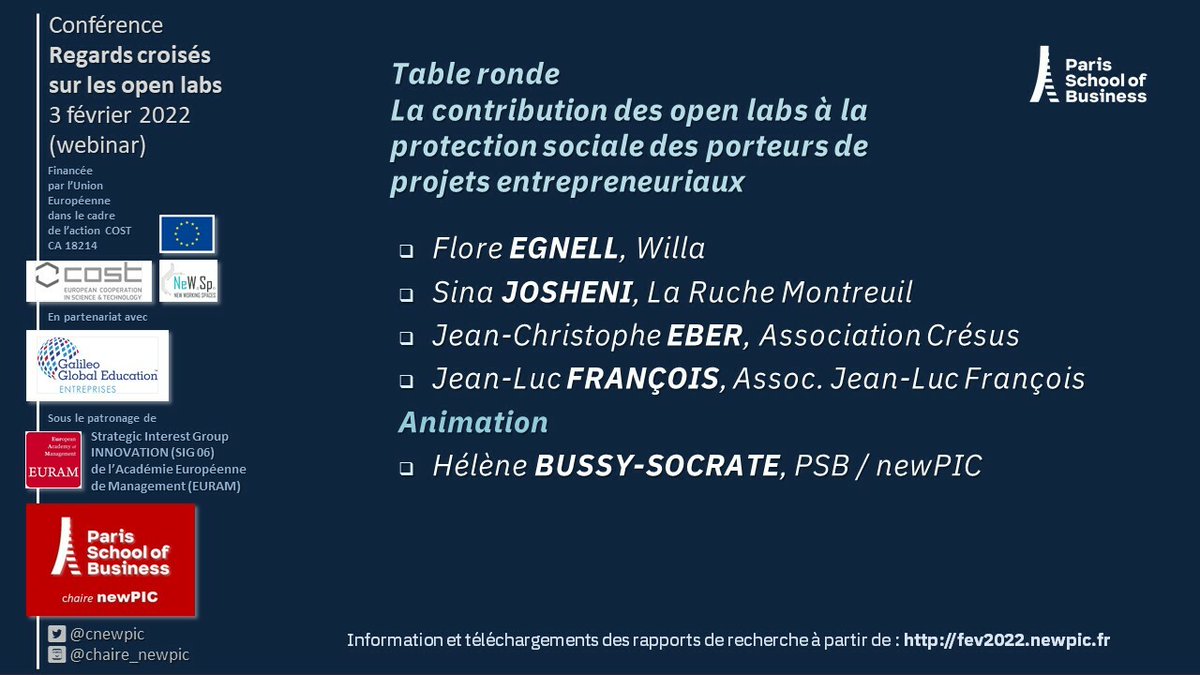
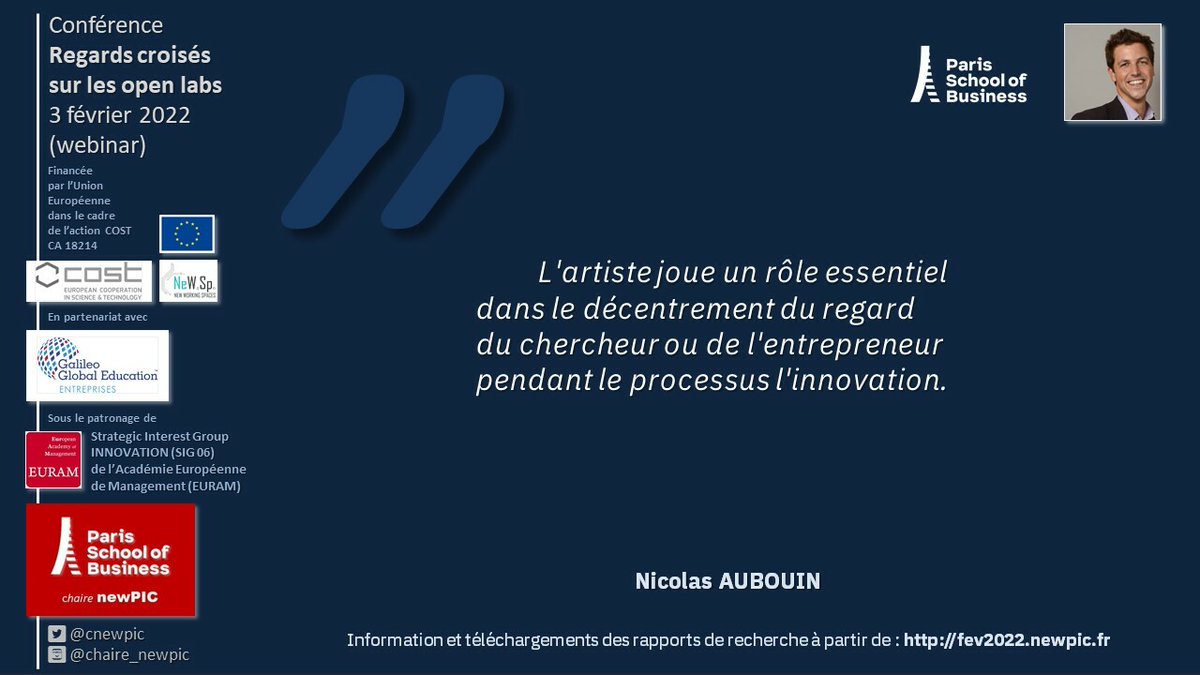

@EURAM_BXL propose un événement dans le cadre du Dialogue avec les praticiens, organisé par @dwv13 à @Psbeduparis. Travaux des chaires @cnewpic et Living Health de PSB, et keynote par @IDAideaslab, @JPBertok, @G_Rousson, A Toledano. Inscription: sante2024.newpic.fr
4
7
302

newPIC retweeted

10 Sep 2024
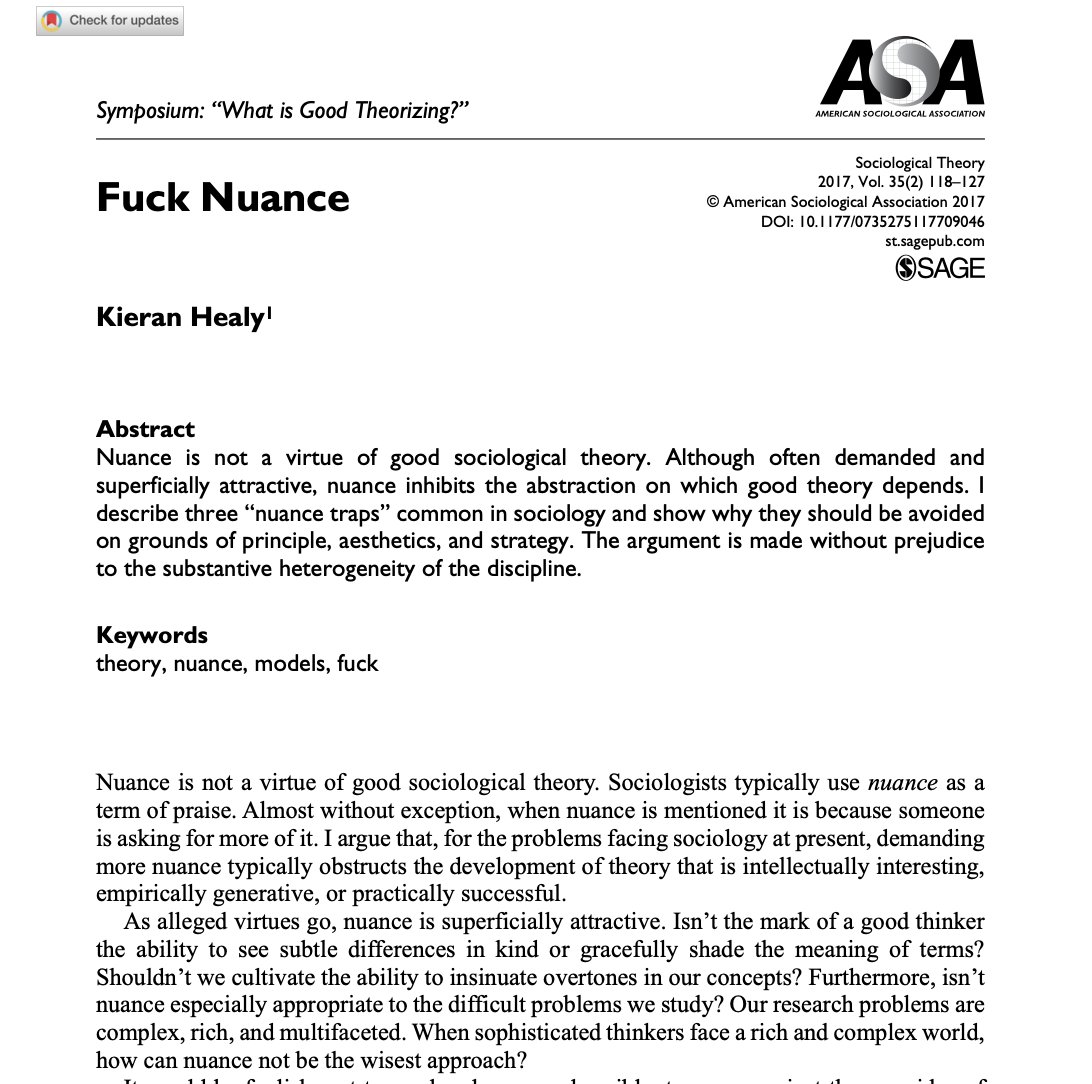
“How does the theory deal with agency, or structure, or culture, or temporality, or power, or [some other abstract noun]?” 🤔
Great provocative paper by Kieran Healy on "Fuck Nuance" (👉🏾 journals.sagepub.com/doi/epu…)
2
9
589



newPIC retweeted

4 Sep 2024
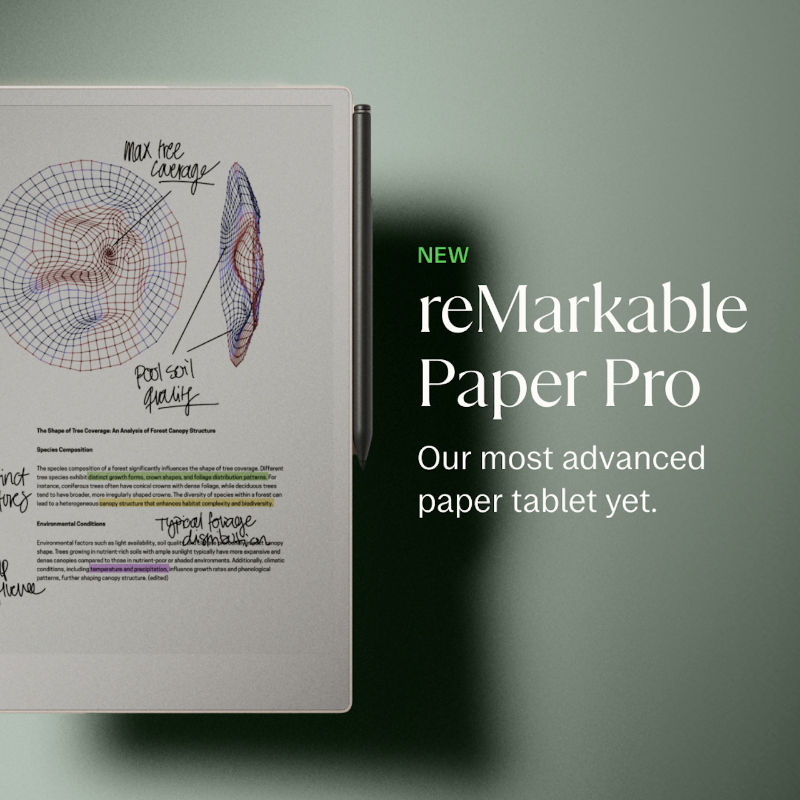
Paper-thin, paper-like, and in color. reMarkable Paper Pro.
49
50
856
6,556,973


newPIC retweeted

6 Aug 2024
Mettre l'université entrepreneuriale au coeur d'un écosystème d'innovation. Article avec @VMerindol dans le cadre des travaux de la chaire @cnewpic de @Psbeduparis. Recherche financée par @Bpifrance Deeptech. Le lien avec la politique publique des PUI est explicite...


2
3
71
newPIC retweeted

6 Sep 2024
In short: there is a lot of interesting work (OK, I cited mostly mine because that's what I know) on when, where, and how founders should intervene directly as opposed to delegating to professional managers. I like the term "founder mode" but the ideas are not new! 8/8
1
1
1
265
newPIC retweeted
6 Sep 2024
Founder mode is hard, and some founders do it better than others. Following Alchian, we say that founders/owners differ in "ownership competence," which includes knowing what, when, and how to exercise something like founder mode. 7/ onlinelibrary.wiley.com/doi/…
1
1
280
newPIC retweeted
6 Sep 2024
A skilled owner knows when to jump into founder mode (hint: it's not all the time) and when and what to delegate. On average, most founders probably spend too much time in founder mode! Contrary to myth, flatter is not always better. 6/ hachettebookgroup.com/titles…
1
1
1
167
newPIC retweeted
6 Sep 2024
In @NicolaiFoss's and my terminology, founder-owners exercise residual decision authority, what we call "original judgment," while professional managers exercise proximate authority or "derived judgment" that is granted to them by owners. 5/ journals.sagepub.com/doi/abs…
1
1
1
175
newPIC retweeted
6 Sep 2024
What Paul calls "founder mode" sounds to me like "owner mode" because he implicitly assumes the founder is not just a bold and charismatic leader who helped start the company but someone with formal authority today - something that normally comes with ownership. 4/
1
1
169
newPIC retweeted
6 Sep 2024
A good place to start is Jensen's famous 1989 piece on private equity. He's talking about LBOs but his active vs. passive ownership framing is helpful and general. Non-owner professional managers play a fundamentally different role than owners. 3/ hbr.org/1989/09/eclipse-of-t…
1
1
1
220
newPIC retweeted
6 Sep 2024
Paul says there are "no books specifically about founder mode" and business schools "don't know it exists." Ackchyually.... There's a lot of work on organizational design - authority and delegation, active ownership, the role of founders - across the life cycle. Buckle up! 2/
1
1
3
241
newPIC retweeted
6 Sep 2024
Lot of discussion this week on what Paul Graham calls "founder mode," by which he means the founder's active participation in strategic and operational decisions, even once the company grows and matures. 1/ paulgraham.com/foundermode.h…
1
3
12
2,615
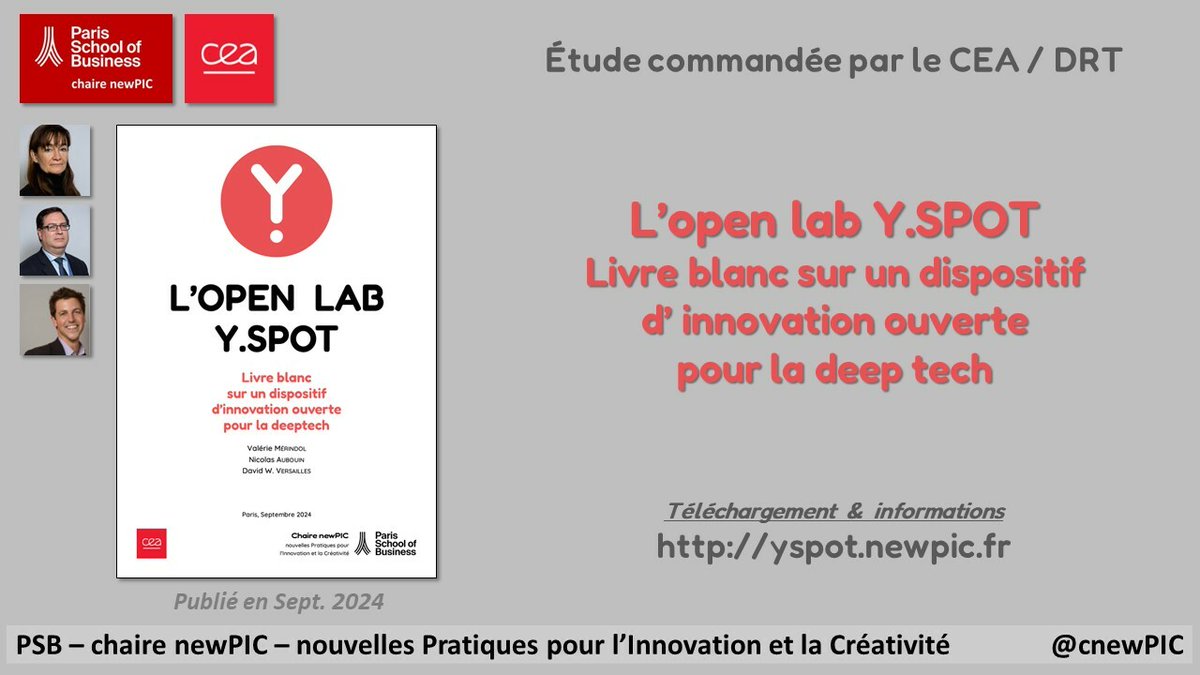
Nouvelle étude proposée par @cnewpic (@VMerindol @DWV13 et N Aubouin), commandée par @CEA_Officiel / DRT sur l’open lab Y.SPOT, dispositif d’innovation ouverte pour la deeptech. A télécharger sur yspot.newpic.fr
2
2
50
newPIC retweeted

14 Jun 2024
Quand le pilote est fan de Terminator

11
68
911
39,563
newPIC retweeted

14 Jun 2024
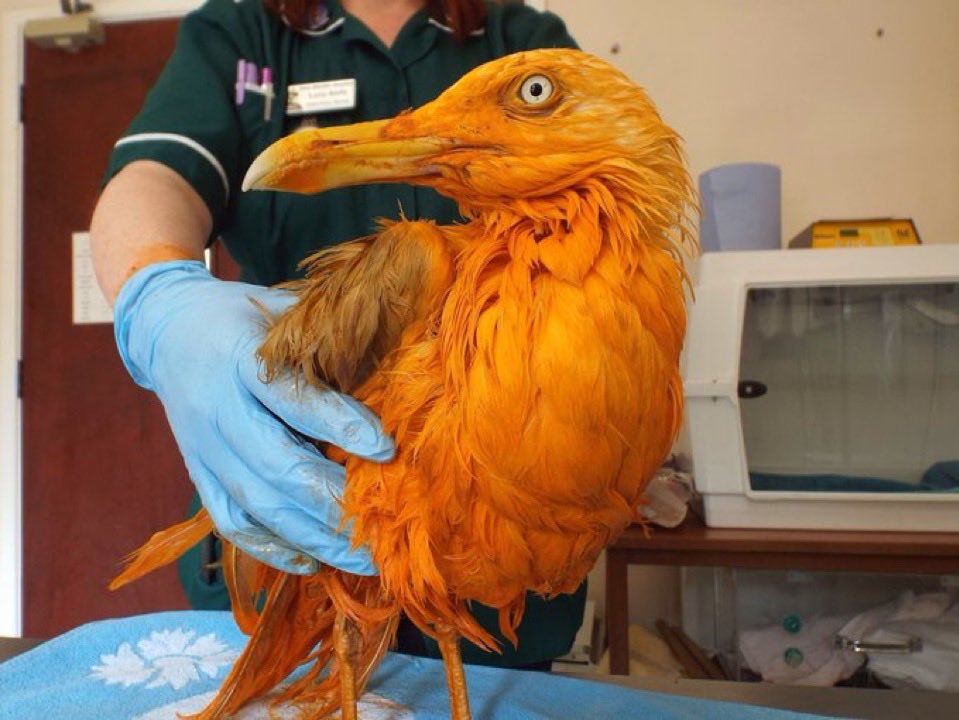
Mais quel est donc cet étrange oiseau orange ?
Et bien c’est goéland britannique tombé accidentellement dans une cuve de curry !
Le goéland qui voulait attraper un morceau de viande 🥩 a plongé dans la cuve, ressortant plutôt « épicé 🌶️ » 😂👇🏻
theguardian.com/environment/…
5
26
101
3,778
newPIC retweeted

14 Jun 2024
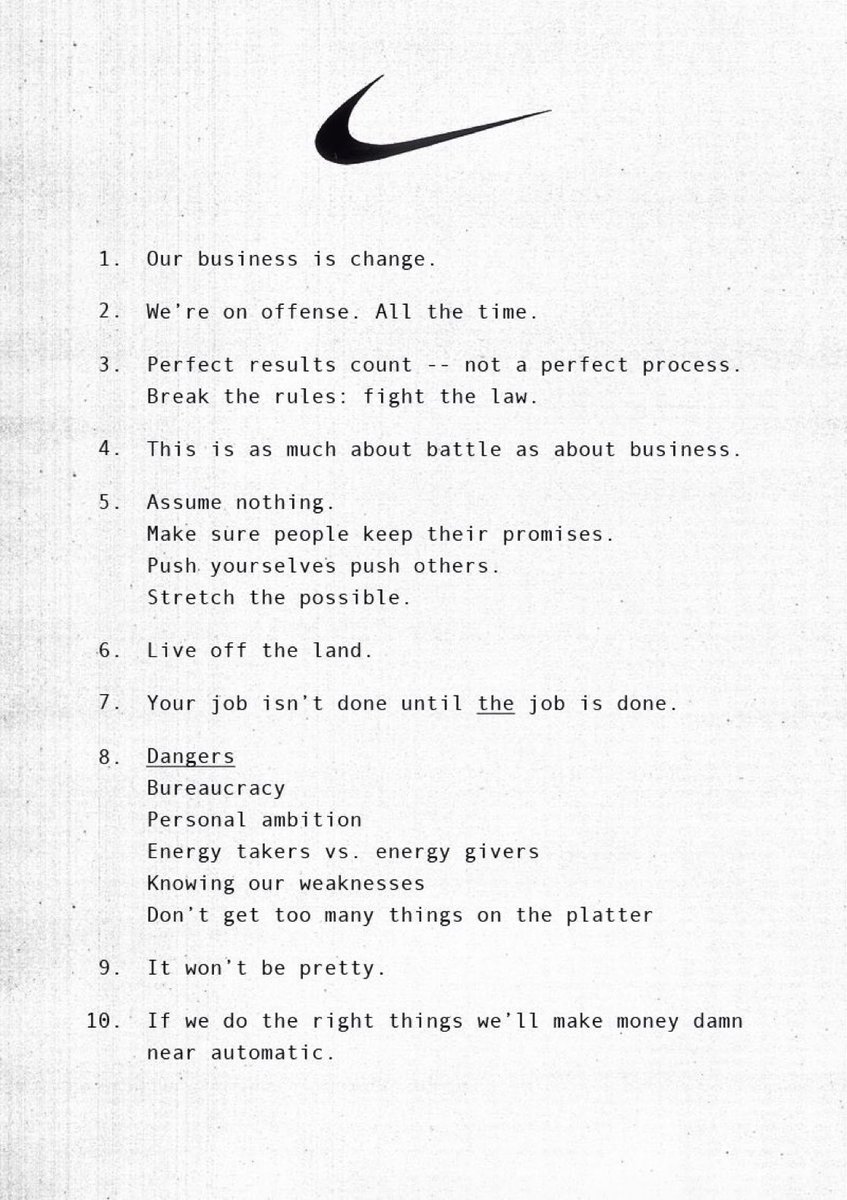
In 1977, @Nike executive Rob Strasser typed a list of 10 company “principles."
Sales was $29 million with less than 1,000 employees. It had yet to go public.
Dangers:
Bureaucracy
Personal ambition
Energy takers
Knowing our weaknesses
Don’t get too many things in the platter
3
176
977
282,036
newPIC retweeted

14 Jun 2024
JAL to Establish New Company ‘JAL Innovation Lab’ on July 1 en.traicy.com/posts/20240615…
3
4
58