Le fil d'actualité du Cercle numismatique de #Nice06 Recherche, conférences, publications, expositions. Rencontres numismatiques nationales le 22 novembre 2026

Joined February 2013
597 Photos and videos
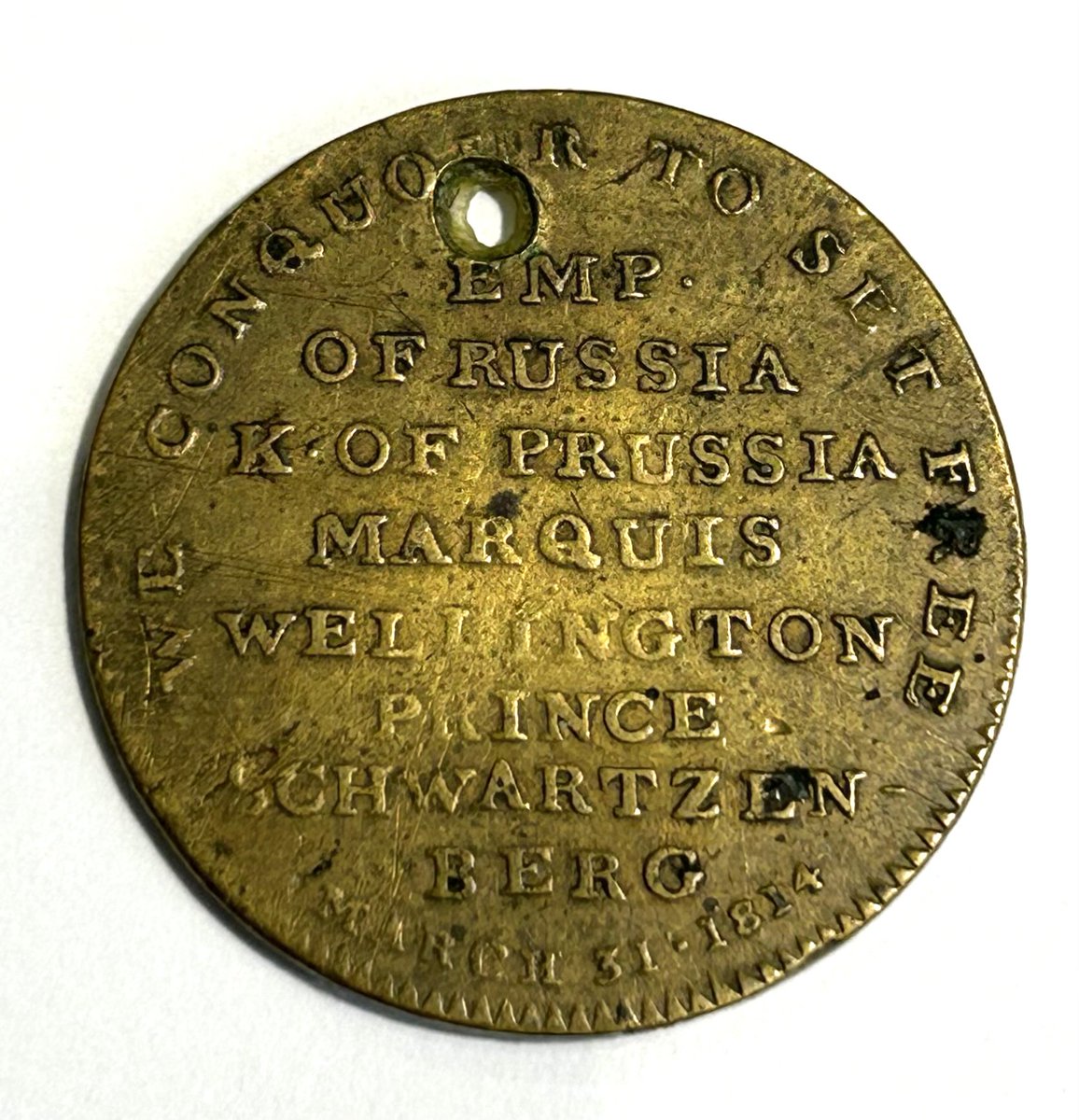
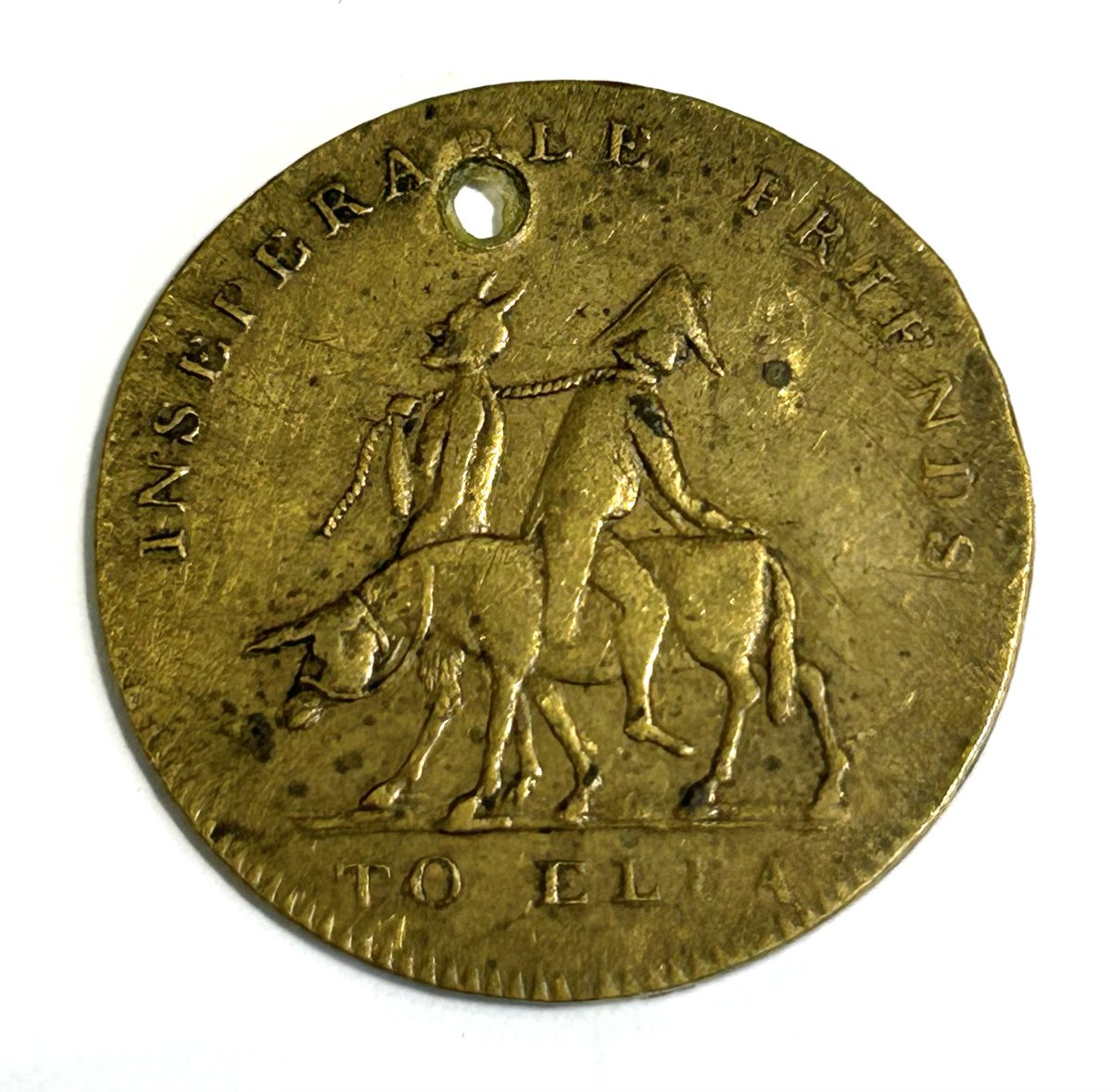
Jeton satirique de 1814. Le Diable mène Napoléon juché sur un âne à l’île d’Elbe. Les Anglais ont aussi brocardé l’empereur déchu avec le palindrome « Able was I ere I saw Elba ». Lui-même disait « enlevez-moi ce titre ridicule de souverain de l’île d’Elbe »…
1
39
Cercle numismatique de Nice retweeted
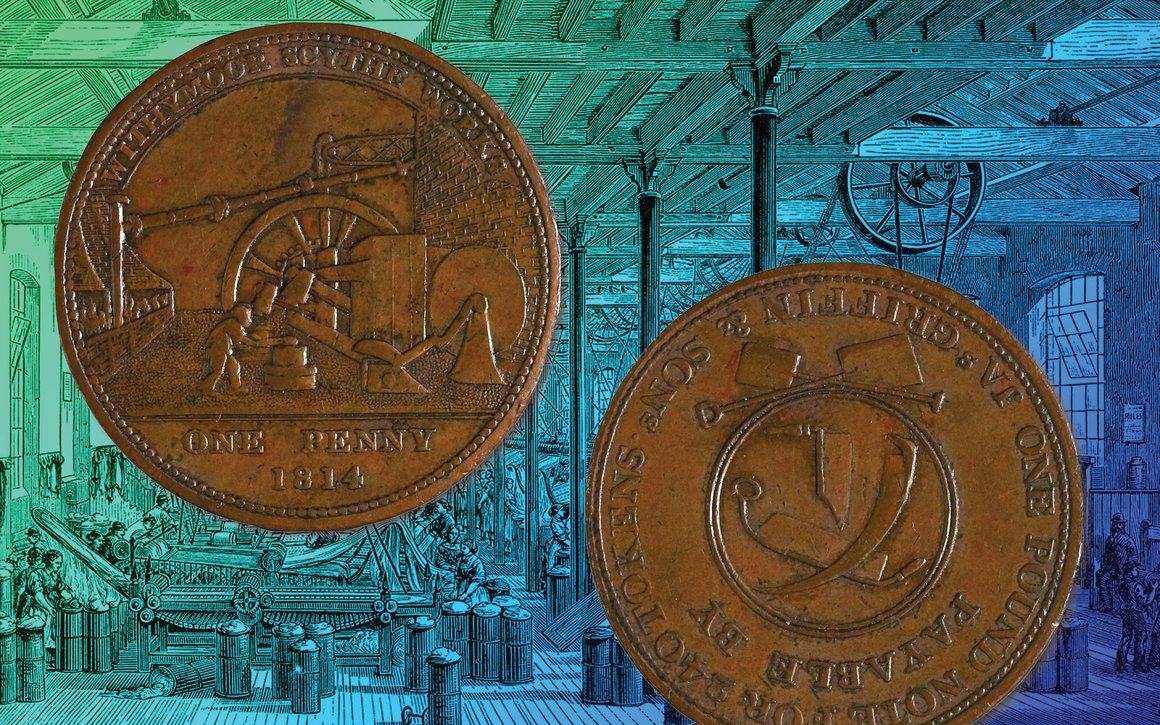
In 1800s Britain, factory workers were paid in copper tokens. When the Royal Mint fell short, industrialists stepped up. Learn more via The Reading Room: “Hard Times in 1800s Britain: Tokens to the Rescue” by Mike Sage👇🔗 bit.ly/4dLA8nK #Numismatics #MintedMonday
3
6
22
507
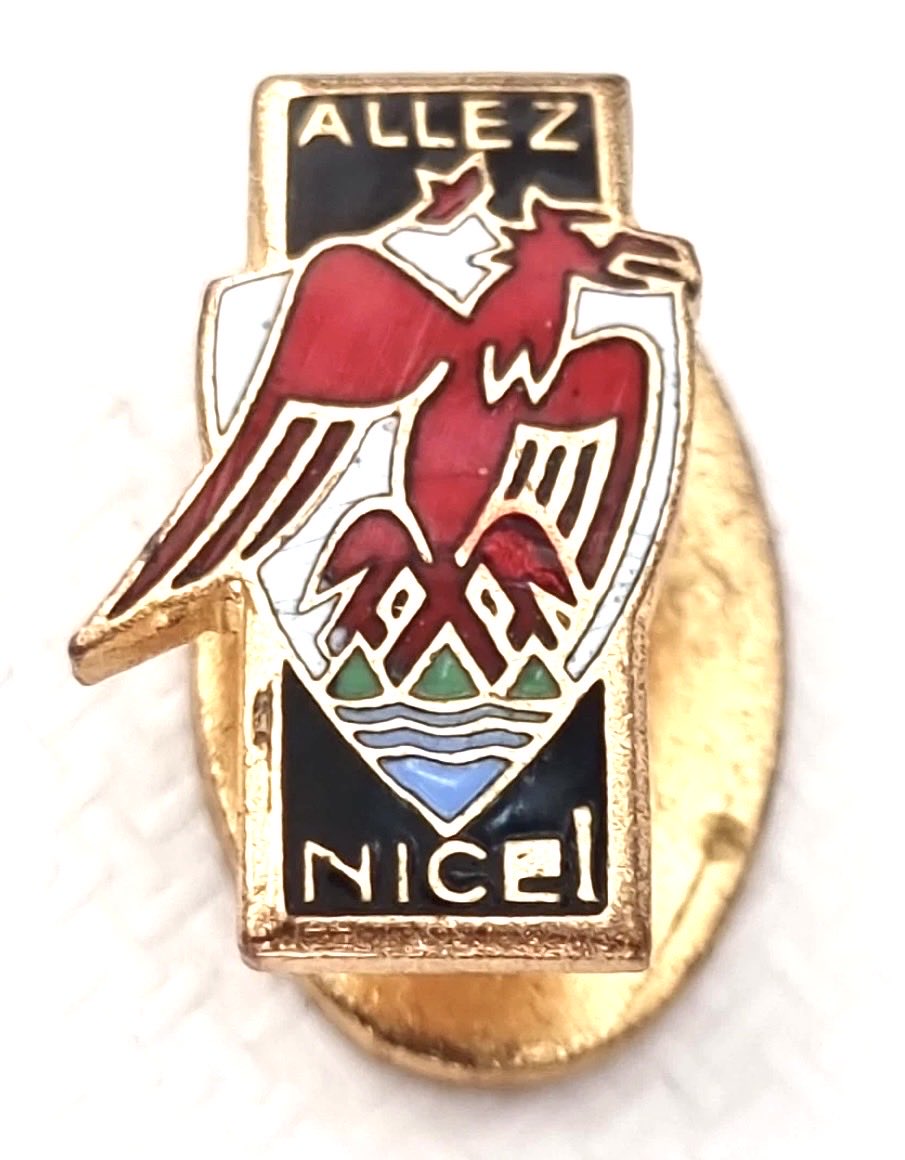
Un match pour marquer l’histoire. Allez l’OGC Nice, force aux Aiglons! #RCLOGCN 🔴⚫️ 🏆 @ogcnice @coupedefranceCA
1
328
Cercle numismatique de Nice retweeted
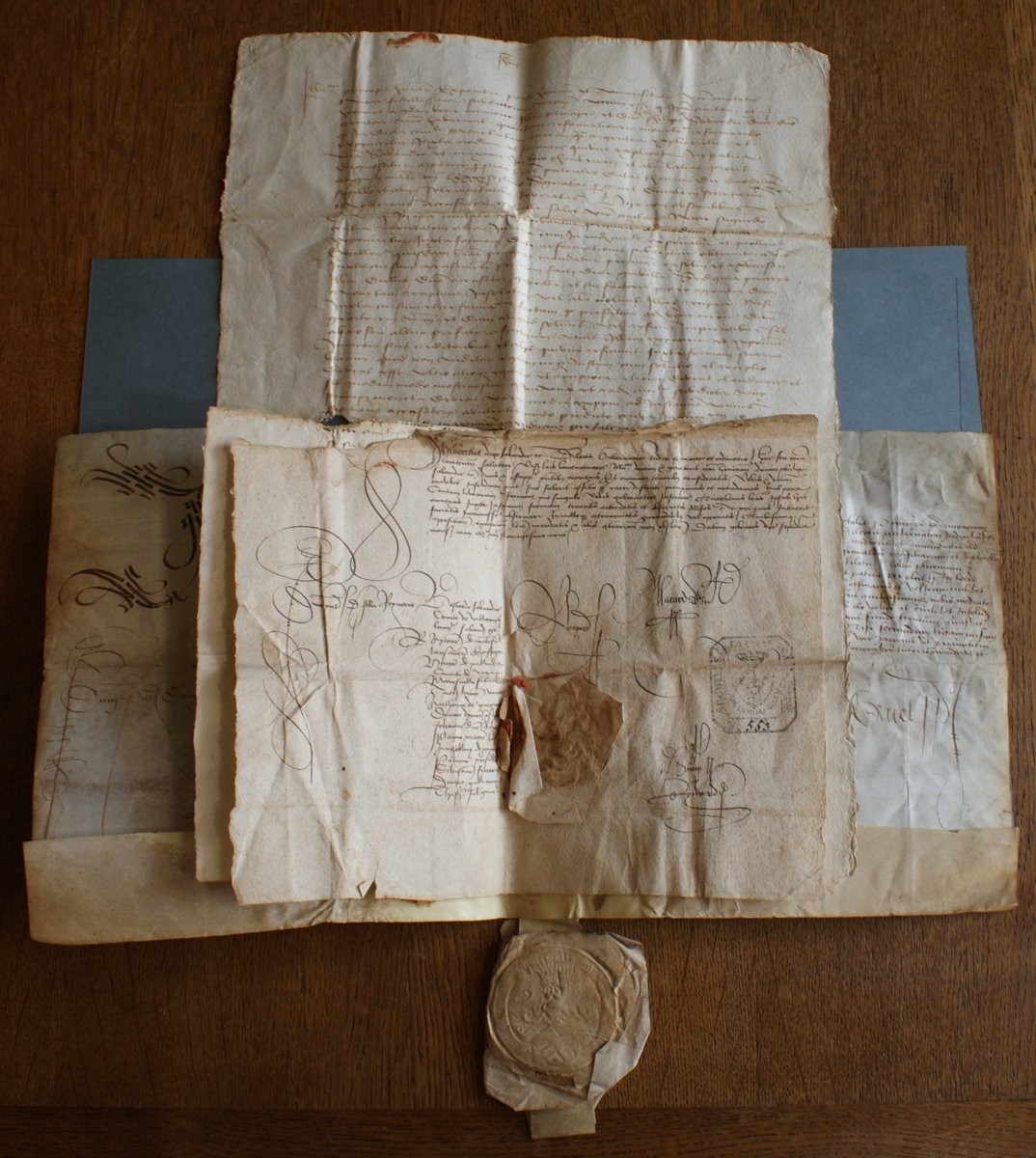
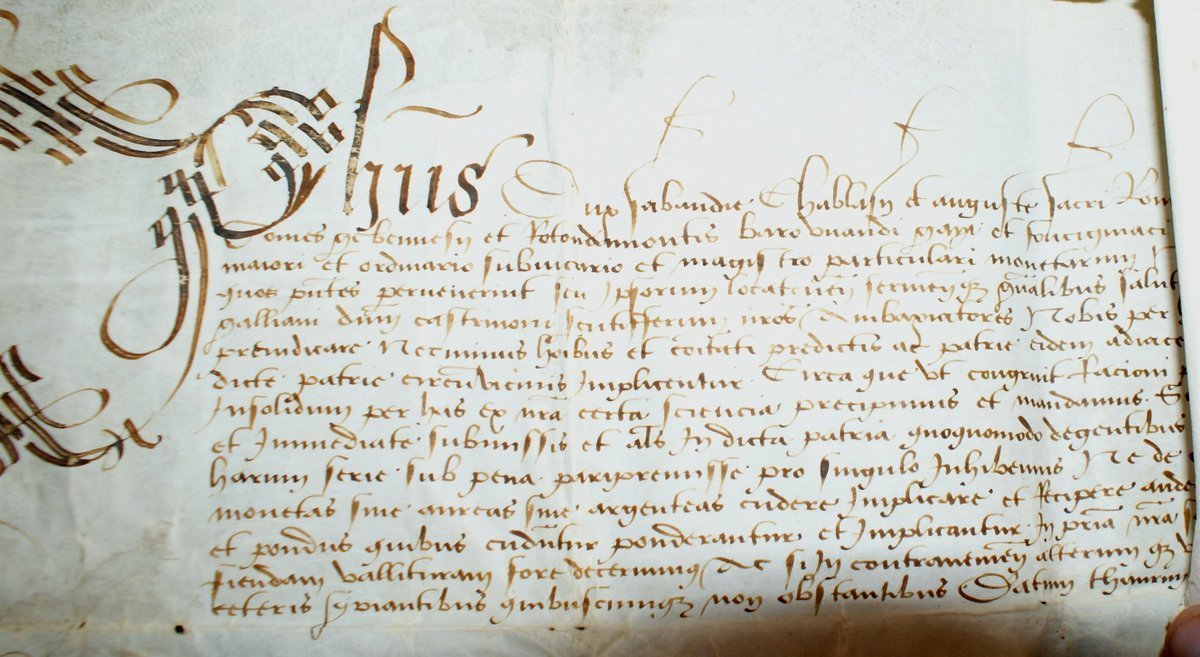
Il y a huit ans, le 14 mai 2018, une conférence au Cercle #numismatique de Nice révélait, avec l'appui de documents inédits, l'existence d'un atelier monétaire à Nice dès le XVe siècle. @CNumisNice #Nice #NiceRendezVous® #Nice06
1
3
178
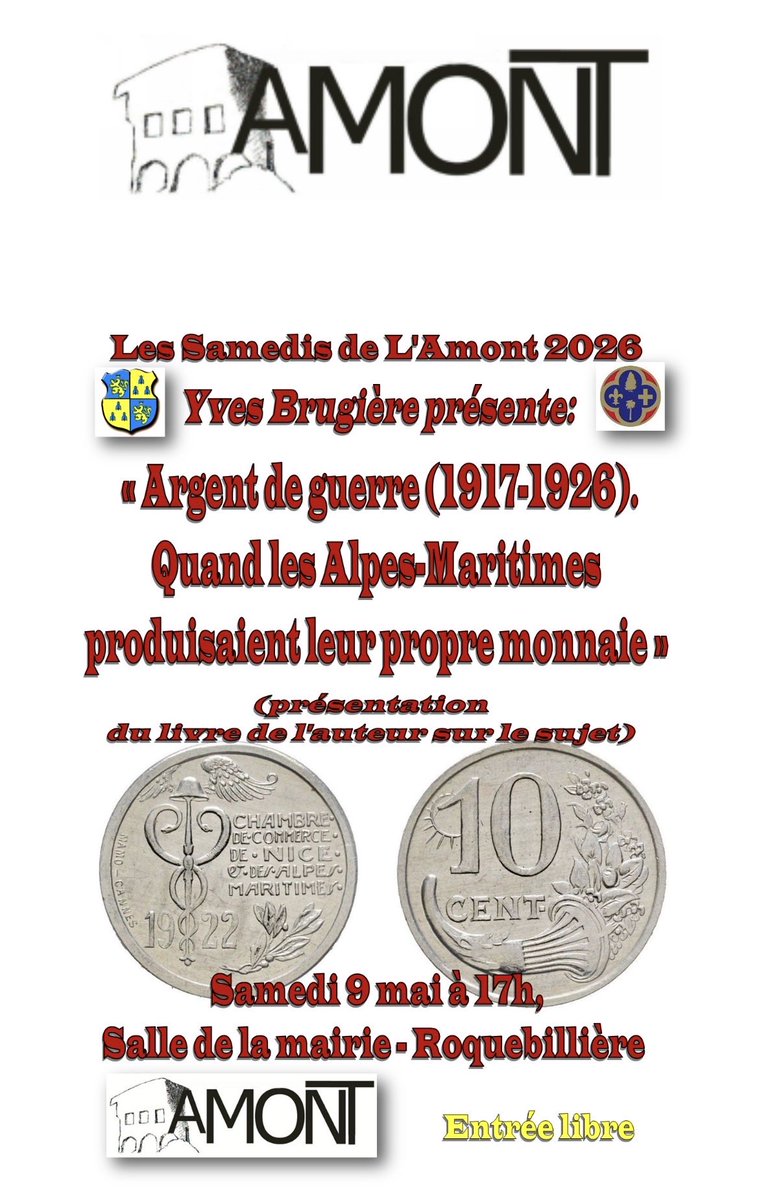
Conférence sur les émissions de nécessité de la Chambre de commerce de Nice et des À.M. qui évitèrent l’asphyxie du petit commerce durant la Première Guerre mondiale le samedi 9 mai à 17 h à Roquebillière. Entrée libre.
1
51
Cercle numismatique de Nice retweeted
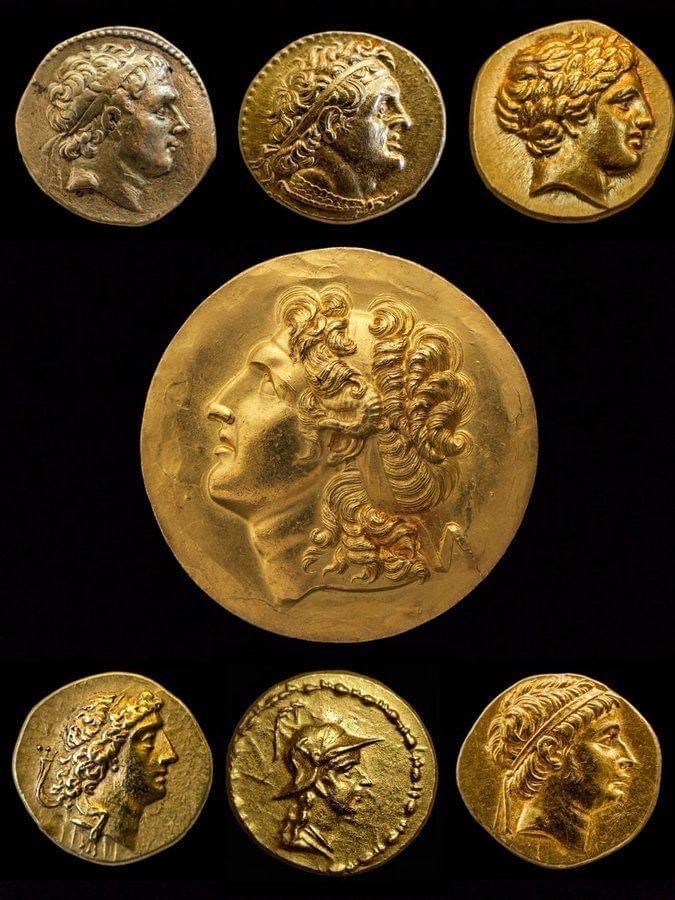
Gold Coinage of Hellenistic Kings
5
106
777
10,017
Cercle numismatique de Nice retweeted
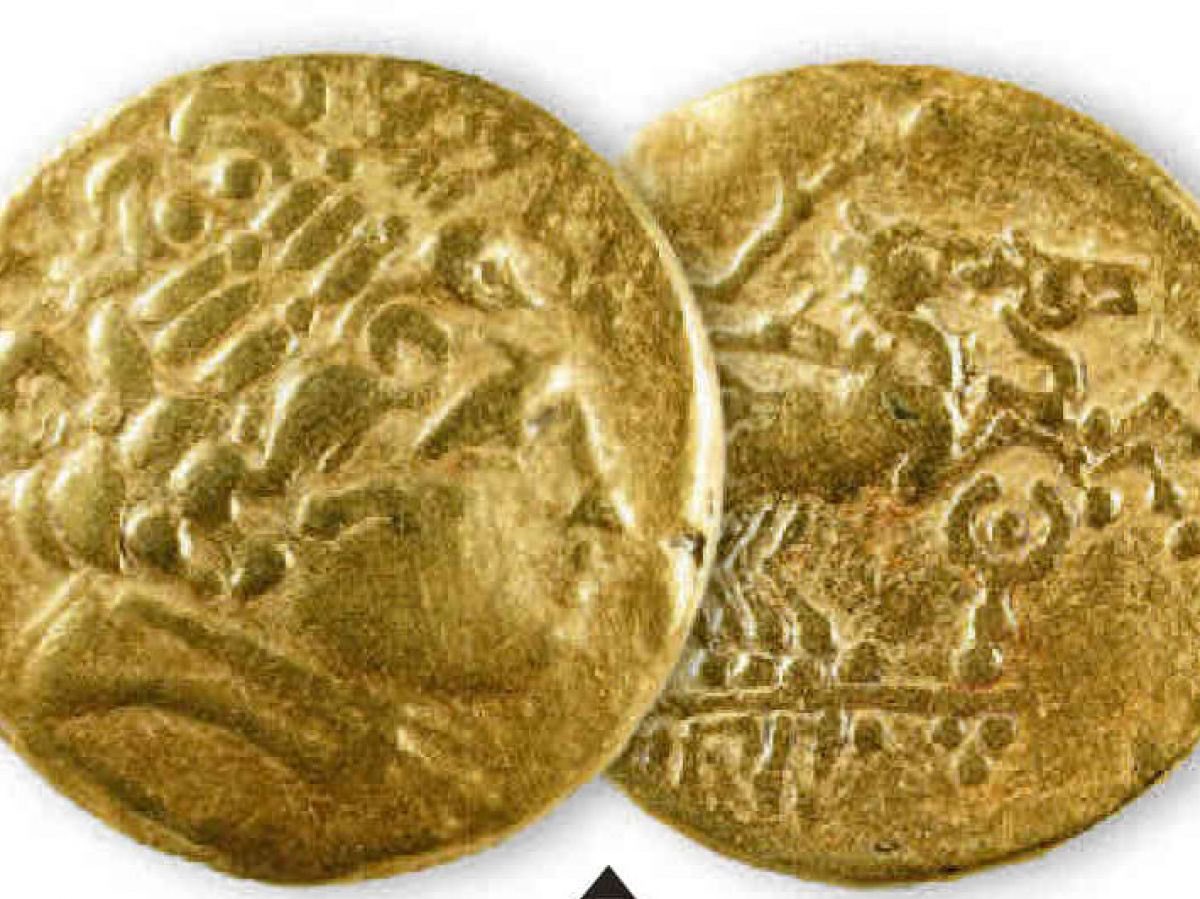
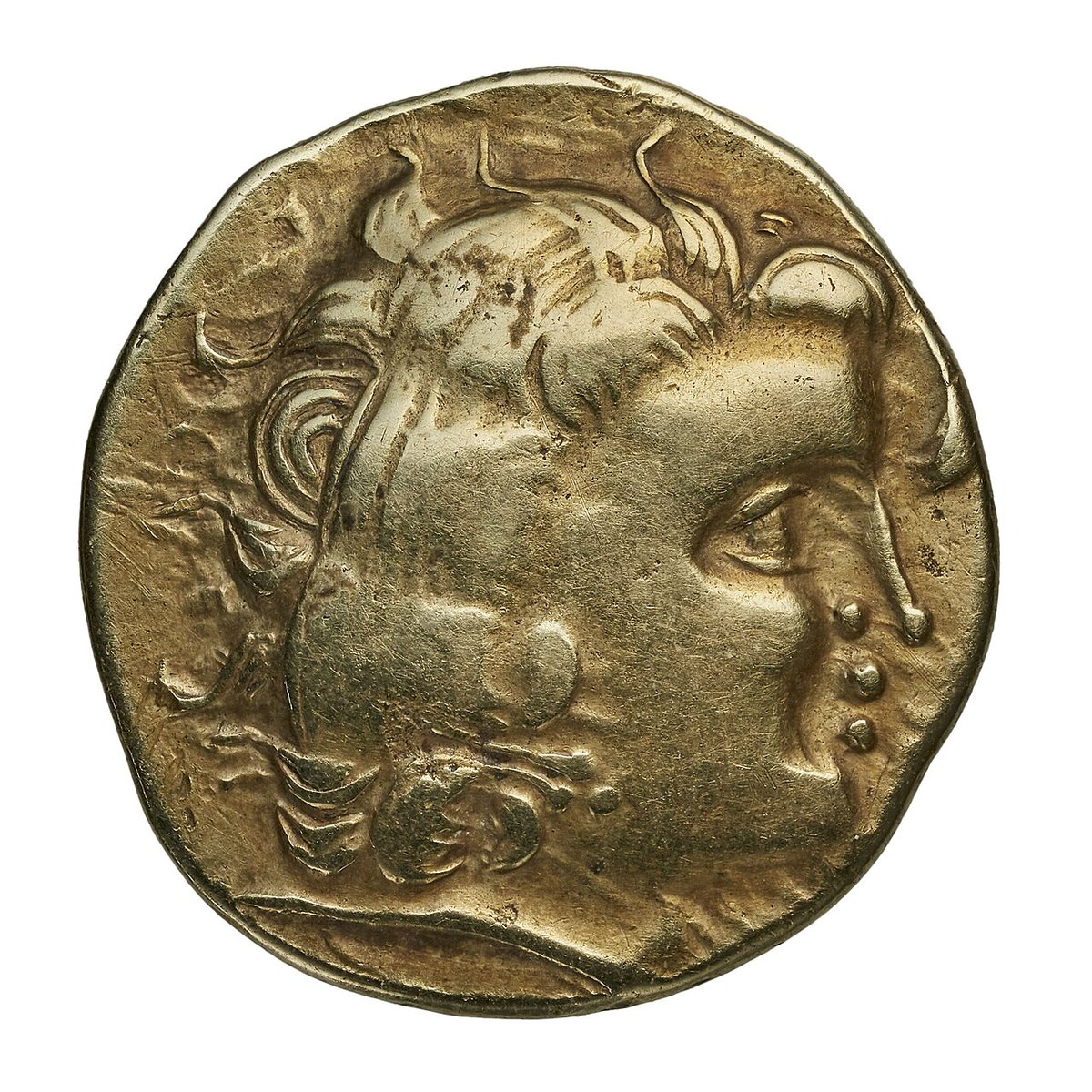
🇨🇭En Suisse, deux monnaies d’or celtes viennent d’être découvertes près de Bâle, dans un marécage qui a déjà livré des monnaies d’argent il y a deux ans. Elles imitent les statères d’or frappés par Philippe II au type d’Apollon lauré et d’un bige vainqueur des Jeux olympiques. Dans le monde celtique de la Tène, les sources, rivières et marécages représentaient des lieux propices aux rituels religieux et où se pratiquaient de tels dépôts volontaires.
5
41
220
4,932
Cercle numismatique de Nice retweeted
On peut très bien acheter des pièces de monnaie🪙de collection. Il n'en demeure pas moins que tomber sur une pièce rare en circulation est une joie incommensurable pour les numismates. J'ai obtenu cette pièce de 2 francs Rainier III en achetant un ticket de bus à Nice en 1986.
6
22
399
10,984
Cercle numismatique de Nice retweeted
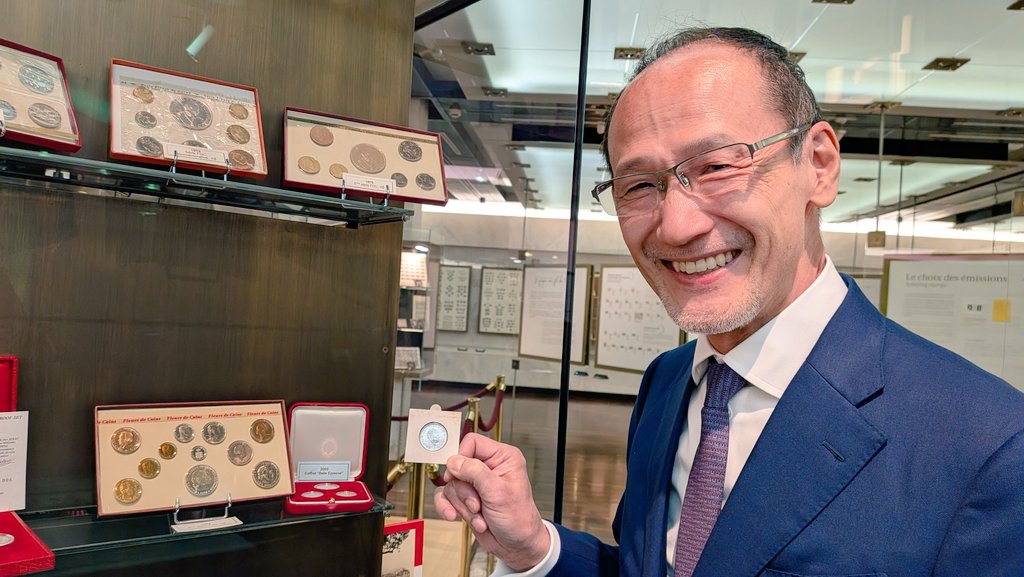
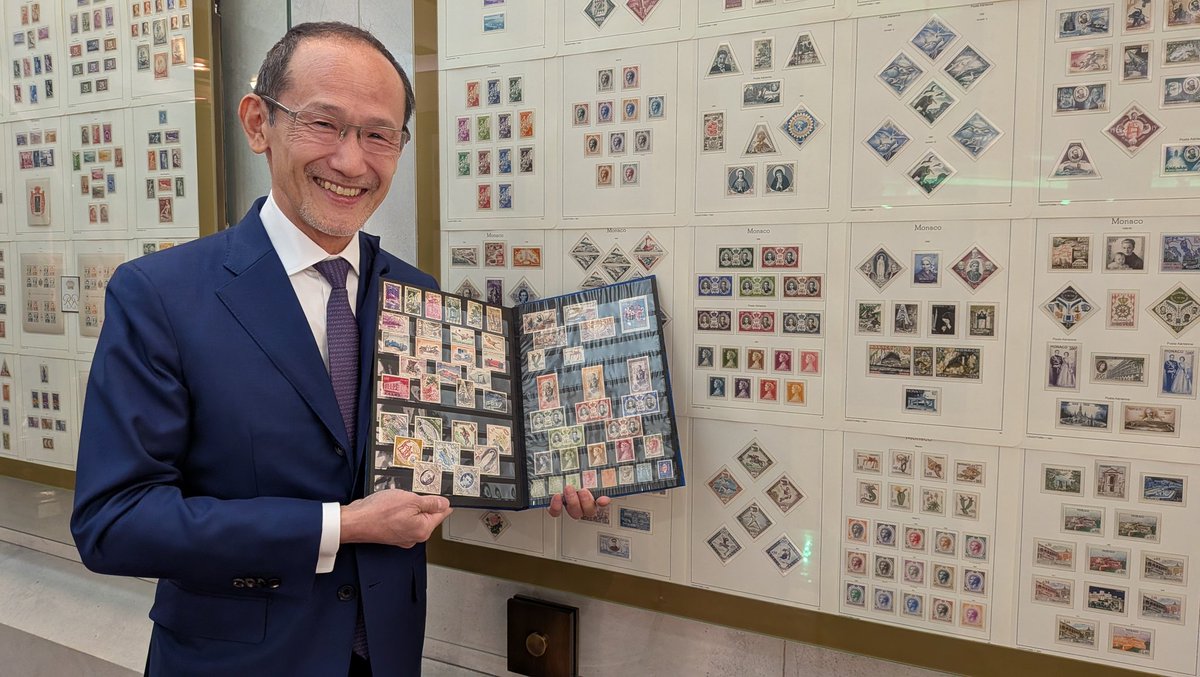
Je suis à Monaco🇲🇨 pour présenter les lettres de créance à S.A.S le Prince Souverain👑. J'ai profité de cette occasion pour visiter le Musée des Timbres et des Monnaies qui fête son 30 ème anniversaire... avec dans les mains... ma modeste collection d'enfance. 🇯🇵♥️🇲🇨
24
189
3,275
49,149
Cercle numismatique de Nice retweeted
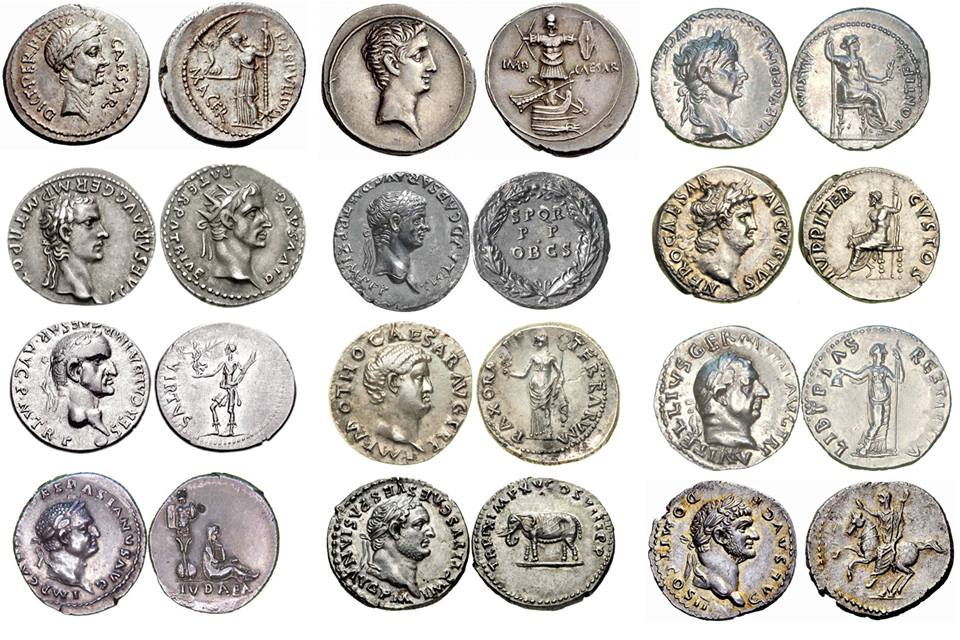
The 12 Caesars Denarius Julius Caesar, Octavian Augustus, Tiberius, Caligula, Nero, Galba, Claudius, Otho, Vitellius, Vespasian, Titus, Domitian.
8
96
451
19,635
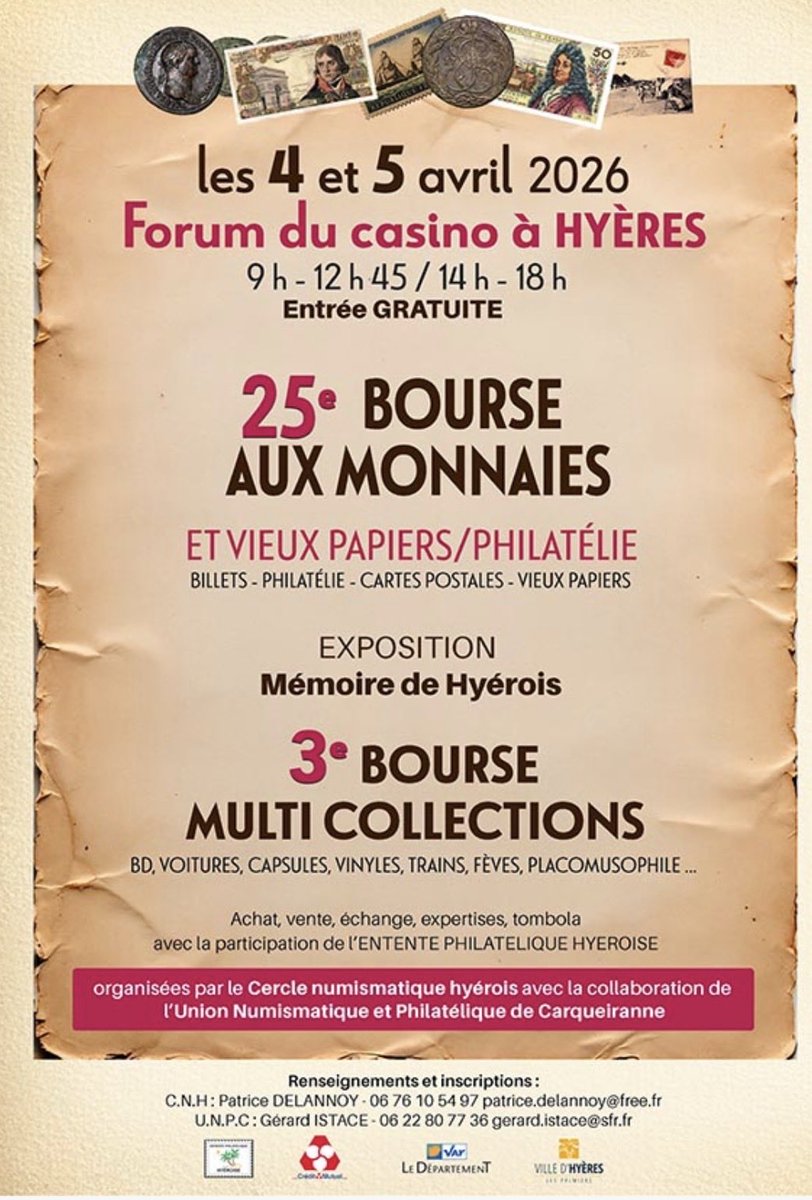
Grande bourse aux monnaies et vieux papiers/philatélie à Hyères les 4 et 5 avril prochain
1
57
Cercle numismatique de Nice retweeted
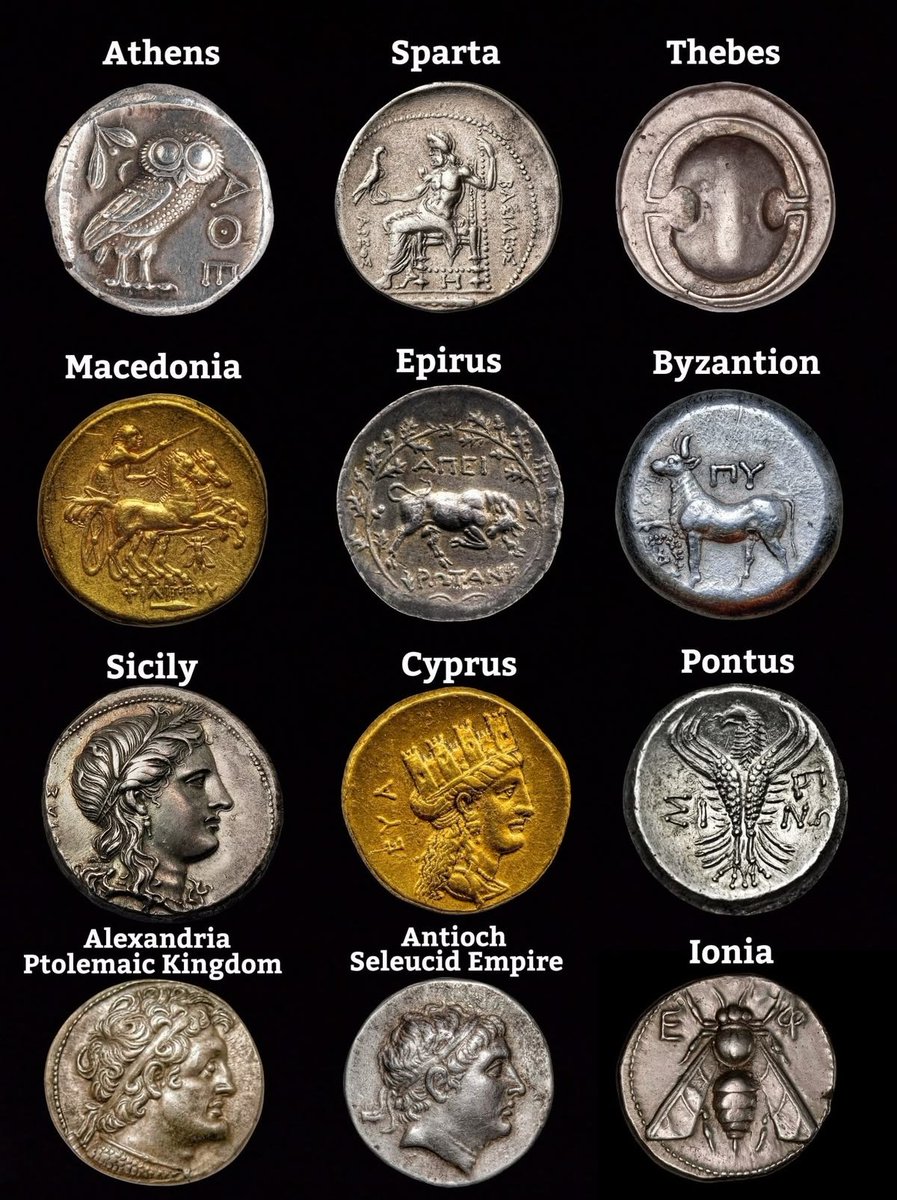
Coinage of the Ancient Greek World, 500–100 BC
7
166
879
14,147
Cercle numismatique de Nice retweeted
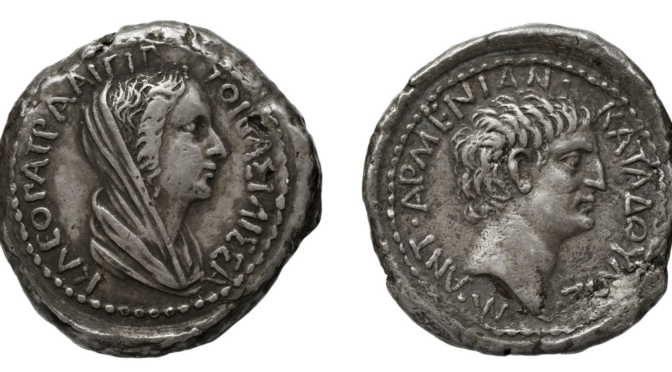
Ni Antiques ni en toc : découvrez l'histoire étonnante des de sept pièces d’argent à l’effigie de Cléopâtre et Marc Antoine... fabriquées à la Renaissance ! antiquitebnf.hypotheses.org/…
1
16
41
1,554
Cercle numismatique de Nice retweeted
🦃Recette: pour obtenir une belle patine de #monnaie, prenez un dindon... la suite à lire dans le pressé d'antique! 😉😇Tous nos voeux de bonne année aux collègues et contributeurs numismates de l'#Antiquté @laBnF #numismatics ➡️ antiquitebnf.hypotheses.org/…
4
7
862
Cercle numismatique de Nice retweeted
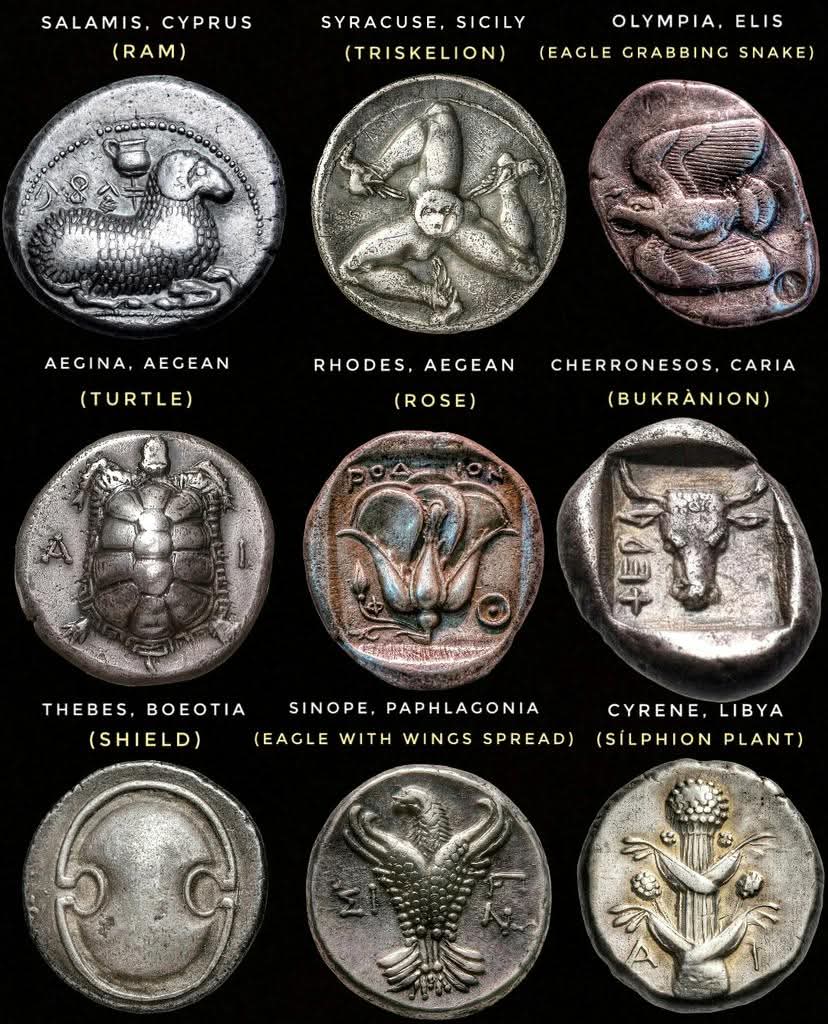
History of Ancient Greek Coins : The history of ancient Greek coins is a fascinating tale of innovation, politics, art, and culture. Coinage played a pivotal role in shaping the economic and political landscapes of the Greek world, serving not only as a medium of exchange but also as a means of propaganda, artistry, and religious expression. • The Beginnings of Coinage (7th Century BC) : The first known Greek coins were minted in the region of Lydia, located in modern-day Turkey, around 600 BC. These early coins were made of electrum, a naturally occurring alloy of gold and silver. King Croesus of Lydia (reigning from 595-546 BC) is often credited with introducing the first pure gold and silver coins, which became highly influential in the ancient world. However, the idea of coinage soon spread to the Greek city-states, and by the 7th Century BC, the Greek world began producing their own coins. The city-state of Aegina (located in the Saronic Gulf) is thought to have been one of the first to mint coins. The Aeginetan stater, featuring a turtle symbol, became a widely circulated and recognized coin throughout the Mediterranean. 2. The Rise of City-State Coinage (6th-5th Century BC) : By the 6th Century BC, many Greek city-states began minting their own coins. This was a revolutionary development, as it gave city-states greater control over their economies and allowed them to express their unique identity through the symbols depicted on the coins. Athens was one of the most famous early coin producers, with the Athenian owl coin (featuring the goddess Athena and an owl) becoming an iconic symbol of the city and widely circulated across the Greek world. Each city-state had its own minting system, with designs that often featured local gods, heroes, or symbols of power. For instance: Corinth minted coins featuring the Pegasus, the winged horse, which was a symbol of the city. Syracuse on the island of Sicily, under the rule of Dionysius I, minted magnificent coins featuring images of Arethusa, the nymph, along with dolphins. Ephesus featured the goddess Artemis on its coins, showcasing her importance in the city's religious life. The stater (a gold or silver coin) became the standard unit of currency in many city-states. Coins helped facilitate trade, as they provided a standardized form of money that could be used across regions, contributing to the expansion of commerce and exchange between Greek city-states and foreign powers, such as the Persians, Egyptians, and Phoenicians. • The Classical Period and Expansion of Coinage (5th-4th Century BC) : The 5th Century BC marked a golden age for Greek coinage, especially with the rise of Athens after its victory in the Persian Wars (490–479 BC). Athens, with its rich silver mines at Laurion, began minting massive quantities of coins, notably the Athenian tetradrachm, which became one of the most important and widely circulated coins of the ancient world. These coins depicted the head of Athena on the obverse and the owl on the reverse, symbolizing wisdom and the city’s power. Coinage during this period was also a reflection of the political and cultural power of the city-states. Coins were used not only in trade but also as propaganda, reinforcing the authority of rulers and the prestige of the cities. The designs often depicted deities, heroes, and events related to the city’s triumphs or divine patronage. During this time, the use of coins in warfare became more significant. Armies began paying soldiers in coinage, and mercenaries were often compensated with coins rather than land or goods. This facilitated the expansion of Greek influence, particularly through the use of mercenary forces in campaigns across the Mediterranean and beyond. #archaeohistories
2
66
282
8,535
Cercle numismatique de Nice retweeted
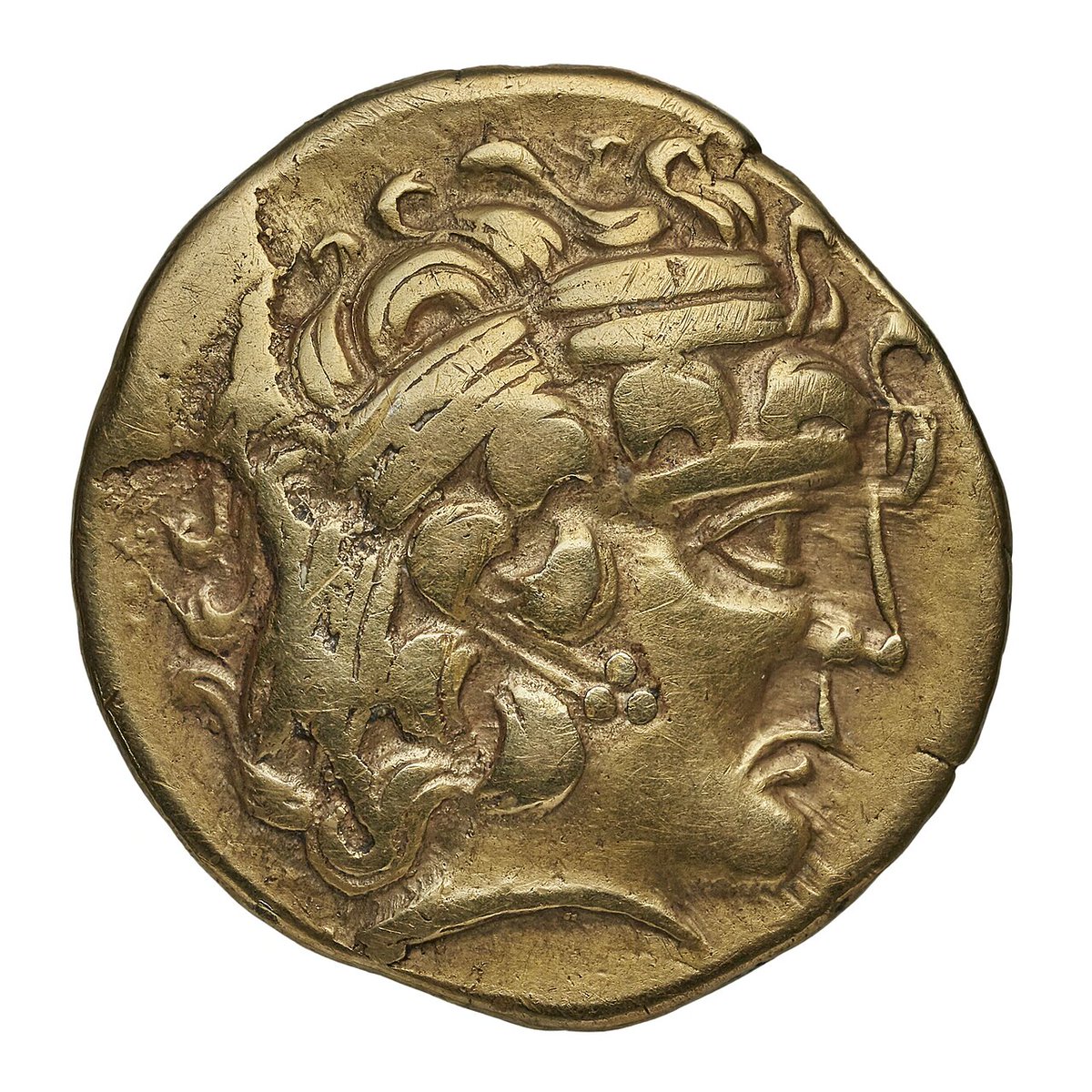
Monnaies gauloises, numismatique celtique, IIe ou Ier siècle av. J.-C. (Bibliothèque nationale de France). Le site numérique de la BnF attribue ces pièces aux Aulerques Cénomans. Il n'est toutefois pas exclu qu'elles aient été émises par un peuple voisin : les Diablintes.
2
8
69
965
Cercle numismatique de Nice retweeted
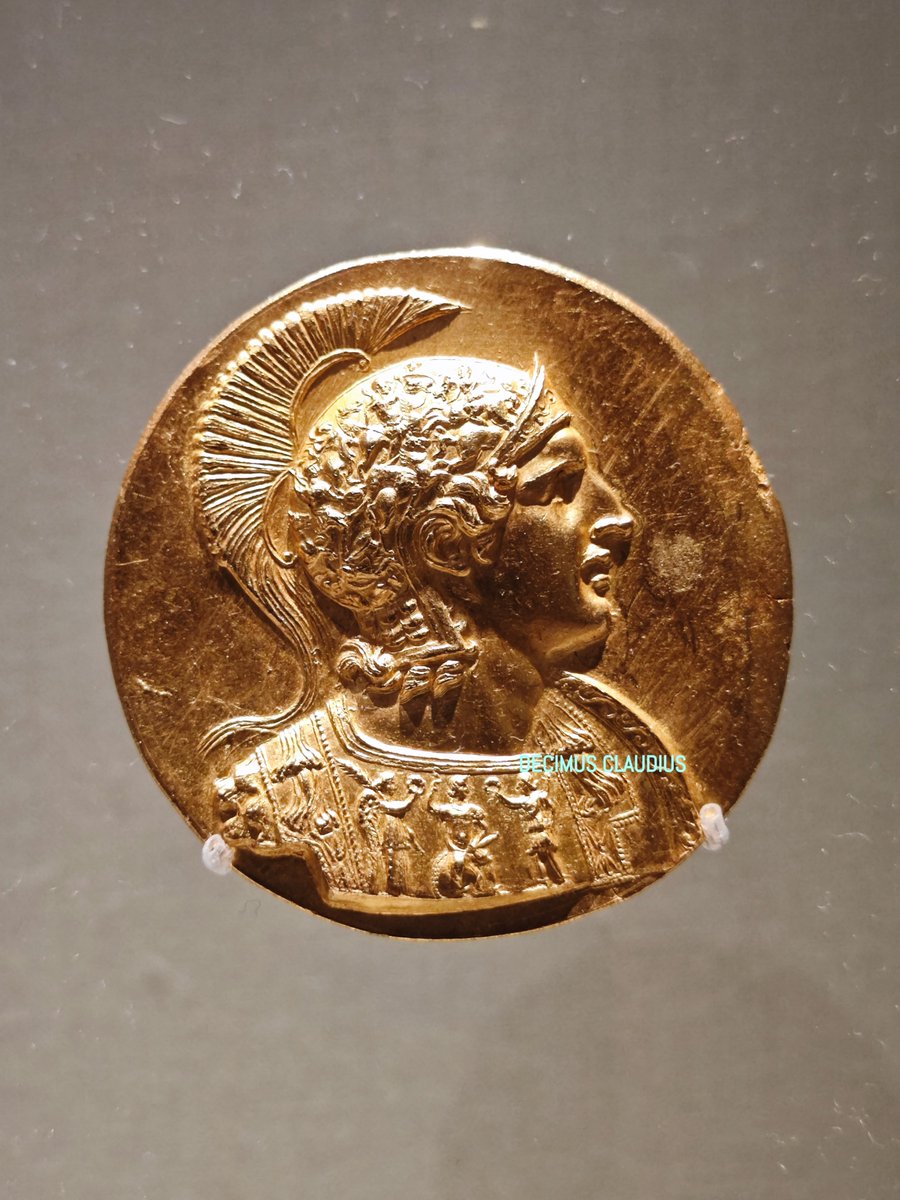
Gold medallion with Alexander the Great king of Macedonia. Minted in early 3rd C AD during Roman times probably in Veria/Veroia, Macedonia, Greece. Found with 19 other medallions, 600 gold coins and 20 gold ingots in Aboukir, Egypt in 1902. Gulbenkian Museum in Lisbon, Portugal
4
38
162
2,336
Cercle numismatique de Nice retweeted
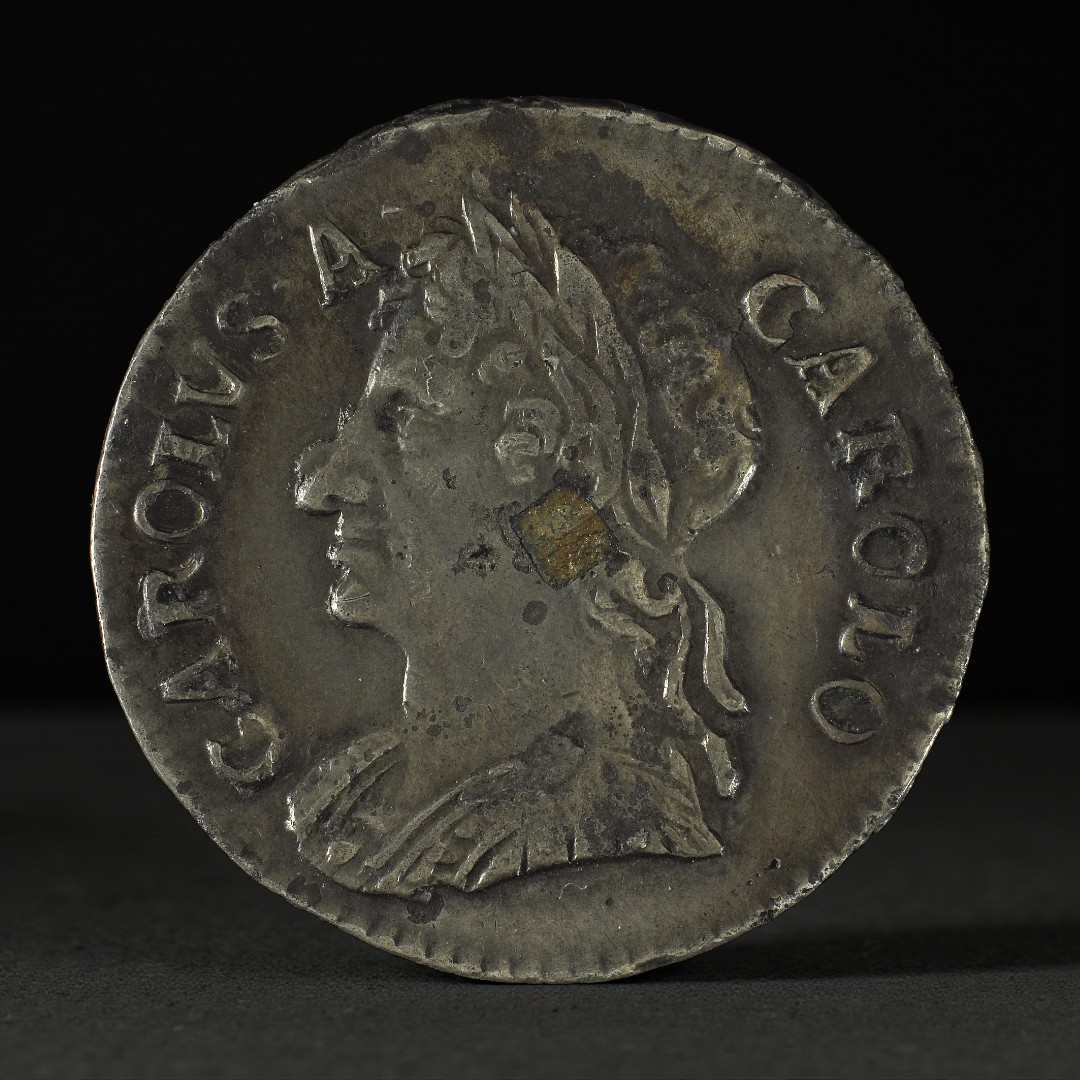
🪙✨Une pièce bimétallique = faite de deux métaux. Durant une pénurie de cuivre en Grande-Bretagne du temps de Charles II, les farthings comme celui-ci étaient frappés en étain, avec un petit morceau de cuivre au centre pour déjouer les faussaires. #FaitAmusantDuVendredi
1
2
29
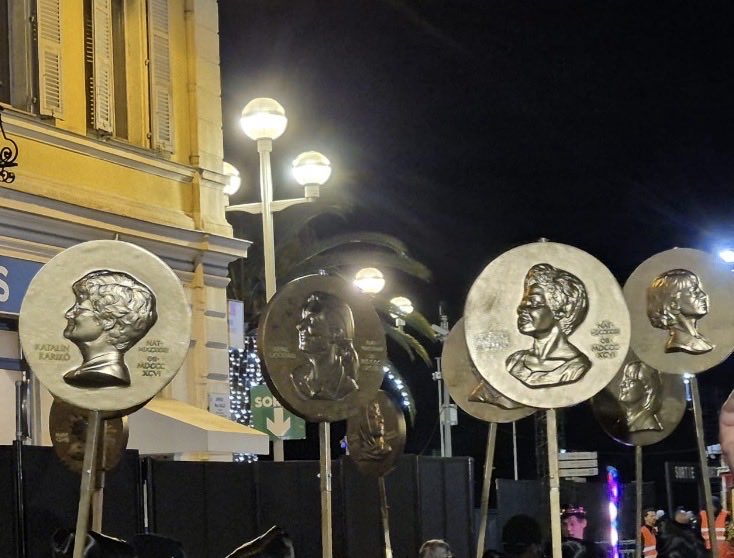
Les femmes prix Nobel défilent au Carnaval de Nice ! #Carnaval2026
2
113
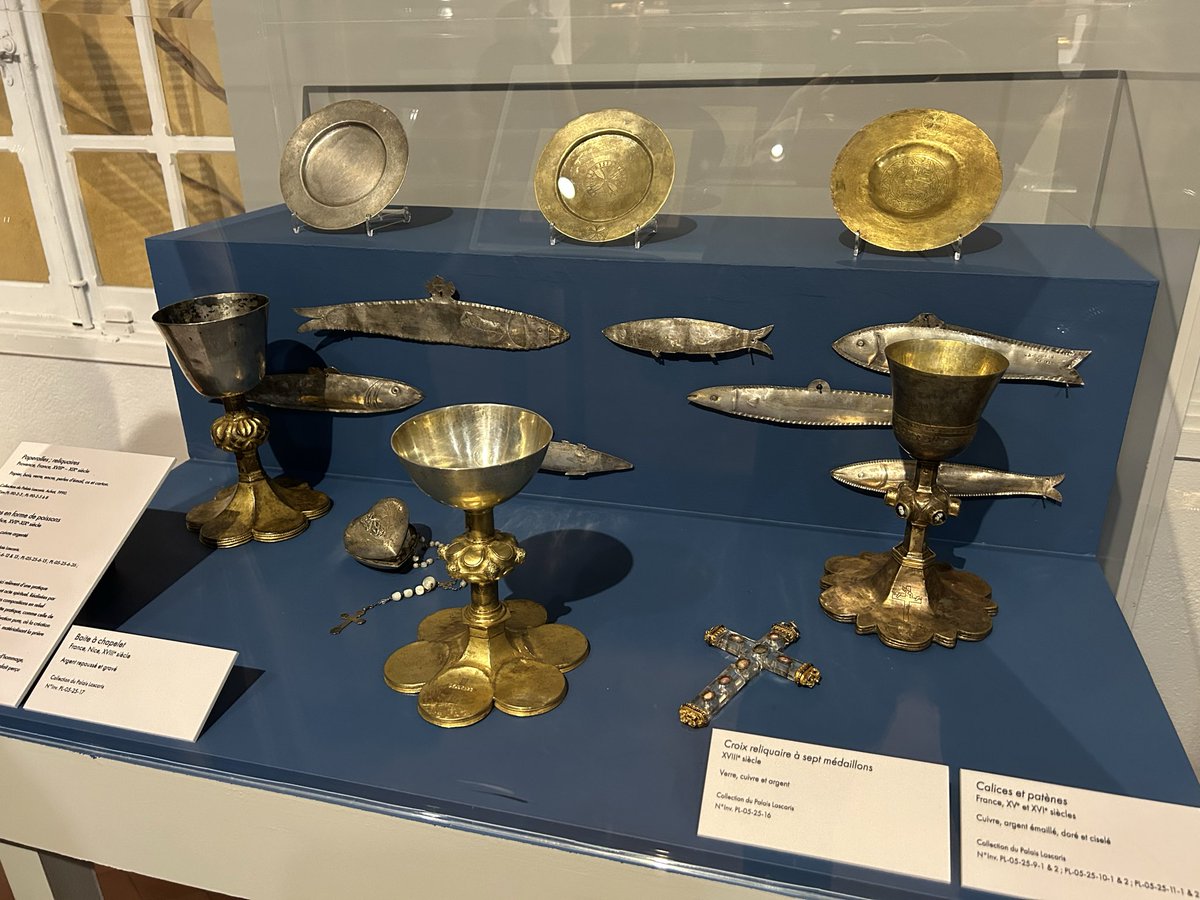
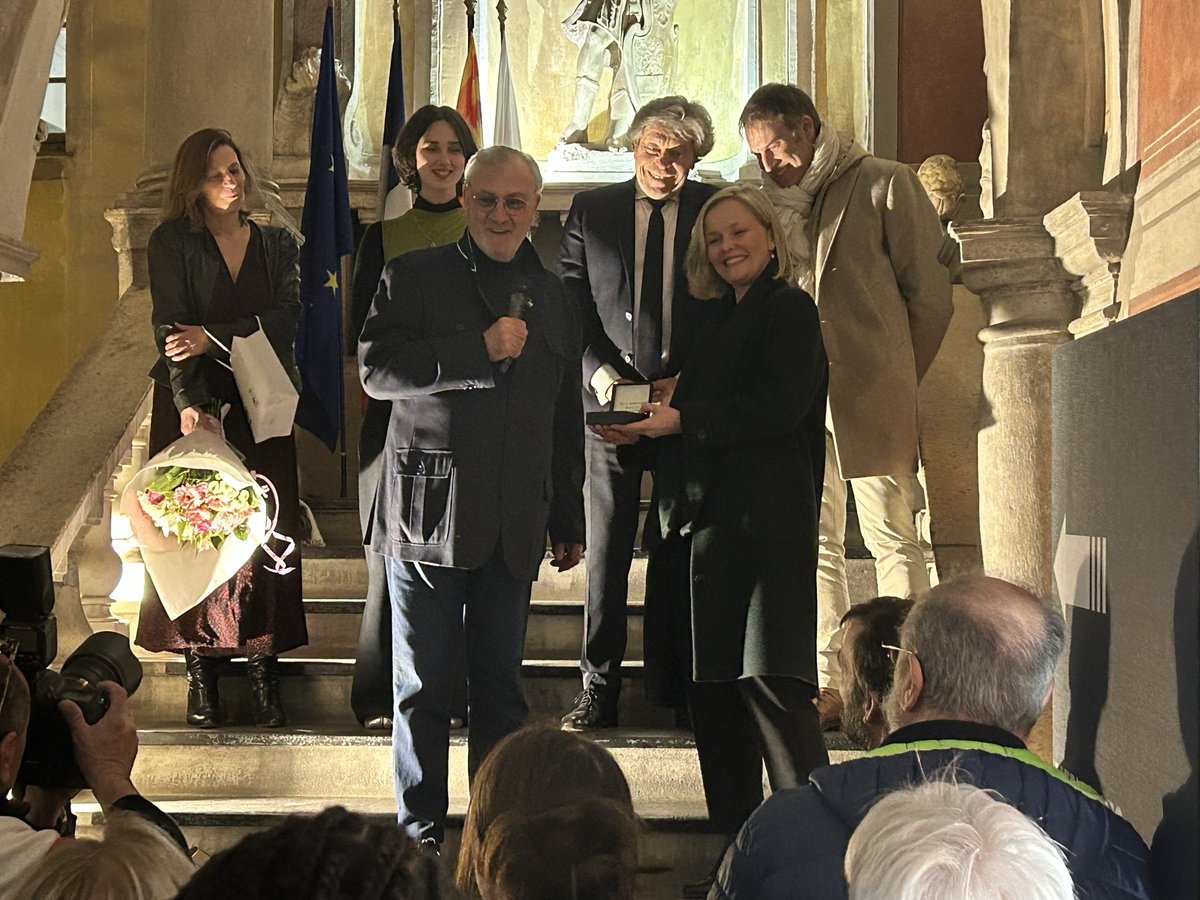
Après cinq ans de bons et loyaux services et de très belles expositions, la dernière en date sur l’Ordre de Malte (et ses monnaies), Madame Elsa Puharré, directrice, quitte le Palais Lascaris pour d’autres fonctions. Tous nos vœux de réussite.
1
2
282
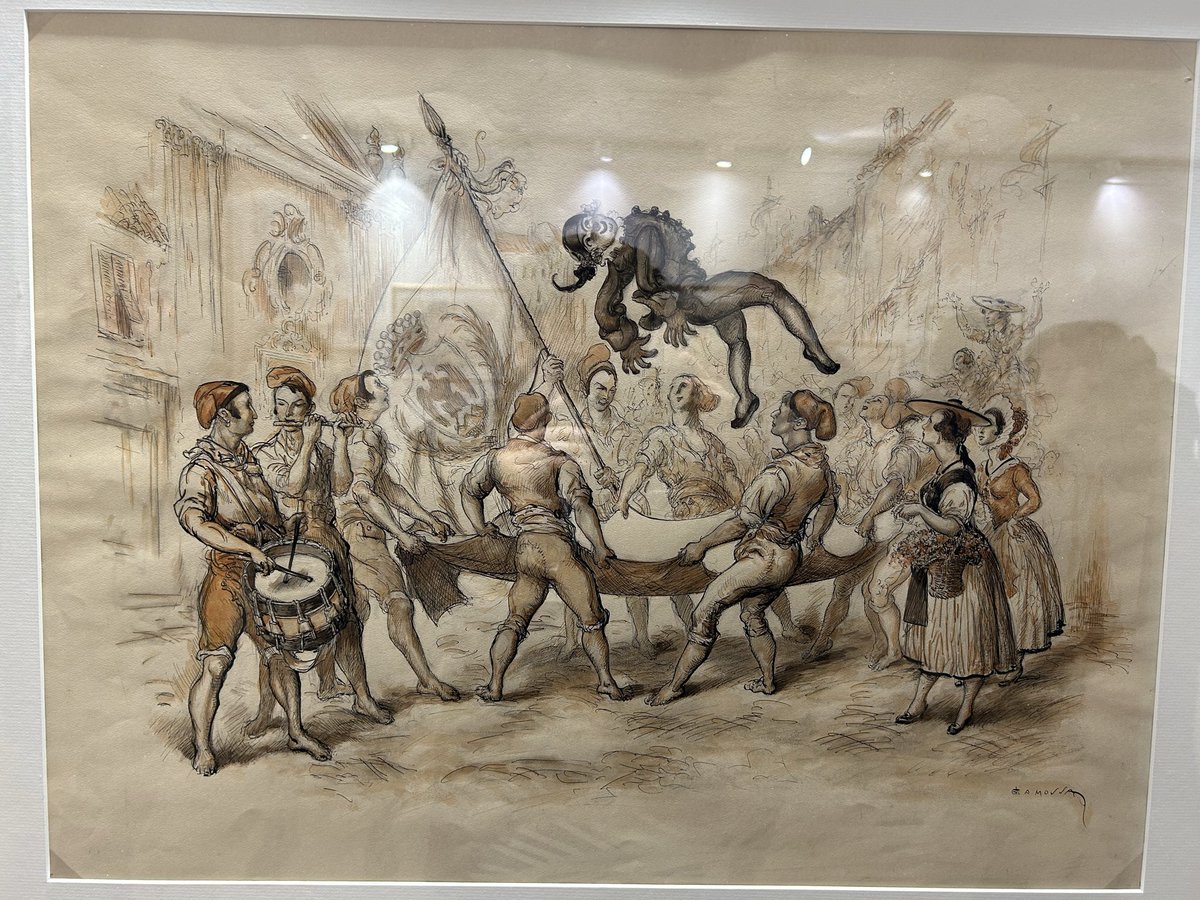
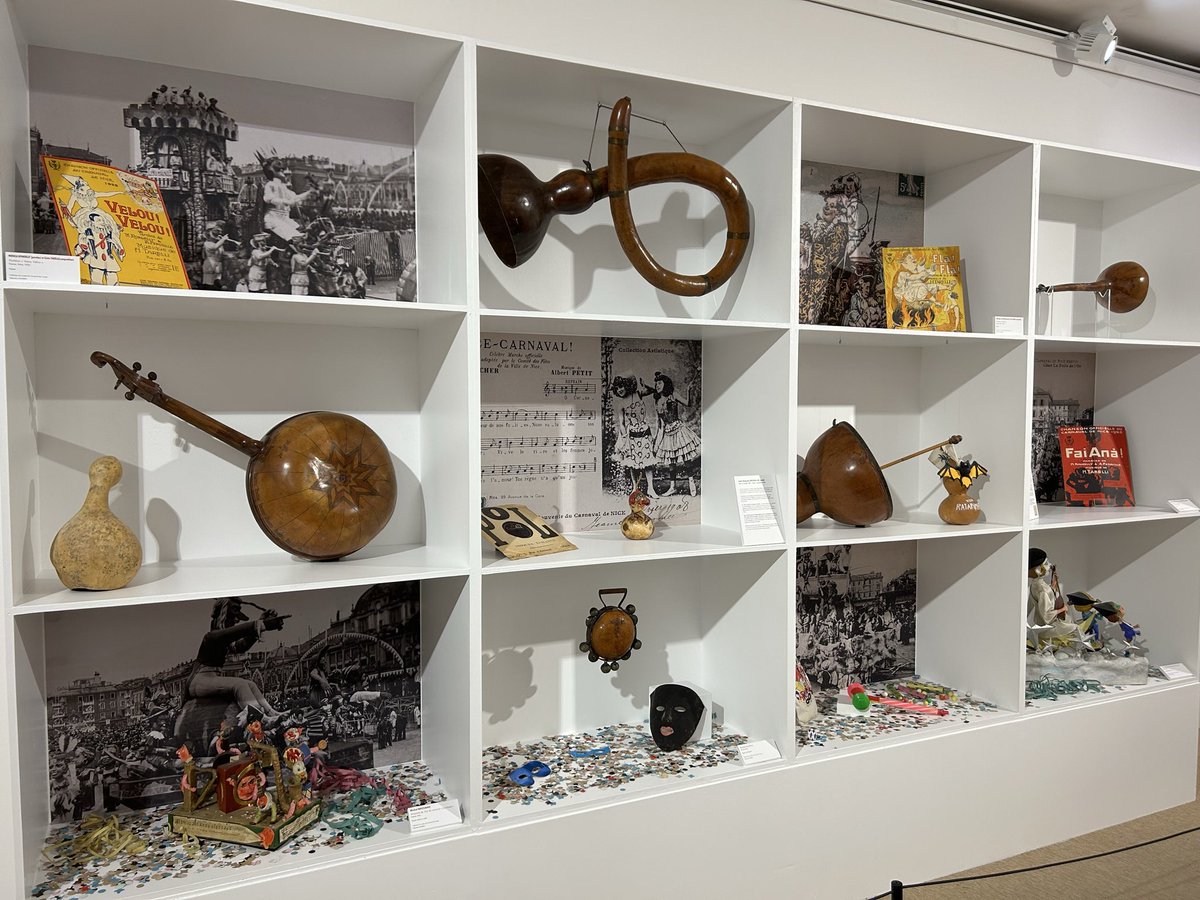
A découvrir au Palais Lascaris, la double exposition sur le Carnaval et sur les cabinets de curiosités. Beaucoup de belles choses présentées dont des dessins originaux de Gustave Adolphe Mossa
2
55