
Web Developer | I Create clean, responsive web solutions | DM me for your web development services & collaborations
Joined December 2025
- Tweets 220
- Following 17
- Followers 7
- Likes 80
17 Photos and videos





Pinned Tweet

Jun 13
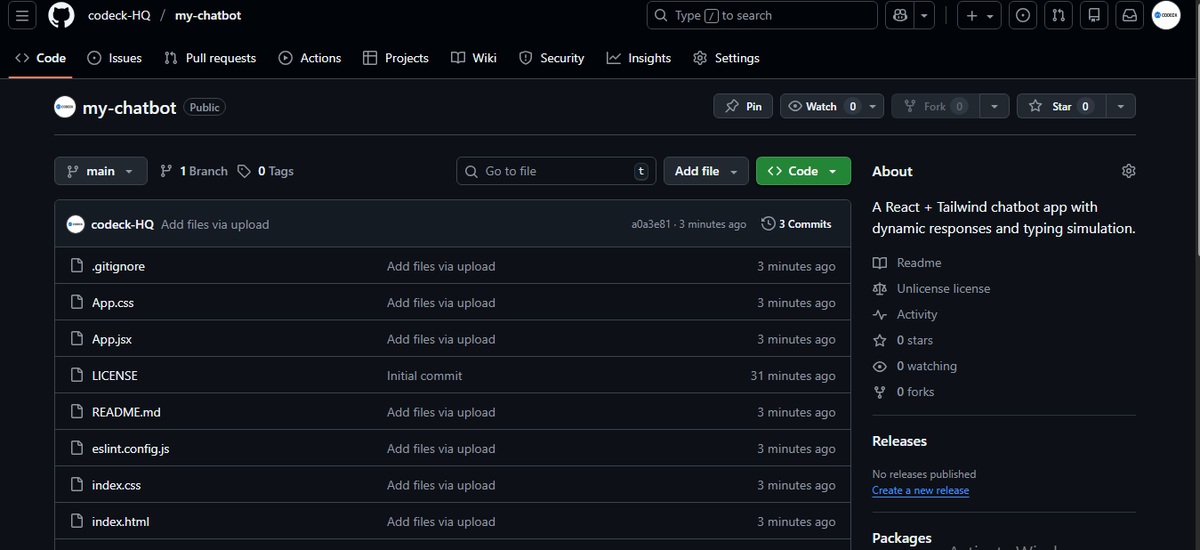
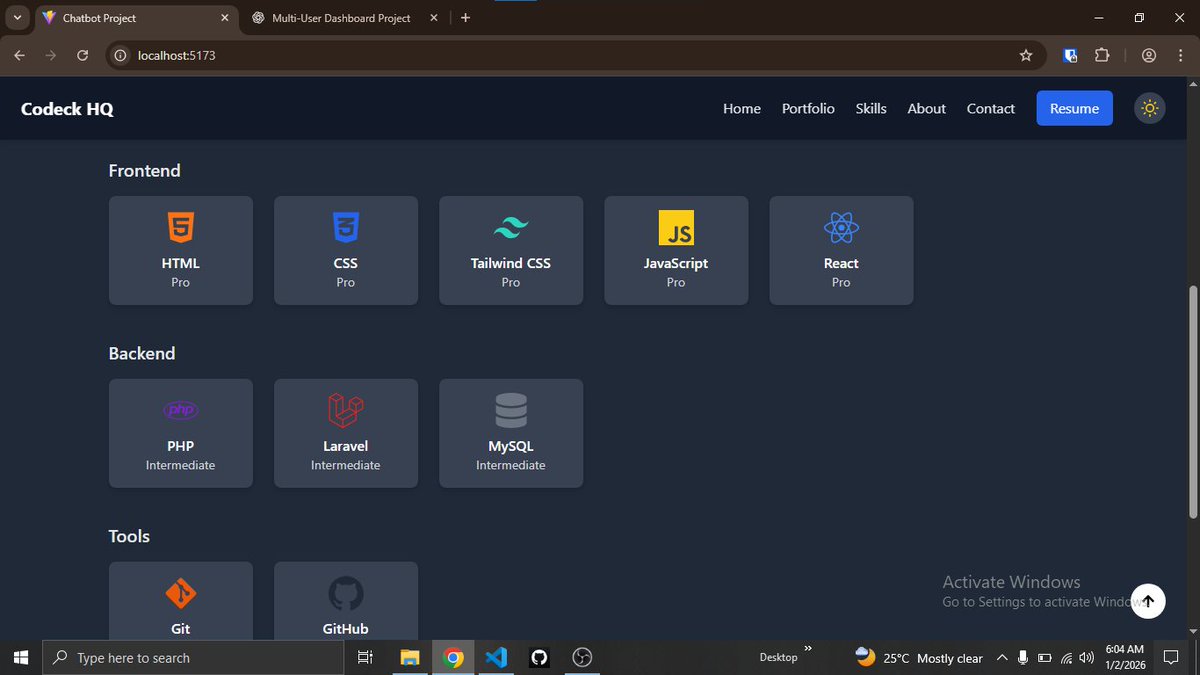
I'm actively seeking opportunities as a Frontend / Full-Stack Web Developer and open to internships, freelance work, and junior developer roles.
🔗 my-portfolio-two-weld-66.ver…
If you're hiring or know someone who is
I'd appreciate a repost.
91
CODECK-HQ retweeted
Someone commented on my LinkedIn post @codeck_Hq :
"Stop teaching HTML, CSS, and JavaScript. Go straight to ReactJS."
I found the remark amusing because it reflects one of the most pervasive misconceptions in software development. One of the greatest mistakes an aspiring developer can make is attempting to bypass the underlying language in favor of a framework. While it may accelerate the process of building applications in the short term, it often creates significant knowledge gaps that become apparent when debugging complex issues or attempting to understand the architecture operating beneath the surface.
Frameworks and libraries are transient by nature; programming languages possess far greater longevity.
A few years ago, Angular dominated countless development workflows. Then Vue emerged and gained substantial adoption. Today, React remains one of the most influential technologies within the frontend ecosystem.
Will React be the final framework? Almost certainly not.
Technology evolves relentlessly. New tools will emerge, paradigms will shift, and industry preferences will continue to change. However, JavaScript will remain a foundational pillar of the web.
When your understanding of JavaScript is comprehensive, adapting to new frameworks becomes significantly less challenging because the fundamental concepts remain familiar. You are no longer memorizing tools; you are understanding principles.
This philosophy extends beyond JavaScript and applies to virtually every programming language.
Whether you are learning independently, through traditional education, or with the assistance of AI, resist the temptation to skip the fundamentals.
Invest time in mastering the core concepts. Establish a robust foundation. Only then should you progress to frameworks, libraries, and advanced abstractions. Strong foundations are rarely glamorous, but they are often the distinguishing factor between developers who merely use technology and those who truly understand it.
I hope this resonates with someone.
1
13
Jun 13
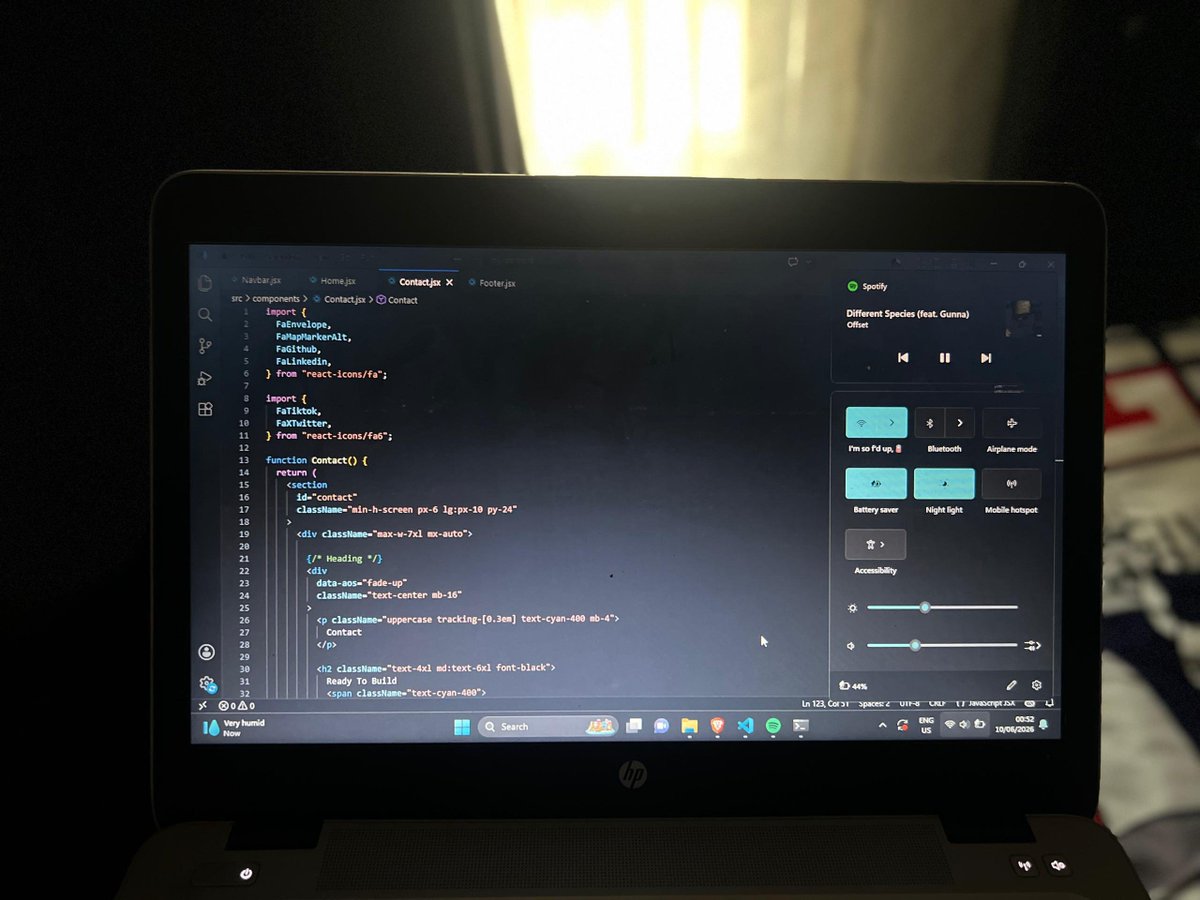
Made a mistake that could have actually gotten me fired if I was working for a company fr.
Nah lesson and experience sha
8
CODECK-HQ retweeted

May 29


2
2
23
CODECK-HQ retweeted
May 29
Your mind is your biggest asset
May 29
A calm mind gives clear direction.
And when your mind is clear, life starts making sense again.
#clarityofmind
2
3
16


CODECK-HQ retweeted
May 27
This gives you a better understanding on assets and liabilities

One question you have to always ask yourself before you purchase anything:
Do I actually want it or do I want other people to see that I have it?
Your answer will determine if you should go ahead and buy it or not.
1
1
10
CODECK-HQ retweeted
May 27
Atychiphobia
May 26

Let's Talk About Phobias. What Are You Afraid Of??
2
3
17
CODECK-HQ retweeted
May 27
After the Dark | vybz
CC: 2pac — “Me Against the World”

2
3
20



CODECK-HQ retweeted
May 27
This 📌

May 26

Na money you go use run ads
Na money you go use do Cheque
Na money you go use buy meme coin
Na money you go use link up
2
2
10


May 26

1
2
16
CODECK-HQ retweeted

I don't want to messup my timeline..
if you see this, and you're into anything Tech, AI or you build stuff..
comment let's connect.. and grow!
🍷
590
52
1,130
30,800
CODECK-HQ retweeted

Jan 18
Best Coding tip: Leave your phone in another room when you want to code.
91
38
372
13,896