
I help developers land top backend roles | Golang • System Design • Scalable Backends | Founder, CodersGyan → building high-value Backend Engineers | Educator
Joined May 2020
- Tweets 491
- Following 57
- Followers 2,297
- Likes 477
229 Photos and videos

Pinned Tweet

Jun 8
Going to say something I really mean.
I want to make Coder's Gyan the number one backend engineering platform in the world. Where people actually transform their lives through us. That's the dream, and we've already started.
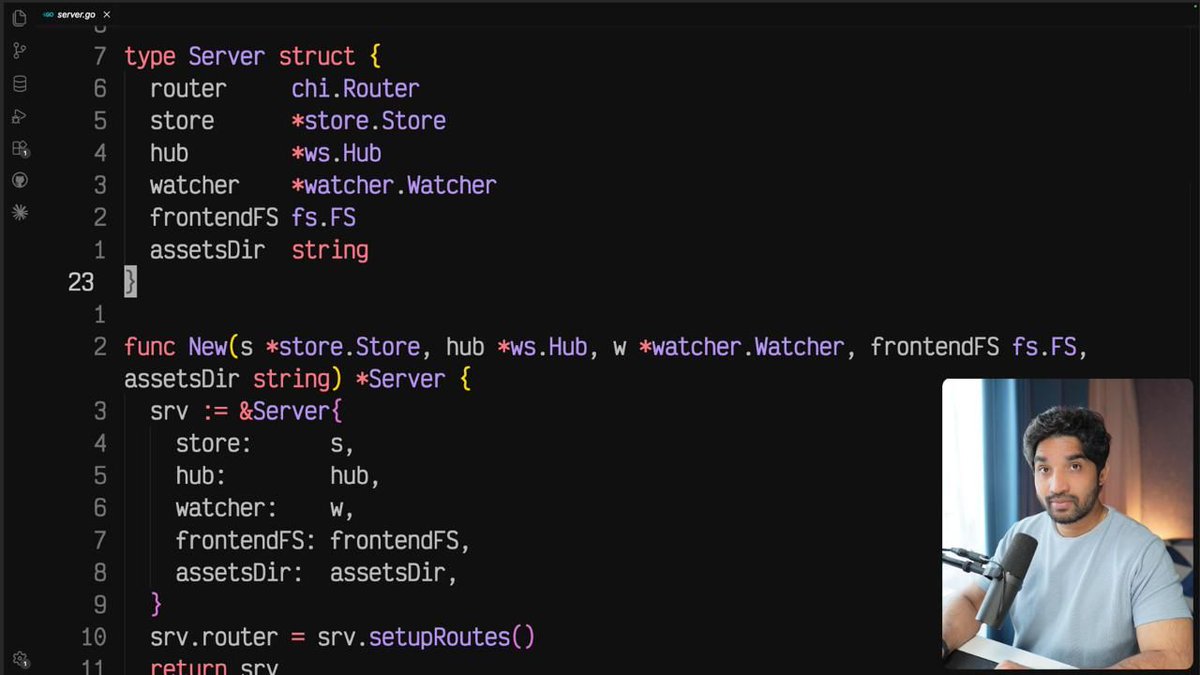
Right now I'm deep into a series where we build a production grade backend in Golang from the ground up. I've put a lot of research and time into this, because I want it to be the best Golang backend series on the internet. Not a toy project. The real thing.
This one series can genuinely change your level as an engineer. So much more is in the pipeline. Excited isn't a big enough word.
Stay with me on this one.
12
4
176
5,516
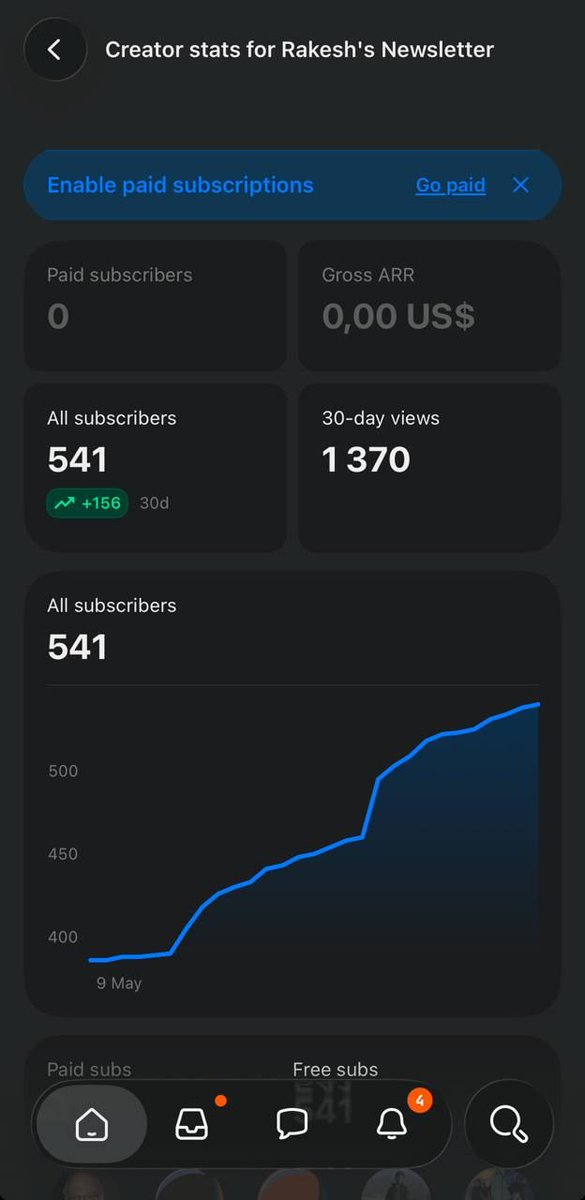
541 of you are reading my newsletter now. 156 joined in the last 30 days, and honestly that still surprises me.
Here's what I've noticed. Many of you don't love reading, you love watching. I get it. But reading gives you something video can't, and that's slowness. You process it bit by bit, at your own pace. And depth comes from slowness.
This is where I share backend engineering insights, my own experiments, all the backend heavy stuff I'm working through.
If you've been meaning to go deeper, give it a try. Link in the comments.
2
10
192
21h
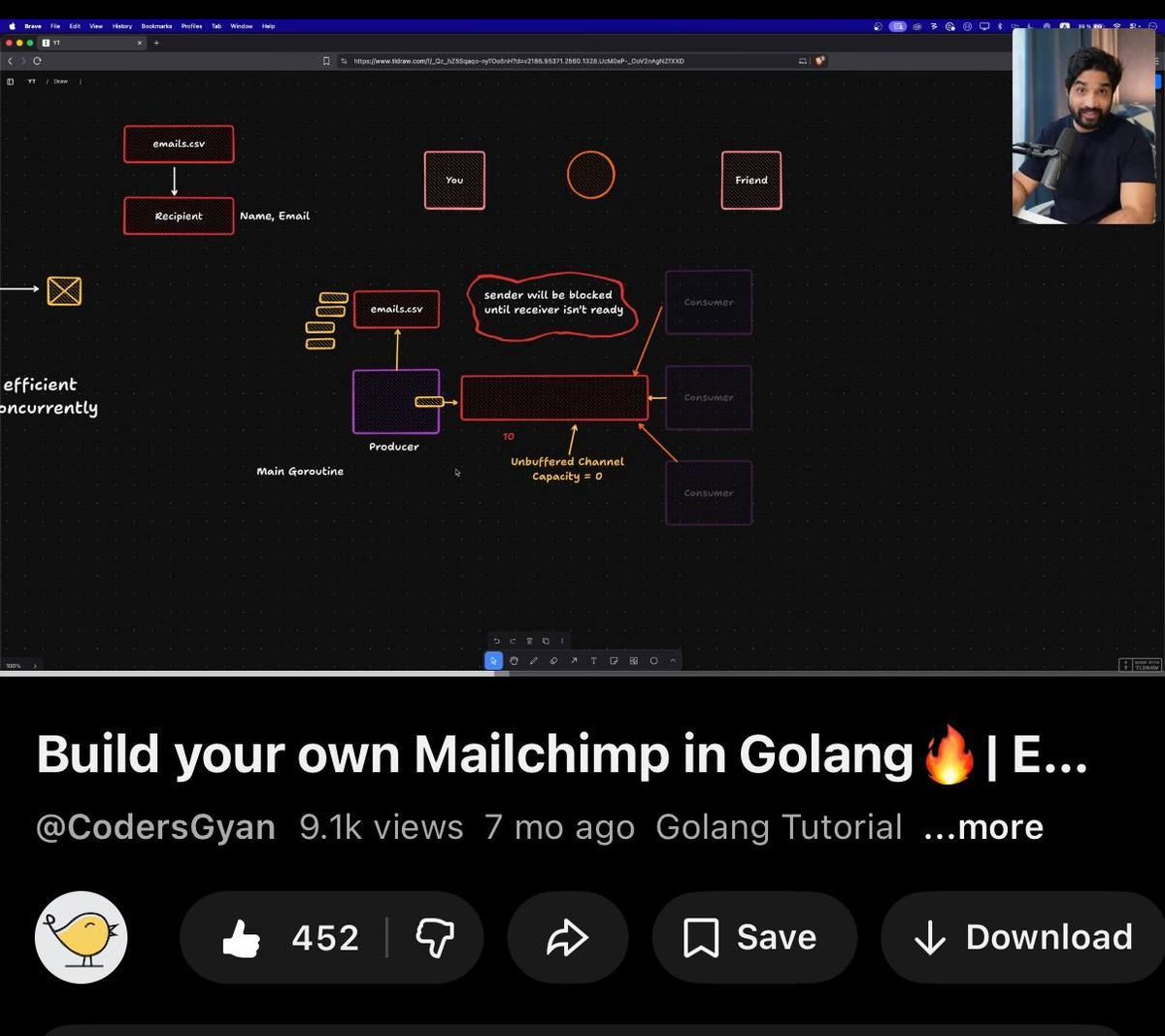
I keep sending this one video to anyone trying to finally understand Go channels.
Channels are the most important feature Go has, and they're also the one people get stuck on the most. In this I built a Mailchimp-style email service end to end, producer and consumer, and we went deep into how the whole thing works under the hood.
If channels have been confusing you for a while, give this a watch.
2
1
30
555
Jun 13
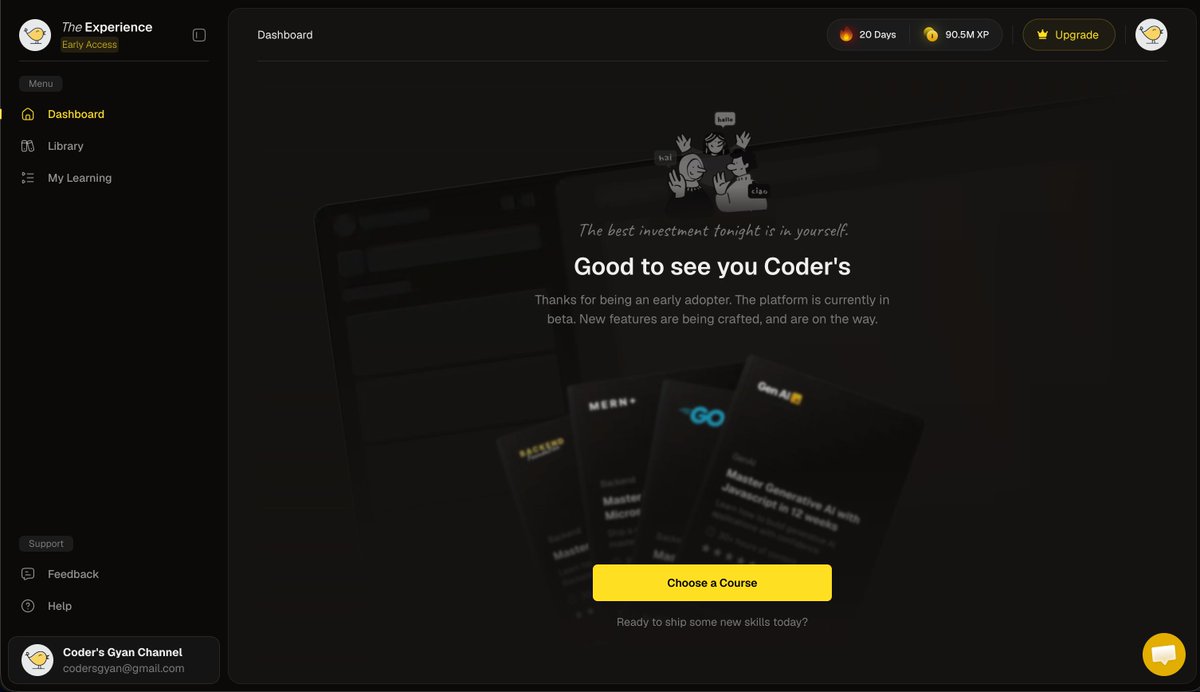
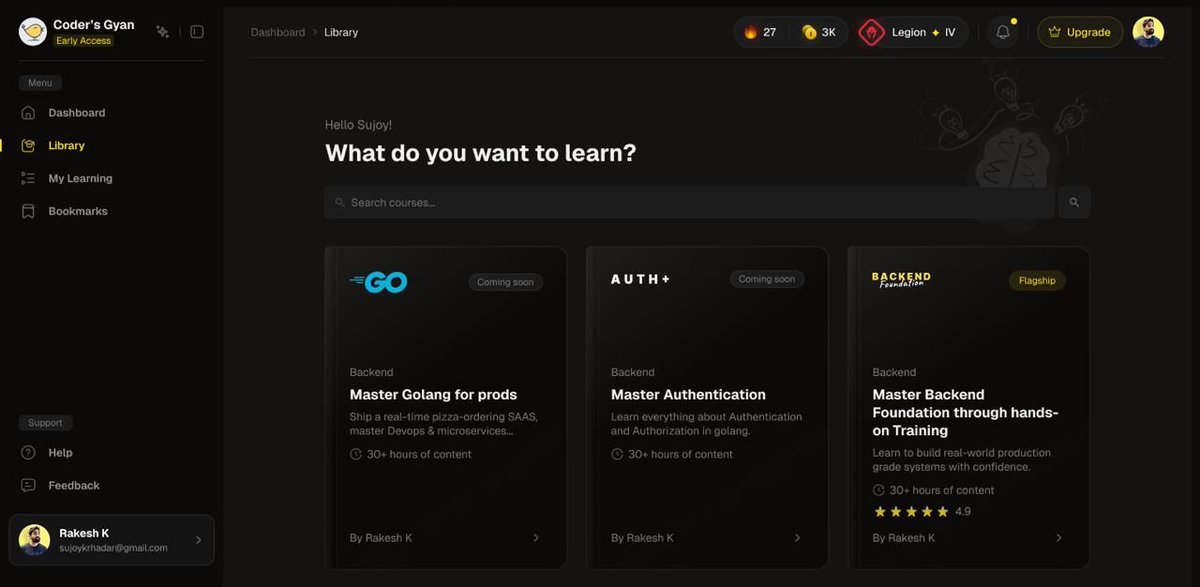
So this is the thing we've been building quietly.
One place where you land, pick your course, and start the work that actually moves your career.
That's it. No maze, no twenty tabs. You come here, you choose, you begin.
We're launching it soon. Honestly a little nervous to show it, but this is where the journey starts now.
4
30
699
Rakesh K retweeted

Jun 12
📚 Day 7 of Building a Microservices-Based Project
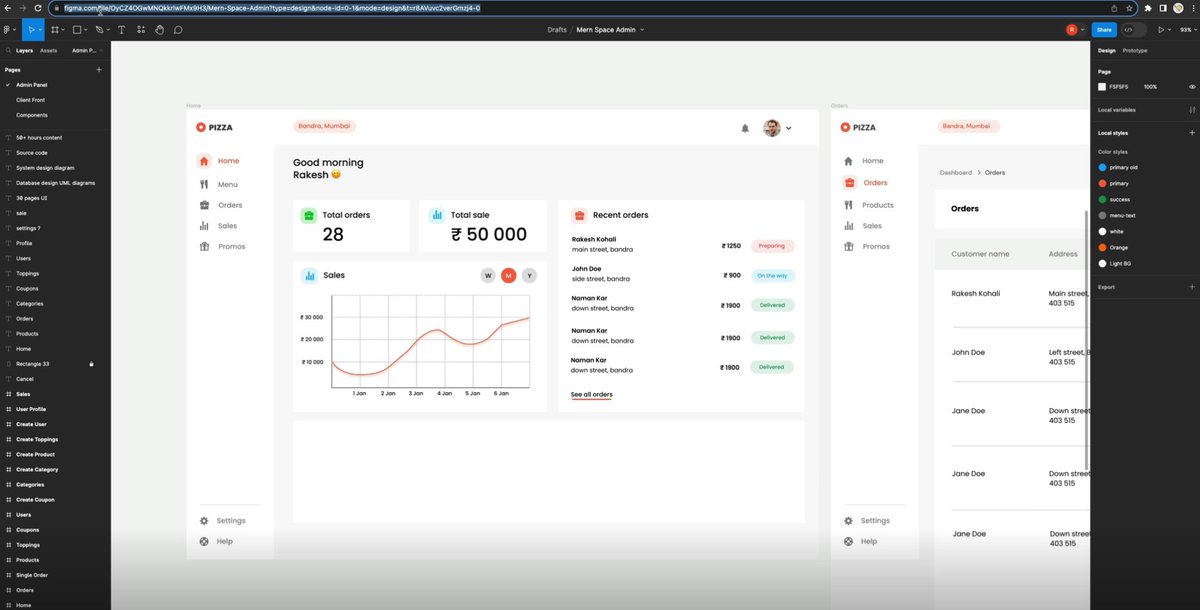
After spending the past few days working on backend services, I recently started building the Admin Panel frontend and exploring how authentication flows are implemented on the client side.
Some of the things I explored:
🔹 Setting up a React Vite TypeScript project
🔹 Configuring routing with React Router
🔹 Setting up component testing with Vitest and React Testing Library
🔹 Building the login experience using Ant Design
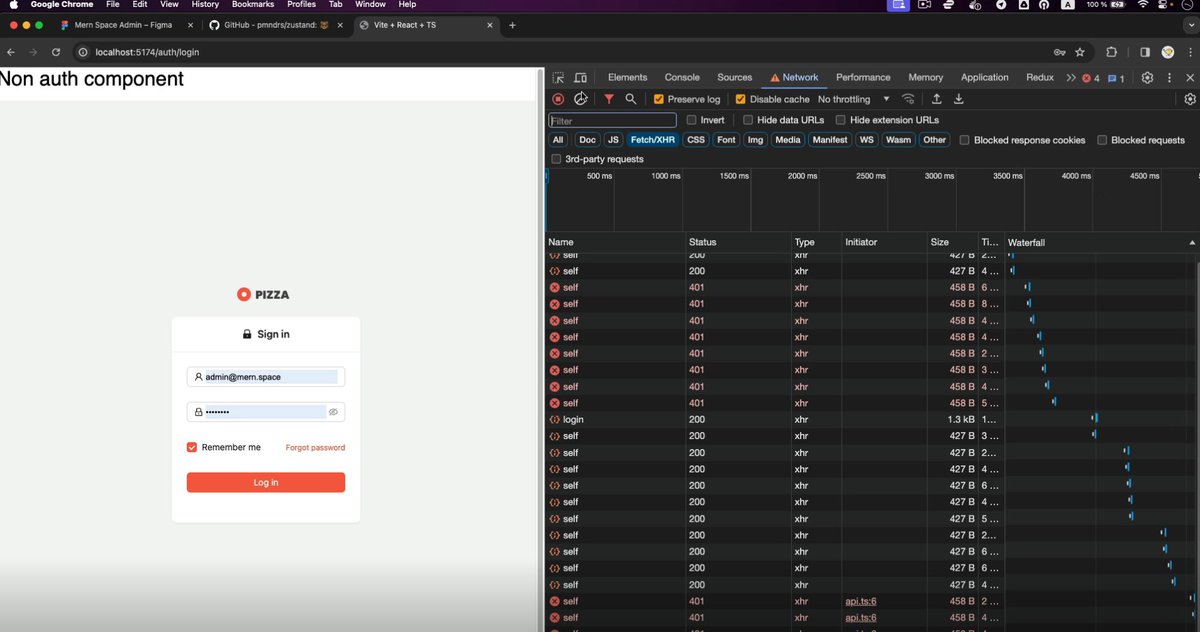
🔹 Integrating authentication APIs using React Query
🔹 Managing authentication state with Zustand
🔹 Implementing protected routes for authenticated users
🔹 Persisting authentication state across page refreshes
🔹 Exploring automatic token refresh using Axios interceptors
One thing that stood out to me was how much coordination is required between the frontend and backend to provide a seamless authentication experience. Features like protected routes, session persistence, and silent token refresh all work together behind the scenes to create a better user experience.
I'm still learning a lot about frontend architecture and authentication patterns, but working on the Admin UI has helped me better understand how these pieces fit together in real-world applications.
@codersGyan
#React #TypeScript #Vite #ReactQuery #Zustand #Authentication #FrontendDevelopment #Microservices #SoftwareEngineering #LearningInPublic
1
1
5
140
Jun 12
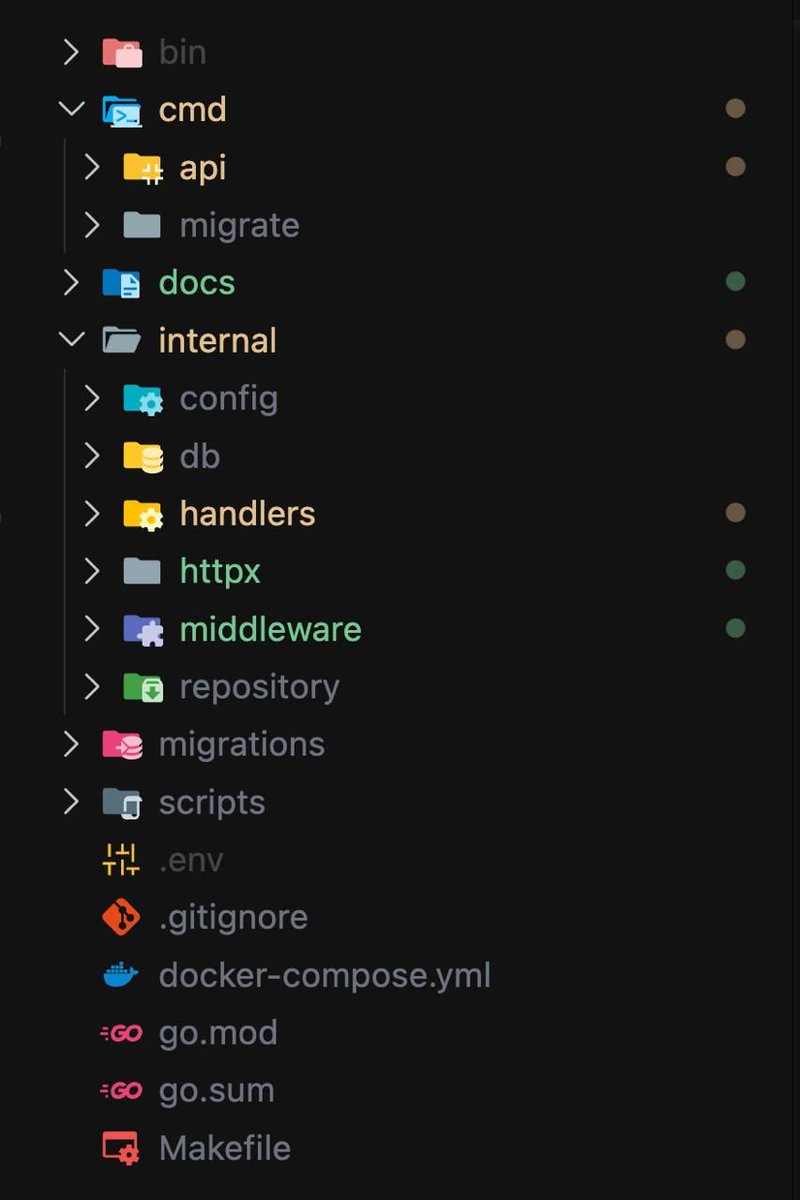
The /internal folder in Go is the most misunderstood thing in the whole project layout. Most people use it once at the top level, just to hide code from the outside world. But here's what very few know. You can nest an internal folder inside another internal folder. And that's the real trick. Each one draws a boundary, so one package can't reach into another package's guts. That's how you build a proper modular monolith, not just a folder full of packages pretending to be modules.
4
22
703
Jun 12
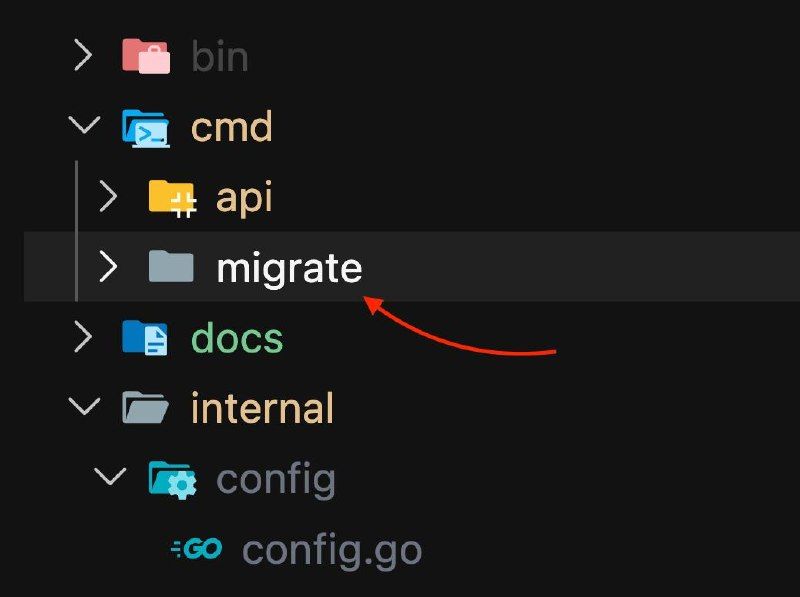
When should you run your db migrations? There are two camps. 1/ run them automatically as the app boots, right inside main.go. 2/ keep it a separate trigger and let a human decide when. I'm firmly in camp 2. A migration is a destructive process, it can break your database. Something that risky should happen when a person says yes, not on every single restart. In Go it stays clean too, you just make a separate binary in the cmd folder. Which pattern do you all use?
2
19
650
Jun 11
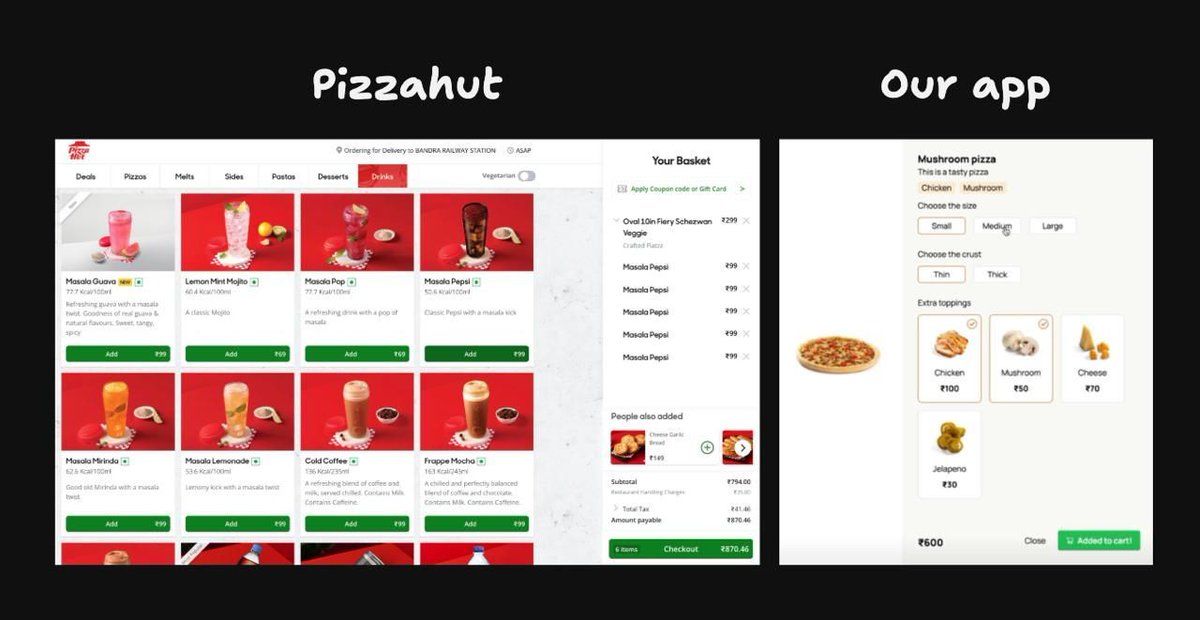
We are a few days away from launching something we built from the ground up. Every problem we had with the old LMS, we sat down and actually fixed it. The biggest one is this... you'll be able to enroll in courses for free and watch a good amount of premium content without paying a rupee. I'll keep you all posted as we get closer. And yeah, we finally have dark theme.
4
1
34
723
Jun 11
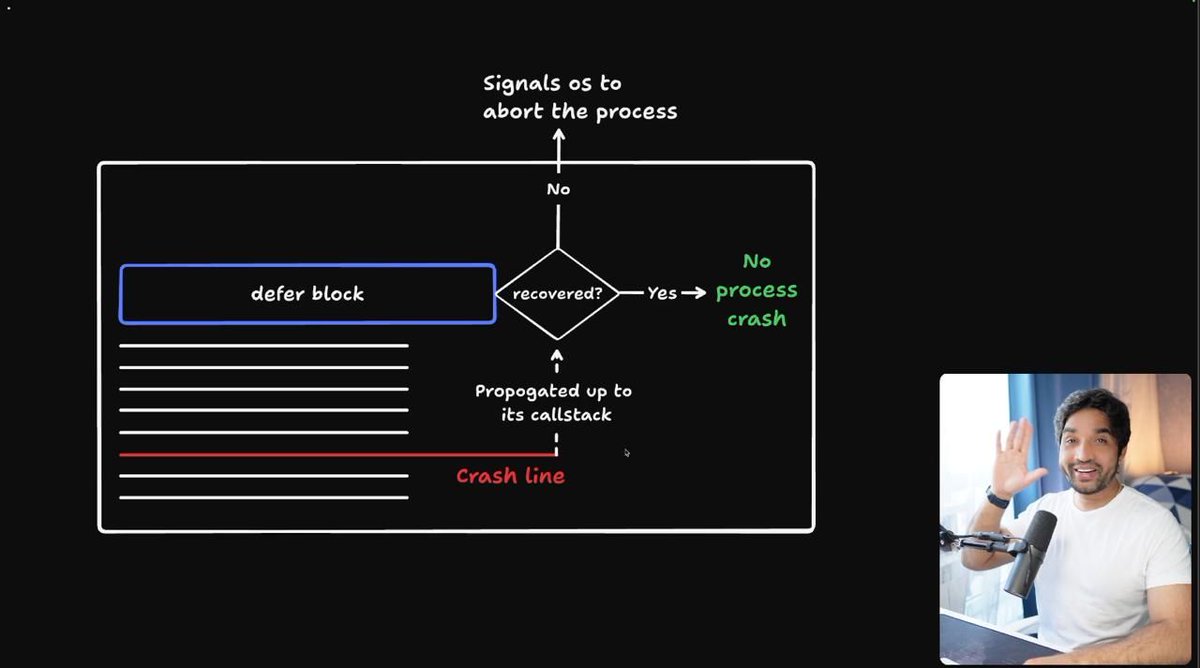
Just wrapped recording a deep dive on panic in Go.
If you're coming from another language, this one is going to bite you. In a lot of languages an exception is just control flow, you throw, you catch, you move on. Go does not work like that, and that difference trips people up in real code.
That's the whole reason I sat down and recorded this.
Going up on YouTube soon. Stay tuned.
2
25
380
Jun 10
When you build software, UX still matters. Sounds obvious, but a lot of software folks skip it.
It's the little things. A clear confirmation when an action actually lands. A response that tells the user exactly what just happened. Tiny stuff.
In our MERN capstone we made sure these little details were handled. The implementation? A few lines of code. But those few lines change how the whole thing feels to a real user.
And feel is what people pay for.
1
14
483
Jun 10
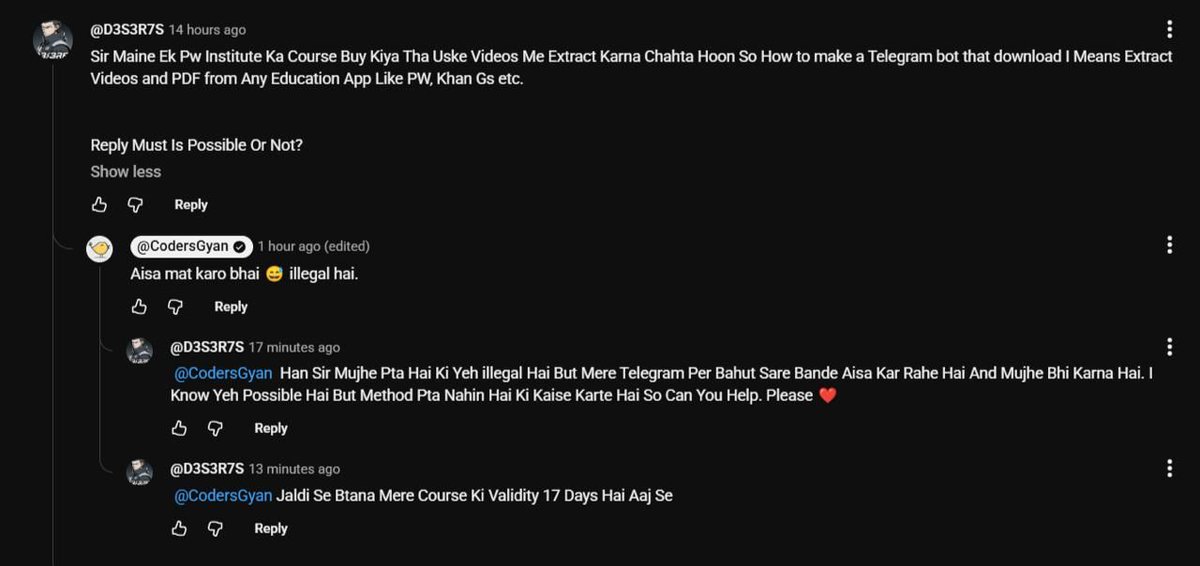
Got a comment today that honestly left me with no words.
Someone asked me to help him build a Telegram bot to rip the videos and PDFs out of a course he paid for on a learning platform.
I said what I'll always say. Aisa mat karo bhai, illegal hai.
He pushed back. Said everyone does it anyway. Maybe they do. I'm still not going to teach you how.
We build things here. We don't steal them. I read every comment, even the ones I have to say no to.
2
1
19
837
Jun 9
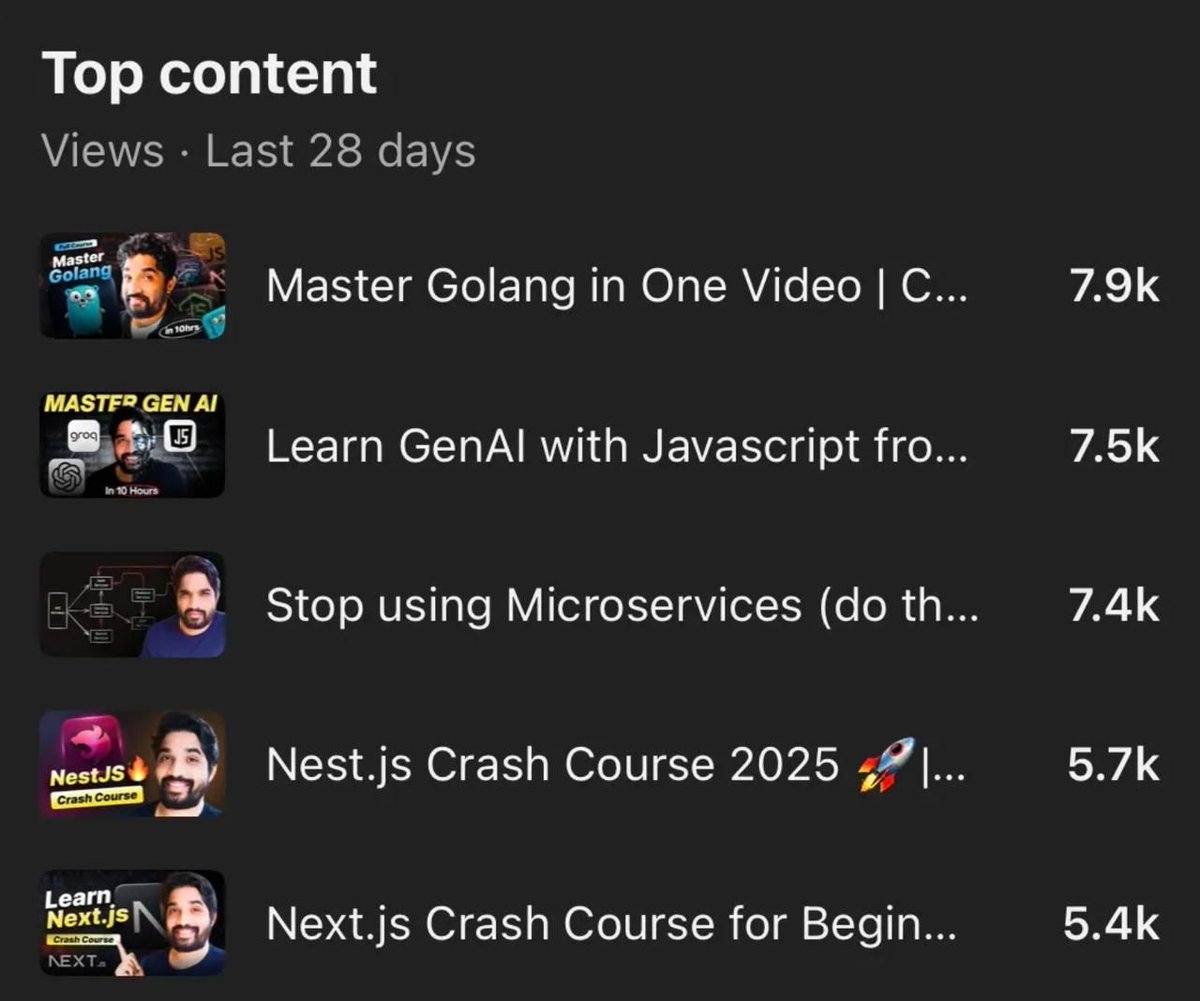
Everyone optimizes for reach. Pick the trending topic, ride the algorithm, watch the views climb.
I'm choosing the opposite, on purpose. Doubling down on Go, which I already know won't grow the channel as fast.
Why would I do that? Because chasing reach gives you wide. Slow learning gives you deep. And depth is the only thing I actually have that's worth giving you all.
I'd rather teach 100 people something real than flash past 10,000 who forget it by lunch.
Am I wrong about this? Tell me honestly, I read every comment.
8
1
33
593
Jun 9
Been quietly running this for the last few weeks and honestly, the results are outstanding so far.
The setup is simple. A Go backend does all the orchestration. It ships a multi-tool binary. And claude -p in headless mode runs as the main agent loop, calling those tools directly.
Go handles the boring heavy lifting. Claude handles the AI part. That's it.
I'm really happy with where this is going. Next I want to try the codex and the opencode versions of the same thing.
2
1
32
909
Jun 8
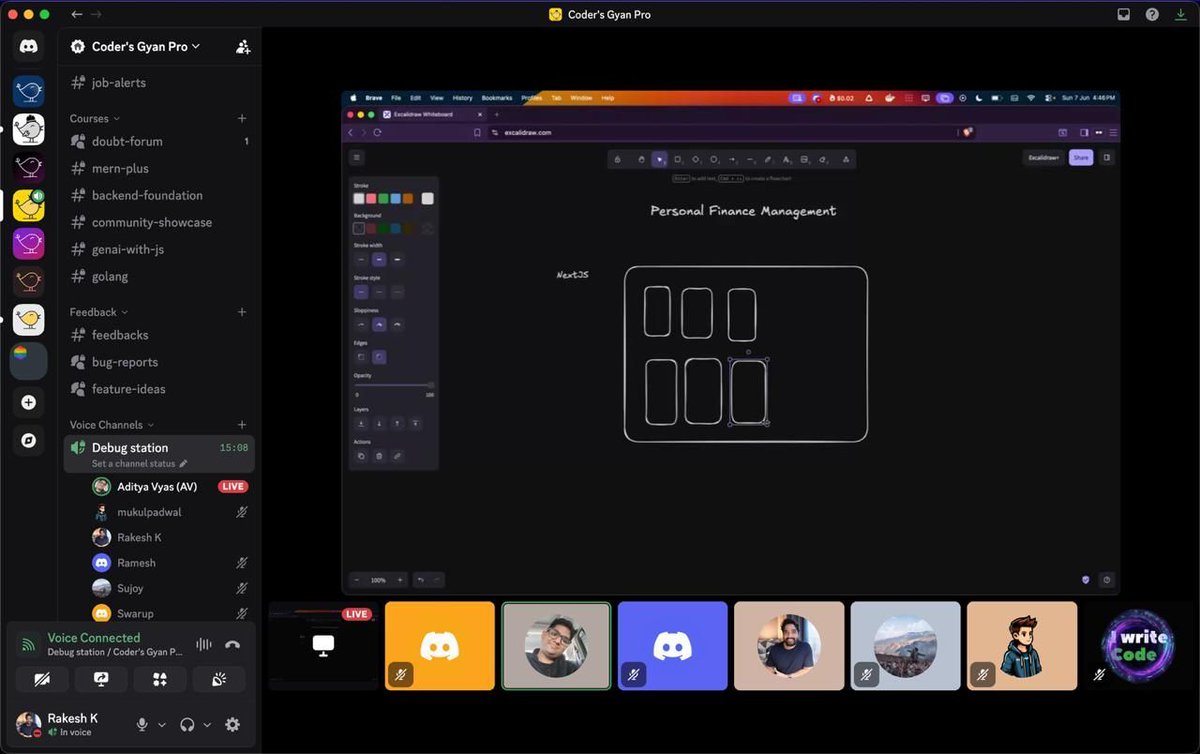
Another weekend session with the Coder's Gyan Pro folks. We sat together, sketched the architecture, then spent a good while arguing about database design and which tradeoffs were actually worth it. This is the part of engineering nobody puts in a tutorial. We do this every weekend now, engineers come live and we brainstorm real systems together. So good to watch people think out loud.
4
1
38
1,160
Rakesh K retweeted
Jun 7
📚 Day 5 of Building a Microservices-Based Project
Over the past few days, I've been continuing work on the Authentication Service and exploring how user management, permissions, and multi-tenant systems are implemented in backend applications.
This phase focused on moving beyond authentication and into authorization, access control, and administrative functionality.
Some of the things I explored:
🔹 Implementing Role-Based Access Control (RBAC) to restrict access based on user roles
🔹 Creating middleware to enforce permissions on protected routes
🔹 Building Tenant management functionality with CRUD operations
🔹 Establishing relationships between Users and Tenants in the database
🔹 Building User management APIs for creating, updating, retrieving, and deleting users
🔹 Adding request validation for tenant and user operations
🔹 Improving security by ensuring passwords are never returned in API responses
🔹 Learning how database migrations help manage schema changes safely
🔹 Adding cascade deletion for refresh tokens when users are removed
🔹 Improving automated test coverage and project quality checks
One thing that stood out to me during this phase was the difference between authentication and authorization.
Authentication answers the question:
👉 "Who are you?"
Authorization answers:
👉 "What are you allowed to do?"
Implementing RBAC helped me better understand how applications enforce permissions and protect sensitive operations from unauthorized users.
Another interesting concept was multi-tenancy. Associating users with tenants gave me a glimpse into how SaaS applications can manage data and users across multiple organizations while maintaining proper isolation and control.
I'm still learning a lot about microservices, security, and backend architecture, but each new feature helps me understand how real-world systems are designed and maintained.
@codersGyan
#Microservices #BackendDevelopment #NodeJS #TypeScript #PostgreSQL #RBAC #Authentication #Authorization #SoftwareEngineering #LearningInPublic #WebDevelopment
1
1
4
338
Jun 7
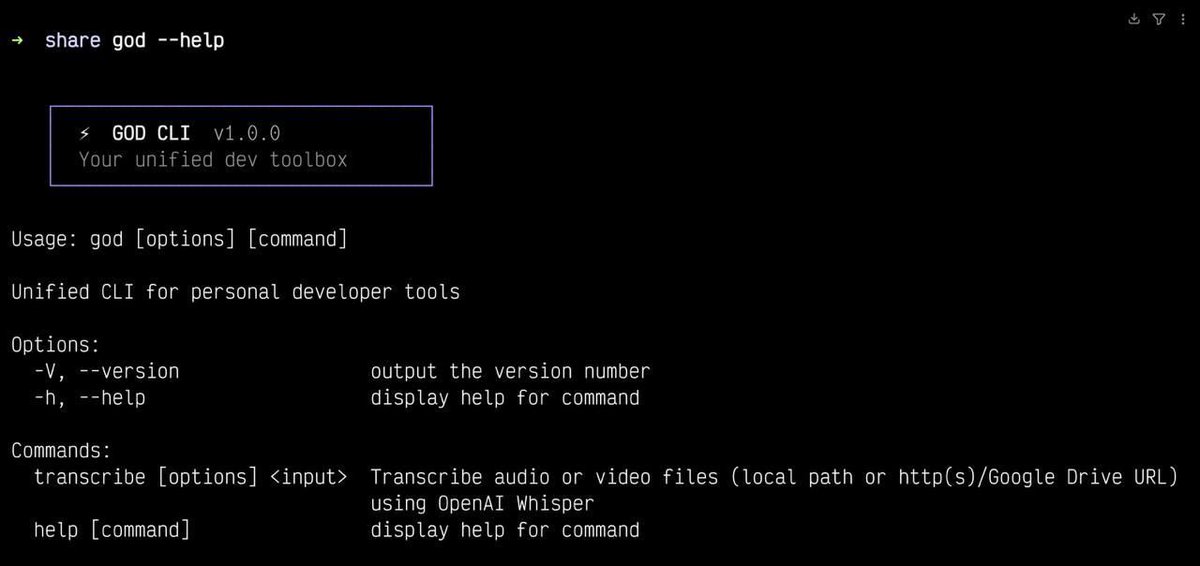
So here's the problem I kept hitting with OpenAI Whisper. My files were larger than 25MB, and that's a hard limit. Right?
Which means your only option is chopping the file into pieces. Jugaad. Stitch the transcripts back together. It works, but it's annoying.
Then I tried Deepgram. You give it the video URL from your own CDN, not even the audio, and it transcribes the whole thing fast. No chopping. No size jugaad.
If you're fighting Whisper's 25MB wall, this is worth a look.
2
7
283
Jun 7
So many of you keep asking me the same thing. Should I do DSA or development?
And honestly, this question shouldn't even come up. Let me tell you why. If you treat your work like your dharma, then the basics for that work just have to be there. Both of them. You don't pick one and ignore the other.
The real problem starts when this doubt sits in your head and you go looking for answers on YouTube. One video says do DSA, you'll get a job. So you watch it. Then the next one. Which language for DSA, how to build logic, how many questions to solve... and months go by. You forget your actual goal. Very dangerous.
I'm not saying master everything. I'm saying clear your goal first, then do the basics. No excuses.
Comment and tell me where you're stuck right now, DSA or dev. I read every one.
5
1
21
398