
Helping business owners and developers deploy AI to save time, scale faster, and build real solutions | Software Engineer
Joined March 2013
- Tweets 2,936
- Following 158
- Followers 217
- Likes 501
281 Photos and videos


Apr 21
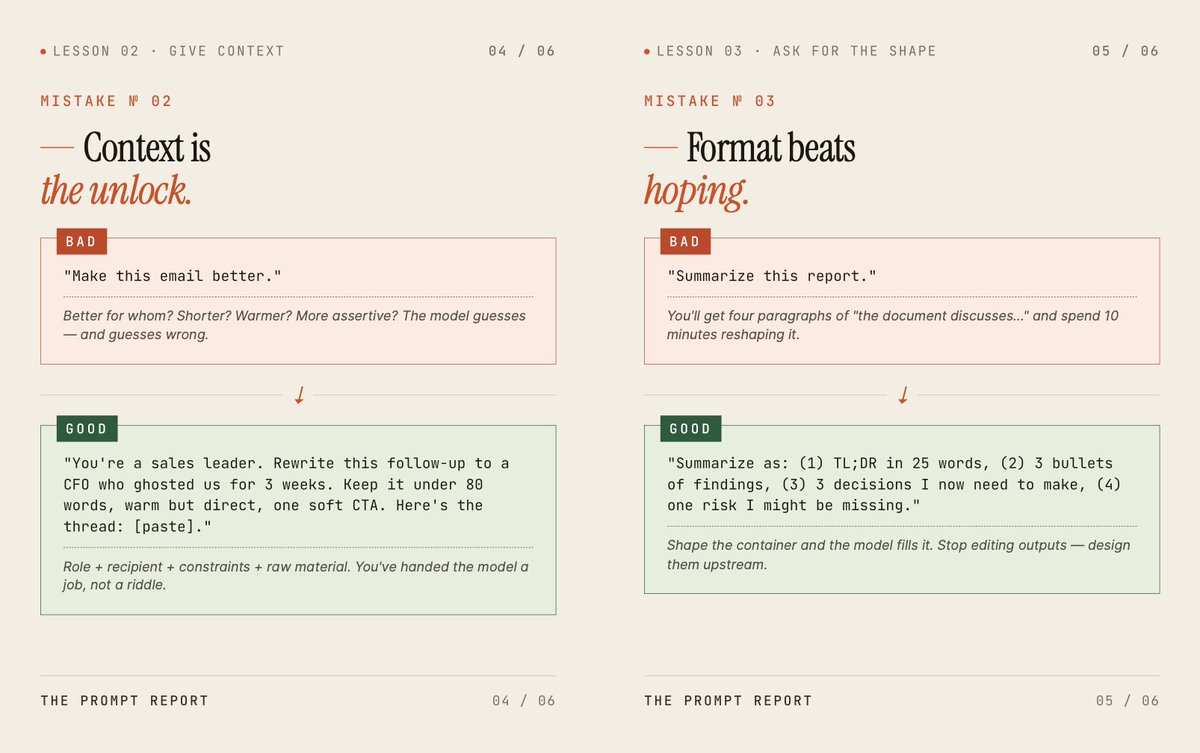
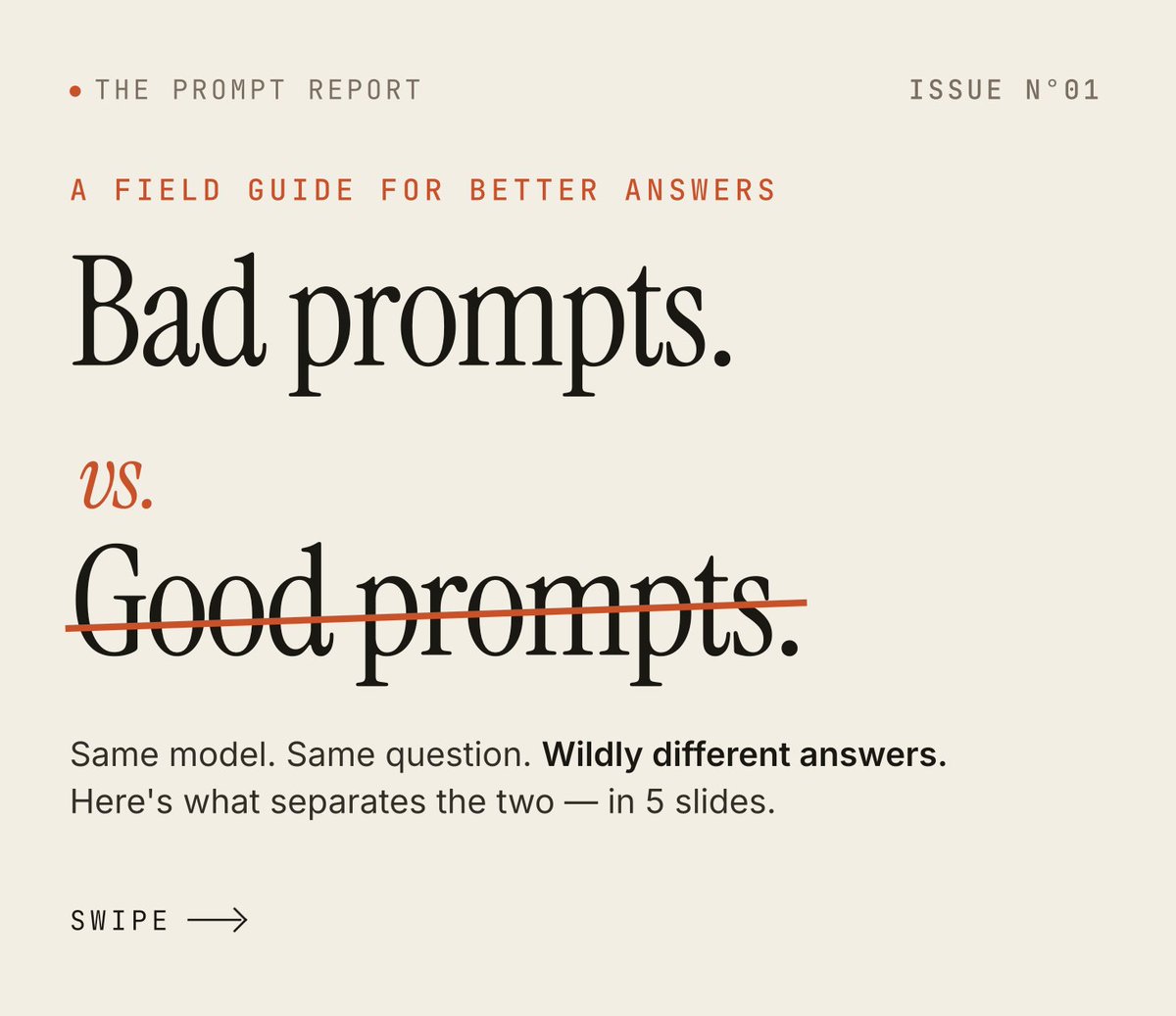
Just told Claude AI Design to create a LinkedIn carousel about Good vs Bad Prompts. One prompt. Zero edits. The result? Actually incredible.
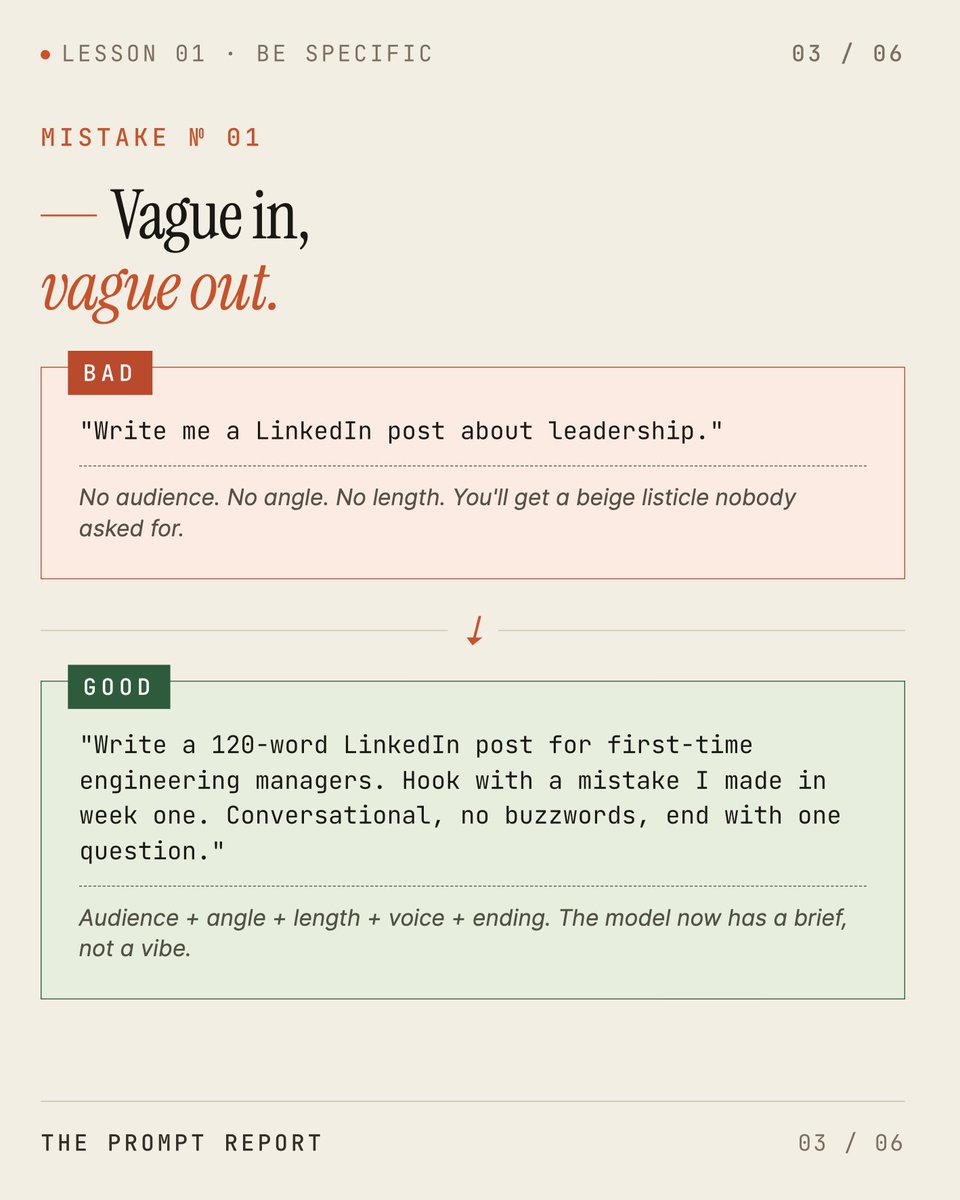
2
128
Apr 20
OpenClaw = Nodejs any LLM (Skills MCP tools) your chat app.
Yes, it's Nodejs under the hood.
1
97
Apr 19
OpenClaw users: How are you actually running your agent?
Which deployment do you use?
0%
Yours (Mac Min,WinPC etc)
0%
Sandbox Docker
100%
VPS / Cloud
0%
Separate device (Mac, PI)
1 votes • Final results
2
2
79
Shan Asif retweeted
11 Aug 2025
When a technology gets a bad reputation but still powers a huge portion of the web (like PHP), it creates a space where: ⬇️
1
1
435
11 Aug 2025
When a technology gets a bad reputation but still powers a huge portion of the web (like PHP), it creates a space where: ⬇️
1
1
435
11 Aug 2025
PHP is a perfect example. People love to say it’s outdated, yet WordPress (PHP-based) runs over 43% of the web, and major platforms like Facebook (originally built in PHP) still use evolved versions of it.
1
253
11 Aug 2025
This means if you become really good at that “hated” tech, you can:
Command higher freelance or contract rates.
Target niches that need constant maintenance & upgrades.
Position yourself as the “rare expert” rather than just another trendy-stack dev.
1
221
2 Aug 2025
Comfort is the biggest enemy of your productivity.
When you're too comfortable, you're less likely to challenge yourself or take initiative.
1
1
2
105
2 Aug 2025
By the way, burnout is real: constantly pushing yourself out of comfort can backfire. Sustainable productivity requires rest and recovery.
71
5 Jul 2025
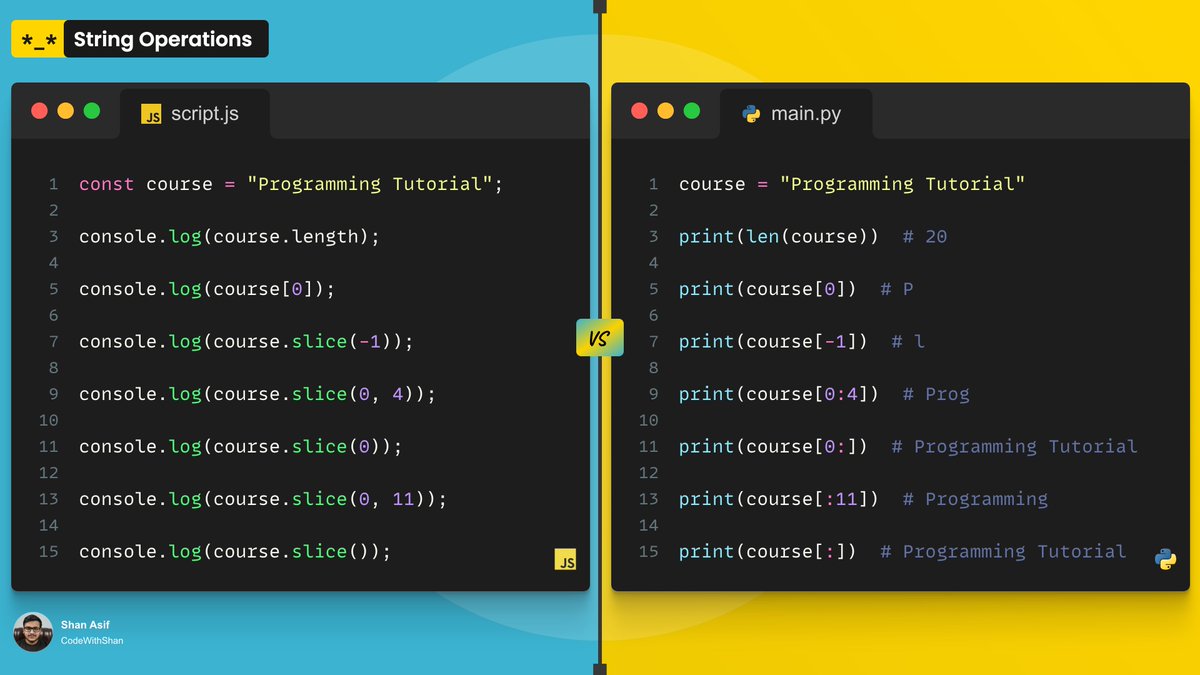
String Operations in JavaScript vs Python:
→ console.log vs print()
→ length vs len()
→ slice vs []
2
121
4 Jul 2025
Avoid storing files in the Database: Here is what you should do ⬇️
1
66
4 Jul 2025
Then store the actual files in:
→ Object storage (S3, Firebase Storage, Digital Ocean Droplet etc.)
→ Your own secure file server
This pattern:
→ Improves security
→ Speeds up performance
→ Makes file management modular and scalable
1
56
4 Jul 2025
Bonus: Always store the MIME type (image/jpeg, image/png, application/pdf, etc) in the database instead of plain extensions like PDF, PNG.
41
Shan Asif retweeted
7 Jan 2024
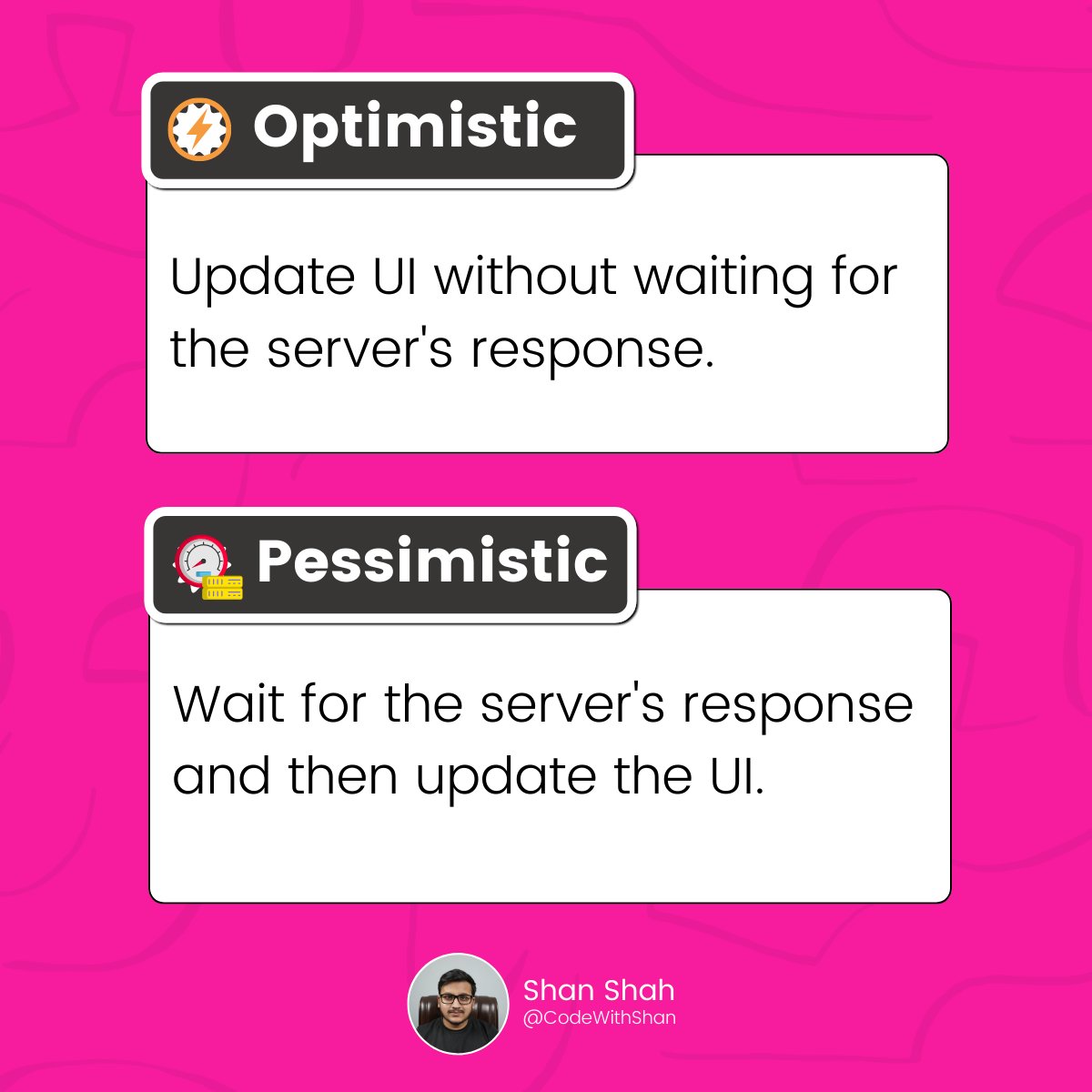
Optimistic vs. Pessimistic Updates in ReactJS:
Which is Your Approach? 🤔
Optimistic Updates: Swift and Engaging
→ With optimistic updates, you can update the UI immediately, assuming the operation will succeed.
→ Seamless user experience, as changes are instantly reflected.
→ If an error occurs, the UI gracefully reverts, ensuring data integrity.
Pessimistic Updates: Prioritizing Data Consistency
→ For uncertain or critical operations, pessimistic updates shine.
→ By waiting for server confirmation, the UI remains unchanged until success is confirmed.
→ This approach ensures data integrity, making the server the single source of truth.
The Right Choice?
💡 When deciding between the two approaches, consider the likelihood of success and the importance of data consistency.
💡Optimistic updates provide responsiveness, while pessimistic updates prioritize integrity.
#javascript #reactjs #nextjs
1
498