
Music Producer, 5x beatbox champion, 6x TEDx speaker and I run a few businesses.
Joined September 2011
- Tweets 17,956
- Following 1,294
- Followers 2,960
- Likes 18,267
913 Photos and videos












Jun 8
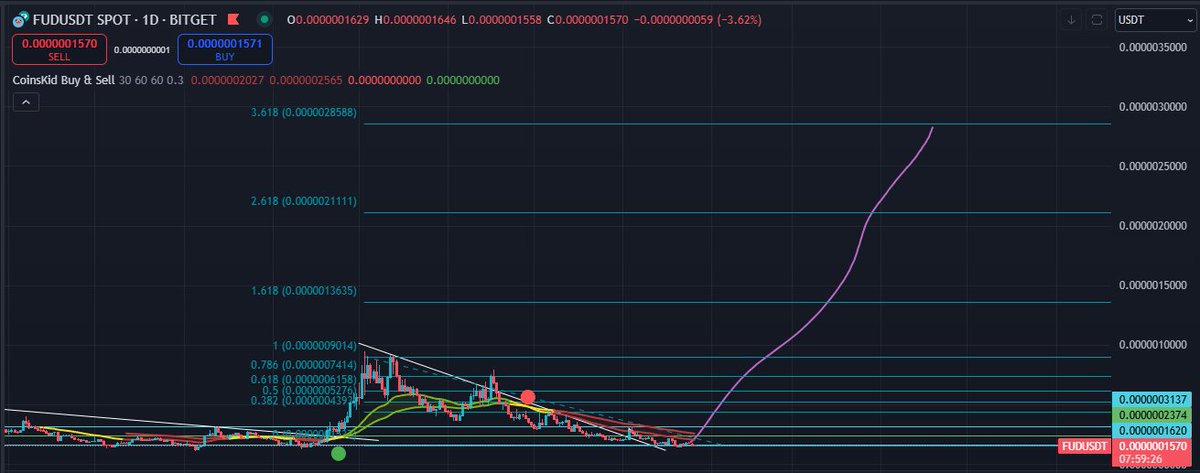
laddering in

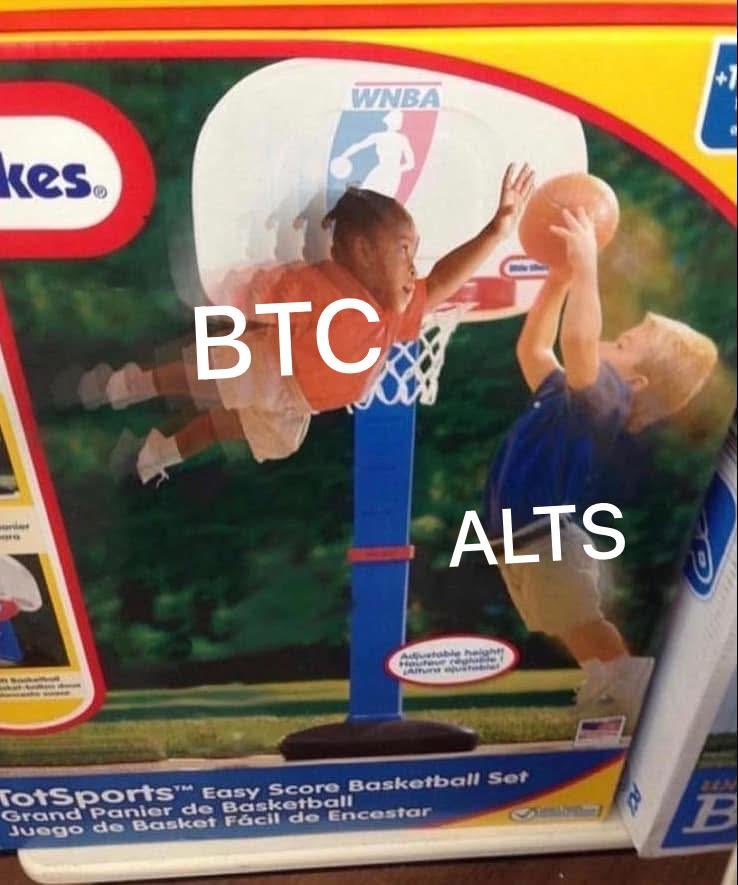
🚨JUST IN: The Crypto Fear & Greed Index falls to 8, the LOWEST in over two months.
1
89
Codycoexfoo retweeted

Mar 17
Fun fact:
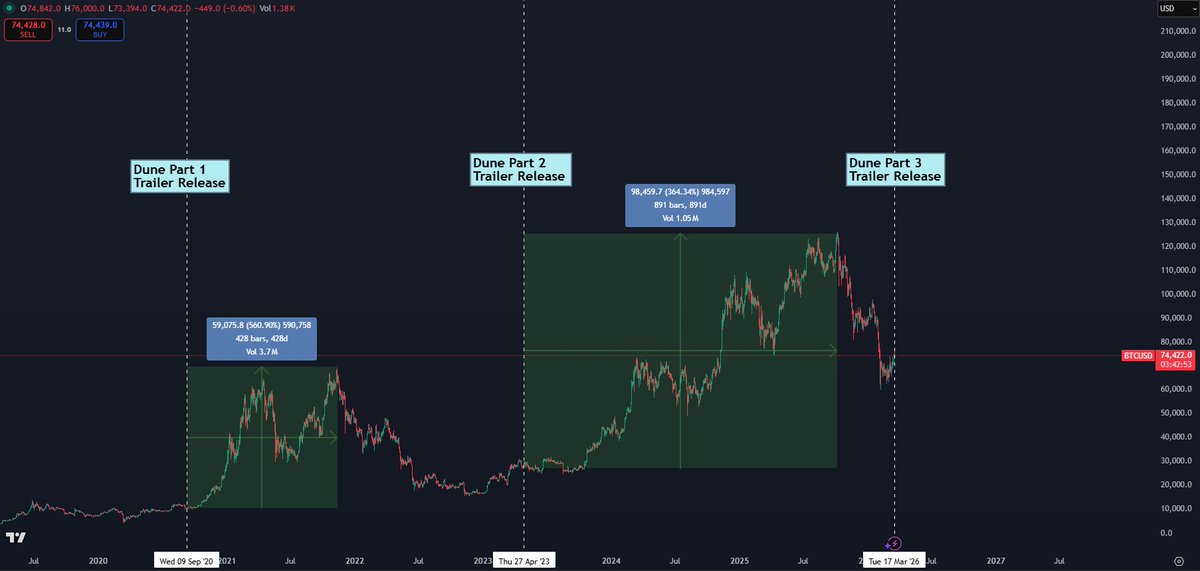
The trailer releases for Dune 1 & 2 both happened at the bottom of bear markets.
Bitcoin went on to have bull runs that led to new all time highs and lasted for years each time.
The trailer for Dune 3 released today.
Run it back turbo.

344
402
6,643
1,001,971
Feb 4
Do your best Cody, stop empowering people that do not deserve it.
Learning.
1
184
10 Dec 2025
When I share data, I do not hide my numbers. We all learn from my mistakes and wins.
When we are all trying to learn, misinformation is the problem. But you don’t understand.
It is when we stoped witnessing your lies that we prospered - be happy for us.
1
109
Codycoexfoo retweeted

16 Sep 2025
For almost two years, the world has seen Gaza only through the news. But very few have actually gone inside. I chose to go — to see it with my own eyes and to meet the people living there.
What I witnessed is not the story being told on your screens. The suffering is real, but Hamas is the one responsible. They hold their own people hostage, steal the aid meant for them, use families as shields, and spread lies to the world.
I met women who were brave enough to tell the TRUTH and children who are deserving of a different future.
We cannot forget the remaining 48 hostages still held captive. And lastly, we cannot forget that Hamas has the power to end this all right now.
637
3,594
12,283
482,917
4 Jul 2025
My heart goes out to this amazing young woman.
Started when she wouldn’t stand for a teacher making a rape joke.
I’m proud of you, Ain. Thank you.

this is what i receive everyday back then when i was 17.
every. single. day.
fighting to be safe as a woman.
is it normal to accept this in your dm’s everyday simply just because you exist as a girl and believe that you deserve safety and protection regardless?

1
704
26 Jun 2025
Watching dope people do things will be a drug I’ll never put down
3 Apr 2023

Saat mengikuti kompetisi dance battle di Summerjam Dance Camp dan Radikal Forze Jam Camp di Vietnam, ada sebuah videonya yang viral di media sosial. Sekadar info, event tersebut adalah festival tarian hip hop terbesar di dunia. Dan Miyu berhasil memukau penonton.
205
22 Jun 2025
A year ago, I warned many of my peers about CETUS's potential hack based on advice of my dev's.
But I got clowned and kicked out of the group.
Now I ask them what they did with their CETUS tokens after the hack - according to them I'm FOMO'ing.
1
196
17 Jun 2025
Ah the truth.
16 Jun 2025

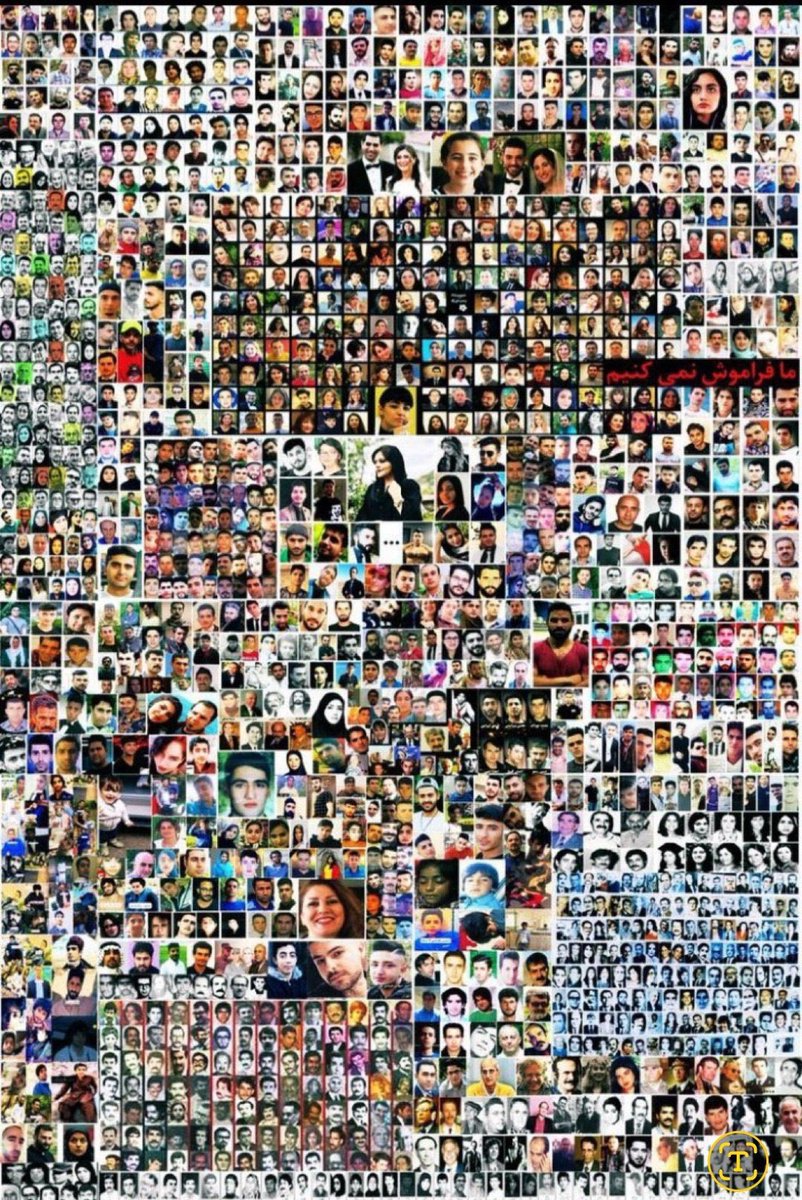
If you didn't care about these innocent Iranians when they were being murdered by a terrorist Islamic Dictatorship, but now you suddenly care about Iran because Israel is involved, you're not a human rights activist.
You're a bigoted Jew-hating antisemite.
#majidrezaRahnavard
1
235
Codycoexfoo retweeted

15 Jun 2025
This so-called “Islamic golden era" wasn’t the fruit of Islam, it was the desperate gasp of brilliance from conquered civilizations trying to breathe under an increasingly suffocating ideology.
The Islamic conquests of the 7th and 8th centuries were brutal military campaigns.
When the Rashidun and Umayyads tore through Persia, the Levant, and North Africa, they didn’t show up with scientific journals and telescopes.
The Persians had astronomical knowledge and bureaucratic sophistication.
The Byzantines preserved the philosophical canon of Greece.
Syriac Christians were translating Aristotle and Galen into Aramaic long before Islam came on the scene.
Indian scholars had already nailed the concepts of zero and the decimal system, Muslims just relayed it westward.
The Jews, scattered and marginalized, played a key role in preserving and advancing scholarship.
Yes, the House of Wisdom in Baghdad, was a hub of intellectual activity under the Abbasids. But the people who made it great were mostly non-Muslims.
Hunayn ibn Ishaq was a Christian. The Sabians from Harran were Pagan star-gazers. Jewish astronomers like Masha’allah ibn Athari was essential to the operation. Even the famed Banu Musa brothers likely had Zoroastrian roots.
This wasn’t a mosque of innovation, it was a sanctuary of borrowed brains protected (for a brief time) from religious interference.
When Muslim thinkers did emerge, they were hunted.
Ibn Sina, who revolutionized medicine and philosophy, was branded a heretic for his ideas.
Al-Razi mocked religious dogma and flat-out called the Qur’an a collection of fables.
Al-Ghazali. His book The Incoherence of the Philosophers argued that cause and effect was an illusion, that the universe was entirely subject to Allah’s whim.
His theology crushed the Mutazilites, rationalist Muslims who briefly tried to inject logic into faith, and paved the way for centuries of intellectual stagnation.
After Ghazali, the tide turned. The Islamic world stopped moving forward.
Madrasas replaced inquiry with indoctrination. Book production fell off a cliff. Scientific output flatlined.
Meanwhile, Europe picked up the very texts and pushed them further, far further.
Copernicus, Fibonacci, Galileo, they built what Muslim thinkers never could under the yoke of religious orthodoxy.
The “Islamic Golden Age” wasn’t Islamic.
It was a fleeting spark, ignited by the knowledge of conquered peoples, dimmed by the rise of clerical power, and finally extinguished by Islamic fundamentalism.
Islam didn’t launch it, it hijacked it, and then it buried it.
The only reason this myth lives on is because it’s convenient, for those desperate to find light in a long history of darkness.
66
554
1,887
80,058
14 Jun 2025
People on the ground knows the truth.
13 Jun 2025

BREAKING: Clashes erupt in Egypt as local Egyptians confront Western leftist activists who arrived to “march to Gaza.”
1
203
Codycoexfoo retweeted

14 Jun 2025
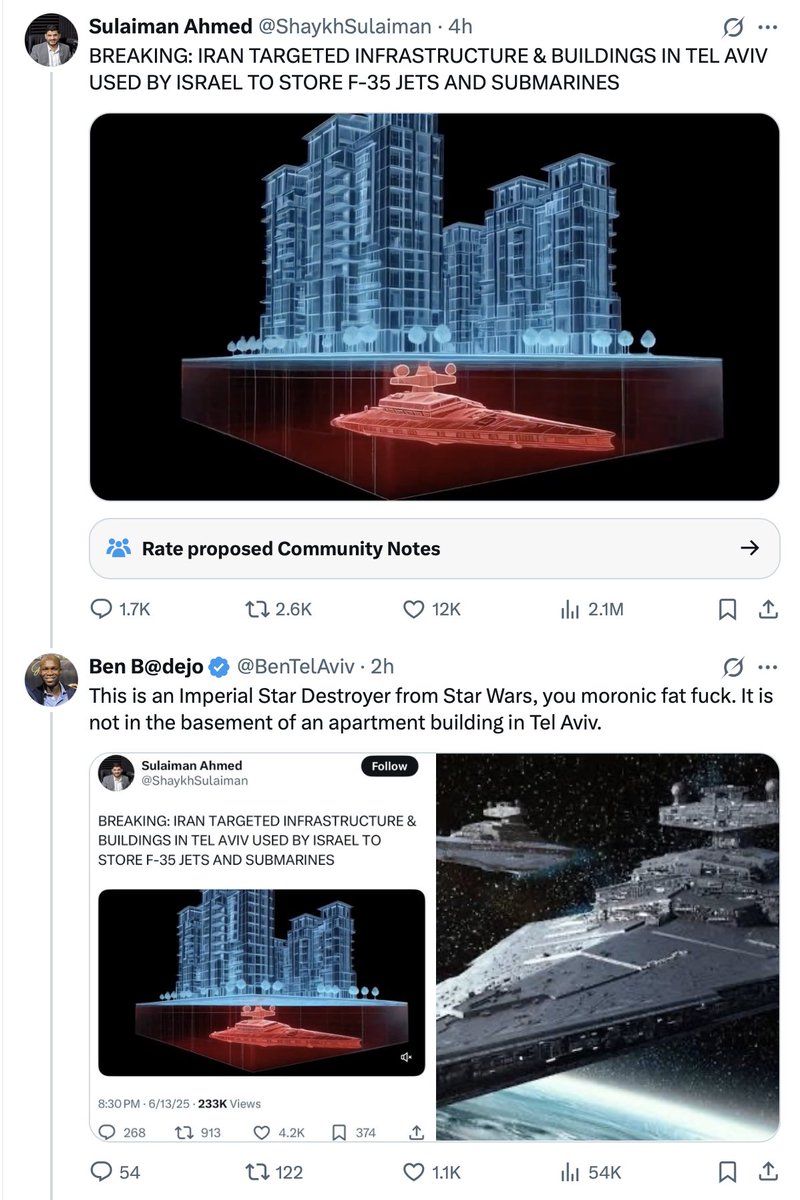
This is one of the greatest posts ever
399
1,906
23,877
1,087,456
14 May 2025
I am sure Malaysia will receive him with open arms.
13 May 2025

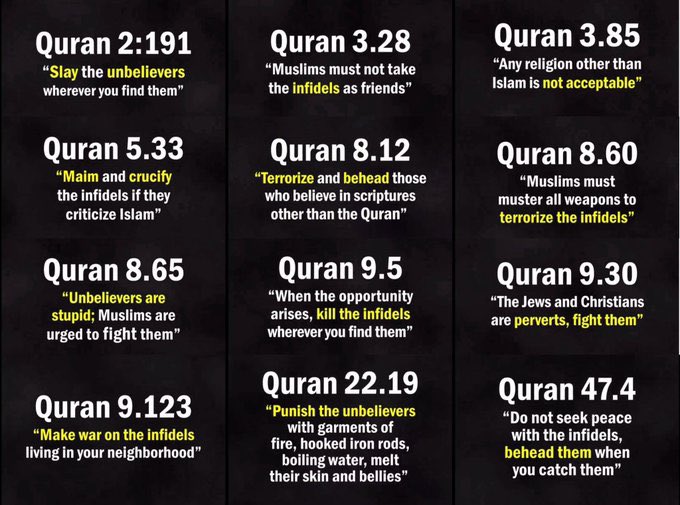
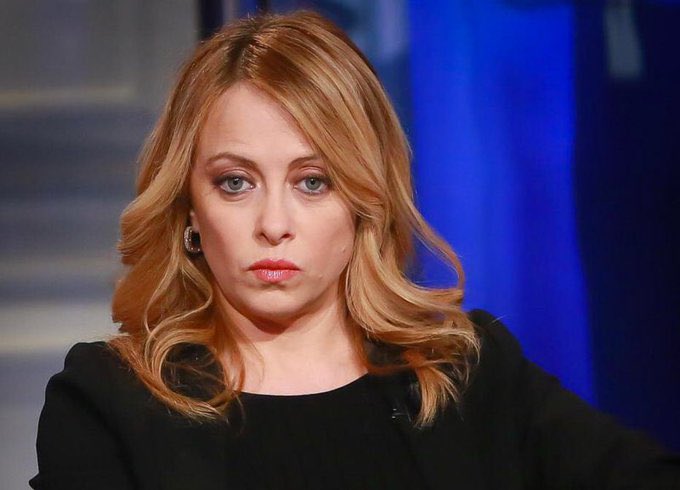
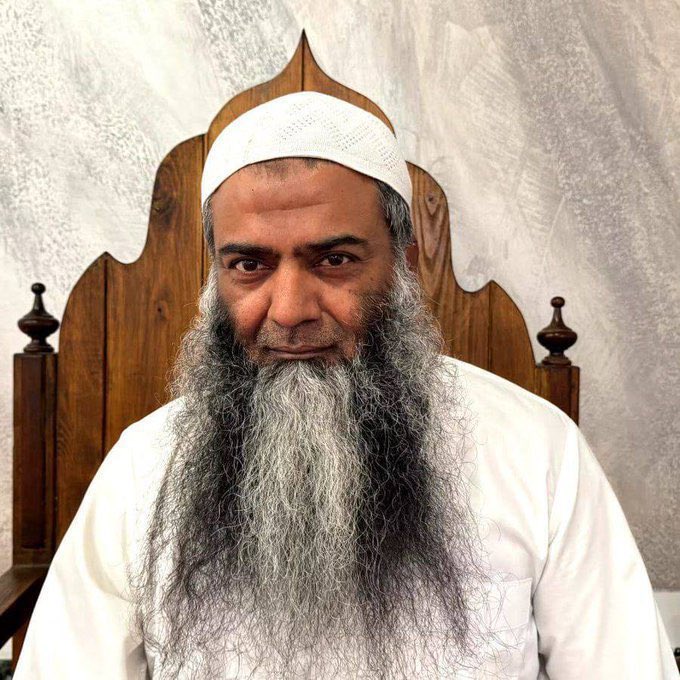
A Pakistani imam in Italy gave a sermon saying that every Muslim should fight the infidels or face ‘catastrophic consequences’.
The next day, PM Giorgia Meloni personally requested that he be deported.
He had lived in Italy for 30 years!
Do you agree with Giorgia’s decision?
418
Codycoexfoo retweeted

14 Apr 2025
I don't wish to alarm you about China's imperialist ambitions re this visit, but Malaysia's next Prime Minister is almost certainly going to be PM XI.
54
1,438
3,272
166,263


16 Apr 2025
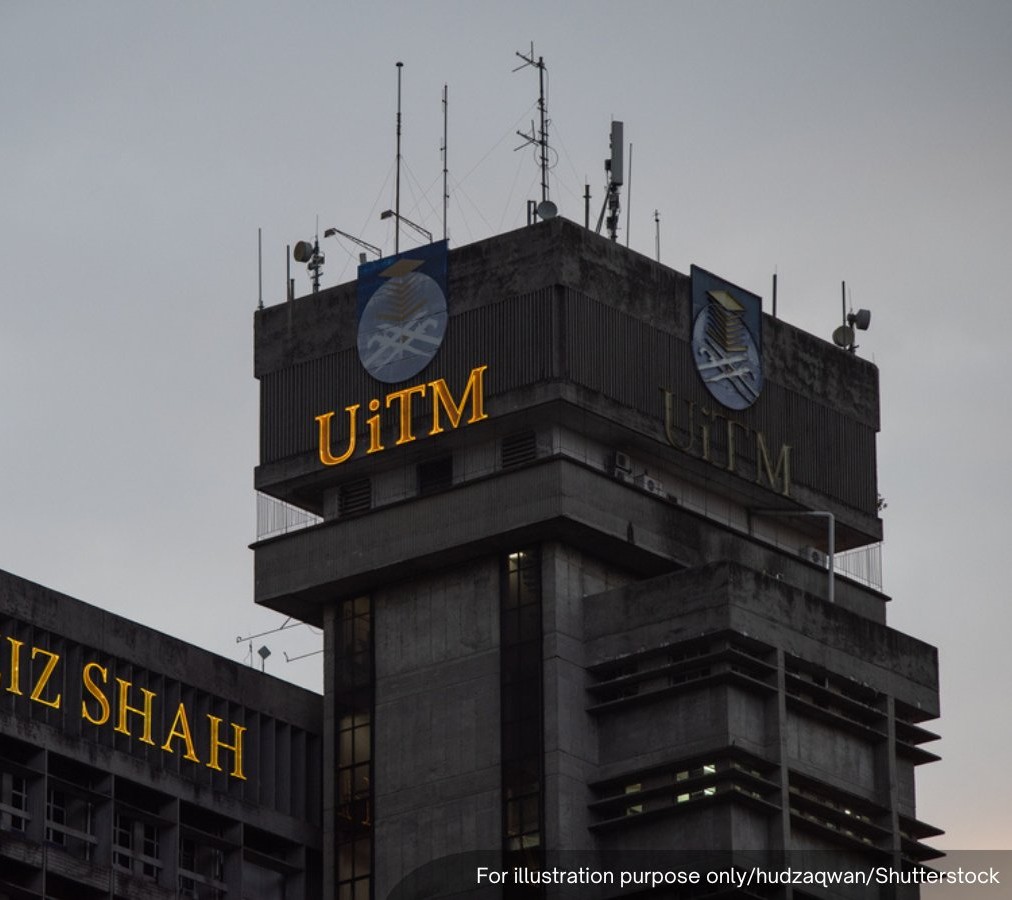
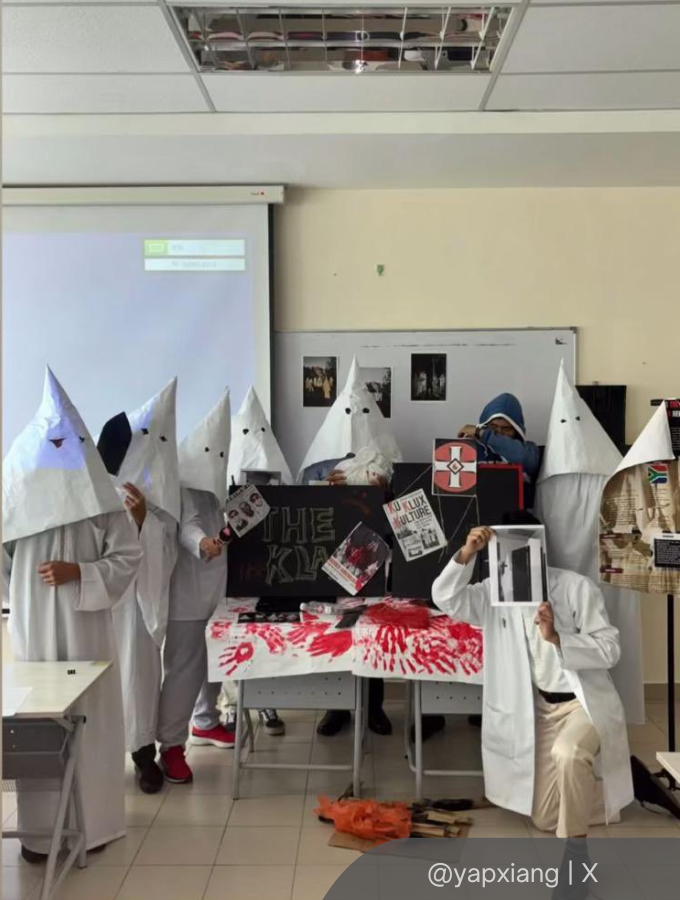
Been saying this for a while now - UITM candidates are unhirable.

UiTM defended students wearing Ku Klux Klan robes on their Dengkil campus, saying it was for a legal studies assignment.
The university added that it did not consider the presentation religiously offensive.
🧵1
5
440