
peace, love, markets, weather, technology for the farming world online at willag.org & narrowrow.com | journalist | tweets are my own
Joined June 2012
- Tweets 20,228
- Following 429
- Followers 9,126
- Likes 1,505
4,948 Photos and videos



Jun 12 | Closing Market Report
share.transistor.fm/s/500e0a…
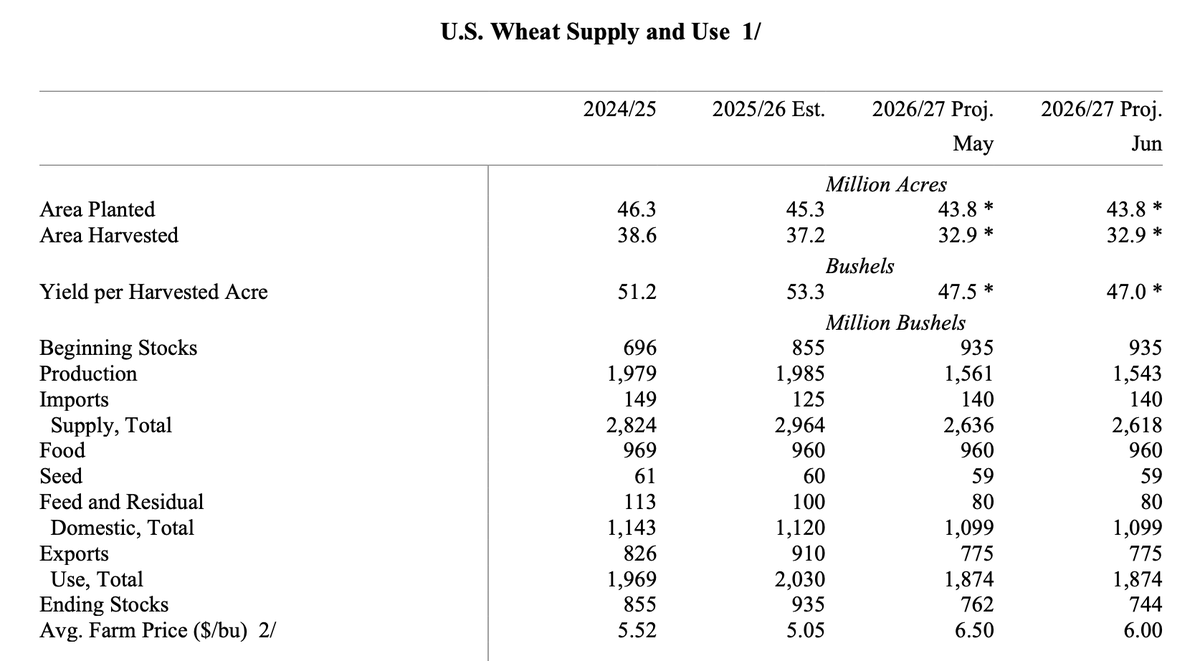
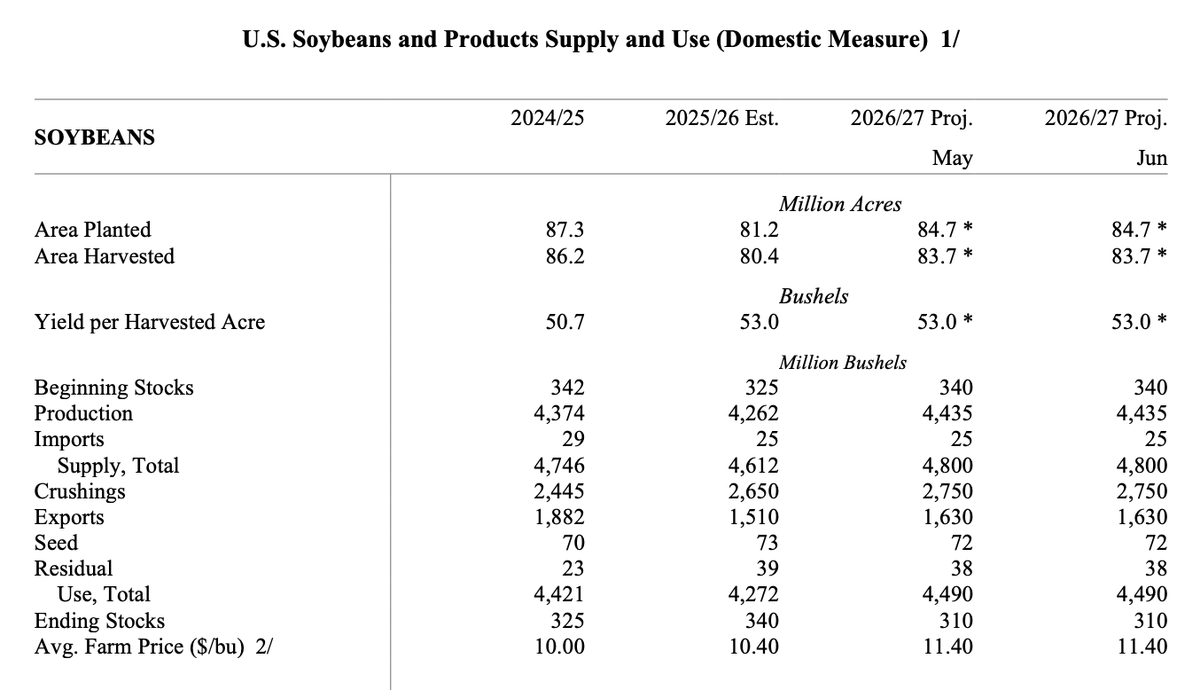
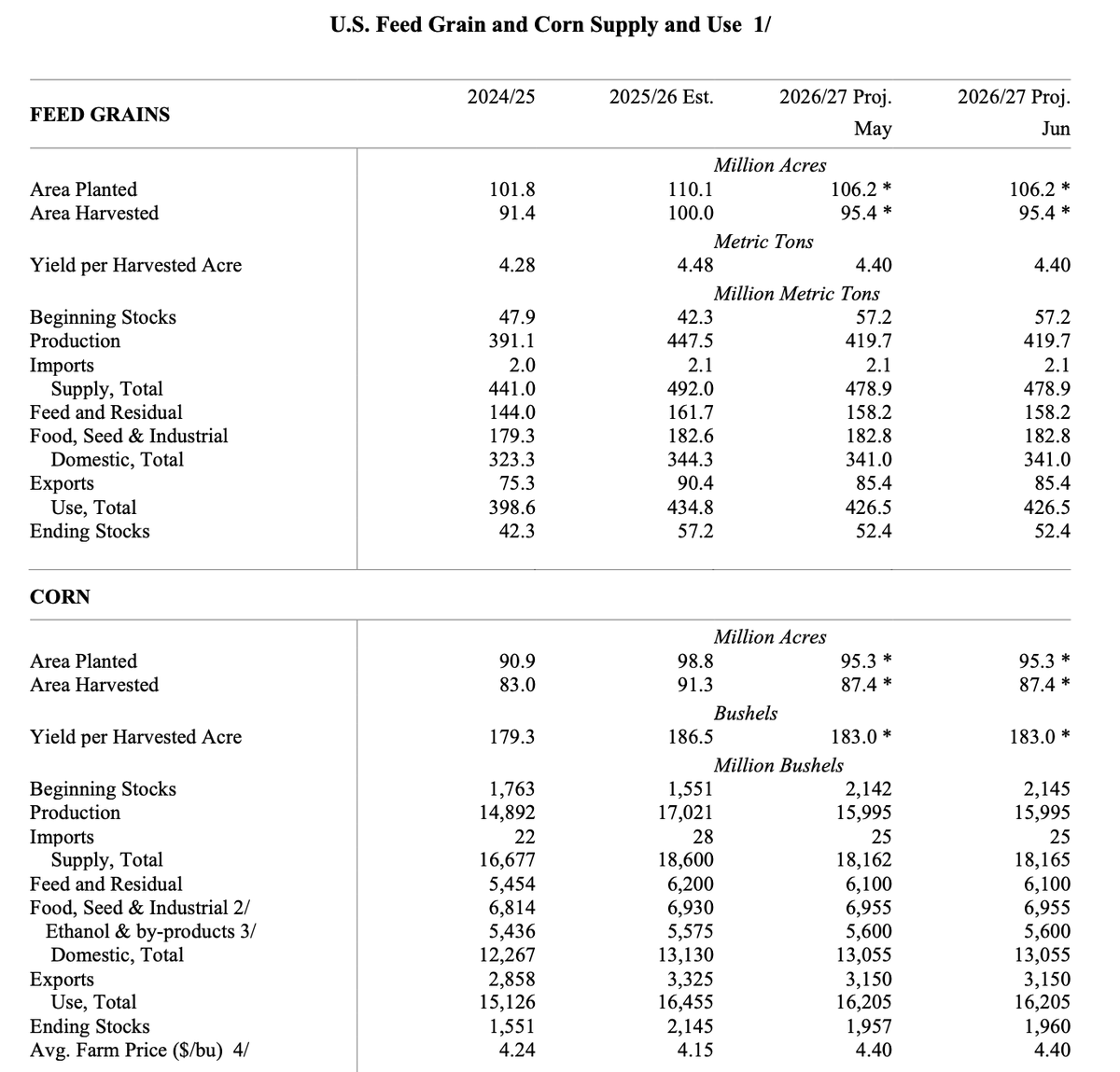
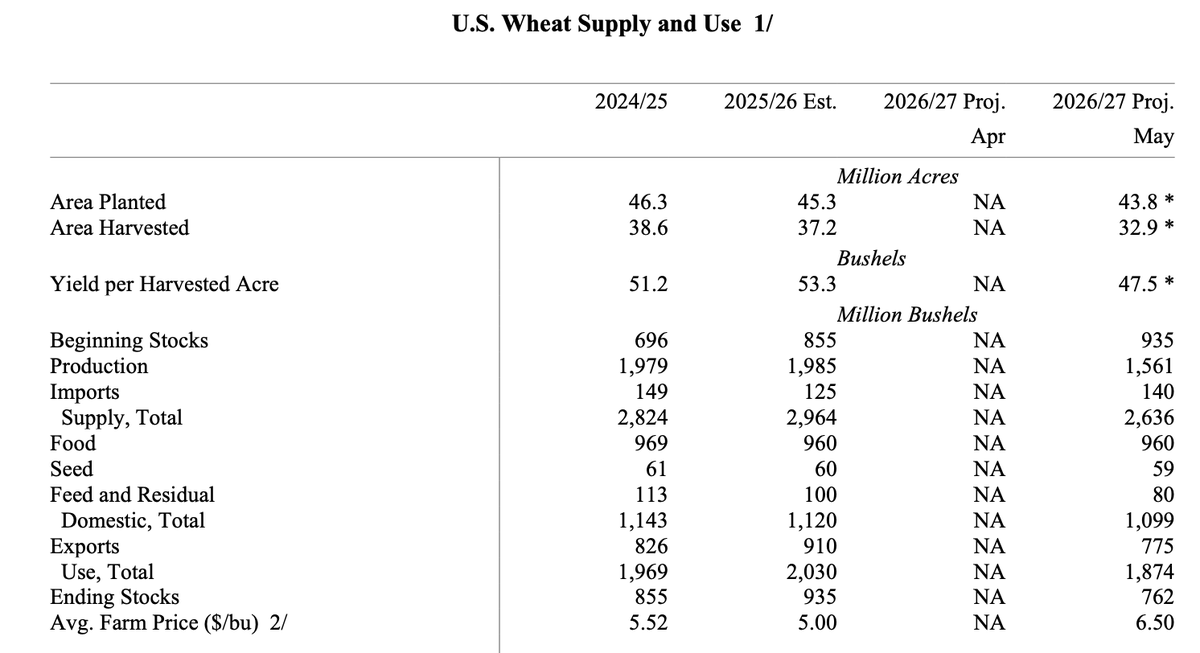
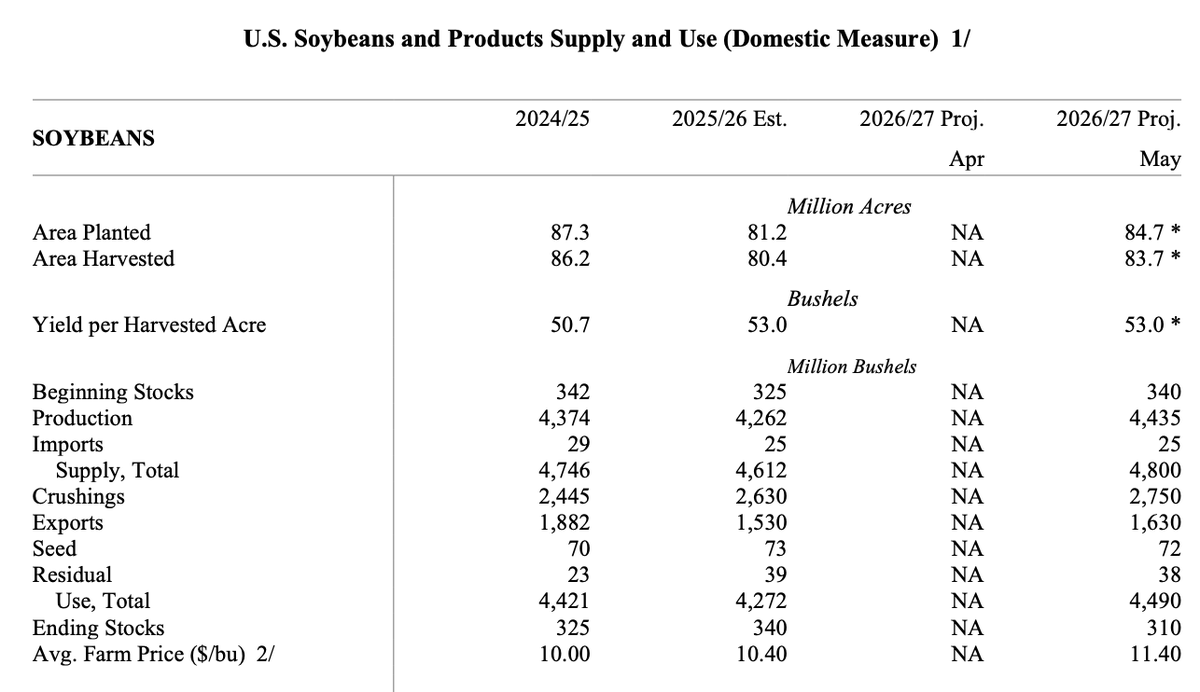
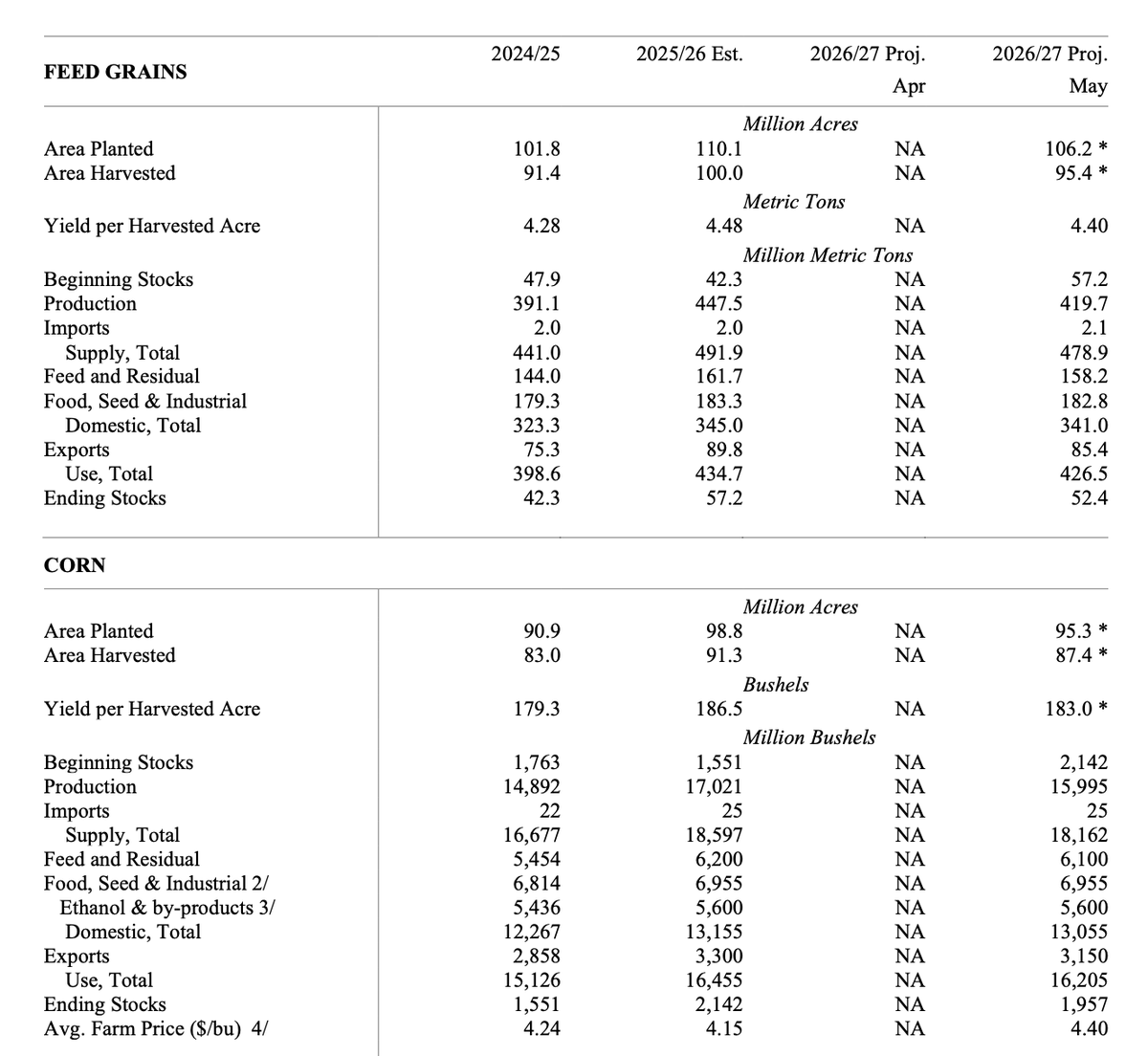
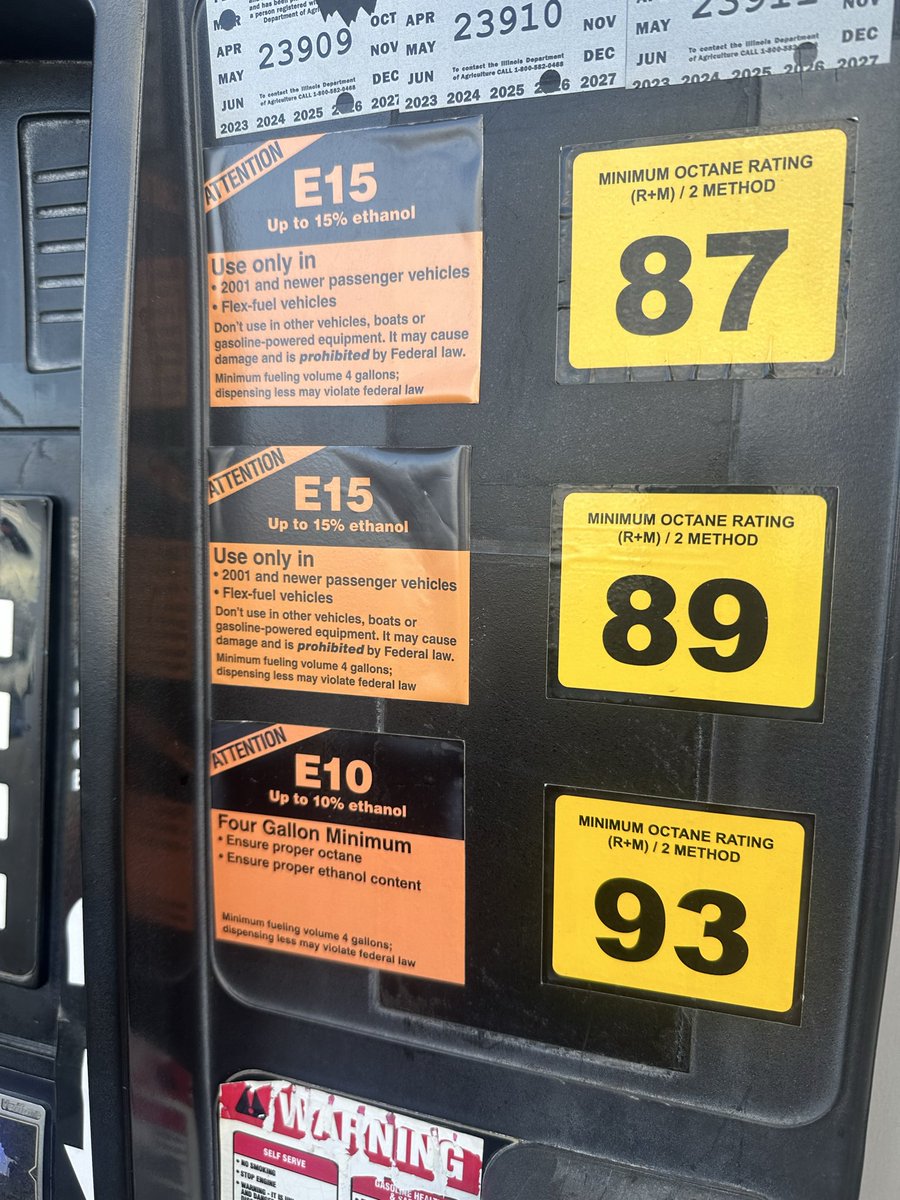
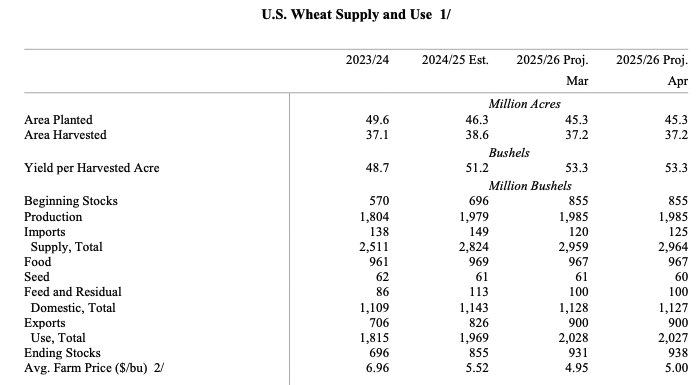
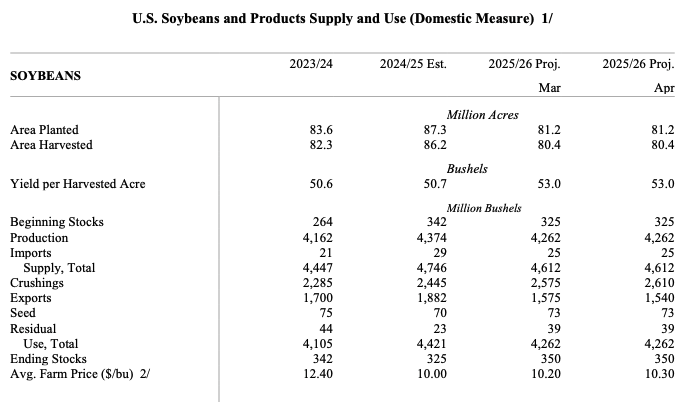
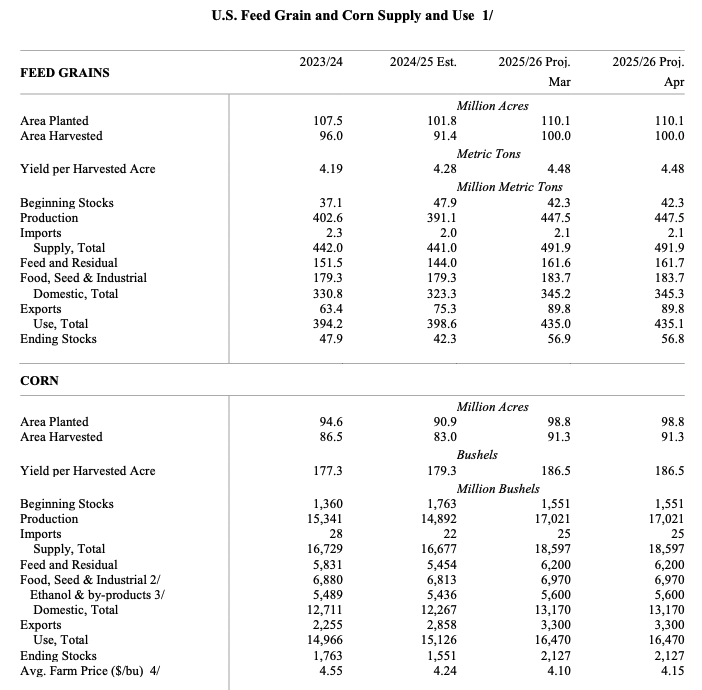
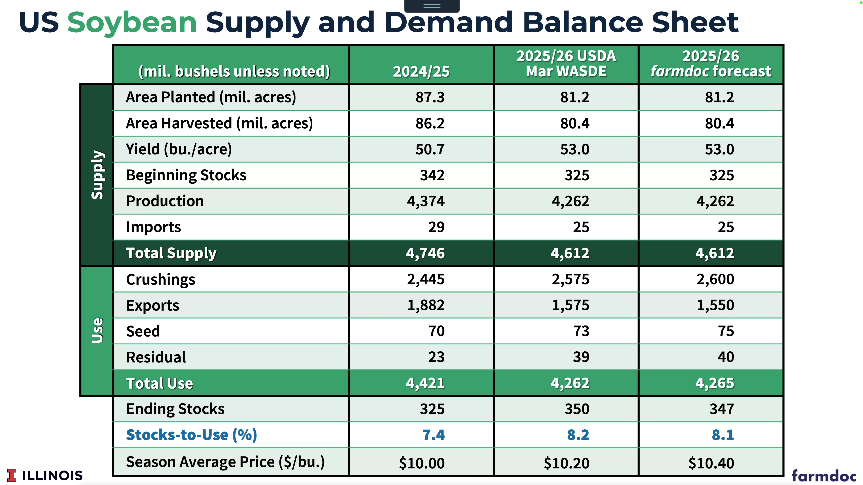
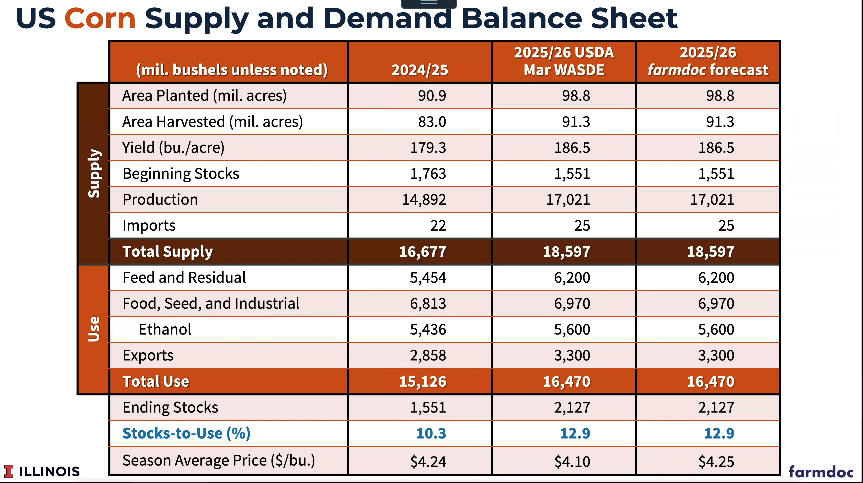
The June 12, 2026, Closing Market Report covers recent developments in agricultural markets, regional corporate investments, and long-term weather forecasts. Market analyst Mike Zuzolo notes that wheat and corn surprisingly closed higher despite a bearish USDA WASDE report that lowered the season's average cash price for wheat by 50 cents. Zuzolo attributes underlying market support to strong domestic ethanol and export demand, though he warns that soybeans face downward pressure from competitive South American crops if corn and wheat fail to establish a bottom. In state news, the USDA outlined disaster recovery resources for Illinois farmers recovering from recent tornadoes, and Rural King announced a $75 million investment in a new headquarters in Mattoon, Illinois, which is projected to create 100 local jobs. The broadcast also highlighted an upcoming University of Illinois Extension field day focused on nutrient management. Concluding with an agricultural weather forecast, Eric Snodgrass reports that recent heavy Midwestern rains have restored critical soil moisture, thereby reducing the risk of severe heat in July. Furthermore, Snodgrass highlights NOAA's confirmation of a strong El Nino pattern, which is anticipated to produce a milder, wetter fall and winter that could complicate upcoming harvest and fieldwork schedules.
- Ag Markets with Mike Zuzolo, Global Commodity Analytics
- WILLAg News Update for June 12, 2026
- Ag Weather with Eric Snodgrass, Nutrien Ag Solutions
279
Jun 11 | Commodity Week
share.transistor.fm/s/415846…
The June 11, 2026 edition of Commodity Week, hosted by Todd Gleason, evaluated the contrasting environmental and structural shifts altering the global agricultural landscape. Ellen Dearden highlighted severe weather disparities across the US Midwest, where central Illinois recently faced excessive rain and wind damage, while portions of South Dakota and Nebraska continue to suffer from severe drought and expanding wildfires. Ted Seifried analyzed the subtle domestic demand adjustments and global production updates in the June USDA WASDE report, noting that while US ending stocks remained relatively flat, surprise production increases for corn crops in Brazil and Argentina present long-term competitive threats to US exports.
The panelists further scrutinized fund flows and international demand dynamics, emphasizing that the recent market slide is heavily driven by index funds liquidating historic long positions as previous alternative energy and fertilizer supply narratives lose momentum. This speculative exit coincides with stagnant buying activity from China, which continues to meet its immediate processing needs through cheaper, high-volume South American soybean supplies rather than turning to the US. Consequently, Matt Darragh projected that the US may only realize about half of the USDA's targeted 25 million metric ton export volume to China for the 2026–2027 marketing year, reflecting the global pricing edge and storage advantages held by Brazil and Argentina. Additionally, the panel briefly addressed the risk of the New World screwworm, noting that its spread is primarily a hazard tied to livestock transportation patterns rather than simple fly migration.
On the global front, Darragh shared insights from Kpler regarding the softening wheat and fertilizer sectors. Global wheat contracts continue to face downward pressure from high carryover stocks and intense export competition out of Russia, Ukraine, and Europe, though looming El Niño conditions could severely penalize Australian crop yields later in the season. Meanwhile, critical supply chain vulnerabilities persist in the fertilizer sector, where 37 vessels laden with roughly 2 million tons of fertilizer products remain bottlenecked in the Middle East Gulf near the Strait of Hormuz. While down from a peak of 50 vessels in May, these ongoing logistical constraints and export limits from major producers threaten to trigger a delayed, severe impact on global crop production extending into the 2027–2028 marketing year.
Panelists
- Matt Darragh, @Kpler - Birmingham, UK
- @EllenDearden , AgReview - Morton, IL
- @TheTedSpread, Zaner Ag Hedge - Chicago, IL

2
3
947
Jun 11 | Closing Market Report
share.transistor.fm/s/7904ba…
USDA REPORT DAY
The June 11, 2026, Closing Market Report covers updates on agricultural commodity markets, upcoming extension events, agronomic research, and global weather patterns. Jim McCormick of @AgMarket_Net noted that the USDA's June WASDE report introduced largely bearish global supply revisions for corn, wheat, and soybeans, contributing to lower market closing prices across the board. In agronomic news, Travis Meteer previewed the June 17 Dudley Smith Farm field day, an event connecting beef and row crop producers with University of Illinois researchers to discuss nutrients, water quality, and fertility management. Additionally, agricultural economist Gary Schnitkey highlighted findings from 11 years of Precision Conservation Management data, showing that utilizing no-till or one-pass light tillage systems—alongside maintaining nitrogen rates near the Maximum Return to Nitrogen limit—consistently provides the highest profitability for farmers. Finally, Mike Tannura of T-storm Weather reported that recent intense storms have sufficiently moistened the U.S. Corn and spring wheat belts, while looking abroad, a severe heat wave is expected to negatively impact crops in France, Italy, and Spain next week.
- Ag Markets with Jim McCormick, @AgMarket_Net
- June 17 Dudley Smith Farm Field Day Preview
- farmdoc Webinar Explores Tillage & Nitrogen Practices
- Ag Weather with Mike Tannura, @TstormWeather
1
1
386
Jun 09 | Closing Market Report
share.transistor.fm/s/6d79ed…
The Closing Market Report from June 9, 2026, details a recent sell-off in commodity markets, with corn, soybean, and wheat prices returning to January lows due to the current absence of a weather premium. The upcoming WASDE report is expected to reflect strong export sales and potential adjustments to old crop carryouts, while technical support levels suggest potential short-term recovery bounces. In agricultural news, the Senate is developing legislation for year-round E15 sales to match a recently passed House bill, and the shipping company Maersk has successfully tested 100% ethanol as a bunker fuel in Rotterdam. Meanwhile, the Strategic Petroleum Reserve is projected to reach its lowest volume since the 1980s, and a Wisconsin farmland auction yielded nearly $22,000 per acre. Furthermore, the rapid expansion of large-scale data centers in the Midwest has prompted significant local and state regulatory pushback regarding energy and water consumption, leading to temporary development moratoriums and the proposed repeal of tax incentives in states such as Illinois and Michigan. Finally, the agricultural weather forecast predicts severe thunderstorms and heat across the northern plains and upper Midwest, which will shortly be followed by a transition to cooler, drier conditions driven by air masses from south-central Canada.
- Ag Markets with Naomi Blohm, Total Farm Marketing
- WILLAg News Update for June 9, 2026
- Lawmakers Rush to Regulate Data Center Development
- Ag Weather with Don Day, @dayweather
2
431
Jun 08 | Closing Market Report
share.transistor.fm/s/0cc110…
The June 8, 2026, edition of the Closing Market Report provides an assessment of agricultural commodities, upcoming USDA reports, and global weather impacts. Curt Kimmel of AgMarket .net highlights that a recent screwworm outbreak is causing market volatility, though long-term impacts depend on the disease's spread and its effect on available cattle supplies. Kimmel also anticipates minor adjustments in the upcoming WASDE report, projecting slight decreases in new crop corn ending stocks due to old crop demand, with soybeans and wheat remaining largely unchanged.
Frayne Olson from North Dakota State University corroborates this subdued expectation for the June WASDE, noting the USDA is unlikely to revise export forecasts without concrete details from recent US-China trade agreements. Olson emphasizes the significance of the June 30th grain stocks report for tracking feed consumption and explains that recent market fluctuations are heavily influenced by index fund investors shifting capital between energy, agriculture, and the stabilizing stock market. Consequently, Olson advises producers to establish predetermined target prices rather than attempting to time volatile market swings.
Finally, Everstream Analytics meteorologist Mark Russo reports that beneficial rainfall and above-average temperatures are accelerating crop development across the US Corn Belt, presenting no immediate yield threats. However, Russo warns that a returning, near-record heatwave combined with dry conditions in Western Europe poses a significant risk to their summer crops.
- Ag Markets with @ckimmel3, @AgMarket_Net
- Commodity Markets Discussion with Frayne Olson, NDSU Extension
- Ag Weather with Mark Russo, @EverstreamAI
1
470
Jun 05 | Closing Market Report
This episode of the Closing Market Report features analytical discussions on agricultural markets and regional weather conditions. Market analyst Mike Zuzolo evaluates the New World screwworm outbreak in Mexico, observing that the Mexican beef industry has successfully retooled its supply chain to export boxed beef rather than live feeder cattle. While this structural adjustment addresses immediate border transport constraints, Zuzolo cautions that sustained market stability relies heavily on consistent consumer demand. Additionally, he advises producers to secure fall diesel needs due to ongoing supply chain closures in the Strait of Hormuz.
Meteorologist Eric Snodgrass then provides an agricultural weather outlook for the broader Corn Belt. He details a drought pattern that may be developing north of Interstate 72 in Illinois and across surrounding states, emphasizing that immediate rainfall (scheduled for today and over the next several days) is critical for current vegetative crop stages. Snodgrass further outlines predictive variables for mid-summer heat risks—specifically Delta soil moisture and Gulf of Alaska ocean temperatures—while explicitly dismissing a newly released European long-range model predicting a dry late summer due to its severe historical inaccuracies.
- Ag Markets with Mike Zuzolo, Global Commodity Analytics
- Ag Weather with Eric Snodgrass, Nutrien
share.transistor.fm/s/ad2600…
1
1
337
Jun 04 | Commodity Week
share.transistor.fm/s/36f704…
In the June 4 edition of Commodity Week, host Todd Gleason and panelists Logan Kimmel, Sherman Newlin, and Shane Holtorf analyze the recent, severe sell-offs across the agricultural grain markets. The discussion highlights a 12-day consecutive drop in wheat futures—exacerbated by fund liquidations and crude oil market trends—that consequently dragged down corn and soybean prices. While domestic crush capacity provides a baseline of support for soybeans, the panel emphasizes that renewed export demand from China is critical for a sustained price recovery. Looking ahead to the late June acreage report and the potential for summer weather volatility, the analysts caution producers against liquidating grain at current lows. Instead, they recommend establishing calculated, profitable price targets for both old and new crop inventory and keeping working orders actively placed with buyers to capture any sudden market bounces. Finally, the panel notes rising volatility in the livestock sector due to screwworm headlines, urging cattle and hog producers to aggressively manage their downside risk.
Panelists
- Logan Kimmel, Roach Ag
- Sherman Newlin, Zaner Ag Hedge
- Shane Holtorf, Logic Ag
1
3
338
Jun 04 | Closing Market Report
In the commodity sector, corn and soybeans experienced a sharp decline, breaking through key moving averages. This downturn was driven by continuous fund selling, speculation about delayed Chinese purchasing, and increased Argentine crop estimates. While farmers have priced approximately 25% of their new crop—outpacing last year's sales—they remain below the 50% to 60% targets recommended by analysts. Future price rallies are heavily dependent on whether the dry northern regions of the Corn Belt receive sufficient rainfall in the coming days.
The USDA has confirmed the presence of the New World screwworm in South Texas, initiating a 20-kilometer quarantine zone and releasing sterile flies to halt the infestation. Because the pest spreads almost exclusively through the transportation of infected animals, Midwest herds remain safe as long as cattle are not moved from the southern border area. Pet owners in the affected Texas region are also advised to monitor their animals closely, as the insect feeds on living tissue in open wounds.
For growers looking to diversify, premium markets such as non-GMO, organic, and hybrid-specific crops offer strong profit potential. Capitalizing on these premiums requires rigorous on-farm segregation to prevent cross-contamination and proactive planning, as contracts for these specialized programs often reach capacity months in advance.
Looking at the weather, the northeast half of the Corn Belt is facing an unusually dry start to the season. An upper-level high-pressure system is expected to maintain above-average temperatures and block major rain events for the next week to ten days. Meanwhile, North American spring wheat is beginning to recover from a historically dry April and May due to recent precipitation, and growing regions across Europe and Russia continue to benefit from highly favorable moisture levels.
- Ag Markets with Matt Bennett, AgMarket.net
- First Case of New World Screwworm Confirmed in Texas
- Premium Crop Market Opportunities Webinar Review with Kelsey Graber, ClarksonGrain.com
- Ag Weather with Mike Tannura, Tstorm.net
share.transistor.fm/s/511882…
1
408
CMR | Consolidation with in the Fertilizer Industry
This episode of the Closing Market Report examines long-term consolidation trends within the U.S. agricultural sector. Henrique Monaco details findings from a farmdoc daily article on the U.S. nitrogen fertilizer industry, explaining that high concentration—with the top four companies controlling 70% of domestic ammonia production capacity—is the expected result of cost-based competition in a mature commodity market, rather than a reaction to recent geopolitical supply shocks. Agricultural economist Jim MacDonald expands on this theme by outlining parallel consolidation at the farm level. Utilizing a 2,000-acre threshold to ensure consistent tracking devoid of inflation-related distortion, MacDonald notes that large operations expanded their share of U.S. cropland from 15% in 1987 to 41% by 2017. Both experts underscore that economies of scale and cost efficiency remain the primary catalysts for industry consolidation, from input manufacturing to farm-level crop production.
- Henrique Monaco, farmdoc Researcher - University of Illinois
- Jim MacDonald, Agricultural Economist - University of Maryland
share.transistor.fm/s/a67fc1…
2
488
Bushnell Prairie City singing the national anthem at the Cub/Card game tonight in St.Louis. What a thrill for them!
2
2
667
May 29 | Closing Market Report
share.transistor.fm/s/9e5935…
The May 29, 2026, broadcast of the Closing Market Report centers on agricultural commodity trends and the Midwestern weather outlook. Market analyst Mike Zuzolo notes that while wheat, cattle, and corn faced downward pressure from weak weekly export sales and shifting geopolitical conditions, soybean oil demonstrated strong performance driven by favorable crush margins, which helped stabilize the broader soybean market. Looking ahead, Zuzolo suggests that Northern Hemisphere weather uncertainties and the upcoming wheat harvest could introduce upward market potential in the latter half of June. On the agronomic front, meteorologist Eric Snodgrass explains that fluctuating spring temperatures caused atypical early corn root development in some fields he visit in the upper Midwest. He highlights a current warming trend in the Corn Belt, forecasting a generally drier June that will allow crops to accumulate essential Growing Degree Days, followed by a potentially wetter July. The broadcast also outlines upcoming University of Illinois extension events, including the Small Grains Field Day, the Weed Science Field Research Tour, and the "Sustaining Farm Legacy" series.
- Ag Markets with Mike Zuzolo, Global Commodity Analytics
- Ag Weather with Eric Snodgrass, Nutrien Ag Solutions
2
2
289
May 28 | Closing Market Report
share.transistor.fm/s/c9c79e…
The May 28, 2026 edition of Commodity Week centers on the volatility and risk management challenges currently facing the agricultural sector. Analysts Naomi Blohm and Arlan Suderman emphasize that geopolitical tensions, specifically the conflict involving Iran and the potential reopening of the Strait of Hormuz, are creating significant headline risk that could drastically impact crude oil and fertilizer prices for the 2027 crop year. Domestically and globally, unpredictable weather patterns—including hot and dry forecasts in the United States and potential production struggles in Brazil and India—are adding uncertainty to crop yields and input costs.
With December corn and November soybeans testing key technical support and resistance levels, the panelists urge farmers to establish written marketing plans to mitigate emotional decision-making. Furthermore, shifting global trade dynamics, such as Brazil overtaking Argentina in soybean meal exports and ongoing USMCA negotiations with Canada and Mexico, underscore the critical need for producers to execute objective sales strategies during seasonal price highs.
Panelists
- @naomiblohm , Total Farm Marketing
- @ArlanFF101, StoneX
2
2
5
2,426
May 28 | Closing Market Report
share.transistor.fm/s/c71ac1…
The May 28, 2026, broadcast of the Closing Market Report features discussions on commodity markets, agricultural news, and weather forecasts. Curt Kimmel reports that corn and soybean markets experienced volatility but ultimately rebounded, driven by optimism over a potential peace agreement and hopes for Chinese goodwill purchases. In policy and trade news, U.S. Trade Representative Jamieson Greer confirmed the administration's commitment to maintaining tariffs, while the National Corn Growers Association advocated for clear guidelines on the 45Z Clean Fuel Production Credit. Other significant developments include Brazil surpassing Argentina as the top exporter of soybean meal and John Deere's $99 million settlement over its right-to-repair policies. Finally, meteorologist Mike Tannura warns of historically dry conditions threatening spring wheat in the northern plains and cautions that an unusually dry forecast for early June could pose significant yield risks across the Corn Belt but that this isn't necessarily the case historically.
- Ag Markets with Curt Kimmel, AgMarket.net
- University of Illinois Row Crop Events in June
- Jaimeson Greer on USMCA Trade Negotiations
- Ag Weather with Mike Tannura, Tstorm.net
289
May 27 | Closing Market Report
share.transistor.fm/s/c39482…
This Closing Market Report broadcast from the Land Grant university in Urbana-Champaign, covers recent developments in agricultural markets, fertilizer consolidation, and global weather patterns. Greg Johnson of Total Grain Marketing notes that short-term factors, such as rapid planting progress and dropping crude oil prices, are currently pressuring grain markets, though long-term uncertainties regarding summer weather and yield remain. Henrique Monaco from the farmdoc team briefly highlights the United States' strong domestic capacity for nitrogen and phosphate production, which contrasts with a high reliance on Canadian potassium imports. Finally, Drew Lerner of World Weather Inc. provides a global weather outlook, detailing critical drought relief in the U.S. Southeast and Delta, a beneficial short-term dry down in the Corn Belt, and a rapidly developing El Niño that is expected to bring drier conditions to India and Indonesia in the coming weeks.
- Ag Markets with Greg Johnson, TotalGrainMarketing.com
- Consolidation in the Fertilizer Industry, farmdocDaily.illinois.edu
- Ag Weather with Drew Lerner, WorldWeather.cc
288
For potassium, the U.S. almost exclusively depends on imports from Canada and, to a much lesser extent, Russia. In contrast, the net import reliance for nitrogen and phosphate fertilizers is low —6% and 13% respectively— where domestic production is capable of meeting the majority of domestic demand. - @farmdocDaily
farmdocdaily.illinois.edu/20…
2
474
May 26 | Closing Market Report
share.transistor.fm/s/d00b27…
The May 26, 2026, Closing Market Report indicates a general decline in commodity futures, driven by easing geopolitical tensions in the Middle East and favorable Midwest weather forecasts. Market analyst Naomi Blohm notes that while grain uptrends are holding, they are currently testing critical support levels amid slowing export sales and persistent South American competition. Conversely, fertilizer prices remain highly elevated due to prolonged supply chain and production disruptions in the Strait of Hormuz. Regarding regional crops, Dan O'Brien reports spotty moisture for Kansas wheat, projecting high abandonment rates of up to 25%, while also highlighting a growing global policy shift toward domestic biofuel production. Finally, meteorologist Don Day forecasts near-term hot and dry conditions for central Canada and the northern US Corn Belt, with contrasting precipitation in the Pacific Northwest and Gulf Coast, before weather patterns are expected to normalize in June.
- Ag Markets with @naomiblohm, TotalFarmMarketing.com
- CEO of the Fertilizer Institute Corey Rosenbusch
- Ag Energies and Kansas Wheat Abandonment
- Ag Weather with Don Day, DayWeather.com
1
1
771
May 22 | Closing Market Report
share.transistor.fm/s/520ac1…
The May 22, 2026, agricultural market report details significant macroeconomic pressures and favorable summer weather projections. Analyst Mike Zuzoloassesses that commodity markets must ration demand for wheat and crude oil due to the ongoing closure of the Strait of Hormuz, which is eliminating 10 million barrels of oil per day and may permanently raise energy and agricultural production costs. Zuzolo critically notes that rising bond yields point toward impending inflation and Federal Reserve rate hikes. Conversely, meteorologist Eric Snodgrass provides a largely optimistic weather outlook, forecasting a warm, drier June that historically benefits corn and soybean yields. Snodgrass concludes that current elevated ocean temperatures in the Pacific and Atlantic significantly diminish the risk of severe, long-duration summer drought or heatwaves in the U.S. Midwest.
- Ag Markets with Mike Zuzolo, GlobalCommResearch.com
- Ag Weather with Eric Snodgrass, NutrienAgSolutions.com
1
369