Beyond headlines. We uncover the why.
Joined January 2025
- Tweets 4,280
- Following 153
- Followers 5,155
- Likes 70
3,706 Photos and videos
Pinned Tweet

Apr 18
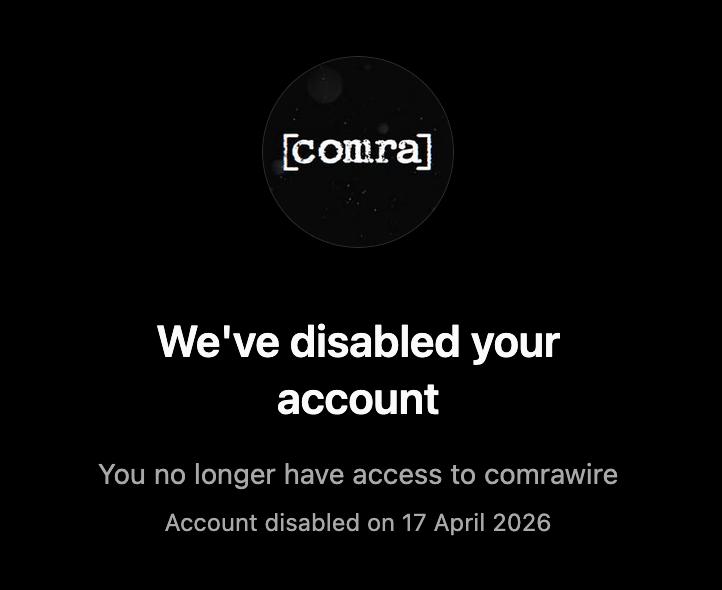
Instagram removed our page with almost 150k followers with no way to appeal the takedown.
Tens of millions of people who viewed our content every month have been cut off from one of the few alternative media outlets with reporters and sources in Palestine, Lebanon, China, Cuba, and beyond.
This is not an isolated incident. We see it as part of an escalating pattern of information warfare by big tech monopolies, deeply intertwined with the ruling elite — and a concerning rise in censorship targeting alternative media, directed by Washington and Brussels.
We are working hard to restore access to our millions of monthly viewers. In the meantime, tell your friends and comrades to join us on Telegram @comrawire.
24
333
1,030
212,887
Jun 12
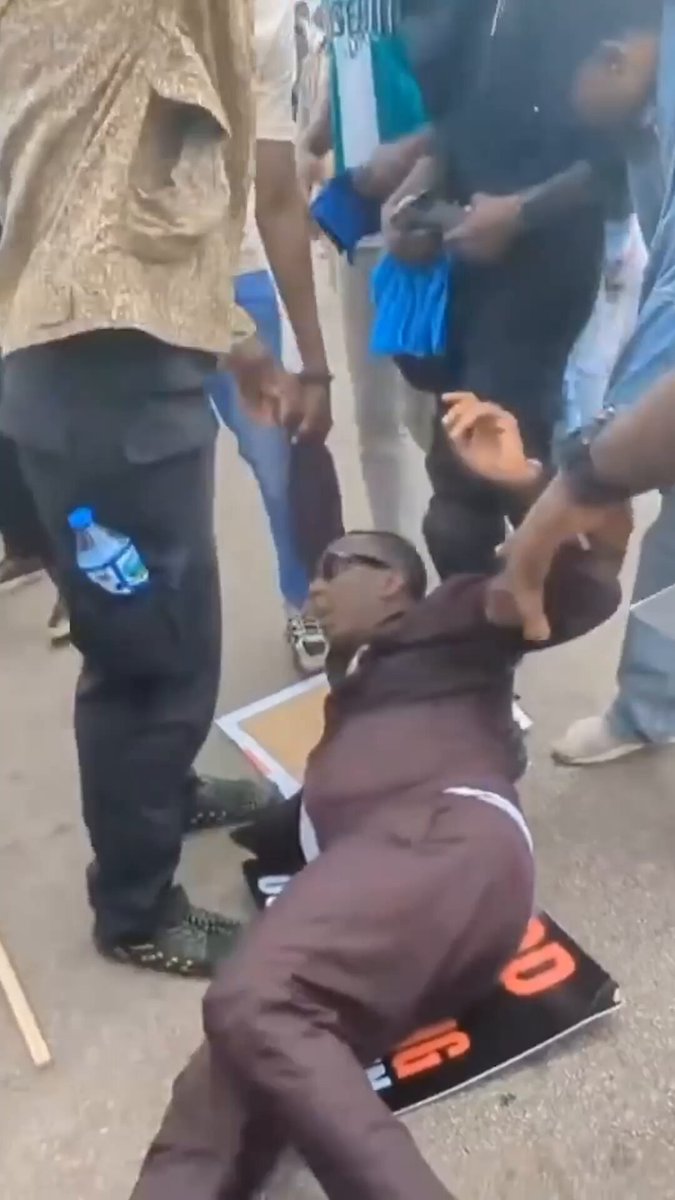
Nigerian activist Omoyele Sowore was seen unconscious after reports of police firing teargas at close range at a protest in Abuja today. The activist was taken to hospital and his condition remains unconfirmed.
The march, called by a coalition of trade unions, civil society groups and activist organizations, demanded the release of dozens of schoolchildren abducted from schools in Borno and Oyo states on May 15, and an end to deepening economic hardship under Nigeria's President Bola Tinubu.
Witnesses said police fired a second round of gas while Sowore was receiving assistance.
As the gas was fired, Tinubu delivered his Democracy Day address, telling Nigerians to "criticise me, disagree with me."
16
27
1,322
comra retweeted

Jun 12
🇮🇩 | Protests intensify in Indonesia as the government sends soldiers to Jakarta.
Here is what's behind the tensions.
Thousands of students marched today under the banner "Menuju Indonesia Bangkrut" — "Towards Indonesia's Bankruptcy."
The students' five demands include lower fuel and food prices, an end to wasteful state spending, and an end to military involvement in civilian affairs.
The Rupiah, Indonesia's currency, fell down to 18,000 per USD on June 4 and is Asia's worst-performing currency this year.
The Jakarta stock market is down roughly 30 percent, the worst-performing major index in the world in 2026, according to Bloomberg.
Prabowo's government allocated 335 trillion rupiah this year to its flagship free meals program, but the program came under criminal investigation; prosecutors raided its headquarters on June 3, a day after its chief was dismissed.
Students are calling the movement "Reformasi Jilid II" — Reform 2.0, invoking the 1998 movement that toppled Suharto. Prabowo served that government as a special forces commander and was discharged over human rights abuses.
The last protest wave, in August 2025, ended with 10 dead and more than 6,000 arrested, according to an independent investigation. The Prabowo government answered the current protests with 4,151 joint police and military personnel, including 500 soldiers.
3
50
71
2,062
Jun 12
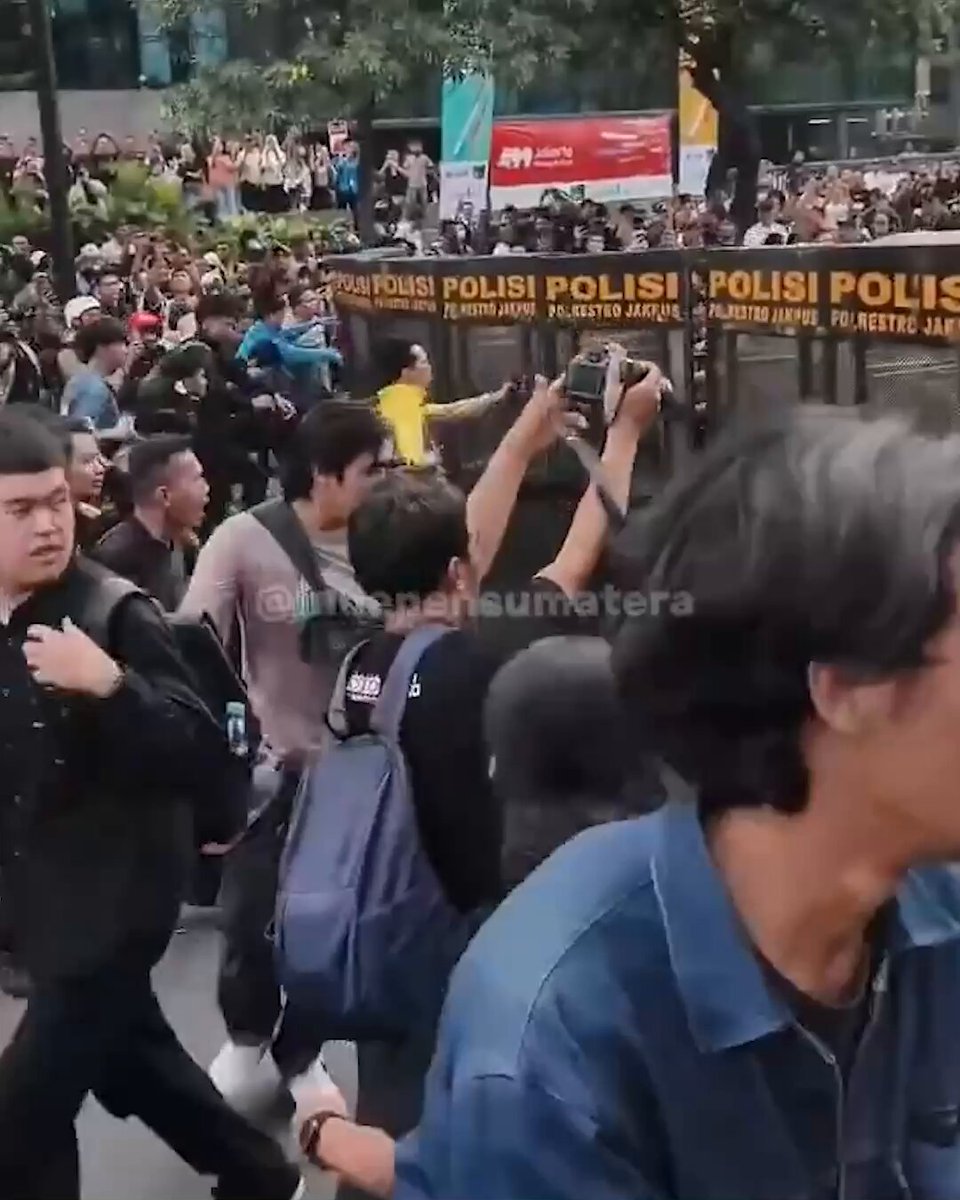
At this moment protesters in Jakarta are breaking through police barricades.
Thousands of Indonesian students are on the streets in the capital right now, protesting the cost-of-living crisis, education budget cuts, and rising police violence.
5
234
413
9,194
comra retweeted
Jun 12
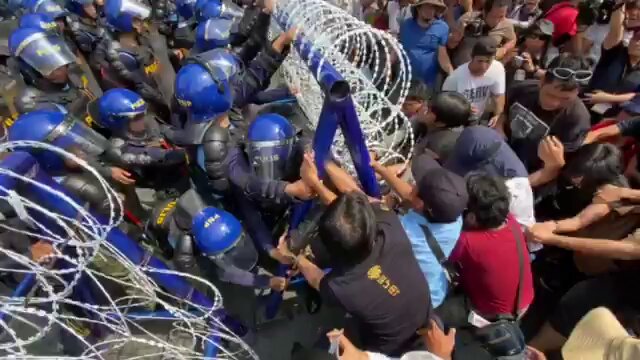
🇵🇭 🇺🇸 | Dramatic scenes are emerging from the Philippines.
Protesters broke through police barricades during demonstrations against the US military presence in the country.
Clashes erupted when riot police forces tried to block protesters from reaching the US embassy in Manila.
On today’s Independence Day, socialist and other organizations mobilized against expanding US military bases and missile deployments in the island nation, which are directed against China.
The organization "BAYAN" stated, "There's no genuine independence as long as US bases and troops are allowed in the country."
The US military presence in the Philippines has accelerated significantly.
The latest annual joint military "Balikatan" drills, hosted by the Philippines together with the US, saw the biggest-ever troop deployment. Critics often describe these military exercises as simulating war against China.
5
45
93
3,020
Jun 12
Protesters breached police barricades in Manila, advancing toward the US Embassy. The demonstrators are demanding the removal of US troops and opposing the expansion of foreign military bases in the country.
153
3,714
10,774
301,365
comra retweeted
Jun 12
🇲🇽 🇺🇸 | Violent clashes erupted outside Estadio Azteca as Mexico City hosted the opening ceremony of the 2026 FIFA World Cup.
As authorities poured resources into a World Cup that priced out ordinary Mexicans, the gap between FIFA's spectacle and the country's reality proved impossible to ignore.
Tensions had been building for weeks, with residents accusing the government of prioritising the competition over the country's most pressing social needs.
Protests began in early June, led by the national teachers' union — the Coordinadora Nacional de Trabajadores de la Educación (CNTE) — alongside retired judges and families of Mexico's more than 130,000 disappeared.
Demonstrators took to the streets demanding justice for the missing, an end to cartel violence and impunity, a halt to forced evictions, better working conditions, and pension reform.
For days, protesters covered FIFA billboards and painted political slogans across city walls, while marches and road blockades paralysed parts of the capital.
Anti-World Cup assembly members said protesters sought to challenge the government's narrative, arguing that Mexico is not the festive and welcoming host being projected to the world, but a country being plundered and living through a crisis obscured by FIFA's media machinery.
More than 100,000 soldiers, National Guard members, and police officers have been deployed across Mexico's three host cities as protests are expected to continue in the coming days.
6
16
768
comra retweeted
Jun 11
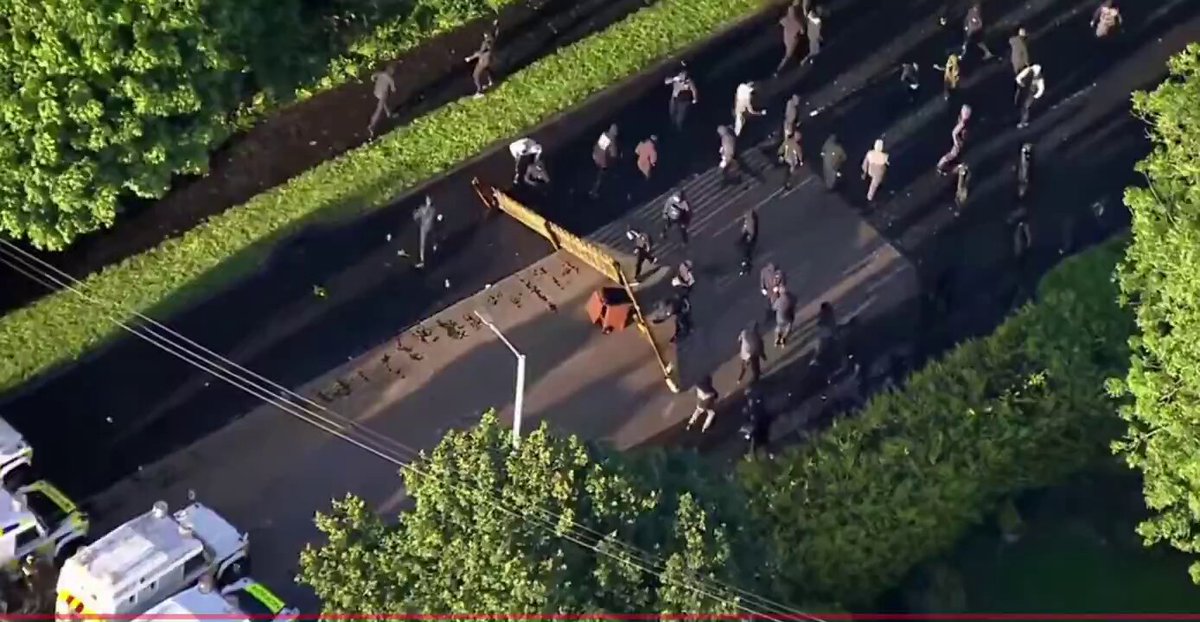
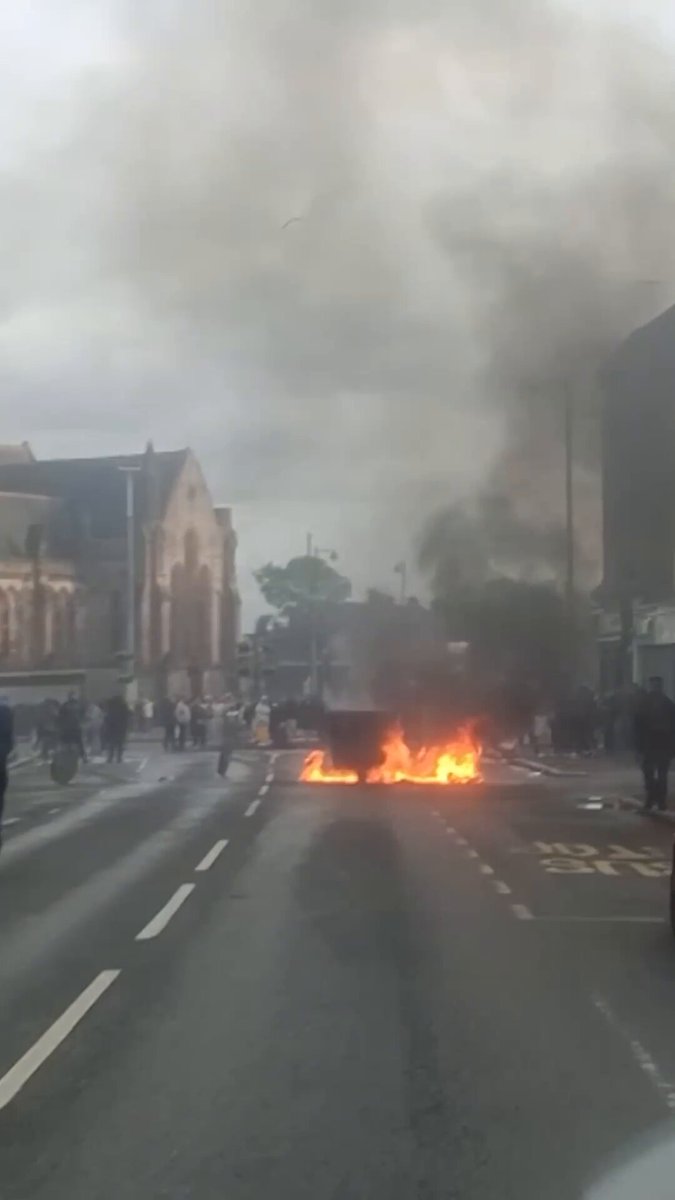
🇮🇪 🇬🇧 | Do you know who is behind the riots in Belfast?
You've seen the videos: houses burning and migrants being attacked.
But what the headlines keep missing is who is behind the violence.
They are more than far-right. They are loyalists — loyal to the British Crown, who do not see the six counties of the North as part of Ireland at all. And, in their own words, they are just “getting the foreigners out.”
They move in step with the wider British far right. Tommy Robinson and Reform UK have pushed for protests across the region. On the ground, the method is fear: immigrant families’ addresses shared online, shops set alight, doors kicked in.
This violence has deep roots. Northern Ireland was carved out of Ireland through British partition in 1921, six counties kept under London’s rule. Loyalists fought to stay British, while republicans fought for a united Ireland.
“The Troubles” killed more than 3,500 people before the 1998 Good Friday Agreement. And the same loyalism that once burned out Republican neighborhoods is now turning on migrants.
As migrants are chased through the streets, the Northern Ireland Fire and Rescue Service responded to 62 incidents in just five hours on the first night. Three houses, a supermarket, and a city bus were set alight.
263
405
871
91,349
Jun 11
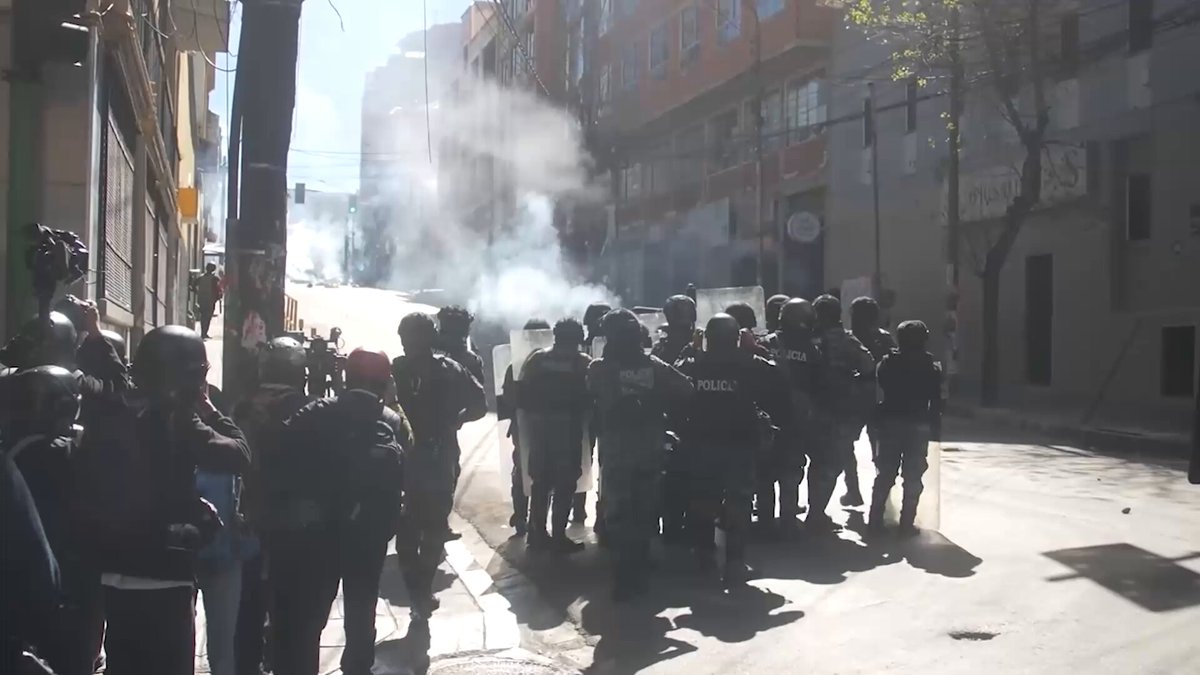
Protests and clashes are holding on in La Paz, Bolivia, following 40 days of unrest driven by demands for the US-backed President Rodrigo Paz to resign.
1
35
62
2,430
Jun 11
The Somali referee banned from entering the US for the World Cup received a hero’s welcome in his hometown.
The US has barred Africa's top referee from the World Cup it is hosting this month. Omar Artan, named the continent's best referee in 2025, was denied entry and will miss the tournament.
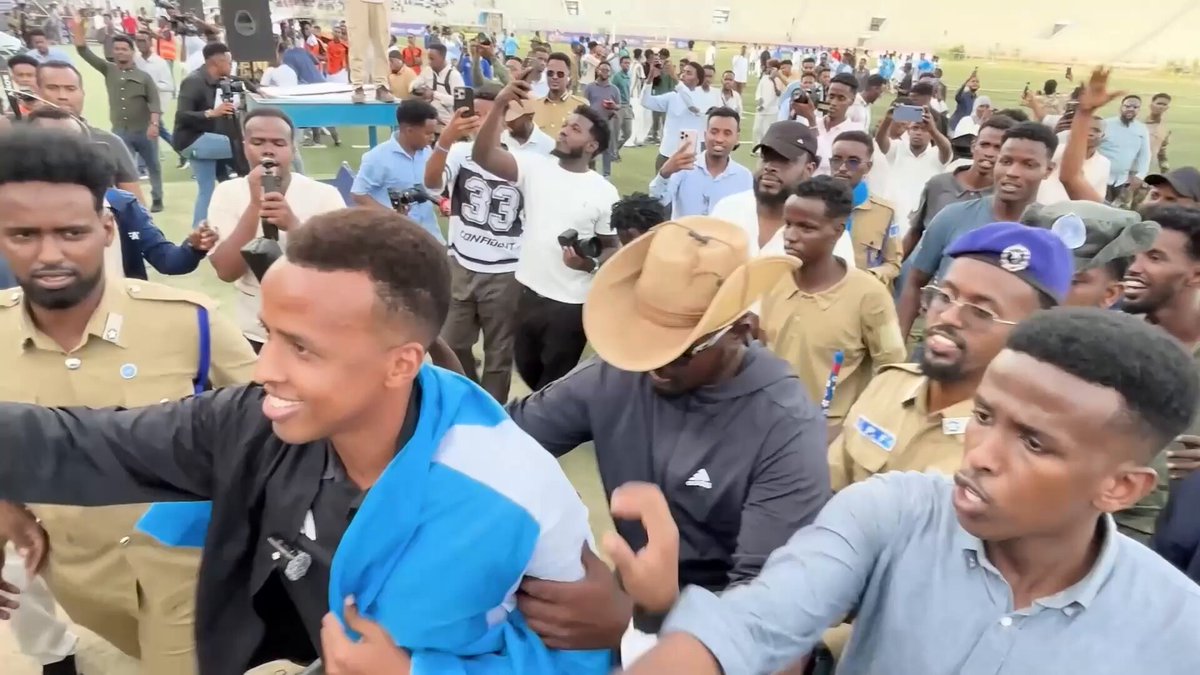
Crowds filled Mogadishu Stadium to welcome Artan home, holding his photograph as he arrived. Aged 34, he won the 2025 CAF Men's Referee of the Year award for his work in the Champions League and Africa Cup of Nations qualifiers. Washington cited "vetting concerns" as Somalia sits on a US travel ban list.
Trump has called Somalia "filthy, dirty, disgusting, ridden with crime." Artan is not the only one shut out. Iran's football federation president Mehdi Taj and much of the team's support staff were also refused visas, forcing the squad to base across the border in Tijuana, Mexico.
2
5
285
Jun 10
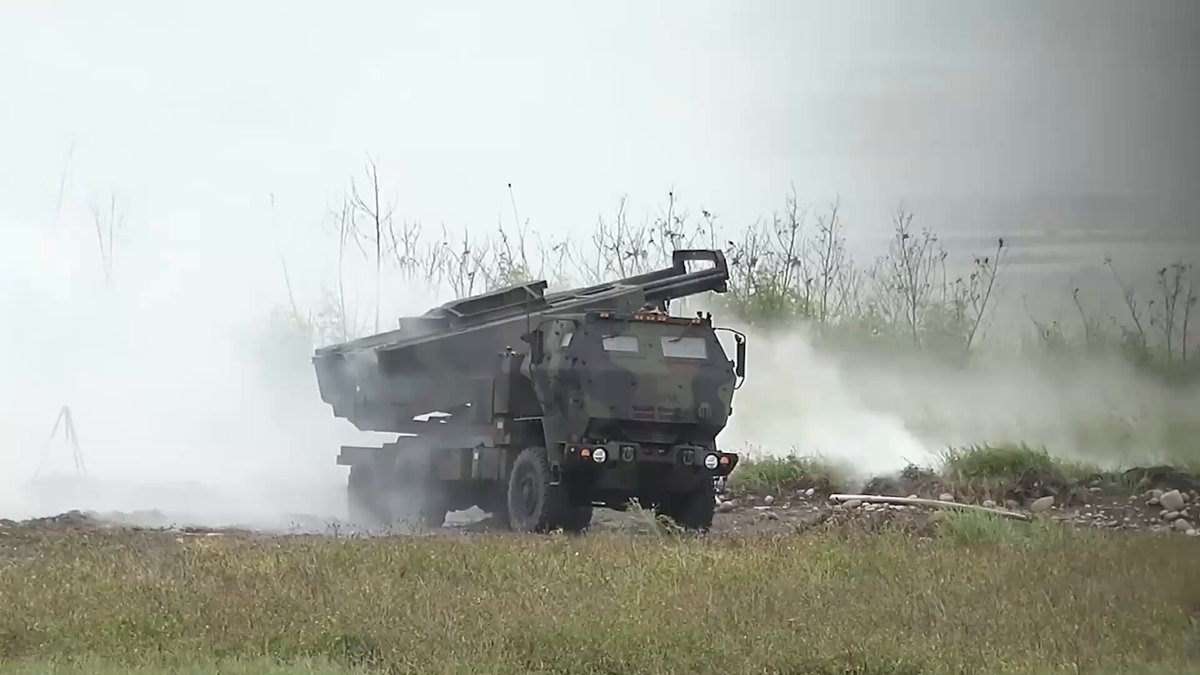
US-supplied HIMARS rockets misfired during Taiwan’s latest combat readiness drills.
The export cost is $19–20 million per HIMARS launcher and carrier.
2
13
1,265
comra retweeted
Jun 10
🇮🇪🇬🇧 | Racist mobs set fire to a West Asian “Sham Supermarket” in Belfast.
1
4
9
1,054
Jun 9
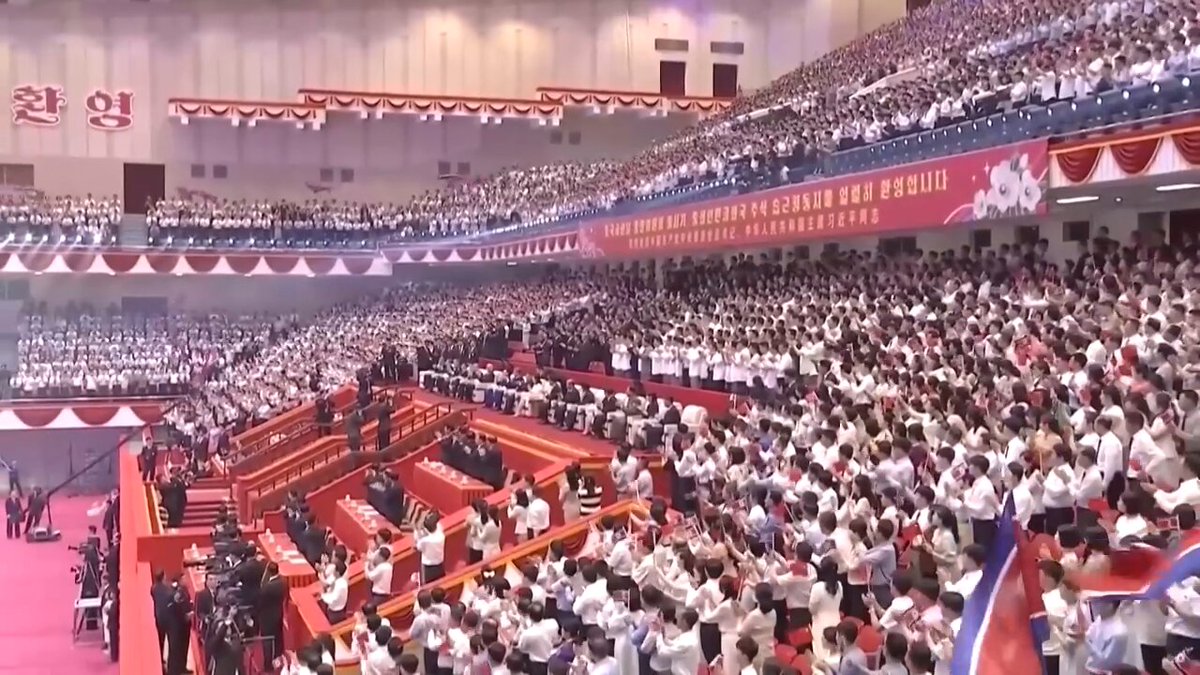
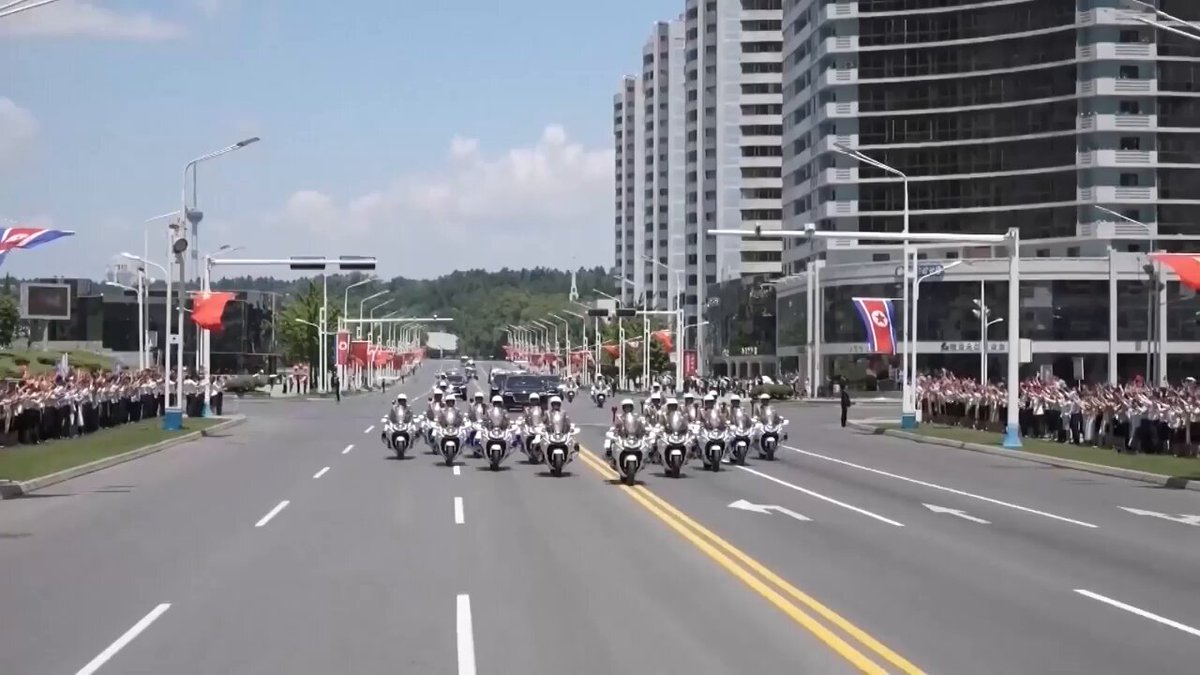
🇨🇳🇰🇵 | Massive welcome ceremony in Pyongyang for the Chinese President Xi Jinping. The meeting marks the first visit of Xi to the DPRK since seven years.
Ahead of Xi's arrival, DPRK state media called for united opposition to "hegemonism and power politics."
17
55
1,578
Jun 8
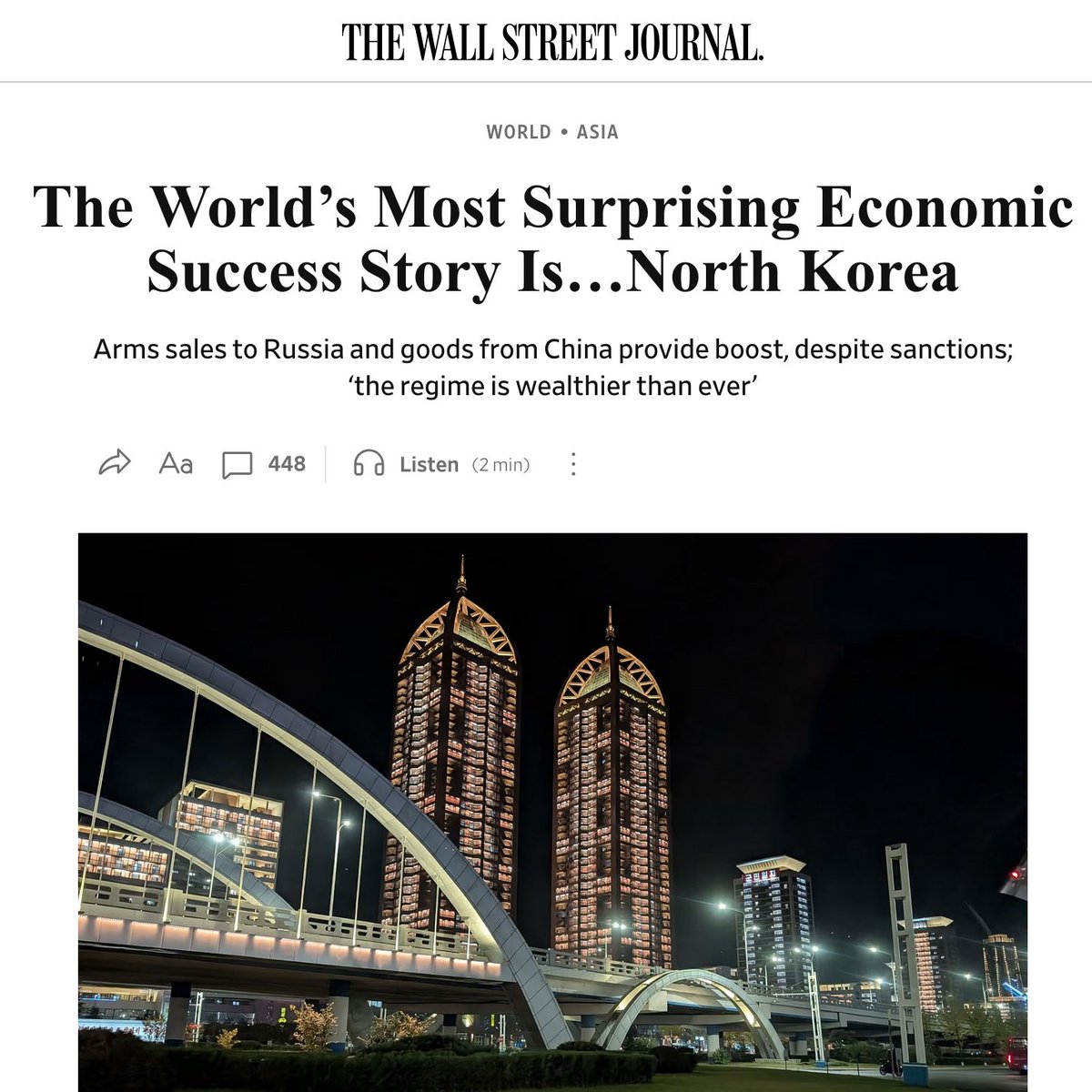
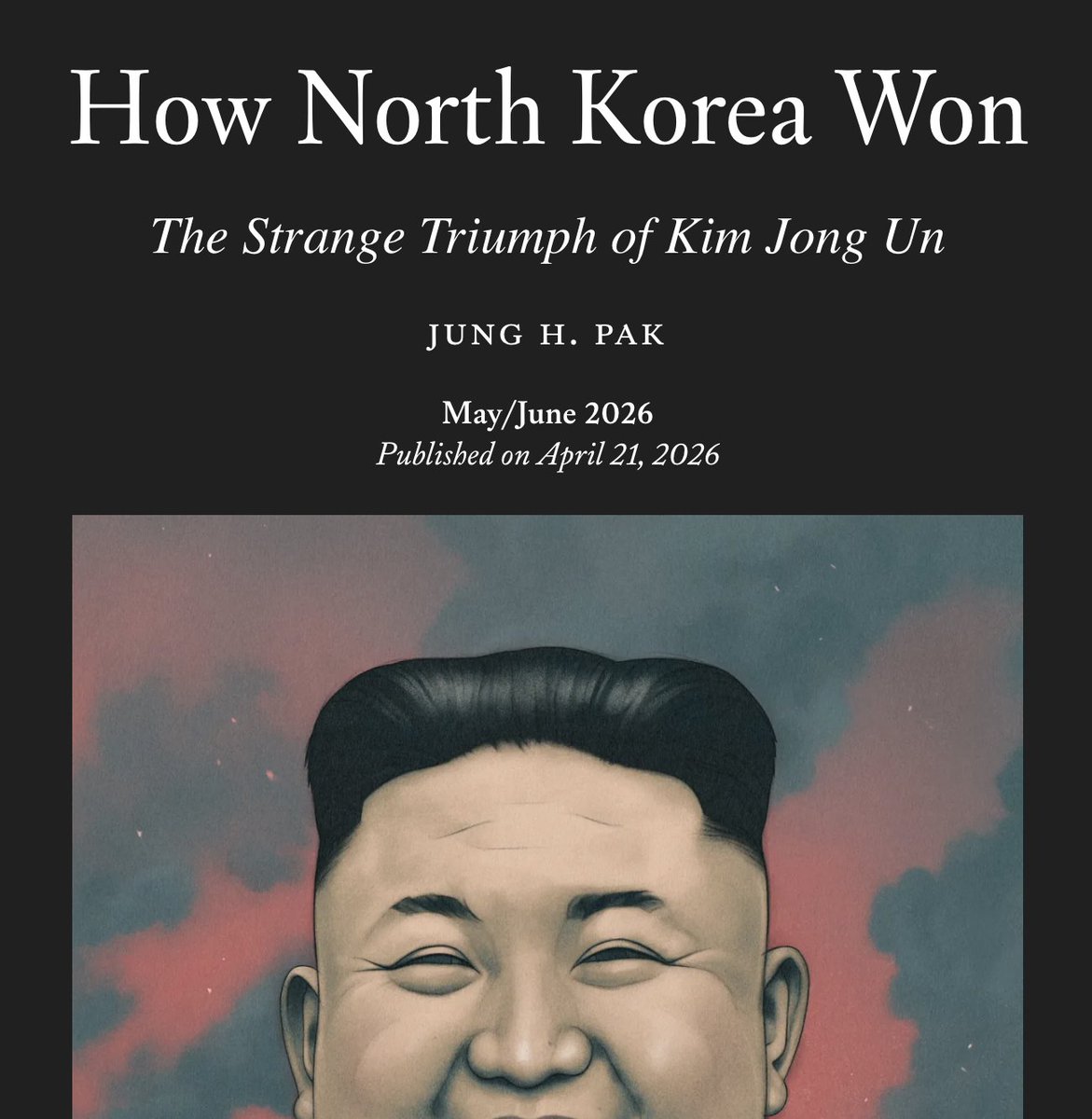
🇰🇵 | Mainstream Western media outlets are increasingly acknowledging an undeniable reality:
their most severe hybrid warfare efforts, encompassing a full-scale US military invasion and crippling, isolating sanctions, have ultimately failed.
4
5
212
Jun 8
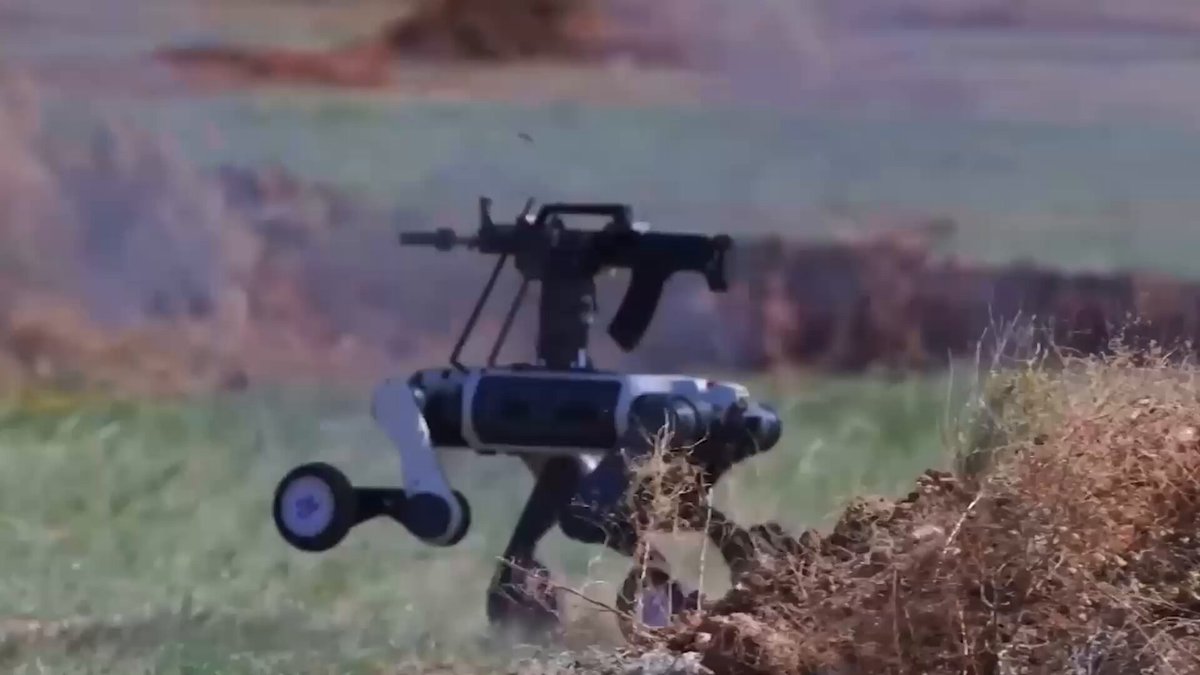
Chinese and Mongolian troops showcase next-gen unmanned combat systems during latest joint drills.
15
84
338
86,129
Jun 8
Full and uncut CCTV footage from Chinese President Xi Jinping visit to Pyongyang, his first trip to the DPRK since 2019.
On Xi’s arrival, DPRK state media called for a unified opposition to “hegemonism and power politics.”
1
4
349
Jun 5
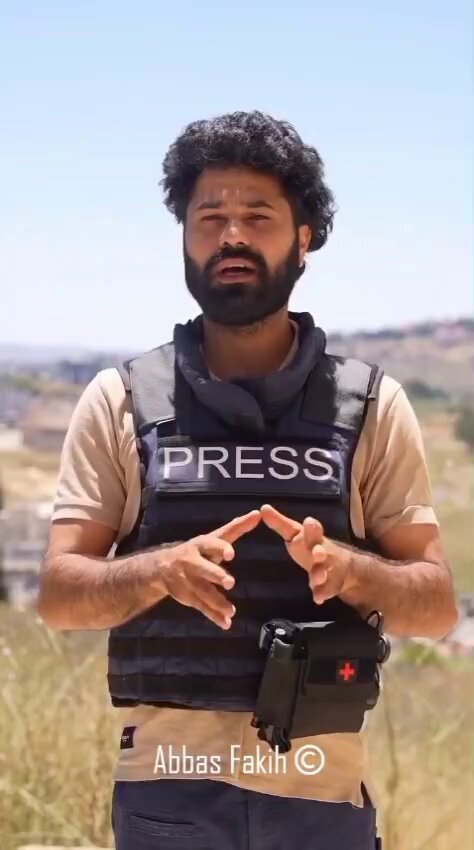
An Israeli drone targeted a car behind Lebanese journalist Abbas Fakih as he was reporting from Nabatieh.
1
249
Jun 5
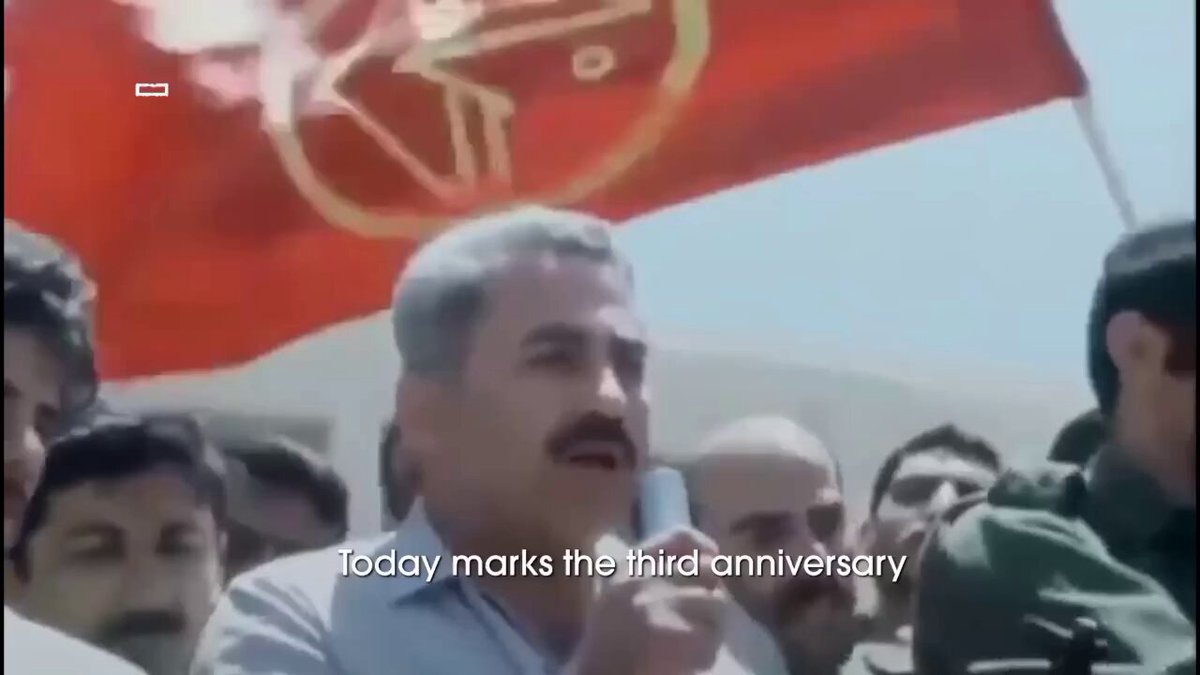
"Our peasants and our workers with these rifles will know how to turn defeat into victory," said George Habash, founder of the Popular Front for the Liberation of Palestine, on the anniversary of the Naksa in 1970.
Here's what you need to know 👇
Today marks the anniversary of the 1967 Naksa — the second large-scale expulsion of Palestinians, following the 1948 Nakba.
At least 400,000 Palestinians were displaced after Israeli forces occupied East Jerusalem, the West Bank, and the Gaza Strip. As in the Nakba, Israeli forces weaponized attacks on civilians, massacres, destruction, and looting to enforce displacement and dispossession — displacing more than a third of the Palestinian population from the remainder of historic Palestine, and deliberately altering the territory's character, status, and demographic composition.
The Naksa — meaning "setback" in Arabic — also marked the Arab defeat in six days following Israeli aggression against Egyptian, Jordanian, and Syrian forces, and the subsequent occupation of Syria's Golan Heights and Egypt's Sinai Peninsula.
For analysts, the Naksa is not an isolated event but a phase of the ongoing displacement and dispossession of Palestinians across the occupied West Bank and Gaza Strip — part of a broader Israeli effort to expand and consolidate its settler-colonial entity over historic Palestine and beyond.
1
20
24
1,150