
Powering the world's highest-performing content marketing programs.
Joined November 2010
- Tweets 30,636
- Following 3,641
- Followers 59,380
- Likes 25,016
20,104 Photos and videos












Jun 4
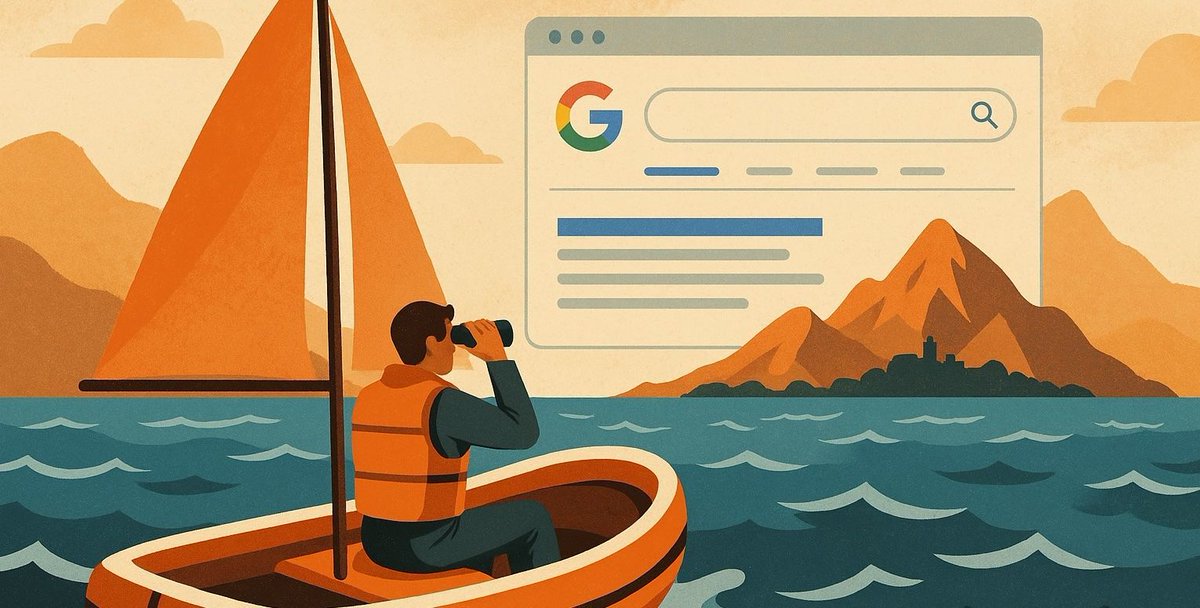
Most financial content isn't losing on volume. It's losing because nothing traces to a credentialed expert. AI engines now sort by who wrote it and who verified it.
5 signs your program has a credibility problem: buff.ly/GByO7aa
155
May 26
Most content programs are not failing on tools. They're failing on operating model. Four layers: vetted creators, workflow, AI guardrails, governance. One weak layer caps the rest.
buff.ly/LRYG7a8
215
Apr 28
Most content teams that say they have a managing editor actually have a content manager. The two roles look the same on paper but are measured by completely different things. Here's why the difference matters in 2026.
contently.com/?p=530532822
1
1
379
Apr 17
Most content teams don't fail because of bad writing. They fail because the culture never had a real foundation. Here's what the ones that last actually share. #ContentMarketing #ContentStrategy
buff.ly/Mx2QGLw
198
Apr 15
Average content isn’t working. Try this.
Volume is no longer an advantage. The future belongs to tastemakers who curate unique, human perspectives. Stop competing on quantity and lead with taste.
1
1
263
Jan 31
Your brand isn't just competing with other brands anymore. you're competing with ai, creators, and zero-click searches.
Here is how the landscape is shifting and what you can do to stay visible: buff.ly/tS2DBmB
2
4
260
Contently retweeted

Jan 25
We charge clients $15k to build this for them.
I'm giving it away for free.
It's an AI SEO / AEO API Docs Generator. A tool that creates structured documentation about your company that LLMs can actually read and cite.
Here's why every company needs one.
AI agents take the path of least resistance.
Three things determine whether your company shows up in LLM responses:
- Discovery. RAG systems chunk and embed content. Structure helps retrieval relevance. Clean data surfaces faster.
- Citation accuracy. Atomic claims are easier to quote without hallucination. LLMs can confidently cite you.
- Agent tooling. MCP servers and APIs give LLMs direct access. Not just parseable text. Actual queryable data.
Long form content still matters for LLMs. But structured documentation can improve your visibility.
Think of it as adding a layer that makes your content easier to discover, easier to cite, and easier for AI agents to access directly.
This is the AEO opportunity right now.
Google's Universal Commerce Protocol already supports MCP integration. Shopify, Walmart, Target are building on it. @mintlify recently launched automatic MCP server generation from documentation.
The infrastructure for AI first discovery is being built RIGHT NOW.
I built an AEO API Docs Generator to do this for our clients. I'm giving it away for free.
It researches your company and outputs structured documentation that LLMs can parse:
- Product capabilities in atomic, verifiable claims
- Use cases with clear problem/solution framing
- Integration specs in machine readable format
- Competitive positioning that AI can cite accurately
And then prepares it all in @mintlify format for a one-click upload to beautiful API docs.
You're building data infrastructure that makes your company queryable by AI agents.
The companies doing this now will own the AI discovery layer.
Comment "DOCS" and I'll send you the repo that automates the entire process for you.
9
6
100
21,068
Jan 21
Content teams aren't just creators anymore—they're risk managers. AI scale misinformation threats = new editorial responsibilities. Fact-checking, compliance, brand safety now live in the content workflow. Is your team ready? #ContentStrategy #BrandSafety
1
2
4
276
Jan 13
Traffic from ai shopping assistants jumped 693% this holiday season.
That is a massive signal for marketers.
Shoppers want specific answers, not generic lists. if you are building your 2026 plan, start here.
buff.ly/sc9WARZ
1
3
217
Jan 2
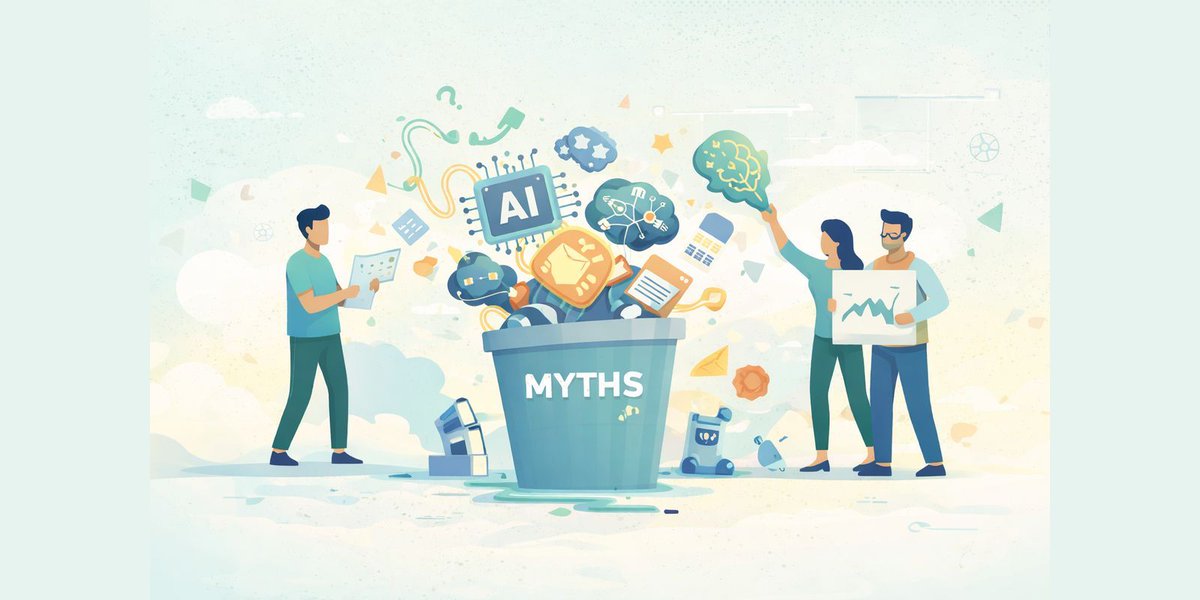
AI won't save a bad marketing strategy. Use it to enhance creativity and speed up research—not replace human insight. 5 myths to leave behind in 2025:
buff.ly/MGB7AJ0
...
#AIMarketing #ContentStrategy
1
3
296
22 Dec 2025
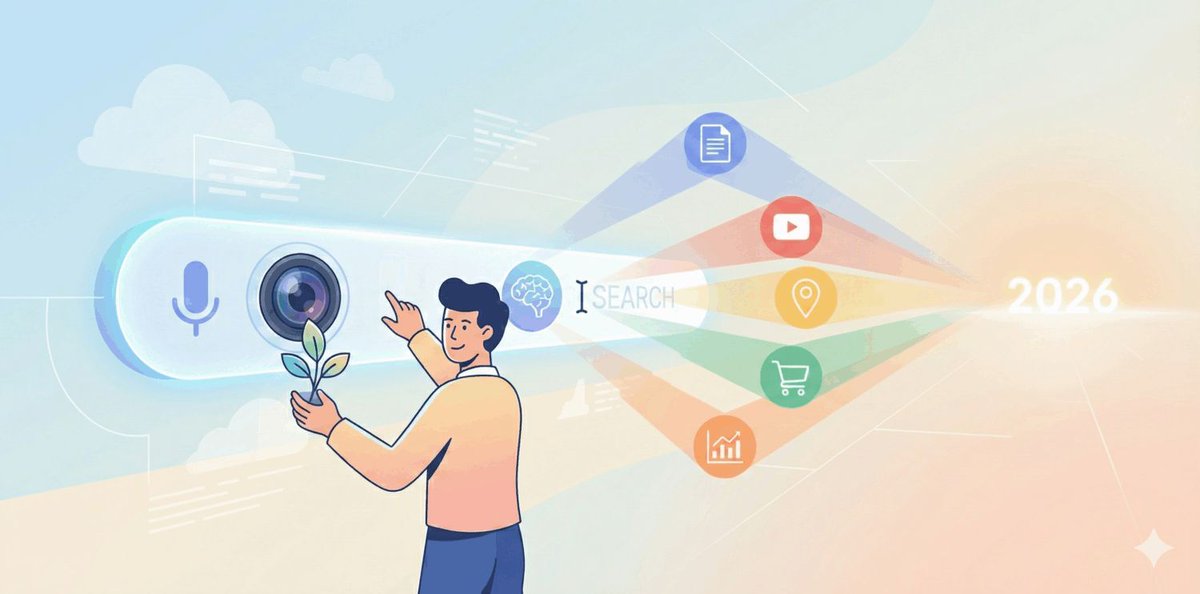
Search is moving past just blue links.
It’s becoming more visual and conversational. We looked at where things are headed next year.
Here are 5 predictions for the future of search in 2026.
buff.ly/E3v5tHj
1
189
11 Dec 2025
One wrong sentence can cause a huge mess for regulated businesses. but you can't just stop creating content. you need a plan that keeps legal happy without killing creativity. here is how to handle content strategy for 2026. buff.ly/jRwNGI3
1
1
245
3 Dec 2025
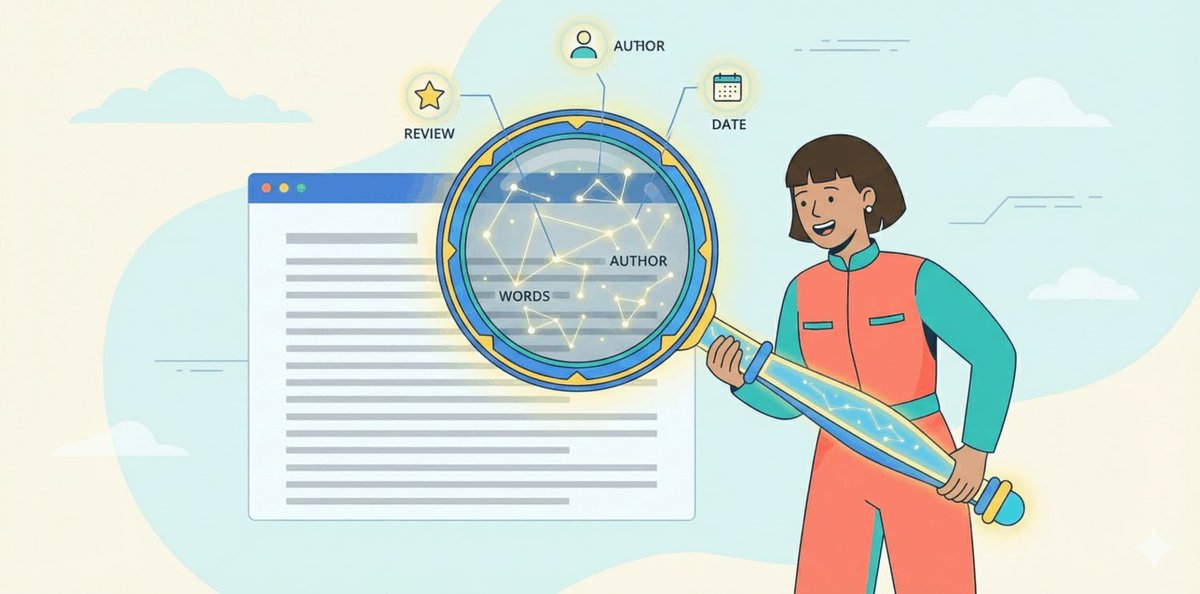
WTF is Schema? 🤷♂️
It’s the code that helps Google understand your site. Use it to get rich snippets—like reviews, prices, and events—right in search results. Better visibility, more clicks.
Start here:
buff.ly/7PX9soC
#SEO #MarketingTips #LLMO
3
3
196
26 Nov 2025
Video shows up in search more often. If your brand's videos aren't optimized, you're missing out.
Add clear titles, transcripts, and timestamps. Post where your audience searches. Make it mobile-friendly.
Here's how to build a searchable video strategy: buff.ly/2BhRMkM
1
1
201
12 Nov 2025
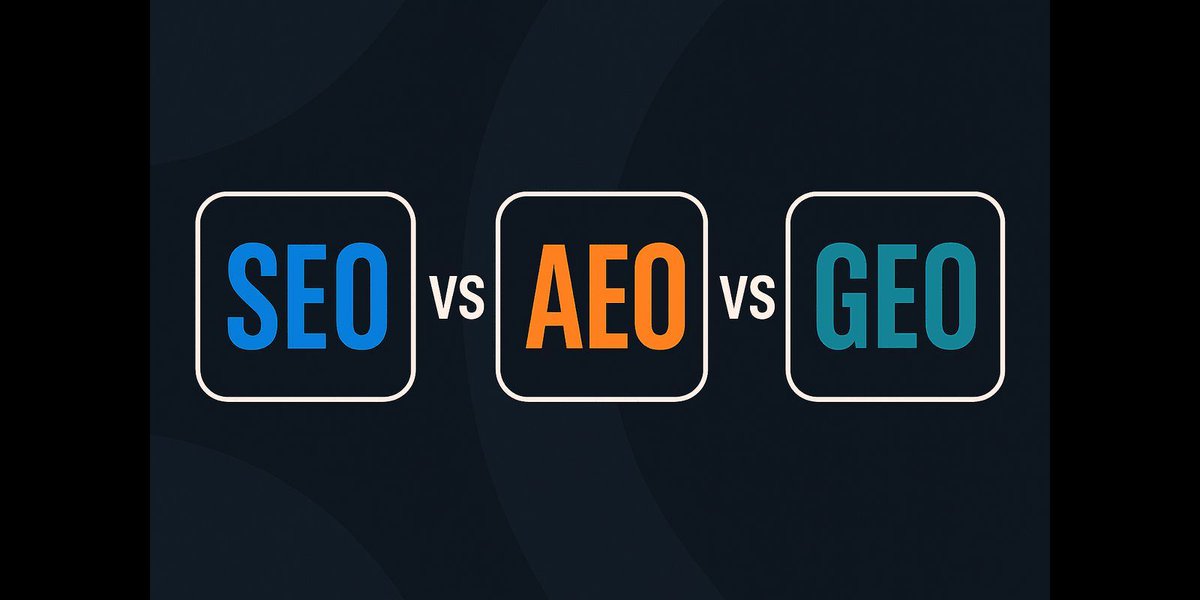
SEO, GEO, AEO. Three ways people search now. Three ways to be found.
SEO = Google
GEO = Voice search
AEO = AI answers
Do all three to stay visible. Full guide: buff.ly/CKSkbHt
1
2
244
11 Nov 2025
Turn your experts into AI-recognized search entities. Make their profiles machine-readable, link their expertise to your brand, and boost discoverability. The future of search is about entities, not just keywords. #AISearch #ContentStrategy. buff.ly/wP26mmI
1
256
Contently retweeted
30 Oct 2025
Google patented the death of traditional SEO and nobody noticed.
I spent all week studying the AI Mode patent filings.
What they reveal changes everything about how content gets selected for AI search.
THE SHIFT:
Traditional Google: Rank pages → Show blue links → Users click
AI Mode: Generate themes → Search each simultaneously → Cite specific claims
Google's patents reveal three mechanisms that kill traditional SEO tactics:
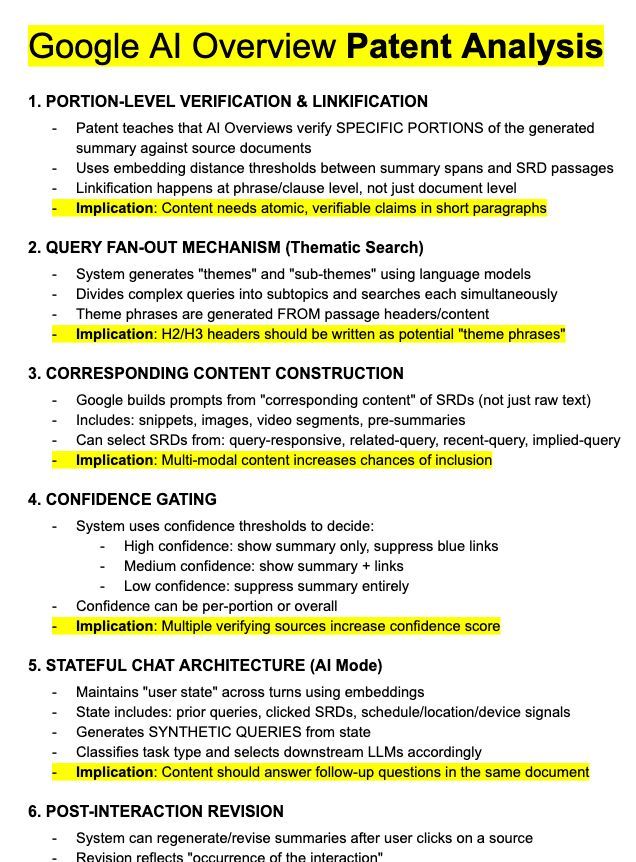
1. PORTION-LEVEL VERIFICATION
Google doesn't cite your page. They cite individual claims in your content.
The system uses embedding-distance thresholds to match summary spans to specific paragraphs. If your content isn't structured as atomic, verifiable claims in 1-3 sentence paragraphs, you're invisible.
Domain authority is dead. Claim-level verifiability is everything.
2. QUERY FAN-OUT
AI Mode literally generates "theme phrases" from your H2 headers and searches each in parallel.
This isn't keyword optimization anymore. It's subtopic coverage.
If you're not answering what/why/how/risks/tools/alternatives/costs in separate sections with theme-ready headers, you're not in the retrieval set.
3. CONFIDENCE GATING
One authoritative source isn't enough.
Google's patent explicitly states portion confidence depends on "the trustworthiness AND QUANTITY of verifying search result documents (SRDs)."
You need multiple sources saying the same thing. Single-source expertise loses to multi-source consensus.
THE IMPLICATIONS:
Content architecture beats content volume.
Anchor-deep citations replace page-level backlinks.
Hub-and-spoke structures dominate standalone articles.
I built a complete analysis with DOK1-4 framework covering:
- Portion-verifiable content templates
- Synthetic query pre-emption strategies
- Confidence signal stacking protocols
(see screenshot below)
Comment "PATENT" if you want the full 8,000-word analysis. Too dense for a thread, but it's all extracted directly from the filings.
1
3
10
4,137