Building organizations where people thrive. Join 41K Rebels fixing work: corporate-rebels.com/newslet…
Joined October 2015
- Tweets 10,948
- Following 299
- Followers 12,199
- Likes 17,314
4,025 Photos and videos
Corporate Rebels retweeted

«Personne ne sait encore vraiment utiliser l'IA. Mais tout le monde pense que les autres le font activement » : vers des entreprises plus humaines ? 👉Interview @Pim_de_Morree @corp_rebels lesechos.fr/idees-debats/lea…
4
6
688

31 Jul 2025
Only 1 in 3 people feel safe enough to share new ideas.
Red tape, fear of failure, micromanagers: they all choke innovation.
Want proven ways to build a creative, courageous culture? 🧠 Grab our Psychological Safety Playbook ➡️ buff.ly/27NJQyb
buff.ly/5dkVXjt
2
8
445
30 Jul 2025
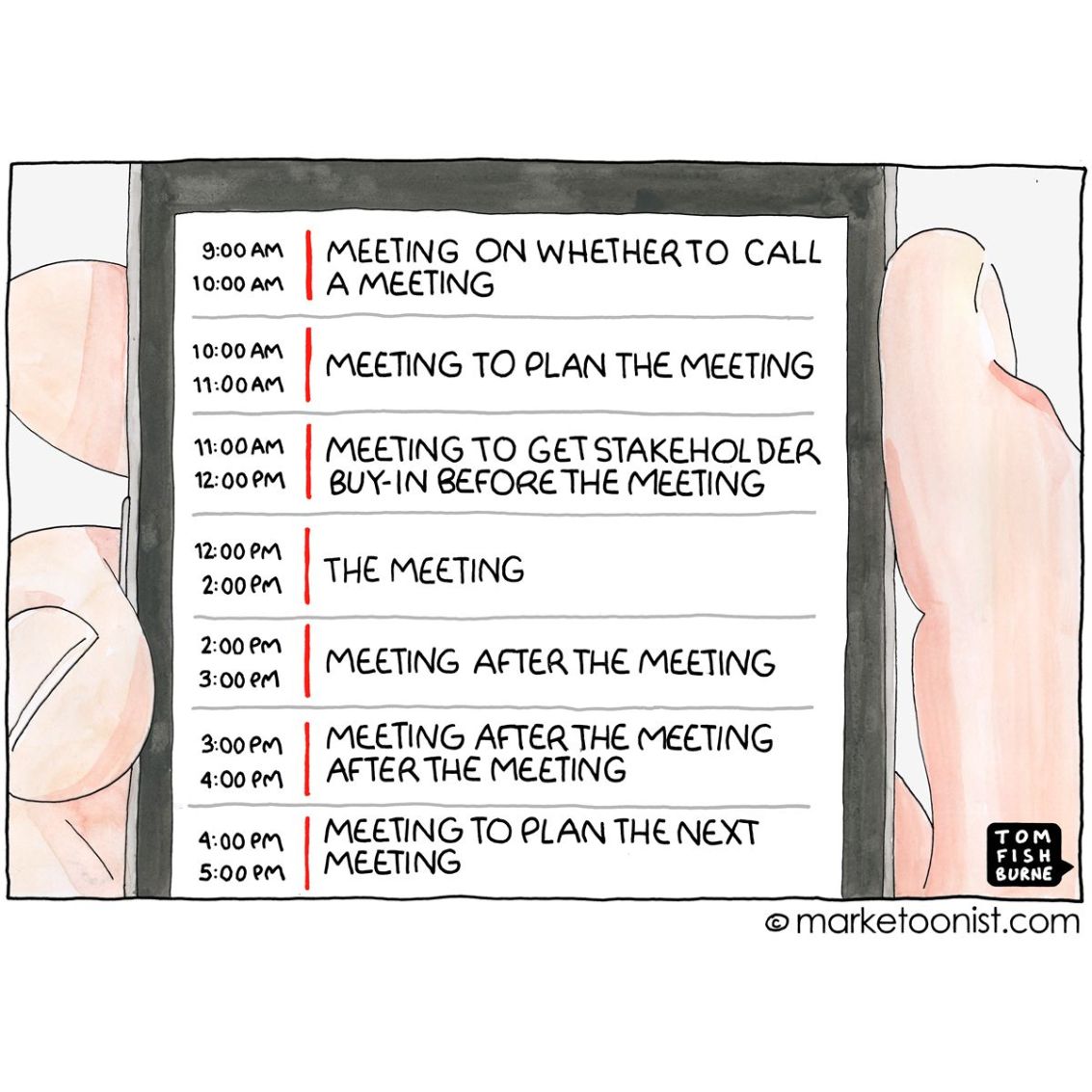
One magic word to help you work 10x smarter 👇
✨ Asynchronicity ✨
Download our Meetings Checklist – a rebel’s guide to making meetings actually worth it ➡️ buff.ly/dFesKlN
📸 @marketoonist
3
407
29 Jul 2025
If your team talks like a corporate handbook, don’t be surprised when no one gives a damn. Real change starts with real talk:
✅ Say what you mean.
✅ Cut the fluff.
✅ Sound like a human.
Grab our free guide (no jargon, we promise) ➡️ buff.ly/JtKgjOO
1
2
387
28 Jul 2025
Is your workplace secretly following a CIA sabotage manual?
In 1944, the CIA published tactics to intentionally ruin productivity.
Weirdly, modern management copied them.
Stop sabotaging your workplace ➡️ buff.ly/arZmIUC
buff.ly/2dp6Ktm
2
3
332
27 Jul 2025
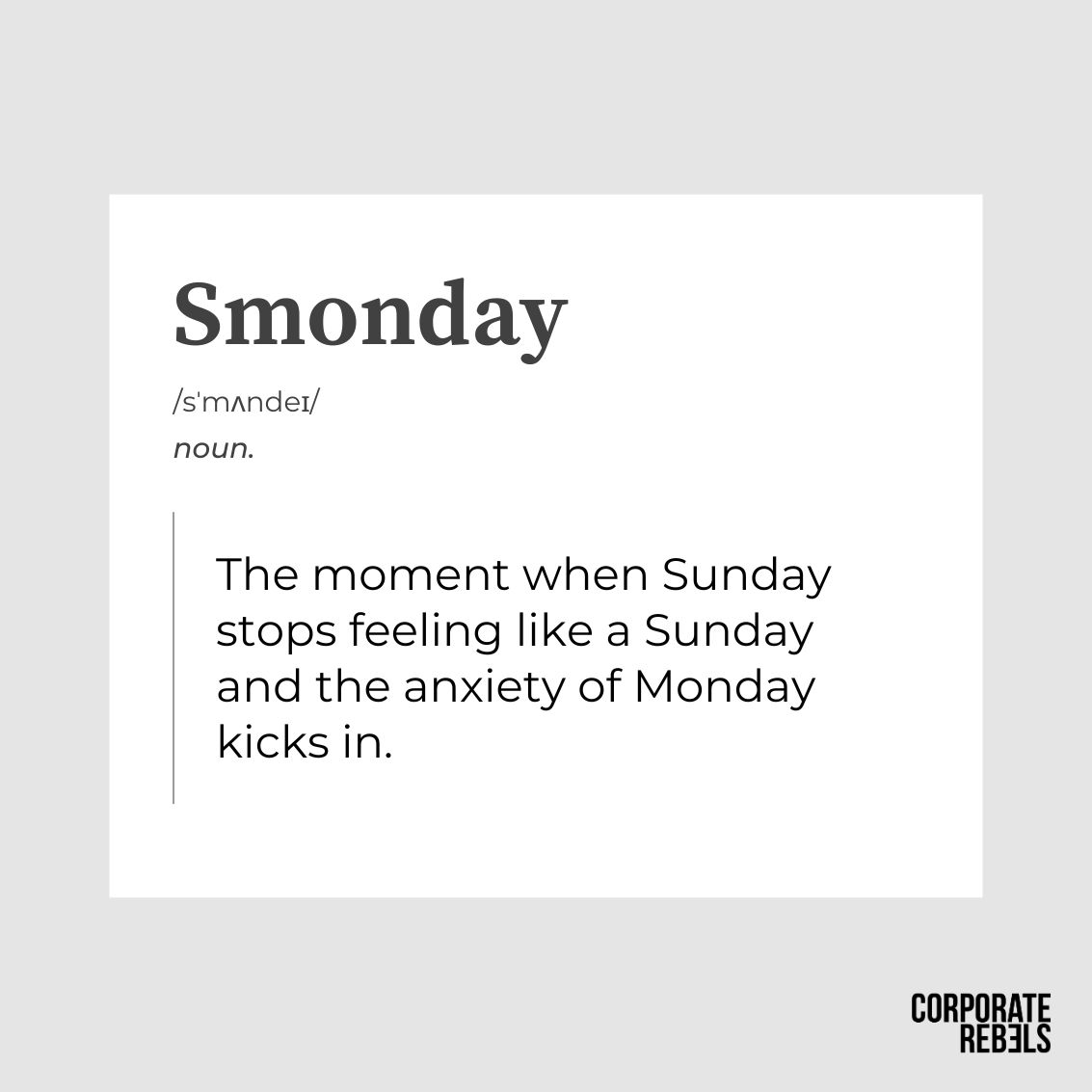
That creeping dread that turns Sunday joy into Monday doom. 😩
If your weekend ends in stress, the way you work is broken.
Let’s fix that.
Get practical strategies to ditch outdated practices and make work suck less. 📩 Subscribe to our newsletter ➡️ buff.ly/jDic8NA
2
368
26 Jul 2025
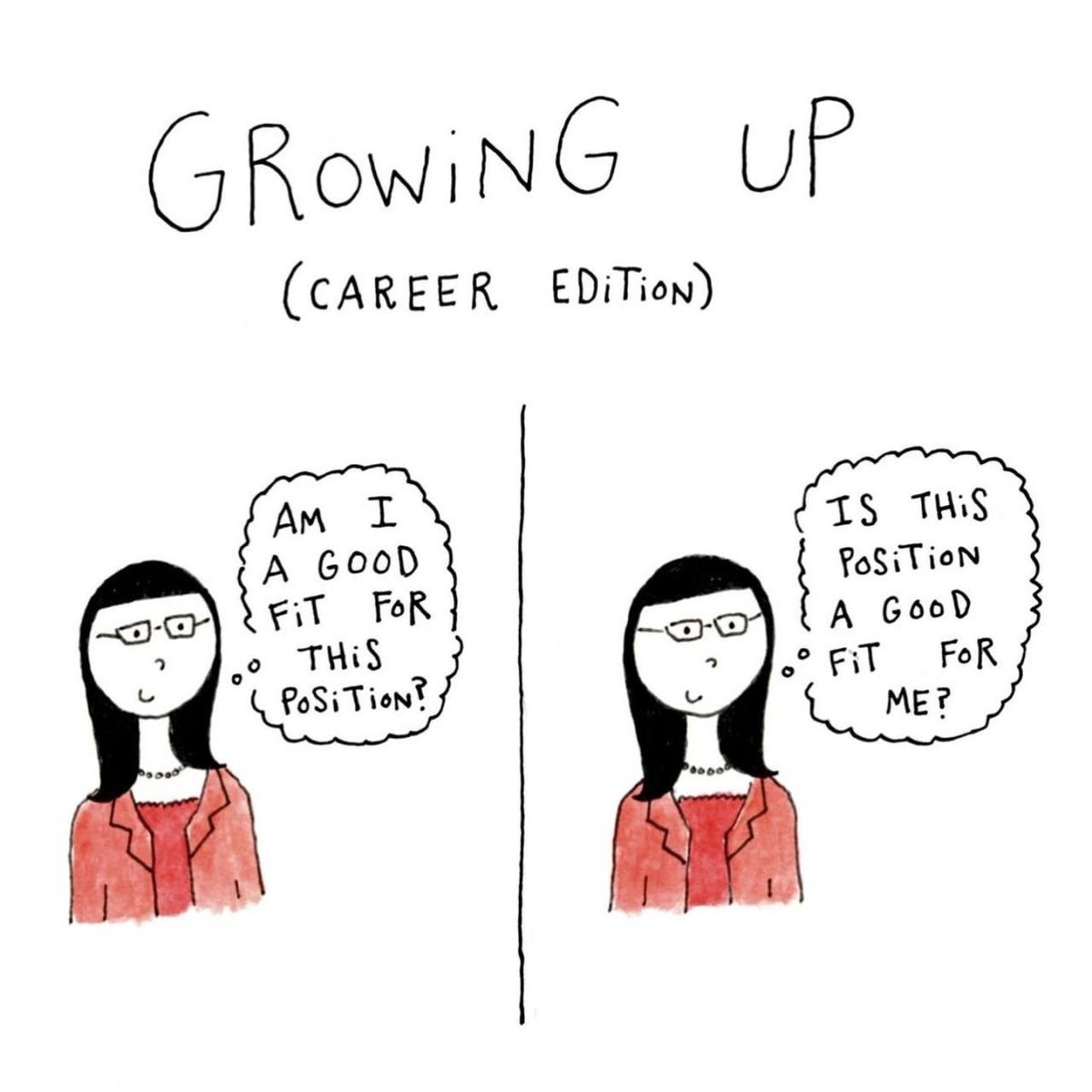
Career hack most people learn too late:
You’re not here to fit in. You’re here to find fit.
Want to build teams where people feel safe to speak up, show up, and shake things up? 🧠 Grab our Psychological Safety Playbook ➡️ buff.ly/27NJQyb
📸 Mari Andrew
3
333
25 Jul 2025
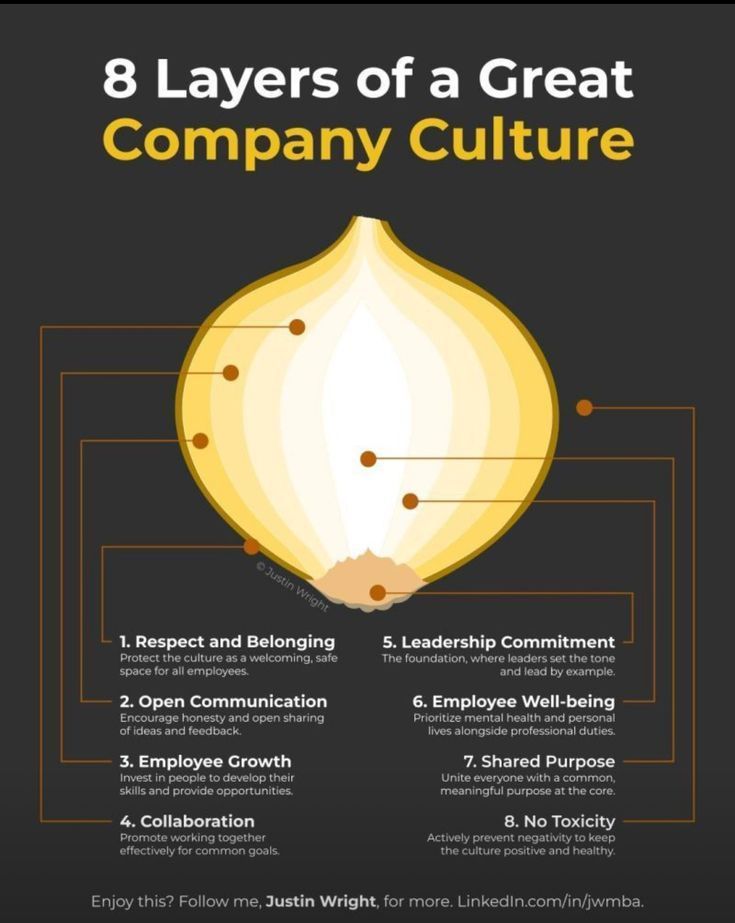
3 reasons you’re stuck leading culture change:
1. You’re fixing symptoms, not systems.
2. You're asking people to act differently in the same old system.
3. There's more talk about values than actual behaviors.
📸 Justin Wright
2
4
454
24 Jul 2025
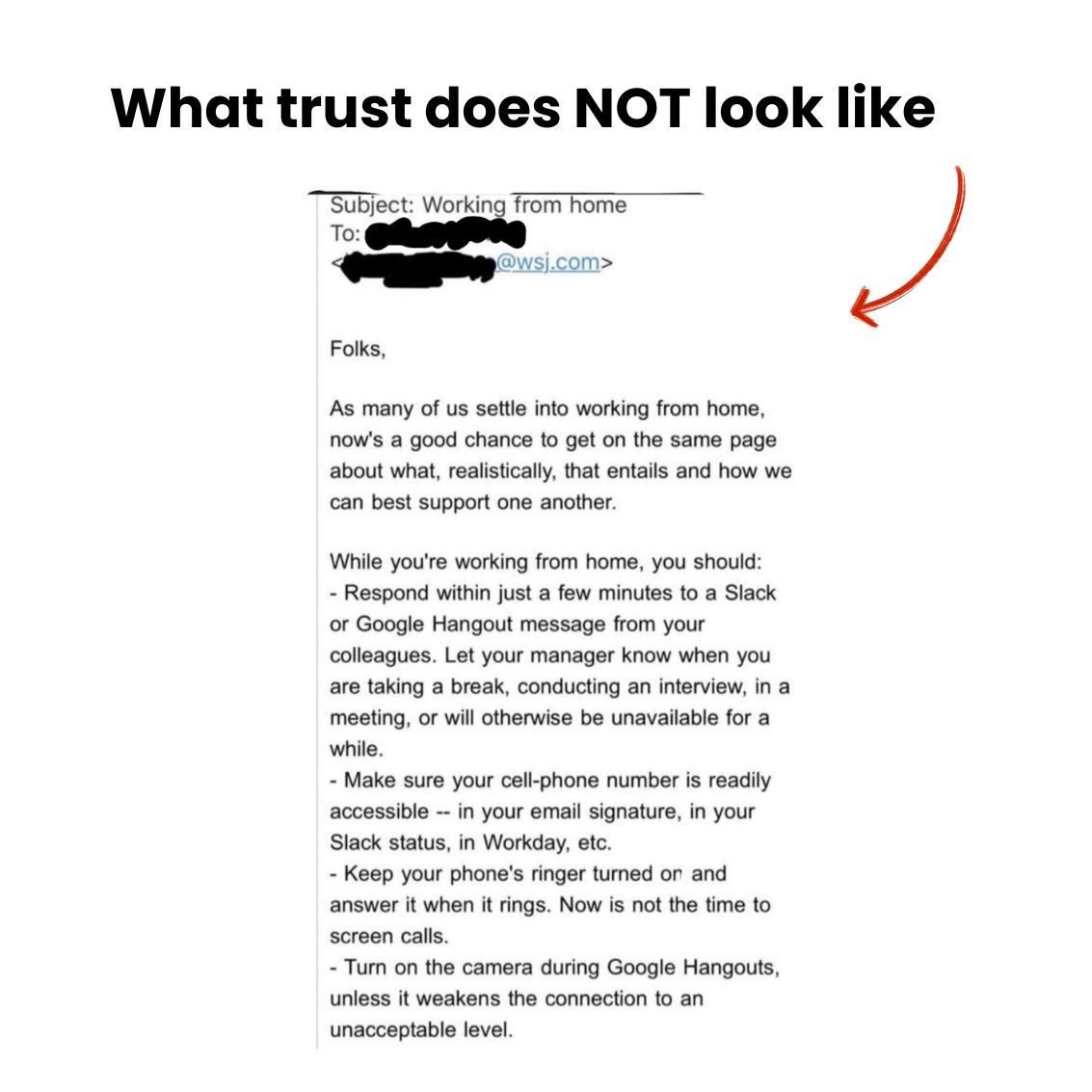
Treating your team like kids kills trust, ownership, and performance.
The email below from the Wall Street Journal is a perfect example of what trust does NOT look like 👇
Grab our free guide with 25 practices from the most progressive organizations ➡️ buff.ly/JtKgjOO
2
320
23 Jul 2025
Shake up your leadership style with this simple practice 👇
Stop giving answers. Start asking: “What do you propose?”
Watch your team thrive as they step up and take ownership.
Want more practices to improve your way of working? 📩 Get our guide ➡️ buff.ly/JnBnnQo
3
1
284
22 Jul 2025
You don’t need a title to lead. You need EQ.
In flat, dynamic teams, leadership isn’t handed down. It’s earned through trust, empathy, and real connection.
Reimagine what leadership looks like with these 25 practices ➡️ buff.ly/JtKgjOO
buff.ly/fvdJckm
2
1
3
336
21 Jul 2025
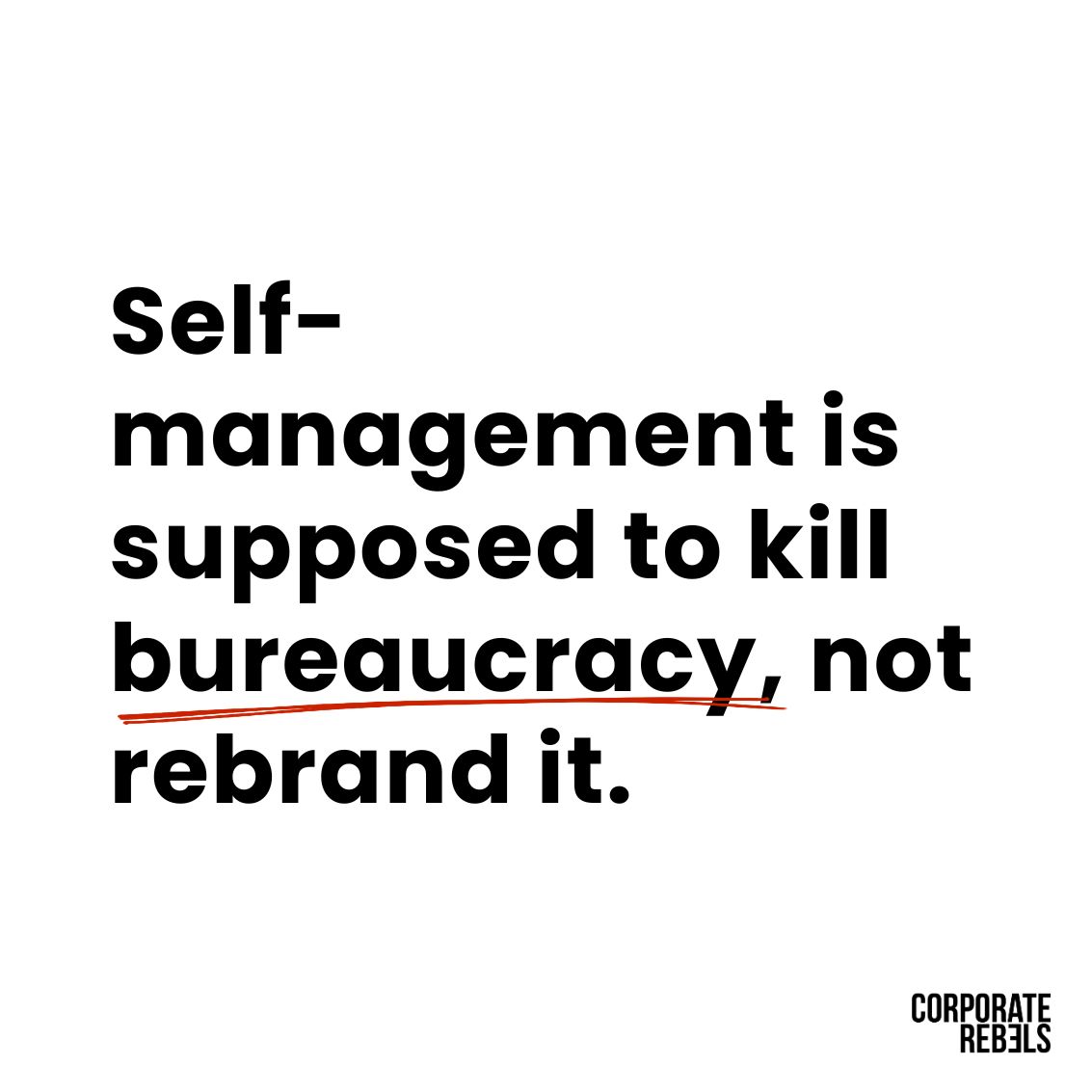
When freedom starts to feel like a process manual, you’ve taken a wrong turn.
Ask yourself: Are you actually self-managing or just performing a cooler kind of control?
In our recent blog post, we dive into how to bring the freedom back ➡️ buff.ly/8lAVN1M
4
250
20 Jul 2025
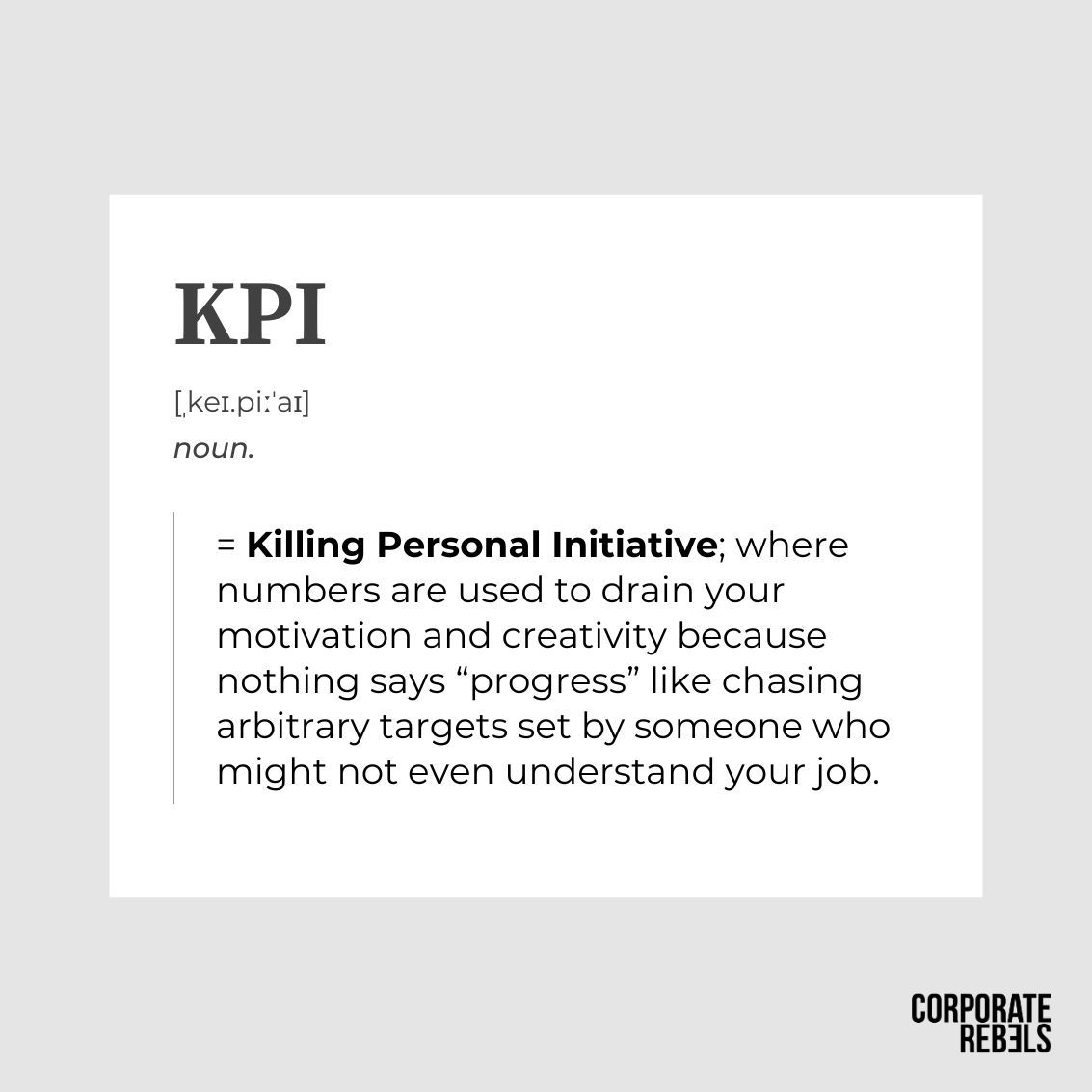
The real definition of KPIs 😶🌫️
Ditch the control. Measure what drives real progress.
Want 25 proven practices to replace outdated performance rituals? Get the free guide ➡️ buff.ly/JtKgjOO
6
469
19 Jul 2025
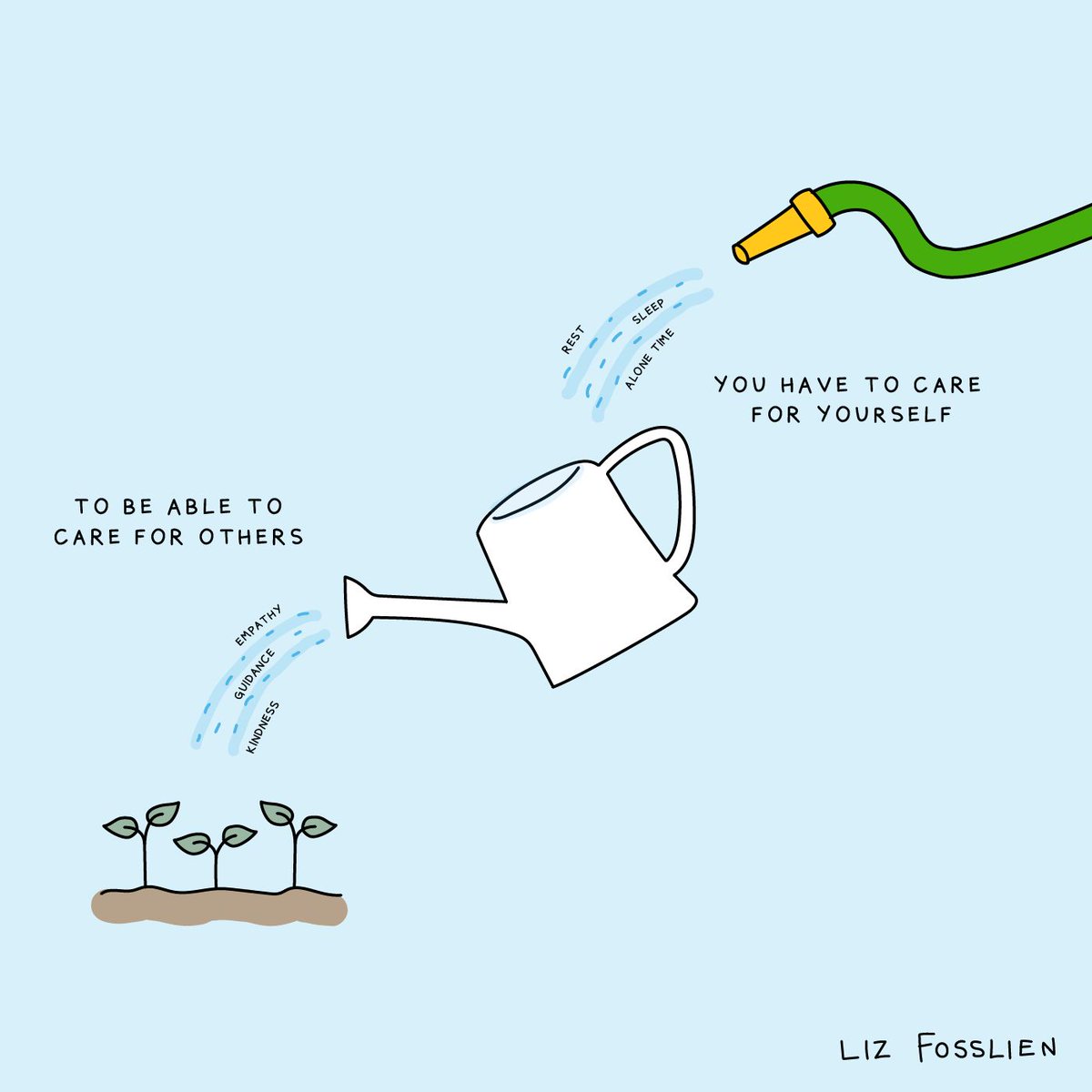
You can’t pour from an empty cup.
Great leadership starts with self-leadership.
The best leaders model sustainable work, not just talk about it.
Grab our free guide to the new ways of working ➡️ buff.ly/arZmIUC
📸 Liz Fosslien
2
5
401
Corporate Rebels retweeted

18 Jul 2025
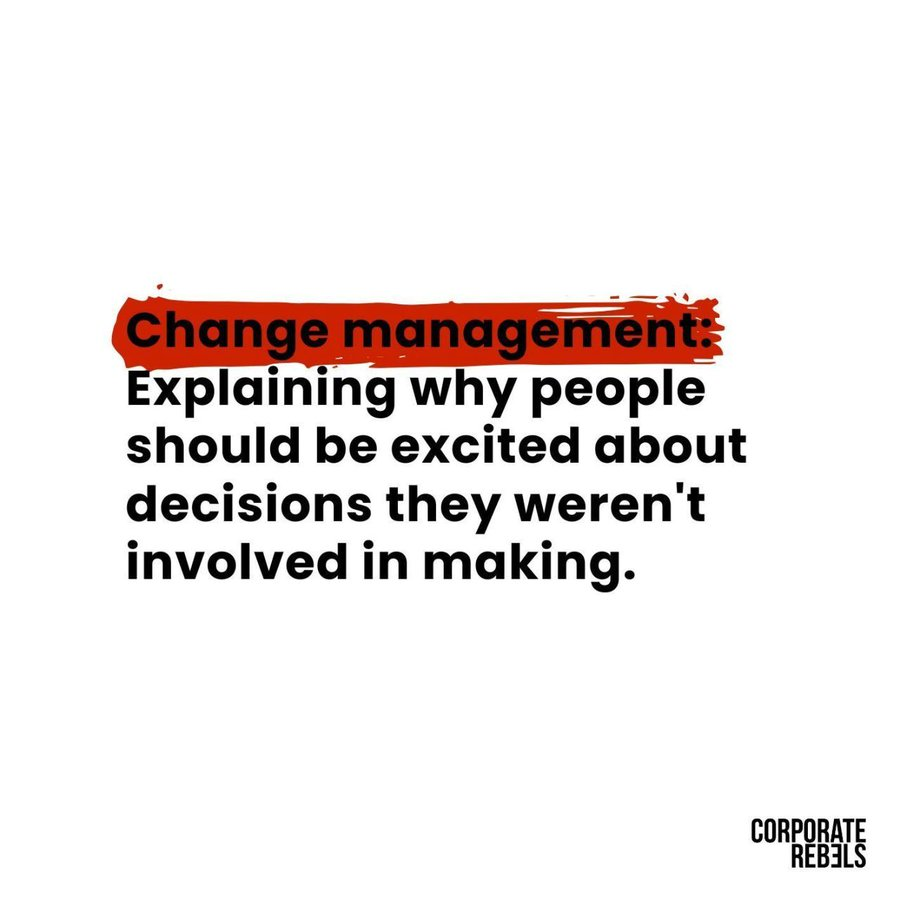
I typically do not use the term “change management” (unless I’m working with a partner who wants or needs to use it).
“Managing” change implies order, planning & stability; the ability to forecast, direct & deliver outcomes. Yet very few change or transformation plans deliver what they set out to deliver, in the predicted timescales. We no longer operate in a stable world where we undertake a change project and move back to equilibrium. Our environment moves faster, acts in more interconnected ways & is full of ambiguity. Change is relentless & continuous. We need to focus on building adaptive capacity & creating a collective process, not on "managing" change as a discrete, manageable task.
Michael Hudson talks about shifting from “change management” to “change fitness”. He sets out three core leadership practices for enabling change:
1. Continuous sensemaking: This involves incorporating five minutes of sensemaking into existing team routines, understanding what is different or changing. Over time, this practice builds "complexity capacity" & the ability to hold onto multiple, often contradictory realities without becoming overwhelmed.
2. Strategic energy management: Treating people’s energy as a finite resource that needs to be deliberately managed, like any other resource.
3. Learning from navigation, not just success: Shifting from an outcome-focus to process-focus builds the ability to prevail in situations where the path forward is unclear.
forbes.com/sites/michaelhuds… Via @Forbes.
Graphic from @corp_rebels.
6
39
159
12,356
18 Jul 2025
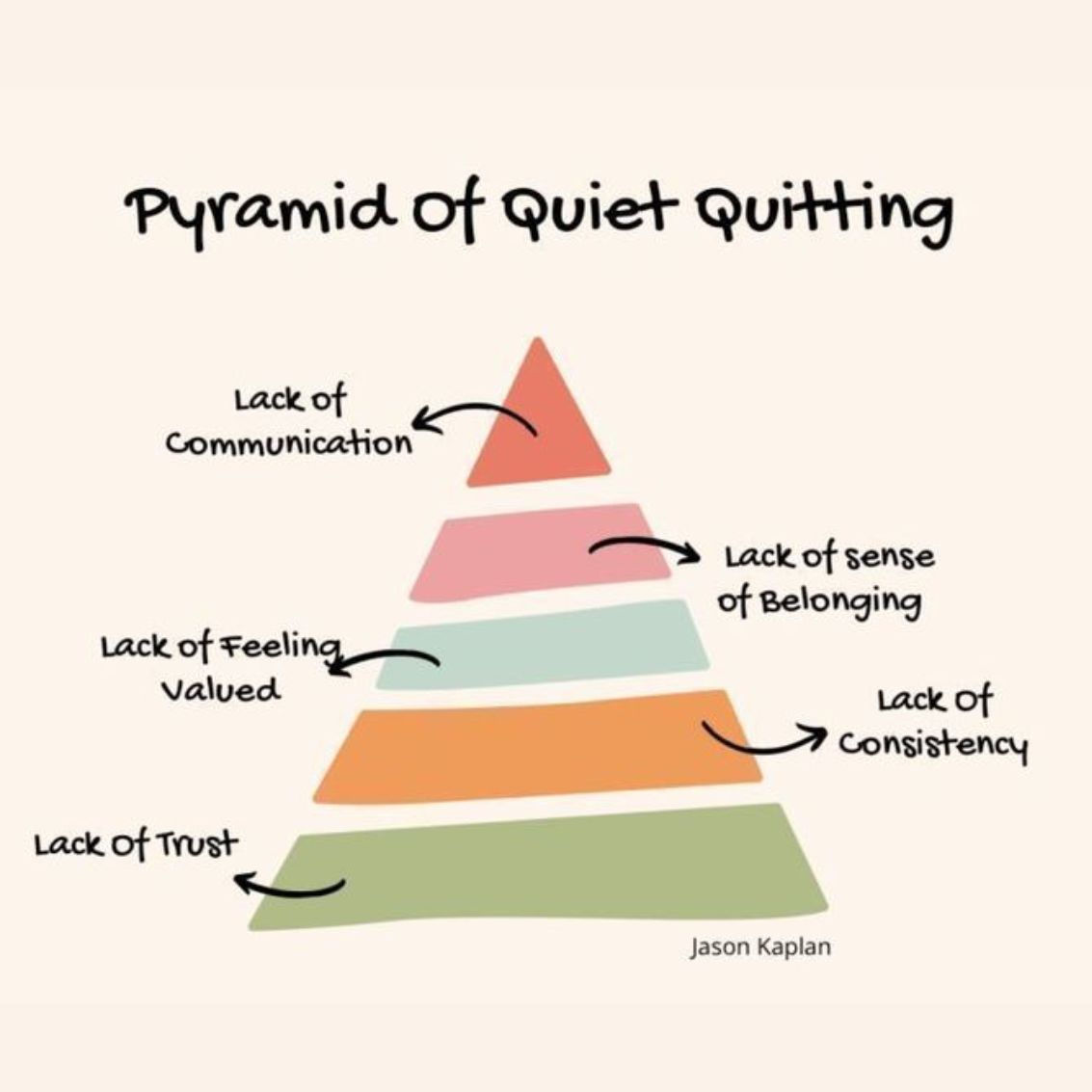
3 reasons employees quietly quit 👇
Not because they’re lazy.
1. Taking risks gets punished. So people stop trying.
2. There are no clear goals and expectations.
3. The pay sucks, so people feel undervalued.
Build a better workplace ➡️ buff.ly/arZmIUC
📸 Jason Kaplan
3
274
17 Jul 2025
Drowning in meetings? Cut these 3 meetings right now:
1️⃣ Project status meetings
2️⃣ Announcement meetings
3️⃣ Recurring meetings that have lost their magic
Stop doing things just because "you’ve always done it."
Grab our free Meetings Checklist ➡️ buff.ly/dFesKlN
6
267
16 Jul 2025
Bossless teams were once the exception. Not anymore.
From police departments to industrial giants, pioneers are joining forces to build radically human organizations.
Tomorrow, we share what’s next for the movement ➡️ buff.ly/jDic8NA
286
15 Jul 2025
Real impact doesn’t come from inflated titles and status.
It comes from autonomy, freedom, and actual contribution.
Stop creating titles. Distribute roles. Give people decision-making power. Trust your teams.
buff.ly/M4R9xYh
1
1
2
326
14 Jul 2025
Kindness isn’t soft. It’s a system upgrade.
Don’t just preach “nice”. Build a culture where people feel trusted, respected, and safe.
Download our Psychological Safety Playbook with 10 proven practices from bold teams ➡️ buff.ly/BpuCZnT
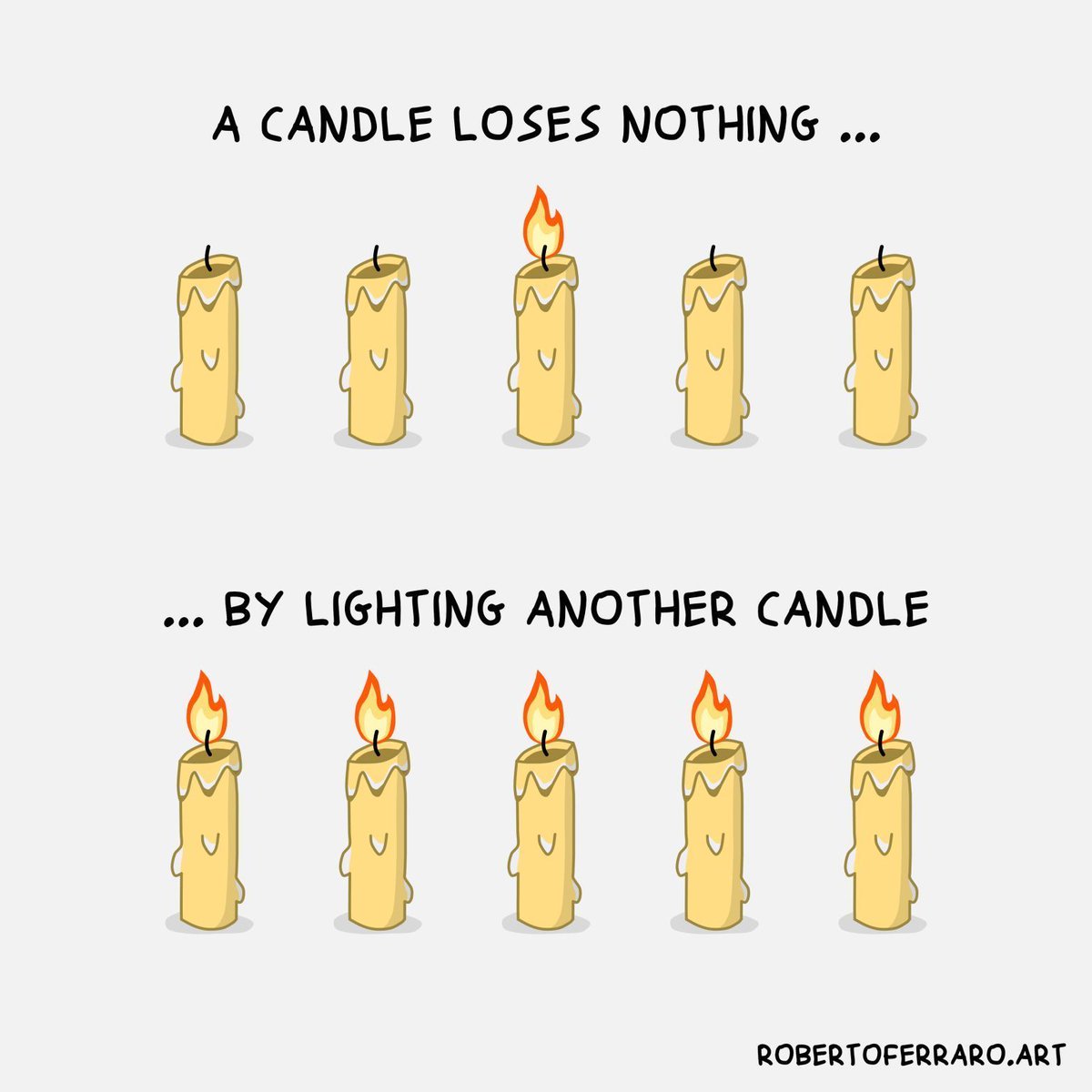
📸 @FerraroRoberto
5
288