
Started in 2005. Over 436,000 websites use Crazy Egg for Heatmaps, Recordings, A/B Testing, Web Analytics, and more. Get a free trial at: crazyegg.com
Joined March 2007
- Tweets 23,319
- Following 36,934
- Followers 43,488
- Likes 21,129
1,931 Photos and videos





Crazy Egg retweeted

Feb 18
Serious question: Have you logged into Google Analytics recently?
26%
Yes
54%
No
21%
Don’t use it
293 votes • Final results
19
3
15
7,054
Crazy Egg retweeted
22 Nov 2025
Twenty years of watching heatmaps has a way of changing how you see websites.
You start to notice the moments that never make it into analytics.
A visitor presses on an image because it feels alive. Another pauses before scrolling because something seems out of place. Someone else drifts near a call to action that looked strong in design but does not earn confidence in practice.
These small signals carry more truth than most metrics. They reveal where visitors feel confident, where they feel unsure, and where the experience quietly breaks.
I want to share what those years have taught me. The real use cases where behavior becomes the clearest teacher and the simplest source of insight.
If you want to understand what Instant Heatmaps can actually do for you, this thread will give you the clearest picture.
4
3
21
6,495
Crazy Egg retweeted
21 Nov 2025
It has been almost three months since I became CEO of Crazy Egg.
Last month we shipped Free Web Analytics.
The month before that we shipped Free Website Surveys.
Today we’re shipping something we invented twenty years ago and rebuilt for the modern web.
We’re releasing Instant Heatmaps.
Heatmaps that work on any page of your website the moment you want to look. No setup. No waiting. Just clarity.
We invented the snapshot model of heatmaps for a static web in 2005. The modern web moves differently. So we built something that matches the speed of the questions builders ask today.
Snapshots remain the best tool for the deep study. Instant Heatmaps are for every moment in between.
They are available in the free plan because understanding your own website should not require a long setup or a big commitment.
👉 Live today on Product Hunt: producthunt.com/products/cra…
16
14
83
21,755
Crazy Egg retweeted
12 Nov 2025
We ran 180 AI web design prompts to see what actually works. Everyone says these tools can design full websites in minutes. I wanted to see if that was true.
Across Base 44, Bolt, Figma Make, and Lovable, we tested every variation we could think of. We changed how much detail we gave, how structured the prompt was, and how much branding we included. What we learned was simple. AI can generate clean layouts, but it can’t design in the way a person can. It needs direction. It needs a system to follow.
The best results came from prompts that had order and structure. When we asked for layout first, then styling, then interactions, the designs started to make sense. When we asked for everything at once, they fell apart.
AI-generated prompts often beat the ones we wrote ourselves. They were more complete. They included the small details that people forget to mention, like spacing rules, hierarchy, and interaction logic. We started letting AI write the first draft of each prompt, then used judgment to refine it. The output quality jumped immediately.
Brand identity made the biggest difference. When we gave AI our colors, fonts, tone, and a few reference screenshots, it produced results that felt specific. Without that context, every tool drifted into the same generic templates.
What mattered most wasn’t the platform but the process. The same rule held everywhere. Vague prompts produced average results. Structured prompts produced usable prototypes.
AI design only gets good when your thinking does. The clearer the intent, the stronger the result.
Tools change. The skill that lasts is articulation.
AI takes over the mechanical parts of design such as the grids, the layouts and the repetition, so your judgment has more room to work.
If you treat it like a shortcut, you’ll get templates. If you treat it like a collaborator, it will make you faster.
The full results, along with examples and screenshots, are here: crazyegg.com/blog/ai-web-de…
3
7
42
11,172
Crazy Egg retweeted
23 Oct 2025
It’s been almost two months since I became CEO of Crazy Egg.
Last month we shipped Free Website Surveys.
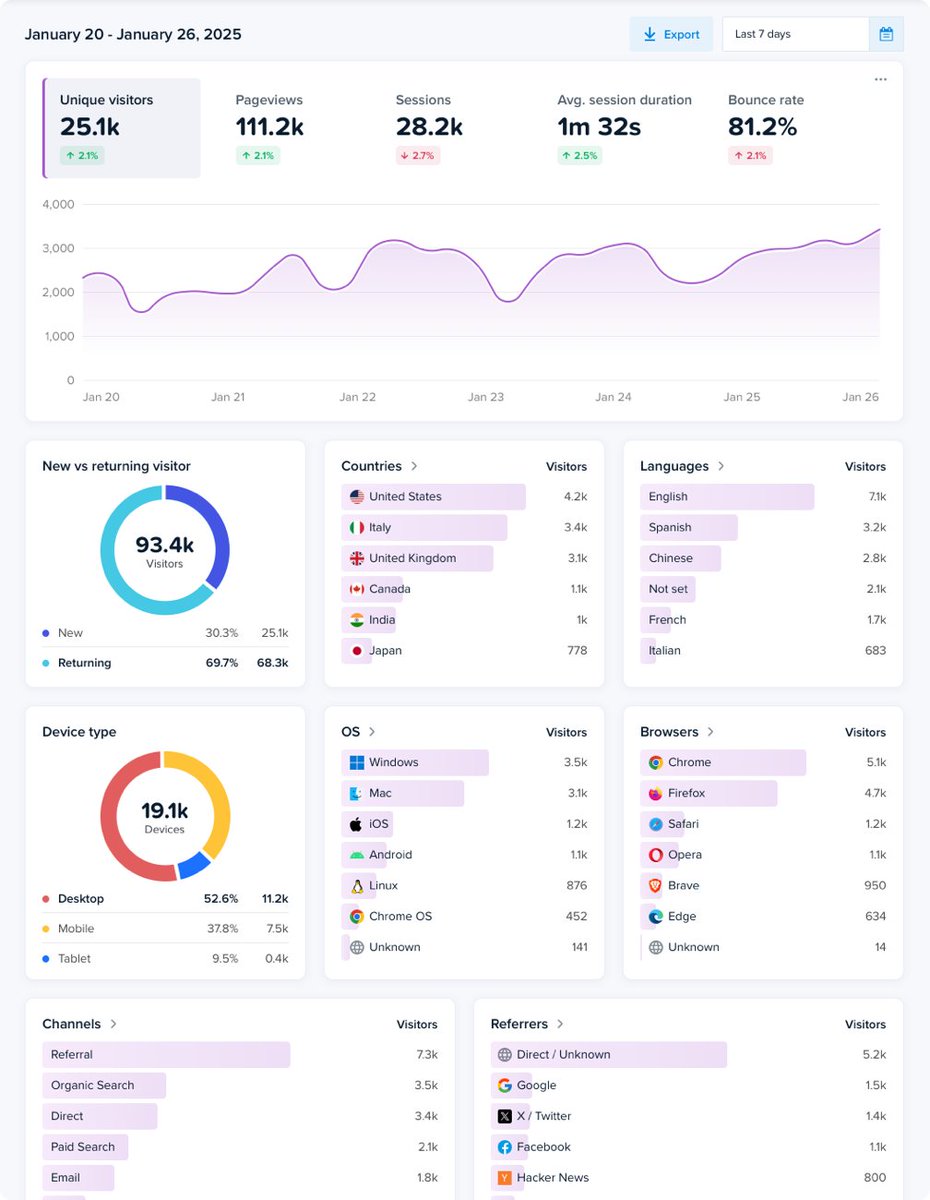
Tonight we’re shipping Free Web Analytics.
And I can’t wait to show you what we’re shipping next month.
We’re moving fast, but with purpose. Everything we build has one job.
Make the web easier to understand.
If you’ve ever opened a web analytics tool and felt like you were taking a test you didn’t study for, you’ll love this.
👉 Live now on Product Hunt now: producthunt.com/products/cra…
41
13
211
76,048

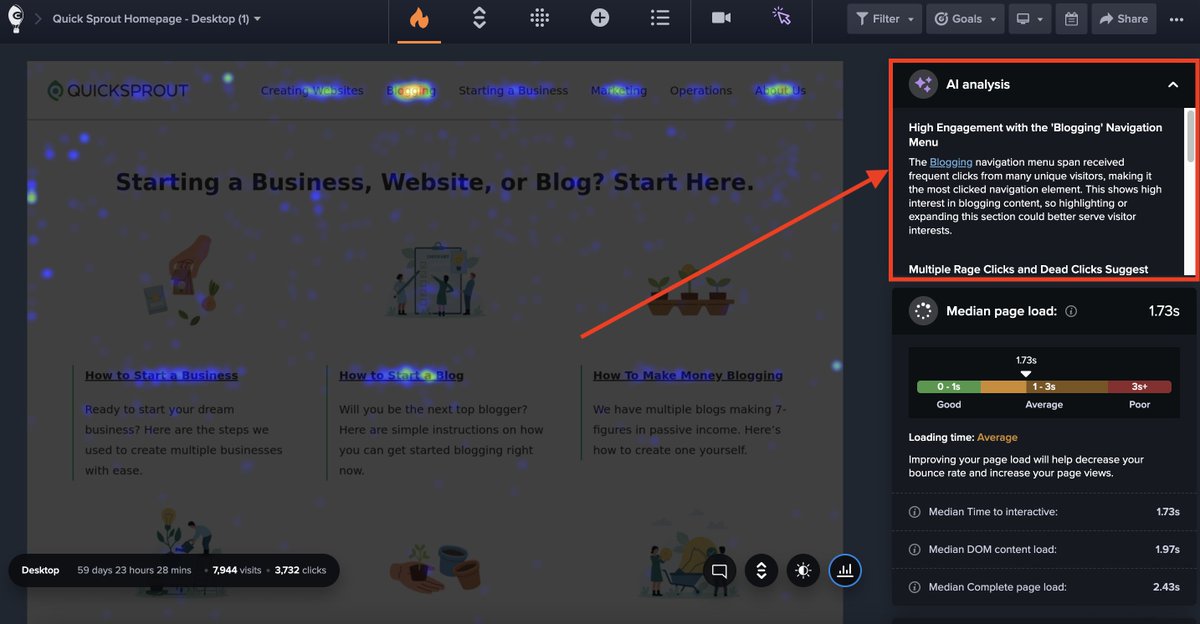
Don’t have time to read your website heatmaps? No problem.
Crazy Egg performs AI Analysis on any heatmap, detecting patterns in visitor activity for you. It quickly identifies where your pages are doing well, and where to fix them.
AI Analysis runs automatically, without needing to be prompted or guided. It just finds the opportunities for you.
ALT Screenshot of a website heatmap in Crazy Egg, with an "AI Analysis" written summary highlighted.
1
370
Crazy Egg retweeted
1 Oct 2025
Manually testing AI Chatbots to analyze raw @crazyegg heatmap data.
So far, here's our assessment:
Grok writes like a data analyst.
Gemini writes like a marketing consultant.
ChatGPT (GPT-5) writes like an in-house marketer.
Claude and Copilot give up on ingesting the data.
4
5
17
2,560
What's the #1 challenge you face in getting more website conversions?
Getting usable reporting? Knowing what to do with your data?
Finding time to test new designs and copywriting?
Or even something completely different.
We're working on a few new things, so want to hear what we can solve for you. Leave us a DM or comment below :)
1
5
4,567
We’ve done a terrible job of marketing what our Surveys tool is capable of.
So, here are 3 ways you can use it to automate your sales, marketing, and support workflows:
💸 Automate Inbound Sales - Qualify leads by response, automate email followup, distribute to the right sales rep.
👷♀️ Speed up Support - Route responses to Slack, email, or your CRM. Auto-create support tickets, and link to the relevant Session Recording.
🔍 Conversion Optimization - Trigger surveys on exit intent to see why they’re leaving. Analyze responses alongside heatmaps & session recordings.
All 100% free, no card required.
2
1
3,040
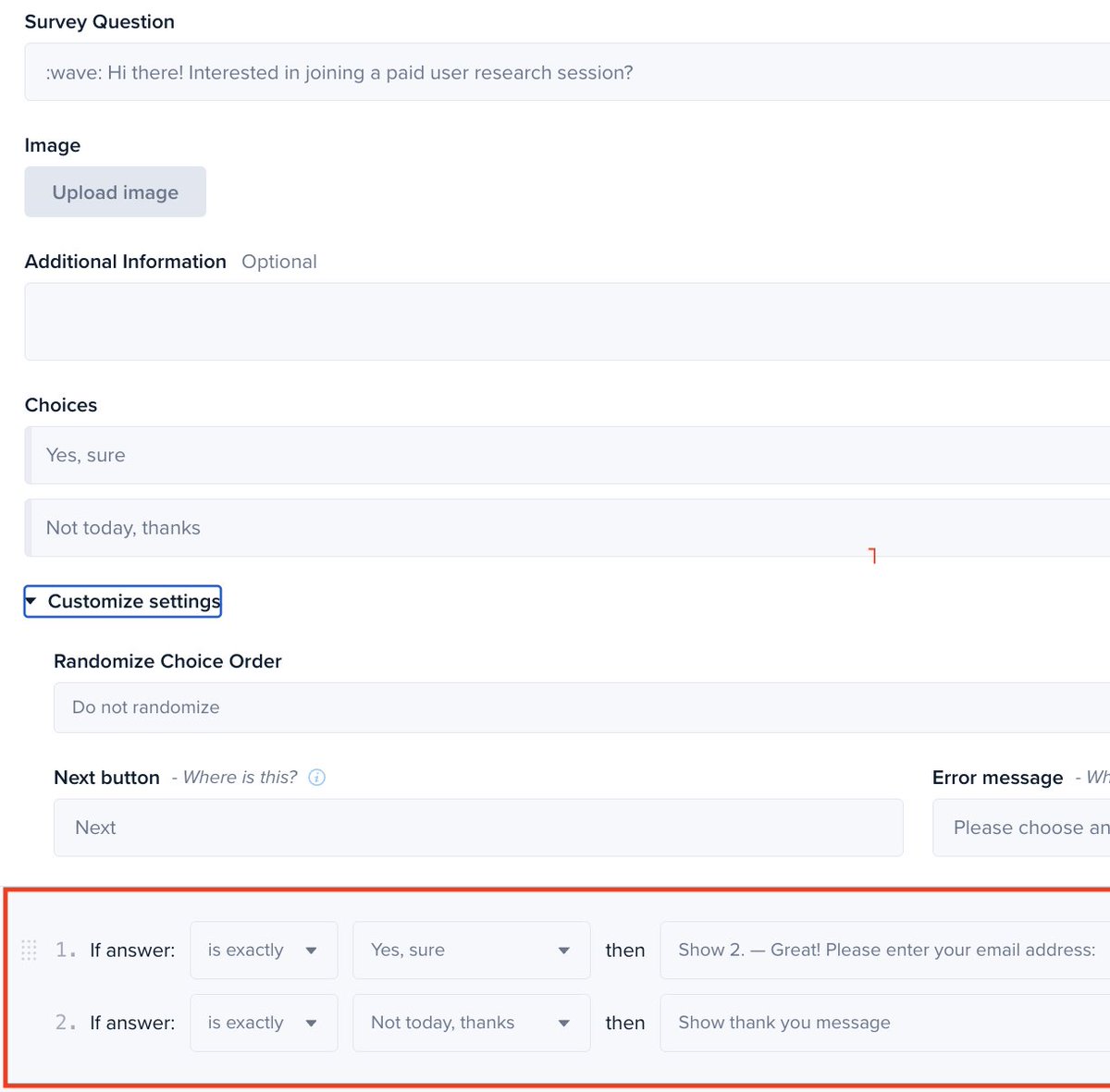
Users feel disrespected when forced onto a boilerplate, dehumanized form. But that’s what most website feedback surveys do.
Do this and (if you're lucky) you’ll get a response rate of 0.5%.
If your surveys show irrelevant questions, visitors will leave frustrated. So use conditional logic to personalize each interaction:
🎯 Only ask visitors relevant questions.
↔️ Create dynamic, personalized survey paths.
👩🔧 Send users to Support or the right resource.
Crazy Egg’s Surveys tool comes with conditional logic out of the box. And it’s 100% free.
1
596
What are you using for website surveys?
We’ve looked, and found most survey tools are overpriced or overcomplicated: $39/month for basics, or a 25-response limit before forcing a demo.
So we made Crazy Egg Surveys simple to setup, and 100% free.
👉 What’s missing from the tool that’d make it a no-brainer? Better targeting, more integrations?
Reply or DM us — our product team’s looking for suggestions.
#marketing #growth #ux #customerfeedback #crazyegg
403
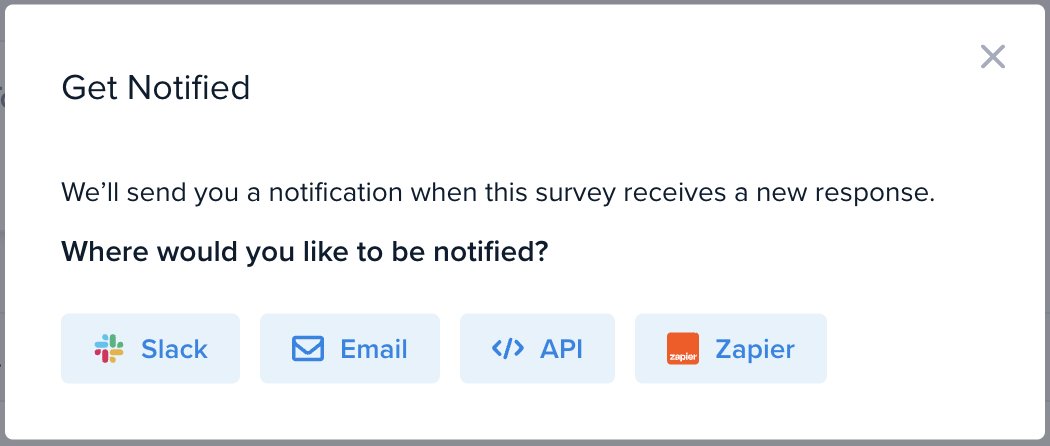
With these notifications, you can:
📩 Notify Support when a user asks for help in a survey flow.
💸 Slack your Sales team when a lead submits a form.
⭐ Sync NPS and Survey feedback to your CRM or Marketing Automation.
📶 Update spreadsheets with conversions and survey data.
1
331
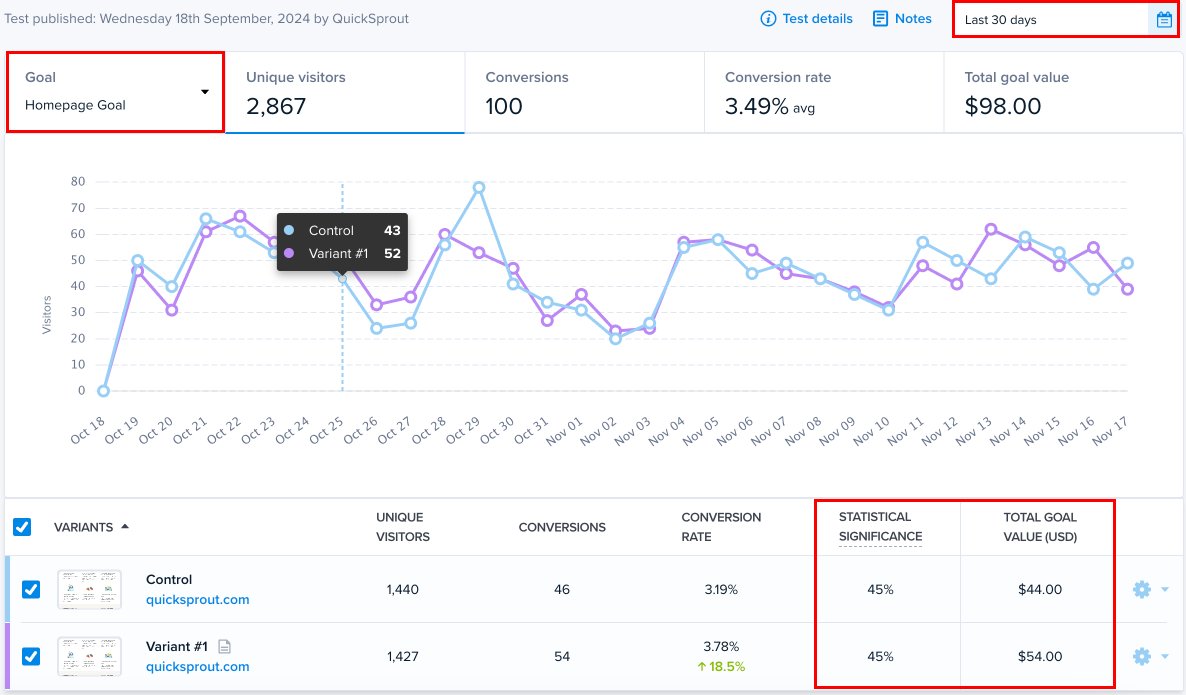
We’ve made some long-awaited improvements to A/B Test reporting in Crazy Egg.
These updates get you analytics on the statistical significance of your tests, plus new charts and dashboards for viewing the performance of page variants over time — and comparing KPIs for multiple conversion goals.
ALT Screenshot of Crazy Egg's redesigned A/B Testing report, with its new time-series charts, conversion toggle, and new reporting on statistical significance and conversion value highlighted.
1
2
497
It’s finally here.
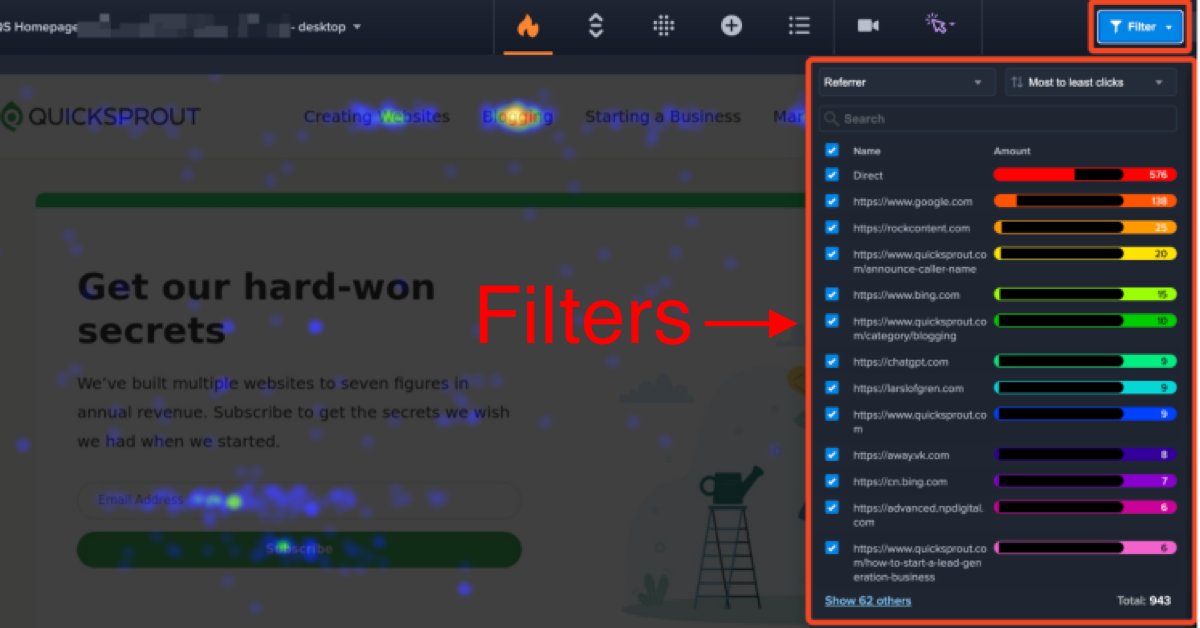
You can now filter traffic across all your Heatmaps using a variety of new audience data segments — bringing greater clarity into how different users behave on your website.
ALT A screenshot of a Website Heatmap report in Crazy Egg, with a data filter to segment traffic by "Referrer" highlighted.
1
1
513