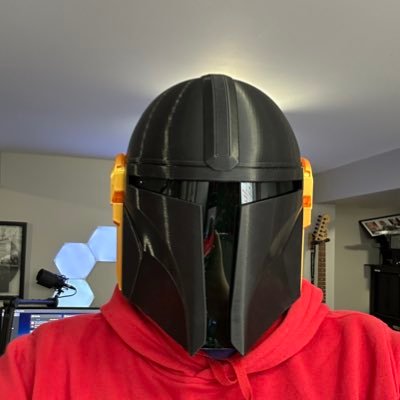
Aside from making and exploring, I like to help people achieve their goals through creative problem-solving.
Joined April 2022
- Tweets 1,036
- Following 500
- Followers 772
- Likes 3,527
363 Photos and videos
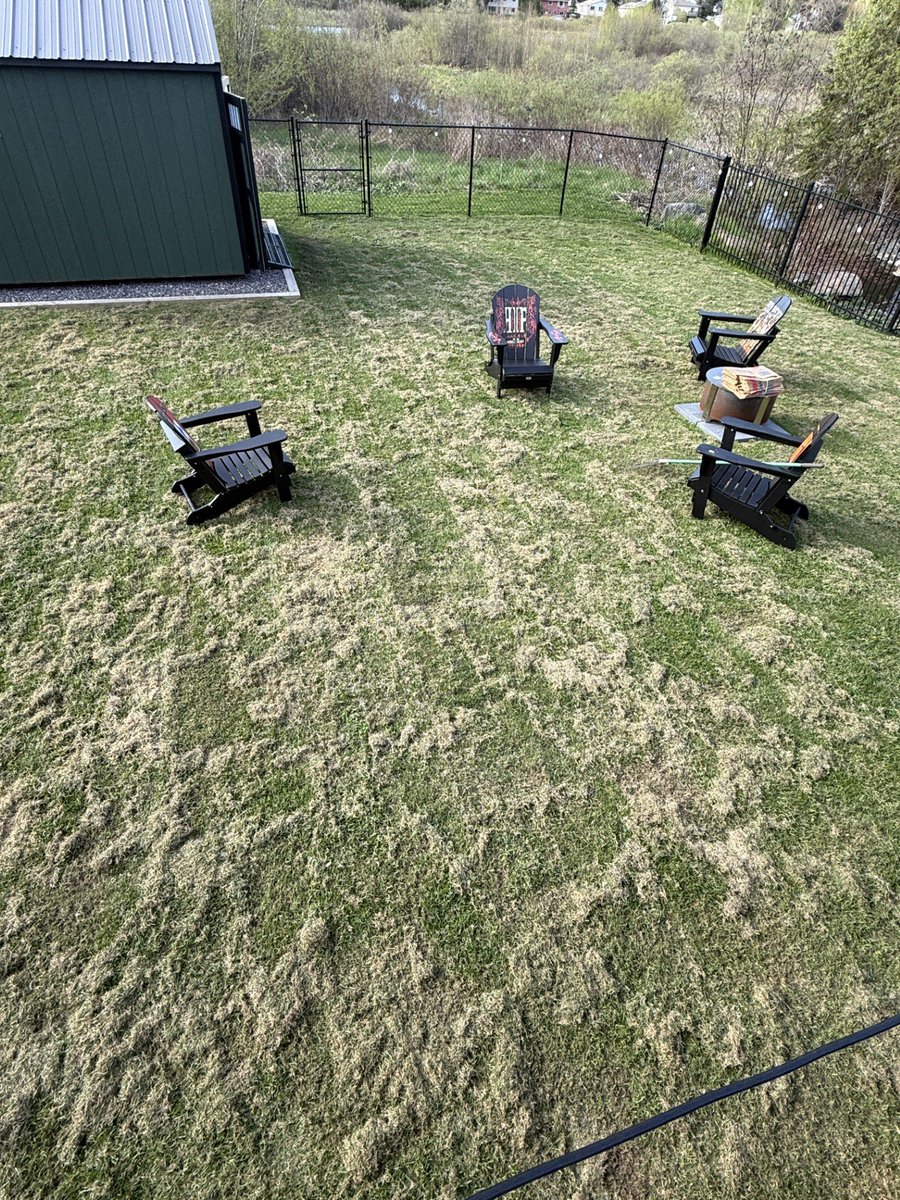

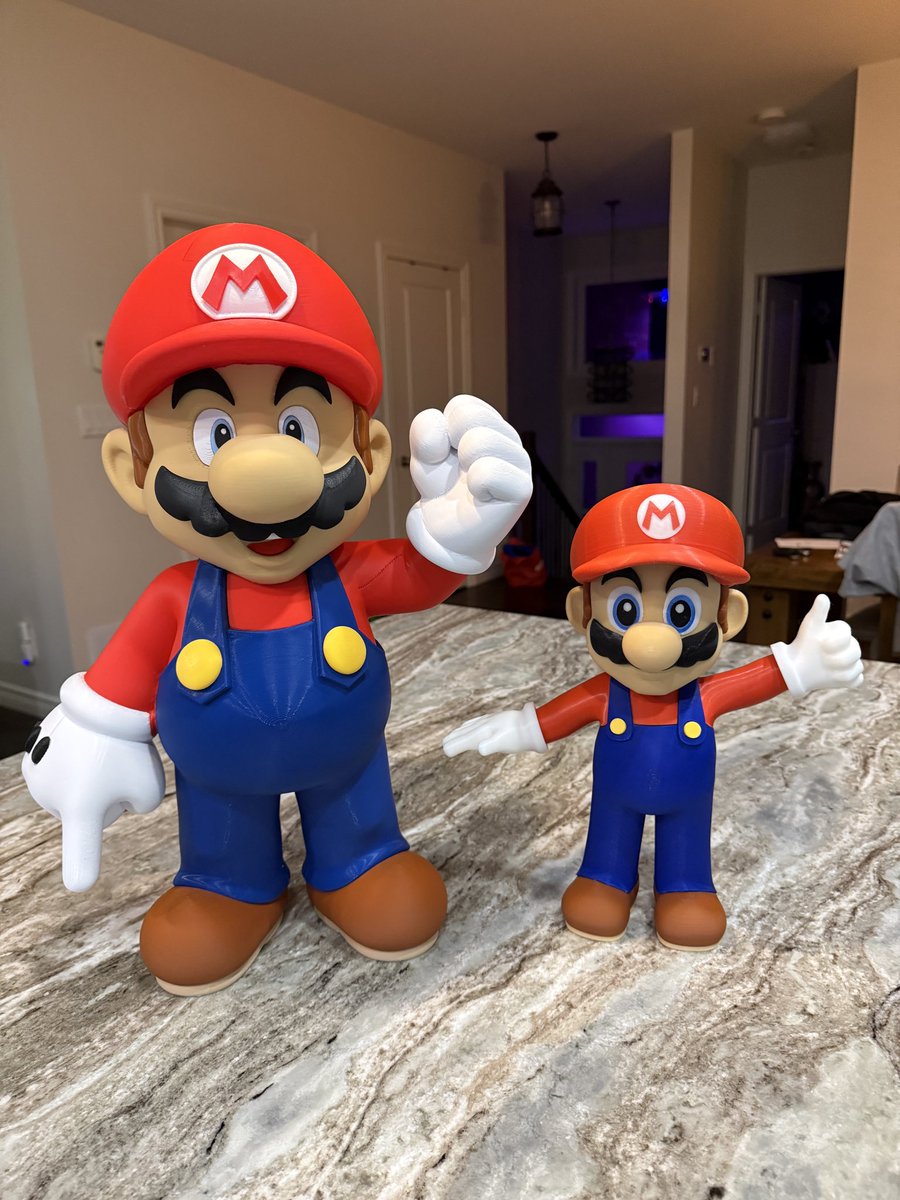
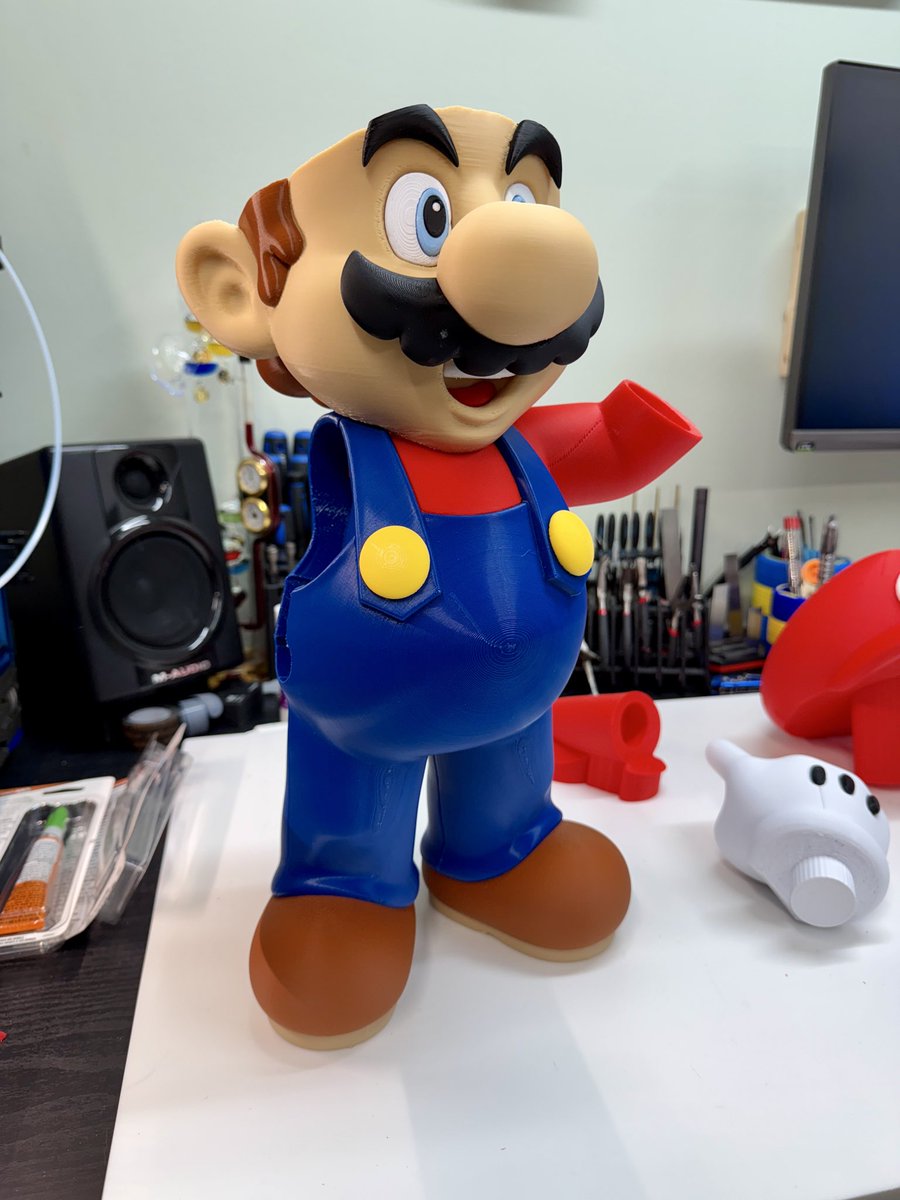
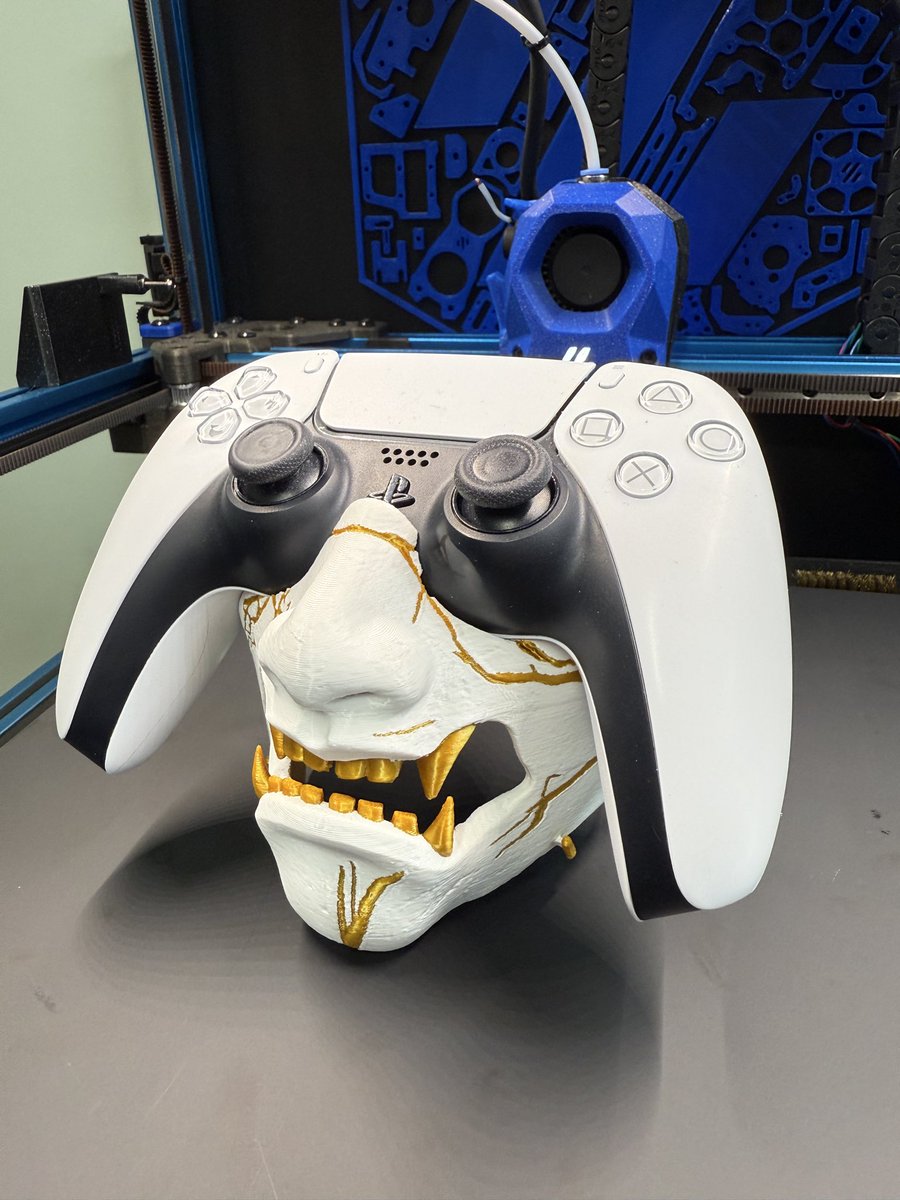
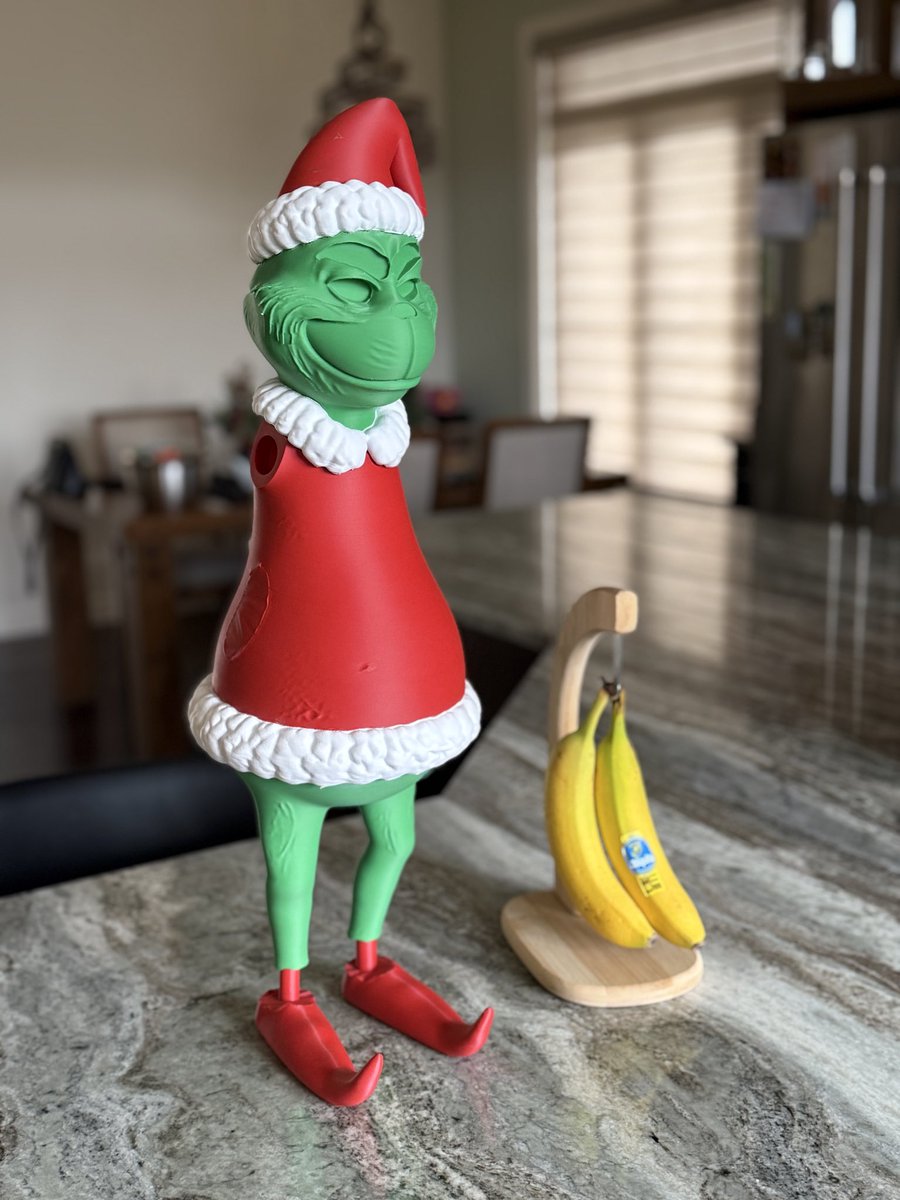
I've never de-thatched my lawn before. There was a LOT of dead grass that needed to come out. 5 bags just for the backyard.
1
3
83
I've been meaning to share a pic of the notebook cover I got from Greg, and I still will. But for now I will simply say these are EXTREMELY well made. I was VERY impressed when mine was delivered. My only complaint is it doesn't come in black lol

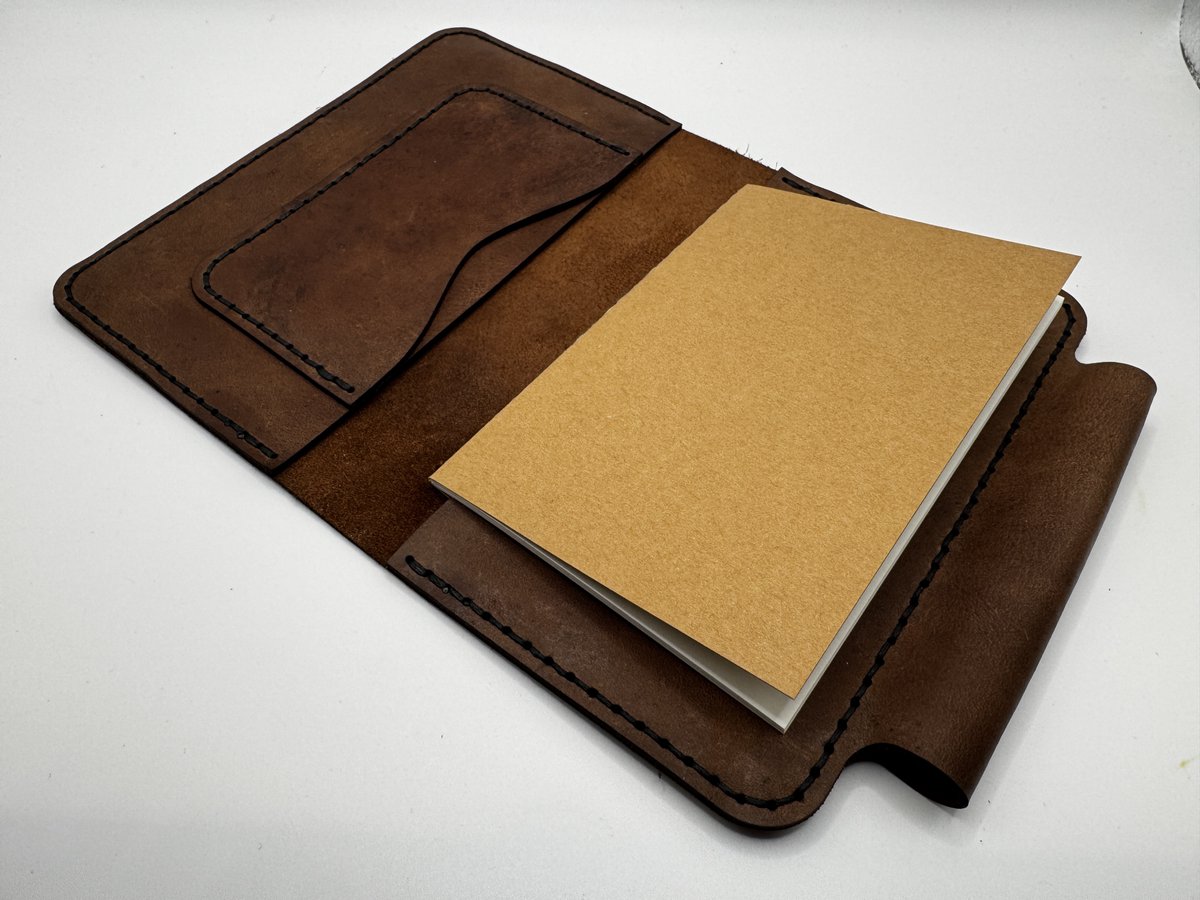
Got a few more notebook covers I am trying to finish up. Just posted this one to eBay! This leather has some nice character.
1
4
172
Creative Bear retweeted

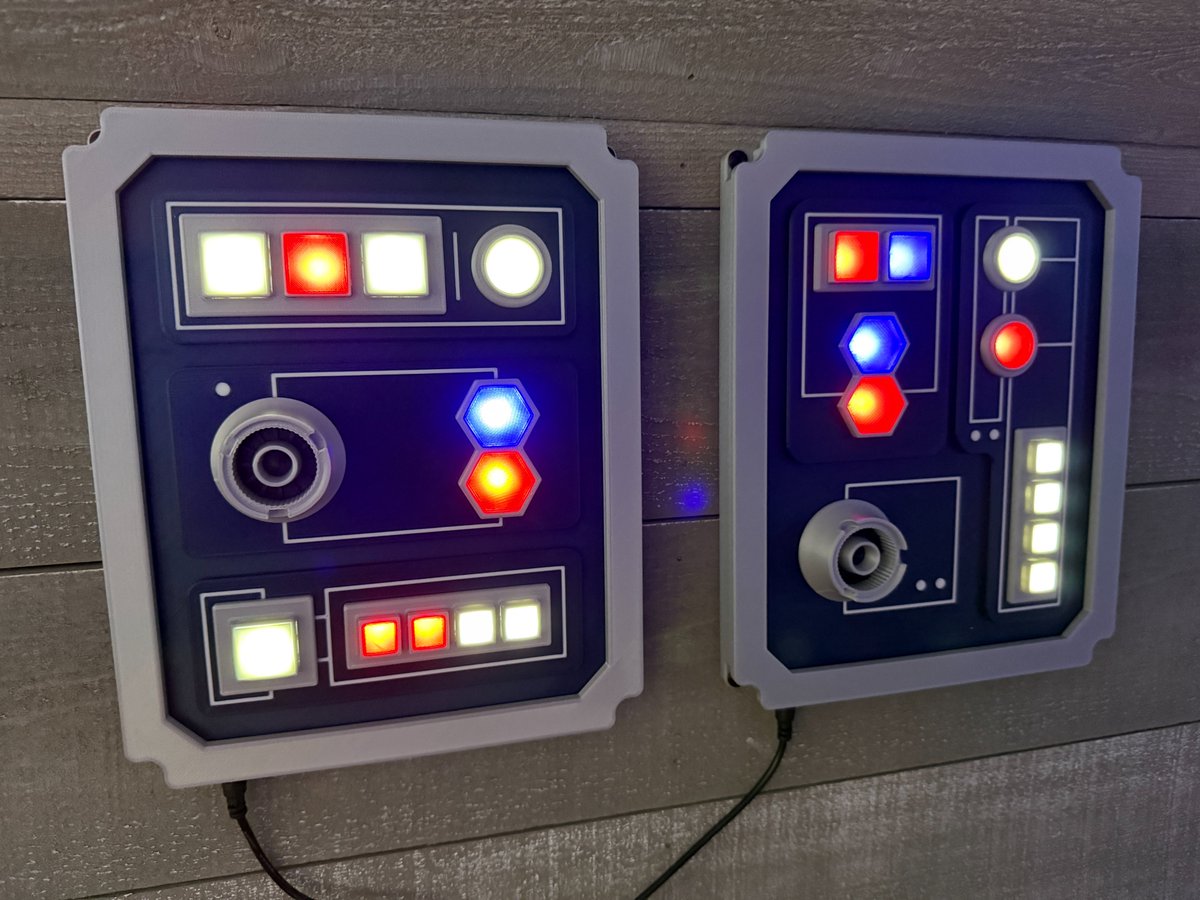
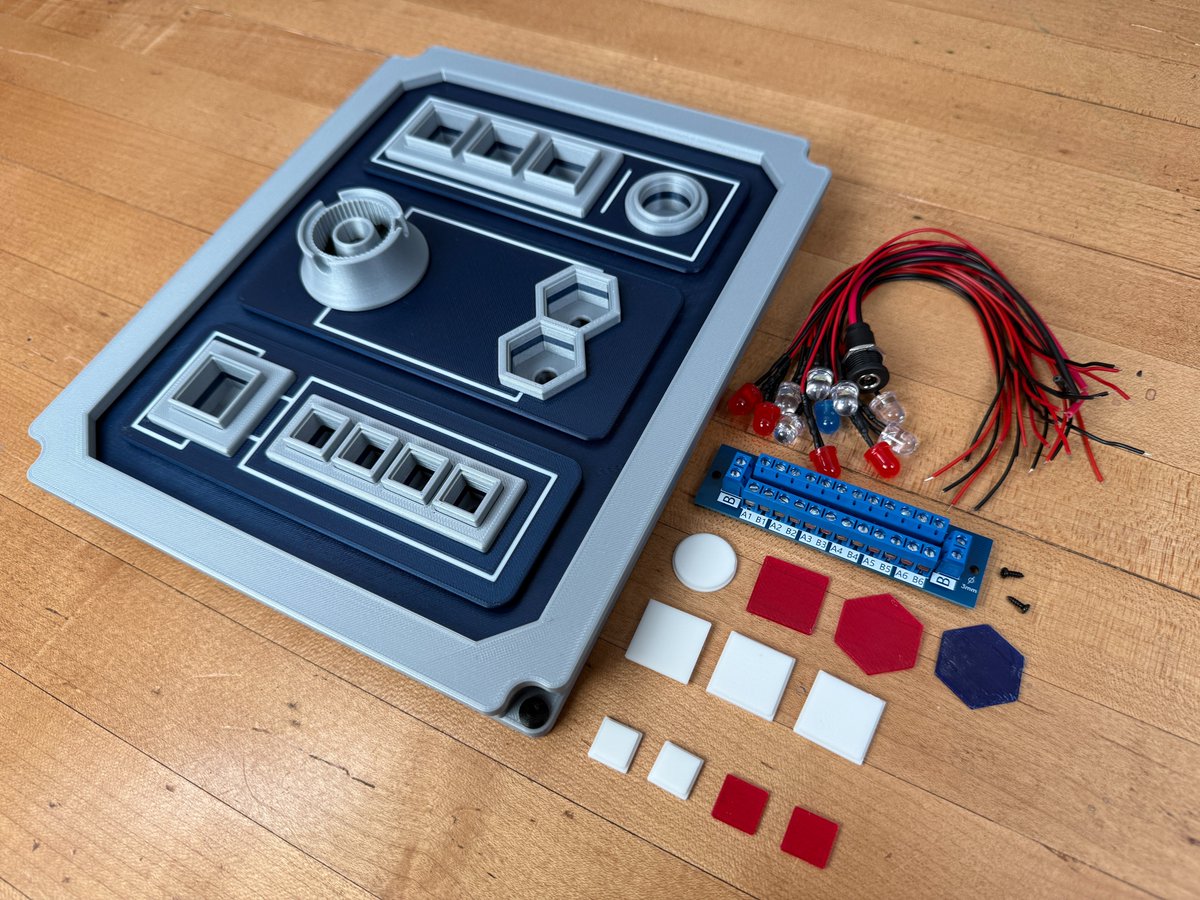
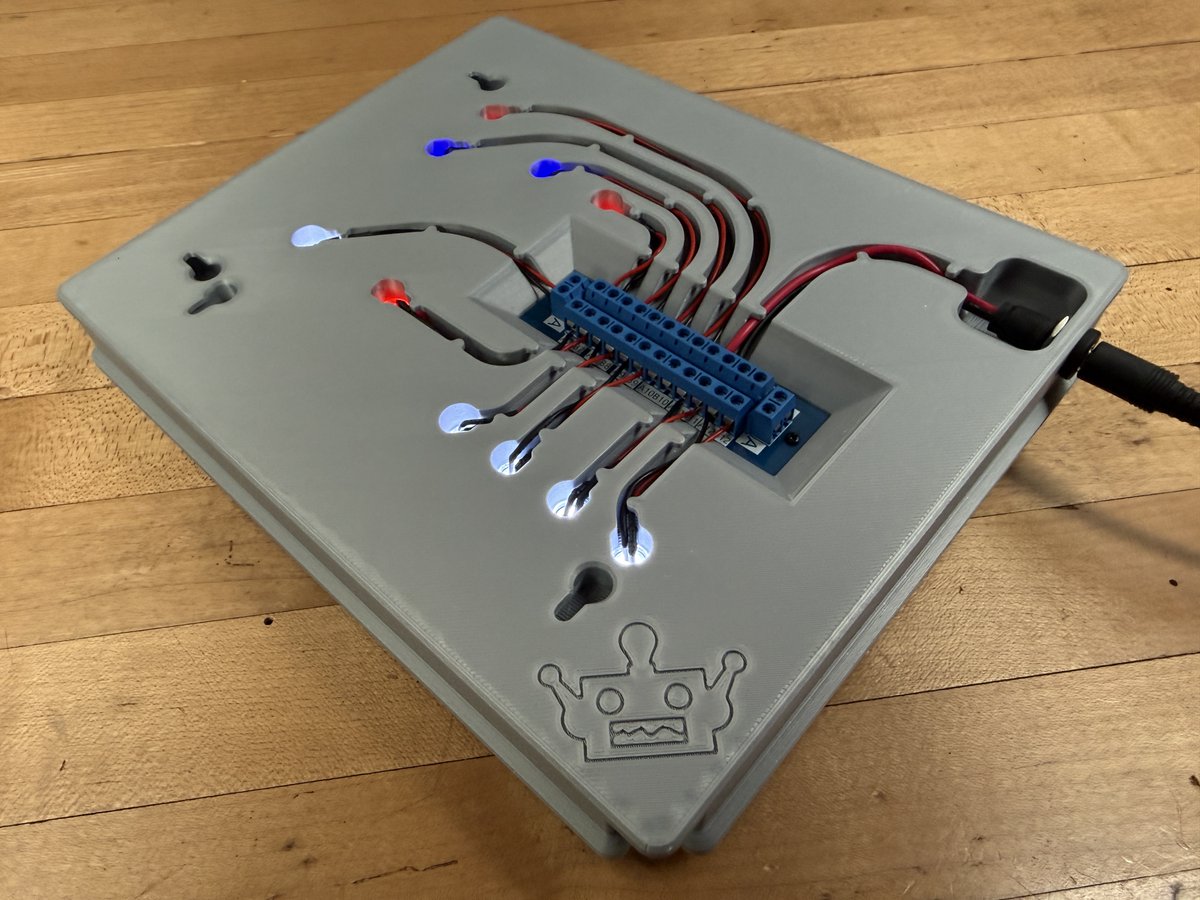
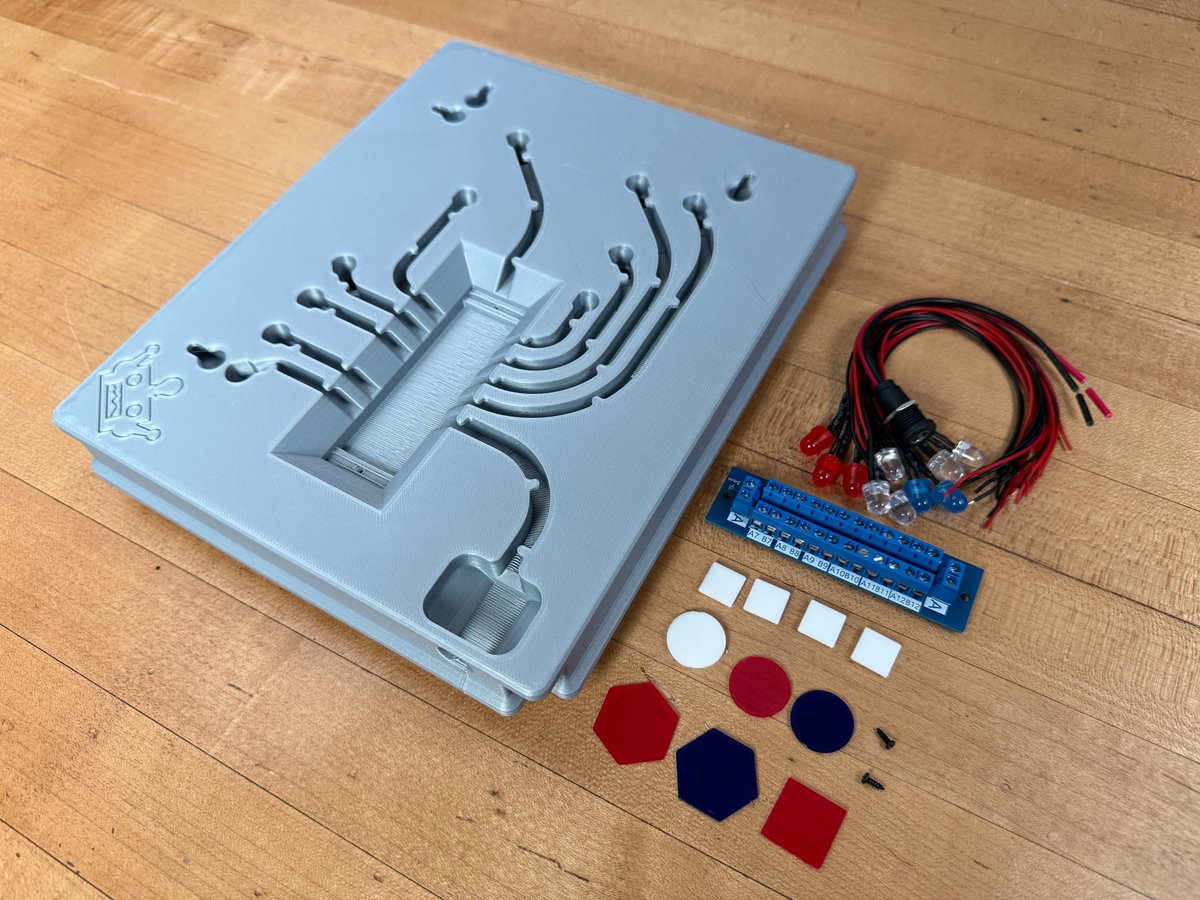
These controls panels are a super fun little electronics project. I really enjoyed designing them, I'm excited to get them mounted on my office wall. Find STL's and links to the components on @Thangs3D.
Download:
#1 than.gs/m/1525493
#2 than.gs/m/1525494
2
5
31
1,222
Creative Bear retweeted

If you’re on Windows, never, ever, ever, ever run a random EXE file from the internet.

23
5
64
8,436
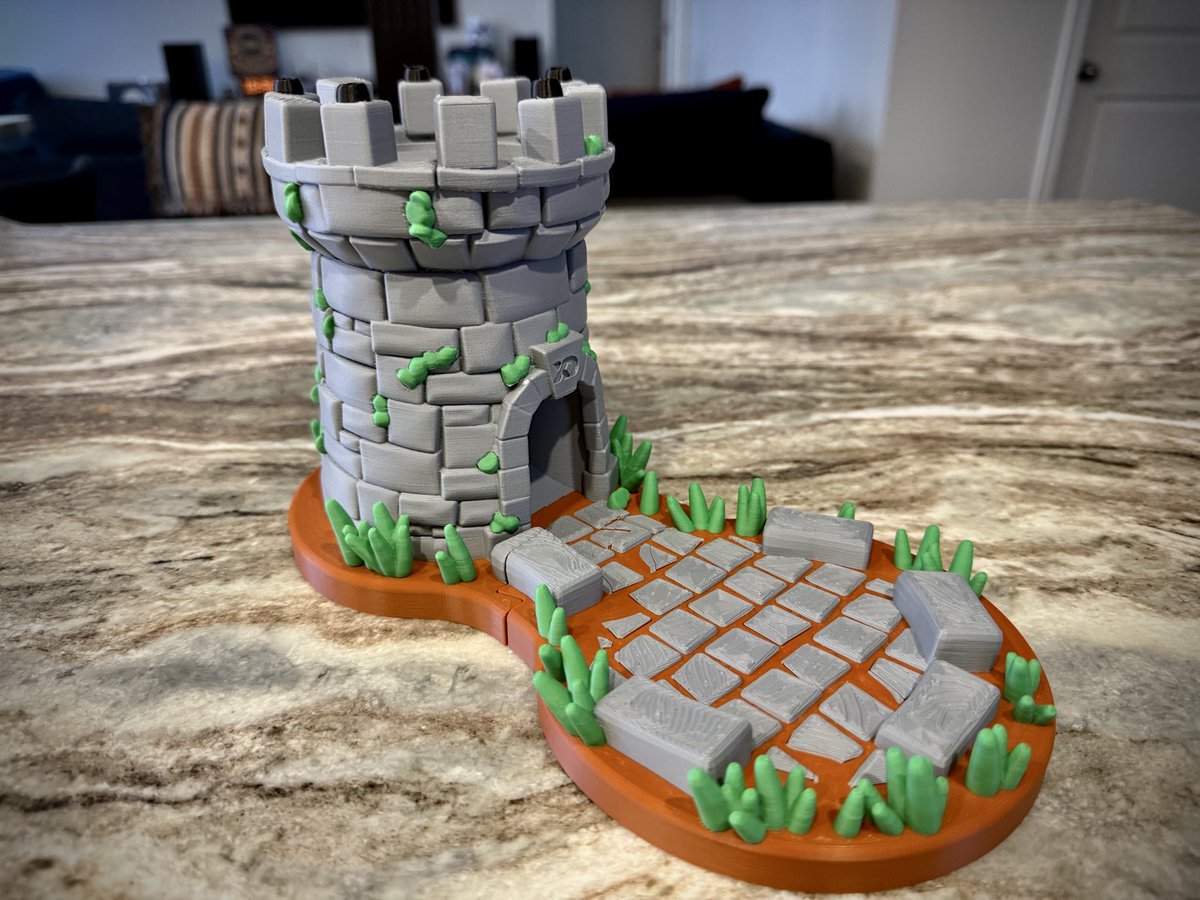
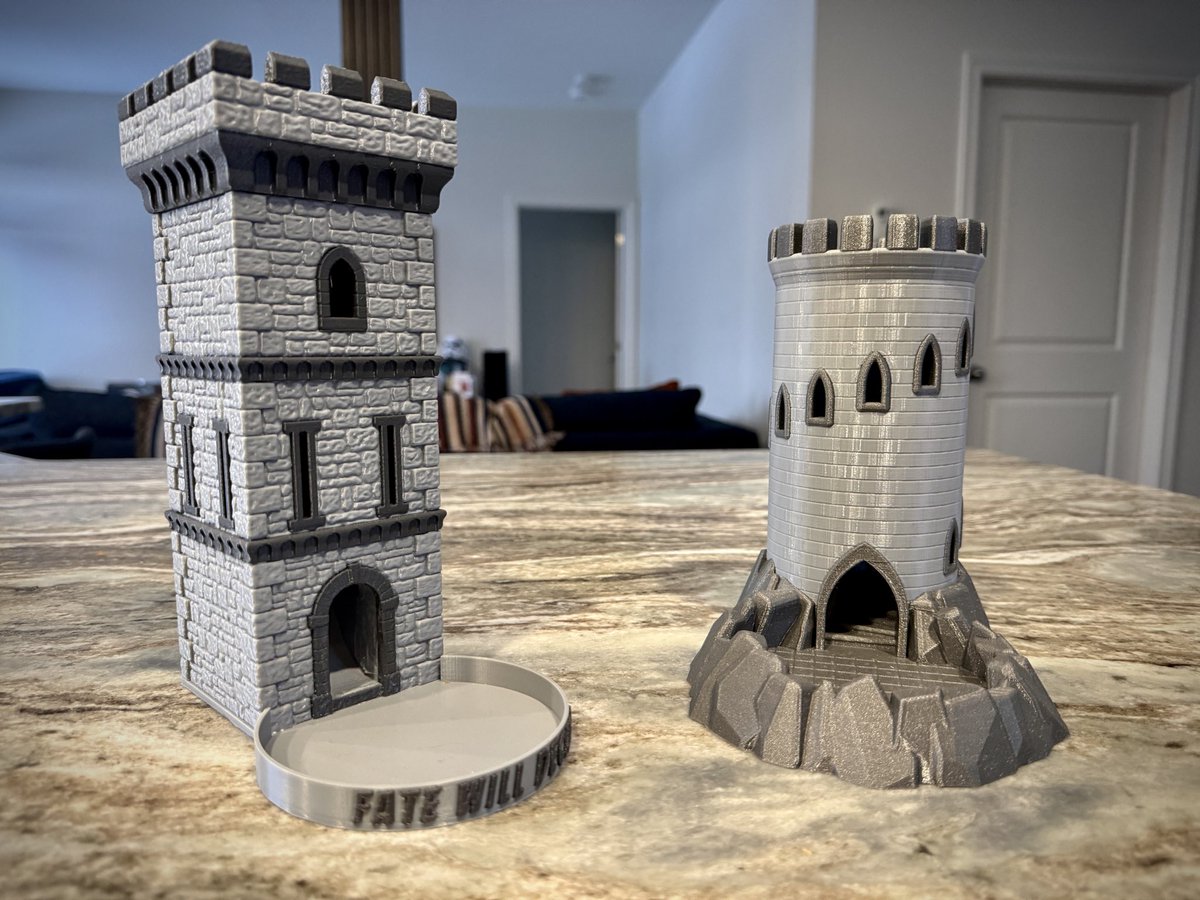
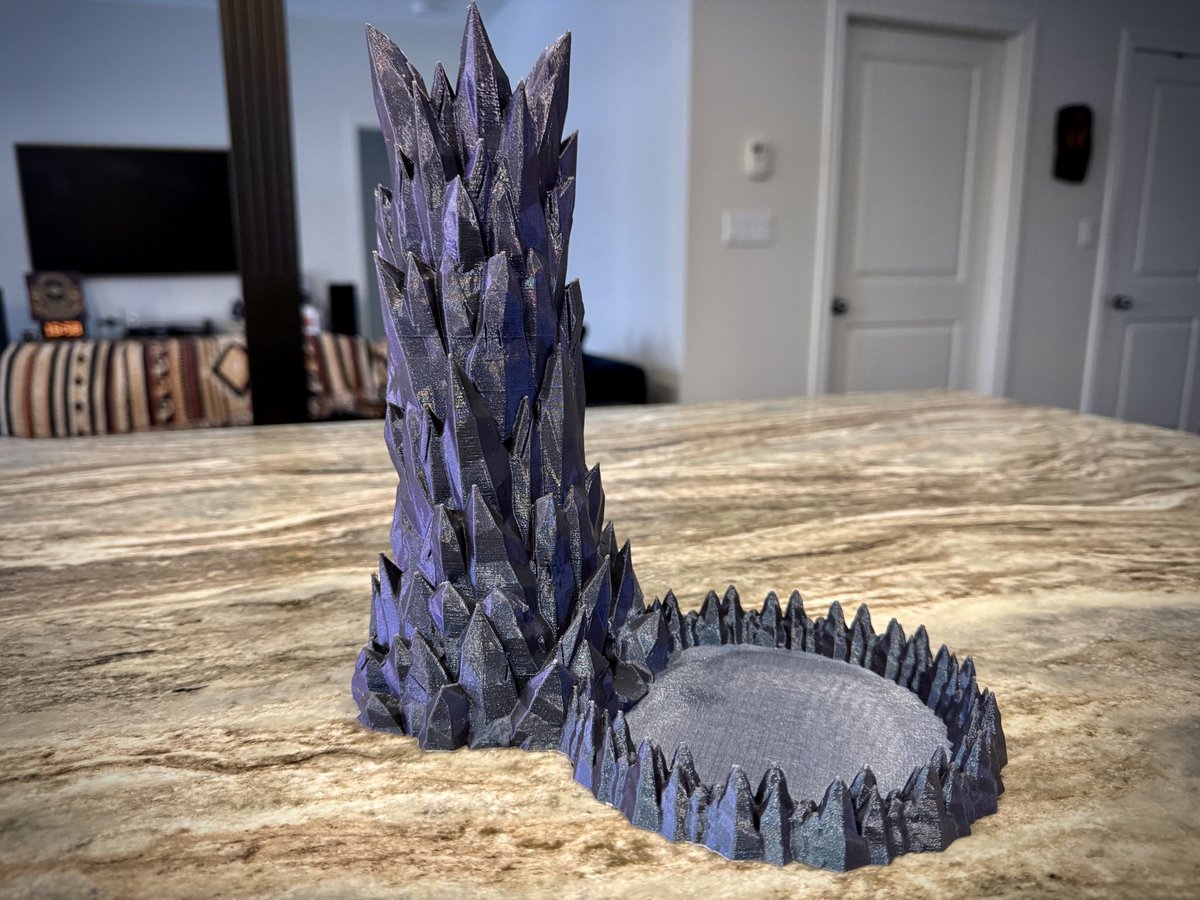
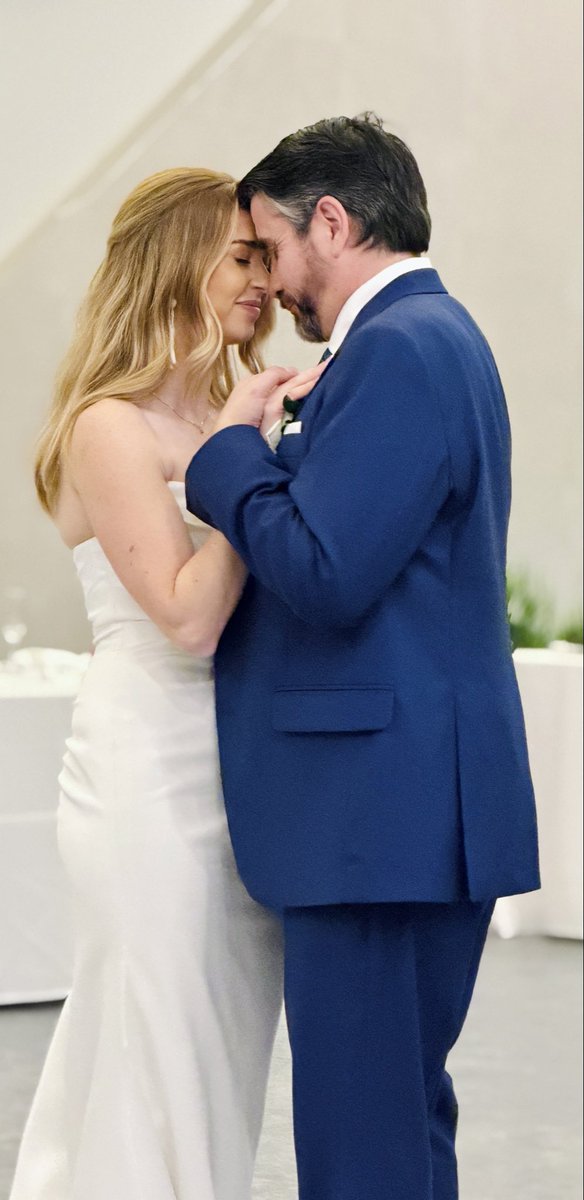
This past week I had the honour of marrying @cyberPam95 in a place that means a lot to us, Jamaica. Best day of our lives!
Yes, 3D printed items helped with some of the decor 😎
3
1
8
276
Creative Bear retweeted

Hot Take
.3mf files suck
they are not universally usable between slicers and printers and I'm constantly loading / reloading files and at this point I'd rather just have an STL with basic settings outlined in the file description
43
7
198
12,728

19 Dec 2025
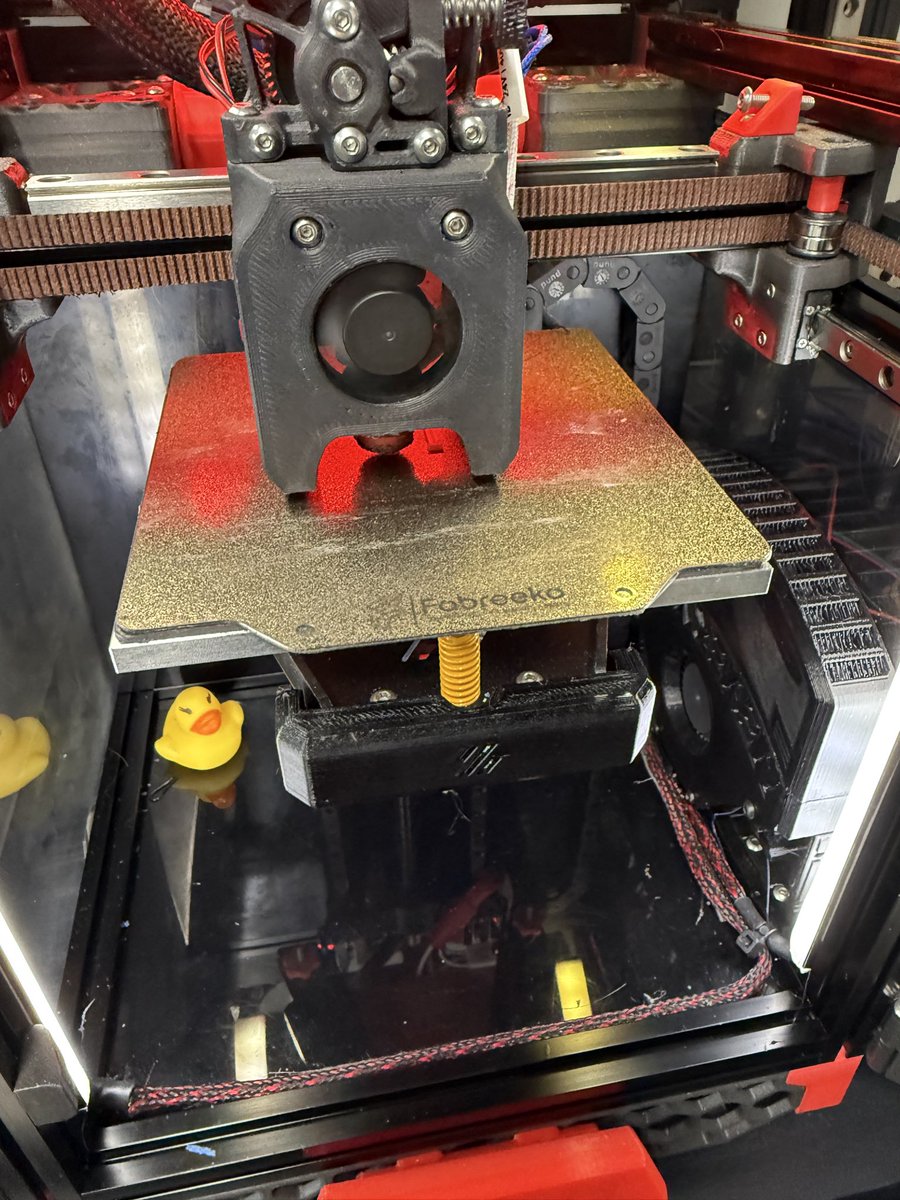
This is my most reliable printer. To be fair it pushes less plastic than the big guys. But it has been so dependable, and it has saved my arse a few times *knocks on wood*
1
67
19 Dec 2025
We have a completed chases. Just need to finish printing the body and remote. I guess I’ll find something else to work on while I wait for the printers to finish.
45
18 Dec 2025
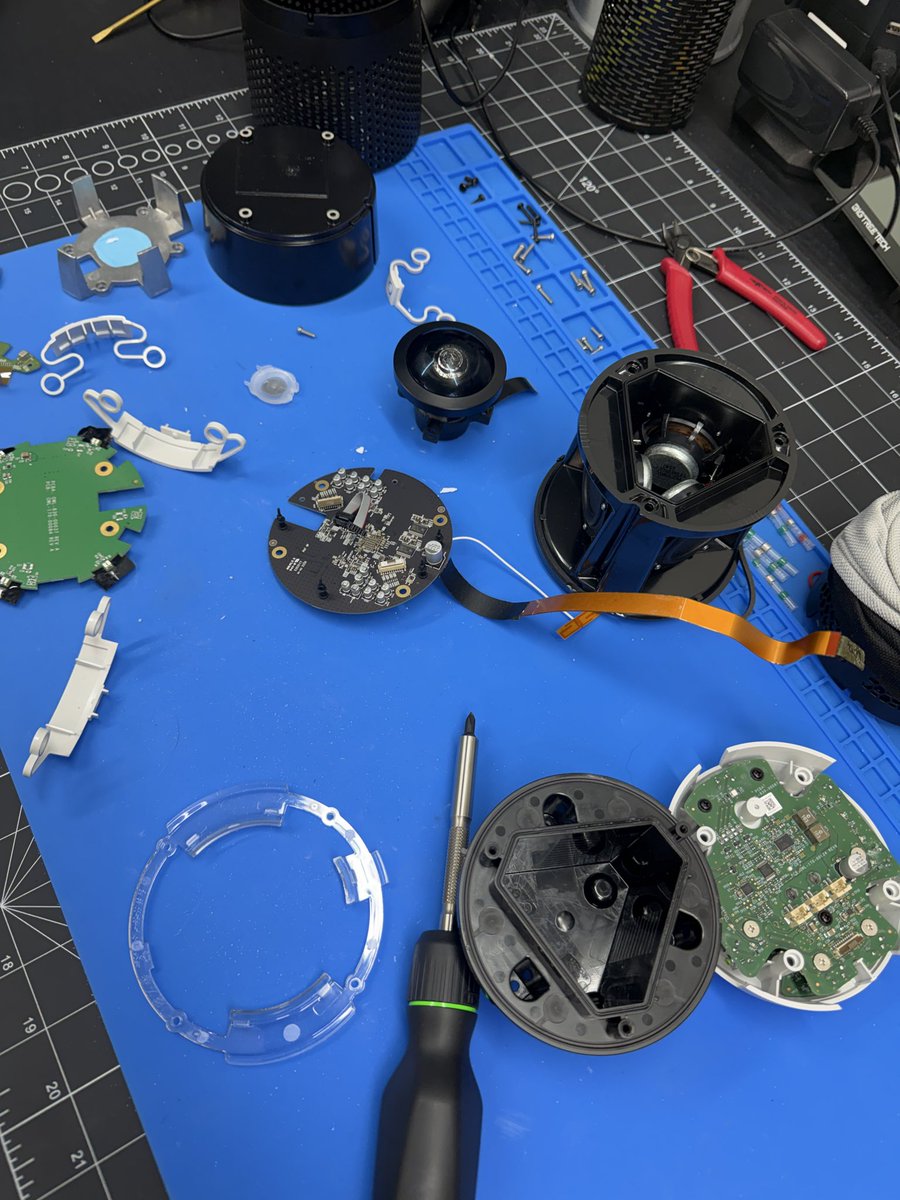
It is unfortunate that @OwlLabs doesn’t sell replacement parts. Their Meeting Owl would be easy to repair otherwise. Only the lens is broken on this one.
Could have been a 30 minute repair. Now it’s e-waste because it’s out of warranty.
1
1
3
121
18 Dec 2025
From the way it looks, you would think it would be hard to disassemble, but when you know how, it’s just a lot of screws. Not a lot of plastic clips or other stuff that usually breaks when you tear it down.
1
43
Creative Bear retweeted

15 Dec 2025
It seems like a lot of commenters don’t fully understand why you would want a high chamber temperature. For materials like PLA and PETG, an enclosed printer can be helpful mainly to block cold drafts that might cause parts to lift or warp off the bed, but those materials generally prefer a low ambient air temperature and strong part cooling. This is why many enclosed printers recommend leaving doors open or actively venting when printing PLA, and why some machines include automatic exhaust systems to prevent the chamber from heating up too much.
Materials like ABS, ASA, Nylon, and Polycarbonate behave very differently. These materials generally benefit from, and in some cases require, a much warmer ambient air temperature to reduce thermal gradients within the part (carbon/glass filled materials dramatically help too). Keeping the entire print warm improves layer bonding, reduces internal stress, and dramatically lowers the chance of warping or cracking. A basic enclosure helps by trapping heat generated by the heated bed, but relying on the bed alone places a hard limit on how warm the chamber can get. Insulating the enclosure improves heat retention, but the most effective solution is adding an auxiliary heat source, commonly referred to as a chamber heater.
A chamber heater allows you to actively set and maintain a target chamber temperature, often controlled through the printer or slicer, such as 60-70C for materials like ABS or ASA. The heater cycles on and off to hold that temperature consistently and also shortens warm-up time before a print starts, which is especially important for large or long-running jobs.
Chamber heaters must be integrated safely. This typically means using a properly rated solid state relay to control heater power, redundant thermal safety cutoffs, correct grounding and electrical isolation, and firmware or controller integration so the heater shuts off automatically when a print finishes or if a fault occurs.
If you don’t have a chamber heater but still want stronger and more reliable prints, a common approach is to heat soak the enclosure using the heated bed. By bringing the bed up to the final print temperature and holding it there for 10 to 20 minutes (depending on enclosure size and bed power), the chamber air, frame, and motion components can reach a more stable temperature. Many setups also use a bed fan mod to circulate warm air from the bed throughout the chamber, helping reduce temperature stratification and improving print consistency.
In short, chamber heaters aren’t about making every printer hotter all the time. They exist to give you control over the thermal environment when the material demands it. Once you move beyond PLA and PETG, controlling chamber temperature becomes an important factor in print reliability, part strength, and dimensional accuracy, not a luxury feature or a gimmick.
14 Dec 2025

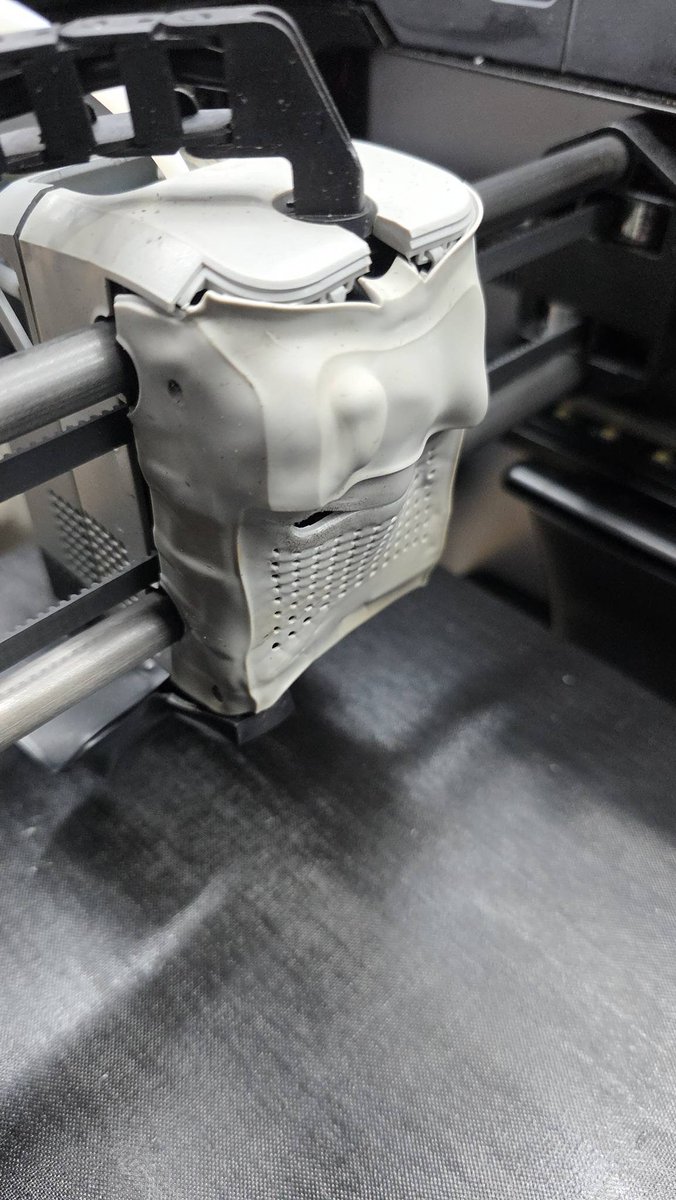
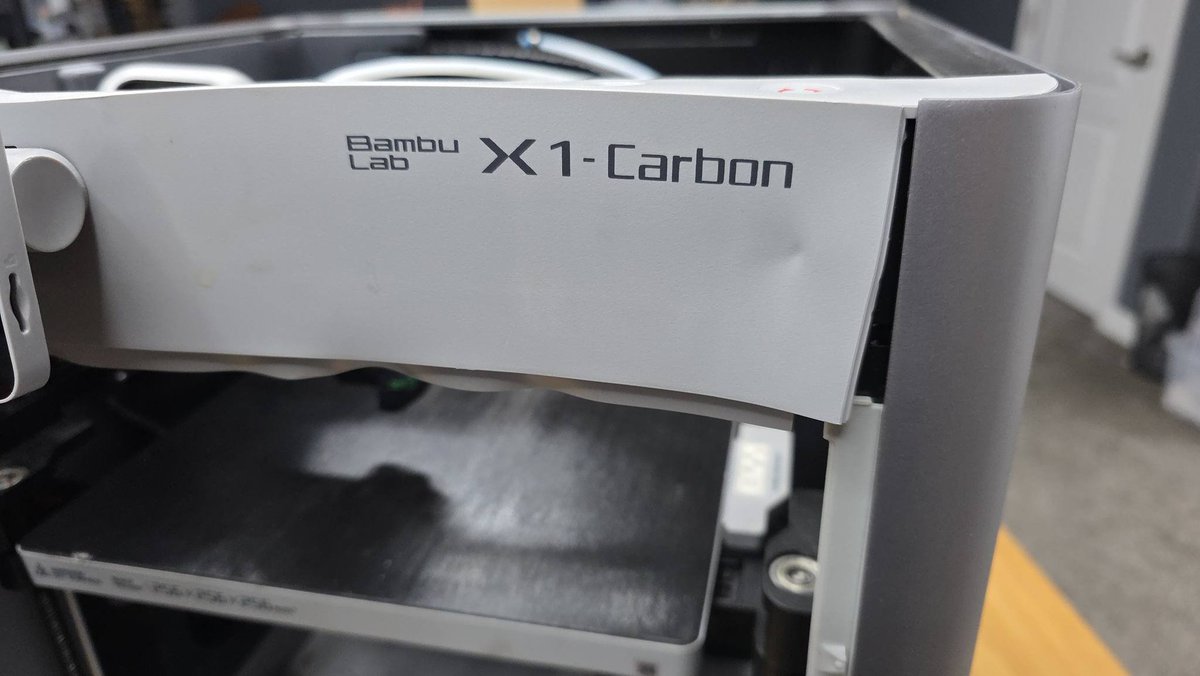
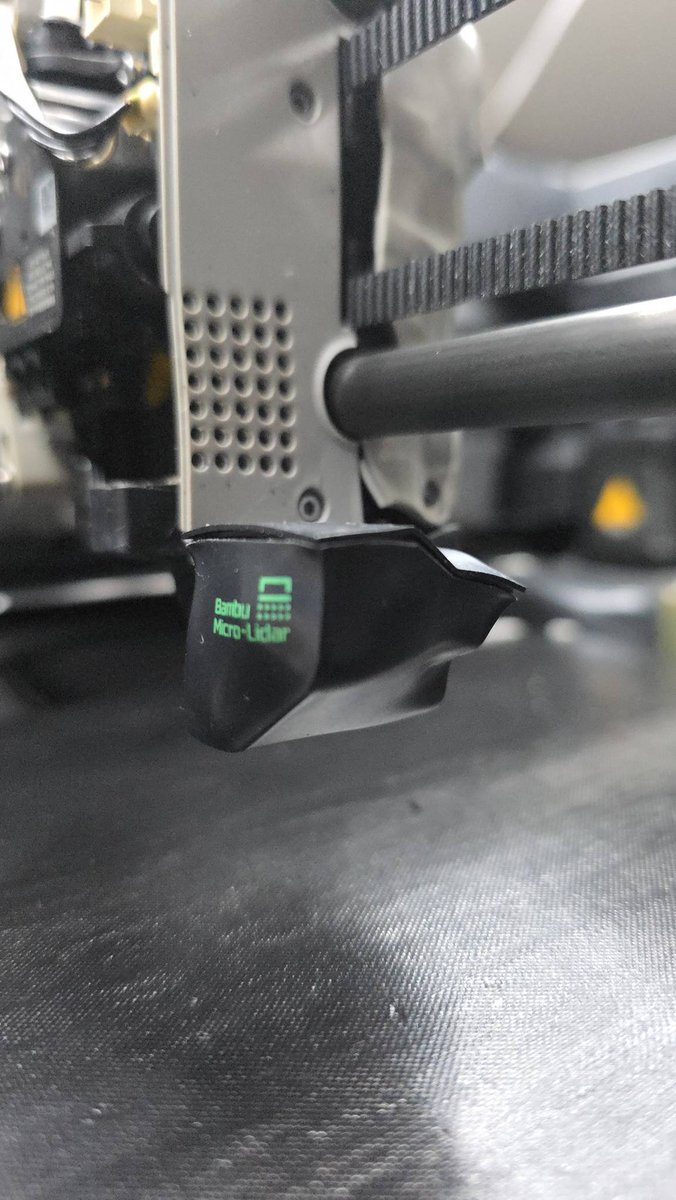
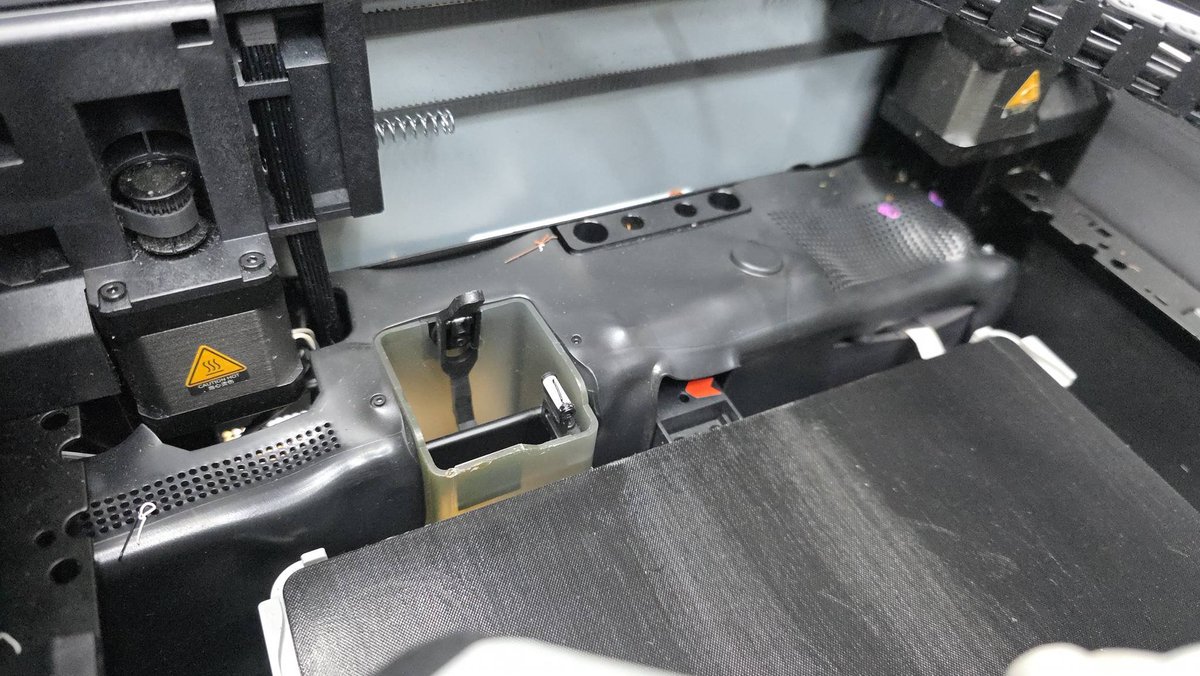
Do not use a space heater to uncontrollably preheat your chamber in any circumstance😅
Taken from Facebook
9
2
33
4,798
16 Dec 2025
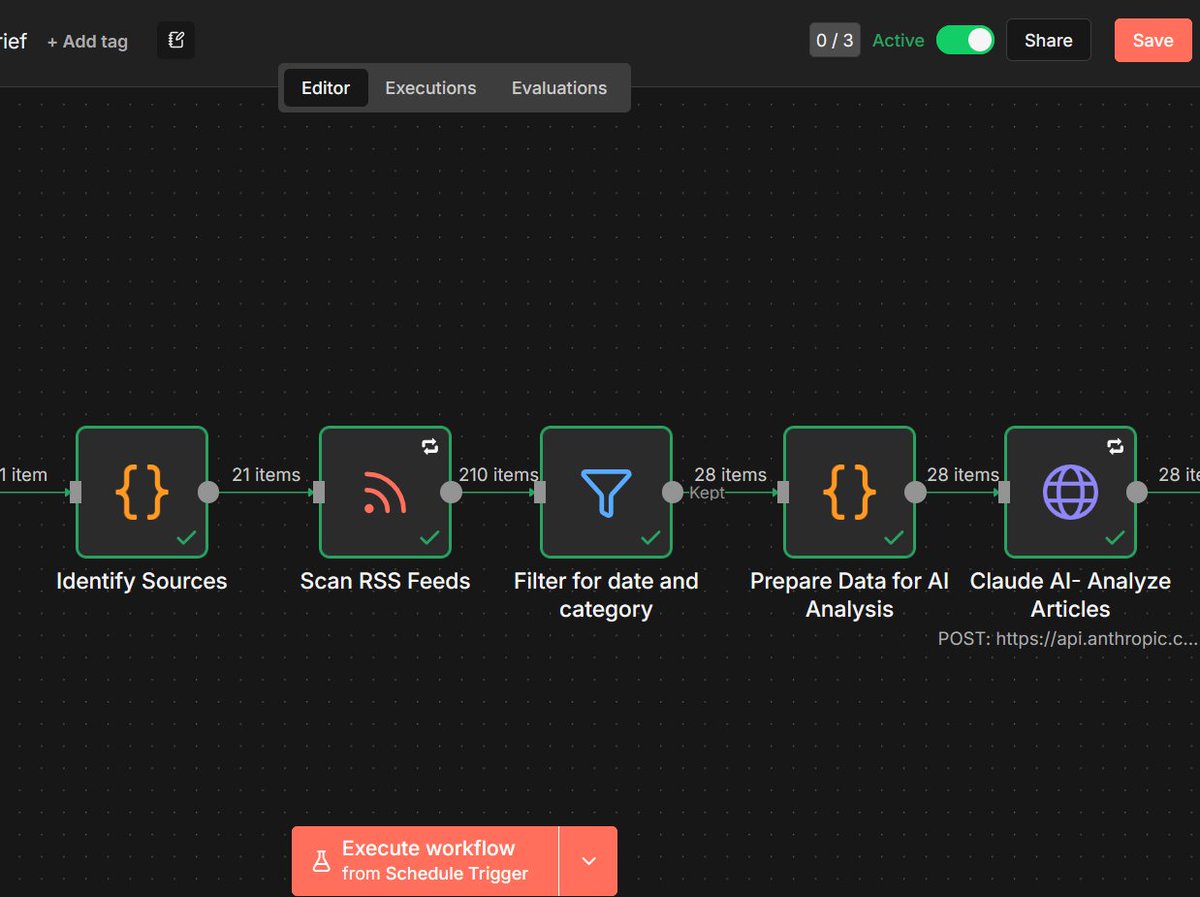
I understand why @ChrisPirillo is enjoying augmented coding so much. I started learning n8n along with AI assisted code writing. I just turned a process that occurs daily and takes 45-60min by a human into a task that is done in a few minutes by a computer; it is kinda scary.
2
3
7
1,369
8 Dec 2025
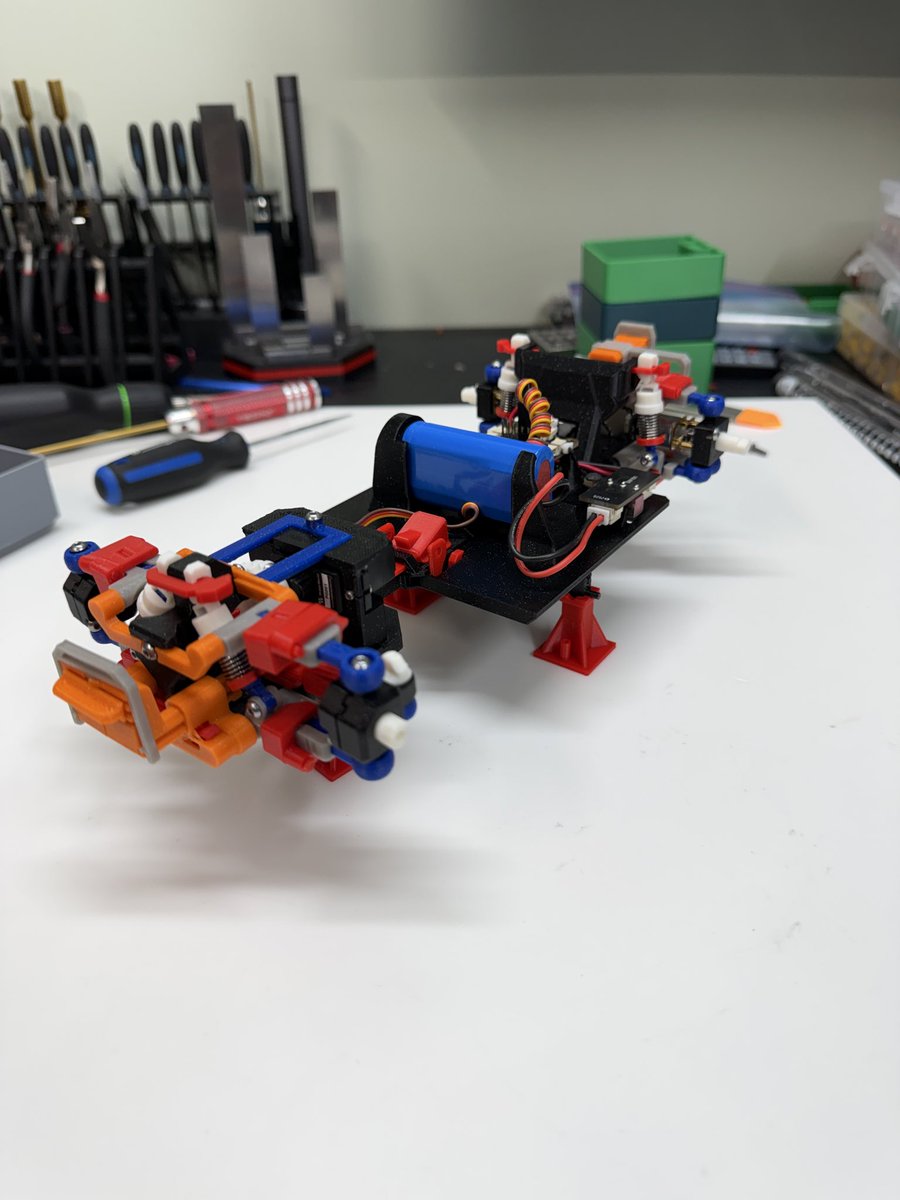
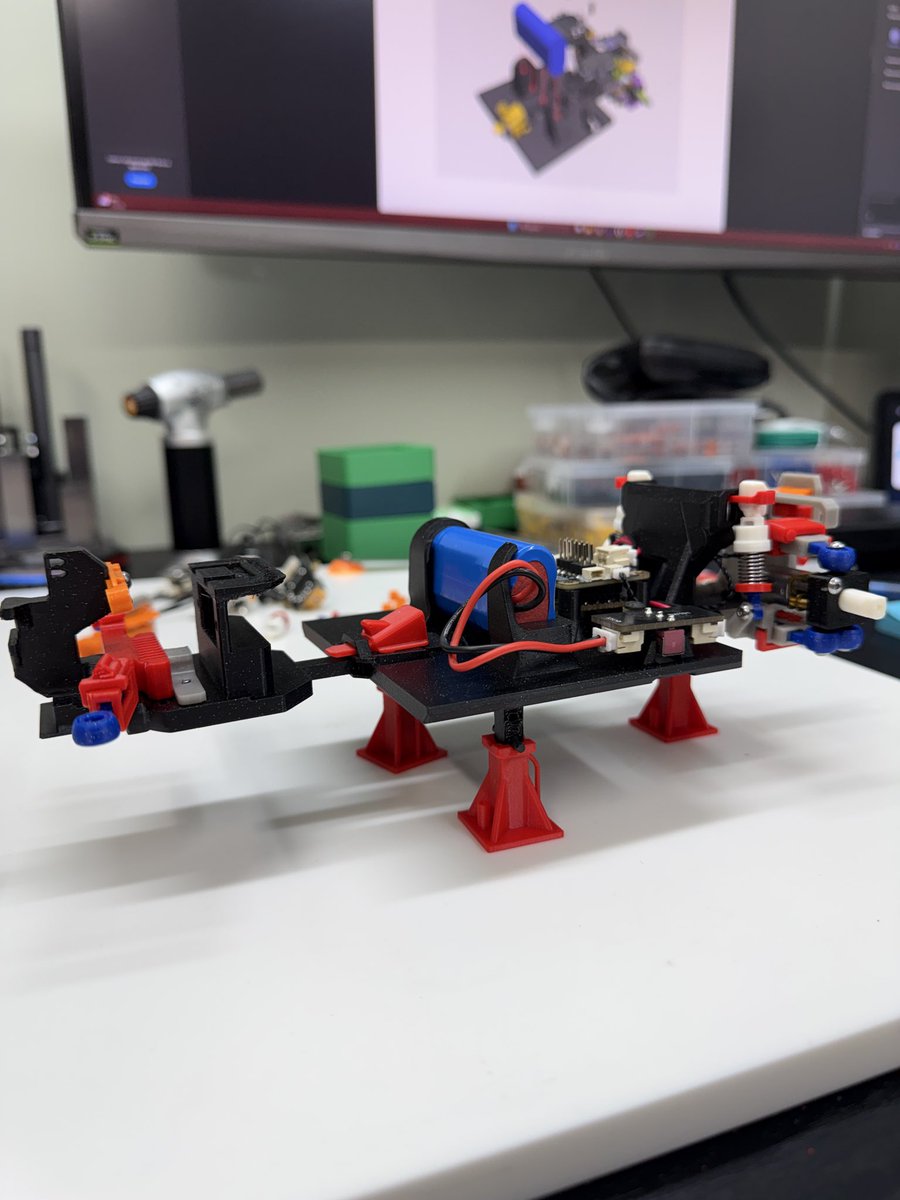
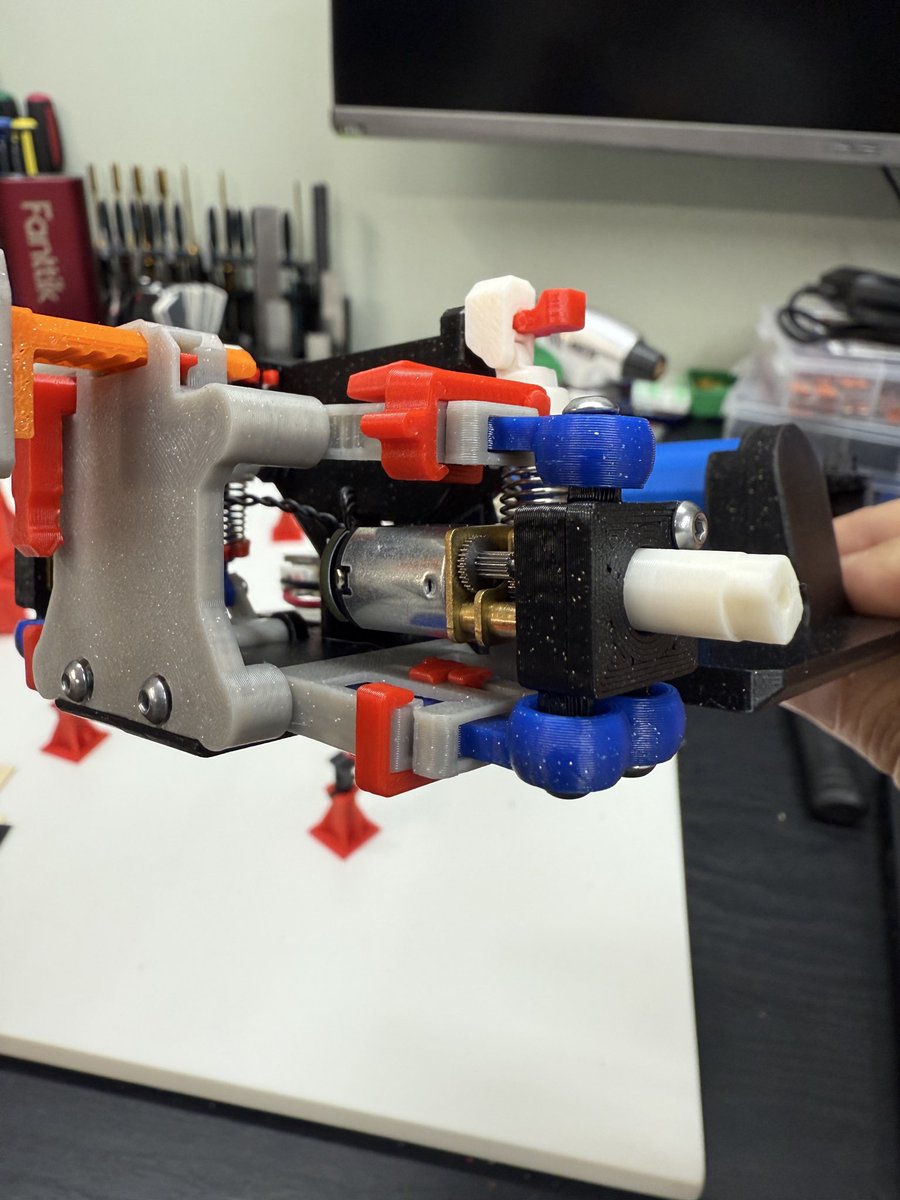
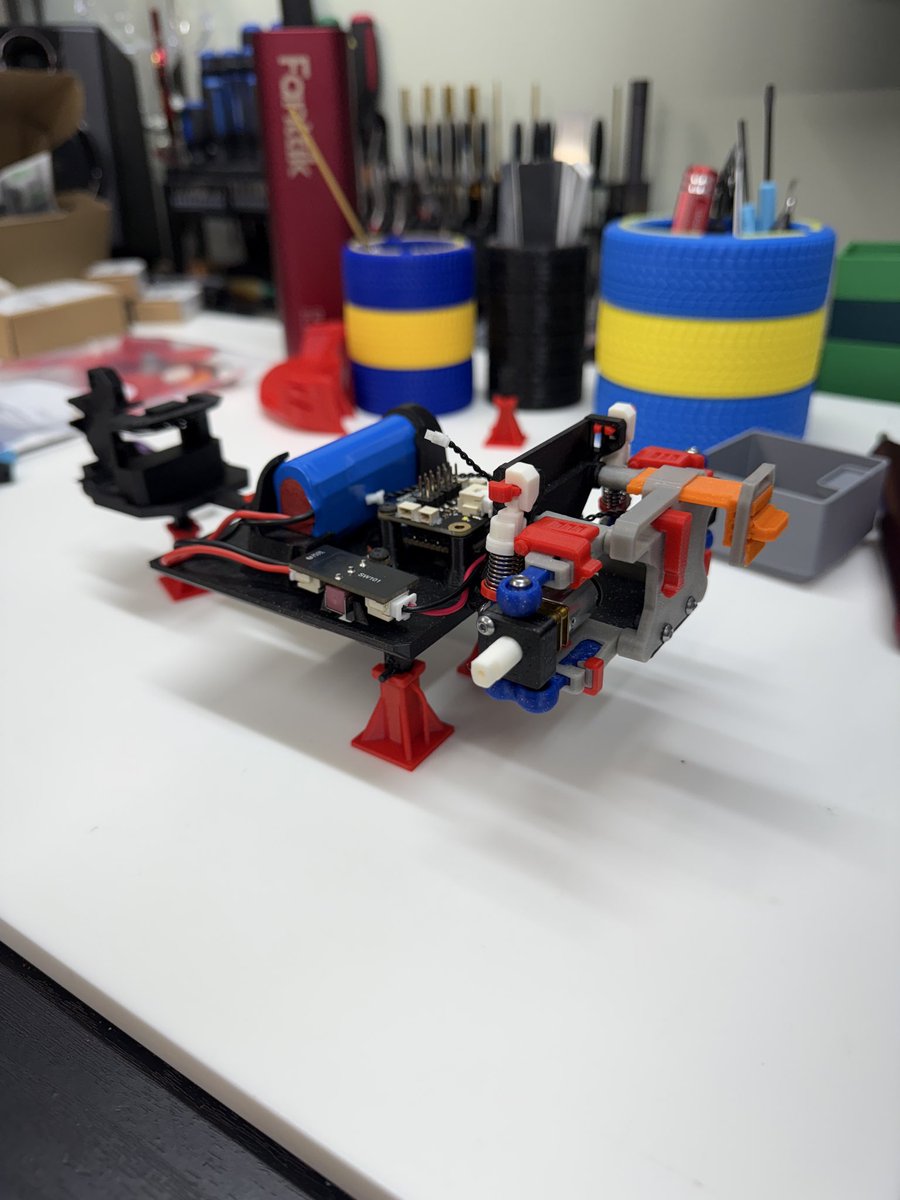
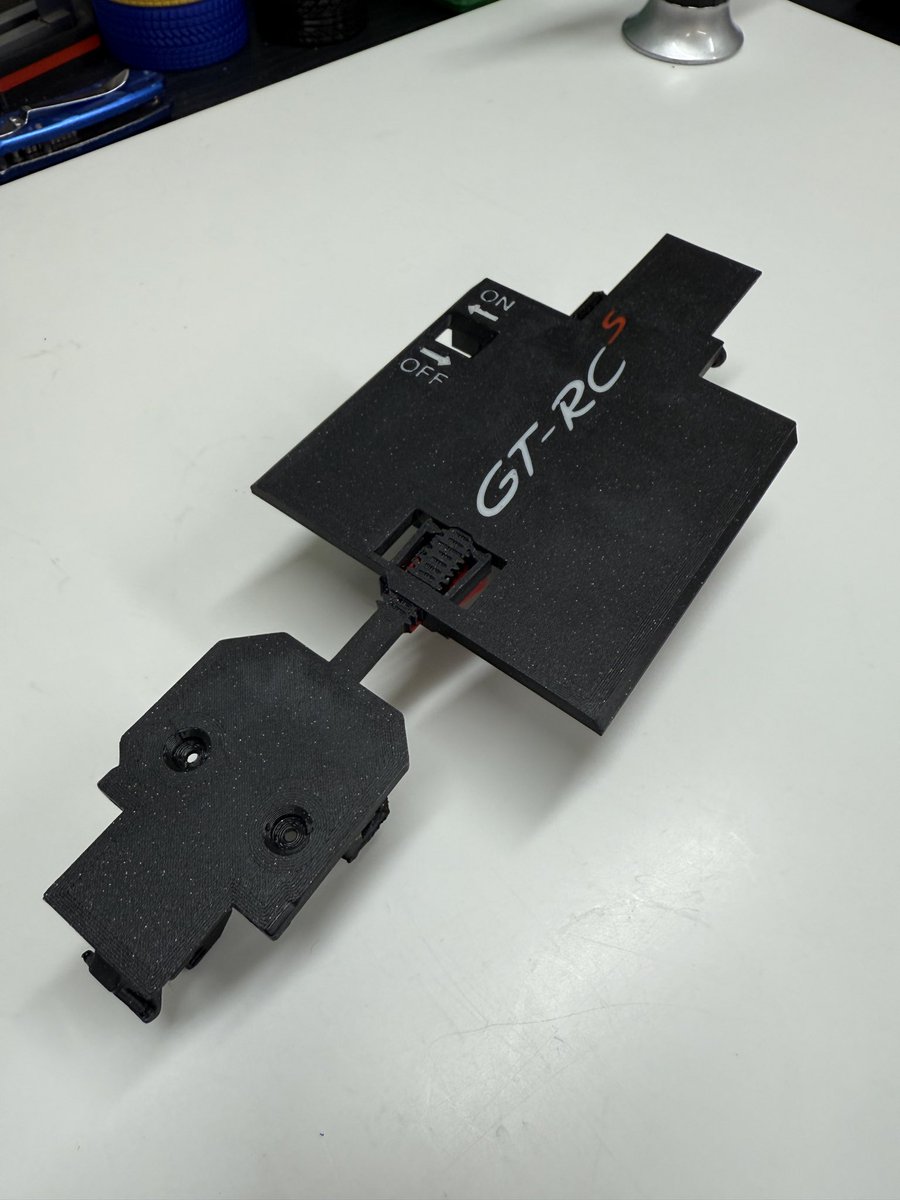
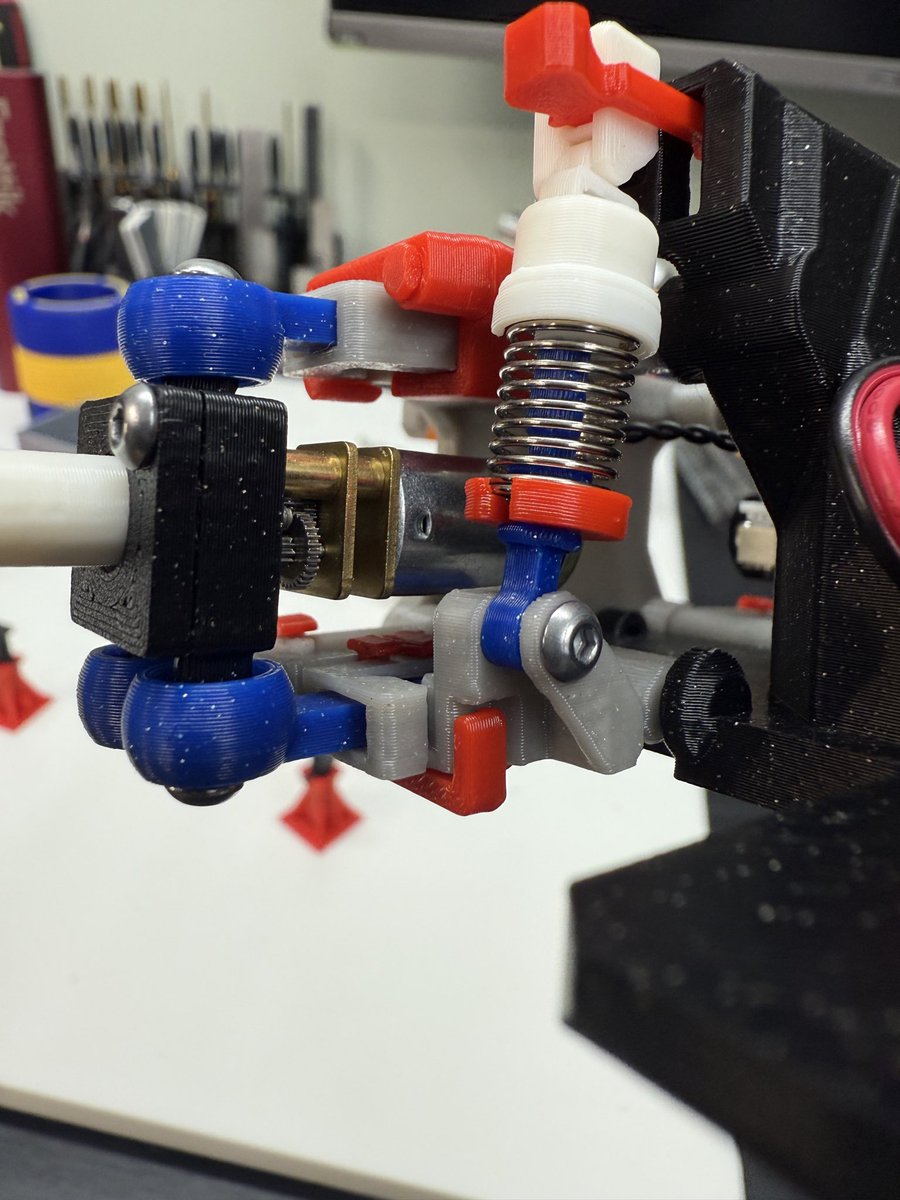
Been slowly working on this RC car build for about a week. Everything is being printed with ABS.
This model is going together exceptionally well so far.
1
1
5
331
30 Nov 2025
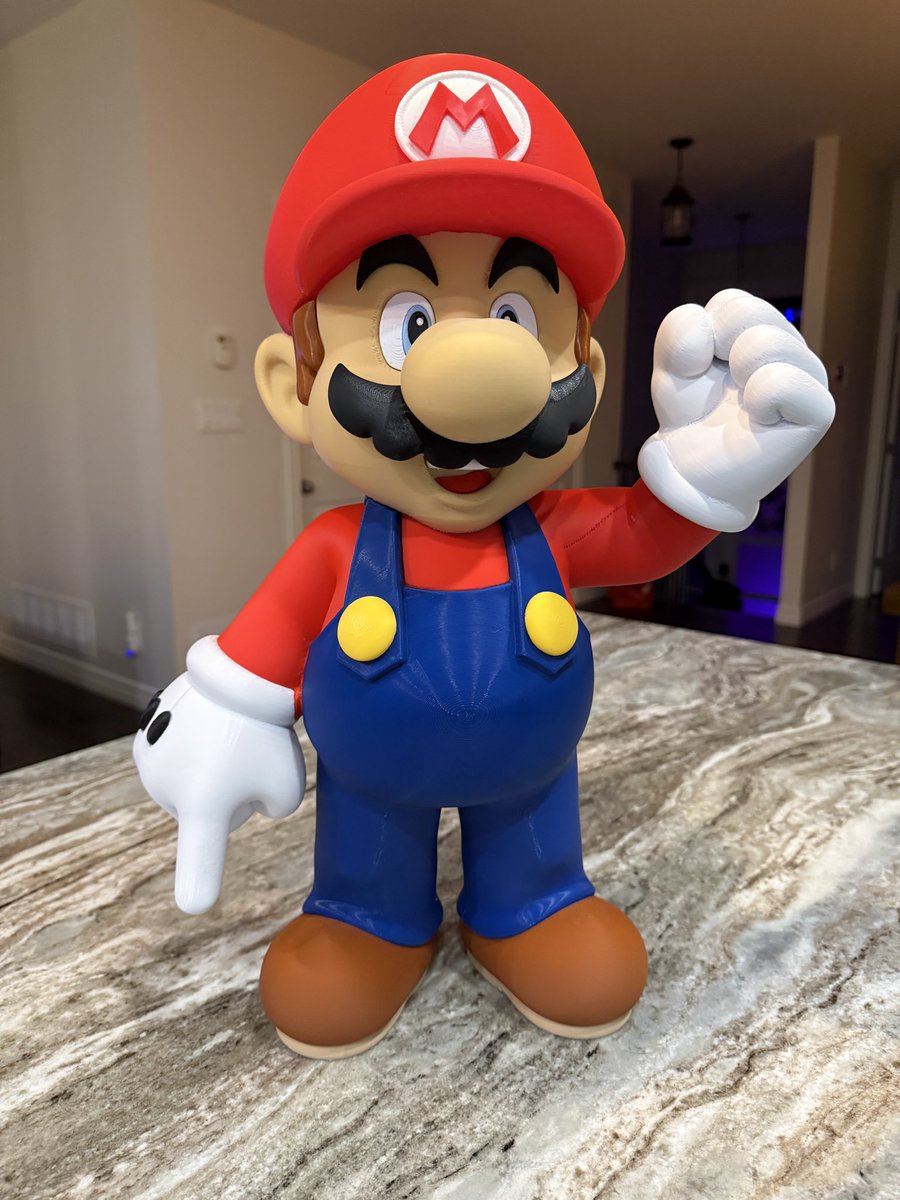
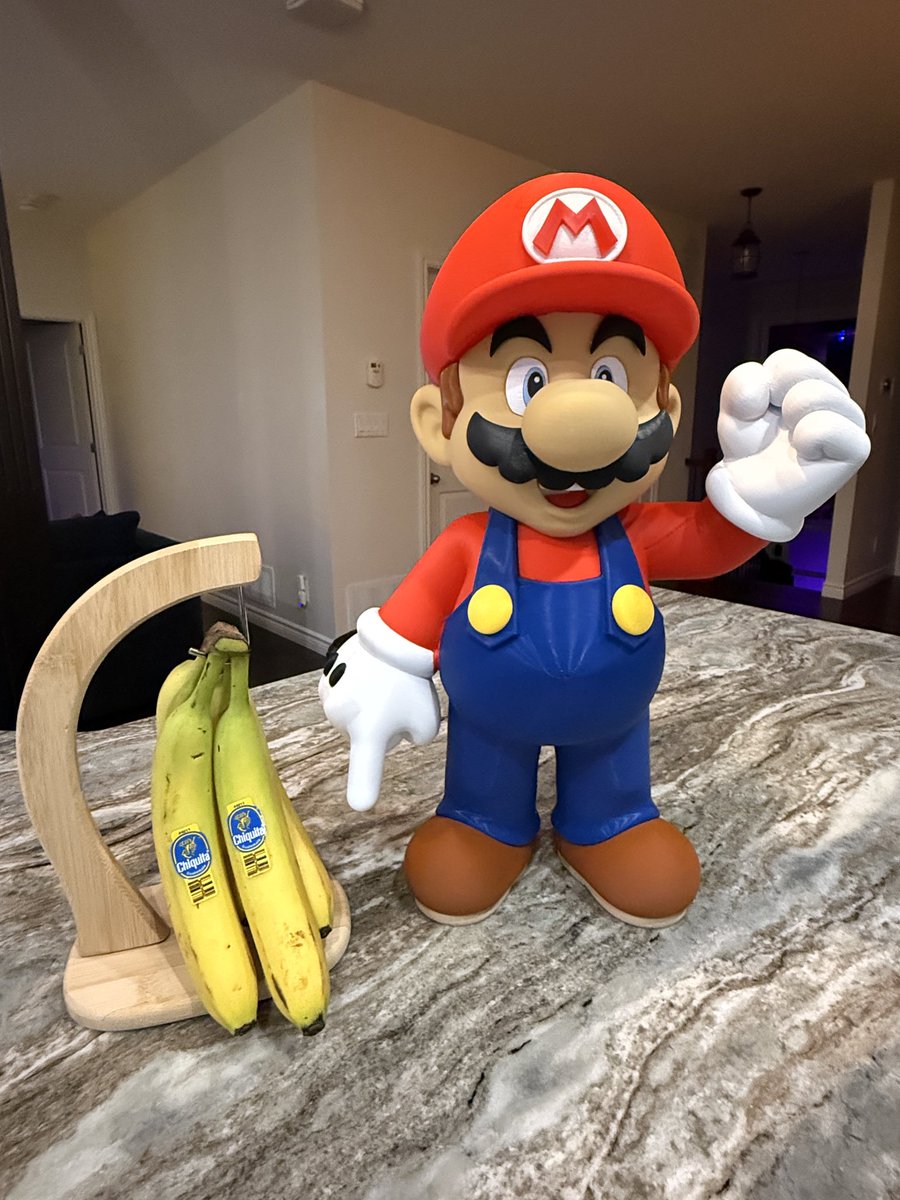
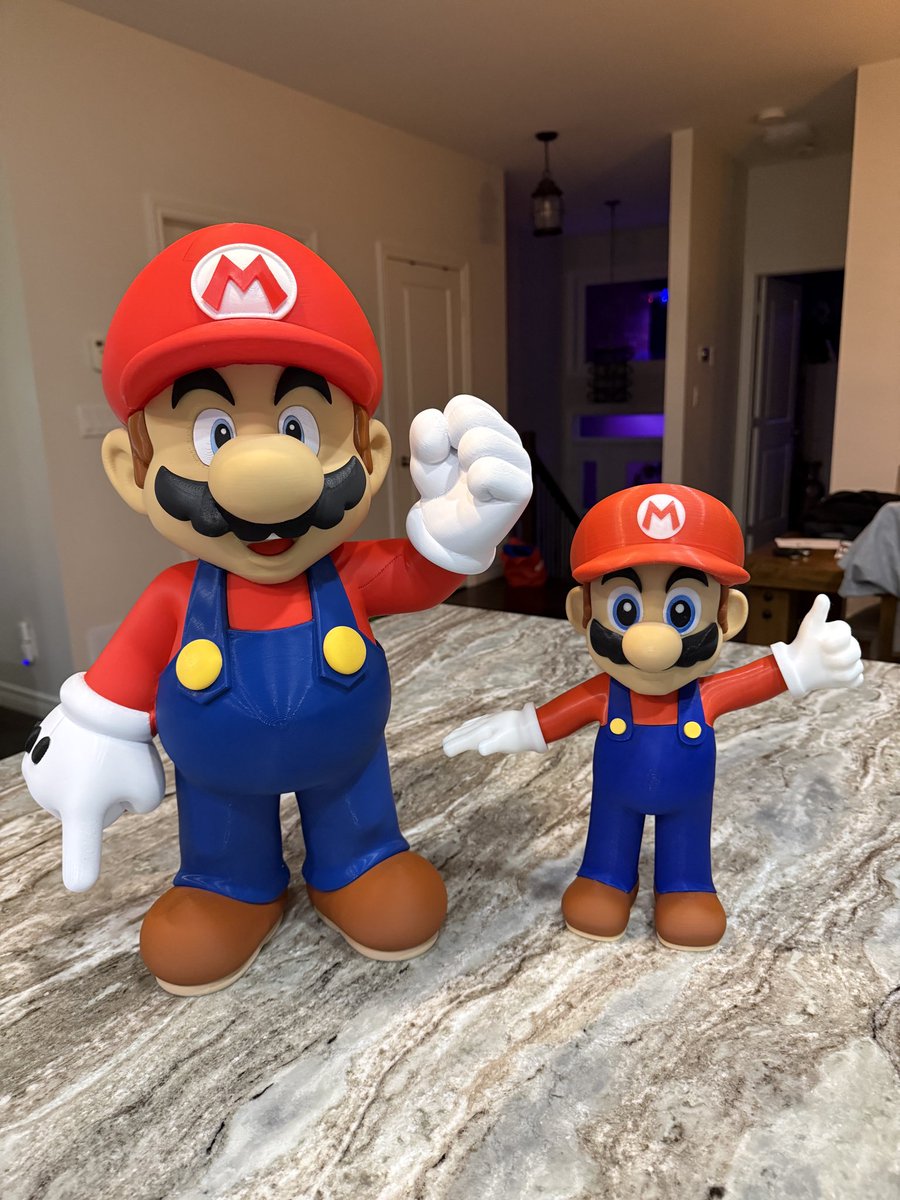
All done gluing him together. Very happy with how it turned out.
Some parts didn’t go together cleanly, but still a great looking model. He is almost 2’ tall.
2
1
27
839
30 Nov 2025
1
1
2
158
30 Nov 2025
Putting the eyes in always creeps me out when doing large figures.
2
2
13
575