Founder of Critikid, a critical thinking site for kids and teens

Joined September 2023
438 Photos and videos
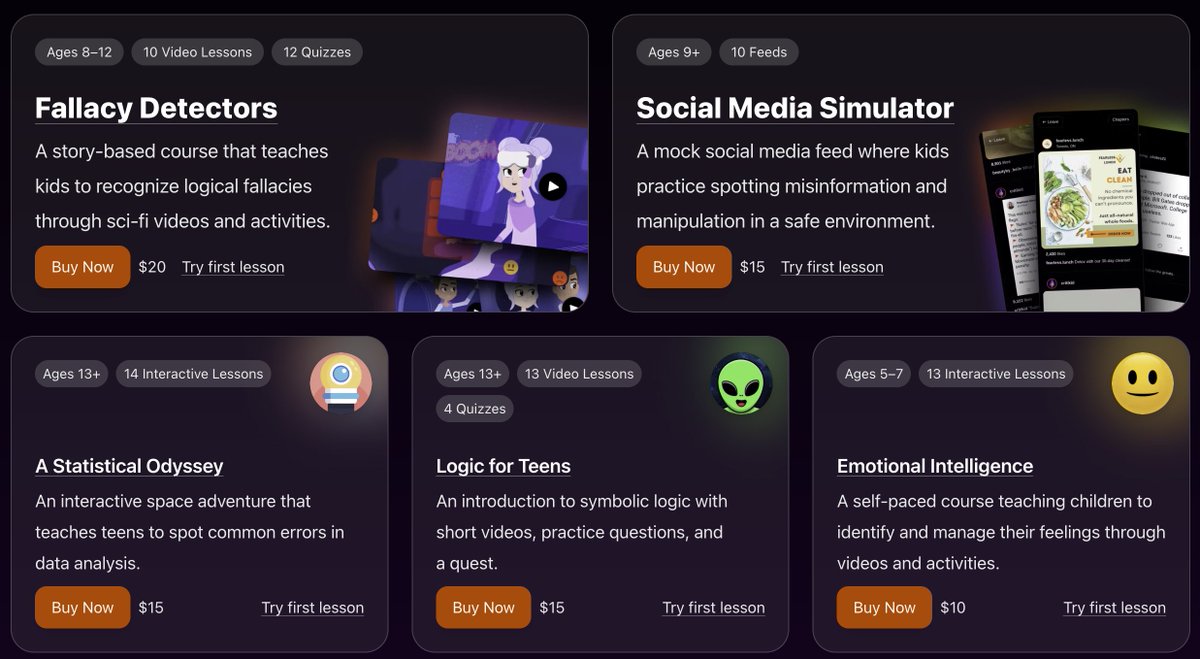
Critikid's Backstory When I was teaching middle school science, I saw how easily students could be misled by what they encountered online. Teaching facts is important. The more students know, the better equipped they are to evaluate new information. But we can't possibly teach kids every fact they'll need before they run into misinformation. They also need more general tools for evaluating arguments, questioning sources, and recognizing manipulation. So I started teaching critical thinking. I quickly learned that kids could not only understand these topics… they loved them! But when I looked for resources to support the kind of teaching I wanted to do, I couldn't find what I needed. That's why I started Critikid. The Team Critikid is a small, bootstrapped family project: I create the educational content, and @gigor handles the technical work (site coding and design). The Mission Critikid's goal is to help kids and teens think clearly about the information and arguments they encounter every day without telling them what conclusions to draw. It also aims to help kids develop intellectual humility: the ability to understand how their cognitive biases can mislead them and recognize when they don’t have enough information to draw a conclusion. My Teaching Philosophy We shouldn’t underestimate what kids are capable of understanding. Many critical thinking resources are aimed at adults. Even though these concepts are somewhat abstract, kids can grasp them when they’re made concrete through stories and games. Stories make critical thinking topics easier to understand and remember—and they’re fun! In the gamified parts, the learning is the game. The reasoning is the fun part, not a hurdle kids have to clear before getting back to the game. Critikid's Resources Critikid has online, interactive courses for ages 5-18 teaching: -Emotional Intelligence -Logical Fallacies -Data Analysis -Media Literacy -Formal Logic There are also critical thinking lesson plans and worksheets. These resources can be used at home or in the classroom. If you have any questions, leave them in the comments!
1
12
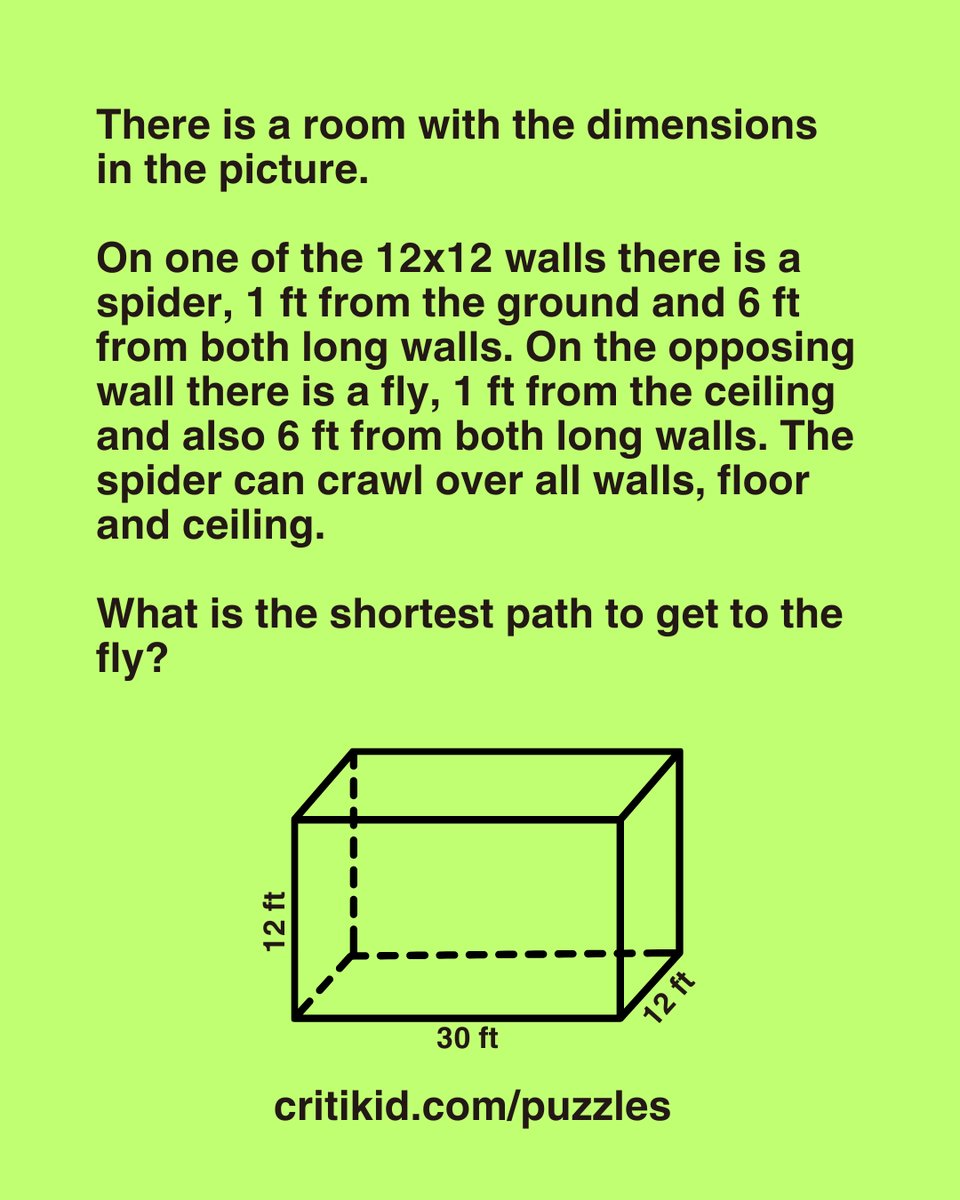
Can you solve the spider and the fly puzzle? The answer is not 42 (for a change).
1
24
I'm reading Ender's Game for the first time, and I'm shocked it was written in 1985. It predicted online influencers shaping politics and trolling.
27
I'm not anti-AI, but I am anti-slop, and the online education world is FULL of it. It is so hard to find people to collaborate with for Critikid because of this. If I were willing to sell poorly prompted, unedited LLM outputs that I copied-and-pasted into a document, I could make thousands of worksheets and lesson plans a week all by myself. Why would I bring on other people?
1
35
When people say they did research to mean they looked something up on the internet, I often hear people responding with: "Did you run controlled experiments? If not, that wasn't research." But words can have more than one meaning. While research can mean what scientists do, it can also mean, more generally, collecting information about something. Think back to research projects in school. It's not incorrect to say that looking up stuff on the internet is research. The problem is when people equivocate these two meanings. Equivocation is a logical fallacy where you mix up different meanings of the same word. For example: "Plate tectonics is just a theory. I have my own theory that explains the formation of the continents." This is equivocation because it confounds the scientific meaning of theory (an explanation backed up by a lot of research) and the colloquial meaning (a guess). If someone says, "Well, scientists have researched this, but I've done my own research," this is also equivocation. We can call out equivocation, but calling out every non-scientific usage of "research" or "theory" is silly and also wrong.
1
49
Things you say to an LLM that you should not say to your spouse?
1
1
37
I'm making lessons that teach kids how to create engagement bait, present data in a misleading way, and even scam people online. In other words: media literacy. The funny thing about teaching kids how to spot manipulation is that it requires showing them how the manipulation works.
37
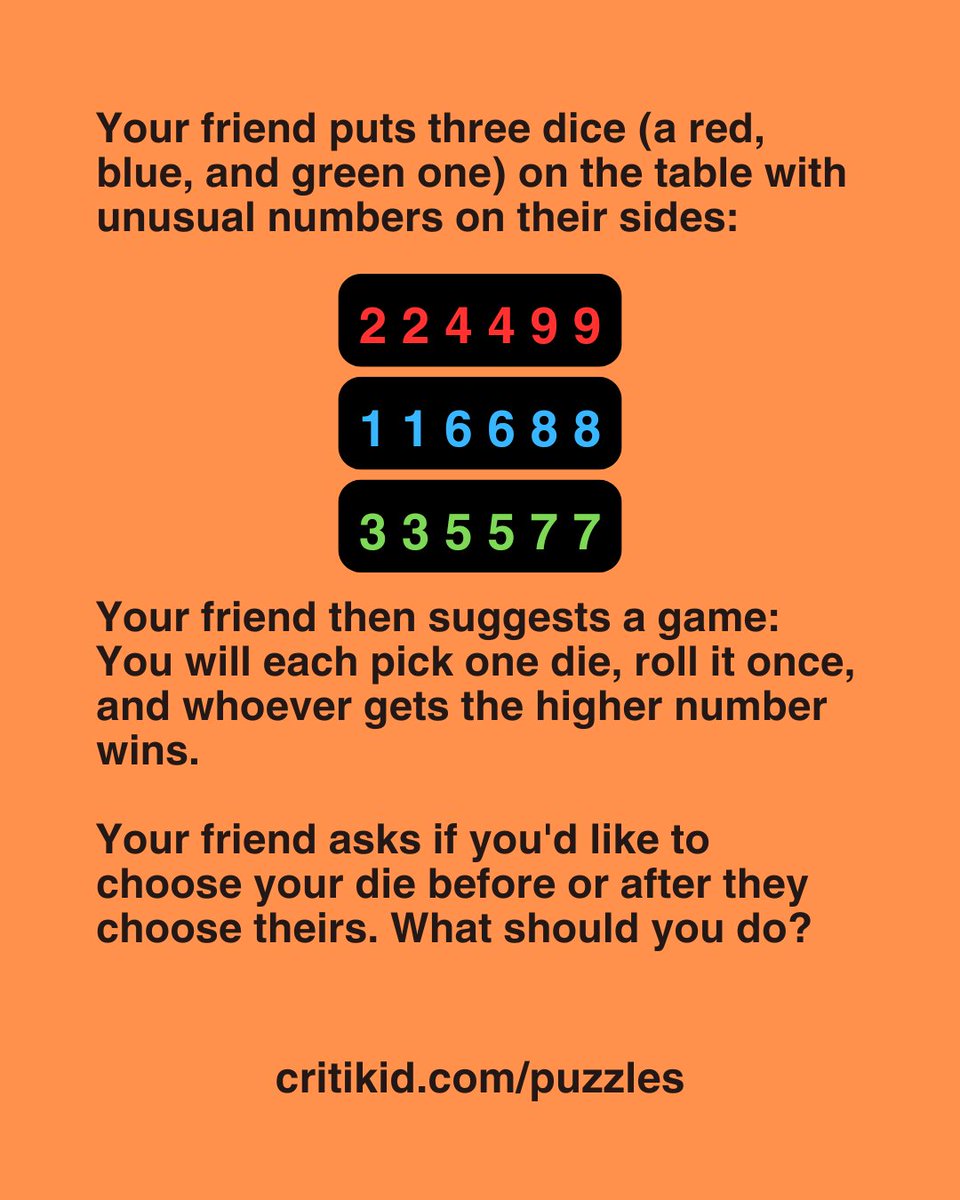
Can you solve the Unusual Dice Puzzle?
1
179
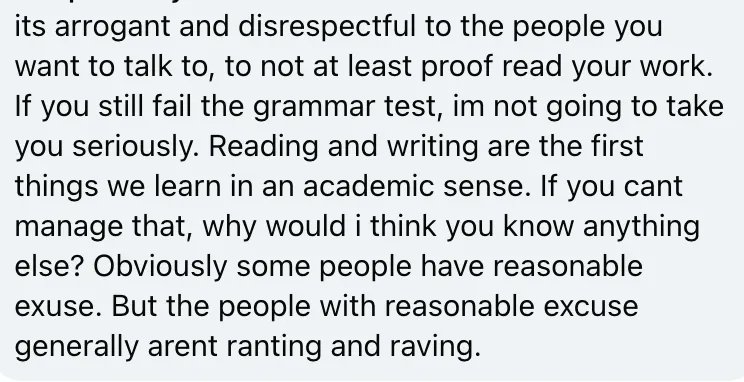
The most ironic comment I've received.
35
I’ve been thinking about how to grow Critikid’s library of resources. So far, I’ve made most of them myself. I love doing it, but there’s only so much one person can do! Critikid isn’t in a place to hire employees yet, but perhaps there are educators here who are already making critical thinking resources for their own classrooms or to sell on TPT who would be interested in selling these resources on Critikid through a revenue-share model. I’m interested in resources related to logic, logical fallacies, media literacy, argument analysis, cognitive biases, decision-making, statistics/data literacy, philosophy for kids, science literacy, and other critical thinking topics. This wouldn’t work exactly like TPT - Critikid isn’t a general marketplace, so I’d need to make sure any resource fits the site’s style and approach. If you’re interested, send me a DM!
1
38
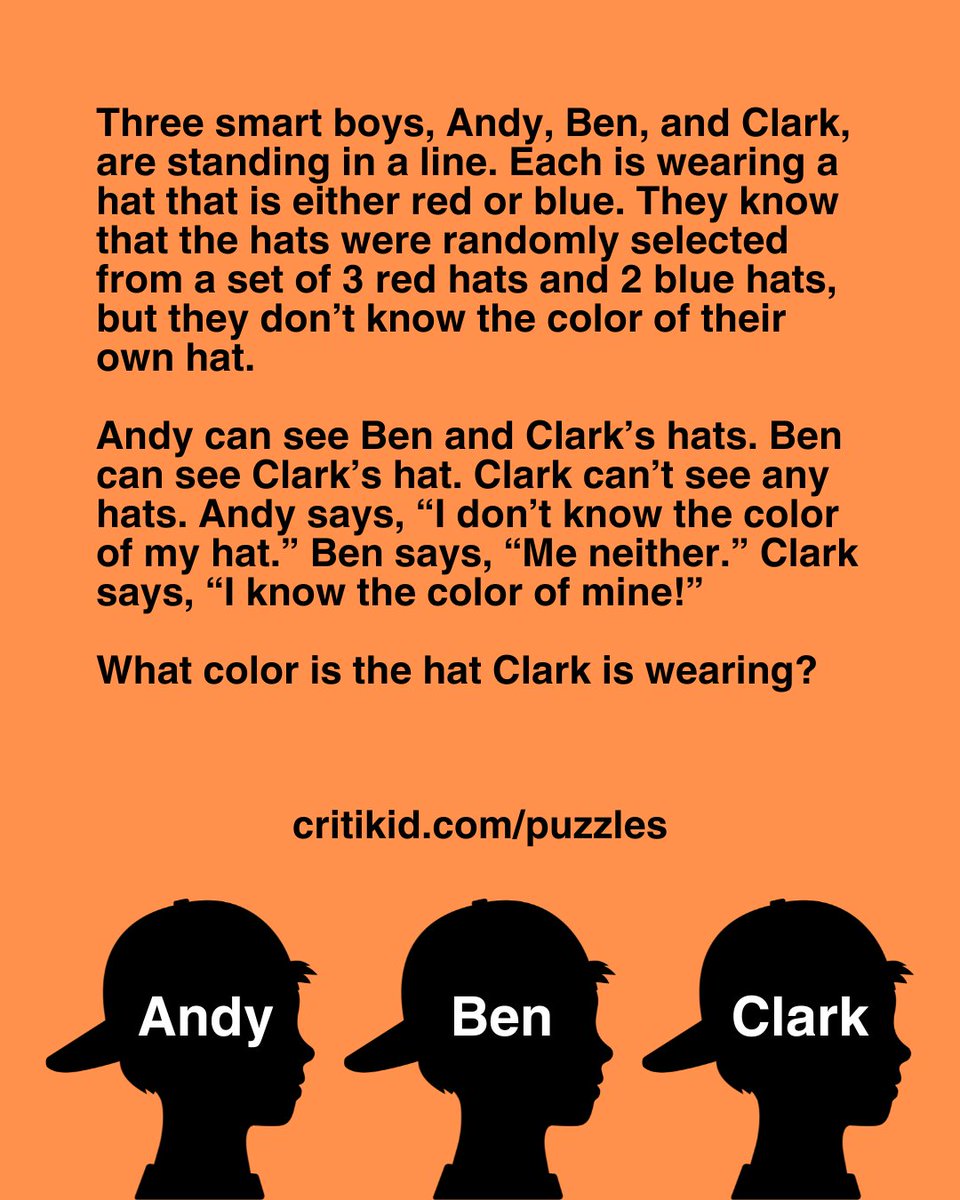
Can you solve the hats puzzle?
1
55
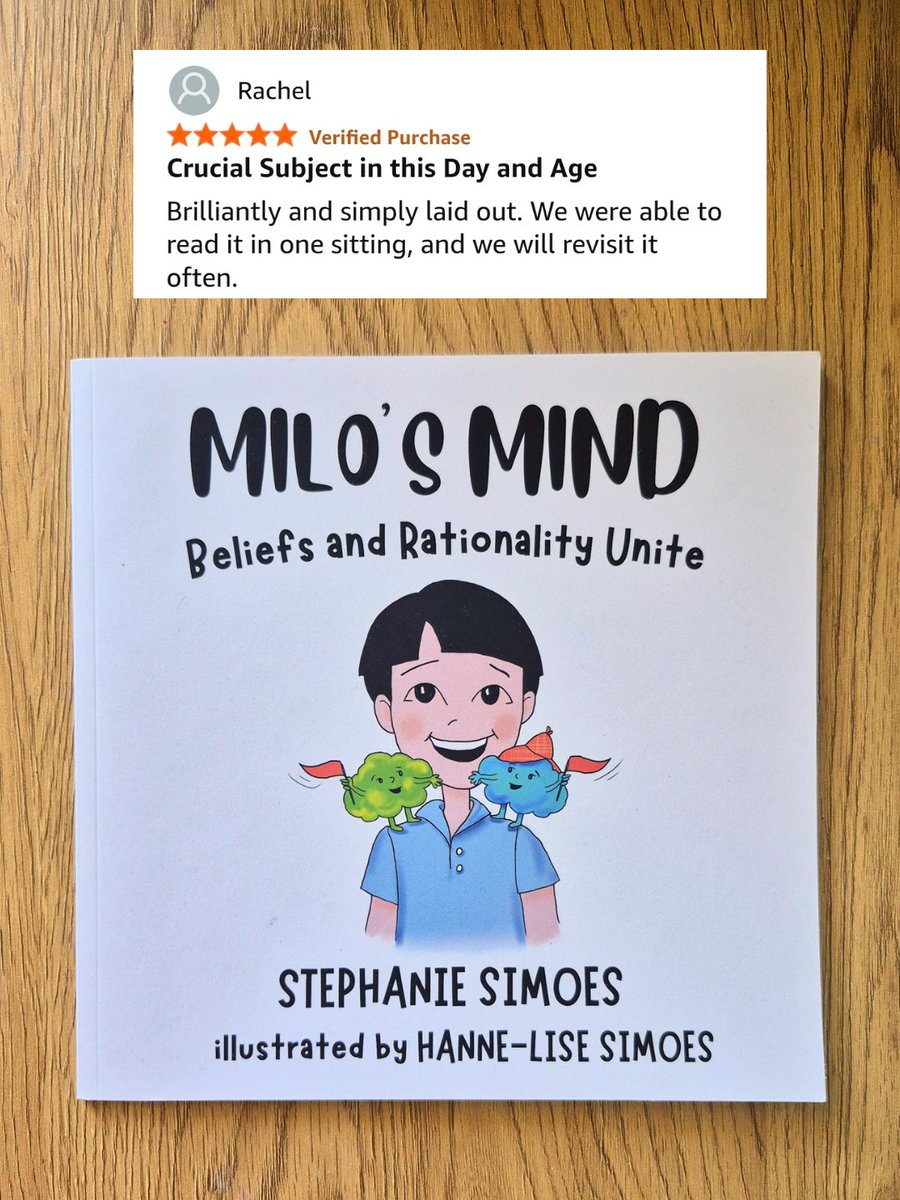
Milo’s Mind helps children: ✓ Understand how beliefs form ✓ Practice asking “Do I have evidence for this belief?” ✓ See why changing your mind is a sign of strength ✓ Stay curious, open, and ready to learn critikid.com/milos-mind-redi…
26
Why do so many people on LinkedIn want to set up meetings with no clear purpose? Meetings are time-consuming. If someone asks to talk, I usually ask what they'd like to discuss in advance. But it's rare to get a concrete answer. It's usually something like, "I'd love to explore potential synergies." How do entrepreneurs have time for this?
30
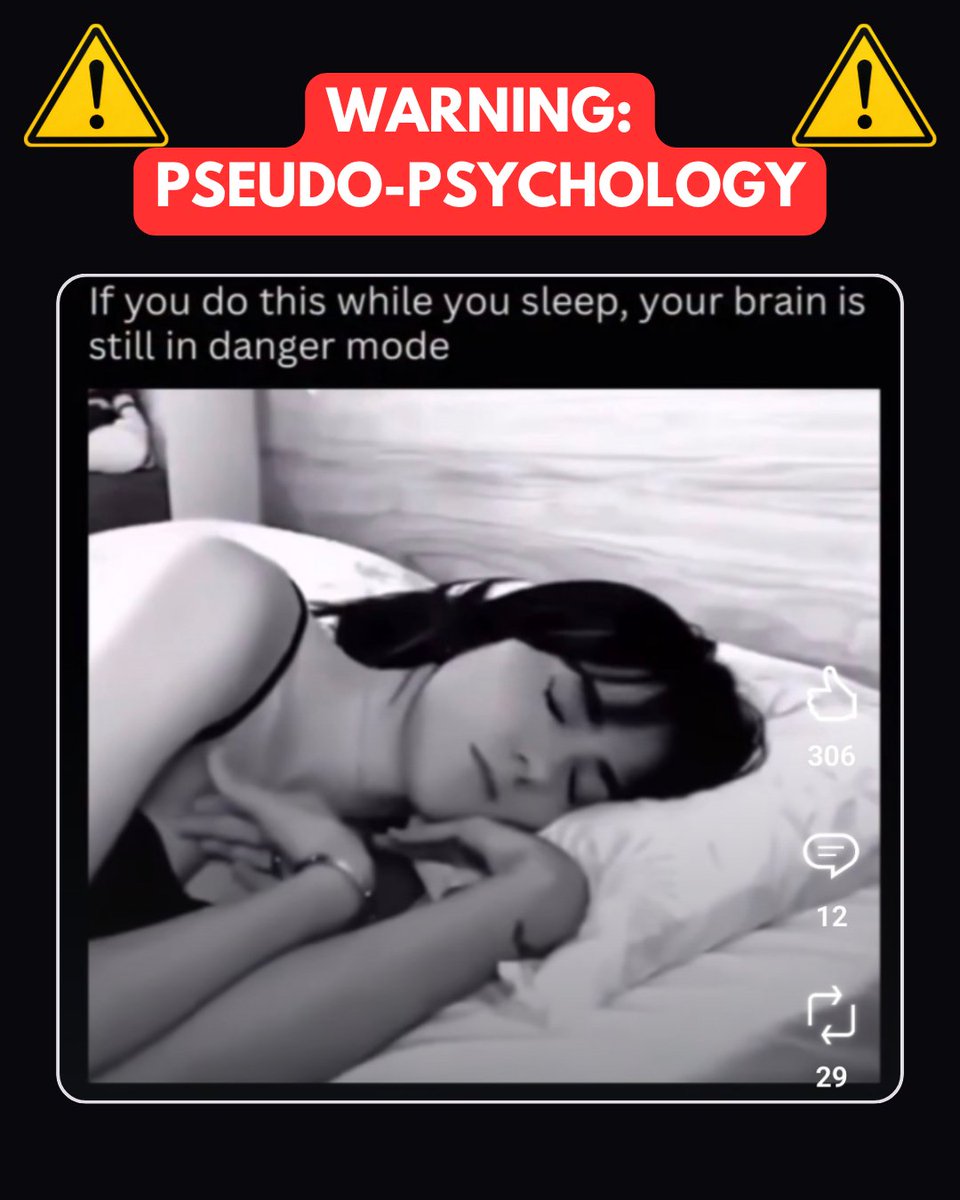
I came across this on LinkedIn. It was accompanied by a very long caption explaining what this sleeping position supposedly says about your personality and what you should do about it. And in all those words, there was not a single reference to evidence supporting the claim. A lot of posts follow this pattern: "If you do [common behaviour], it means you are ____." A similar one I've seen is "Changing handwriting is common in sociopaths." The behaviour being common is bait. It makes the post feel personally relevant. We think, "I sleep like this!" or "My handwriting changes!" and are more likely to engage, even if we have no good reason to think that the claim is true.
1
25
You wake up on a narrow bed in a metal room. You don’t remember how you got here. You sit up and see a door. You get up and try to open it, but it’s locked. Can you escape? critikid.com/escape
15
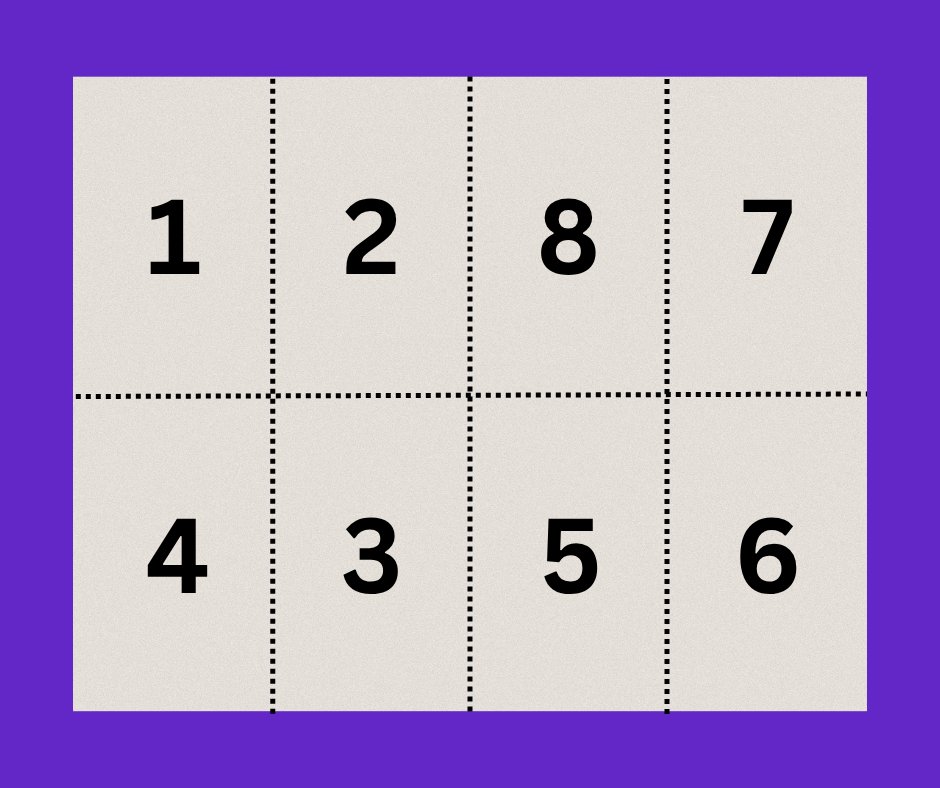
Folding Puzzle Fold a sheet of paper into eight sections as shown in the image. Then, open it up write in the numbers 1 to 8 in the sections as shown. Your task is to figure out a way to fold this sheet of paper to make a packet so that 1 is on the top and all other numbers are beneath it in serial order (i.e., 2 is directly below 1, 3 is directly below 2, and so on.) It may help to write the numbers on both sides of each section.
1
57
Here are two trickier versions of the puzzle by Martin Gardner: 1 8 7 4 2 3 6 5 1 8 2 7 4 5 3 6
27