
AI x UXR, MR & CXR
Joined December 2011
- Tweets 666
- Following 301
- Followers 174
- Likes 308
63 Photos and videos
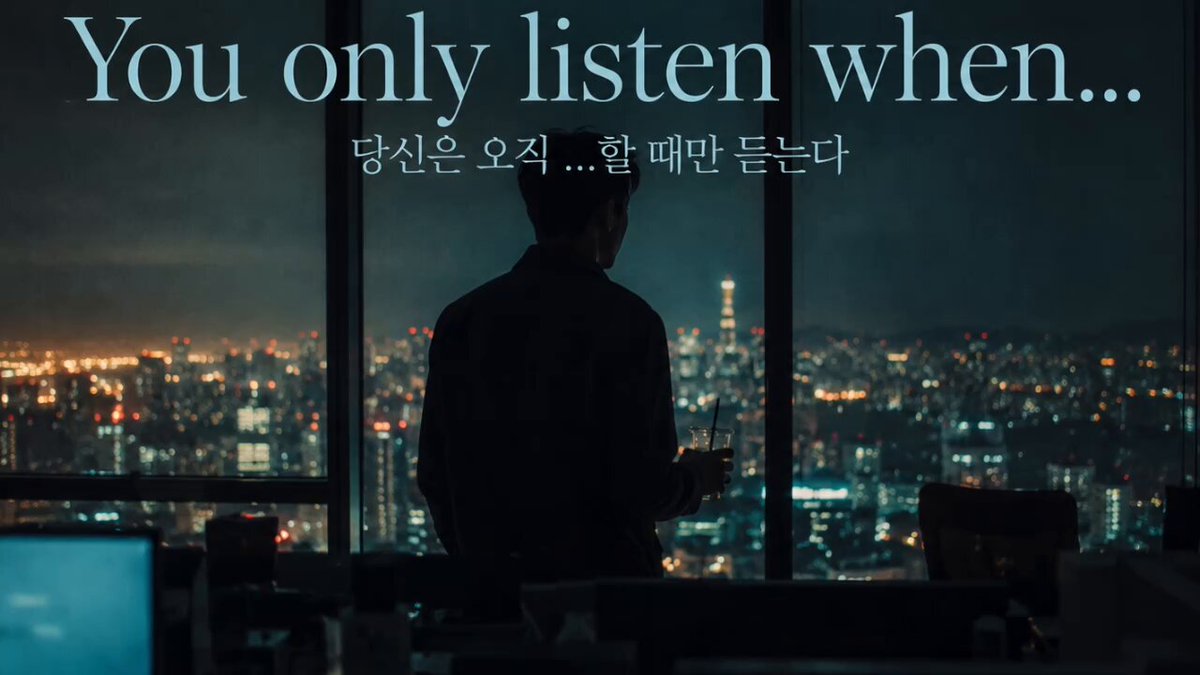
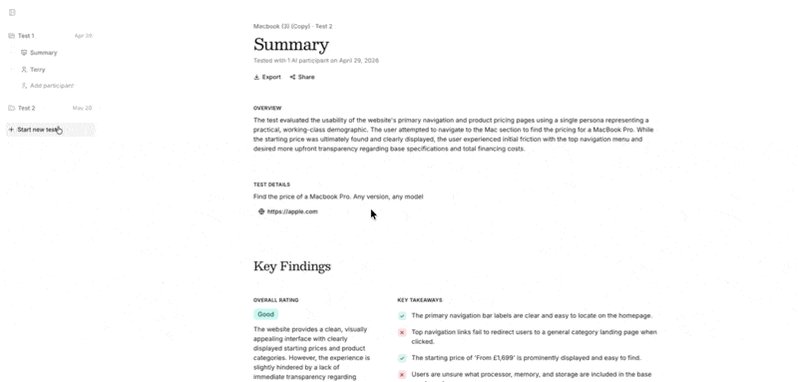
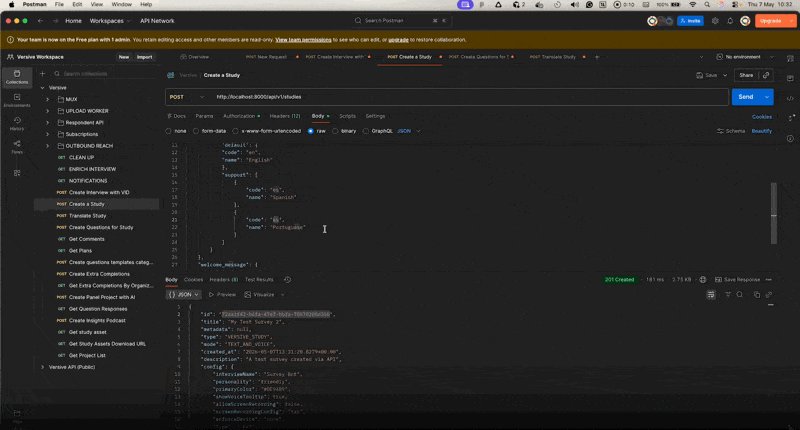
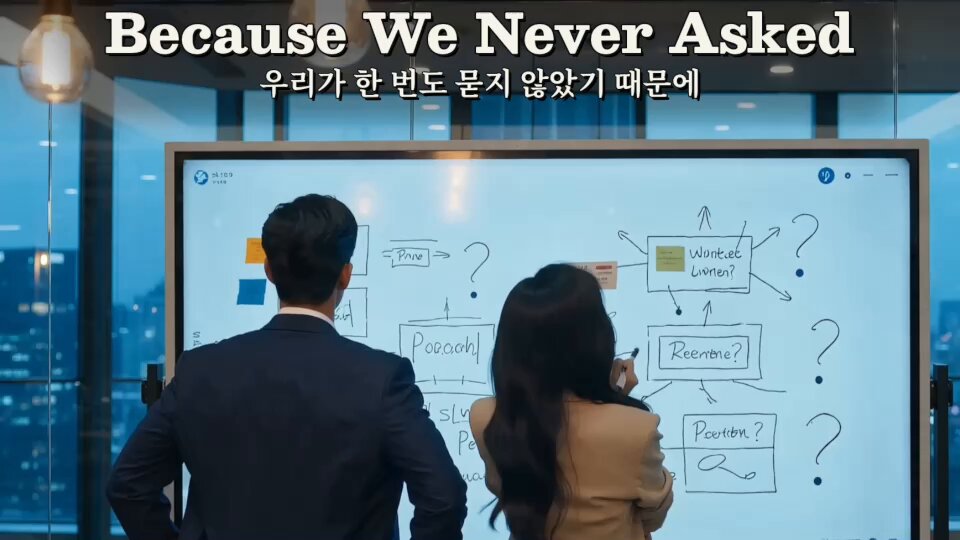
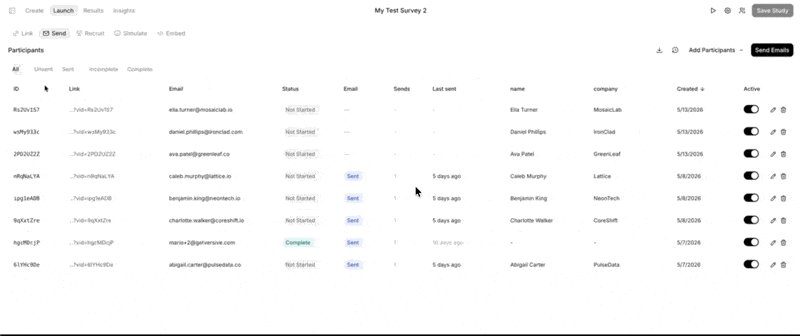
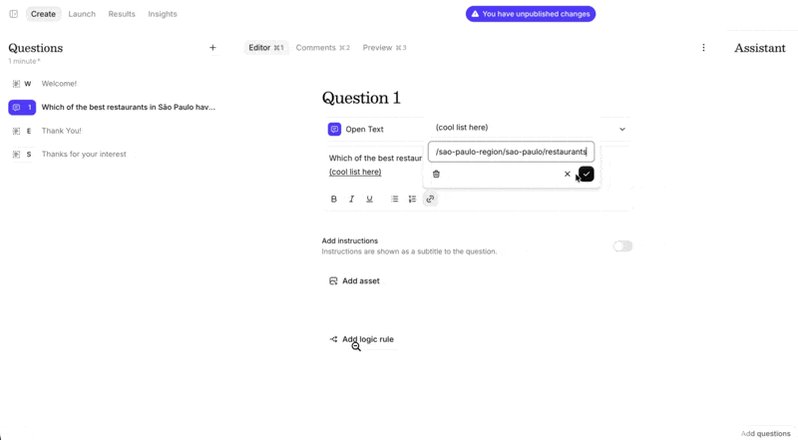
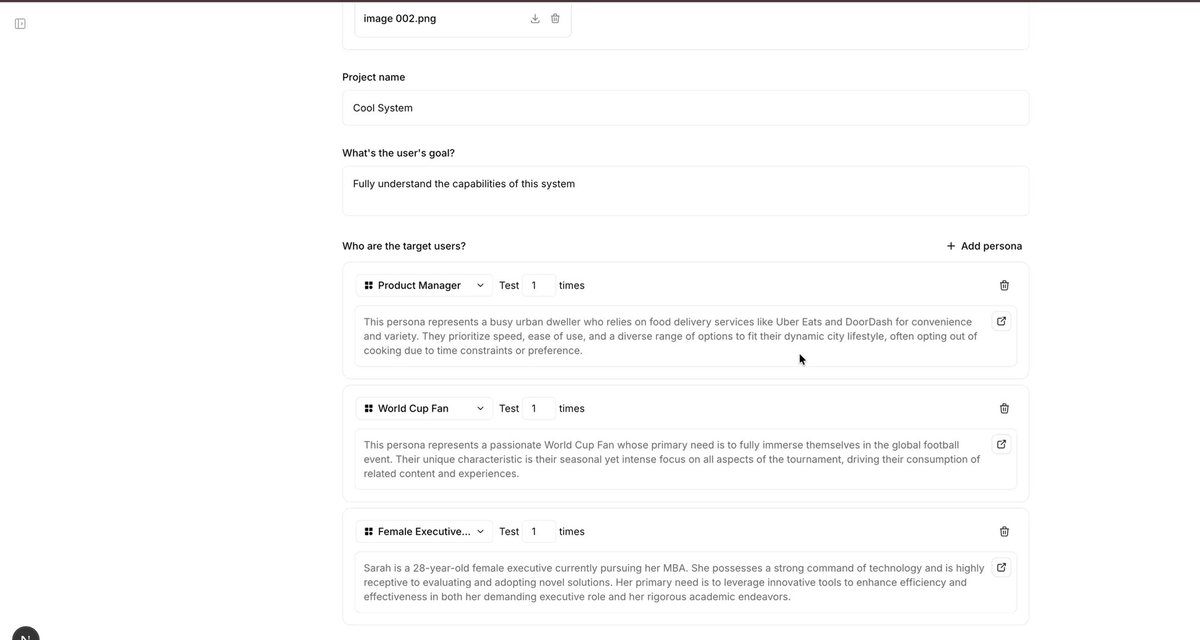




Excited to share this new experiment by @erictli that helps you get fast usability feedback.
We built a tool that let's you test designs in minutes without needing to scheduling sessions or recruit participants.
Here's how it works: 👇
1. Upload your figma prototype and choose the screens you want to test.
2. An AI persona walks through it like a real user
3. You get a report with feedback and recommendations.
This is something between a heuristic evaluation and a usability test. It's not a replacement for testing with users but it's a quick way to get a second pair of eyes and catch issues before doing more research.
Comment below or DM me if you'd like to try it out!
5
2
3
507
crro retweeted

Jun 10
Everyone's talking about AI-generated HTML.
But have you tried giving your sites a zero-config API for saving data, file storage, AI, websockets, etc?
We did this at Shopify. Runs on a single VM that costs $200/month, and it's changed the way we work.
We call it Quick 👇🧵
106
167
2,923
815,904

Spent 12 hours building a 12-second AI video ad.
Tried Kling V3 Pro, Kling O3, and Veo 3.1. Learned that shorter clips give you more control, and that taking the last frame of each clip as the input for the next one is the best trick for keeping things visually consistent across scenes.
Then I showed it to friends and no one got it
Ad below, lmk if you also didn't get it.
38
crro retweeted

Apr 18
You should watch these 2 talks from AI Engineer Europe, from the "Vienna school of agentic coding":
@badlogicgames "Building pi in a World of Slop" youtube.com/watch?v=RjfbvDXp…
@mitsuhiko / @cristinaponcela "The Friction is Your Judgment" youtube.com/watch?v=_Zcw_sVF…
They're very good.
6
41
534
71,720
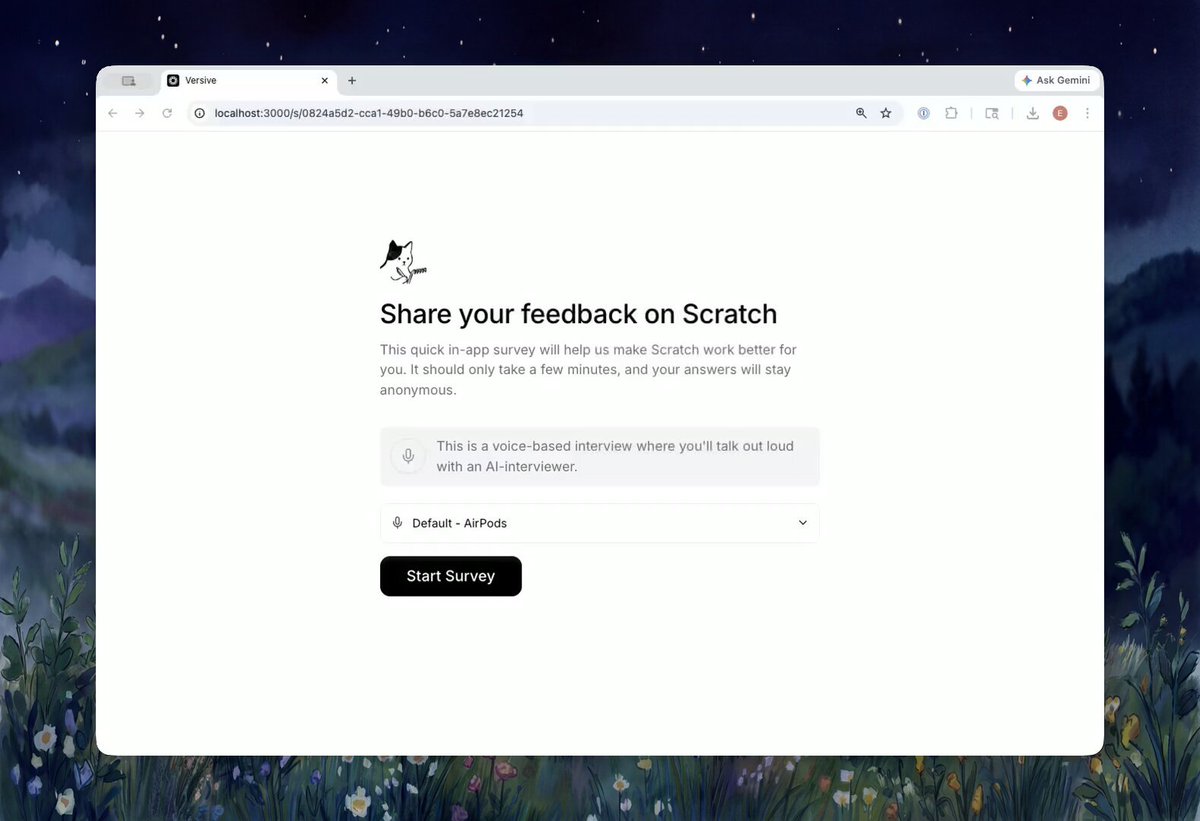
We just released our voice-to-voice modality on our Versive studies! 🚀
The best part of these are the ability to get the full power of Versive studies with close ended questions and prototype testing in a live conversation format.
Demo below, also check out scratch for notes: ericli.io/scratch
1
44
My co-founder @erictli is one of the best designers I know, which is great for our product but also means you can always tell which slides he made and which ones I made.
There's a noticeable drop in quality around slide 4 and that's bc slide 4 is mine.
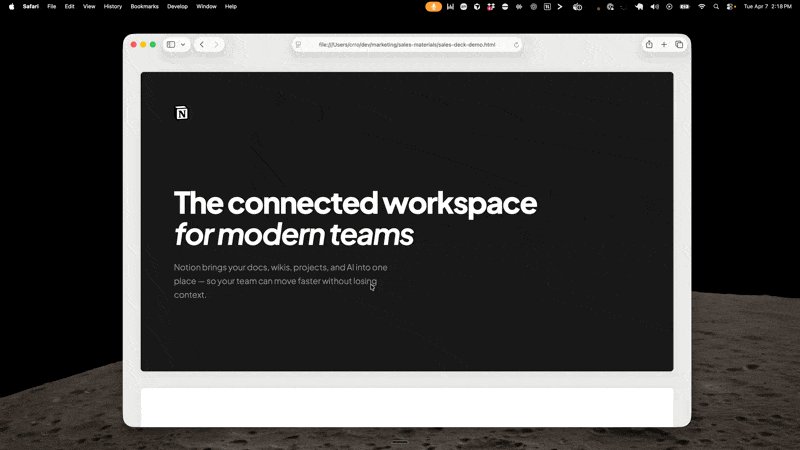
I've been watching Claude get really good at design so I dropped our deck into Claude Code and asked it to rebuild everything as a website, and it came out really good. I used the same instructions on Notion's website so you can actually see what it looks like.
2
1
51
Here's exactly what I did:
1. Download your existing slides and drop them into your project directory
2. Clone your website repo into the same directory
3. Open Claude Code and tell it: "Look at the slides in this folder and the code in this repo. You can also reference the live site at [your URL]. Build me a slide deck as a website that matches the visual style of the slides I shared, so I can use it for sales"
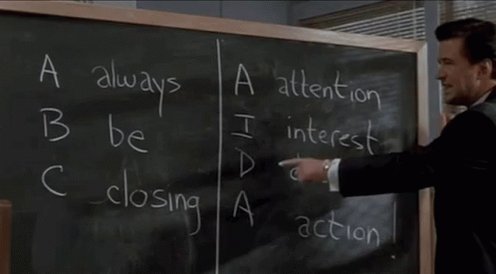
4. ABC
1
46
One of the things that surprises me most talking to research teams: they've fully accepted that depth and speed are a tradeoff.
But the bottleneck isn't the research. It's everything around it. Finding participants, scheduling, moderation. The actual interview takes an hour. Getting to it takes three weeks.
That's starting to shift. Research repos that write up documents for you. Note takers that turn sessions into insights. AI interviews that conduct the conversation themselves.
When people see what's actually possible now, the assumptions they had about what research has to cost them in time start to fall apart pretty quickly.
We see this a lot with customers at Versive. When they see an AI interview that actually probes and follows up, the assumption that qual has to be slow starts to look a lot less like a constraint and a lot more like a habit.
1
16