
Joined May 2021
- Tweets 232
- Following 63
- Followers 1,014
- Likes 397
98 Photos and videos
Pinned Tweet

Jan 22
We just launched our new Web Search API on Product Hunt today
The fastest and most accurate way for AI agents to search the entire web and get structured, production ready data back.
This was by far our most requested feature. It took months of work to build and get right.
Combined with our People and Company APIs, agents can now find real answers across news, social posts, research papers, open source content, blogs, and live websites and use that information immediately.
If you are building AI agents for sales, recruiting, investment, insurance, research, or internal automation, this is a foundational layer.
Jan 22

Today we are launching something BIG!
The most accurate and fastest web search APIs for AI agents
Something which took us months to build
Something so powerful that it lets your AI agent to go from "guessing" -> "doing"
Combined with our powerful people and company APIs, your AI agent can now find actionable answer to any question and finally act with confidence
Whether you are building an AI agent in sales, recruitment, investment, insurance or just adding small automation which needs access to web data in structured manner, this is for you.
Live on Producthunt now! Do upvote and support (link in comments)
7
1
15
7,386
Crustdata retweeted

May 15
My favorite marketing emails right now are from @crustdata
They sell enrichment, but their emails are about hiring and turnover in AI labs
They're a fun read, and build confidence in the product without selling it directly
(@tryramp and @grid_status do very similar!)
2
6
25
4,376
Crustdata retweeted

May 25
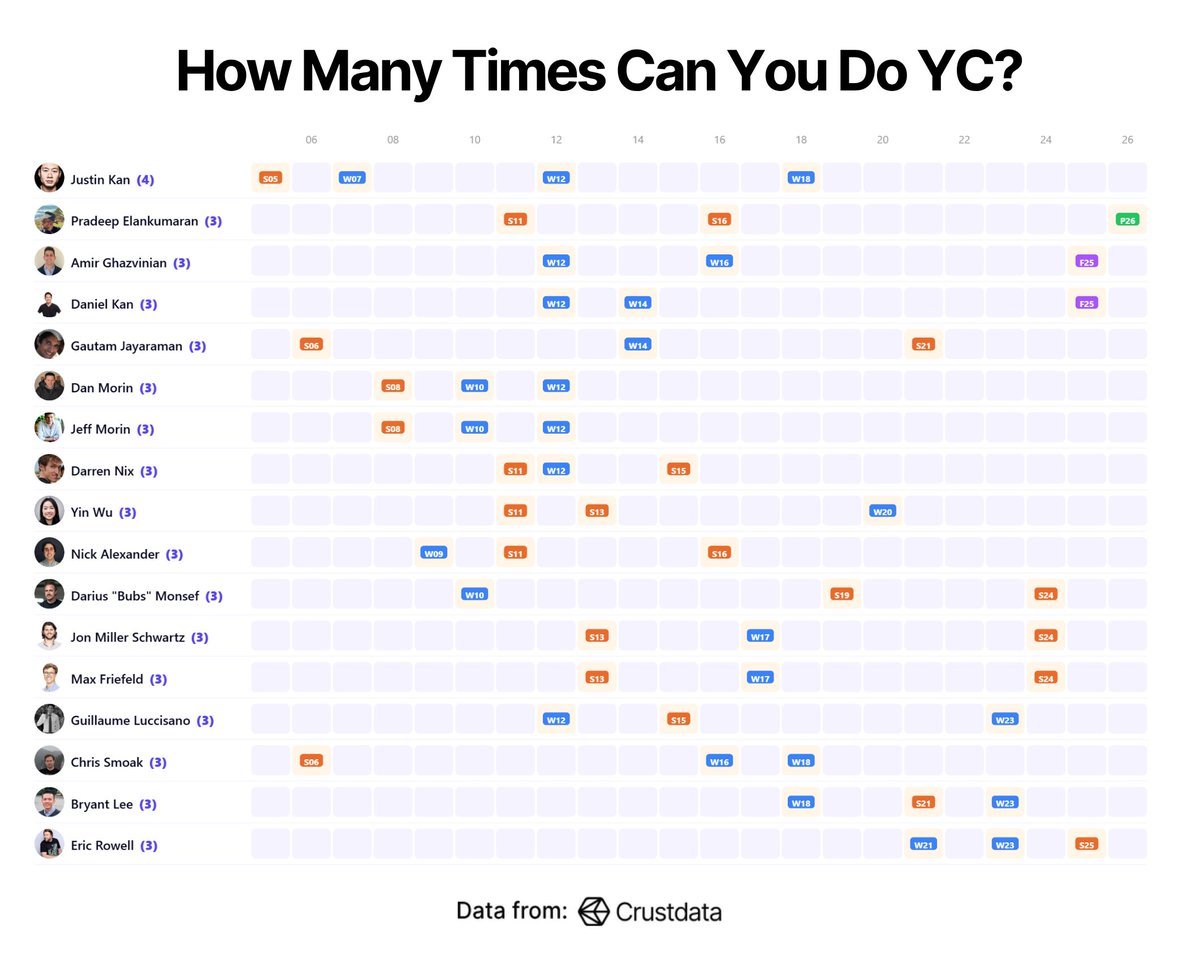
Y Combinatorを複数回卒業した起業家をCrustdataが調べた結果、最もYCを卒業したのはJustin Kan(4回)。
339人(全体の2.7%)の創業者が2回YCを卒業、3回は16人、4回は1人だけ。
1
10
1,693
Crustdata retweeted

Apr 24
Finished 4th at the YC x Crustdata hackathon last Sunday!
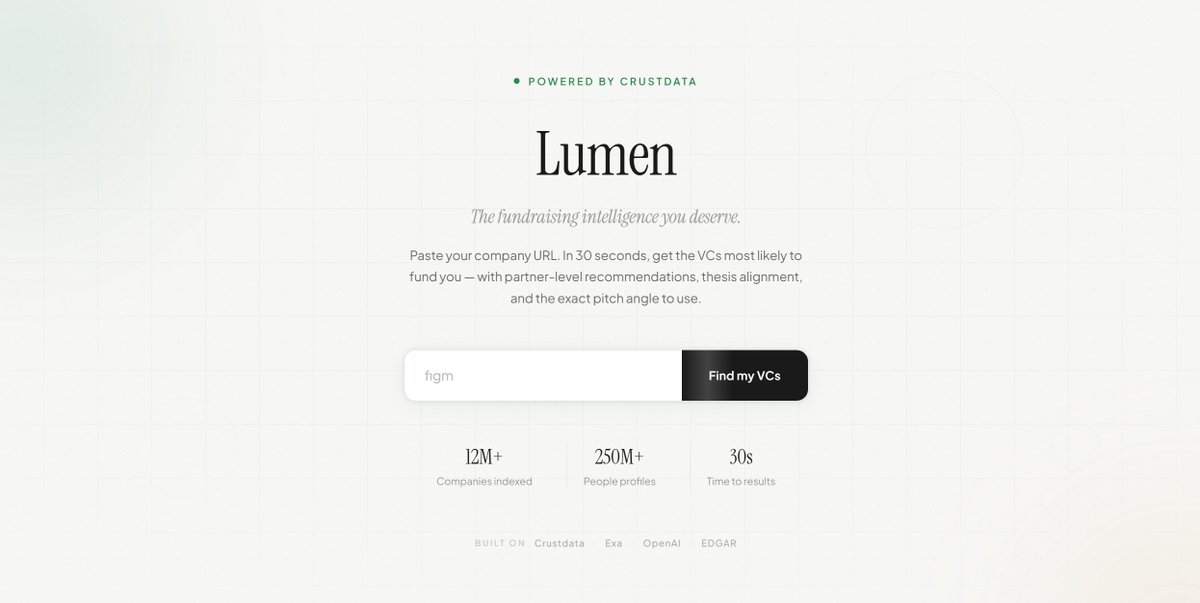
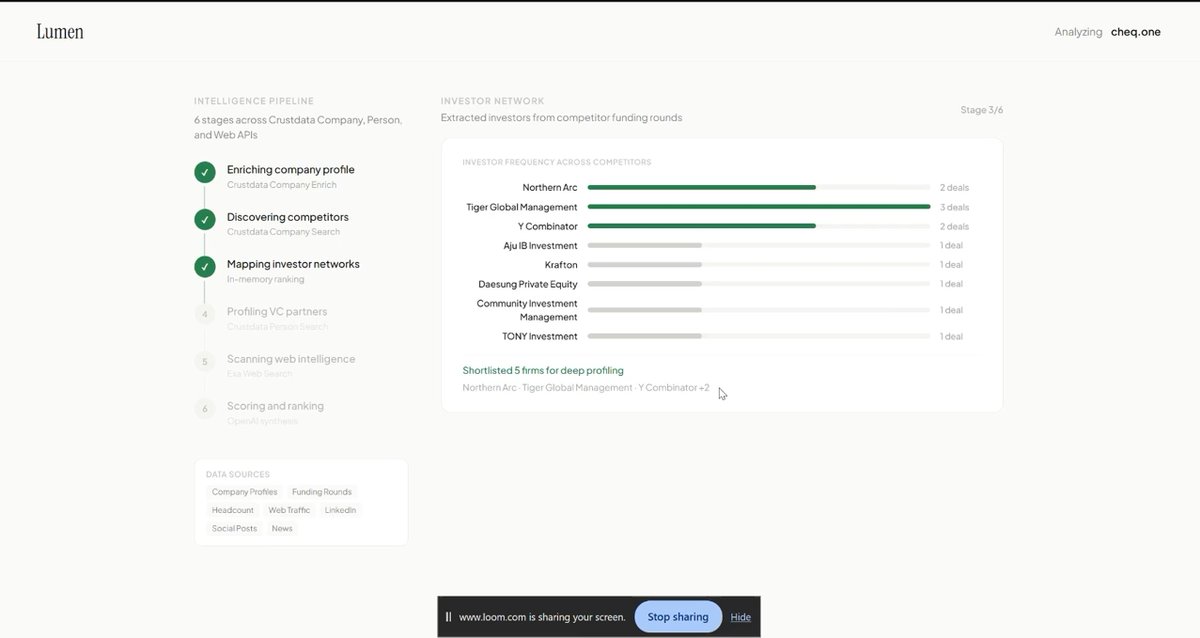
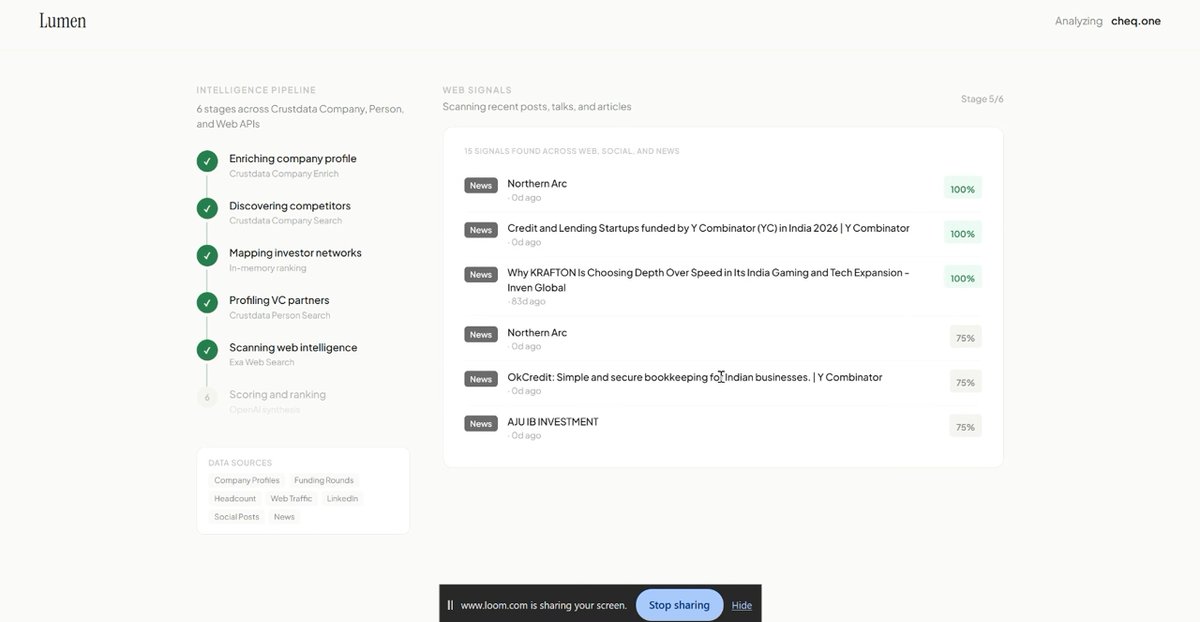
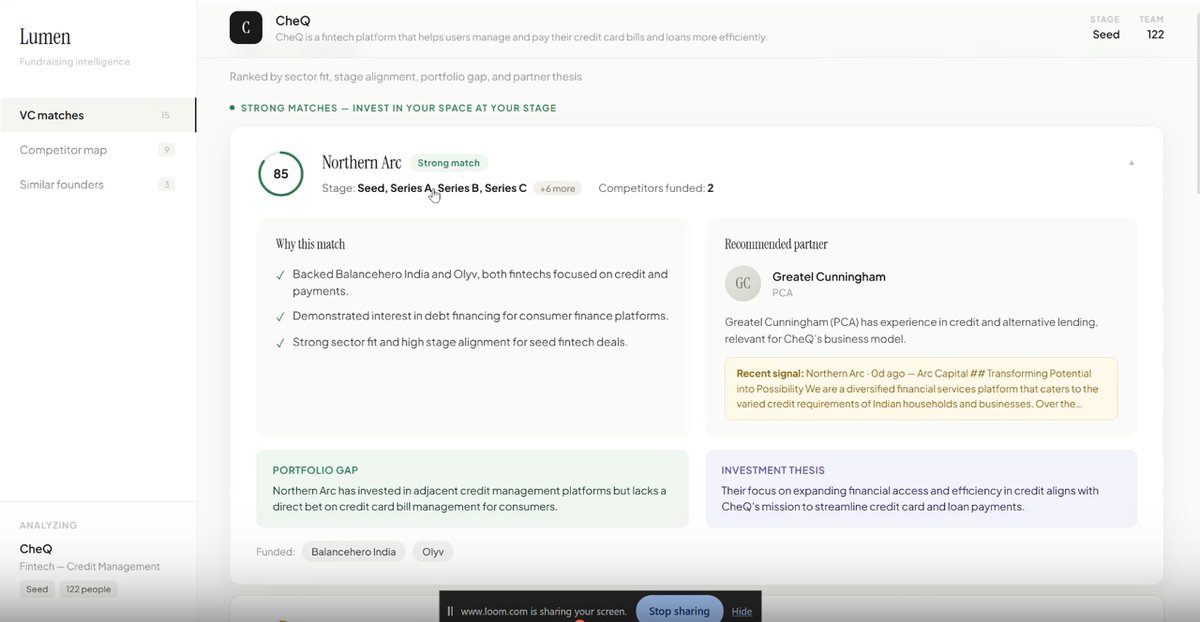
We developed Lumen, a fundraising intelligence tool designed for founders seeking potential investors to fund their companies. Lumen matches and ranks investors based on in-depth analysis.
Although several similar tools exist, what sets Lumen apart is its reliance on relevant data. The process involves multiple steps:
- Gathering comprehensive information about the company and founder from the Crustdata APIs
- Conducting a competitive analysis
- Identifying relevant venture capitalists (VCs) in your sector using our in-built database
- Profiling VC partners
- Assessing the current interest of firms through their social activities
- Finally, ranking and matching VCs based on relevance
We take into account factors such as whether the firm is actively investing, if they invest at your current stage, whether they have a similar company in their portfolio (only in cases of direct competition), and the VC's social alignment with the founder.
Let me know if you’d like to try it out!
2
2
5
150
May 14
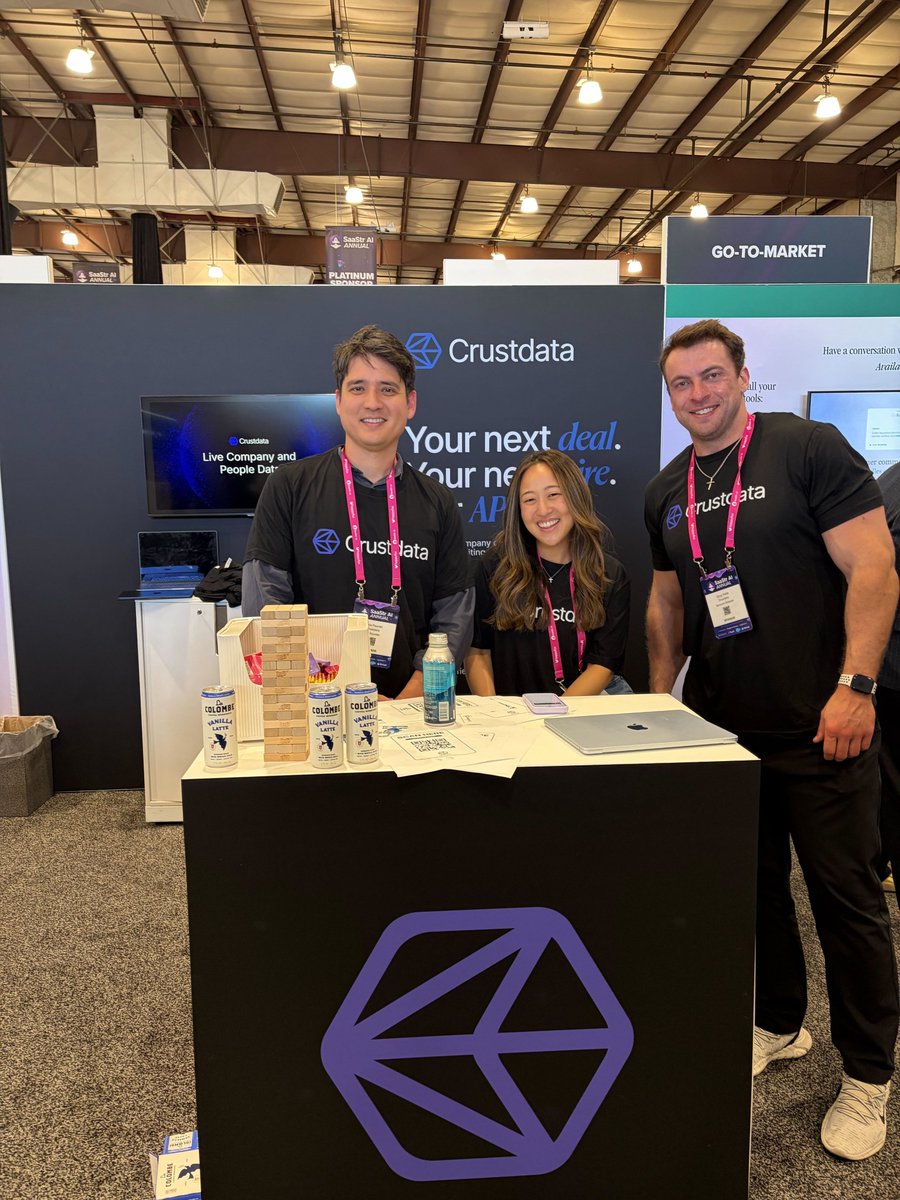
And that's a wrap on Day 3 at SaaStr! 👋
Thanks to everyone who stopped by at the @Crustdata booth!
We are already excited for next year👀
1
14
625
Crustdata retweeted

Apr 19
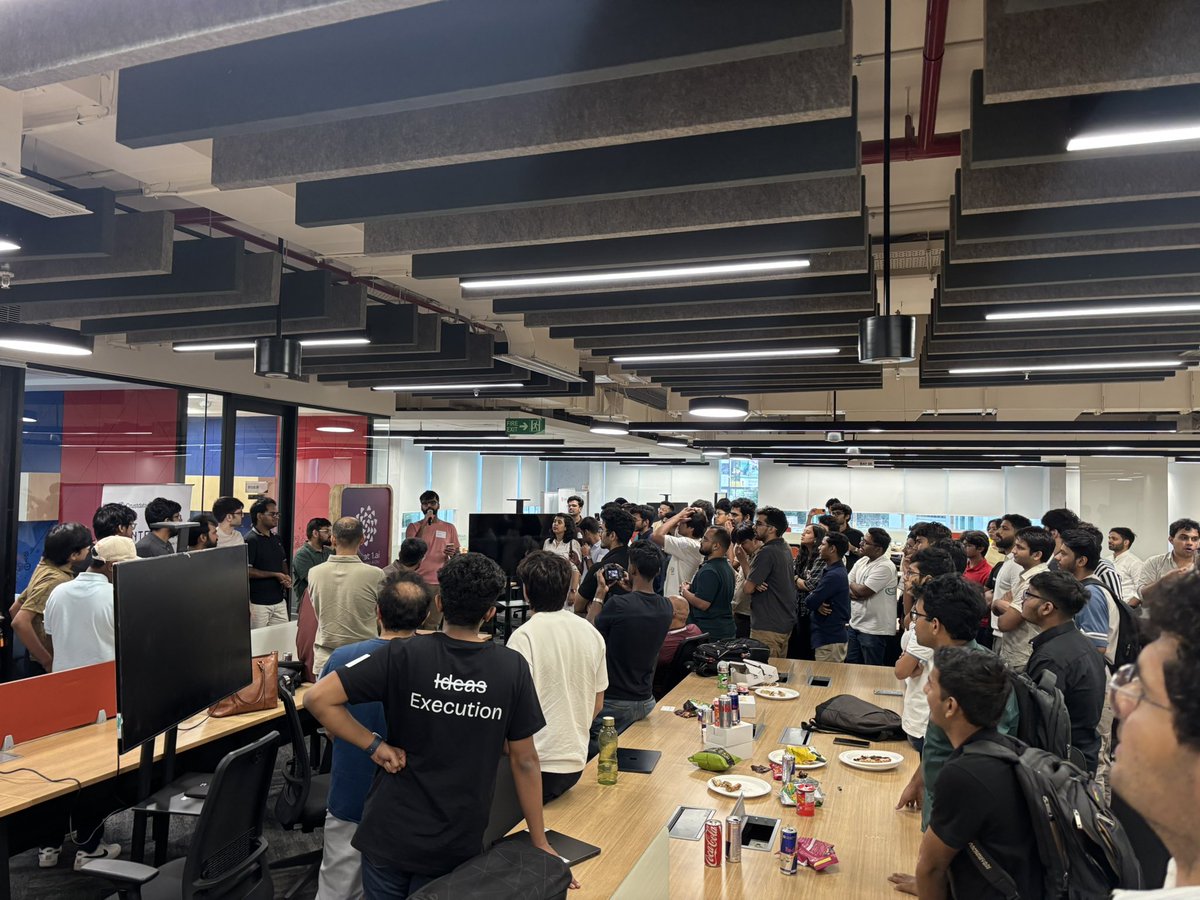
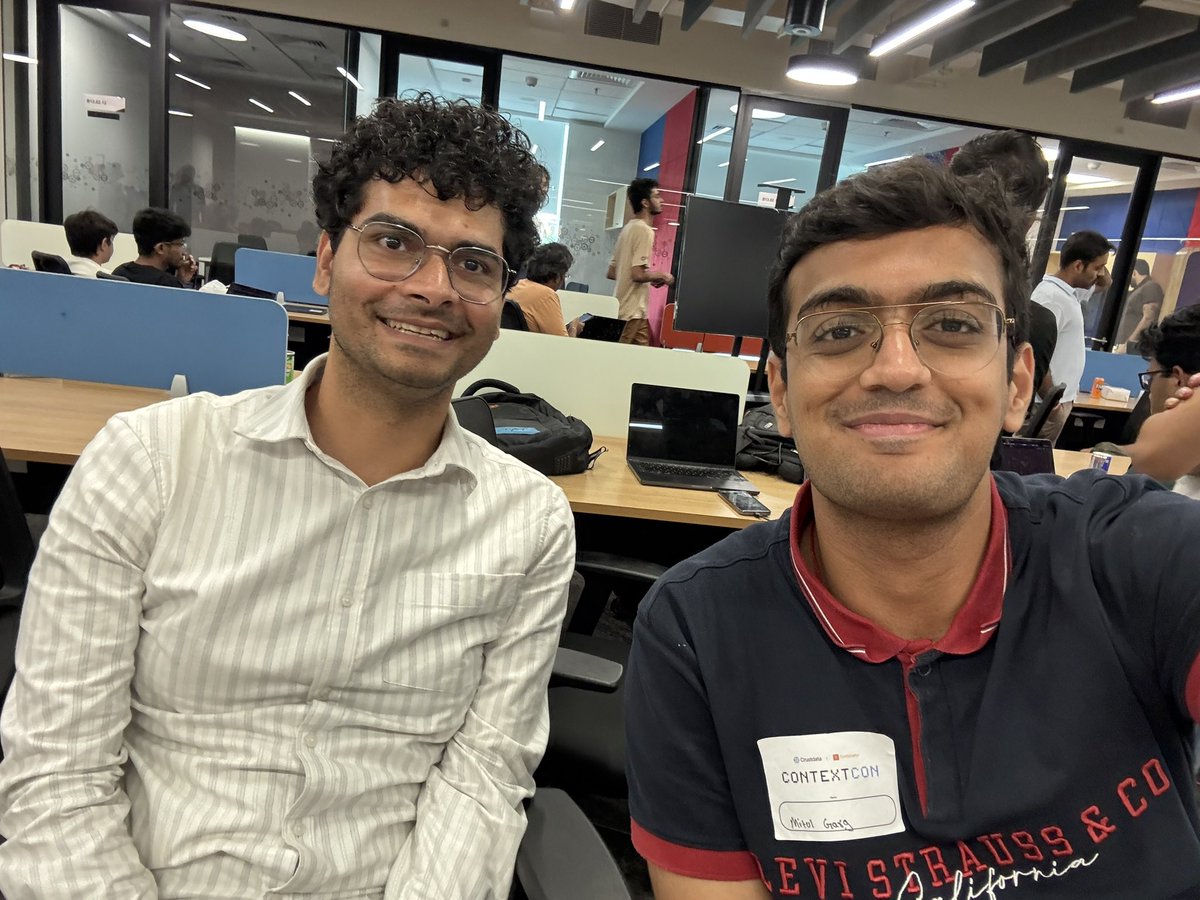
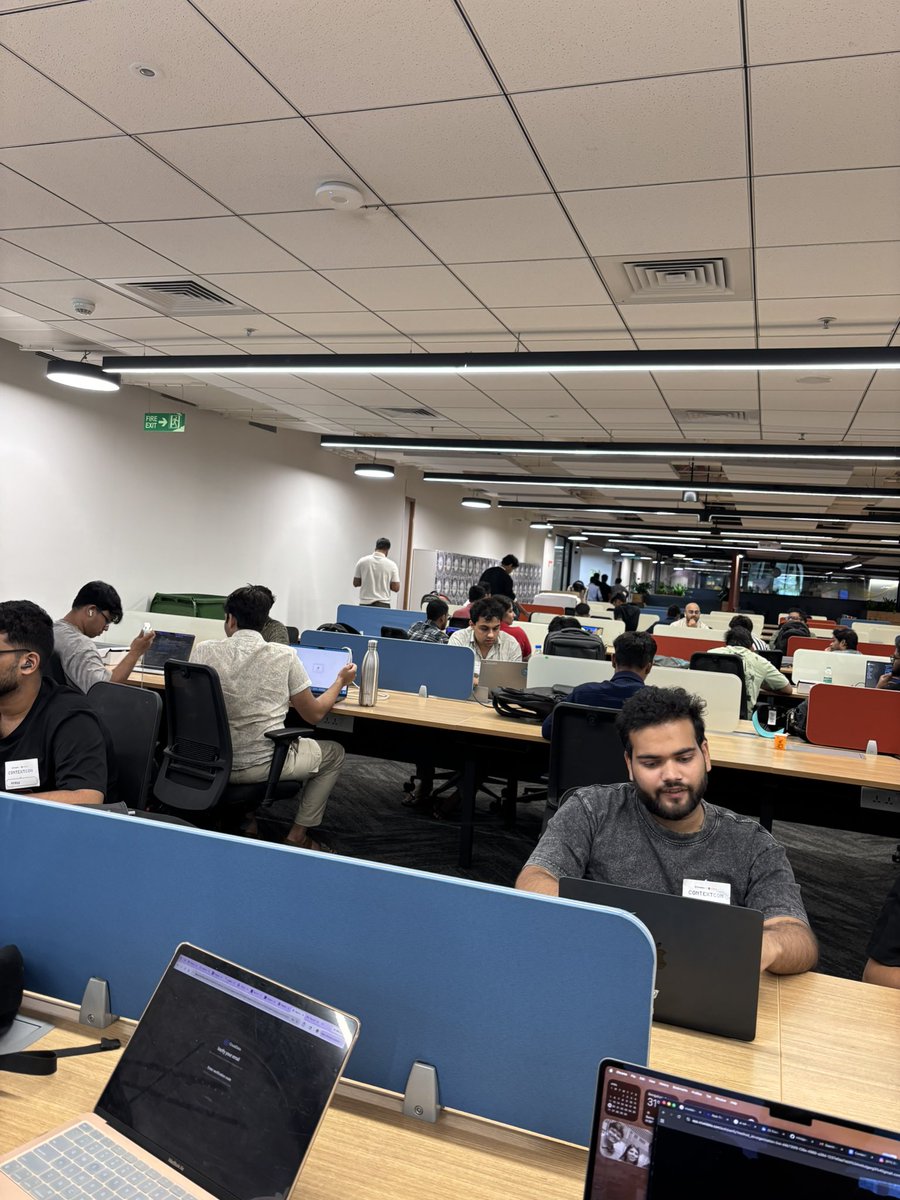
Was an intense 6 hours at the ContextCon hackathon hosted by
@crustdata x @ycombinator !
We built a co-founder finder relationship builder based on personality context agent using Crustdata's APIs!
Good conversations with @TheChowdhary ! He even gave us access to unpublished APIs to help our specific usecase!
#contextcon #bengaluru #ycombinator
4
1
27
1,137

Crustdata retweeted

Apr 19
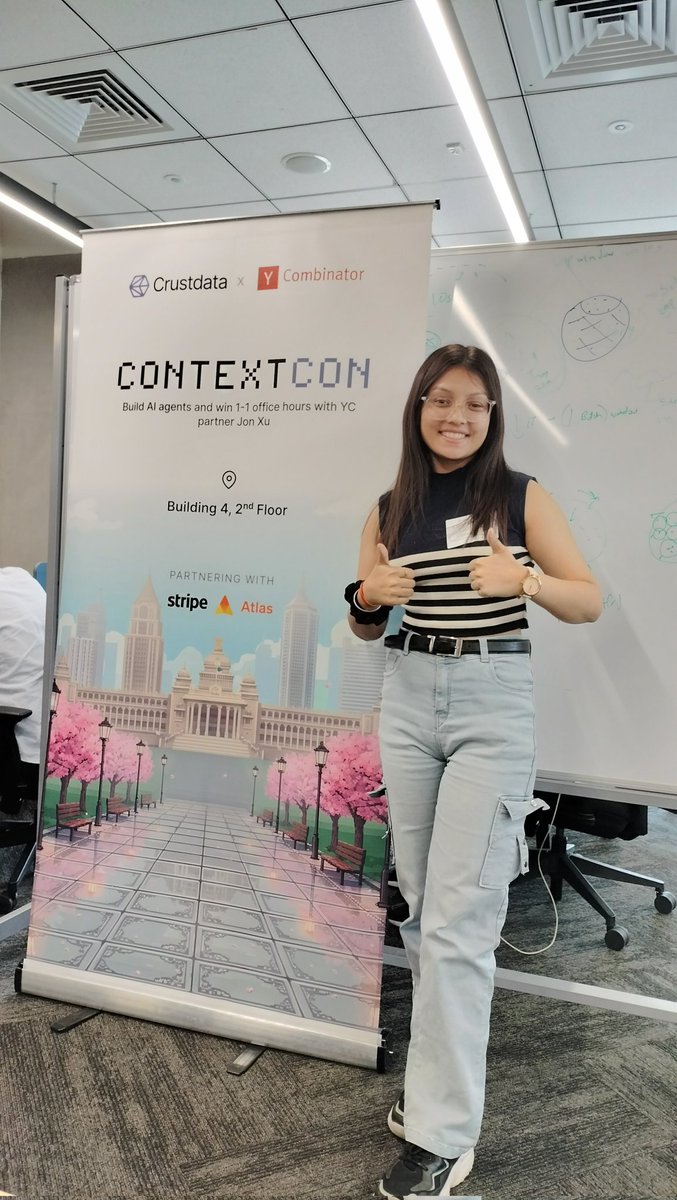
Got in at ContextCon by @crustdata & @ycombinator.
had a really fun time building. thank you @ajaysuwalka97, nithish & manmohit! for the opportunity!!
marks the last event for me in BLR!
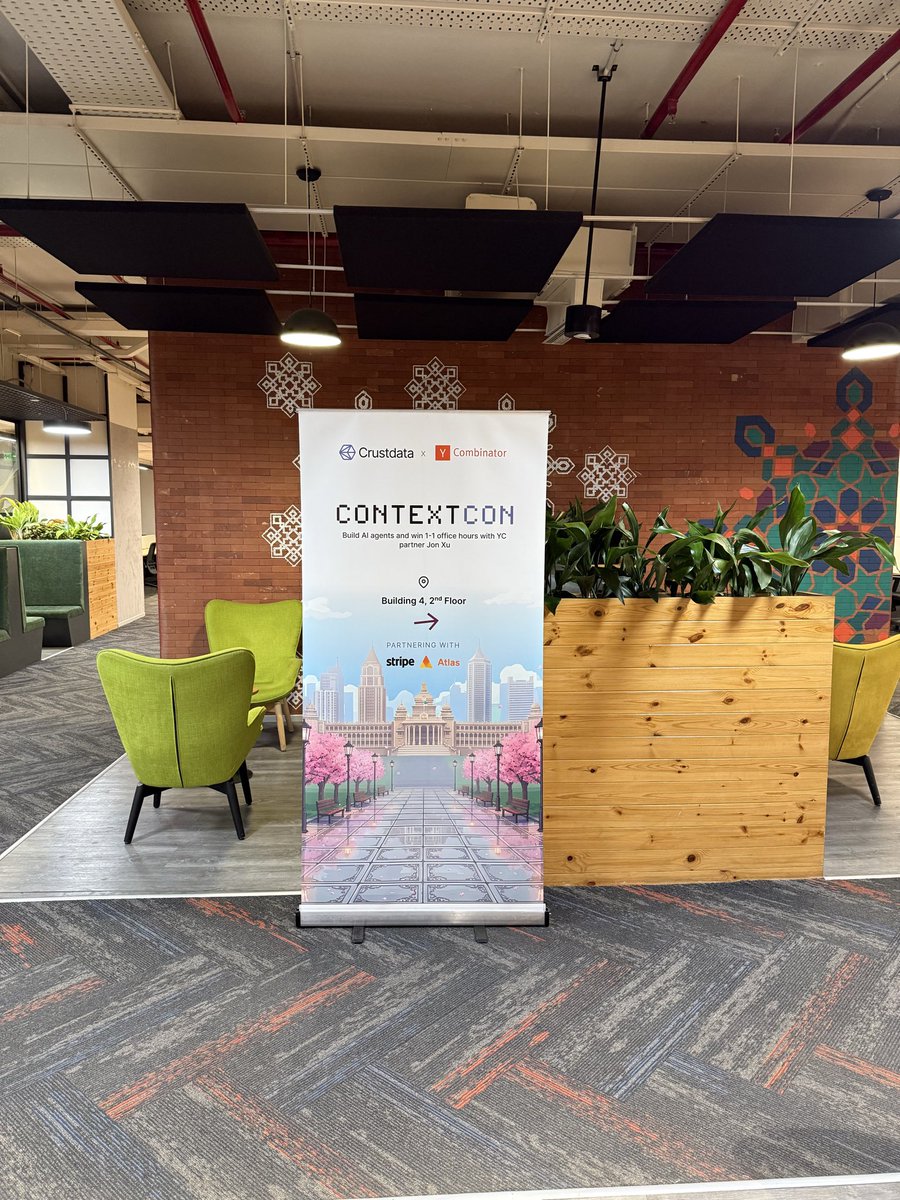
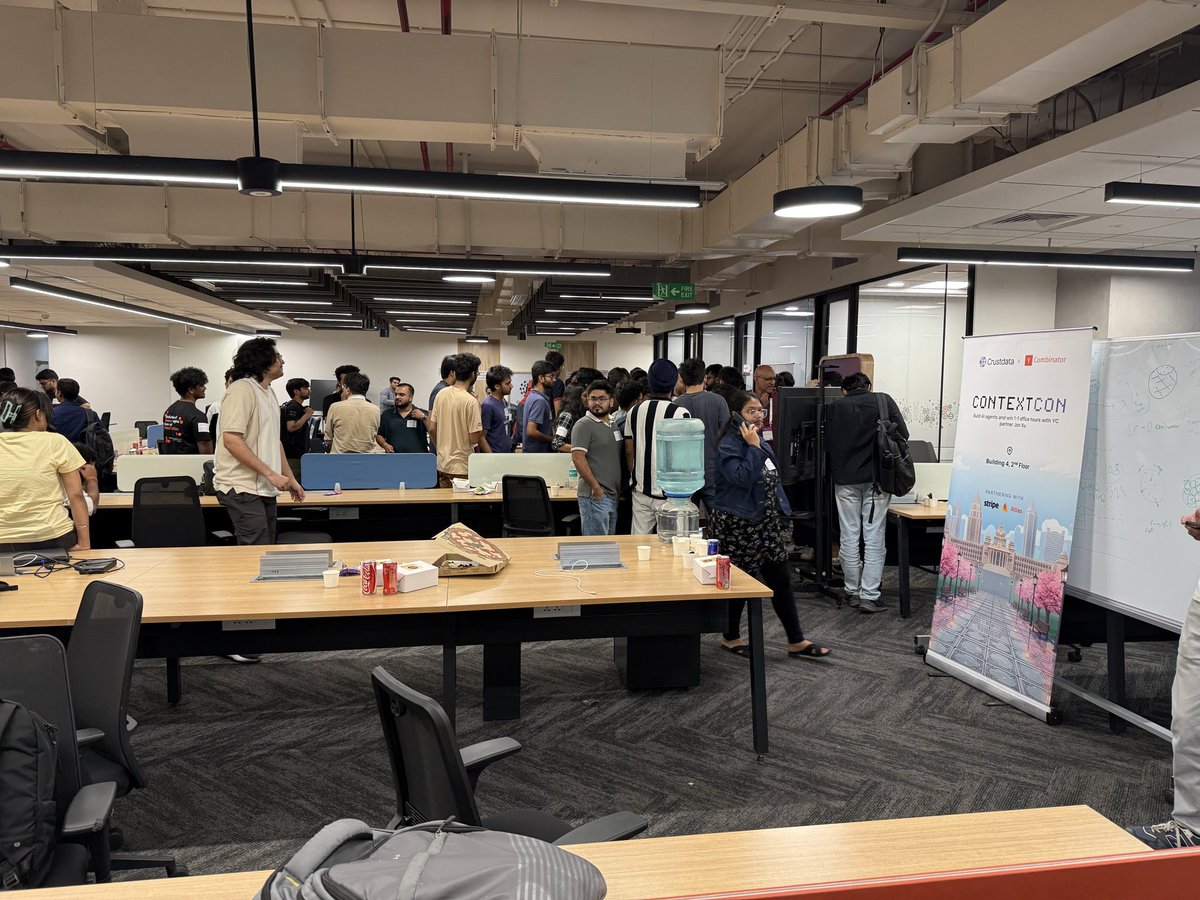
2
1
13
399
Crustdata retweeted

This is historic: Don’t fly home after YC India Startup School!
We’re excited to announce that Crustdata has partnered with Y Combinator to help bring the next generation of Indian founders one step closer to YC
Together, we’re hosting the first-ever YC hackathon in Bangalore that will offer YC office hours to the winners: ContextCon, on April 19
And it’s none other than legendary YC Partner Jon Xu who will be meeting the winners. Jon is a YC Partner and the co-founder of FutureAdvisor. He has advised hundreds of companies on how to go from a hack to a billion-dollar exit
You will get 6 hours to build a product powered by Crustdata’s APIs that must be demo-able by the end of the day. The top 3 winners will get guaranteed office hours to talk about their idea, product, or startup, something usually only YC startups have access to, plus prizes worth $20k
Sign up link in comments!

42
9
269
33,519
Apr 7
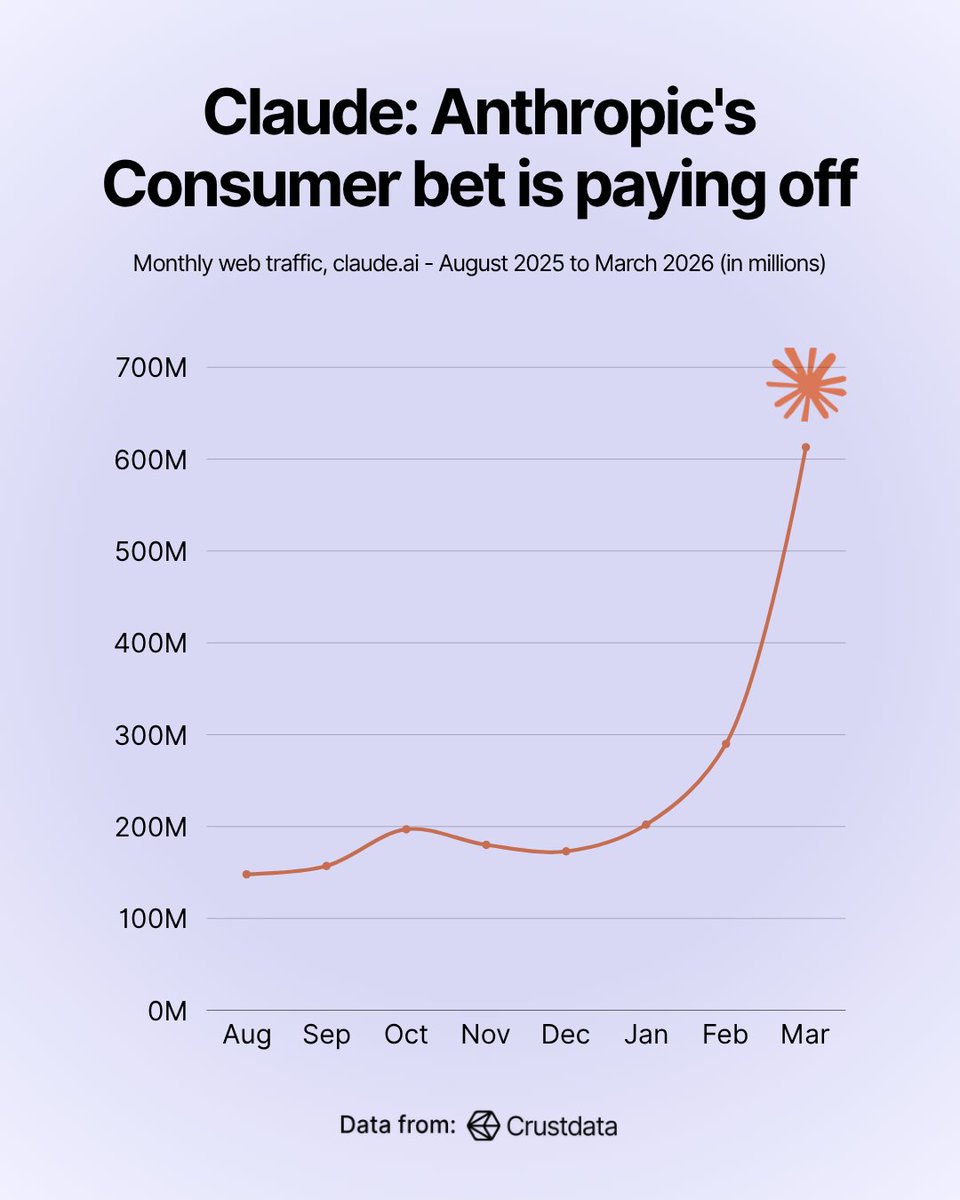
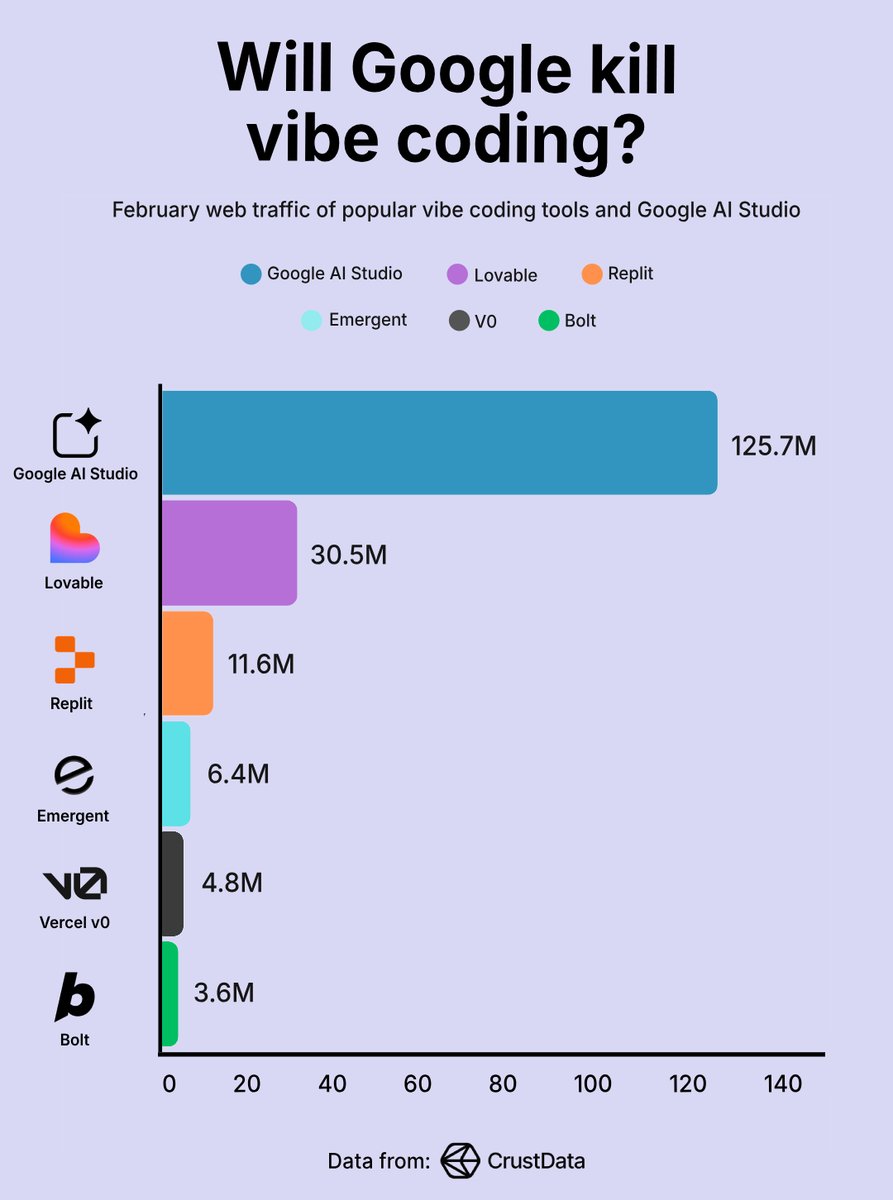
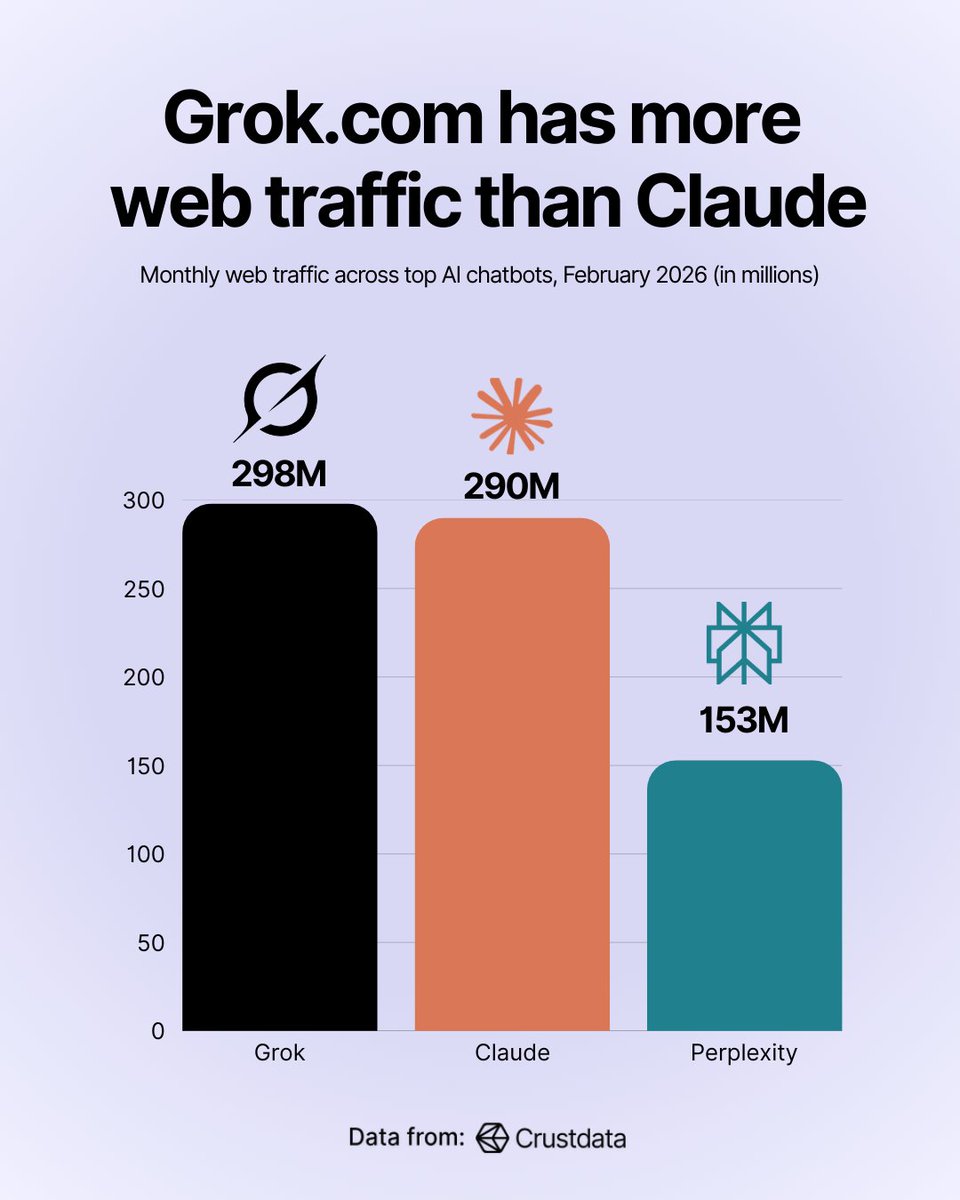
Claude just hit 600M monthly visitors for the first time ever
111% in a single month
Anthropic's consumer push is working
10
248
Apr 3
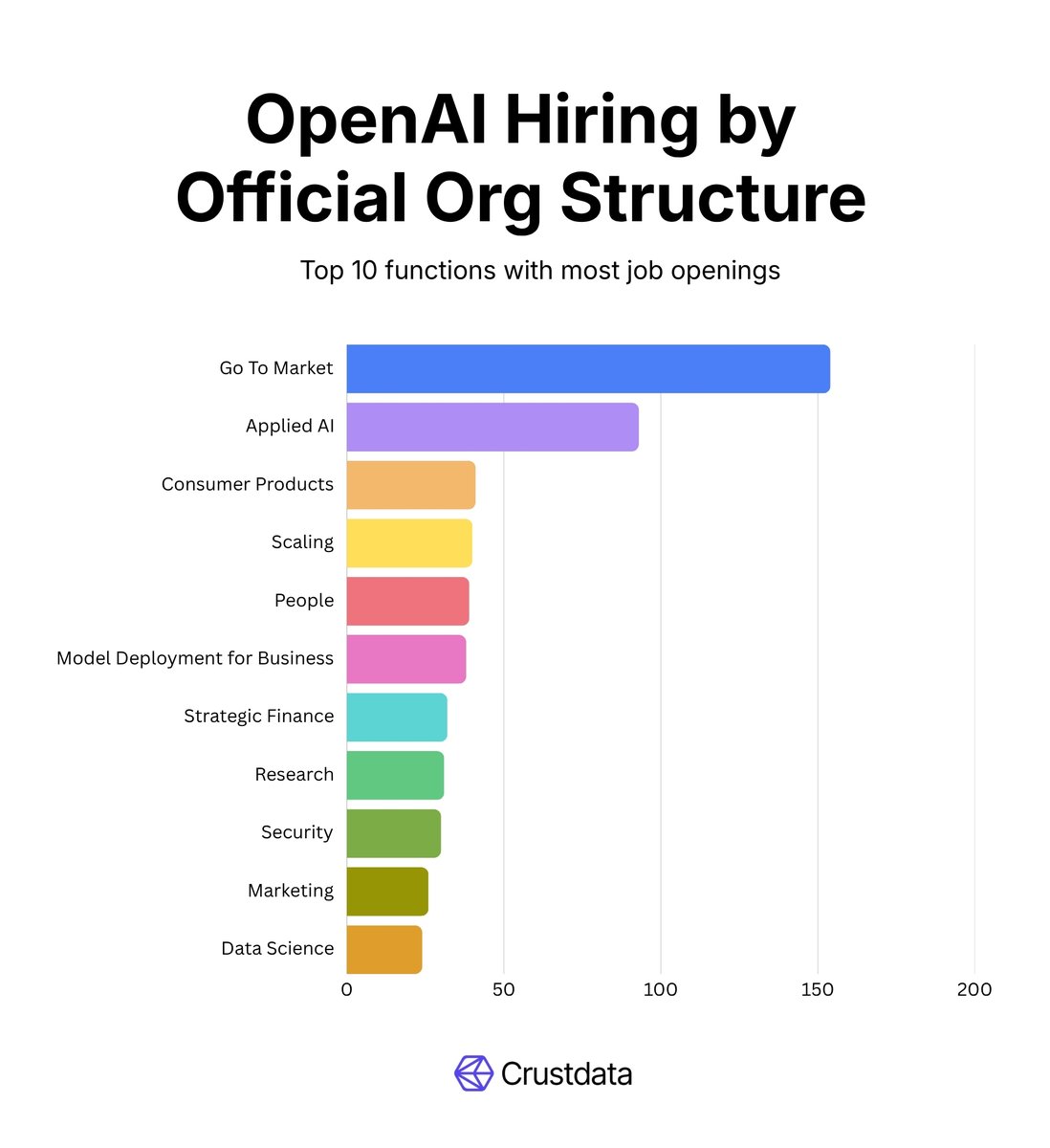
We analyzed all 656 of OpenAI’s current job listings to understand where their focus is and why they decided to acquire TBPN
Here’s what we found:
→ Only 30 of 656 roles are in Research
→ ~150 are in Go-To-Market, more than Research, Security, and Data Science combined
→ ~100 are Palantir-style Forward Deployed Engineers. Anthropic surpassed them in enterprise market share. This is their answer
→ 18 roles are dedicated to ads. They hit $100M in ad revenue within 6 weeks of the pilot
→ 20 roles are in health and life sciences. Drug discovery, FDA submissions, clinical docs
→ 41 roles are for the Jony Ive hardware device
7
220
Apr 2
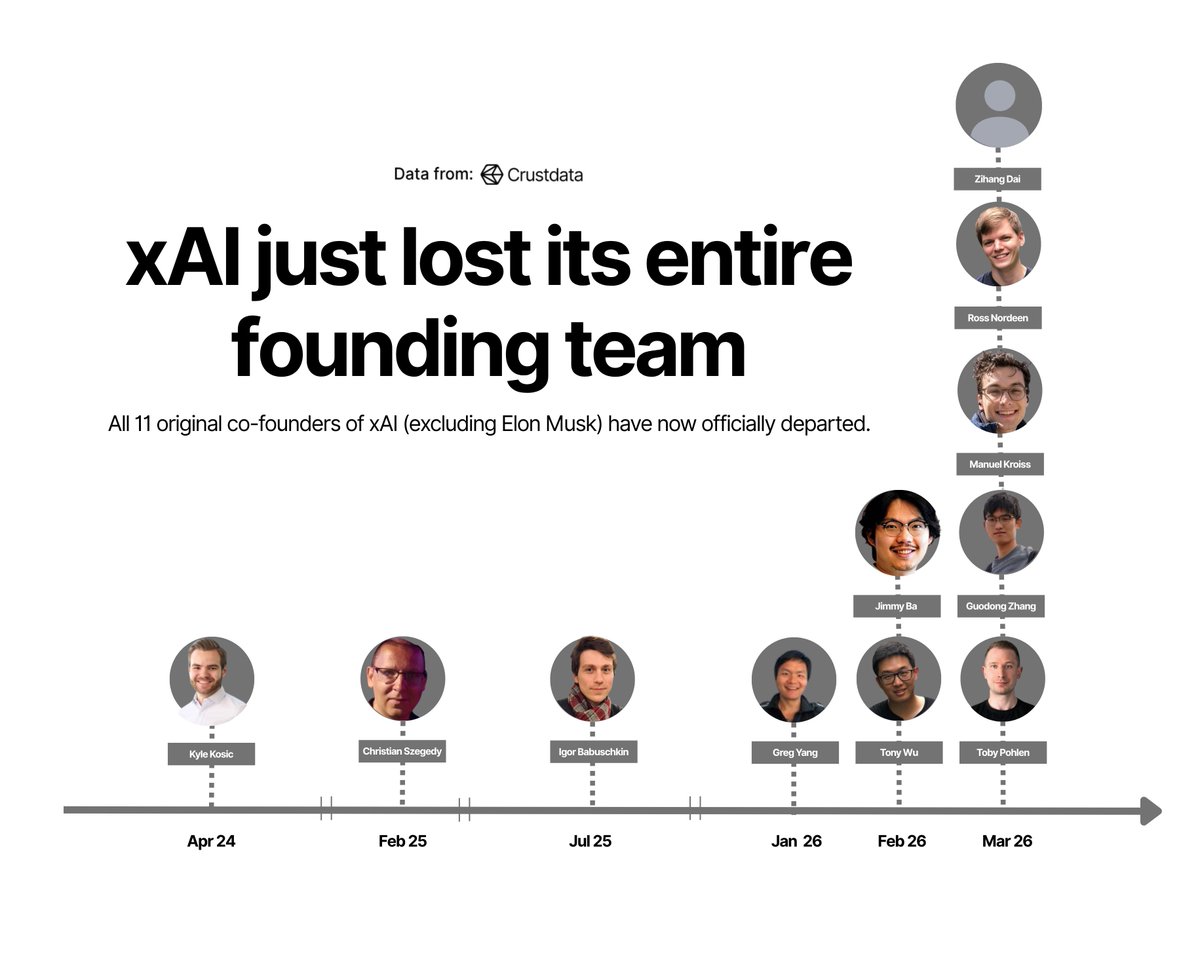
The entire xAI founding team is now gone - only Elon remains
Using the realtime Crustdata People Search API, we created a full timeline of all the co-founders who left:
1) Kyle Kosic - Apr 2024
2) Christian Szegedy - Feb 2025
3) Igor Babuschkin - Jul 2025
4) Greg Yang - Jan 2026
5) Tony Wu - Feb 2026
6) Jimmy Ba - Feb 2026
7) Toby Pohlen - Mar 2026
8) Guodong Zhang - Mar 2026
9) Manuel Kroiss - Mar 2026
10) Ross Nordeen - Mar 2026
11) Zihang Dai - Mar 2026
10
349
Apr 1
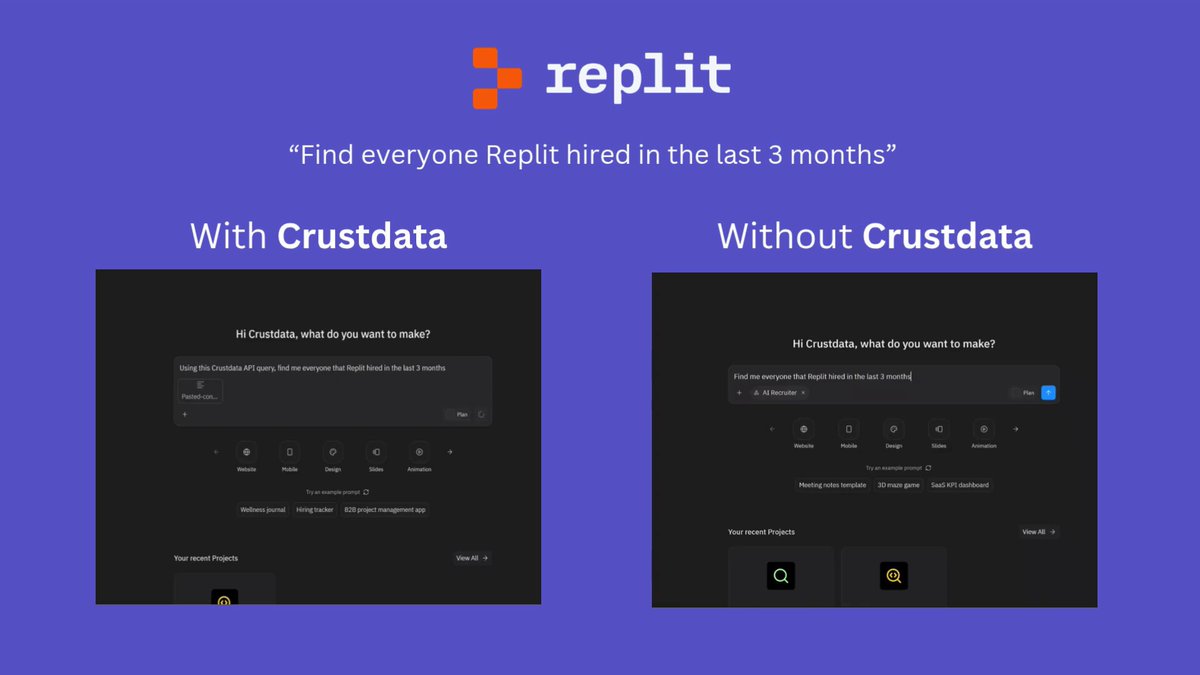
Replit's AI recruiter just got 20x faster and more accurate
Using the Crustdata real-time API, recruiters can now analyze everyone a company hired in the last 3 months:
hiring patterns, team structure and where top talent is coming from
And moree - you can now get results in seconds for any person you are looking for:
"Find me backend engineers with Rust experience, at least 10 repos, who worked at a Series A company for 8 months"
"Find me ex-FAANG product managers who moved to startups in the last 12 months and could fill a Head of Product role"
"Find me staff-level ML engineers with LLM experience who recently left Big Tech and are now at companies with <200 employees"
"Find me top-performing SDRs hired in the last 90 days at high-growth SaaS companies in London with a new VP Sales"
Everything possible with Replit Crustdata APIs
Mar 31

Introducing Replit AI Recruiter:
-Find targeted candidates in minutes
-Get LinkedIn searches tailored to your role
-Custom email/LinkedIn copy designed to convert
2
2
12
717
Mar 31
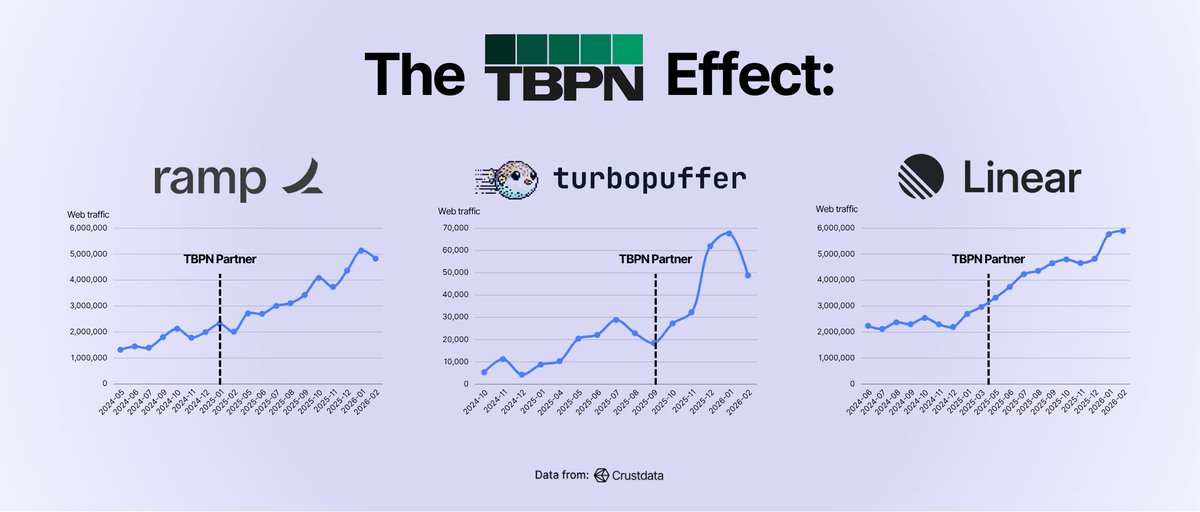
The @TBPN Effect:
We tracked the web traffic for every TBPN sponsor before and after partnering with TBPN
On average, TBPN sponsors grew their web traffic by 65% after partnering with the popular show @TBPN, hosted by @johncoogan and @jordihays
Some examples:
@Ramp: 1.3M => 4.8M visits/mo (partner since Jan 28, 2025)
@turbopuffer: 8K => 68K visits/mo (partner since Sep 30, 2025)
@Linear: 2.2M => 5.9M visits/mo (partner since Apr 25, 2025)
Whether it was TBPN that caused the growth or not - you can't deny the TBPN effect.
6
1
44
33,218
Mar 27
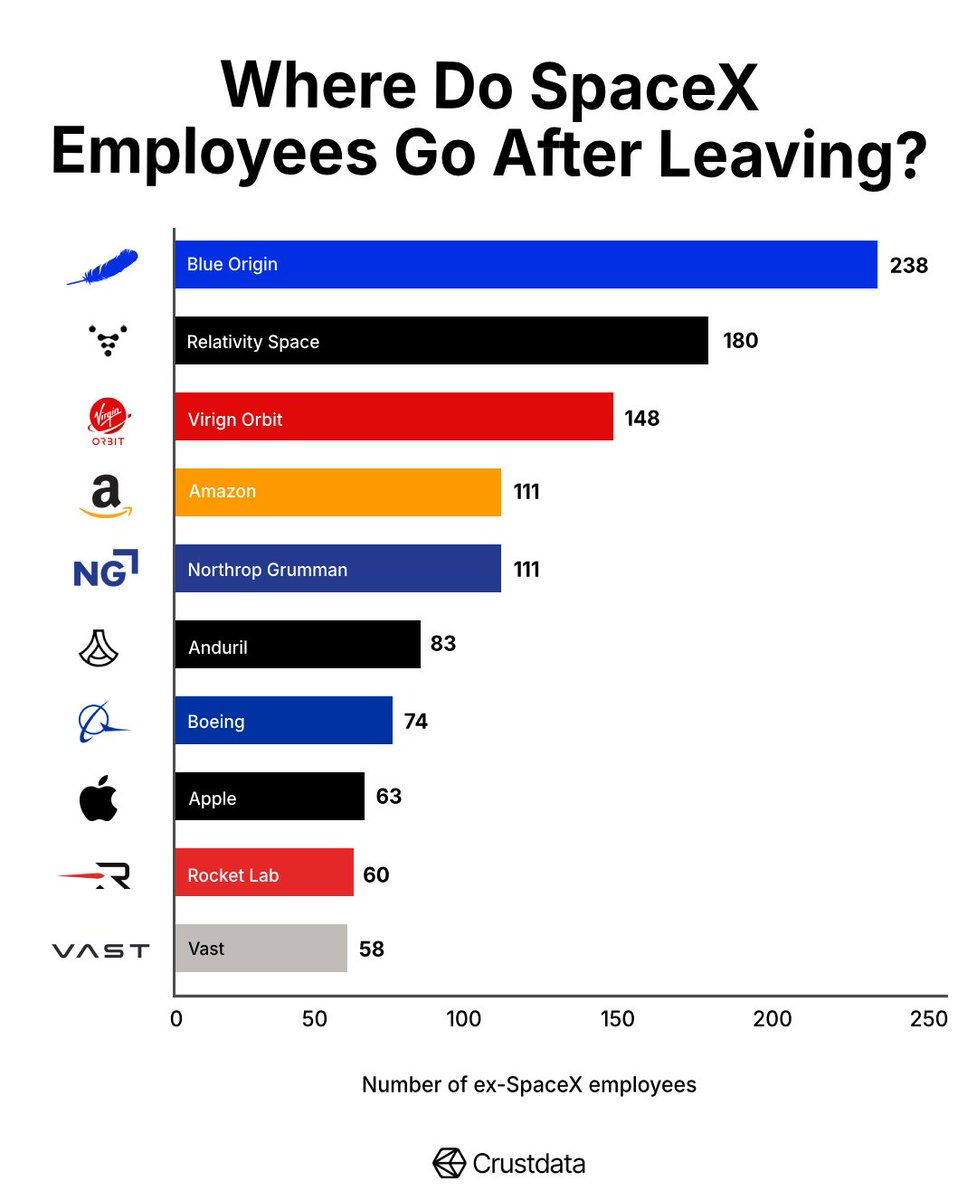
SpaceX has been a talent factory for 20 years
As it goes public, we mapped where its alumni landed
Turns out they’ve quietly built the backbone of the modern space industry
7
199
Mar 26
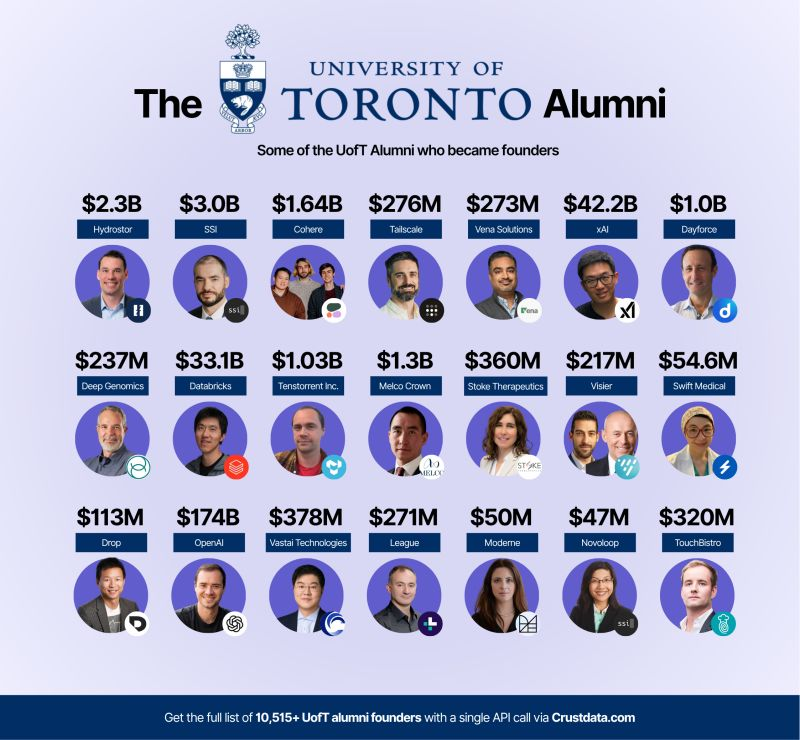
The University of Toronto (@UofT) has produced over 10,500 founders who have raised more than $325B in total funding.
Some of the alumni companies: OpenAI, Cohere, xAI, SSI, and thousands more.
10
259
Crustdata retweeted

Mar 25
this is exactly why we decided to adopt a "Palantir" model for sales
seeing more and more YC companies doing the same:
there is a massive shift right now toward wanting to build products in-house
but despite all the hype around replacing SaaS, there are still some blockers companies have:
they:
1) don't know where to start or what "it" should look like
2) don't know how they should go about building
3) lack the resources to build / maintain it
taking all that into account, we've decided to adopt a Palantir model for sales and will be testing: what if we still sell our data/APIs, but also take care of the building end-to-end?
the results so far of some of the products that came out of it:
- fully automated TAM building and email sequence platform for a Big 4 company
- automated "warmest path" for intros to founders for a private equity fund
and others that are basically a manifestation of the question: "what's your dream state for X?"
(X being sales, marketing, investing, etc.)
It's a lot to promise, but we're excited about the early potential. if you are interested in building your dream state for sales, recruiting, or investing - drop a note and we'll reach out!
Mar 24

Almost every SaaS app inside Vercel has now been replaced with a generated app or agent interface, deployed on Vercel.
Support, sales, marketing, PM, HR, dataviz, even design and video workflows. It’s shocking.
The SaaSpocalypse is both understated and overstated. Over because the key systems of record and storage are still there (Salesforce, Snowflake, etc.)
Understated because the software we are generating is more beautiful, personalized, and crucially, fits our business problems better.
We struggled for years to represent the health of a Vercel customer properly inside Salesforce. Too much data (trillions of consumption data points), the ontology of Vercel was a mismatch to the built-in assumptions, and the resulting UI was bizarre. We generated what we needed instead. When you don’t need a UI, you just ask an agent with natural language.
We’ve also been moving off legacy systems with poor, slow, outdated, and inconsistent APIs, as well as just dropping abstraction down to more traditional databases. UI is a function 𝑓 of data (always has been), and that 𝑓 is increasingly becoming the LLM.
13
6
152
49,301
Mar 24
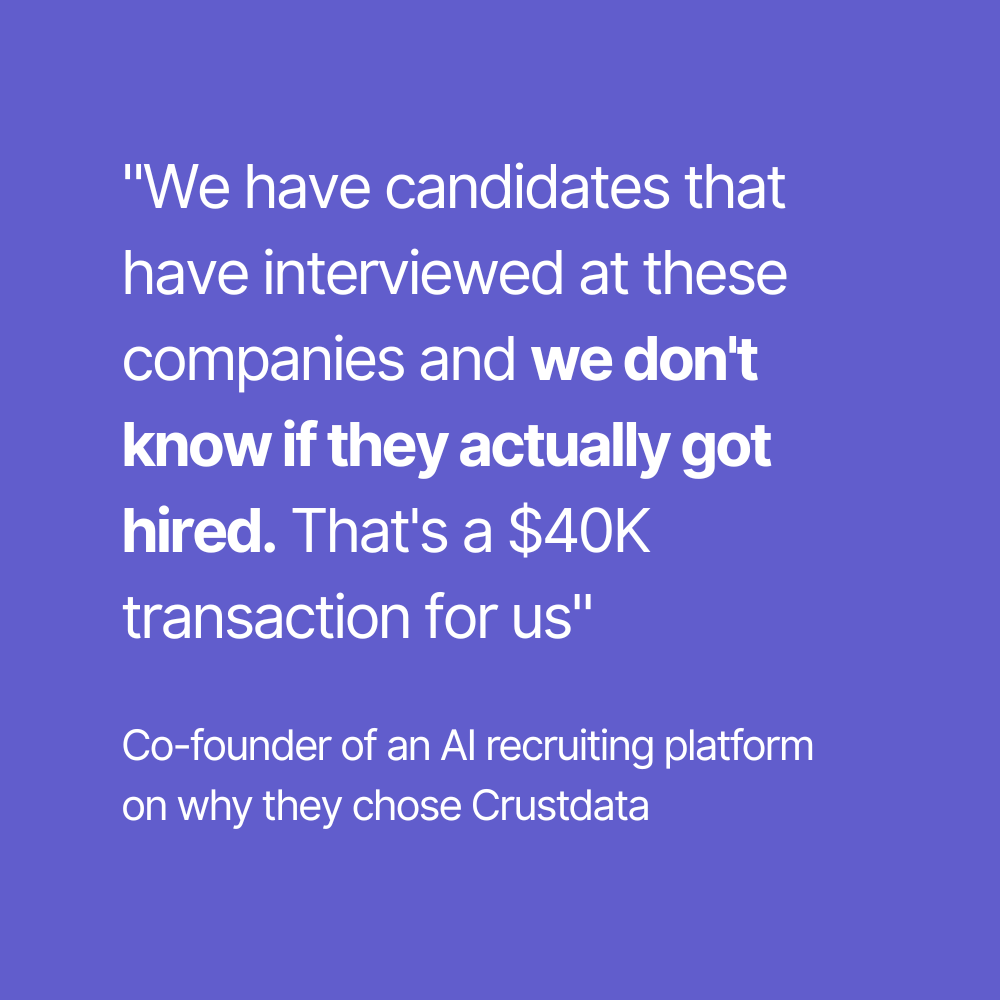
How can recruiters know if a candidate accepted a job offer?
One of our customers, who is building an AI recruiting platform, was facing exactly this problem: a candidate goes through interviews, then goes quiet, and nobody knows what happened next
Using the real-time Crustdata APIs, they were able to get a notification the moment that candidate joined a company they had been in process with
1
6
228
Mar 23
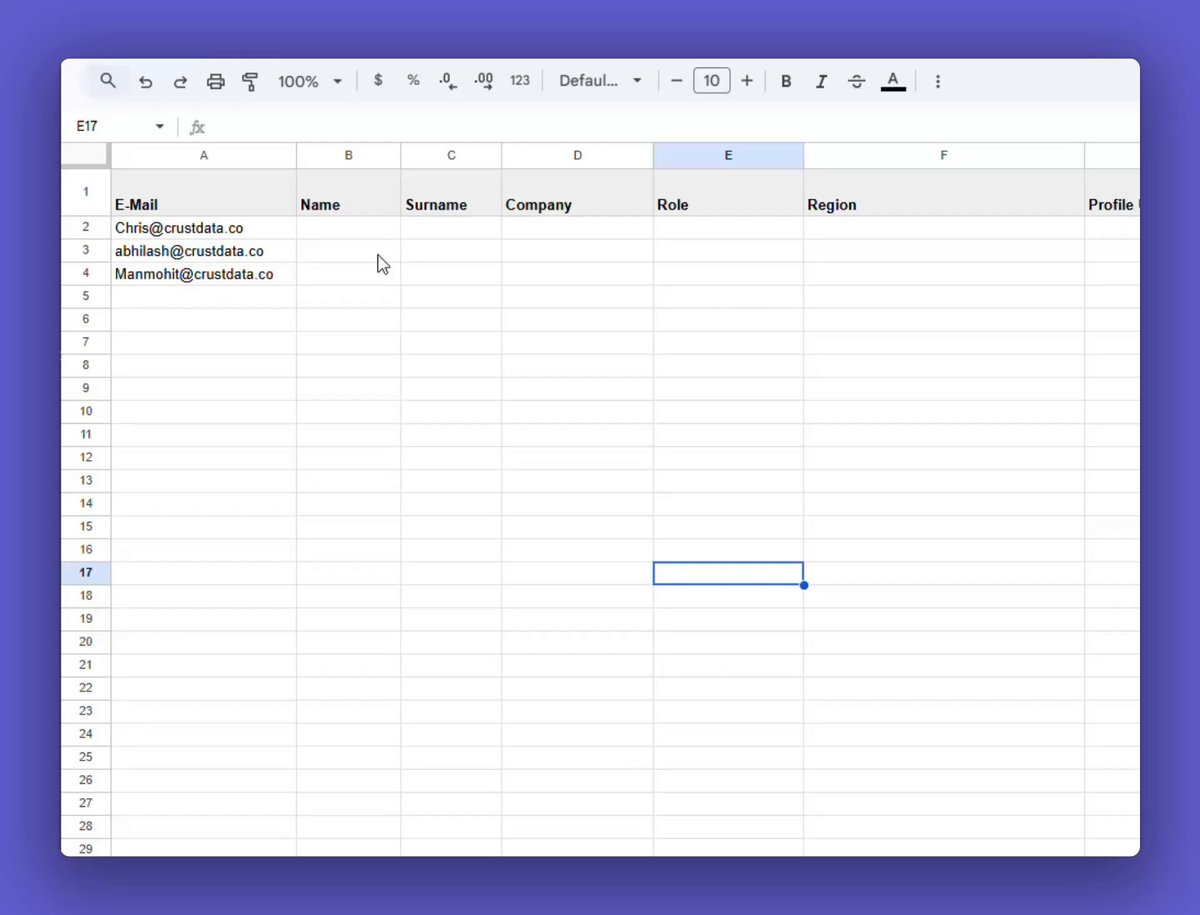
Introducing our Google Sheets integration:
Enrich people directly inside your spreadsheet using the identifiers you already have.
Emails, names, company data, and more can be turned into structured, up-to-date records without leaving GSheets.
Built for GTM, sales, recruiting, finance, and investment teams that run on spreadsheets and need reliable data at scale.
2
9
410